
Bearberry (Arctostaphylos uva-ursi) grows naturally across a wide northern belt stretching from Labrador to Alaska, hugging the boreal and subarctic zones of North America, and it shows up across northern Europe and Asia too. Where do bilberries grow? They prefer cool climates and thrive in acidic, well-drained, peaty soils much like other hardy heathland plants. In the wild it colonizes dry, sandy, rocky, open ground, the kind of site most plants abandon. In your garden, that translates to USDA Zones 2 through 6 (Zone 7 at a push), acidic and fast-draining soil around pH 4. 5 to 5.
Where Does Bearberry Grow? Native Range and Growing Tips
Marcus Holloway
27 May 2026
5, and a sunny or lightly shaded spot where water never sits. If your soil is heavy clay and your summers are long and hot, bearberry is going to fight you. If you're in a cool northern region with sandy or rocky ground, it can become one of the easiest groundcovers you've ever planted. If you're also curious about pineberries, you may be wondering pineberry where do they grow and what conditions help them thrive.
Which bearberry are we actually talking about?
"Bearberry" gets used loosely, and that matters because the three main plants sharing the name have noticeably different habits and habitat preferences. The one most people mean when they're searching for bearberry to grow is Arctostaphylos uva-ursi, also called kinnikinnick. It's the low-growing, mat-forming evergreen groundcover with small glossy leaves and bright red berries. Then there's red fruit bearberry (Arctostaphylos rubra), a deciduous alpine relative that tolerates wetter, boggier ground than A.
uva-ursi. And blank" rel="noopener noreferrer">alpine bearberry (sometimes listed as Arctous alpina or Arctostaphylos alpina) grows in tundra, gravelly beach ridges, and windswept fellfields, genuinely harsh terrain that's nearly impossible to replicate in a home garden. Unless you specifically need one of those others, A. uva-ursi is the one to plant, and it's the one this guide focuses on.
One more naming wrinkle: the Arctostaphylos genus is large, especially in California, where dozens of manzanita species share the same genus. When you're shopping for plants or seeds, confirm the full Latin name. Common names like "bearberry" and "manzanita" overlap in ways that can send you home with the wrong plant entirely.
Where bearberry naturally grows in the world

The native range of Arctostaphylos uva-ursi is one of the widest of any berry-producing groundcover. If you are wondering where serviceberries grow, they typically do best in cool to temperate climates and can be found in parts of North America and Europe depending on the species. If you are comparing other berries, you may be wondering where bilberries grow, since their natural habitat is different from bearberry where do bilberries grow.
It runs across the northern tier of North America from Newfoundland and Labrador all the way to Alaska, dipping south through the Rocky Mountains, Great Lakes region, and northern Appalachians. For comparison, you might also wonder where does barberry grow and what conditions it prefers. If you're also wondering where does barberry grow, it's typically a warmer-climate shrub than bearberry and its ideal sites differ a lot. It's also native across northern and central Europe, the British Isles, and across much of northern Asia.
In the US, you'll find it growing wild in states like Minnesota, Wisconsin, Michigan, Colorado, Montana, Idaho, and Oregon, and it reaches down into Illinois, but only barely, where it's considered rare and state-listed as endangered at the southern limit of its range.
That southern Illinois example is a useful clue. Bearberry isn't a warm-climate plant. When it shows up in more southerly spots, it's always clinging to specific microhabitats, sandy lakeside dunes, cool north-facing slopes, or high-elevation sites where the local climate mimics something farther north. Illinois DNR notes that bearberry is rare and state-listed in southern portions of Illinois and is associated with blank" rel="noopener noreferrer">dune and sandy habitats. The species is built for cold winters, short seasons, and lean soils, not warmth and fertility.
The wild habitats bearberry actually calls home
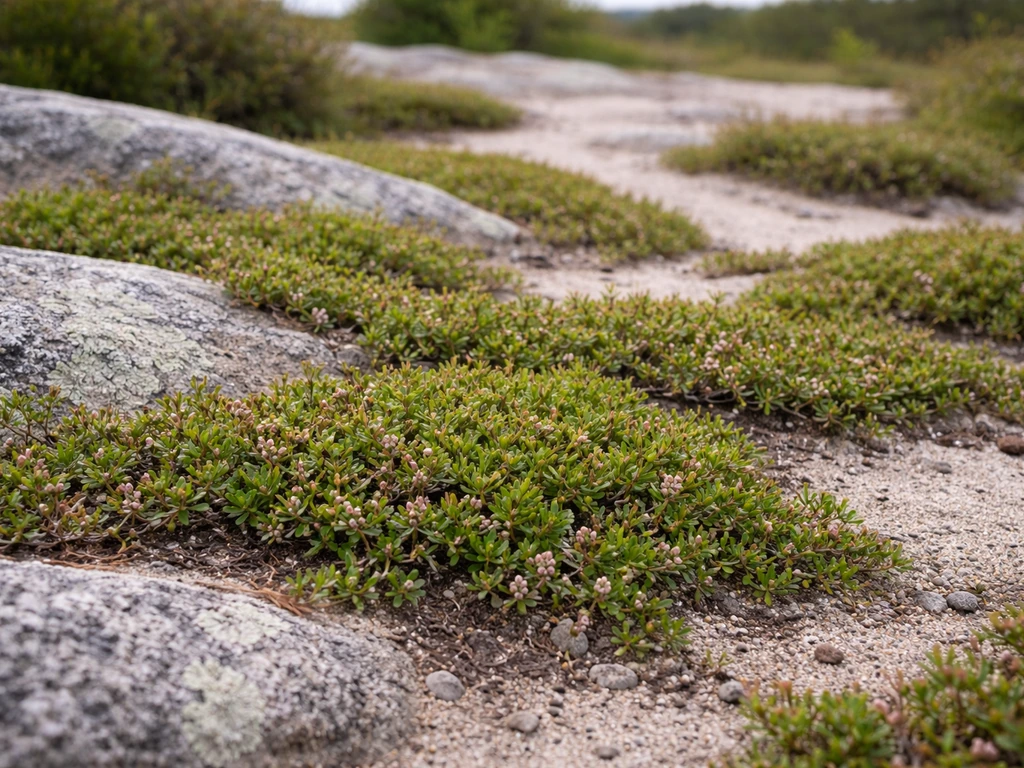
If you've ever seen bearberry in the wild, you've probably noticed it grows where almost nothing else wants to. Rocky outcrops, coastal sand dunes, open pine barrens, heathlands, and the edges of boreal forest are its sweet spots. It's a specialist of disturbed, nutrient-poor ground. On the Lake Michigan dunes, it actually thrives under slow burial by shifting sand, which tells you something about how tough and adaptable it is in the right base conditions.
The soil situation is specific. Bearberry overwhelmingly prefers sandy soils, shallow soils over rock, or coarse-skeletal rapidly drained soils. The one thing all those substrates share is that water moves through them fast. Roots never sit in moisture. Soil pH in its natural range tends to run acidic, often between 4.5 and 5.5, though some populations on specific sites lean toward slightly higher or lower pH depending on the local geology.
Sun exposure is another consistent feature of bearberry habitat. It's largely an open-site plant, doing best in full sun to light shade. Deep forest shade is not its territory. It fills in gaps, edges, cliff faces, and open scrubland rather than closed-canopy woodland interiors. Red fruit bearberry (A. rubra) breaks this rule somewhat, since it tolerates wetter and shadier conditions under black spruce canopy in parts of its range, but A. uva-ursi is solidly a sun-and-dryland plant.
Climate fit by region: figuring out if your zone works
The standard guidance from Missouri Botanical Garden places A. uva-ursi squarely in USDA Zones 2 through 6, with Zone 7 as a possible stretch. That gives you a pretty wide cold-hardiness window, it can handle brutal winters down to roughly -50°F on the cold end. What it doesn't handle nearly as well is sustained summer heat, high humidity, and hot nights. Southern gardeners in Zone 8 and above will struggle significantly unless they have a very specific microsite, like a north-facing slope with excellent drainage and air circulation.
| USDA Zone | Average Min Temp | Bearberry Suitability | Notes |
|---|---|---|---|
| 2–3 | -50°F to -40°F | Excellent | Native range core; thrives with minimal help |
| 4–5 | -30°F to -20°F | Excellent | Sweet spot for home gardens in the northern US |
| 6 | -10°F to 0°F | Good | Grows well with right soil and drainage; avoid wet clay |
| 7 | 0°F to 10°F | Marginal | Possible in cool microclimates; needs careful siting |
| 8+ | 10°F and above | Not recommended | Heat and humidity cause decline; choose alternatives |
Microclimates can shift things by a full zone in either direction. A Zone 6 garden with a south-facing gravel slope might run warmer than the zone suggests, while a north-facing hillside in Zone 7 near a large lake could stay cool enough for bearberry to survive. Always check your actual site conditions rather than trusting the zone number alone.
How to replicate bearberry conditions in your garden
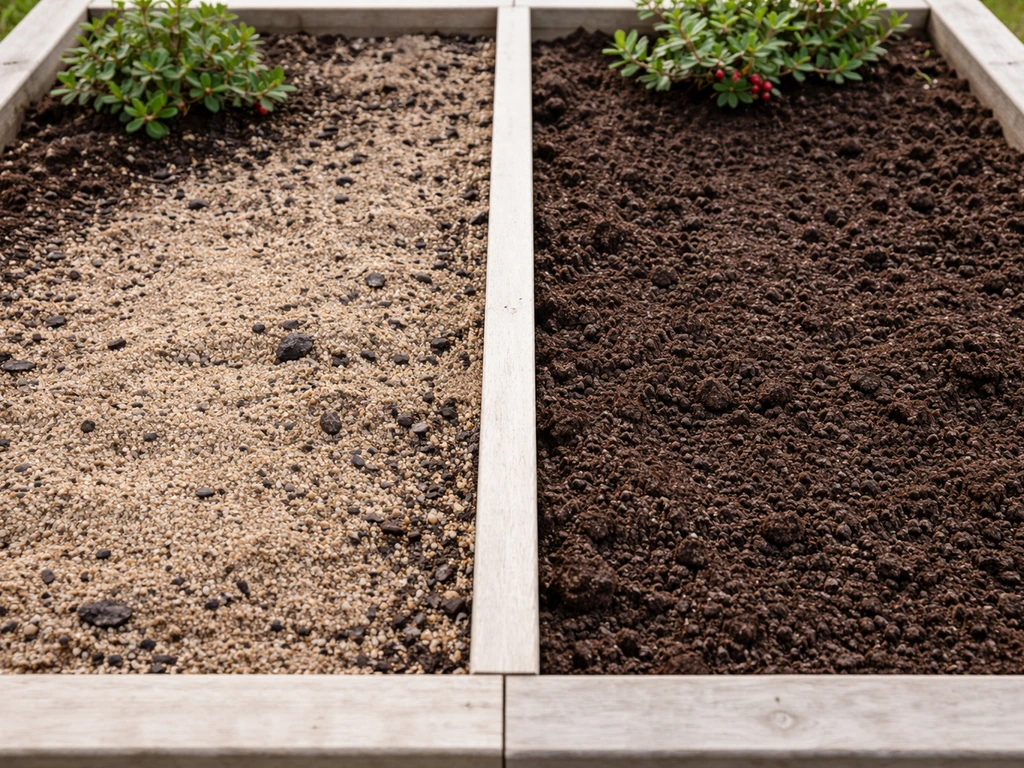
Getting the soil right is non-negotiable. I've tried to cut corners on this and it doesn't work. Bearberry planted in average garden soil, even good loam, tends to slowly decline. The roots need air movement and fast drainage, and they need the low pH that acidic, sandy soils naturally provide. The target is pH 4.5 to 5.5. If your existing soil is closer to neutral (pH 6.5–7), you'll need to amend before planting, not after.
Soil prep steps
- Test your soil pH with an inexpensive home test kit or send a sample to your local extension office for a more precise reading.
- If pH is above 6.0, incorporate elemental sulfur into the top 8–10 inches. Your extension office can tell you the exact amount for your soil type, but expect to use 1–2 lbs per 100 square feet for sandy soil and more for heavier soils.
- Mix in coarse sand or fine gravel to open up drainage if your native soil holds moisture. Aim for at least 50% sandy/gritty material in the planting zone.
- Avoid adding compost or any rich organic material. Bearberry is adapted to lean, low-nutrient substrates. Fertility works against it.
- Mulch with pine bark or pine needles rather than hardwood mulch. Both help maintain acidity and improve drainage around the crown.
Site selection matters just as much as soil prep. Choose a spot in full sun or at most light partial shade. Avoid low spots in the yard where water collects after rain. A gentle slope is ideal because it naturally encourages drainage. North-facing slopes in warmer zones help keep the root zone cooler in summer, which bearberry appreciates.
Watering and feeding
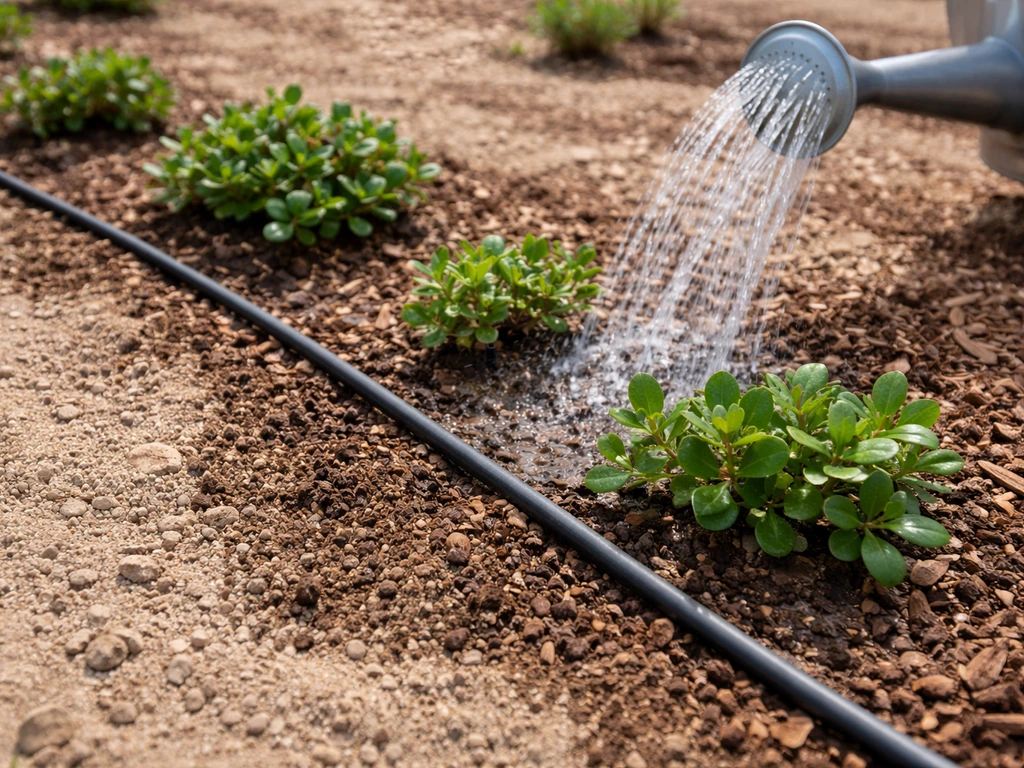
Once established (usually after the first full growing season), bearberry is notably drought tolerant. During the first year, water regularly but allow the soil to dry out between waterings. After that, supplemental irrigation is rarely needed in most northern zones unless there's a genuine drought. Never fertilize with high-nitrogen products. If you feel the need to feed, use an acid fertilizer at half the recommended rate in early spring, but honestly, most established plants do fine without any fertilizer at all.
Check your site before you buy a single plant
Spending ten minutes checking your site conditions before you order plants can save a lot of frustration. Here's a quick go/no-go checklist you can run through today.
- Soil pH: Test it. If you're between 4.5 and 6.0, you're in range. Above 6.5, you need serious amendment work before planting.
- Drainage: Dig a hole about 12 inches deep, fill it with water, and watch how fast it drains. If it empties within an hour, drainage is adequate. If water is still sitting after three or four hours, you have a drainage problem that must be fixed first.
- USDA Zone: Confirm you're in Zone 2–6. Zone 7 is a calculated risk; Zone 8 and above is a likely no.
- Sun exposure: The planting site should receive at least 6 hours of direct sun daily. Less than that and you'll get weak, sparse growth and poor fruiting.
- Summer heat: Think about whether your summers are cool and dry or hot and humid. Bearberry dislikes both high humidity and sustained heat above roughly 85–90°F.
- Existing soil texture: Sandy or rocky native soil is a green light. Heavy clay is a red flag that requires significant amendment or a raised bed solution.
If you tick most of those boxes, you're in good shape. If you're failing two or more, either address the issues before planting or consider growing in containers where you have full control over the growing medium.
In-ground vs. container growing: what actually works
Planting in the ground
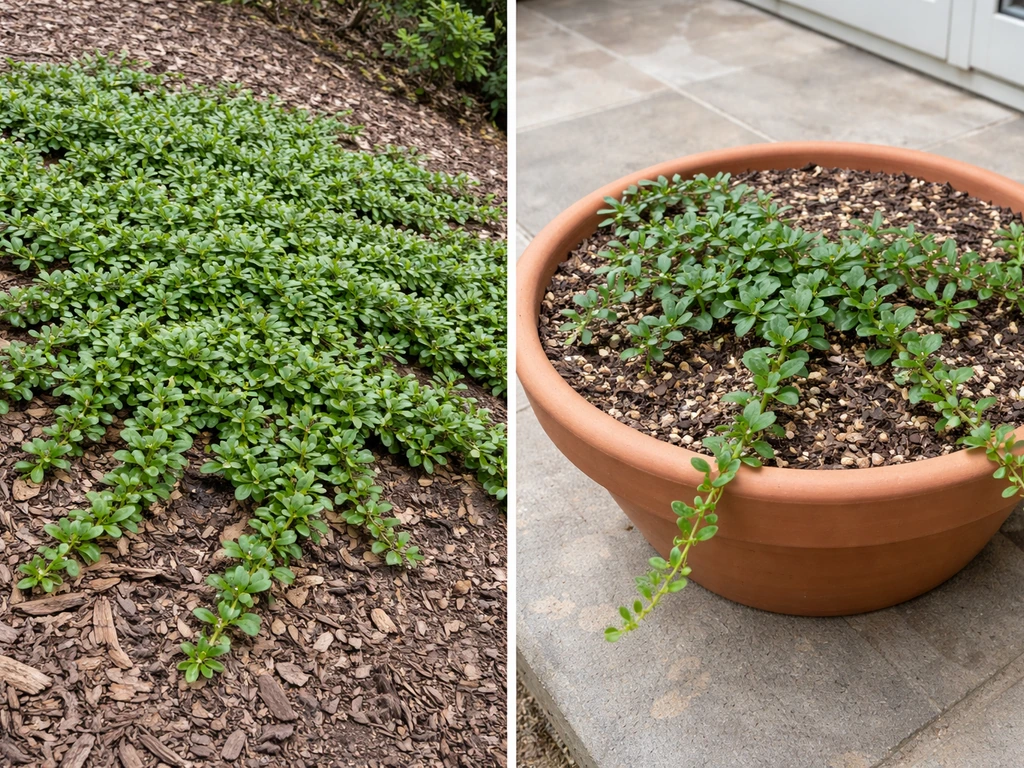
In-ground is the long-term ideal for bearberry. It spreads by trailing stems that root where they touch soil, eventually forming a dense mat that suppresses weeds and handles slopes beautifully. Space plants 18 to 24 inches apart for reasonable coverage within two or three years. Plant at the same depth as the nursery container. Firm the soil around the root ball and water in well, then apply a 2-inch layer of pine bark or pine needle mulch keeping it away from the crown. Spring planting gives roots the full growing season to establish before winter.
Container growing
If you're in Zone 7 or working with clay-heavy soil, a container setup gives you direct control over pH and drainage. Use a wide, shallow pot (bearberry's root system spreads laterally rather than deep) with plenty of drainage holes. Fill it with a mix of roughly half coarse sand or perlite and half acidic potting mix formulated for ericaceous plants (the kind sold for blueberries and azaleas). Check the pH of your mix before planting and adjust if needed. In Zone 7, bring containers to a sheltered but cold location in winter so the roots experience dormancy without freezing solid. Don't bring them indoors to a heated space.
Ongoing maintenance
Bearberry is genuinely low-maintenance once established. It rarely needs pruning beyond trimming back any dead or overly long stems in early spring. It doesn't need annual feeding if your soil conditions are correct. Watch for root rot, which shows up as yellowing, wilting stems despite adequate moisture, that's almost always a drainage or overwatering issue rather than a disease problem. It can also get some leaf spot in humid climates, which is another reason the plant struggles in warm, muggy regions. Compared to something like bilberries (which need consistently moist, boggy conditions) or boysenberries (which need full fertile soil and significant pruning), bearberry's maintenance load is refreshingly light as long as you nail the site conditions upfront.
Your practical next steps
If you've read this far and bearberry sounds like a fit, here's a simple action plan to move forward. Test your soil pH this week, don't skip it. Confirm your USDA zone and think honestly about your summer heat patterns. Find a sunny, well-drained spot and do the drainage test before committing.
Source plants from a local native plant nursery or a reputable online supplier that sells Arctostaphylos uva-ursi specifically (not just "bearberry" without a Latin name). If your conditions need adjustment, start amending soil now and plan for a spring planting. If you're on the zone edge or working with difficult soil, order a container, get the right ericaceous mix, and try one plant before committing to a full bed.
Bearberry is a rewarding plant in the right setting, tough, beautiful year-round with those glossy leaves and red berries, and genuinely useful as a groundcover on slopes or sandy banks where little else performs.
FAQ
If I buy “bearberry,” how do I know it’s the kind that grows in the same places as uva-ursi?
Look for the full name Arctostaphylos uva-ursi (kinnikinnick). The “bearberry” label is also used for Arctostaphylos rubra and other close relatives, and their preferred habitat can include shadier or wetter ground, so matching the Latin name prevents buying the wrong plant for your site.
Can bearberry grow in warmer areas if I have the right soil?
In hot summers, bearberry usually fails when nights stay warm and humid, even if the soil drains. To improve your odds, choose a north-facing slope or the coolest part of the yard, keep the planting on a gentle grade, and avoid planting near heat-retaining surfaces like dark rocks or solid fences.
What if my soil is already sandy, but my pH is too high?
Yes, but you need the soil chemistry and drainage, not just “sandy-looking” ground. If your native soil tests near pH 6.5 to 7, you will typically need an amendment plan before planting so the root zone stays acidic, and you still need fast drainage so roots never sit wet.
How can I tell if my planting spot drains fast enough before I dig?
Bearberry dislikes standing water, so perform a quick drainage test by soaking the spot thoroughly and watching how long it takes for the water to disappear. If water lingers for hours after rain or irrigation, treat it as a no-go or switch to a raised bed or container with controlled media.
Should I mulch bearberry, and does mulch placement matter?
Mulch is helpful, but keep it off the crown. Use a thin, consistent layer of pine bark or pine needles (about the thickness mentioned in the guide), and avoid piling mulch directly against trailing stems or the main crown, because trapped moisture can contribute to rot in poorly ventilated spots.
What fertilizer should I use, and what mistakes commonly hurt bearberry?
For the best establishment, avoid high-nitrogen feed and don’t “fix” slow growth by fertilizing heavily. If you want to try feeding, use an acid fertilizer only early in spring and at a reduced rate, because excess fertility often makes bearberry more susceptible to stress during heat and humidity.
How do I troubleshoot yellowing or wilting that happens even when I water regularly?
If stems yellow while the soil is still moist, that points to drainage or overwatering more than a nutrient deficiency. Reduce watering frequency, check for compaction or heavy clay pockets, and if needed, transplant to a higher, sandier, more open site or into a container.
Will bearberry stay where I plant it, and how do I control spread on slopes?
Bearberry can root from trailing stems where they touch soil, so in practice it can spread beyond its initial spacing. If you want to contain it, install a physical edging barrier and periodically trim or lift rooted runners before they establish beyond the bed.
What’s the winter approach for bearberry in containers in Zone 7?
You can plant containers in Zone 7, but don’t move them indoors to a heated room. Use a sheltered, cold location so they experience dormancy, and prevent freeze-damage by ensuring the pot and media drain well so water does not sit and then freeze repeatedly.