
Boysenberries grow best in cool, temperate climates with mild winters and long, warm (but not scorching) summers. In the wild, their parent species thrive along the Pacific Coast from Baja California up through British Columbia, and that coastal, maritime-influenced climate is still where boysenberries perform most reliably. In a home garden, though, you can grow them successfully across a pretty wide range of USDA zones, as long as you give them full sun, the right soil, consistent moisture, and a sturdy trellis to climb on.
Where Do Boysenberries Grow Best and How to Grow Them
Marcus Holloway
17 Apr 2026
Natural habitat and where boysenberries actually come from
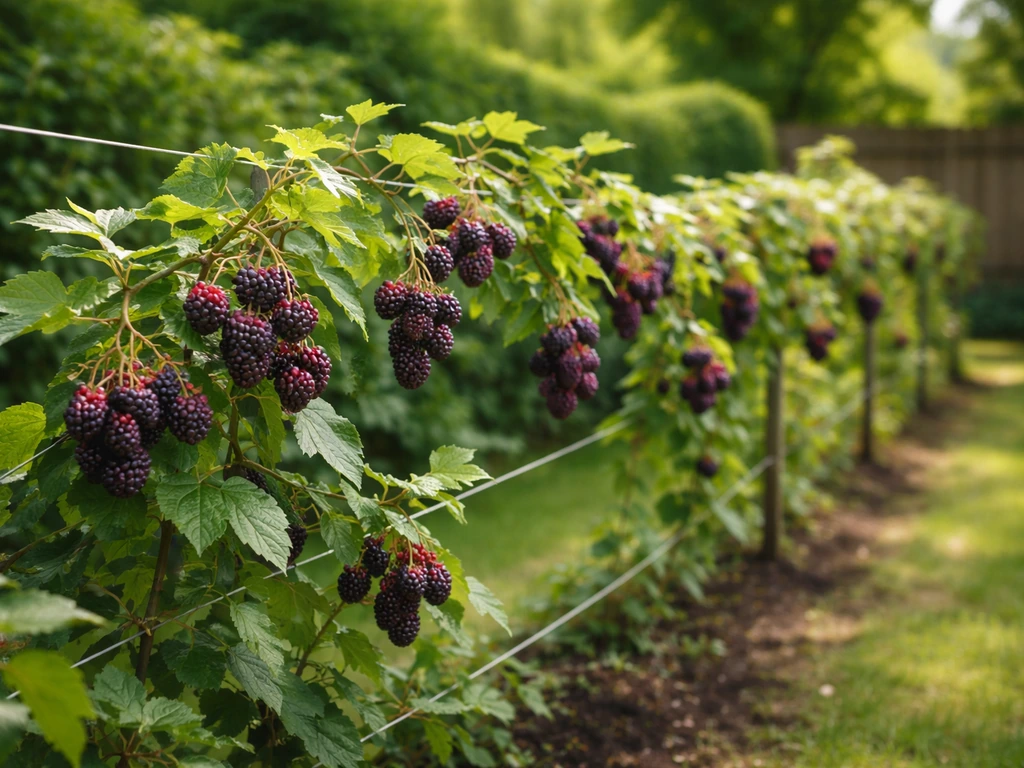
Boysenberry is a hybrid, developed in the 1920s by Rudolph Boysen and later popularized by Walter Knott. Its primary wild parent is Rubus ursinus, the Pacific blackberry, which ranges naturally from Baja California north to British Columbia and east into central Idaho. In the wild, that plant shows up in coastal sage scrub, mixed-evergreen forest, riparian areas, oak woodland, and even along freshwater marsh edges. It's essentially a plant of moist, semi-shaded edges and open forest floors in maritime-influenced landscapes.
That ancestry matters a lot when you're figuring out where boysenberries will grow for you. The Pacific blackberry parent is listed as hardy to USDA Zone 3 and is common from the Cascades to the Pacific Coast. It tolerates a wide range of soil textures and pH levels, but it does need adequate soil moisture to perform well. That combination of cold hardiness in the roots plus preference for reliable moisture explains why boysenberries tend to love Pacific Northwest and Northern California gardens and struggle a bit in hot, dry inland zones without extra irrigation.
Do boysenberries grow on trees? No, here's what they actually grow on
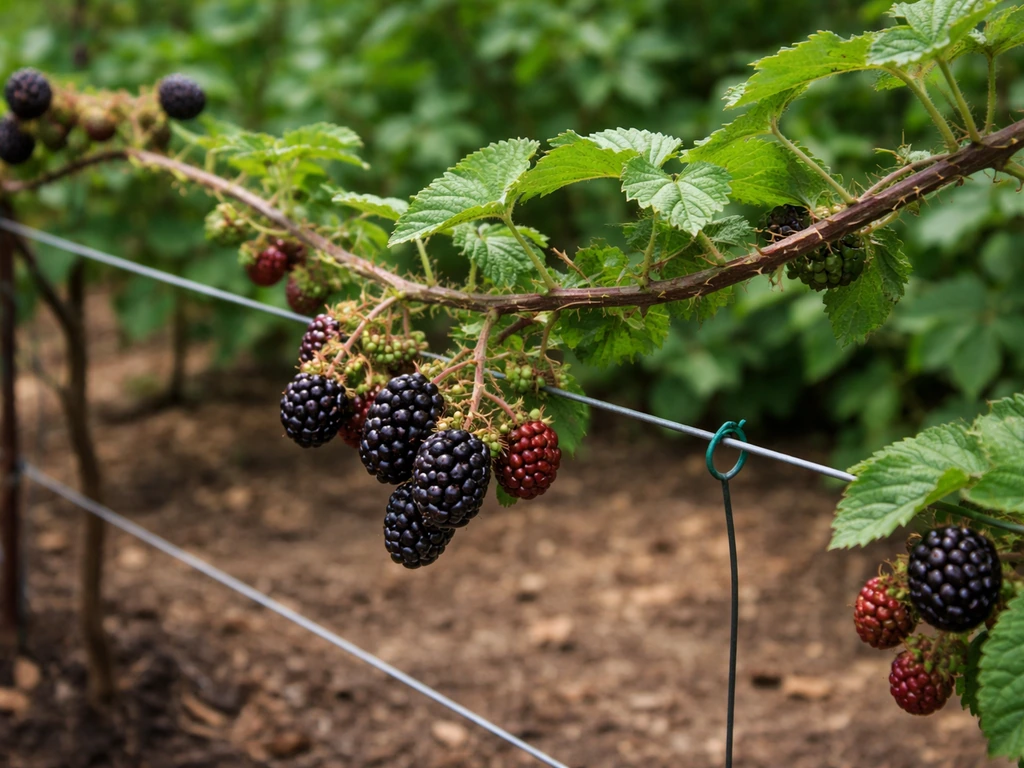
This is one of the most common questions I see, and the answer is a firm no: boysenberries do not grow on trees. They are trailing bramble vines that grow on canes, much like blackberries and raspberries. Those canes sprawl aggressively if left alone, sometimes reaching 10 feet or more, which is exactly why a trellis is essential and not optional.
Cooperative Extension guides are explicit on this point: blackberries, boysenberries, and red raspberries require a trellis on which to tie or wrap the canes. Without support, the trailing vines pile up on the ground, become impossible to harvest, and stay wet long enough to invite disease. The UC ANR Master Gardeners' guidance puts it plainly: plant in full sun and trellis the canes to keep trailers off the ground, which simplifies both management and harvest.
The boysenberry cane cycle is worth understanding before you set up any structure. OSU Extension notes that raspberry-blackberry hybrids such as ‘Boysen’ are classified as blackberries and explains their cane lifecycle with primocanes and floricanes. Plants produce primocanes (first-year canes) from the crown each season. Those primocanes don't fruit right away. They overwinter, become floricanes (second-year canes), and then flower and fruit the following spring and summer. After fruiting, floricanes die and are removed. This two-year cycle means you always want both old and new canes on the trellis at the same time, trained to opposite sides if possible, which is exactly what a T-trellis or V-trellis system is designed to handle.
For wire placement, UC ANR's guidance for the Chico area recommends running wires at two, four, and six feet. That three-wire setup gives you enough levels to fan canes out and keep them separated, which is important for air circulation and disease control.
Geographic growing regions and hardiness
Boysenberries are most commercially grown in California, Oregon, New Zealand, and parts of Chile, all of which share that cool, maritime climate pattern. For home gardeners in the US, the sweet spot is USDA Zones 5 through 9. The Dave's Garden plant profile lists the boysenberry at Zone 5a, suggesting it can handle minimum winter temperatures down around -20°F (-28.8°C), which is encouraging for gardeners in the northern US and parts of the Midwest.
The challenge in colder zones (below Zone 5) isn't just the temperature itself: it's that boysenberry canes can be more susceptible to winter dieback than some other brambles, and hard freezes can kill canes that haven't fully hardened off. In warmer zones (9 and above), the problem flips: boysenberries need some winter chill to set fruit properly, and consistently mild winters in places like coastal Southern California or the Deep South can reduce productivity significantly.
If you're in a Mediterranean-climate zone (think inland California valleys, the Pacific Northwest coast, or the Willamette Valley in Oregon), boysenberries are about as close to a sure thing as bramble fruit gets. If you're in the humid Southeast, hot Southwest, or very cold northern Midwest, you'll need to manage conditions more carefully or consider whether a different bramble might suit you better. If you're exploring similar trailing or shrubby berry options for challenging climates, it's worth reading about where serviceberries grow, since they handle a wider range of cold and heat conditions.
Setting up the ideal site at home
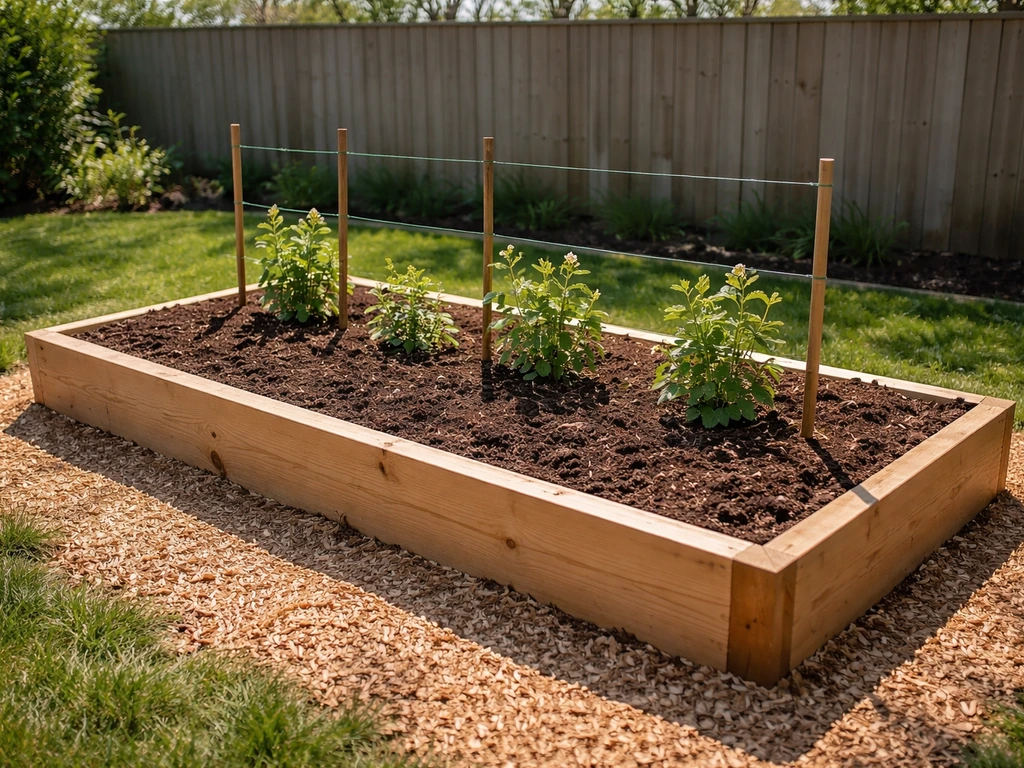
Getting the site right is most of the battle with boysenberries. I've seen gardeners do everything else correctly and still get poor results just because they planted in a spot that got afternoon shade or had compacted clay. Here's what the plant actually needs.
Sun and soil
Full sun is non-negotiable. Boysenberries want at least six to eight hours of direct sun per day. Shaded plantings produce fewer berries, weaker canes, and far more disease pressure. For soil, target a humus-rich, acidic mix with a pH between 5.8 and 6.5. If your native soil is alkaline, you'll need to amend with sulfur and compost before planting. While Rubus ursinus tolerates a wide range of soil textures, boysenberries really do perform better in well-amended, moisture-retentive but well-draining soil. Heavy clay that stays waterlogged will rot crowns and canes fast.
Watering
Plan on providing about one inch of water per week from May through October, keeping the soil constantly moist but never soggy. A drip line or soaker hose is the most efficient delivery method because it keeps water off the fruit and leaves, which reduces fungal disease risk significantly. Overhead watering is one of those seemingly minor habits that can quietly ruin a boysenberry planting over several seasons by creating the wet-leaf conditions that fruit rot loves. If you're dealing with fungal problems in your garden, the WSU HortSense guidance on boysenberry fruit rot is worth reviewing, as it makes clear that site moisture management is the first line of defense.
Trellis setup
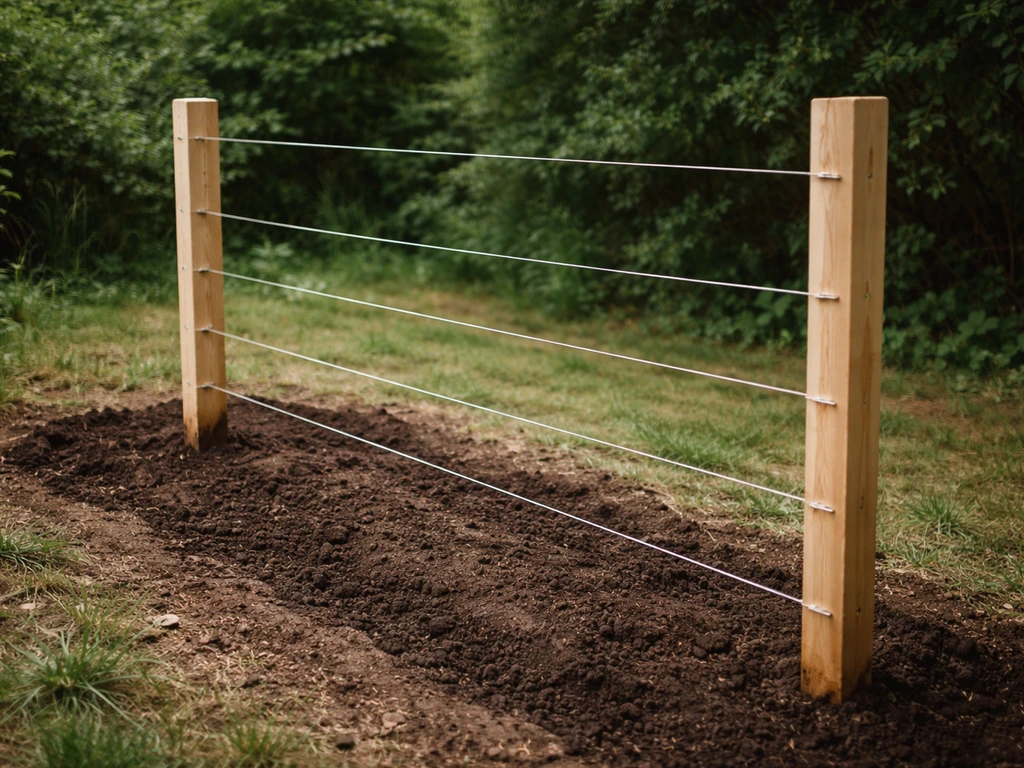
Build the trellis before you plant, not after. Use sturdy posts set at least two feet deep, with horizontal wires at two, four, and six feet. UC IPM emphasizes that trellis systems need to be genuinely sturdy: a mature boysenberry plant loaded with canes and fruit is heavy, and a flimsy structure will fail. UC IPM also recommends specific trellis wiring and height, including keeping the first wire about 1.5 feet from the ground and the second about a foot above it, with additional row support for longer rows UC IPM emphasizes that trellis systems need to be genuinely sturdy. For longer rows, add a middle post for extra wire support. Tie canes loosely with soft plant tape or garden twine as they grow, training floricanes to one side and primocanes to the other so you can manage and prune each year's growth without untangling everything.
Pruning
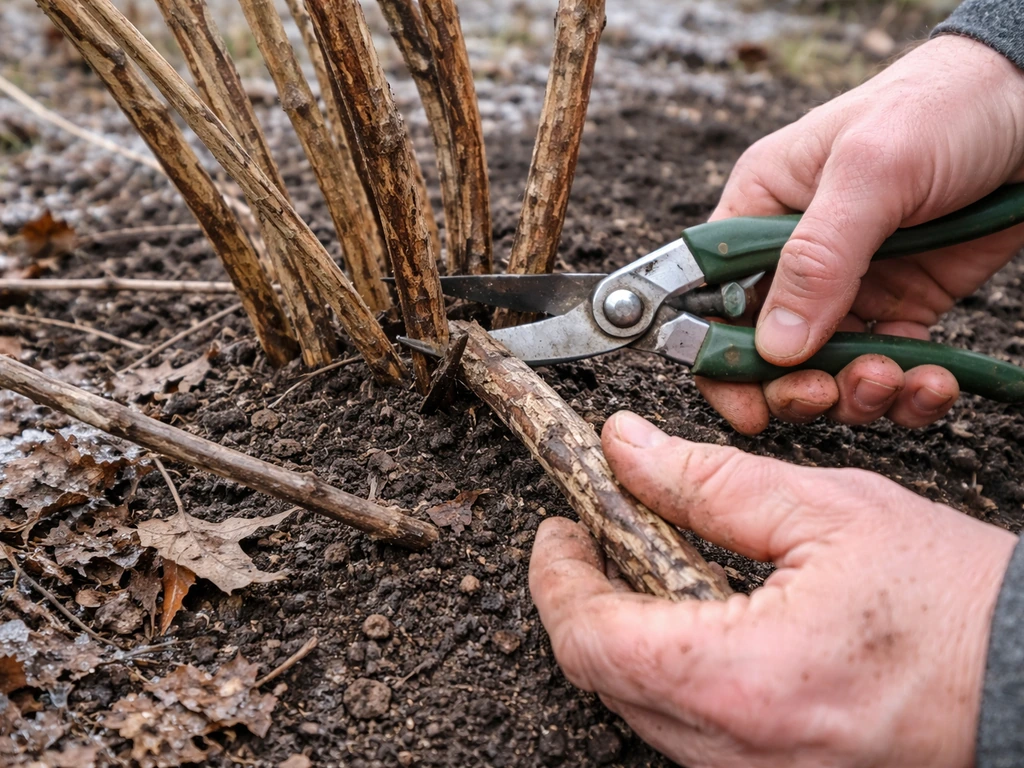
Prune in winter while plants are dormant. Remove all floricanes that fruited that season (they won't fruit again), and thin primocanes down to the strongest five or six per plant. The OSU home-garden caneberry guide notes that pruning new growth in late winter also increases berry size and simplifies harvest, so don't skip that step even when the canes look healthy. Boysenberries produce large, strongly flavored, soft fruit at medium to late maturity, and proper winter pruning is a big part of getting consistently large berries.
Container growing and small-space options
Boysenberries can be grown in containers, but you have to be honest about the commitment involved. The trailing canes still need support, so you're looking at a large pot (at least 15 to 20 gallons) positioned next to a wall, fence, or freestanding trellis. Use a high-quality potting mix amended with compost to hit that acidic pH range, and plan to water more frequently than you would for an in-ground plant, since containers dry out faster.
The honest difficulty assessment: container boysenberries produce less fruit than in-ground plants and require more frequent fertilizing (every few weeks during the growing season with a balanced or slightly acidic fertilizer). They also need repotting every two to three years as the root system fills the container. For patios or balconies with limited space, this is doable, but it's not a low-effort setup. If you're looking for a comparison point for container-friendly berry growing, the growing conditions for pineberries offer an interesting contrast since they're compact and naturally suited to smaller spaces.
For anyone in a colder zone who wants to try boysenberries in containers, one advantage is that you can move the pots into an unheated garage or shed for winter protection, which gives you a buffer against the cane dieback that outdoor plants in Zone 5 sometimes experience during a hard winter.
Common mistakes that kill boysenberry plants (and how to avoid them)
Most boysenberry failures come down to a handful of predictable problems. Here are the ones I see most often, and what to do about them.
- Planting in partial shade: Even light afternoon shade reduces yields dramatically and promotes fungal disease. If your yard doesn't have a full-sun spot, boysenberries will disappoint you.
- Skipping the trellis: Letting canes trail on the ground is how you get rot, pest damage, and a harvest that's basically impossible. Build the structure first, always.
- Overhead watering: Wet leaves and wet fruit create the exact conditions that fruit rot and other fungal problems need. Switch to drip or soaker hose irrigation.
- Wrong soil pH: Alkaline soil (above 6.5) causes nutrient lockout and slow, struggling plants. Test your soil before planting and amend if needed.
- Ignoring winter pruning: Skipping dormant pruning leads to an unmanageable tangle of canes, smaller berries, and reduced airflow that invites disease the following season.
- Planting in a climate without winter chill: Boysenberries need a cold dormancy period to fruit well. In frost-free zones (Zone 10 and above), you'll likely get lush cane growth and very little fruit.
- Overwatering or poor drainage: Soil that stays waterlogged will rot the crown and roots. If you have clay soil, raise the bed or amend heavily before planting.
How boysenberries compare to other berry options by climate
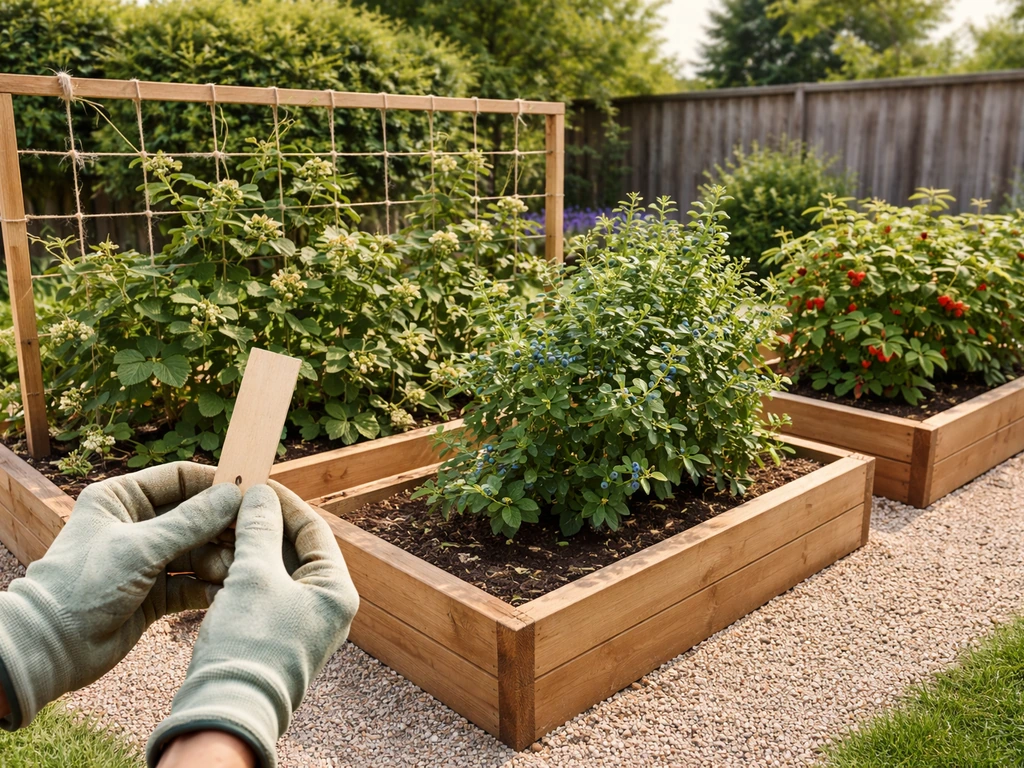
If you're unsure whether boysenberries are the right fit for your region, it helps to compare them against a few similar options. Boysenberries sit in a middle ground: more cold-sensitive than blackberries, but less fussy than some other bramble hybrids.
| Berry | Best USDA Zones | Trellis Needed | Soil pH | Moisture Needs | Best Climate Type |
|---|---|---|---|---|---|
| Boysenberry | 5–9 | Yes, essential | 5.8–6.5 | 1 inch/week, consistent | Maritime, cool-temperate |
| Blackberry (trailing) | 5–9 | Yes | 5.5–7.0 | Moderate to high | Broadly adaptable |
| Raspberry | 3–9 | Yes | 5.5–6.5 | Moderate, good drainage | Cool summers preferred |
| Serviceberry | 2–9 | No (shrub/tree) | 5.5–7.0 | Moderate | Very cold-hardy, broad range |
| Bilberry | 3–8 | No (low shrub) | 4.5–6.0 | Consistent moisture | Cooler, acidic soil regions |
If you're in a colder zone and boysenberries feel like a stretch, bilberries are worth considering since they handle more extreme cold and acidic conditions naturally. For gardeners dealing with dry or alkaline soils where boysenberries struggle, barberry is far more tolerant of tough conditions and can serve as a productive alternative in those landscapes. And if you're curious about low-growing, ground-cover-type berry plants that share some habitat overlap with boysenberry's wild relatives, bearberry and bayberry are both interesting reads for understanding what other trailing or shrubby natives do in similar coastal and woodland zones. For something completely different in terms of growth form and fruit use, soapberries round out the picture of how diverse the berry family really is across North American landscapes.
Your next steps based on where you live
If you're in USDA Zones 6 through 8 with a cool, moist climate (Pacific Northwest, Northern California, coastal Mid-Atlantic), boysenberries are an excellent choice and you can plant with confidence. Get your soil tested, build a sturdy three-wire trellis, and plan for drip irrigation before anything goes in the ground.
If you're in Zone 5, it's worth trying, but protect canes from harsh winter wind with burlap or straw mulch at the crown, and consider container growing so you can move plants indoors during extreme cold snaps. In Zone 9 and the warmer end of that range (think inland Southern California or the Central Valley), boysenberries will grow vigorously but may underperform on fruit set without enough winter chill hours. Look for low-chill variety selections if you're in that situation.
Outside those zones, boysenberries become a project rather than a given. There's no reason not to try, especially in a container where you control the environment more directly, but go in with realistic expectations and a solid site setup. The plant is forgiving about soil texture and moderately cold-hardy at the roots. What it really can't tolerate is deep shade, waterlogged soil, or a trellis that gives out in year two.
FAQ
Can boysenberries grow outside the Pacific Coast region, like in the Midwest or Mid-Atlantic?
Yes, but success depends on winter lows and moisture consistency. USDA Zones 5 through 9 are the most reliable range, and in Zone 5 you should plan winter crown protection (mulch and windbreak) because cane dieback is the common failure point, not root death.
How much winter chill do boysenberries need to fruit well in warm areas?
They generally need some winter cold to trigger strong fruiting, so consistently mild winters (especially in parts of Zone 9 and above) can reduce berry set even if the plant grows vigorously. If you live in a very warm winter area, choose low-chill selections when available and expect lighter harvests otherwise.
Why do my boysenberries grow well but produce few berries?
The most common causes are insufficient sun (less than about six hours), incorrect trellis training that crowds canes and reduces airflow, and winter chill shortfalls in very mild winters. Also check that you kept both primocanes and floricanes on the trellis after pruning, since boysenberries fruit on second-year canes.
Do boysenberries need afternoon shade in hot climates?
Usually no, they still perform best in full sun. In hot or dry inland locations, the bigger fix is reliable irrigation and soil that stays evenly moist, plus mulch to reduce temperature swings around the crown.
What is the best way to protect boysenberries during a harsh winter?
Protect the crown and canes before deep freezes, especially in Zone 5. Use mulch at the crown and consider a windbreak, and if you grow in a container you can move the pot to an unheated garage or shed to reduce freeze-thaw stress.
If my yard has compacted clay, can I still grow boysenberries?
You can, but amend for drainage and moisture balance before planting. Boysenberries tolerate different soil textures, yet waterlogged conditions can rot crowns quickly. Raised rows or planting in improved, humus-rich soil often prevents the worst drainage problems.
Do boysenberries require acidic soil, and how do I adjust pH safely?
They grow best around pH 5.8 to 6.5. If your soil is alkaline, amend before planting and verify with a soil test, because overcorrecting with too much sulfur can overshoot pH. Re-test after amendments in the next season before adding more.
Is drip irrigation mandatory, or can I use overhead sprinklers?
Drip is strongly preferred because it keeps foliage and fruit drier, reducing fungal risk. Overhead watering can still work if you water early in the day and avoid frequent wet-leaf conditions, but it usually increases disease pressure compared with drip or soaker hoses.
What trellis type works best, and can I use fewer wires?
A three-wire setup (commonly at about 2, 4, and 6 feet) helps separate canes for airflow and easier harvest. Fewer levels can work for small plantings, but the practical downside is tangled canes and more humid microclimates inside the bramble.
When should I build the trellis and start training canes?
Build the trellis before planting so you are not disturbing roots later. Start tying canes as they grow, and train second-year floricanes to one side and first-year primocanes to the other to keep pruning and harvest manageable.
How close can I plant boysenberries to a fence or wall?
Keep enough space for air circulation and access for pruning. A container can sit next to a wall or fence, but in-ground plantings still need canopy airflow, so leave room to reach both sides of the trellis and to remove spent floricanes.
Can boysenberries be grown from seed in places they do not normally grow?
Usually not as a shortcut. Boysenberries are hybrids, and seed-grown plants may not match performance or cold tolerance you expect, so for colder or warmer microclimates, use established plants of appropriate types and focus on sun, trellising, and winter protection rather than trying to “breed in” hardiness.