
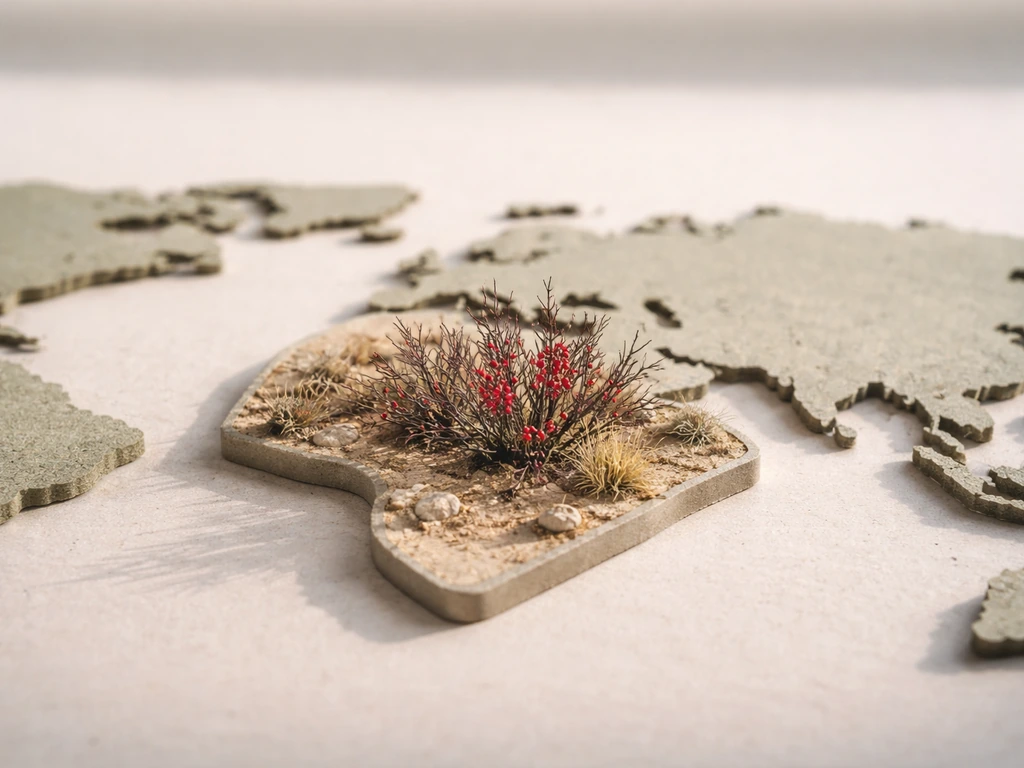
Barberry grows naturally across a surprisingly wide stretch of the world, from the hillsides of central Europe and western Asia to the forests and fields of Japan and eastern Asia. If you are also curious about pineberries, you can check pineberry where do they grow to match the right conditions. If you are wondering where bayberry grows naturally, it has different regional preferences than barberry. In gardens, it thrives across USDA zones 3 through 9 depending on the species, tolerates an enormous range of soils (pH 3.7 to 8.0 has been documented), and handles everything from full sun to partial shade. The short version: if you're in zones 4 through 7 and you have decent drainage, barberry will almost certainly grow for you.
Where Does Barberry Grow: Climate, Soil, and Placement Tips
Marcus Holloway
12 May 2026
Where barberry comes from naturally
There are two barberry species most home gardeners deal with, and knowing where each one comes from makes the growing requirements click into place immediately.
Common barberry (Berberis vulgaris) is the edible one, the species whose tart red berries are used in Persian rice dishes and jams. It's native to central and southern Europe, southern England, northwest Africa, and western Asia. Barberries are native to specific parts of Europe and Asia, so knowing where they naturally grow helps you pick the right environment where do boysenberry grow. Think dry, rocky hillsides and scrubby woodland edges in moderate continental climates. The USDA Forest Service notes it's especially widespread on limestone soils and other alkaline or calcareous substrates, though it has also been documented growing on slightly acidic, low-moisture soils in places like southern Michigan. That adaptability is a theme with barberry.
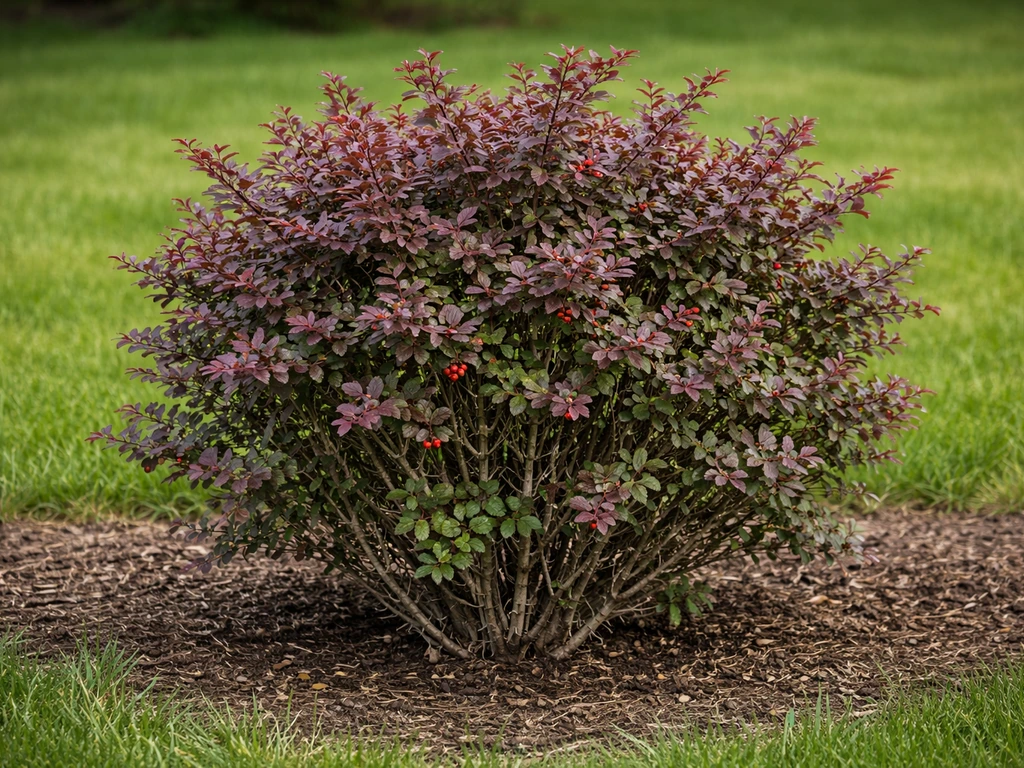
Japanese barberry (Berberis thunbergii) is the ornamental workhorse of the two. It's native to Japan and eastern Asia, and it has naturalized so aggressively in North America that many states now regulate or outright ban its sale. This one is not just regionally adaptable, it's almost ruthlessly so. The USDA Forest Service's species review notes it can establish in shaded woodlands, open fields, and even wetland edges, which is exactly why invasive species lists keep flagging it. If you're growing it as a garden shrub, that same toughness works in your favor.
Climate fit: zones, cold tolerance, and seasonality
Japanese barberry is rated hardy to zone 4a according to Cornell's Woody Plants database, and Natural Resources Canada lists it across zones 4a through 7b for Canadian climates. In practice, established plants handle brutal winters just fine. I've seen Japanese barberry cultivars come through Minnesota winters looking completely unfazed, which tells you something about how cold-adapted the species really is.
Common barberry is even tougher on the cold end. Edible plant records put it at zones 3 through 9, meaning it can handle temperatures down to around -40°F (-40°C) at the cold extreme. That's an extraordinary range. At the warm end, both species start to struggle in humid subtropical climates (zone 9 and warmer) where the combination of heat, humidity, and mild winters disrupts their dormancy cycle.
Barberry is a deciduous shrub that needs a real winter. It leafs out in spring, flowers in mid-spring, and drops its foliage after fall color (usually a vivid red or orange on Japanese barberry cultivars) before going dormant. Gardeners in frost-free zones who want a tart edible berry shrub might want to look at alternatives, since barberry won't get the chill hours it needs to perform well.
Light and soil: what barberry actually needs underfoot
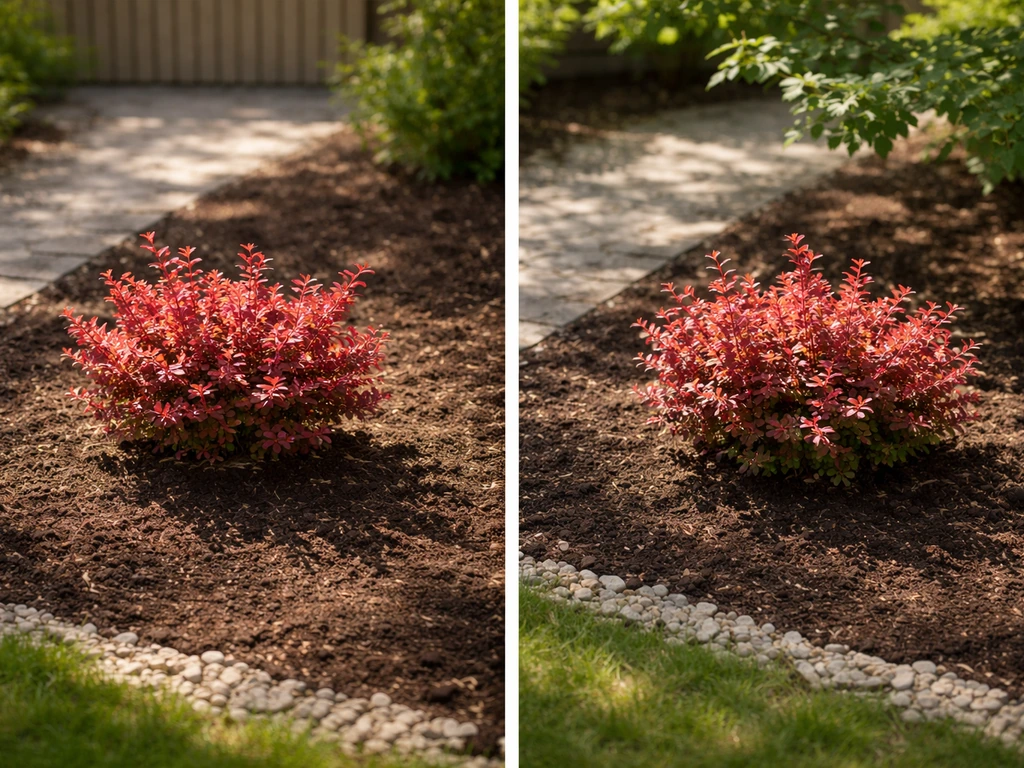
Barberry is genuinely flexible on both light and soil, more so than most garden shrubs. But 'flexible' doesn't mean 'anything goes,' and the details matter when you're picking a planting spot.
Light requirements
Cornell's database is clear that Japanese barberry performs best in full sun. Virginia Tech's extension publication lists it as tolerating partial shade to full sun. In practice, full sun gives you the densest growth, the most vivid fall color, and the best berry production. Shade doesn't kill it, the Forest Service confirms it persists in fully shaded woodland settings, but heavy shade causes the plant to get leggy and produces fewer berries and less color. If you're using it as a hedge or specimen shrub, pick the sunniest reasonable spot you have.
Soil pH and texture
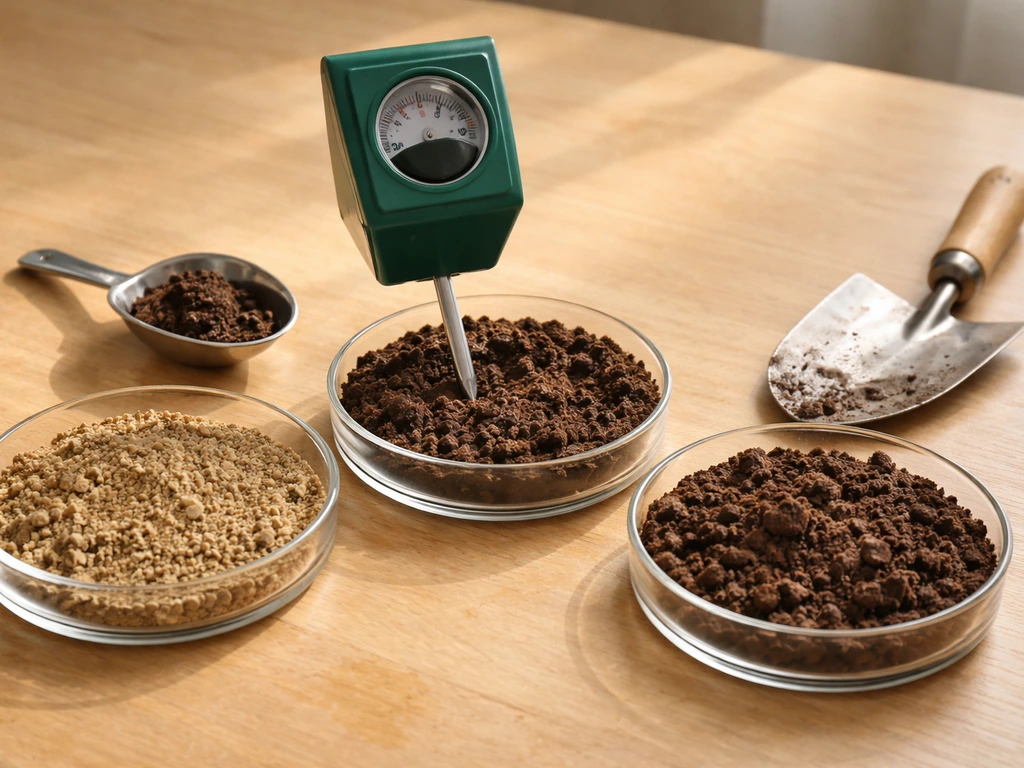
This is where barberry genuinely earns its reputation for toughness. Virginia Tech's extension publication documents Japanese barberry growing across a pH range of 3.7 to 7.0. Cornell extends that even further, citing tolerance from pH 5.0 to 8.0. Common barberry leans toward the alkaline end, particularly thriving on limestone-derived soils, but it's been found on low-moisture, slightly acidic soils too. The takeaway: unless your soil is extremely unusual, pH probably isn't your limiting factor.
On texture, Virginia Tech lists sandy, loam, and clay soils as all viable. The one real non-negotiable is drainage. Barberry does not like sitting in water. Its native habitats, rocky European hillsides and open Asian fields, are free-draining by nature. Clay soils aren't a dealbreaker, but compacted, waterlogged clay absolutely is.
| Factor | Japanese Barberry (B. thunbergii) | Common Barberry (B. vulgaris) |
|---|---|---|
| USDA Zone Range | 4a – 7b | 3 – 9 |
| Light | Full sun (tolerates partial shade) | Full sun to partial shade |
| Soil pH Tolerance | 3.7 – 8.0 | Prefers alkaline; tolerates acidic |
| Soil Texture | Sandy, loam, or clay | Variable; thrives on limestone-derived soils |
| Drainage | Well-drained required | Well-drained required |
| Primary Use | Ornamental hedging, color | Edible berries, culinary use |
| Invasive Concern | Yes, regulated in many US states | Regulated for rust risk in some states |
Ornamental vs. edible barberry: what you're actually planting
Most of what you'll find at a garden center labeled 'barberry' is a Japanese barberry cultivar, usually Berberis thunbergii in one of its many forms: 'Crimson Pygmy' for compact deep-red foliage, 'Golden Nugget' for bright yellow leaves, 'Rosy Glow' for pink-tipped new growth. These are grown for their color, their thorns (excellent deterrent hedge), and their ease of maintenance. Cornell's database describes them as spiny ornamental shrubs with persistent red berries and vivid fall color. The berries are technically edible but small and intensely sour, and most people don't bother eating them.
Common barberry (Berberis vulgaris) is the one you want if you're growing for food. The berries are sharply acidic, used extensively in Middle Eastern and Eastern European cooking. It grows taller and more open than most Japanese barberry cultivars, often reaching 8 to 10 feet if left unpruned. Growth habit is arching and somewhat loose compared to the tighter mounding form of dwarf Japanese barberry cultivars. Both species are spiny and both tolerate hard pruning well.
One important note if you're in the US: some barberry species, particularly common barberry, are regulated under federal quarantine rules (7 CFR 301.38-2) because they can host wheat stem rust. States like West Virginia have specific barberry and black stem rust quarantine regulations. Japanese barberry has its own set of state-level restrictions tied to invasiveness. Before you buy, check your state's department of agriculture website to confirm the cultivar you want is legal where you live.
How to tell if barberry will grow in your region
The fastest check is your USDA Plant Hardiness Zone. Serviceberries have their own climate and growing region requirements too, so it helps to know where do serviceberries grow before you choose a planting spot USDA Plant Hardiness Zone. If you're in zones 4 through 7, Japanese barberry is a reliable, proven performer. Japanese barberry is rated blank" rel="noopener noreferrer">zone range 4a to 7b on Natural Resources Canada's Plant Hardiness Site. If you're in zones 3 through 9, common barberry has the wider cold and warm tolerance. Pull up the USDA zone map (available free on the USDA website) and plug in your zip code.
Zone maps capture average annual minimum temperatures, but they don't capture everything. A few additional things worth checking before you plant:
- Frost pockets: Low spots in your yard can be a full zone colder than the surrounding area. If you're at the edge of zone 4 and your yard dips into a hollow, plant barberry on higher ground.
- Humidity: High humidity combined with poor airflow can promote fungal issues in dense plantings. This is more of a concern in the humid Southeast than in the drier Midwest or West.
- State regulations: Some US states restrict or ban Japanese barberry sale and planting due to invasiveness. Michigan's invasive species assessments flag Berberis thunbergii specifically. If you're in a regulated state, look for a sterile or low-seed cultivar, which may still be legal.
- Cultivar hardiness: Not all barberry cultivars share identical cold tolerance. A purple-leafed Japanese barberry cultivar bred for ornamental use may have slightly different zone performance than the straight species. Check the tag or ask your nursery.
- Canadian growers: Natural Resources Canada's plant hardiness map covers Berberis thunbergii at zones 4a through 7b, which applies to most of southern Canada's gardening belt.
If you're right on the edge of the hardiness range, or if you're gardening in an unusual microclimate, it's worth planting one or two barberries in a protected spot first rather than committing to a full hedge run. I learned that the hard way with a few shrubs in a particularly exposed northwest-facing corner, where even zone-appropriate plants took a beating in their first winter.
Where to put barberry in your garden (and where to avoid planting it)
Barberry is commonly used as a thorny barrier hedge, a specimen shrub for fall color, or a low-maintenance foundation planting. All of those work well, but placement mistakes are the most common reason it underperforms or dies.
Good placement choices
- Sunny borders with well-drained soil: This is the ideal setup. A south or east-facing bed that dries out between rain events is exactly the kind of habitat barberry evolved in.
- Security hedging along property lines: The thorns are real and effective. Space plants about 2 to 3 feet apart for a solid hedge (closer for dwarf cultivars), and they'll fill in and interlock within a few seasons.
- Slopes and embankments: The free-draining conditions on a slope suit barberry perfectly, and the dense root system helps stabilize soil.
- Mixed shrub borders: Japanese barberry's colored foliage, whether burgundy, gold, or variegated, pairs well with green-leafed plants and provides seasonal interest across all four seasons.
Where barberry struggles
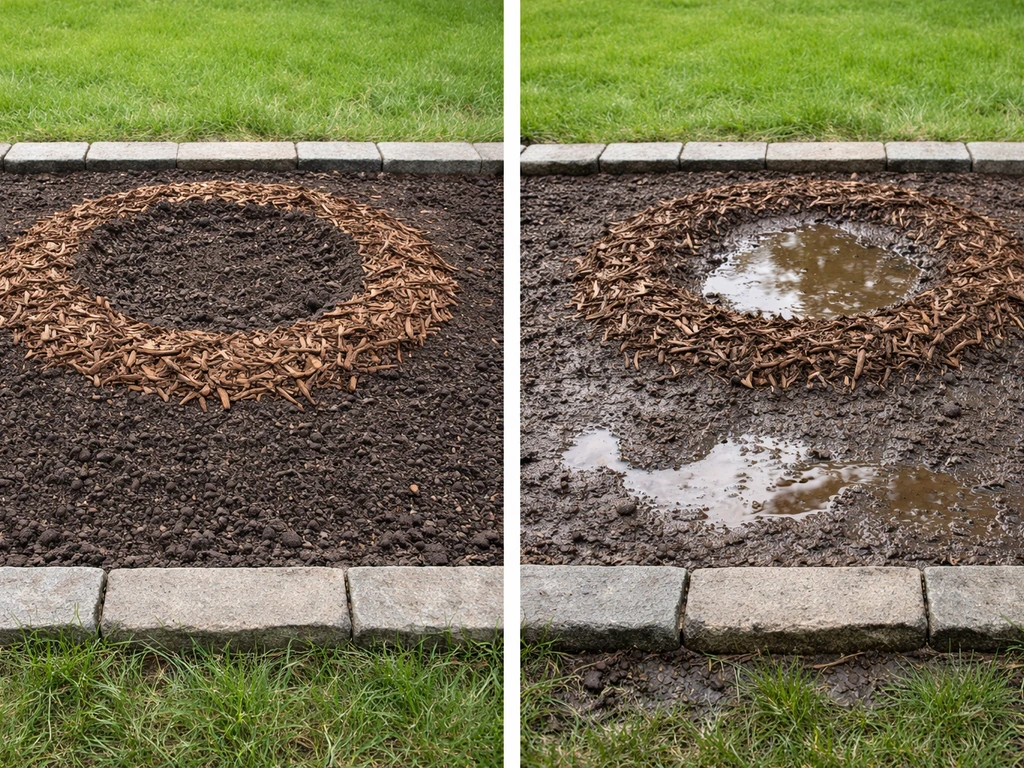
- Poorly drained or compacted soil: This is the top cause of barberry failure. If water puddles after rain and sits for more than a day, you need to fix the drainage before planting. Missouri Extension recommends planting several inches above grade or building a raised berm if your soil is heavy and waterlogged.
- Road salt exposure: Japanese barberry is sensitive to winter salt spray from roads or de-iced driveways. Virginia Tech's extension guidance flags this as a specific threat to first-winter survival. Keep it away from areas that get salted heavily.
- Dense full shade: Barberry survives shade but doesn't thrive in it. A north-facing bed under a dense tree canopy will give you a thin, leggy shrub with minimal color.
- Overcrowded planting: If you plant too close together without accounting for mature spread, you'll get poor airflow, increased disease pressure, and plants that fight each other for resources. Check the cultivar's mature width before spacing, as dwarf types might top out at 2 feet wide while standard forms can reach 6 feet or more.
- Containers long-term: Barberry can grow in a large container temporarily, but its extensive root system and need for winter dormancy make it a poor permanent container candidate unless you live in zone 6 or 7 and can protect the pot from temperature extremes.
Getting establishment right
The first winter is the highest-risk period. After planting, water thoroughly to settle the roots, apply 2 to 3 inches of mulch (keeping it a few inches away from the base of the stems), and avoid planting late in the season when roots won't have time to establish before freeze-up. Virginia Tech's extension material emphasizes soil amendment and adequate watering at planting, not neglect and hope. Once established, barberry is about as low-maintenance as a woody shrub gets.
If you're sourcing plants, local nursery stock grown in your region will adapt faster than plants shipped from a very different climate zone. A barberry that spent its first two years in a nursery in zone 6 will establish more reliably in a zone 6 garden than one grown in zone 9. It's worth asking where your nursery sources their stock, especially for larger, more expensive specimens.
Barberry is one of those shrubs that's genuinely hard to kill once it's in the right spot. Compare that to something like serviceberries or bilberries, which are much more particular about their moisture and soil conditions. If you've struggled with fussier berry shrubs and want something that earns its keep with minimal attention, barberry is a strong candidate, provided you get the drainage and sunlight right from the start.
FAQ
Where does barberry grow best in the US, and which type should I choose?
Japanese barberry usually performs most reliably in US climates mapped around USDA zones 4 through 7, while common barberry has the broader cold tolerance (down to roughly zone 3). If you want a sure fit, start by matching the species to your zone, then prioritize full sun for Japanese barberry to avoid fewer berries and leggier growth.
Can barberry grow in my state if it is regulated or restricted?
Yes, but legality depends on both the species and your specific location. Some common barberry types are restricted due to wheat stem rust concerns, and some Japanese barberry cultivars are restricted due to invasiveness. Check your state department of agriculture or extension guidance before buying, especially if you are ordering online.
If my soil is clay, will barberry still grow?
Barberry tolerates clay texture, but only if water drains well. The main failure mode is compacted, waterlogged clay that stays wet after rain. A practical test is to dig and fill a hole with water, if it takes many hours to drain, you should improve drainage (raised bed or amending with coarse material) before planting.
Will barberry grow in shade, like under a tree canopy?
It can persist in shade, but heavy shade typically reduces berry set and fall color, and it can lead to leggy, open growth. If you only have partial light, aim for the brightest spot you can, ideally morning sun, since that usually improves density compared with deep afternoon shade.
How much winter chill does barberry need, and what happens in warm areas?
Barberry is deciduous and needs a real dormant period, in warm climates (zone 9 and above) dormancy disruption can reduce performance. If you live in a frost-free or near-frost-free area, you may see weak growth or poor flowering, so consider whether a different shrub with lower chill needs fits you better.
Where should I plant barberry so it doesn’t die in the first winter?
The biggest risk window is establishment before the first hard freezes. Plant earlier enough that roots establish, water thoroughly at planting, use mulch 2 to 3 inches deep kept a few inches away from the stems, and avoid sitting the crown in consistently damp ground.
Does barberry need fertilizer to grow well where it naturally grows?
Usually not if the soil is reasonably fertile, because barberry’s native habitats are often relatively low-nutrient and free-draining. Instead of routine heavy feeding, focus on drainage and light, and if growth is slow in year one, use a light, balanced feeding rather than high-nitrogen, which can encourage weak, lush growth.
Which barberry grows for food, and is the fruit worth it?
Common barberry (Berberis vulgaris) is the type most associated with edible use, producing tart red berries, while most Japanese barberry cultivars are grown for ornament and have small, intensely sour berries. If your goal is harvesting, plan for small yields and a sharp flavor, and confirm the plant you buy is actually common barberry.
Do I need to check anything besides USDA hardiness zones?
Yes, microclimate matters. Wind exposure, late frosts, and oddly cold pockets (like a northwest corner) can damage even zone-appropriate shrubs. If you are on the edge of the zone range, start with one plant in a sheltered spot to gauge performance before committing to a larger hedge.