
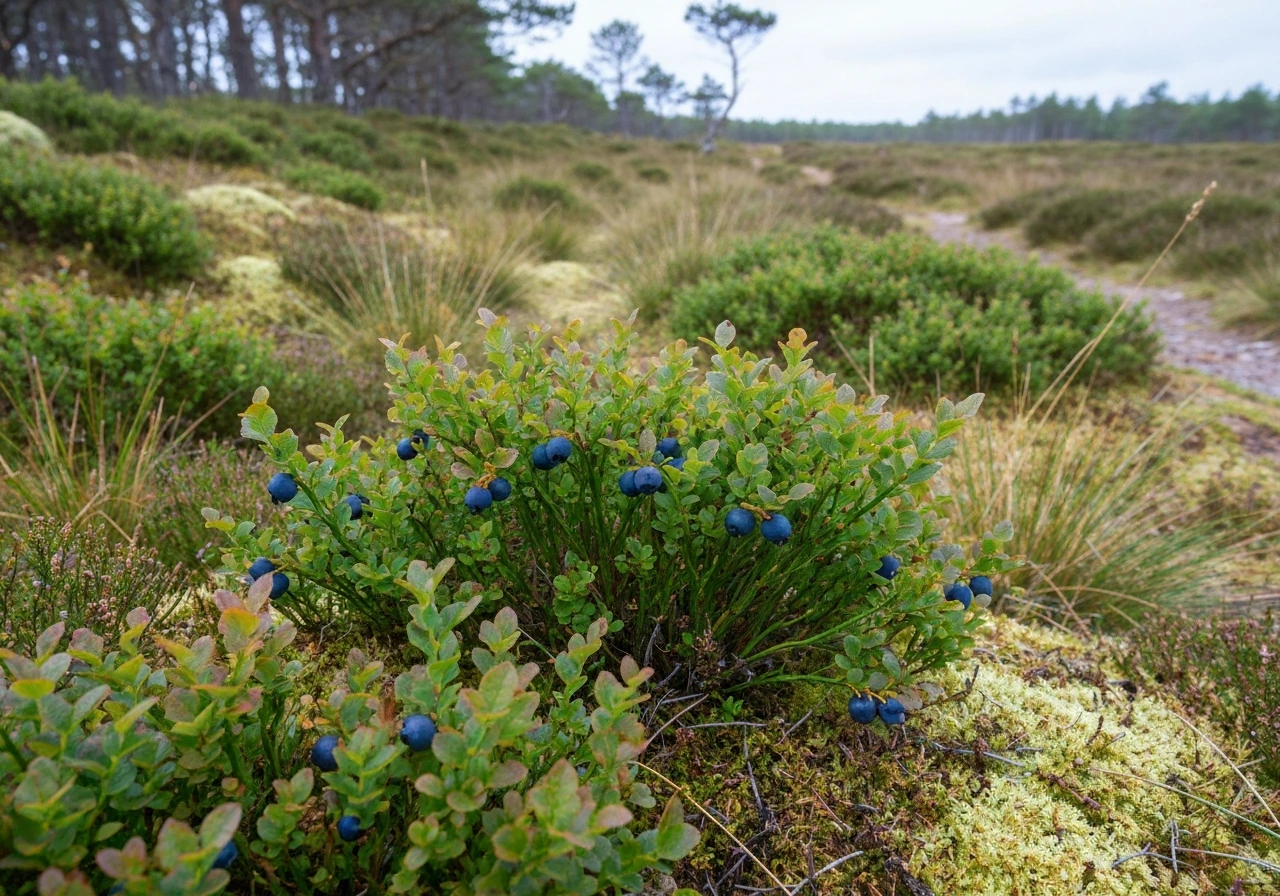
Bilberries grow naturally across northern and western Britain, thriving in the acidic, nutrient-poor soils of upland heathland, moorland, and open woodland. Barberry has different growing conditions, so it helps to check where it naturally grows before planning your garden where does barberry grow. Soap berries have different habitat requirements, so it's worth checking where they grow naturally before choosing a site where do soap berries grow. They are native to the UK and Ireland, confirmed as such by both the RHS and the Botanical Society of Britain and Ireland (BSBI). In the wild you'll find them most reliably on the moors of Scotland, Wales, northern England, and parts of Ireland, where peaty or sandy acid soil, cool temperatures, and decent drainage give them exactly what they want. If you can replicate those conditions at home, whether through soil amendment, a raised bed, or a container with ericaceous compost, you can grow bilberries pretty much anywhere in the UK.
Where Do Bilberries Grow in the UK and Elsewhere
Bilberry natural habitat basics (what "where" really means)
When people ask where bilberries grow, they're really asking two different questions at once: where do they occur naturally, and where can they survive in a garden? Serviceberries have a different natural range, but you can still learn the typical climates and regions where they thrive serviceberries grow. Boysenberries, by contrast, are grown commercially and at home in suitable cane-and-compost setups rather than in the same wild moorland habitats as bilberries. The answer to each is different, so it's worth separating them before you start digging.
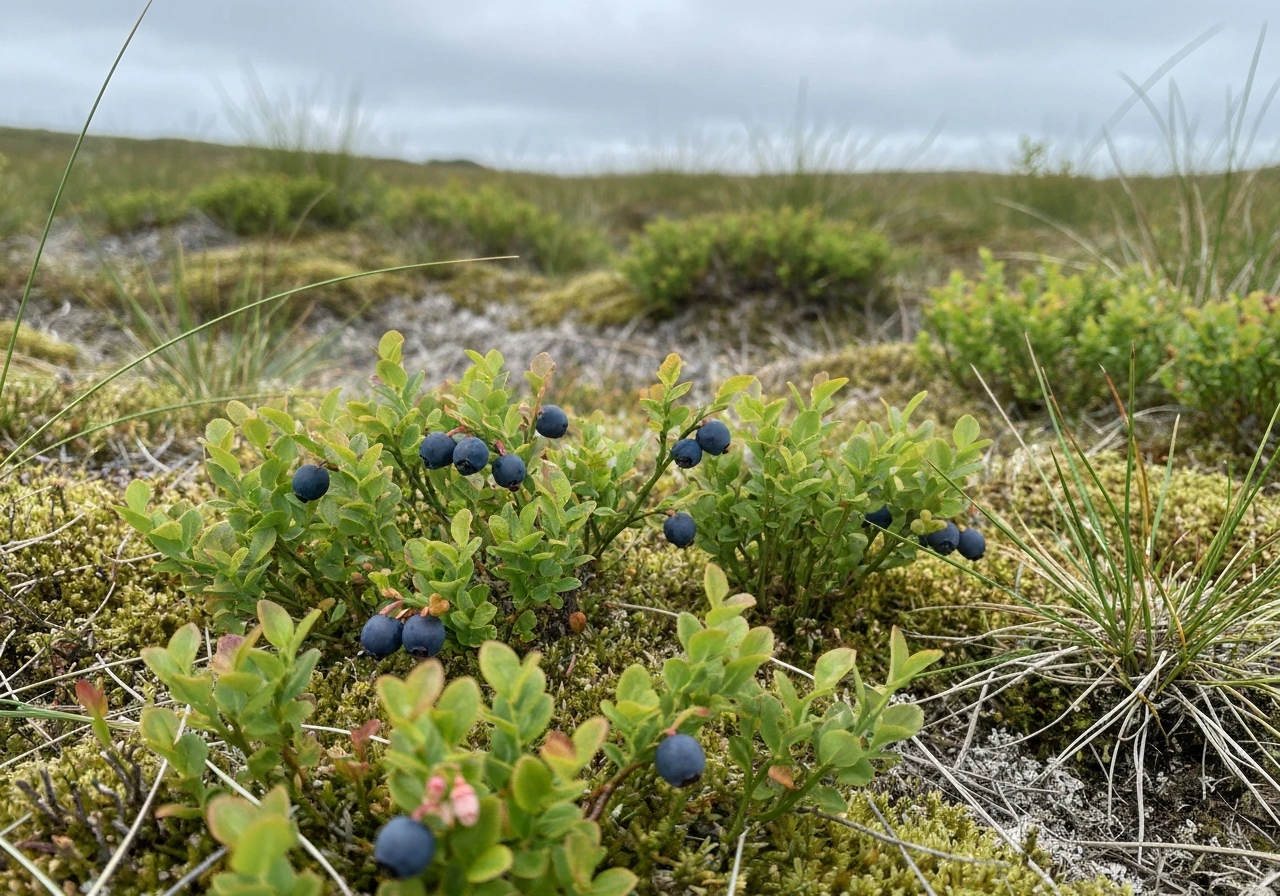
Bilberry (Vaccinium myrtillus) is a low-growing, deciduous dwarf shrub. In the wild it's what ecologists call calcifugous, meaning it actively avoids lime-rich or chalky soils. It belongs to the heath family (Ericaceae), which tells you a lot about its character before you've even looked at a map. Like heather, it wants acid ground, low fertility, and space to spread slowly. It's not a plant in a hurry, with the RHS noting it can take 10 to 20 years to reach its ultimate height.
Its native range stretches from Greenland and northern Europe across the Atlantic fringe and into upland habitats further south. It's closely related to the blueberry and the bearberry, and like those plants its soil and climate preferences are highly specific. If you’re also curious about bearberry, it’s closely related to bilberry, so its growing conditions can help you narrow down where both plants will thrive. Think of bilberry as a plant that has evolved to survive where most others can't: thin, acid, windswept ground with cold winters and cool summers.
Where bilberries grow in the UK
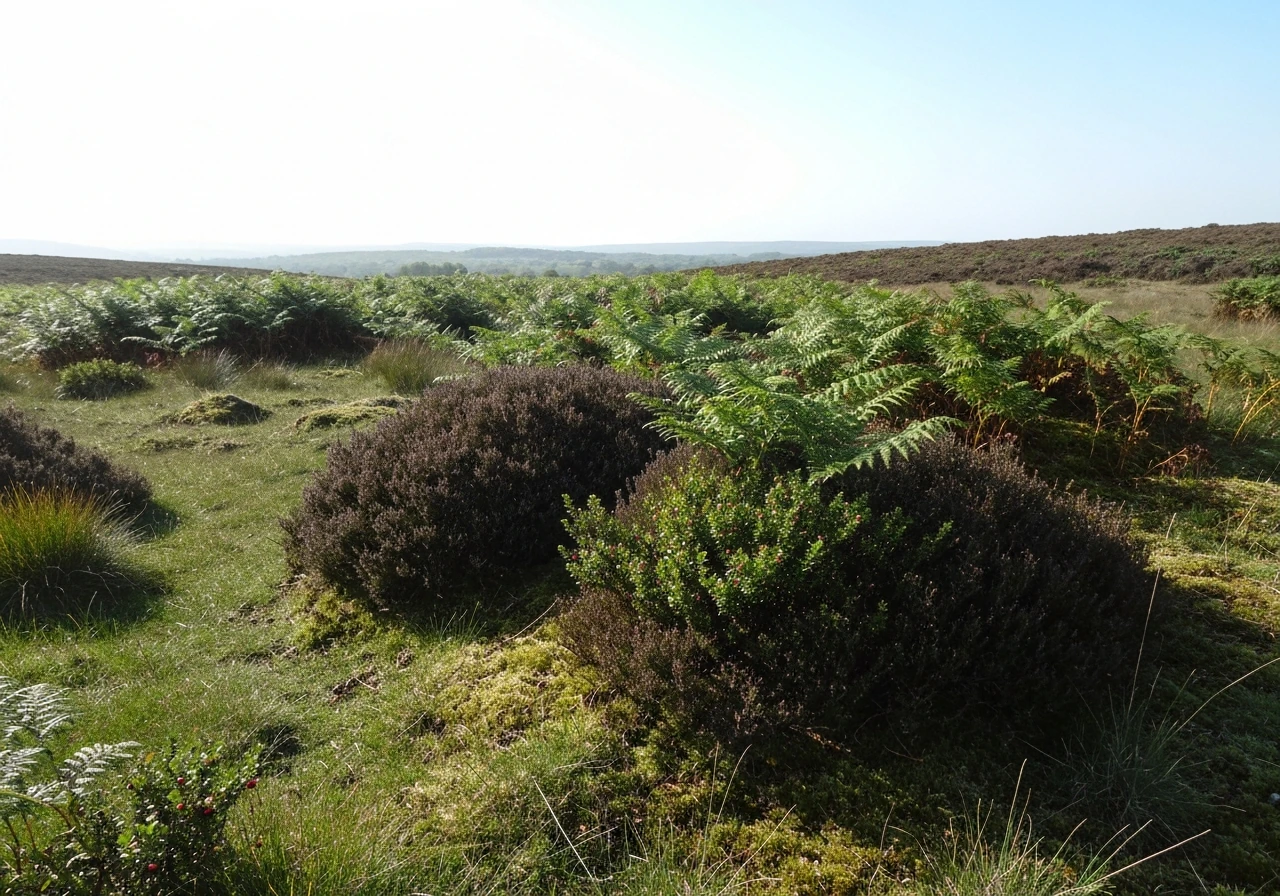
Bilberry has a markedly northern and western distribution in the UK. If you've ever walked across the Scottish Highlands, the Brecon Beacons, the Peak District, the Lake District, or Dartmoor, you've almost certainly walked past bilberry without realising it. It forms dense, carpet-like mats across open moorland and heathland, often growing alongside heather and crowberry. In woodland settings, it appears as an understorey plant beneath birch, pine, and oak in areas where the soil remains acidic and the canopy isn't too dense. If you’re also wondering about pineberries, they grow in cool, sheltered conditions and need specific planting and care to fruit well pineberry where do they grow.
In northern and western Britain, bilberry is also common on the raised edges of peat bogs, where drainage is just sufficient to prevent waterlogging but the peat keeps the pH low. BSBI’s Plant Atlas 2020 summary report specifically discusses Vaccinium myrtillus occurring in heathland and peaty habitats, including blank" rel="noopener noreferrer">raised edges of peat bogs, alongside other heathland species. This is a useful habitat clue: bilberry likes it damp and peaty, but not sitting in standing water. In southern and eastern England, suitable habitat is patchier. The BSBI notes that bilberry has declined at the margins of its range, particularly in England, since the 1960s, largely because lowland heathland has been lost to agriculture, development, and increased atmospheric nitrogen from pollution.
If you want to find bilberries growing wild to get a sense of what habitat looks like in person, head to upland areas with exposed, peaty, heather-covered ground. Snowdonia, the Pennines, Exmoor, the Cairngorms, and the Wicklow Mountains in Ireland are all reliable areas. Lower-lying heathlands like those in the New Forest or Breckland occasionally support them too, wherever acid soils survive.
Climate and soil conditions bilberries need
Bilberries are genuinely hardy. The RHS rates Vaccinium myrtillus as hardy across all of the UK and lists its cold tolerance at roughly -15 to -20°C. Overwintering is not the problem for most UK gardeners. The real challenge is getting the soil right and keeping fertility low, which goes against most gardening instincts.
Soil pH
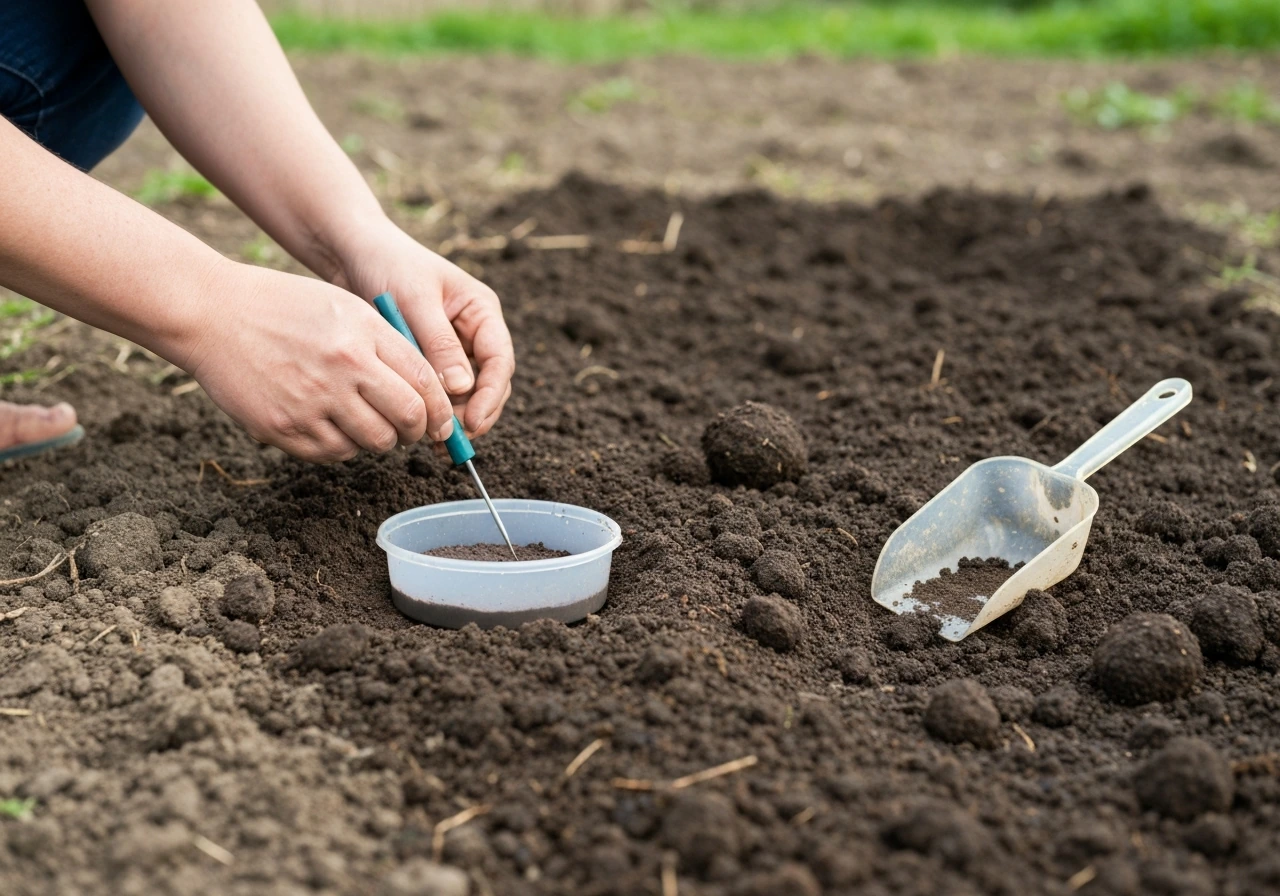
This is the single most important factor. Bilberries need genuinely acidic soil, with a target pH of around 4.0 to 5.5. For reference, most UK garden soils hover between pH 6.0 and 7.0, which is too alkaline for bilberries to take up nutrients properly. At the wrong pH they'll turn yellow, struggle to establish, and fruit poorly. A simple soil pH test from a garden centre will tell you in about two minutes whether your current soil is anywhere near the right range.
Soil type and drainage
The RHS recommends growing bilberry in acid, naturally peaty or sandy soil. Both of those soil types drain reasonably well while holding some moisture and keeping pH low. Rich, loamy, or clay-heavy soils don't suit bilberry at all, partly because of pH and partly because of fertility: bilberry is adapted to nutrient-poor ground, and recent research published in 2026 confirms it's sensitive to excess nitrogen. If you over-fertilise, you'll actually harm the plant.
Light
Full sun to partial shade works well. In the wild, bilberry grows on open moorland (full sun) and in open woodland (partial shade), so it's reasonably flexible on light as long as it isn't in deep, dense shade. Aim for at least a few hours of direct sun or a full day of bright dappled light.
Temperature and moisture
Cool, temperate conditions suit bilberry perfectly. UK summers are generally ideal. The main weather risk is a late spring frost hitting the plant when it's in flower, which can reduce or wipe out that year's fruit crop. This is worth bearing in mind if you're in a frost pocket or an area with cold, late springs, since a fleece covering during frosty nights in April and May can protect the flowers.
| Condition | What bilberry needs | Practical target |
|---|---|---|
| Soil pH | Strongly acidic, lime-free | 4.0 to 5.5 |
| Soil type | Peaty, sandy, or acidic organic mix | Ericaceous compost or amended acid soil |
| Drainage | Moist but well-drained, not waterlogged | Raised beds or containers with good drainage |
| Fertility | Low nutrient, nitrogen-sensitive | Avoid general fertilisers; use ericaceous feed sparingly |
| Light | Full sun to partial shade | 3+ hours direct sun or bright dappled light |
| Cold hardiness | Very hardy | Survives to -15 to -20°C; no winter protection needed |
| Late frost risk | Flowers vulnerable to frost | Fleece protection in April to May if needed |
How to tell if bilberries will grow where you live
The fastest way to assess your site is to work through four quick checks. If you can tick at least three of them, you're in good shape. If you can't, the next section covers how to fix that.
- Test your soil pH. Pick up an inexpensive soil pH kit and test a few spots in the area you're considering. Anything at or below pH 5.5 is promising. Much above pH 6.0 and you'll need to amend or switch to containers.
- Check your drainage. Dig a hole about 30cm deep, fill it with water, and see how long it takes to drain. If it's clear within a couple of hours, drainage is fine. If water sits for hours or days, you'll need to raise the bed or improve drainage before planting.
- Assess your light levels. Walk the spot at different times of day. Bilberry doesn't need blazing full sun, but it does need meaningful light. If trees or buildings block most of the sky, it's too shaded.
- Look at what already grows nearby. If you have heather, rhododendrons, camellias, azaleas, or pieris thriving in your garden or nearby, that's a reliable sign the soil is naturally acidic enough for bilberry. If you're surrounded by healthy alkaline-loving plants like lilac, clematis, or box, you'll need to create an acidic environment artificially.
Gardeners in Scotland, Wales, northern England, and the south-west will often find conditions naturally close to what bilberry needs, especially in gardens with any depth of organic, moorland-adjacent soil. Gardeners in the south-east, the Midlands, or areas with clay-heavy or chalky soils will almost always need to intervene with soil amendment or a raised bed setup.
How to grow bilberries outside their ideal range
The good news is that bilberry is more adaptable than its wild habitat suggests, as long as you give it the acid, low-fertility environment it needs. You have two main routes: amend the soil in your garden bed, or grow in a container or raised bed where you control everything from the start.
Amending garden soil
If your soil pH is slightly off (say, between 5.5 and 6.5) and drainage is acceptable, you can work toward a more acidic environment over time. Incorporating large amounts of well-rotted pine needles, composted bark, or acidic leafmould lowers pH gradually while improving soil structure. Avoid adding lime, mushroom compost, or general-purpose fertilisers, all of which push pH up. Sulfur chips can also lower pH, though it takes several months to see the full effect. This route is worth trying if you're in the 5.5 to 6.5 range, but if your soil is genuinely chalky or above pH 7.0, it's a losing battle and containers are the smarter call.
Containers
A large container gives you complete control over the growing medium. Use a peat-free ericaceous compost as your base (the RHS specifically recommends ericaceous compost for Vaccinium), mixed with some coarse horticultural grit or composted bark for drainage. Aim for a container at least 45 to 50cm wide and deep, since bilberry spreads gradually via underground rhizomes and appreciates some room. One practical consideration: containers dry out faster than garden beds, so monitor moisture carefully, especially in summer, but never let the pot sit in a saucer of standing water.
Raised beds
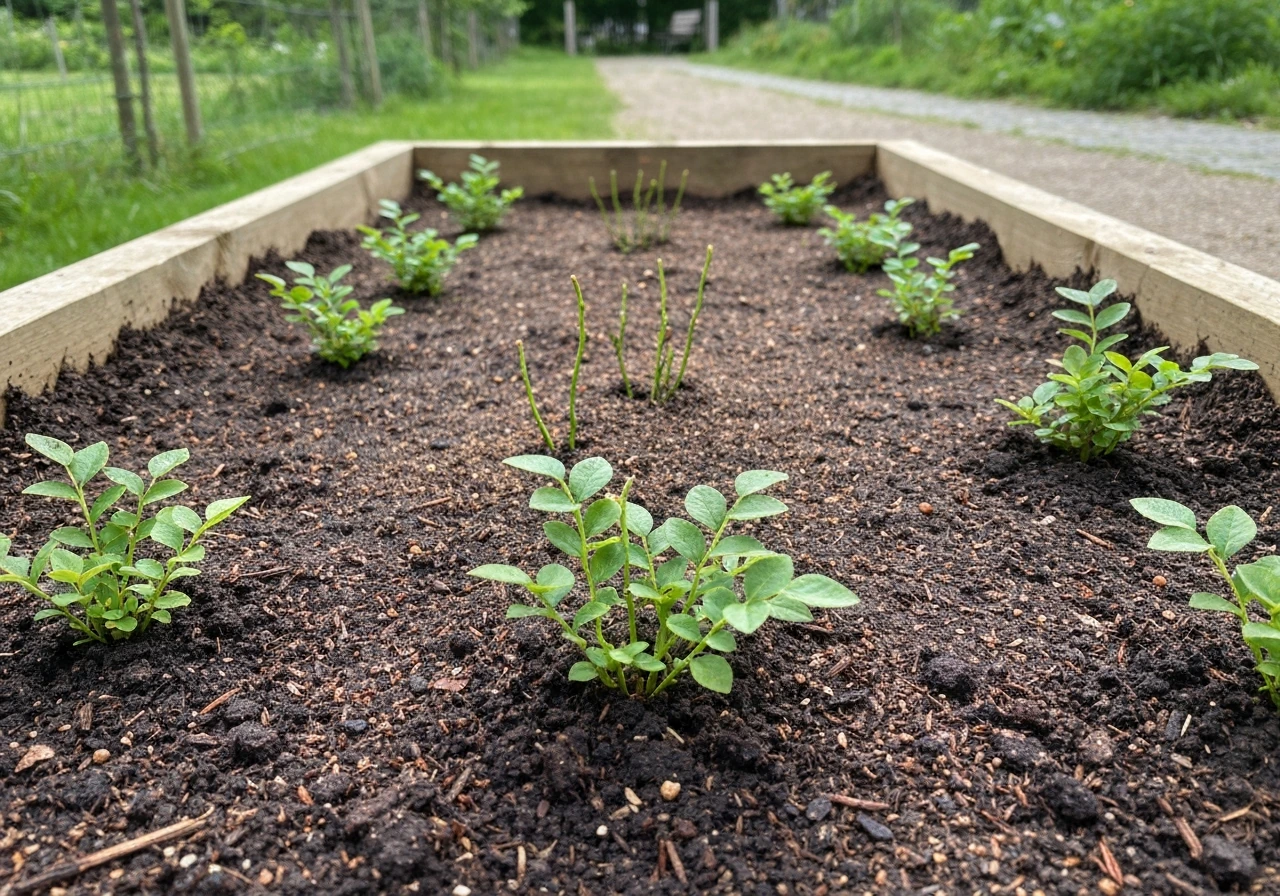
A raised bed is arguably the best of both worlds for bilberry. You get drainage control, a contained growing medium you've built from scratch, and enough volume for the plant to spread naturally. Fill the bed with a mix of ericaceous compost and acidic organic material (pine bark mulch, composted bracken, or acidic leafmould). A target pH of 4.5 to 5.5 in the bed is ideal. Avoid using treated wood for the bed frame, since some preservatives leach alkaline compounds. Oak, larch, or naturally rot-resistant materials are good options.
Mulching and feeding
After planting, add a 5 to 8cm layer of acidic mulch such as pine bark chippings over the surface. This conserves moisture, suppresses weeds, and gradually feeds the soil with organic matter as it breaks down, keeping conditions heath-like. If you want to feed at all, use a specialist ericaceous fertiliser in spring and keep the dose conservative. Remember, bilberry is adapted to near-starvation conditions: too much nitrogen is genuinely harmful.
Next steps: sourcing plants, planting tips, and what to expect
Bilberry plants are less widely available than blueberries, but specialist nurseries and online plant suppliers in the UK do stock Vaccinium myrtillus, particularly in autumn. Garden centres in areas where bilberry grows naturally (the Scottish Highlands, Wales, the Lake District) are also worth checking. When buying, look for small pot-grown plants rather than bare-root, since bilberry has a fine, sensitive root system that establishes better when it arrives with some compost around the roots.
Plant during the dormant period, from autumn through to early spring, which gives the roots time to establish before the plant puts energy into new growth and flowering. The RHS recommends planting blueberries and related Vaccinium plants in this dormant window, and bilberry follows the same logic. Space plants about 60 to 90cm apart if you're planting multiple, since they'll slowly spread via rhizomes to fill the gaps.
Be honest with yourself about the timeline. The RHS notes that Vaccinium myrtillus can take 10 to 20 years to reach its ultimate spread. In a garden setting you'll typically see modest fruiting within three to five years, but the plant won't really perform as a productive fruiting patch for several years after that. Early on, focus on establishing strong, healthy plants rather than chasing a big harvest.
Once the plants are in and fruiting, protect developing berries from birds with netting or a fruit cage. Bilberries ripen in July and August in the UK, and birds will find them quickly. The berries are small, deeply pigmented, and intensely flavoured compared to cultivated blueberries, which makes the wait worthwhile.
If you find bilberry too slow or difficult to source in your area, it's worth knowing that cultivated blueberries (Vaccinium corymbosum and related hybrids) share the same soil pH requirements and are much more readily available. They won't give you the wild, moorland flavour of a true bilberry, but they'll thrive in the same ericaceous setup you've built. Similarly, if you're interested in other low-growing or heathland-type berry plants, bearberry and bayberry have overlapping habitat preferences and are worth looking into as companion plants or alternatives for similar growing setups. Similarly, if you're interested in other low-growing or heathland-type berry plants, bayberry has overlapping habitat preferences and is worth looking into for similar growing setups.
FAQ
Can bilberries grow in southern or eastern England if I don’t have moorland soil?
Yes, bilberry can grow in lower areas, but only where acid soil conditions still exist (for example, remnant heathland, naturally peaty ground, or garden sites amended to a low pH). If you live in a chalky area, the most reliable approach is a raised bed or container, since trying to acidify stubborn, lime-rich ground often fails.
How do I know if my soil pH is really in the right range for bilberries?
A soil pH test should be done in the planting area, and you may need to retest after amendments. Because bilberry is sensitive, don’t rely on “general neighborhood” soil readings. If your pH is above about 6.5, treat that as a warning that soil amendment alone may not get you into the 4.0 to 5.5 range quickly enough.
What fertilizer should I use (and should I feed bilberries at all)?
Don’t. Bilberry is adapted to nutrient-poor conditions, so feeding with general-purpose fertilizers or adding compost that isn’t acid can push both pH and nitrogen too high. If you use anything, stick to a specialist ericaceous product in spring, and apply sparingly, since excess nitrogen can reduce performance.
Will fleece protection help if there’s a late frost, and when should I cover the plant?
If you want to protect plants from late frosts, use cover only on the coldest nights when flowers are present (typically April to May). Remove it in milder daytime weather so flowers can dry and pollination isn’t hindered. Also avoid burying the plant, bilberry needs air circulation to prevent problems under cover.
How much watering do bilberries need in a pot?
Container bilberry dries out faster, so check moisture more than once a week in summer. The key is “damp, not wet,” meaning the compost should feel lightly moist, not soggy. Ensure free drainage and do not let water sit in a saucer, since waterlogging can cause poor establishment even if the pH is correct.
Can I grow bilberries in partial shade or under trees?
Yes, but only if the light is bright and open. Bilberry can handle partial shade, yet deep shade limits flowering and fruiting. A practical target is several hours of direct sun or full-day bright dappled light, and if possible avoid spots under very dense canopies where the soil also tends to get richer.
How far apart should I plant bilberries, and do they spread quickly?
Roughly 60 to 90 cm apart is a good starting point, then plan for slow spread over years via rhizomes. If you crowd plants, airflow drops and the planting can become a “thicket,” which tends to worsen flowering and increases hassle with netting later. If you want a fuller patch sooner, it’s usually better to add more plants than to squeeze spacing tighter.
What’s the most common mistake when setting up a bilberry bed or container?
For the best soil control, choose acid, naturally peaty or sandy-type media and keep fertility low. A common mistake is using garden topsoil or composted manure “because it works for other shrubs.” Bilberry will struggle in rich media even when pH is adjusted, so build the bed or container around ericaceous, low-fertility ingredients from day one.
When should I plant bilberries, and should I buy bare-root or potted plants?
Timing matters. Plant in the dormant window (autumn through early spring) so roots settle before new growth and flowering. Also, buy small container-grown plants rather than bare-root when possible, because bilberry has a fine, sensitive root system that establishes better with some compost around it.
My bilberries look yellow, what should I troubleshoot first?
If you get yellowing leaves or weak growth, check pH and nitrogen first. Yellowing often points to alkalinity or nutrient uptake problems, not simply lack of water. Confirm with a pH test, then avoid liming, avoid rich compost, and do not “correct” the issue with more fertilizer.
What should I do if I can’t source wild bilberry plants reliably?
If you want an easier path to berries with similar soil needs, cultivated blueberries are a common alternative, they share the same broad preference for acidic media. They are generally more available and more forgiving, though the fruit character differs from wild bilberry. This is useful if sourcing Vaccinium myrtillus locally is difficult.