
Serviceberries (Amelanchier) grow naturally across most of temperate North America, from the cold subarctic forests of Alaska and Newfoundland down through the eastern woodlands to Alabama and the Gulf Coast, and west across the Great Plains and Rocky Mountain foothills to the Pacific. In the wild they show up along woodland edges, riverbanks, rocky slopes, and forest understories. In a home garden, most species do well anywhere in USDA Zones 2 through 9 as long as you give them moist, well-drained soil and at least partial sun. That covers a huge slice of the continent, which is one of the reasons serviceberry is such a reliable and underused choice for home growers.
Where Do Serviceberries Grow: Native Range and Garden Tips
Marcus Holloway
29 Apr 2026
What serviceberry actually is (and which species you're probably dealing with)
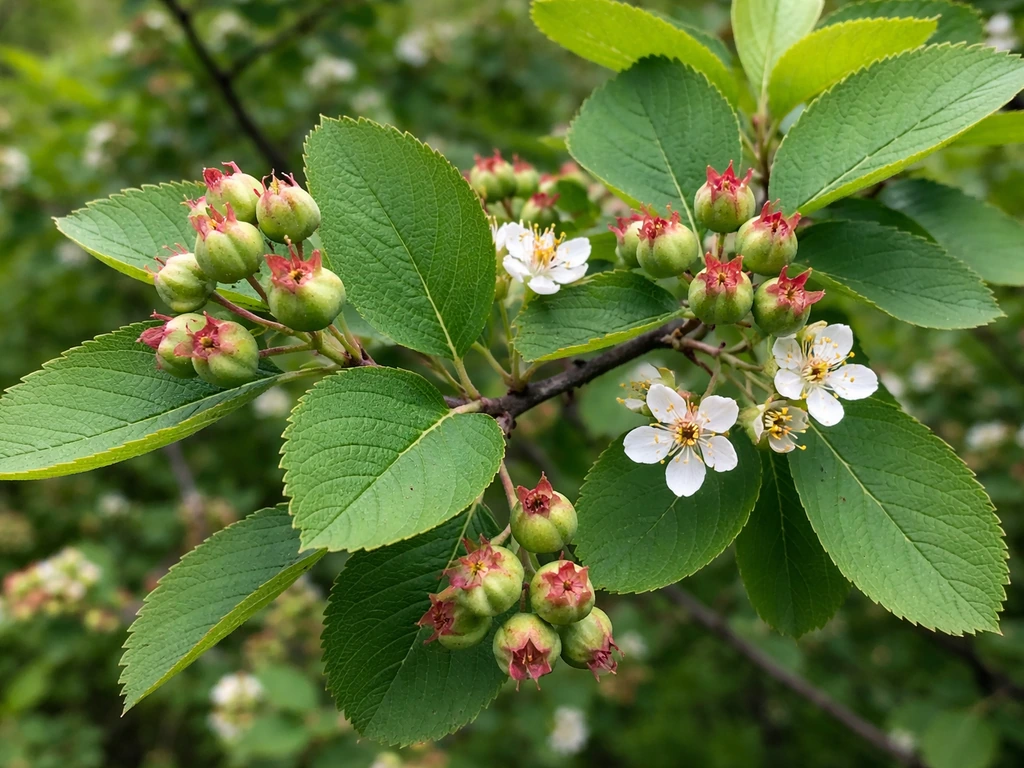
"Serviceberry" and "service berries" are two spellings for the exact same plant, genus Amelanchier. You'll also hear them called shadblow, shadbush, Juneberry, and saskatoon depending on where you are. There are around 20 species, but four come up most often in North American gardens and nurseries:
- Amelanchier canadensis (shadblow or Canadian serviceberry): a suckering shrub to small tree, native to eastern North America, very cold-hardy.
- Amelanchier arborea (downy or common serviceberry): often a single-trunk small tree, broad eastern range from the Gulf Coast north into Ontario.
- Amelanchier laevis (smooth or Allegheny serviceberry): eastern species, zones 3–8, frequently sold in nurseries as a ornamental tree.
- Amelanchier alnifolia (saskatoon or western serviceberry): the dominant species in western North America, extremely cold-hardy, well-known for edible berry production in prairie and mountain gardens.
If you're in the eastern half of North America, you're most likely growing or shopping for canadensis, arborea, or laevis. If you're in the Pacific Northwest, the interior West, or the Canadian prairies, alnifolia is the one you'll see everywhere. All four share similar habitat preferences, so the guidance throughout this article applies broadly to whichever species lands in your cart.
Where serviceberries grow naturally
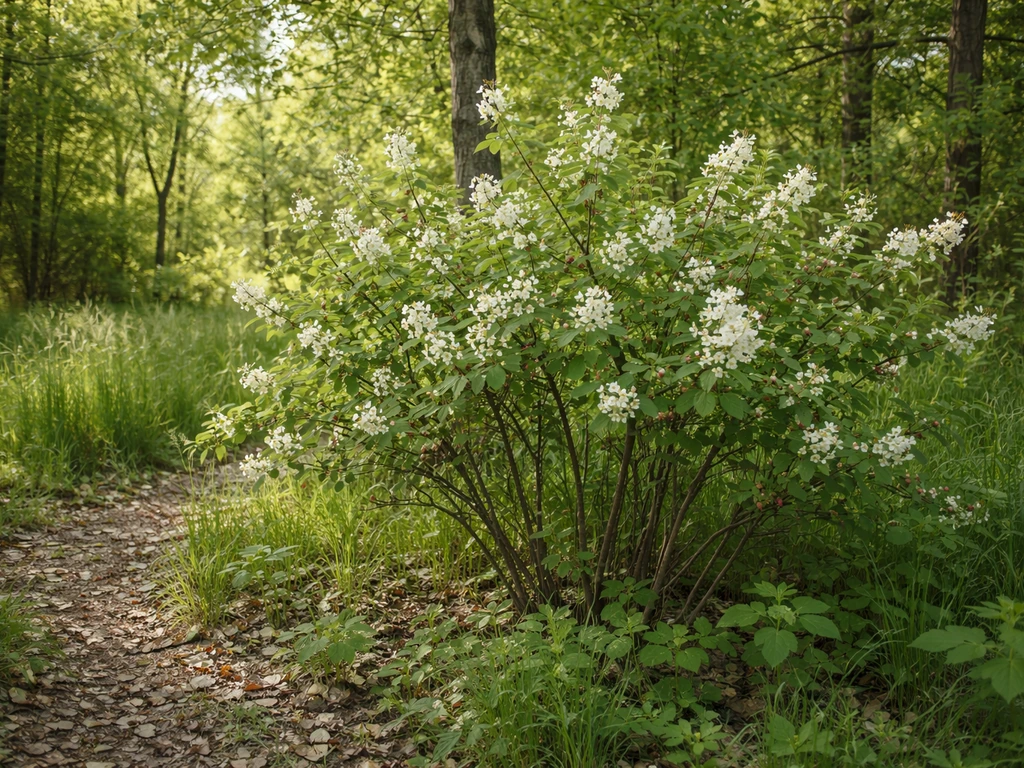
Eastern species like Amelanchier canadensis and A. If you mean where bilberries grow, you can use the same general approach of looking for cool, acidic soils and woodland or heath-like habitats where do bilberries grow. arborea cover an enormous swath: think Newfoundland and southern Ontario in the north, Maine and the mid-Atlantic coast eastward, and down through Appalachia to Alabama and even the Gulf Coast. A. laevis pushes a bit further inland, reaching Minnesota and Iowa in the midwest. These eastern serviceberries are classic edge-of-the-woods plants. You find them at the transition zone between a forest and an open field, along creek banks, on rocky hillside outcrops, and in swampy or seasonally wet margins. They're understory opportunists, meaning they'll grow beneath larger trees but often thrive when they get more light at a woodland opening.
Amelanchier alnifolia, the saskatoon, has an even wider western footprint: southern Alaska south through British Columbia and the Pacific Northwest, east across the Dakotas, Nebraska, and all the way to New Mexico and Arizona. It turns up along riverbanks and moist thickets, in canyon bottoms, in open prairie, on dry rocky slopes in full sun, and in the partial shade of conifer forests. That kind of habitat flexibility is why saskatoon is such a workhorse species for western growers.
What ties all these habitats together is the pattern: serviceberries grow where there's decent moisture in the soil, reasonable drainage so roots don't sit in standing water, and light that ranges from dappled shade to full sun. Rocky soils, disturbed areas, and open forest edges all qualify. That profile translates very directly into garden planning.
Climate and hardiness zones: does it grow where you live?
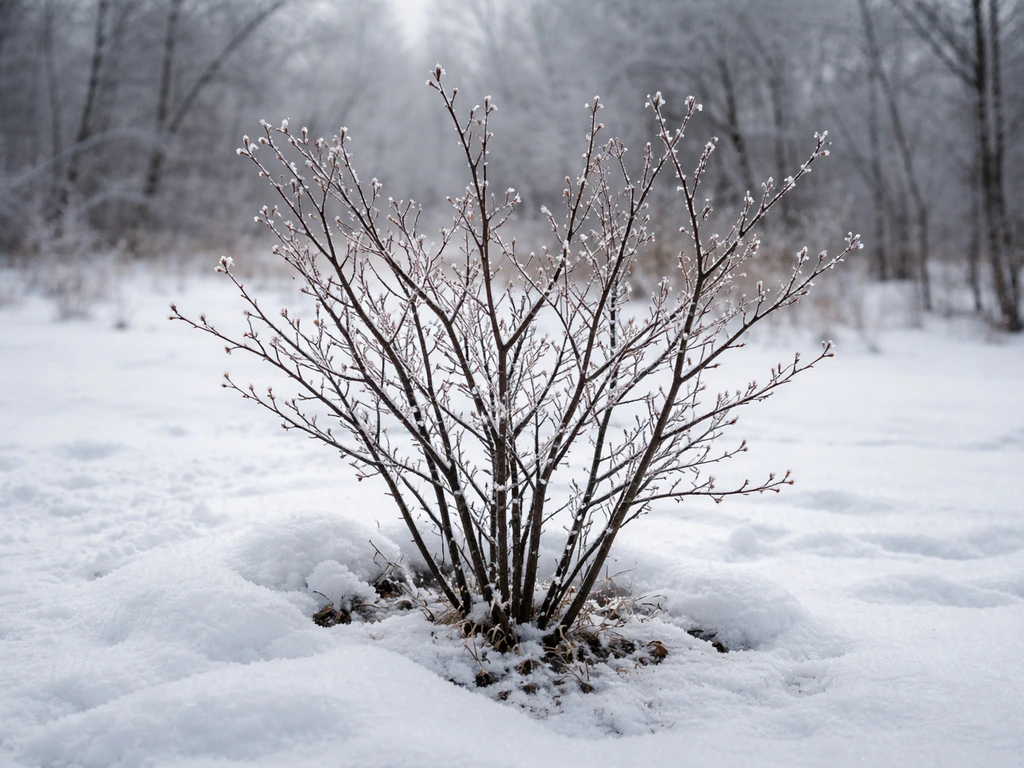
Serviceberry is one of the most cold-hardy fruiting shrubs you can grow. Amelanchier alnifolia is rated to Zone 2, which covers the deep interior of Canada and Alaska. A. laevis handles Zones 3 through 8. A. arborea is suited to Zones 5A through 8B, and A. canadensis fits comfortably in that same general range. The University of Minnesota Extension sums it up neatly: Amelanchier species as a group cover Zones 2 through 9. That means if you're gardening anywhere from Saskatchewan to Georgia, serviceberry belongs on your planting list.
| Species | Common Name | Native Range | USDA Hardiness Zones |
|---|---|---|---|
| A. canadensis | Shadblow / Canadian serviceberry | Eastern North America (Newfoundland to Alabama) | 3–8 |
| A. arborea | Downy / common serviceberry | Eastern North America (Gulf Coast to Ontario) | 5A–8B |
| A. laevis | Smooth / Allegheny serviceberry | Eastern Canada to Georgia/Alabama | 3–8 |
| A. alnifolia | Saskatoon / western serviceberry | Alaska to California, east to the Great Plains | 2–9 |
Heat tolerance is the one area worth watching. Serviceberries naturally grow in cooler temperate climates, and while A. arborea reaches into Zone 8B in the Southeast, extremely hot and dry summers put stress on them. If you're in the hotter end of Zone 8 or in Zone 9, picking a shaded or north-facing spot and keeping soil moisture consistent will go a long way. Zone 9 gardeners in California can work with alnifolia in higher-elevation sites or coastal microclimates where summers stay cool. Below Zone 5 in the East or below Zone 2 anywhere, you're outside serviceberry's comfortable range entirely, but that's an extremely small corner of North America.
Soil, moisture, and sunlight: the conditions that actually matter
Soil type and pH
Serviceberries are adaptable to most soil textures, from sandy loam to clay, as long as drainage is reasonable. The blank" rel="noopener noreferrer">ideal is a moist, well-drained sandy loam. blank" rel="noopener noreferrer">Montana State University Extension puts the target pH at 5.5 to 7.0, though serviceberries will tolerate alkaline soils up to pH 8.0 if needed. The University of Washington's data for A. alnifolia gives a slightly tighter preferred window of 6.1 to 6.5. The practical takeaway: slightly acidic to neutral soil is ideal, but there's real flexibility here. What serviceberries genuinely won't tolerate is a high water table or soil that stays saturated. The USDA is specific on this: A. alnifolia is not tolerant of high water tables, and standing water is a planting location to avoid.
Moisture
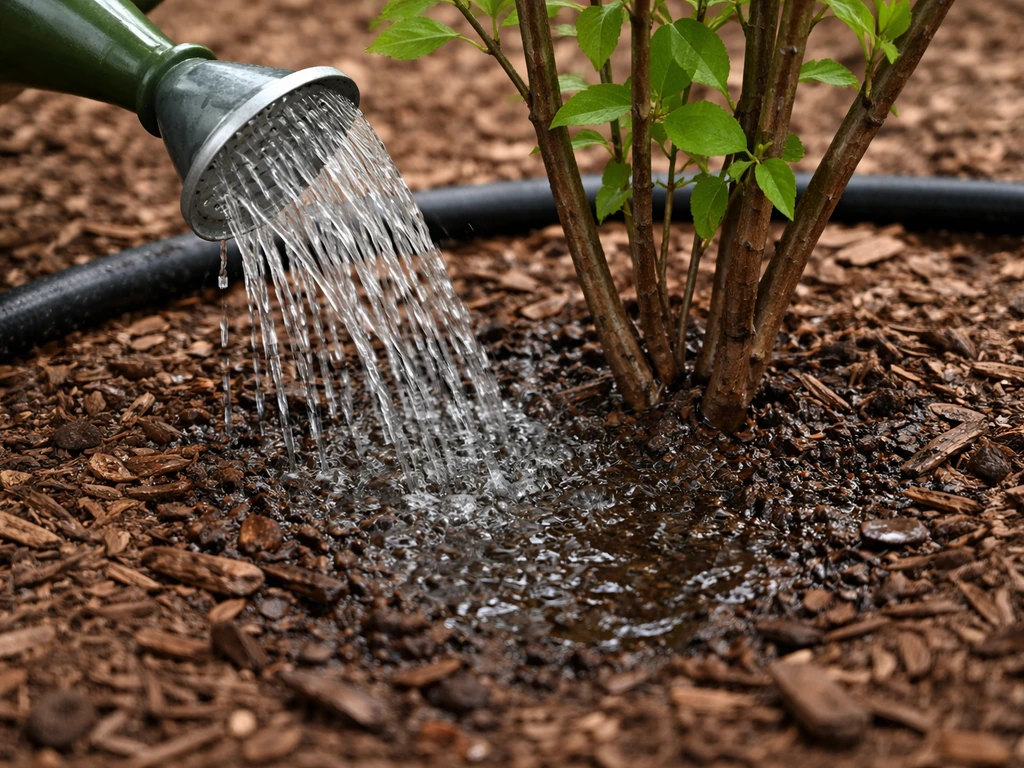
The key word is "moist, well-drained" and it's worth taking both halves seriously. Serviceberries want consistent moisture, especially during establishment and in summer heat. University of Maine Cooperative Extension recommends moist, well-drained soil, mulching, and summer irrigation for A. canadensis, especially on sunnier sites. At the same time, roots sitting in waterlogged soil are a problem. Think of the habitats again: creek banks and rocky slopes both offer moisture without prolonged saturation. That's the balance you're aiming to replicate.
Sunlight
Full sun to partial shade is the consistent recommendation across every authoritative source. Cornell University's urban tree guide, the University of Minnesota Extension, and UF/IFAS all land in the same place. A. canadensis is notably shade-tolerant, which fits its understory habitat, but all species fruit and flower best with more light. In my experience, plants tucked under a dense canopy produce fruit but not nearly as much as those at a woodland edge or in a half-day-sun spot. If you're choosing between a fully shaded spot and a half-sunny one, go with the half-sun every time.
How to tell if your site is a good match
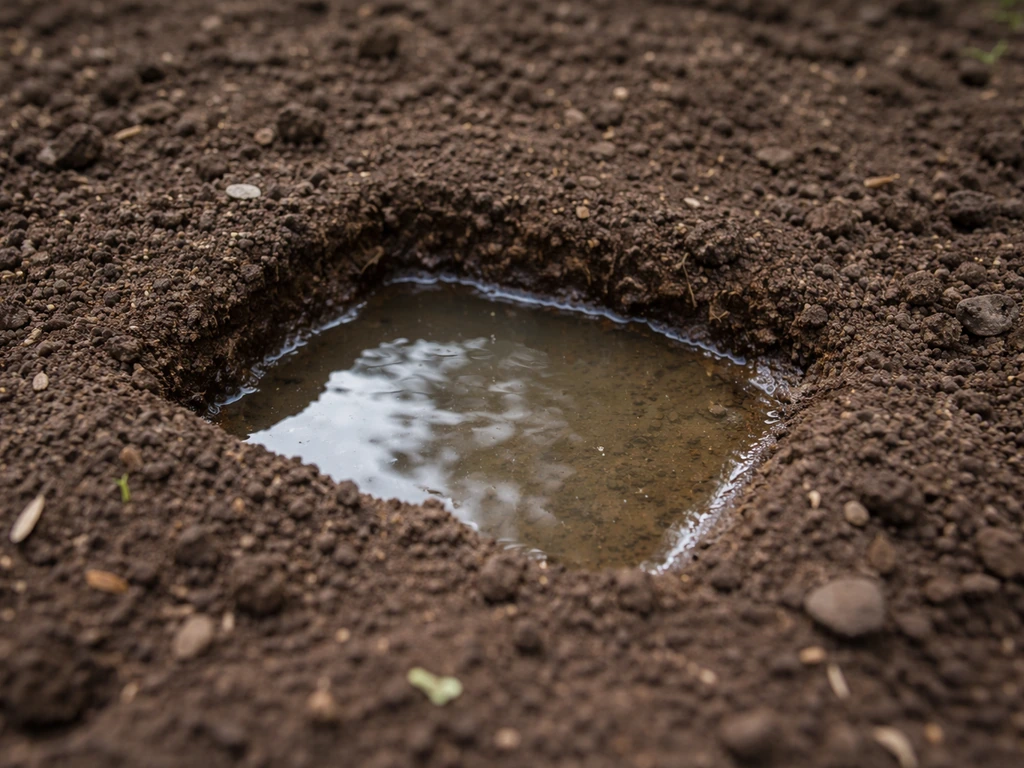
Before you buy a plant, run through these quick checks on your intended planting spot:
- Drainage test: Dig a hole about 12 inches deep and fill it with water. If it drains completely within an hour or two, drainage is fine. If water is still sitting there several hours later, you have a drainage problem that needs correcting before planting.
- Soil pH check: A simple home test kit or a reading from your local cooperative extension service tells you where you stand. Aim for 5.5–7.0. If you're outside that range, sulfur brings pH down and lime raises it.
- Sun exposure: Watch the spot on a clear day in late spring or summer. Does it get direct sun for at least 4–6 hours? Part-shade (filtered or morning sun) is workable; full shade all day is not ideal for fruiting.
- Zone confirmation: Look up your USDA hardiness zone at the USDA Plant Hardiness Zone Map. If you're in Zones 2–9, you're almost certainly in range for at least one serviceberry species.
- Moisture history: Think about whether that part of your yard tends to dry out fast in summer or holds moisture. A spot that stays evenly moist but never puddles is perfect. If it dries out aggressively, plan for irrigation or heavy mulching.
If your soil drains poorly or you have heavy clay that holds water too long, don't give up. A raised bed with amended soil or a large container (half-barrel size or bigger) solves the water table problem because you control drainage entirely. This is a practical workaround that aligns directly with what the USDA recommends for sites with drainage constraints.
Next steps to grow serviceberry successfully in your yard
Choosing placement
Serviceberries are multi-stem shrubs or small trees depending on the species and how they're pruned. Mature height ranges from about 8 feet for a compact A. canadensis to 40 feet for a tree-form A. arborea. Most garden varieties stay in the 10–20 foot range for both height and spread. A. canadensis and A. alnifolia sucker and spread into colonies, so give them room (or plan to remove suckers annually if you want to keep a tidy form). Position them where they'll get good light, near a source of consistent moisture (like the edge of a rain garden or the downslope side of a berm), or in a spot you can reach easily with a hose.
Spacing
For a shrub planting or hedge-style grouping, spacing plants 6–10 feet apart encourages the natural suckering colony form and gives good canopy coverage while allowing airflow. For a single-specimen small tree, give it at least 15 feet of clearance in all directions at maturity. If you're planting a row for fruit production, the colony-forming species like A. alnifolia and A. canadensis do well at 5–8 feet apart, since the spreading clumps eventually fill in.
Mimicking the natural habitat
The simplest way to set up a serviceberry for success is to think about where you've seen them growing wild: a creek bank edge, the margin between woods and a meadow, a rocky hillside with good drainage. If you’re wondering where do soap berries grow, aim for creek banks, woodland edges, and other spots with decent moisture and good drainage. If you want to copy those conditions closely, it helps to know where boysenberries grow and what their typical environment is like where boysenberry grow. You're recreating that situation. Start with a moist, well-drained soil. If your native soil is heavy clay, mix in compost and coarse sand to improve structure, or build a raised bed. After planting, apply 4–6 inches of organic mulch (wood chips or shredded bark work well) in a ring around the plant, keeping mulch away from the trunk itself. Montana State University Extension specifically recommends that mulch depth for establishment because it holds soil moisture and moderates temperature. Water during dry spells in the first two growing seasons, and continue supplemental irrigation in summer if you're in a hot, dry climate or have the plant in full sun.
Choosing the right species for your region
If you're in the eastern U.S. or eastern Canada, A. canadensis or A. laevis will be easiest to source and will feel most at home. If you're in the Pacific Northwest, the mountain West, or the prairies, look for A. alnifolia cultivars like 'Regent,' 'Thiessen,' or 'Smoky,' which are widely available and bred for fruit production. In the mid-Atlantic and Southeast (Zones 5–8B), A. arborea is a beautiful and reliable tree-form option. If you're uncertain, ask your local native plant nursery which species naturally occurs in your county because a locally sourced ecotype will almost always outperform a generic nursery-stock plant from another region.
Serviceberry sits in good company with other cold-hardy, site-adaptable shrubs. If you're exploring other berry options with a similar native-range mindset, bearberry and bayberry are two North American natives worth comparing for low-maintenance woodland and coastal situations respectively. If you're also wondering where bearberry grows, it tends to favor sandy, acidic soils and often shows up in coastal areas and open woodlands where does bearberry grow. But for edible fruit production across the widest possible geographic range, serviceberry is hard to beat. It's genuinely one of those plants that works almost everywhere on the continent, as long as you match the drainage and moisture conditions it expects from its natural habitat. If you are specifically wondering pineberry where do they grow, look for climates and growing conditions that match the same cool, moist habitat patterns works almost everywhere on the continent. If you're wondering where barberry grows, it helps to start by understanding its natural range and the conditions it tolerates best works almost everywhere on the continent.
FAQ
How do I figure out which serviceberry species is most likely to grow where I live?
Start with your county-level native plant ecotype if you can. If a local nursery sells serviceberries labeled by provenance (or commonly found nearby), that stock is usually better adapted than generic nursery plants. As a rule of thumb, eastern gardens tend to favor canadensis or laevis, while western and prairie regions are more often suited to alnifolia.
Can serviceberries grow in shade, or do they need full sun to produce berries?
They can survive in partial shade, but berry production drops in heavy, dense shade. If your only options are deep shade versus half-day sun, choose the half-sun spot, ideally with morning or afternoon light. A woodland-edge location usually gives both the moisture balance and enough light for good flowering.
What’s the biggest mistake people make when planting serviceberries?
Planting them where the soil stays saturated. Even though they want consistent moisture, they do not tolerate a high water table or standing water. If you suspect soggy ground, test drainage by observing after rain or use a raised bed or large container to control water levels.
How can I improve drainage for serviceberries if my soil is heavy clay?
Use a raised bed or mound so the root zone drains faster, and amend the planting area to improve structure (compost plus coarse sand or fine gravel, worked into the top portion). Mulch helps with moisture control, but it cannot fix chronically wet ground.
Do serviceberries need acidic soil, or will they grow in alkaline areas?
Slightly acidic to neutral soil is ideal, but serviceberries can tolerate alkaline conditions. The main limitation is not pH, it’s prolonged saturation. If your soil is very alkaline, focus on drainage and consistent watering first, then consider adjusting pH only if your soil test shows extreme values.
How often should I water serviceberries, especially in hot summers?
During establishment, plan on steady moisture through dry spells, then continue supplemental watering during summer heat in full sun situations. Mulch (about 4 to 6 inches) reduces evaporation and helps keep moisture more consistent. In very hot climates, prioritize a site with some afternoon shade or a north-facing position to reduce stress.
Will serviceberries sucker, and how do I keep them from taking over?
Many serviceberry types spread by suckers and naturally form colonies. If you want a tidy single-shrub or small-tree look, remove suckers regularly and give the plant less space between neighbors. If you actually want a wildlife-friendly thicket, use the natural colony habit and space plants wider to improve airflow.
What spacing should I use for a hedge or a row?
For hedge-style plantings, spacing around 6 to 10 feet typically allows the natural spread and canopy coverage without choking airflow. For fruit production in colony-forming types, tighter spacing often works initially, but expect clumps to widen, so plan for eventual thinning if you want easier harvest access.
When should I prune serviceberries to maximize berries?
After flowering and fruiting is usually the safest time for shaping, because heavy pruning at the wrong time can reduce next season’s bloom. For colony-forming shrubs, selective pruning to control suckers and maintain open light into the canopy tends to preserve fruit production.
Are serviceberries suitable for containers, and if so, what container size matters?
Yes, containers can work well, especially when your ground drains poorly. Use a large container (at least half-barrel size or bigger) so the root zone doesn’t stay wet, and ensure frequent moisture monitoring in summer. Use a well-draining potting mix, and do not let the pot sit in runoff water.
Can I grow serviceberries far outside their listed hardiness zone?
You can sometimes succeed by using microclimates, like cool coastal conditions or higher elevations in warmer regions, and by protecting roots in colder ones. However, extreme mismatch (very low zones in the East, or very hot dry conditions in the Southwest’s low elevations) increases stress and can reduce flowering or fruiting, even if the plant survives.