
Bayberry grows naturally along the eastern coast of North America, from the Gulf Coast all the way up to Newfoundland, depending on which species you mean. If you're in the Southeast, you're likely dealing with wax myrtle (Morella cerifera), which thrives in USDA Zones 7 through 10. If you're further north, blank" rel="noopener noreferrer">northern bayberry (Morella pensylvanica) is the one to grow, stretching from the Carolinas up through Ohio and Canada. Both handle salt, tolerate poor soils, and prefer sun, but they're not interchangeable plants. Knowing which one fits your climate is the first step to actually getting it to grow.
Where Does Bayberry Grow? Native Range and Planting Tips

Marcus Holloway
29 May 2026
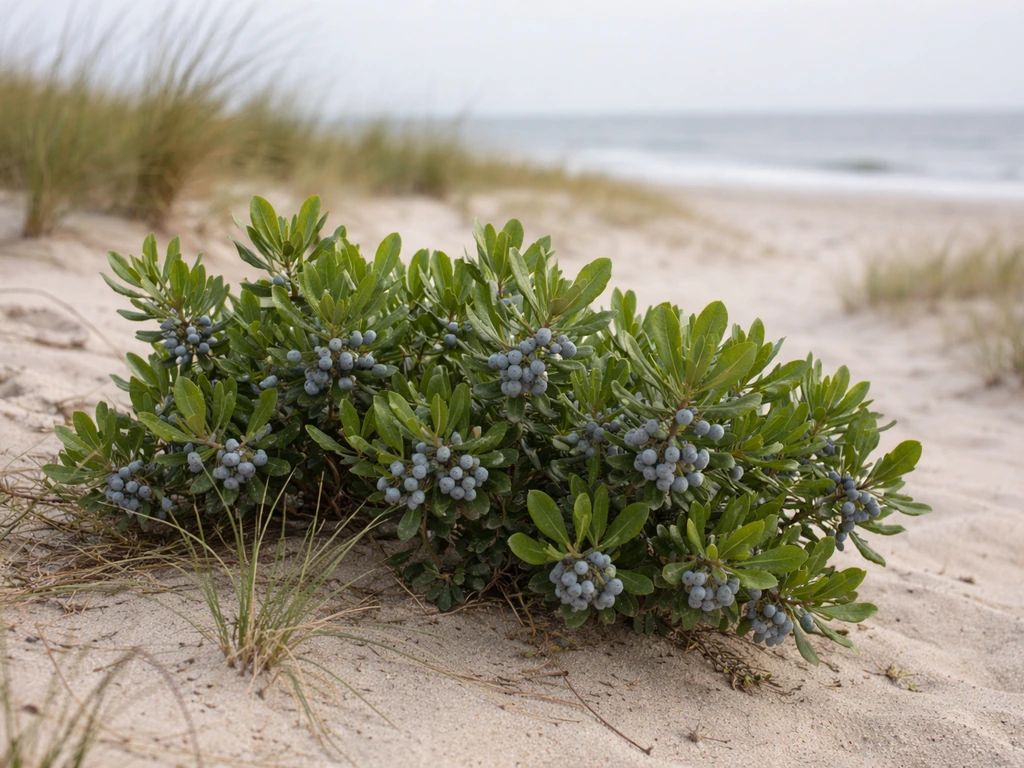
What gardeners actually mean when they say "bayberry"
This is where a lot of confusion starts. "Bayberry" gets used loosely, and depending on where you live, you might be picturing a completely different shrub than your neighbor is. The two main players are wax myrtle (Morella cerifera, formerly Myrica cerifera), which is sometimes called southern bayberry, and northern bayberry (Morella pensylvanica, formerly Myrica pensylvanica). They're related, but they're separate species with meaningfully different climate tolerances.
Wax myrtle is what most gardeners in the Southeast, Gulf Coast, and Mid-Atlantic mean. It's semi-evergreen to fully evergreen, grows fast, and can get quite large. Northern bayberry is the more compact, deciduous shrub that cold-climate gardeners in New England, the Midwest, and the mid-Atlantic tend to work with. If someone in Maryland says bayberry and someone in Louisiana says bayberry, they're almost certainly talking about different plants. I'll cover both throughout this article, but I'll flag which applies where.
Where bayberry grows in the wild
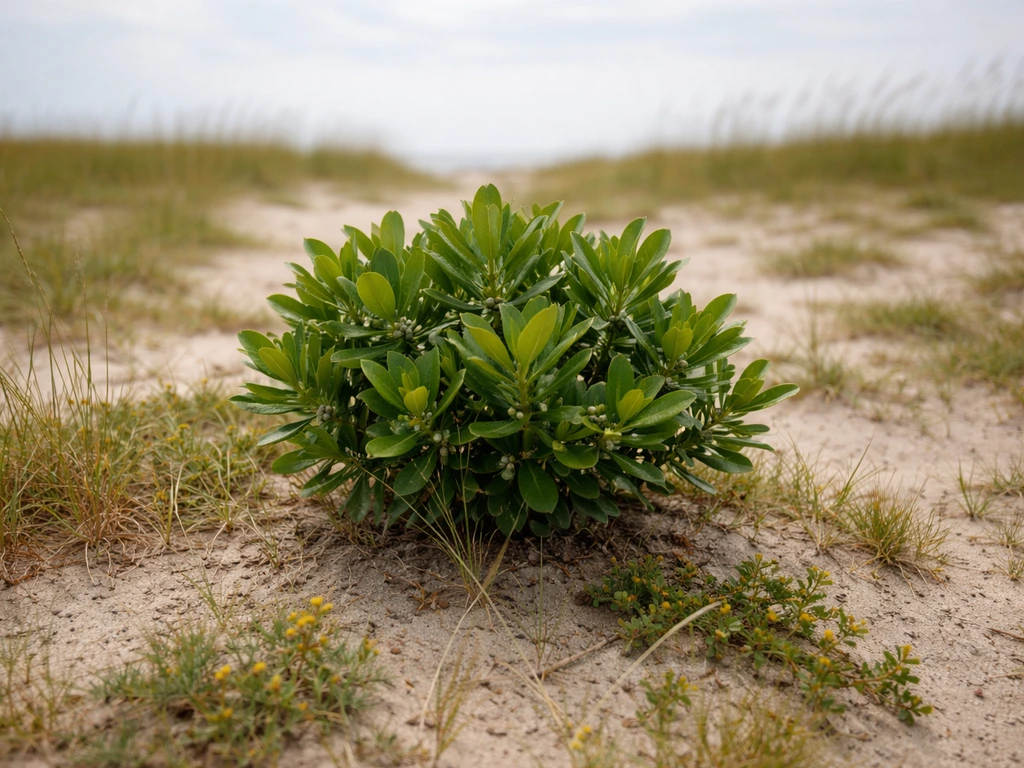
Wax myrtle's native range runs along the coastal plain from Texas and Florida up through the Carolinas and into New Jersey. It can help to know the plant's native range for your region, since that is where it tends to establish best. If you are wondering where boysenberries grow, the answer depends on the climate and growing conditions in your area. It's a low-elevation plant found in warm-temperate, subtropical, and even tropical conditions. In the wild, you'll find it growing in a surprising range of sites: swampy areas, upland forests, stream banks, and sandy coastal soils. That flexibility is part of what makes it useful in the garden.
Northern bayberry's range is further north and more inland-friendly. It grows natively from Ontario east to Nova Scotia and south through Ohio and into North Carolina. In the wild, it colonizes in clonal patches, spreading by root suckering to form dense thickets. You'll often spot it on coastal dunes, roadsides, and disturbed sandy soils where other shrubs struggle. It's genuinely built for tough, nutrient-poor sites.
Climate and hardiness: which zones actually work
Wax myrtle is hardy in USDA Zones 7 through 10, and some sources extend that to Zone 11. Wax myrtle is winter-hardy in USDA Zones 7 through 10 (and can behave as semi-evergreen in northern zones). In the northern end of that range (Zones 7 and low 8), it becomes semi-evergreen, meaning it'll drop some or all of its leaves during cold snaps. Below Zone 7, winter cold kills it back hard or outright. If you're in Zone 6 or colder and you've seen something sold as "bayberry" at a nursery, it's almost certainly northern bayberry.
Northern bayberry is the cold-hardy choice, thriving in Zones 2 through 6, which covers most of the northern U.S. and much of Canada. It's deciduous, so it loses its leaves every fall, which surprises gardeners who were expecting an evergreen look. If you want year-round foliage and you're in Zone 7 or warmer, wax myrtle is the right call. If you're in Zone 5 in Ohio or Zone 4 in Maine, northern bayberry is essentially your only native option in this family.
| Species | Common Name | USDA Zones | Evergreen? | Best Fit Region |
|---|---|---|---|---|
| Morella cerifera | Wax myrtle / Southern bayberry | 7–11 | Semi-evergreen to evergreen | Southeast, Gulf Coast, Mid-Atlantic |
| Morella pensylvanica | Northern bayberry | 2–6 (into 7) | Deciduous | Northeast, Midwest, Great Lakes, Canada |
Soil, moisture, and light: what kind of site bayberry actually likes

Both species are refreshingly undemanding when it comes to soil. Northern bayberry tolerates virtually any soil texture, from wet to dry, and handles low fertility without complaint. It prefers slightly acidic conditions, with a pH of about 5.1 to 6.5. If your soil is sandy, rocky, or just generally difficult, northern bayberry tends to shrug it off. The one thing that does trip it up is compacted soil with poor drainage, which can cause slow decline over time.
Wax myrtle is similarly adaptable. It grows on the coastal plain across sand, loam, humus-rich uplands, and even lime rock substrates. It tolerates occasional flooding, drought periods, and deer browsing. One of its less obvious advantages is that it can fix atmospheric nitrogen, which means it actually survives and sometimes thrives in soils that would starve other shrubs. Both species do best with full sun, but partial shade works for northern bayberry, and wax myrtle can manage it too, just with slightly less density.
Coastal vs. inland: how bayberry handles salt and wind
This is honestly where bayberry earns its reputation. Both species handle coastal conditions better than most ornamental shrubs. Northern bayberry is explicitly tolerant of salt spray and saline soil, which is why you see it planted on dunes, coastal roadsides, and exposed shoreline properties from New England down through the Mid-Atlantic. If you're in a cold coastal zone and you need something that won't look burned and ragged after a winter storm, northern bayberry is one of the first plants I'd suggest.
Wax myrtle has moderate salt spray tolerance, which means it works well on the coastal plain and in sheltered coastal sites, but very harsh and direct ocean exposure might push it a little hard. If your site gets constant, heavy salt-laden wind with no buffer, it's worth giving wax myrtle a bit of protection, even something as simple as planting it slightly behind a fence line or existing windbreak. Inland growers in Zones 7–10 can plant wax myrtle without worrying about salt at all. It handles drought and poor drainage in those settings just as comfortably.
How to check if bayberry will grow where you live
Run through these questions before you buy. They'll tell you quickly whether you're a good match for bayberry and which species to go after. If you're wondering where barberry grows, the main clues are your local climate, sunlight, and whether you can mimic the shrub's preferred soil conditions where does barberry grow.
- Find your USDA hardiness zone. If you're in Zones 7–11, wax myrtle is your primary option. If you're in Zones 2–6, northern bayberry is the one to grow.
- Check your light. Both species want full sun to partial shade. If your intended spot gets fewer than 4 hours of direct sun per day, reconsider the location.
- Test or estimate your soil pH. Both species prefer slightly acidic conditions around pH 5.1–6.5. A basic soil test (available at most garden centers or through your local extension office) will confirm this in a few days.
- Assess drainage. Both bayberries handle wet and dry soil, but neither tolerates compacted, waterlogged clay without improvement. If water sits on your site for days after rain, amend before planting.
- Note your salt exposure. If you're near the coast, either species handles it, but northern bayberry handles hard salt spray a bit more reliably. Very exposed coastal sites in wax myrtle territory may need a windbreak.
If you cleared all five of those checkboxes, you're in good shape. The most common mistake I see is people in Zone 6 or colder trying to grow wax myrtle because it's more widely available at chain nurseries. It'll survive a mild winter and then get wiped out in a hard one. Save yourself the frustration and buy northern bayberry if you're north of Zone 7.
How to set up your garden to match bayberry's natural habitat
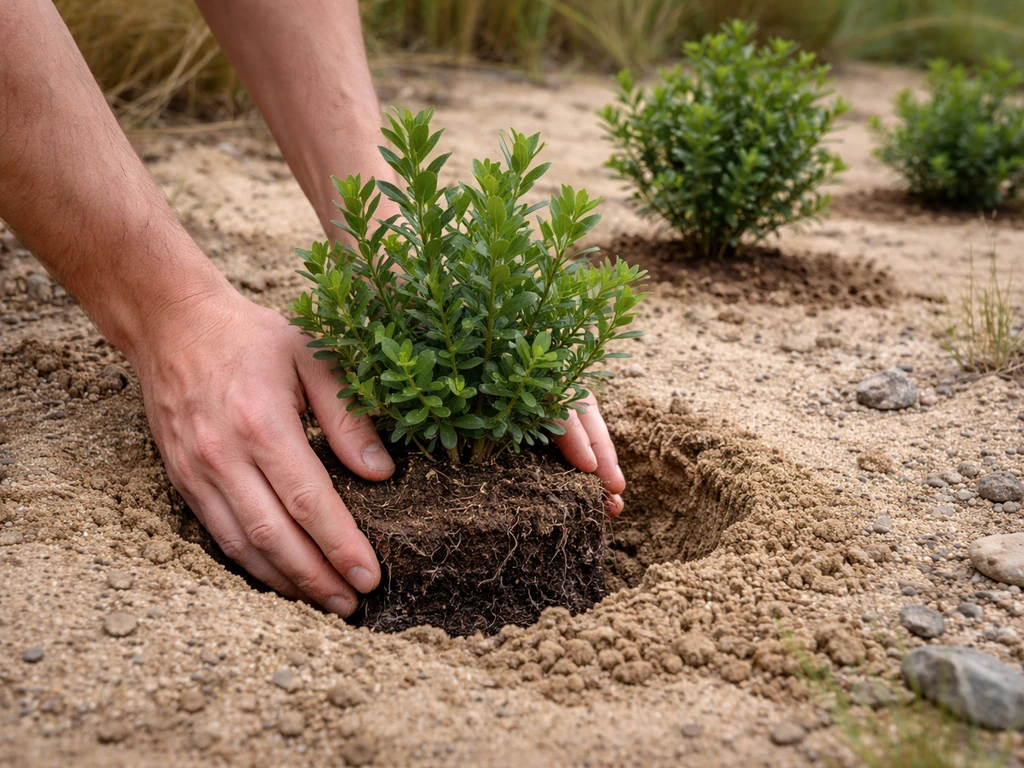
Both species are native-plant workhorses, so the goal of your setup is really just to mimic their natural conditions rather than create a coddled environment. For northern bayberry, the Almanac recommends planting in late summer to early fall, which gives roots time to establish before the ground freezes. Plant at the same depth as the root ball, water regularly through the first season, and mulch around the base to hold moisture and regulate soil temperature.
For wax myrtle, the same principles apply. Plant at root-ball depth, water consistently during the first year of establishment, and mulch well. Spacing matters more than people expect: if you're planting as a specimen shrub, give it the room it wants, but if you're creating a hedge or screen, spacing of 3 to 5 feet works well. For denser privacy screens, some growers go closer; for a naturalistic grouping, 8 to 10 feet between plants lets each one fill out properly.
Container growing for bayberry
Northern bayberry is actually a reasonable container candidate for gardeners in colder zones who want flexibility, or for people in Zone 7 who want to experiment with wax myrtle but aren't sure their winters will cooperate. Use a large container (at least 15–20 gallons for a mature shrub), fill with a slightly acidic potting mix, and ensure good drainage holes. Container plants dry out faster, so consistent watering in the first two years is non-negotiable. In Zones 6 and colder, move containers to a sheltered, unheated garage or shed over winter if you're growing wax myrtle this way.
One thing to keep in mind with northern bayberry specifically: it spreads by root suckers in the ground and naturally forms colonies. In a container, you won't get that spread, which actually makes it easier to manage. If you're planting in-ground and you want to contain its spread, a root barrier around the planting area helps keep it from colonizing further than you intended. Similar spreading habits show up in other native shrubs and berry-type plants (like serviceberries, which also naturalize readily), so it's worth planning for before you plant rather than after. If you are also thinking about adding serviceberries, it's helpful to check where do serviceberries grow in your region before you buy plants.
What to look for at the nursery
When you're shopping, ask specifically for Morella pensylvanica (northern bayberry) if you're in Zones 2–6, or Morella cerifera (wax myrtle or southern bayberry) if you're in Zones 7 and warmer. Avoid anything labeled just "bayberry" without a species name, especially at big-box stores, because that vagueness has cost more than a few gardeners a plant that dies its first hard winter. Look for stock that's locally or regionally sourced when possible, since plants grown in conditions similar to yours establish faster and handle local stressors better. A healthy container-grown plant with firm, undamaged roots and no signs of root circling is worth the extra few dollars over a stressed, bargain-bin specimen.
FAQ
I’m searching online for where bayberry grows, but results show different “bayberry” shrubs. How can I tell which one I should plant?
First identify the species name on the tag. “Wax myrtle” is Morella cerifera (often called southern bayberry), and “northern bayberry” is Morella pensylvanica. If the label only says “bayberry” with no species, assume it may not match your climate and skip it unless you can confirm the USDA zone suitability.
Can bayberry grow outside its native range if I have the right soil and sun?
Yes, especially for northern bayberry, which tolerates a wide range of soil textures and low fertility, but cold hardiness is the limiting factor. For wax myrtle, matching the site is not enough if winter temperatures are below its hardiness, because repeated freeze stress is what usually causes failure.
What’s the best “rule of thumb” for choosing wax myrtle versus northern bayberry based on where I live?
Use USDA zones and your winter lows. In Zones 2 to 6, choose Morella pensylvanica, and in Zones 7 to 10 (sometimes 11), choose Morella cerifera. If your winters regularly dip into Zone 6 territory, do not rely on “it might survive,” pick northern bayberry instead.
If I have coastal salt spray, which bayberry type is more reliable?
Northern bayberry is the safer bet for harsh coastal conditions, including saline soil and salt-laden exposure on dunes and coastal roadsides. Wax myrtle can handle salt in many coastal plain sites, but constant direct ocean wind with heavy spray can stress it, so adding a buffer like an existing windbreak can help.
Where does bayberry grow best within a yard, wet spot versus dry spot?
Northern bayberry is flexible, and it can handle wet to dry conditions, but it struggles with compacted soil and poor drainage. If you have a soggy area, prioritize aeration and drainage rather than just watering more. Wax myrtle also tolerates occasional flooding and drought swings once established, but it still prefers full sun for best density.
Does bayberry like acidic soil, and what if my soil is alkaline?
Northern bayberry does best with slightly acidic soil (roughly pH 5.1 to 6.5), and it can tolerate imperfect conditions. If your ground is notably alkaline, you may need targeted amendment around the planting area and avoid expecting miracles on long-term pH without improving drainage and organic matter as well.
How do I know whether my nursery plant is the right species before I plant it?
Check the scientific name (Morella cerifera or Morella pensylvanica) and confirm the expected mature size. Also inspect for root issues like circling roots in containers, since those can slow establishment even if the species is correct for your zone.
Will bayberry spread in the landscape, and is that different for the two types?
Northern bayberry spreads by root suckering and naturally forms clonal colonies in-ground. Wax myrtle can also become established and expand, but the pronounced colony-forming habit is most associated with northern bayberry, so plan for containment (for example, a root barrier) if you want to limit spread.
Can I grow wax myrtle in a container where northern bayberry would normally be required?
You can try for short-term flexibility, but don’t treat containers as a complete substitute for winter hardiness. In Zones 6 and colder, overwinter containers in a sheltered, unheated garage or shed, use a well-draining potting mix with a slightly acidic target, and expect faster drying so consistent watering for the first couple of years is critical.
When people fail with bayberry, what’s the most common mistake?
Buying the wrong species for the climate, especially planting wax myrtle (Morella cerifera) in Zones 6 or colder. The shrub may look fine after a mild winter and then get badly damaged or killed during a hard freeze, so confirm the USDA zone match before purchasing.
What’s the best planting time for bayberry depending on region and frost risk?
For in-ground establishment, late summer through early fall is a smart window because roots can establish before deep freeze. If your area gets early hard frosts, aim to plant earlier in that window and keep consistent watering during the first season.
If northern bayberry is deciduous, will I still get visual interest in winter?
You should expect a seasonal look, it goes leaf-off in fall, but the plant can still provide structure from stems and, depending on conditions, persistent fruit. If you need year-round screening, consider wax myrtle in the correct warmer zone instead of relying on northern bayberry for winter foliage.