
Soap berries grow natively across warm, sunny regions of the Americas, South Asia, and East Asia, depending on which species you mean. If you are also wondering where do bilberries grow, focus on regions that match a similar sun-and-cooling balance for fruiting success warm, sunny regions. The most commonly grown types belong to the genus Sapindus, and in North America that usually points to western soapberry (Sapindus saponaria var.
Where Do Soap Berries Grow: Native Ranges and Grow Guide
Marcus Holloway
30 May 2026
drummondii), which thrives from Kansas south through Texas and Florida in USDA zones 9 to 11. If you're chasing the soapnut used in natural laundry detergent, that's more likely Sapindus mukorossi, native to India, Nepal, southern China, and Japan. A review of triterpenoid saponins from washnut ([Sapindus mukorossi](https://pmc. ncbi.
nlm. nih. gov/articles/PMC9502486/)) also notes common names gardeners encounter, including Chinese soapberry, soapnut, reetha, and washnut. Getting the species right is step one, because their climate needs diverge pretty significantly.
Which soap berry are you actually looking for?
"Soap berry" is one of those common names that covers a small family of closely related trees, all in the genus Sapindus. They share a distinctive look: alternate, pinnately compound leaves with leaflets marching down a central stem in multiple pairs. That leaf structure alone separates them from plenty of unrelated plants that also carry "berry" in their name. Here are the four species most home growers encounter:
| Species | Common Names | Where It's From | Best Known For |
|---|---|---|---|
| Sapindus saponaria var. drummondii | Western soapberry, wingleaf soapberry | Central and southern U.S. through Florida, south to Paraguay | Landscape tree, natural soap from fruit pulp |
| Sapindus saponaria | Florida soapberry, wingleaf soapberry | Tropical & subtropical Americas, West Indies | Translucent orange-yellow fruit clusters, zones 10A–11 |
| Sapindus mukorossi | Chinese soapberry, soapnut, reetha, washnut | India, Nepal, Indochina, southern China, Japan, Taiwan | The soapnut of commerce, used in natural laundry products |
| Sapindus trifoliatus | South India soapnut, three-leaf soapberry | Pakistan, India, Bangladesh, Myanmar, Sri Lanka | Regional soapnut alternative, smaller tree |
For most readers in the U.S., the plant in question is the western soapberry (S. saponaria var. drummondii). If you've been buying soapnuts from a natural-products store to use as laundry detergent, those almost certainly came from S. mukorossi trees grown in India or Nepal. Knowing which one you want shapes everything that comes next.
Where soap berries grow natively around the world
The North American species has the widest footprint on this continent. If you're also curious about where a different berry plant like pineberry where do they grow tends to thrive, it helps to compare its native range and climate needs side by side with soapberry. If you are wondering about where does bearberry grow instead of soapberry, the best starting point is still matching your hardiness zone and climate to the species. Sapindus saponaria (including var.
drummondii) spans from Kansas east through the American South, across Florida and the Gulf Coast states, continues through the West Indies, and stretches all the way down to Paraguay. Kew's Plants of the World Online lists its native range as Central Pacific, tropical, and subtropical America, which is a long way of saying it covers a huge swath of the Western Hemisphere's warm zones.
Sapindus mukorossi tells a different geographic story. Its native territory runs through the foothills of the Himalayas in India and Nepal, across Indochina, up through southern China, and into Japan and Taiwan. If you've seen it thriving somewhere, it was probably at moderate elevation in a warm-temperate to subtropical climate, not in the humid tropics or dry desert.
Sapindus trifoliatus sits even further south and east, native to Pakistan, India, Bangladesh, the Andaman Islands, Myanmar, and Sri Lanka. It has naturalized in parts of eastern tropical Africa and has even shown up in Trinidad and Tobago. This one is the least likely to be what a North American or European gardener is growing.
Climate conditions these trees actually need
Western soapberry is genuinely tough when it comes to temperature and moisture variation. It handles low to high humidity and thrives with annual rainfall anywhere from about 16 to 33 inches (38 to 84 cm), which is the documented range across its Texas Edwards Plateau habitat. That flexibility is why you'll find it in both scrubby, dry rangelands and along river terrace communities in the same general region. What it cannot handle is sustained cold winters: Missouri Botanical Garden places it in zones 9 to 11, and UF/IFAS puts the Florida soapberry specifically in zones 10A to 11. Anything colder than zone 9 brings real winter-kill risk.
Sapindus mukorossi is a bit more particular. Its native range suggests a preference for warm-temperate and subtropical conditions with distinct wet and dry seasons, similar to the Indian subcontinent monsoon pattern. It handles mild frost at higher elevations in its native Himalayan foothills, so it may tolerate a light freeze better than the tropical soapberry species, but it still wants reliably warm summers and moderate annual rainfall.
One thing all Sapindus species share: they want heat and sunlight during the growing season. If you are wondering where does bayberry grow, these same warm-zone ranges help explain which soapberry species you are most likely to find thriving. These are not shade-forest trees. They evolved in open, sun-drenched environments, which matters a lot when you're scouting a planting location.
Soil, drainage, and habitat specifics
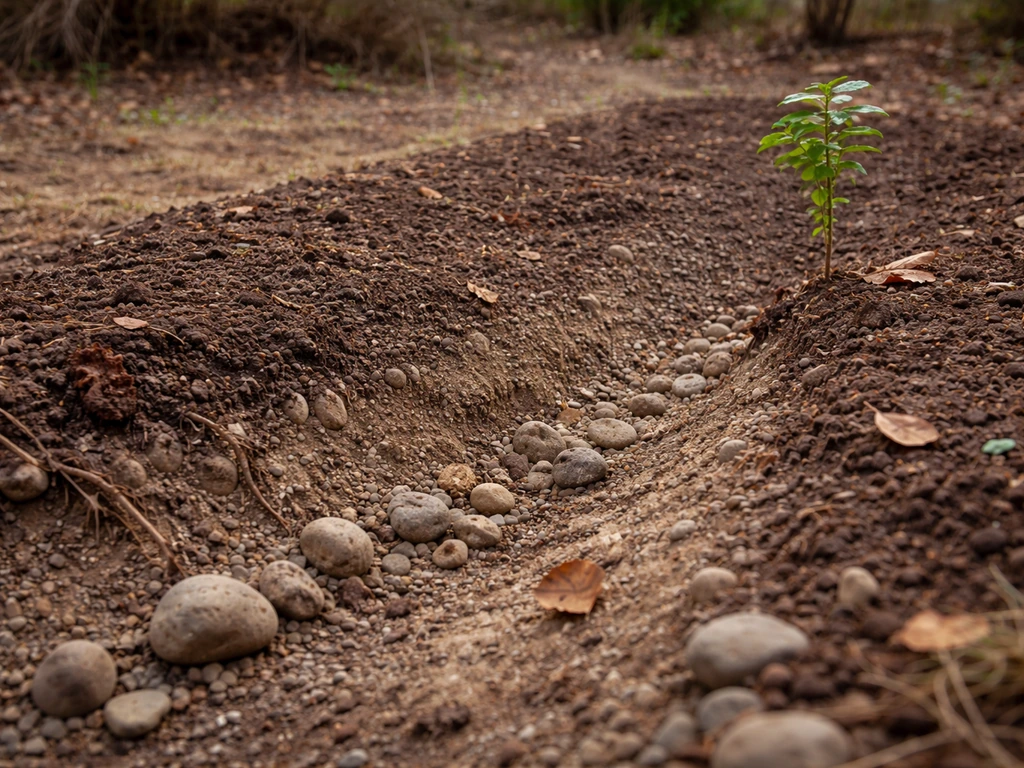
Soapberry trees are not bog plants. This is a crucial point because the word "berry" sometimes makes people imagine wet, acidic woodland conditions (think of how bilberries or boysenberries grow). Sapindus is the opposite: all major sources consistently describe it as thriving in dry to medium, well-drained soils in full sun. Jacksonville Tree Commission materials for Sapindus saponaria also emphasize planting in a well-drained site blank" rel="noopener noreferrer">thriving in dry to medium, well-drained soils in full sun. Missouri Botanical Garden's plant finder is blunt about this for S. saponaria: dry to medium, well-drained soils, full sun.
That said, western soapberry (var. drummondii) is notably soil-adaptable. USDA FEIS documents it growing on heavy clay and silty clay soils along floodplain bottoms and river terraces, while Oregon State University's landscape plant records describe it as native to infertile, dry soils and drought-tolerant. So it can handle compacted or poor soil better than most fruit trees, and it can cope with occasional flooding, but it should never sit in standing water long-term.
- Full sun preferred; partial shade is tolerable but reduces fruiting
- Well-drained soil is non-negotiable for long-term health
- Tolerates dry, infertile, and clay soils (especially var. drummondii)
- Handles annual rainfall from 16 to 33 inches in its natural range
- Does not tolerate waterlogged or permanently wet roots
- No bog or acidic wetland conditions needed or wanted
How to figure out if soap berries will grow where you live
Start with your USDA hardiness zone. That single check eliminates a lot of guesswork. Western soapberry (S. saponaria var. drummondii) is reliably hardy in zones 9 to 11. If you're in zone 8, you're in marginal territory and should expect some dieback in hard winters. Zone 7 and below, you're fighting the tree's basic cold tolerance, not just tweaking conditions.
- Look up your USDA hardiness zone at the USDA Plant Hardiness Zone Map using your zip code. For soapberry, you want zone 9 minimum for reliable outdoor success.
- Check your annual rainfall. If you're in a region that gets 16 to 33 inches per year and experiences warm summers, you're in western soapberry territory. Wetter climates can work too, as long as your soil drains well.
- Walk your yard and evaluate drainage. Does water pool after rain for more than an hour? If so, that spot needs raised planting or amendment before soapberry goes in. Look for a spot on a gentle slope or in a raised bed.
- Count your sun hours. Pick a planting spot that gets at least 6 hours of direct sunlight daily. Southern or western exposures work best in most U.S. locations.
- Match your choice of species to your region. In the U.S. South and Southwest, western soapberry is your practical pick. If you're in a subtropical climate (South Florida, Hawaii, coastal Southern California), the full S. saponaria may be worth trying.
If you're in a colder zone and specifically want to grow S. mukorossi for soapnuts, you'll face a tougher road. This species originates from regions with warm summers and mild winters. Zones 8b to 11 are your best shot, though it's less commonly available at U.S. nurseries and you may need to source it from specialty growers. One honest note on propagation: S. mukorossi seeds have a hard coat that resists germination. Scarification (physically abrading or nicking the seed coat) is usually necessary to get reasonable germination rates, so plan for that extra step if you're starting from seed.
Growing soap berries in containers or home gardens
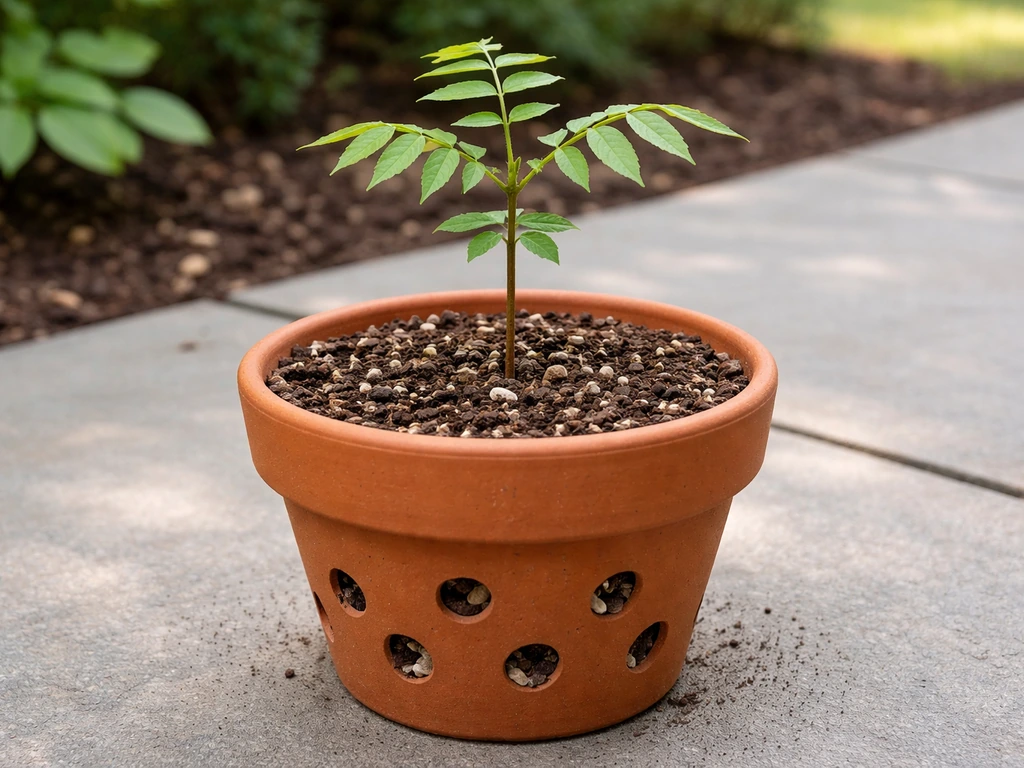
Container growing is possible for soapberry, especially for starting seedlings or keeping trees manageable in colder climates where you need to bring them indoors for winter. But these are trees, not shrubs, so there are real limits to how long a container setup stays practical. I've seen growers in zone 7 keep young western soapberry in large pots for several years, moving them to a sheltered garage in winter, with moderate success as long as they stay on top of drainage.
The most important container rule: drainage holes are mandatory. Soapberry roots rot in waterlogged conditions, and a pot without drainage is basically a death sentence for this plant. Use a deep pot (the taproot on these trees wants to go down), fill it with a well-draining potting mix, and plant seeds about 1 inch deep. A mix of standard potting soil cut with perlite or coarse sand works well. Do not use a moisture-retaining mix designed for tropical houseplants.
- Use a deep pot with at least one large drainage hole, preferably several
- Choose a well-draining mix: standard potting soil plus perlite or coarse sand
- Place the container in full sun for most of the day
- Water when the top inch of soil is dry, not on a fixed schedule
- Expect to repot into progressively larger containers as the tree grows
- In zones below 9, move containers to a frost-free space in winter
- Be realistic: container soapberry trees rarely reach the size needed to produce large berry harvests
If your climate is simply too cold for outdoor soapberry growing and a container setup feels too limiting, consider comparing notes with other drought-tolerant berry trees. Serviceberries, for instance, handle cold far better and offer a different but equally interesting fruiting experience for growers in northern zones. Serviceberries are most often found across North America in cool to moderate climates, especially in woodland edges and forest understories where soils stay fairly moist.
Barberry is another cold-hardy alternative in the berry-producing shrub category, though it serves different purposes. Barberry grows in regions with moderate climates and can thrive in well-drained soil, so the exact answer depends on the species and your local conditions. The Sapindus group really is a warm-climate specialty, and no amount of container management fully substitutes for the right climate.
What to realistically expect from a soapberry planting
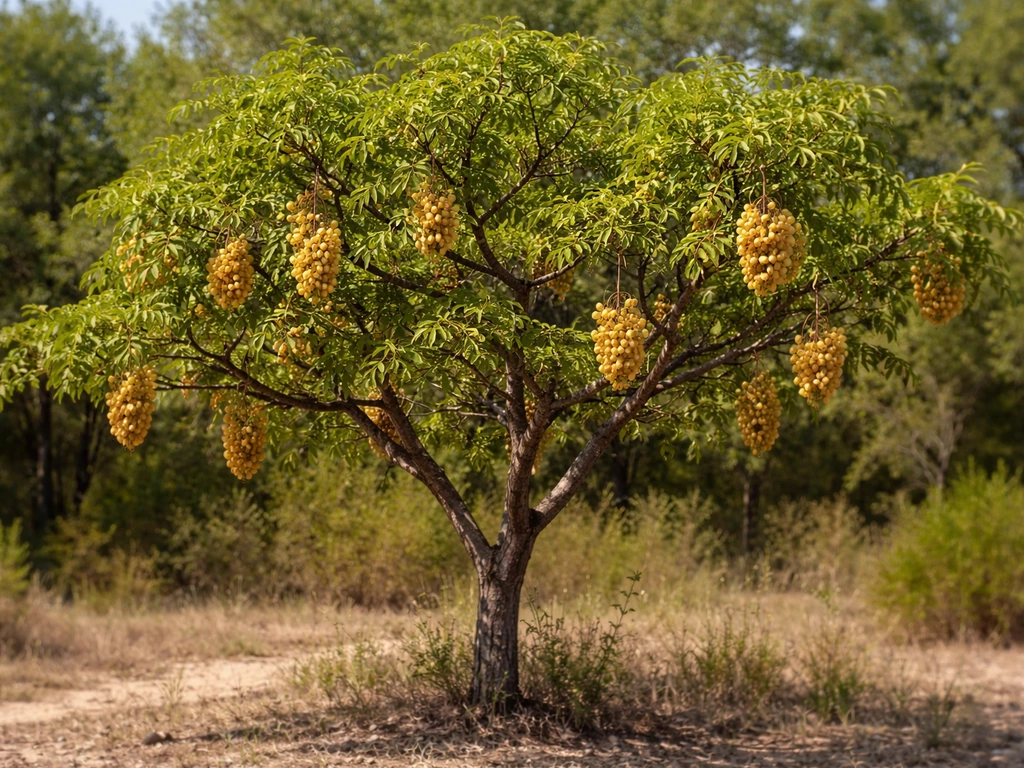
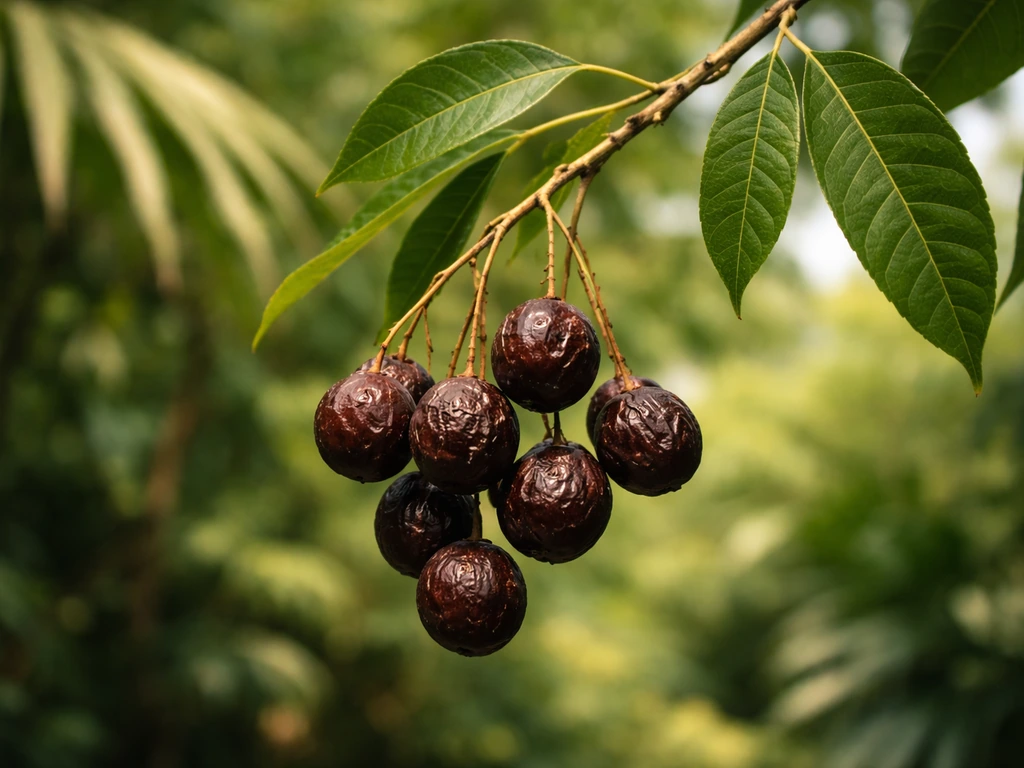
If you're in the right zone and soil situation, western soapberry is actually a low-maintenance tree once established. It's drought-tolerant, adapts to poor soil, and produces clusters of creamy yellow to orange-brown fruits that ripen in September and October and can persist on the branches into winter. The fruit pulp lathers up with water and has been used as natural soap across cultures for centuries, which makes it a genuinely functional garden tree, not just an ornamental.
Young trees take several years to fruit, so patience is part of the deal. Germination from seed can be slow without scarification, and even with good care, you might wait three to five years for meaningful fruit production from a seedling. Buying a small nursery tree shortcuts that timeline considerably if you can find one locally. Check native plant nurseries and specialty tree growers in the South and Southwest; western soapberry is increasingly stocked as interest in natural and low-input landscaping grows.
FAQ
If my question is “where do soap berries grow,” which species should I be thinking about for fruit vs. laundry use?
In most U.S. gardens, “soap berries” usually means Sapindus saponaria (including var. drummondii), grown for ornamental fruit. If you are specifically targeting soapnuts for natural laundry detergent, the common source is Sapindus mukorossi, so your “where it grows” answer changes to South Asia and nearby warm-temperate regions rather than the southern U.S.
Can soapberry grow outdoors in zone 8, and what failures should I expect?
Zone 8 can be marginal for western soapberry, meaning you may see partial dieback after cold snaps, then regrowth in spring. The risk goes up if cold coincides with wet soil, so site it in full sun with excellent drainage and avoid low spots that hold water.
What’s the single biggest reason soapberry plants fail, even when the zone looks right?
Overwatering or waterlogged soil is the most common killer. Even though western soapberry can handle occasional flooding, it cannot sit in standing water long-term, so choose a sloped site or amend with coarse material to keep the root zone airy.
Do soapberries need regular watering to produce fruit?
Once established, western soapberry is drought-tolerant and typically needs much less water than many fruit trees. For best fruiting, water during establishment and during extended dry spells, but avoid a schedule that keeps the soil constantly moist.
Are soap berries shade-tolerant, like understory plants?
No. Sapindus species evolved for open, sunny conditions, so heavy shade reduces growth and can prevent meaningful fruiting. Aim for full sun for the bulk of the day to support flower and fruit development.
How do I tell if I’m planting the right “soapberry” versus another plant with a similar name?
Don’t rely on the common name alone. Look for genus Sapindus, and if you want the most likely North American type, verify it is Sapindus saponaria var. drummondii. That matters for hardiness, seed behavior, and the fruiting timeline.
If I’m trying to grow from seed, what should I know about germination time?
Seed can be slow, and for Sapindus mukorossi in particular, the hard seed coat often needs scarification for reasonable germination rates. Even with good prep, plan on delayed starts and multiple seasons before you see strong, fruiting-capable growth.
Can I keep soapberry in a container long-term?
You can container-grow soapberry for starting seedlings or for winter protection, but it is a tree with a deep taproot. Practical container time is limited, and you will eventually need an in-ground or transplant plan, otherwise growth stalls or becomes root-bound.
What container soil should I use, and what should I avoid?
Use a deep pot with drainage holes and a well-draining mix (for example, standard potting soil cut with perlite or coarse sand). Avoid moisture-retentive mixes designed for indoor tropical plants, because they stay wet and increase root rot risk.
If my area is too cold for Sapindus, what’s a better backup strategy than forcing it?
Choose a closer match to your climate rather than relying only on winter protection. The article’s suggestion of cold-hardy berry alternatives is the practical route, because Sapindus is a warm-climate specialist and container management cannot replace the needed heat and sun for long-term fruiting.
How long until soapberry fruits, and does buying a nursery tree change anything?
Seedlings often take several years before meaningful fruiting, commonly around three to five years depending on conditions and species. Buying a small nursery tree can cut that wait substantially, because it starts you closer to a mature growth stage.
Do soapberry fruits fall like typical berries, or do they persist?
They ripen in early fall (often September to October for western soapberry) and can persist on the branches into winter. This makes them easier to harvest later, but you still want to check periodically because wildlife may also begin feeding on the fruit.