
Ocean Spray sources its cranberries from a cooperative network of more than 700 farmer-owners spread across Massachusetts, Wisconsin, New Jersey, Oregon, Washington, British Columbia, and Eastern Canada (including New Brunswick and Quebec). Wikipedia’s overview of the Ocean Spray cooperative describes blank" rel="noopener noreferrer">member growers across multiple U.S. states and Canadian provinces), including Massachusetts, Wisconsin, New Jersey, Oregon, Washington, and British Columbia. Those regions share one thing: the flat, wet, acidic bog conditions cranberries need to thrive. If you're trying to decide whether you can grow cranberries at home using those same conditions, the short version is yes, you can, as long as you're in USDA Zones 2 through 7 and willing to engineer a little bog of your own. If you're also working on a place where cranberries grow crossword clue, think about the cool, bog-like regions these zones map to USDA Zones 2 through 7.
Where Does Ocean Spray Grow Cranberries? Growing Regions
Where Ocean Spray actually sources its cranberries
Ocean Spray is a farmer-owned cooperative, not a single farm or company with one big field. That means the cranberries in your juice or sauce are coming from hundreds of independent growers. According to Ocean Spray's own fact sheet, those growers are concentrated in Massachusetts, Wisconsin, New Jersey, Washington, Oregon, British Columbia, and Eastern Canada. Some Ocean Spray materials also reference growers in Chile, which helps the cooperative supply fresh fruit year-round since the Southern Hemisphere harvest lands in a completely different season.
Within the US, Wisconsin is the heavyweight. It's the country's largest cranberry-producing state by volume, followed by Massachusetts, which has the longest cranberry farming history on the continent. New Jersey, Oregon, and Washington round out the domestic supply. On the Canadian side, Quebec is the largest producing province, with British Columbia and New Brunswick also contributing significant volume. If you want the home base location, where do cranberries grow in Canada depends on the cold winters and low-lying wet areas where provinces like Quebec and British Columbia produce most of the crop. These aren't random locations. Every single one of them shares the same cold winters, flat low-lying land, and access to abundant water that cranberries depend on.
What a cranberry bog actually looks like
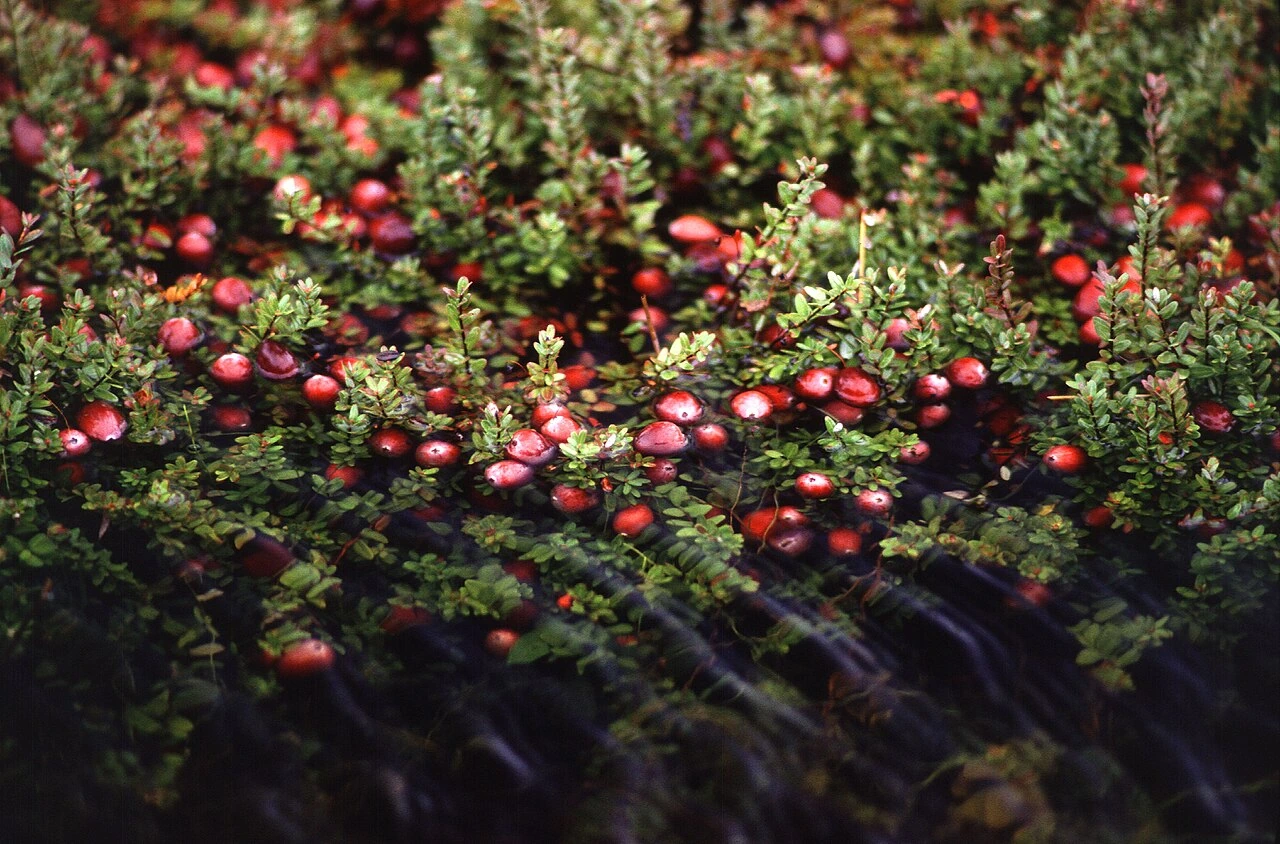
A cranberry bog isn't a swamp in the wild sense. If you are trying to mimic a swampy area where cranberries grow, focus on a controlled water table rather than letting water become stagnant. It's a carefully engineered growing bed designed to hold and release water on a precise schedule. The plants grow in low-lying, nearly flat beds built on a base that slows or stops vertical water movement, which lets growers control the water table precisely. The surface layer is typically sandy, acidic, and either naturally peaty or improved with organic matter. Soil pH in a working bog runs between 3.5 and 5.0, which is dramatically more acidic than most garden soils.
The vines themselves are low-growing, woody perennials that spread as a mat across the surface. They don't grow tall, and they don't produce fruit on their own schedule the way tomatoes do. They need a full cold winter to meet their chilling requirement (around 650 hours of temperatures cold enough to trigger dormancy), a controlled water table through the growing season, and full sun. The regions where Ocean Spray's growers farm naturally deliver all of this without much intervention.
How commercial cranberry farming actually works
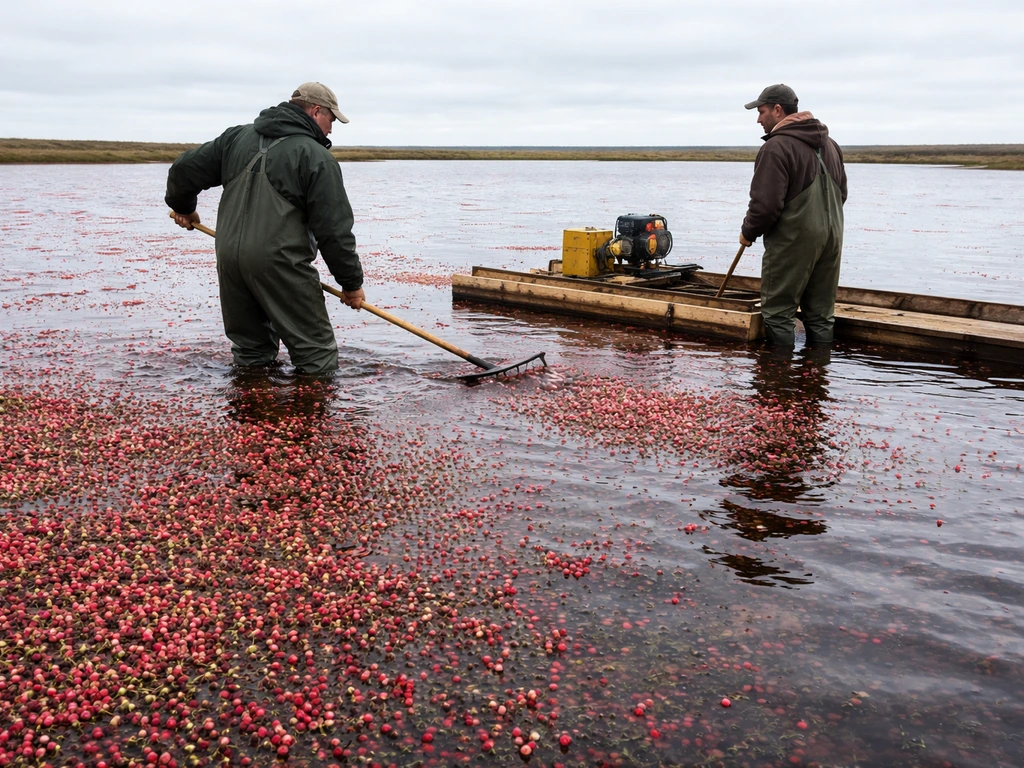
The flood-harvest imagery you've probably seen (those bright red berries floating in chest-deep water with workers in waders) is real, but flooding is just one part of a year-round water management system. At the commercial scale, growers use water for four distinct purposes: frost protection in spring and fall, cooling during summer heat, pest and weed suppression during the season, and harvesting in autumn.
The flooding cycle through the year
- Winter flood: Bogs are flooded once the soil surface freezes, typically in late autumn or early winter. The water acts as an insulating layer, protecting vines from extreme cold. In some operations, sand is spread across the ice surface (called ice sanding) to add nutrients and improve the growing bed over time.
- Spring drawdown: The winter flood is pulled back around March. Some growers practice 'late water,' re-flooding briefly in April to protect early growth from late frosts, then withdrawing again in mid-May.
- Growing season irrigation: Sprinklers run during the growing season to maintain soil moisture and provide frost protection around bud break and bloom, which are the stages most vulnerable to cold damage.
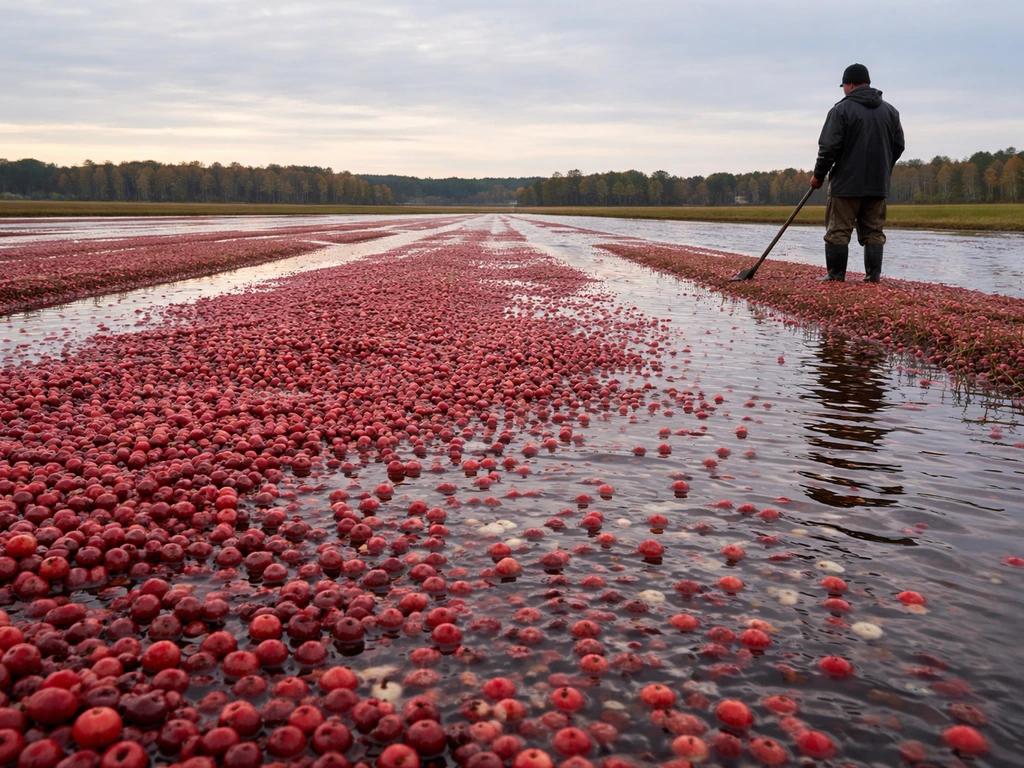
- Harvest flood: Just before or the night before harvest, bogs are flooded to about 18 inches. Water reels (large paddlewheel-style machines) are driven through the water to knock the ripe berries off the vines. Because cranberries are hollow and naturally buoyant, they float to the surface, where they're corralled into a concentrated mass and pumped or conveyed out. More than 85 percent of the commercial crop uses this wet-harvest method.
Dry harvesting also exists, where a mechanical picker runs over the vines without flooding, but it produces fruit that bruises more easily and is mainly used for fresh-market berries rather than juice or sauce production. That said, cranberries still do best when you can manage a controlled water table, which is why the question of growing them in dry areas needs a practical water plan dry harvesting.
Climate and growing zones where cranberries can actually succeed
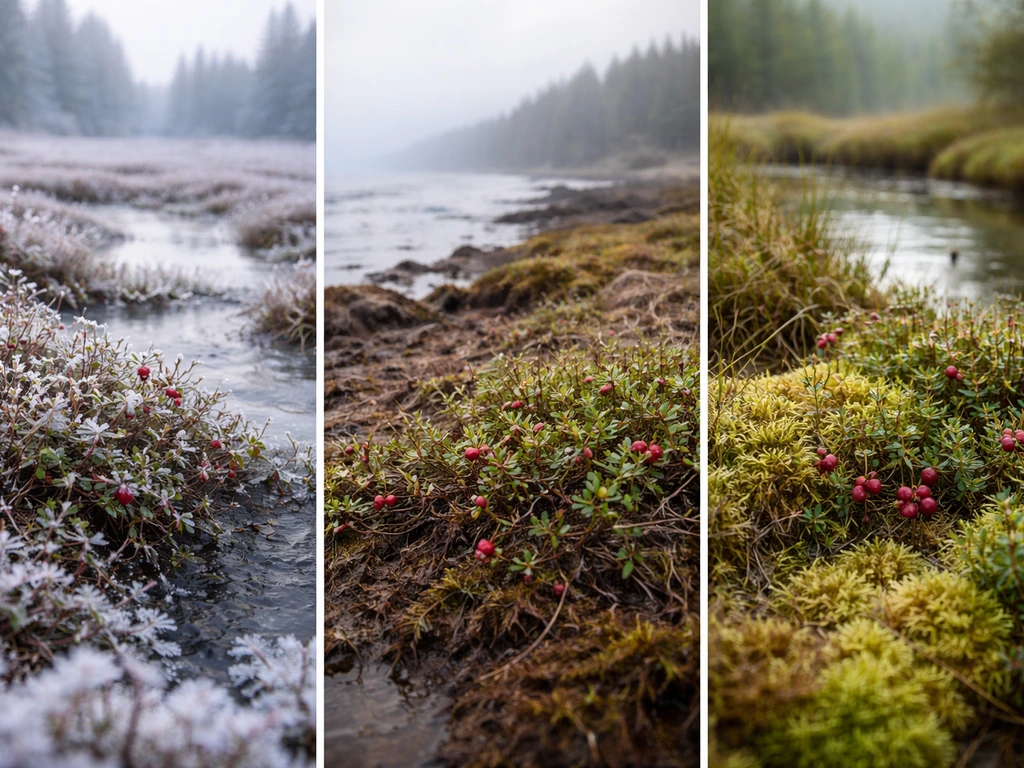
blank" rel="noopener noreferrer">Vaccinium macrocarpon, the American cranberry, is hardy down to USDA Zone 2. That's impressive cold tolerance, and it means anyone gardening in zones 2 through 7 has a realistic shot at growing cranberries. Cranberries grow best in cold regions like USDA Zones 2 through 7, where winters are long enough to meet their chilling needs. The plants aren't just cold tolerant, they actually require cold. Without roughly 650 hours of chilling temperatures each winter, vines won't break dormancy properly or set fruit the following season. That requirement alone eliminates most of zones 8 and warmer from the practical picture.
Heat and humidity at the wrong time are the other limiting factors. Most commercial cranberry regions have relatively cool summers, which keeps disease pressure lower and helps fruit develop properly. If you're in a zone that's technically cold enough in winter but has hot, humid summers, expect to do more work managing fungal issues and monitoring soil temperature. Microclimates matter here too. A low-lying, slightly shaded spot in your garden can behave like a cooler zone than the regional USDA map suggests. In India, cranberries grow in specific cool, hilly regions with the right acidic soil and bog-like conditions where cranberry grow in india.
| USDA Zone | Winter Suitability | Summer Consideration | Overall Verdict |
|---|---|---|---|
| Zones 2–4 | Excellent cold, meets chilling requirement easily | Cool summers, low disease pressure | Ideal, matches commercial growing regions |
| Zones 5–6 | Good cold, chilling requirement usually met | Mild summers, manageable | Very good with proper soil setup |
| Zone 7 | Marginal, chilling hours borderline in warm years | Warmer summers, monitor for disease | Possible with careful site selection |
| Zone 8+ | Insufficient cold, chilling requirement unlikely to be met | Too warm for reliable fruiting | Not recommended for fruiting crops |
Replicating bog conditions at home
You don't need a full commercial bog to grow cranberries at home, but you do need to get three things right: soil pH, water management, and drainage structure. Get any one of these wrong and the plants will survive but not thrive. I learned this the hard way with my first attempt where I planted into slightly amended garden soil, kept it moist, and got zero fruit for two seasons because the pH was still hovering around 6.0. Once I rebuilt the bed properly, the difference was obvious within one growing season.
Soil pH: this is the non-negotiable
Target a soil pH of 4.2 to 5.5. Below 4.0 is too acidic and will stress the roots; above 5.5 and nutrient uptake (especially nitrogen in the ammonium form that cranberries prefer) becomes unreliable. Test your soil before you plant and again each spring. To lower pH, use sulfur amendments worked into the bed well ahead of planting. Peat moss mixed into the growing medium naturally brings pH down and improves moisture retention at the same time. This is the same acidic, peaty profile you find naturally in the bog regions where Ocean Spray's growers farm.
Water and drainage: it's not just about keeping things wet
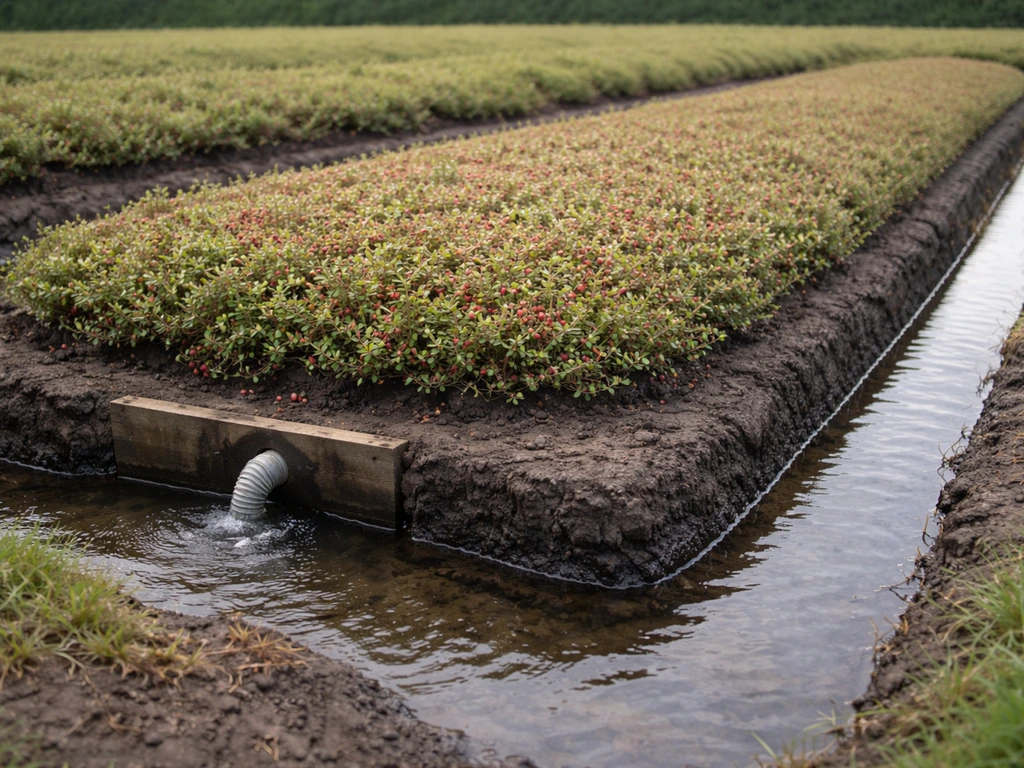
Cranberries don't want to sit in still, stagnant water during the growing season. What they want is consistent soil moisture with a controlled water table, ideally 8 to 18 inches below the surface during active growth. Too much standing moisture outside of the intentional flood periods actually promotes fungal disease and limits root development. The trick is building your bed on a base that slows downward water movement, so you can keep the root zone moist without waterlogging the crowns. Landscape fabric, clay-heavy subsoil, or even a liner with drainage holes can all serve this function at the backyard scale.
For frost protection in spring (which matters most around bud break), overhead sprinklers are the commercial grower's tool of choice. At home, a simple sprinkler on a timer connected to a temperature sensor can do the same job. You're not trying to keep vines warm, you're using the heat released as water freezes to keep the tissue just at or above the damage threshold.
Sun requirements
Full sun, at least 6 to 8 hours per day. Commercial bogs are intentionally cleared of perimeter trees and brush, partly to maximize light and partly to improve air circulation that reduces frost risk and fungal pressure. At home, avoid planting under or near large trees. Good airflow around the vines matters almost as much as the light itself.
In-ground, raised bed, or container: which one is right for you
All three approaches can work, but each has a different ceiling for how much control you have and how close you can get to real bog conditions.
| Method | Best For | Key Advantage | Main Challenge |
|---|---|---|---|
| In-ground bog bed | Zones 3–6 with naturally wet or clay subsoil | Most authentic growing conditions, easiest long-term water management | Requires significant site prep to control drainage and pH; not practical in fast-draining sandy or alkaline soils |
| Raised bed with liner | Most zones, gardens with poor native soil | Full control over soil mix and pH; can install drainage precisely | Needs careful liner setup to retain moisture without waterlogging; may need more frequent watering |
| Large container (half-barrel or trough) | Zones 4–7, small spaces, patios, renters | Easiest pH control; portable; great for experimenting | Limited root space reduces yield; dries out faster; may need winter insulation in colder zones |
If you're just starting out and aren't sure whether cranberries will work in your specific yard, a large container is honestly the best first step. Fill it with a 50/50 mix of coarse sand and peat moss, check and correct pH before planting, and keep it consistently moist. You'll know within one or two seasons whether your climate and setup can support fruiting without having committed to a major in-ground project. Once you're confident, scaling up to a lined raised bed gives you the best balance of control and yield.
Your quick checklist and next steps
Before you order plants or start digging, run through these steps to figure out whether cranberries are a realistic fit for where you garden. The same conditions that make Massachusetts, Wisconsin, and British Columbia ideal for Ocean Spray's growers are what you're trying to replicate, even at a small scale. If you want the broader list, you can also look at what countries grow cranberries and where the industry is concentrated Massachusetts, Wisconsin, and British Columbia.
- Check your USDA hardiness zone. Zones 2 through 7 are your target range. If you're in Zone 8 or warmer, cranberries likely won't meet their chilling requirement and won't fruit reliably.
- Test your soil pH now, before you build anything. A basic home test kit works fine. If your native soil is above 6.0, plan to build a dedicated bed with a custom soil mix rather than trying to amend your way down from a high starting pH.
- Decide on your growing method (in-ground, raised bed, or container) based on your soil type, available space, and how much prep work you're willing to do.
- Mix your growing medium. A blend of coarse sand and peat moss is your baseline. Target pH 4.2 to 5.5, confirmed with a test after mixing and before planting.
- Plan your water management. Whether it's a drip line, overhead sprinkler, or hand-watering, you need to keep the root zone consistently moist from spring through harvest without letting vines sit in standing water during the growing season.
- Identify your frost risk window. Know when your last spring frost typically occurs and have a plan (sprinklers, row cover, or a sheltered microclimate) to protect vines during bud break and bloom.
- Source your plants. Named varieties like Stevens, Ben Lear, or Early Black are widely available from specialty nurseries and are the same types grown commercially. Buy bare-root or plug plants, not seeds.
- Be patient. Cranberry vines take two to three years to establish before they fruit heavily. Year one is about root development, not harvest.
If you're curious about broader cranberry geography beyond the Ocean Spray supply chain, it's worth understanding which US states grow cranberries commercially and what countries grow cranberries outside North America, since the same bog conditions show up wherever cranberries are farmed at scale. For Canadian context specifically, British Columbia and Quebec dominate, and the conditions there closely mirror what the US growing regions offer. The key takeaway is always the same: cold winters, acidic wet soil, and good drainage control. To understand where cranberries grow commercially, start with the cold-winter regions that offer acidic, wet bog-like soil. Get those three right and you're farming cranberries the same way Ocean Spray's growers do, just on a much smaller scale.
FAQ
If Ocean Spray’s growers are in several states and provinces, does that mean cranberries can grow anywhere with acidic soil?
Not quite. Acidic soil is only one piece. Cranberries also need a reliable cold-winter period (about 650 chilling hours) and a water management setup that keeps the root zone consistently moist without leaving crowns submerged year-round. Many gardens can match pH, but fail on chilling or controlled water table.
Do Ocean Spray cranberries come from one large farm or a single bog location?
No. Ocean Spray relies on a cooperative of hundreds of independent farmer-owners. So the fruit comes from many separate bogs across the listed regions, rather than one centralized growing area.
Where does Ocean Spray get cranberries outside North America, and does that affect seasonality?
Some sourcing references growers in Chile. That Southern Hemisphere harvest typically lands in a different season than North American production, which helps provide fresher berries over more of the year.
Can I grow cranberries at home if my USDA zone is 7 but my winters are mild?
Zone 7 can still be a problem if winters do not reliably deliver the chilling requirement for dormancy and fruit set. Even with “cold enough” temperatures on paper, inconsistent winter timing can lead to weak or no crops the following season.
What is the most common reason backyard cranberry attempts fail, even when the soil is acidic?
Poor pH control or incomplete pH adjustment over time. Many gardeners amend garden soil lightly and end up around neutral pH, which can prevent good fruiting. Testing before planting and each spring matters, because pH can drift back.
How acidic should the planting mix be for best cranberry performance?
Aim for roughly pH 4.2 to 5.5. Below about pH 4.0 can stress roots, and above about 5.5 can reduce nutrient uptake, particularly nitrogen in the form cranberries prefer. Recheck pH after you mix amendments, not just before you dig.
Do cranberries need to be flooded like they are in harvest videos?
Flooding is usually limited to specific operations, especially during harvest and certain frost-protection situations. During the growing season, they generally do better with a controlled water table that keeps moisture available without constant standing water that promotes fungal problems.
Is dry harvesting a good option for home growers trying to avoid flooding?
Dry harvesting can work, but it changes the way fruit is handled and can increase bruising risk. For home growing, the bigger goal is maintaining a controlled root-zone moisture level. If you truly cannot manage water like a bog, focus on your water-plan feasibility rather than copying commercial harvesting style.
How deep should the water table be if I am building a backyard bog or lined bed?
A practical target is about 8 to 18 inches below the surface during active growth. The key is consistency, not just a one-time wetting. If water sits too high, crowns can suffer and disease pressure increases.
What drainage approach is least likely to create problems at home?
Choose a system that slows downward movement so you can hold the water table in the desired range. Options include a liner plus drainage holes, clay-heavy subsoil, or landscape fabric designed to manage water movement. Avoid simply keeping soil “wet all the time,” which tends to become stagnant.
Will full sun always be enough, or do I also need airflow?
You need both. Full sun supports growth and fruiting, but airflow reduces frost risk and lowers fungal pressure. Planting too close to trees or walls can create damp, stagnant microclimates even if the area gets enough hours of sun.
Do I need overhead frost protection if I already meet the winter chilling requirement?
Chilling helps dormancy and fruit set, but frost protection addresses spring injury around bud break and early growth. A timed sprinkler system connected to a temperature sensor can help, because it uses heat released during freezing to protect tissue. Just plan it carefully to avoid overwatering or unsafe conditions.
If I use containers first, can I keep cranberries in pots long-term?
Containers can confirm whether your climate supports fruiting, but long-term container culture is usually more demanding because pH and moisture are harder to stabilize. Many people start in a container for 1 to 2 seasons, then move to a lined raised bed once they know their setup and local conditions will support consistent crops.