
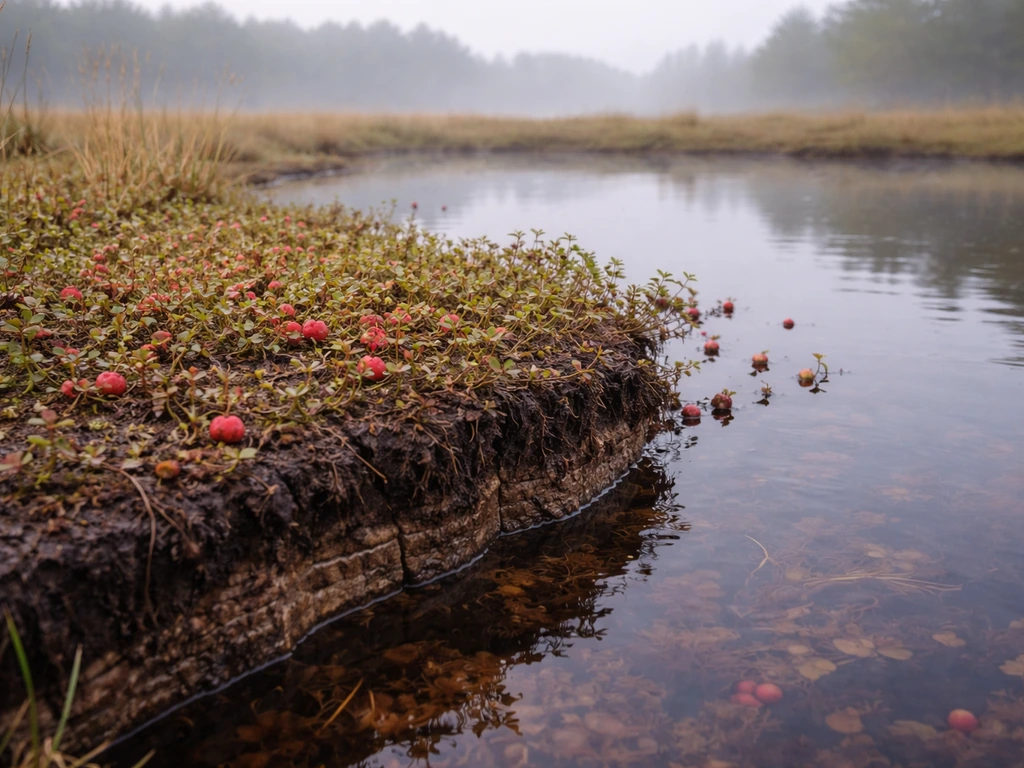
Cranberries can technically grow in India, but only in a small handful of cooler, higher-altitude regions, and even there you need to engineer the right conditions almost entirely from scratch. The most realistic locations are the highland zones of Himachal Pradesh, Kashmir, Uttarakhand, and parts of Meghalaya. Outside of those cooler pockets, the heat and alkaline soils of most of India make cranberry cultivation genuinely impractical without serious intervention. That said, if you're in the right region, or if you're willing to build a container bog setup, it's worth trying. With the right approach, that container bog can mimic the swampy area where cranberries grow by keeping the soil consistently acidic and moist container bog setup.
Where Does Cranberry Grow in India and Can It Grow Here?
Marcus Holloway
16 Jun 2026
Does cranberry actually grow in India? A quick reality check
The honest answer is: barely, and not at commercial scale. Cranberry (Vaccinium macrocarpon) is a temperate bog plant native to North America, where it grows across the cooler states and into Canada. You'll sometimes see products marketed as 'Kashmiri dried cranberry,' and there are traders in Srinagar listing cranberry as a product category, but those are almost entirely dried imported or processed fruit, not evidence of widespread in-country cultivation of live vines.
One Indian academic paper (published in IJPS journal) does mention limited cultivation in Himachal Pradesh and Kashmir specifically. A couple of Indian agricultural blogs add Uttarakhand and Meghalaya to that list. These aren't the most authoritative sources, but they do align with what we know about cranberry's climate requirements: cool summers, cold winters, and reliable moisture. If those conditions exist somewhere in India, those regions are the candidates.
For the vast majority of India, including the plains, coastal zones, and semiarid regions, cranberry is not a realistic outdoor crop. The combination of hot summers and naturally alkaline or neutral soils is the opposite of what this plant needs. But that doesn't mean you're completely out of options, and I'll get to that.
Indian regions where cranberry has the best shot
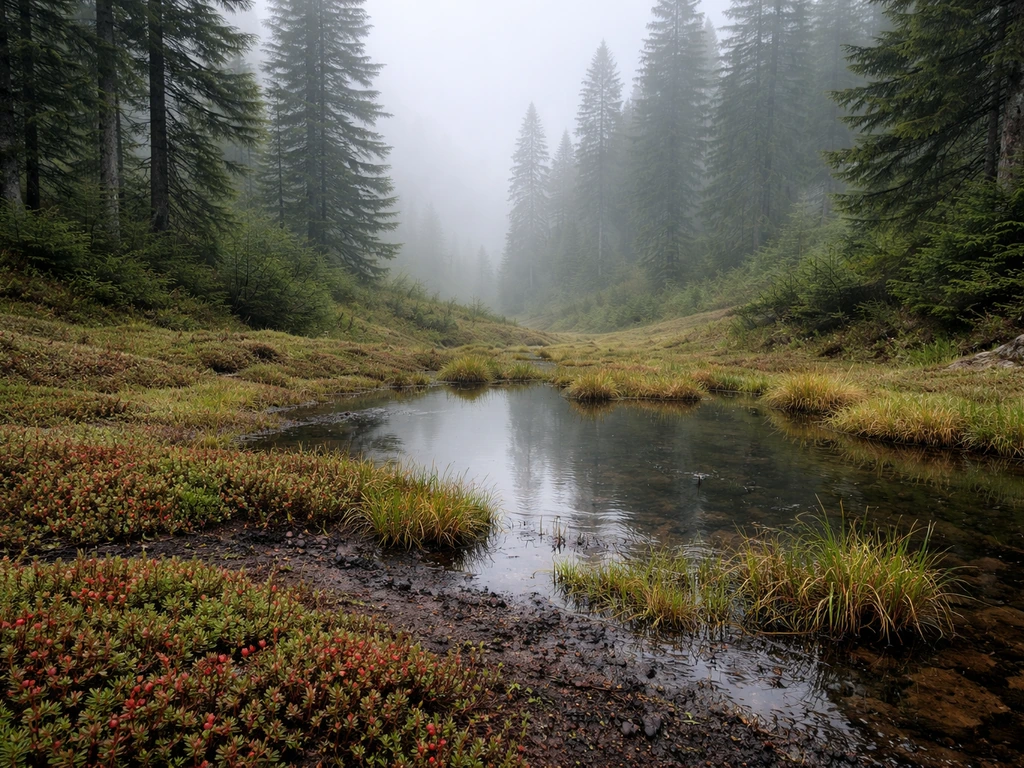
Think of cranberry as a plant that wants conditions similar to its natural North American bog habitat: cool temperatures, high humidity, and reliably acidic, moist soil. You might also wonder what states grow cranberries, and the answer largely comes down to India’s cooler highland regions. Within India, the regions that come closest to those conditions are all in the north or northeast, at elevation.
| Region | Elevation / Climate | Suitability Notes |
|---|---|---|
| Kashmir (J&K) | 1,500–2,000+ m, cold winters, mild summers | Best overall fit; cold winters meet dormancy requirements; limited trials reported |
| Himachal Pradesh | 1,500–3,000 m, temperate to subalpine zones | Cooler valleys and hill stations like Shimla, Kufri; documented in limited cultivation references |
| Uttarakhand | 1,500–2,500 m, temperate hill zones | Possible in upper zones like Munsiyari or Chopta; less documented but climate overlaps |
| Meghalaya | 1,000–1,800 m, cool and very wet | High rainfall is a major asset; acidification needed; worth experimenting with container setups |
| Arunachal Pradesh / Sikkim | Variable; upper elevations only | Higher zones may qualify; logistics and sourcing are the main practical barriers |
| Most of the plains / South India | Hot, low elevation | Not suitable; heat stress and alkaline soils are prohibitive without extreme intervention |
The key factor across all of these is elevation-driven cool temperature. Cranberry buds and flowers are damaged at temperatures below about 29.5°F (roughly -1.4°C) during flowering, but the plant also needs cold dormancy through winter and cannot tolerate prolonged heat. In places like Shimla or Srinagar, those seasonal swings exist. In Chennai or Mumbai, they don't.
Why cranberries need bog-like, acidic conditions (and why this matters so much in India)
Cranberries are one of the most habitat-specific fruits you can try to grow. In the wild, they grow in peat bogs, which are waterlogged, oxygen-poor, and extremely acidic environments. The plant has evolved to thrive where almost nothing else can. That specificity is what makes growing cranberries in a non-native environment such a deliberate project.
Soil pH: the single most important factor
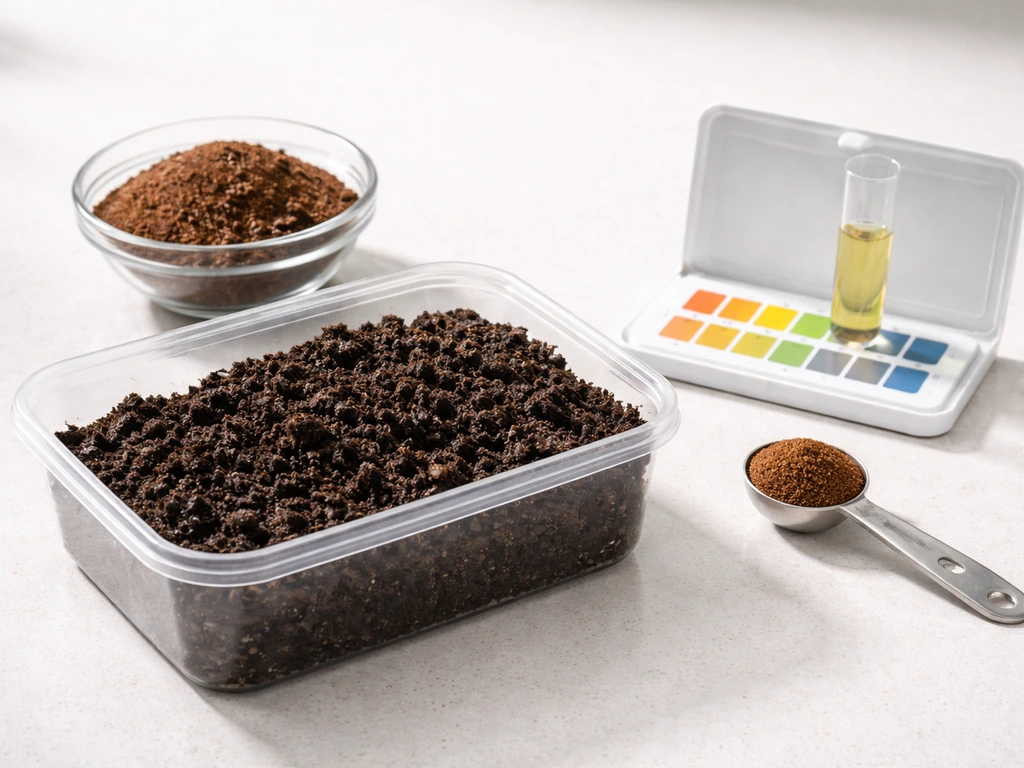
Standard agricultural soil in most of India ranges from pH 6 to 8. blank" rel="noopener noreferrer">Cranberries need a pH between 4.0 and 5.5, with many sources suggesting blank" rel="noopener noreferrer">optimal growth occurs right around pH 4.5. Commercial cranberry beds in North America typically measure between pH 4 and 5. At neutral or alkaline pH, the plant cannot absorb nutrients properly and will decline quickly. You can't just plant a cranberry vine in your garden bed and expect it to survive without seriously modifying the soil chemistry.
Moisture and water management
Cranberry vines don't actually sit in standing water year-round. The classic 'flooded bog' image is mainly for harvest and frost protection. During the growing season, cranberries need consistently moist soil with a shallow water table, not waterlogged roots. Do cranberries grow in dry areas? In general, they do not without engineered bog-like moisture and humidity. Think damp peat, not a pond. Commercial beds in North America are engineered with sand, peat, gravel, and clay layers to retain moisture without drowning the roots. In India, you need to replicate this layered drainage-plus-retention balance deliberately.
Temperature and dormancy
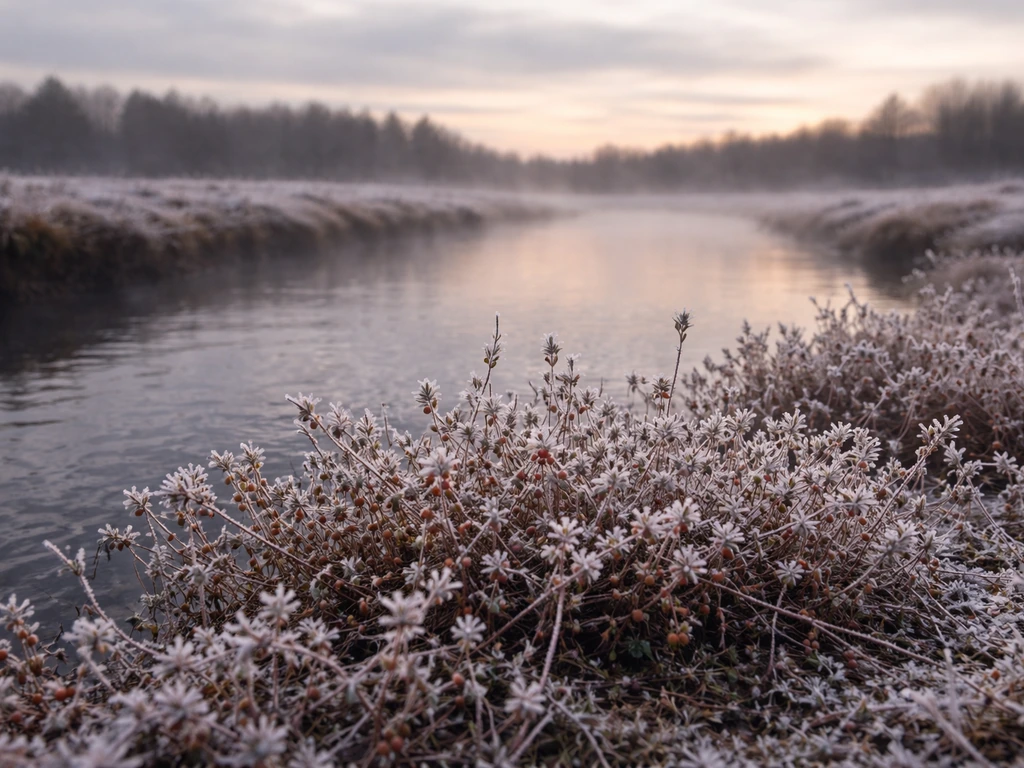
Cranberries are a cold-climate perennial. They need genuine winter dormancy with cold temperatures, not just a cool night or two. In North America, growers flood bogs in winter for frost protection, and in colder regions that flood actually freezes. In warmer climates where the water stays liquid all winter, the plant may not get adequate chill hours to perform well the following season. Heat stress is also a real issue: high temperatures combined with high humidity can cause fruit scald and vine stress, which is a practical concern for anyone growing in lowland or coastal India even at marginal elevations.
Can you grow cranberries at home in India? Containers, raised beds, and what to expect
Yes, you can attempt it, and for gardeners in cooler Indian hill zones, a container or raised bog-style bed gives you far more control over pH and moisture than any native garden soil will. I'd actually say this is the smarter approach even in the relatively suitable regions, because you can build the exact conditions the plant needs rather than fighting your natural soil.
Container growing
Use a wide, shallow container rather than a deep pot. Cranberry vines are low-growing and spread horizontally. A container at least 45 to 60 cm wide and 25 to 30 cm deep works well for one or two plants. Fill it with a mix of peat moss and coarse sand at roughly a 2:1 ratio by volume. Do not use regular potting soil or garden compost; both will push your pH in the wrong direction. Test the media pH before planting and aim for 4.5 to 5.0. If needed, lower the pH by mixing in elemental sulfur or using an acidifying fertilizer.
Irrigation water quality matters here too. Tap water in most Indian cities is alkaline (pH 7 or above), and watering with alkaline water will gradually raise your soil pH over time. Ideally, test your tap water and consider acidifying it slightly before irrigation, bringing it closer to pH 5.5. Acidifying agents like citric acid work for small-scale home use.
Raised bog-style beds
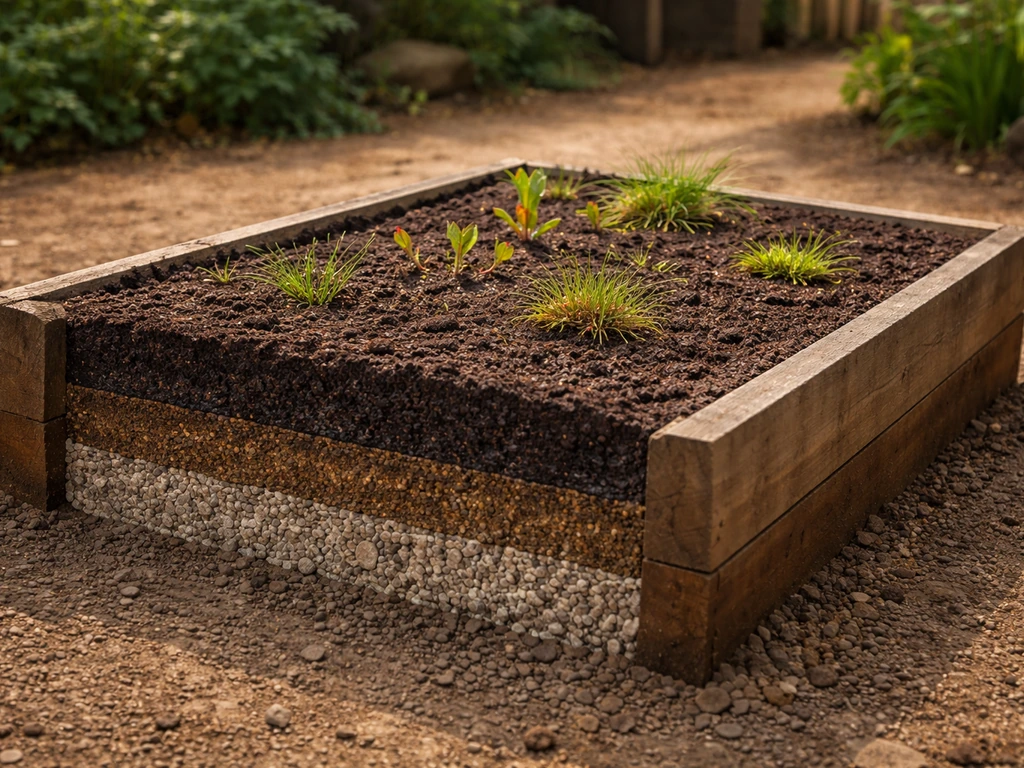
If you have space, a raised bed built as a mini-bog is even better for cranberries. The classic construction layers are: a base of gravel or coarse sand for drainage management, a clay liner or thick plastic lining to retain moisture, then a growing layer of peat and sand. The idea is that you can keep the root zone consistently damp without waterlogging the vines. This mirrors how commercial cranberry beds are built in North America. In a hill-station garden in Himachal Pradesh or Uttarakhand, a well-built raised bog bed gives you a genuinely viable setup.
Sun and shade requirements
Cranberries prefer full sun, ideally 6 to 8 hours per day during the growing season. In warmer Indian hill areas where summer temperatures creep up, a bit of afternoon shade can reduce heat stress. In cooler zones like upper Kashmir or Himachal Pradesh above 2,000 meters, full sun is fine and actually important for fruit development. Do not grow cranberries in heavy shade; you'll get vine growth but poor fruiting.
Replicating cranberry habitat in different Indian climates: best practices
The practical approach changes depending on where in India you're actually located. Here's how to think about it by climate zone:
- Kashmir and upper Himachal Pradesh (above 1,500 m, cold winters): This is your best scenario. Outdoor bog-style raised beds are viable. Focus your effort on pH management and consistent summer moisture. Winters can stay cold enough for natural dormancy without extra work. Test soil and water pH before you start and correct them to the 4.5–5.5 range.
- Uttarakhand and Meghalaya hill zones (1,000–2,000 m, cool to mild): Container or raised-bed growing is the right call. Meghalaya's high rainfall is an asset for moisture but you still need to acidify the growing medium. In Uttarakhand, winter dormancy is more reliable the higher you go. Avoid valley-floor locations where summer heat peaks.
- Other northeast hill stations (Sikkim, Arunachal above 1,500 m): Worth experimenting with containers. Climate data for specific villages matters a lot here. If you're regularly seeing winter frost and cool summers below 25°C, you're in the zone.
- Plains, peninsular India, and coastal zones: Not recommended for outdoor cranberry growing. Heat stress, alkaline soils, and lack of winter dormancy combine to make it very difficult. If you're determined, a climate-controlled container setup indoors (near an AC-cooled room in winter) is theoretically possible but very high-effort for modest results.
Regardless of region, a few practices apply universally. Mulch the surface of your container or bed with peat or pine bark to retain moisture and buffer temperature swings. Water frequently during the growing season to keep the root zone consistently damp but not saturated. Check pH every three to four months because alkaline tap water and decomposing organic matter can shift it over time. A basic pH soil test kit is enough for home monitoring.
Getting started: sourcing plants and picking the right variety
This is where Indian growers face the most friction. Cranberry planting material is not widely available through mainstream Indian nurseries. You're not going to find cranberry vines at your local garden center the way you'd find a tomato seedling. That said, here's how to approach it practically.
Varieties worth looking for
The most commonly grown commercial varieties are Stevens, Early Black, and Ben Lear. Stevens is a good general-purpose choice with solid yields and reasonable hardiness. Early Black is one of the older varieties and tends to be vigorous. Ben Lear is an early-ripening variety, which could be useful in regions with shorter cool seasons. For Indian conditions, an early-ripening variety like Ben Lear may suit shorter temperate windows in places like Meghalaya or mid-elevation Uttarakhand better than a late-season variety that needs a long, cool autumn.
Where to source planting material
Your best options right now are international online plant retailers that ship live plants, specialty Indian horticultural suppliers who deal in temperate berry plants, and grower forums where hobbyists occasionally share cuttings. International nurseries like RedCrocus list Stevens Cranberry as a live plant available for purchase, though you'll need to verify if they ship to India and check current phytosanitary import rules for live plant material. Rooted cuttings are easier to establish than seed-grown plants, so prioritize those if you can find them.
Within India, look at horticultural institutes and agricultural universities in Himachal Pradesh and Jammu and Kashmir, specifically those with temperate fruit research programs. The Dr. Y.S. Parmar University of Horticulture and Forestry in Solan, HP, is one institution worth contacting directly. They may have awareness of local propagation efforts or be able to point you toward a supplier.
What to check before you buy
- Confirm you're getting Vaccinium macrocarpon (American cranberry), not a wild bog cranberry or an unrelated plant sold under a similar name
- Ask whether the plant is rooted cutting or seed-grown (rooted cuttings establish faster)
- Check the variety name, as early-ripening varieties tend to suit shorter cool seasons better
- If ordering internationally, confirm the seller ships to India with proper phytosanitary documentation to avoid customs issues
- Order during a cool season so the plant isn't heat-stressed during transit and establishment
One final honest note: cranberry is a long-term investment. Even in ideal conditions, newly planted vines take two to three years to begin fruiting well. If you're in a suitable region like Kashmir or upper Himachal Pradesh and you build the right bog-like setup, it's genuinely doable and a rewarding project. Ocean-spray is grown in cool, bog-like conditions, which is why locations such as northern India’s high elevations are the closest matches where does ocean spray grow their cranberries. If you're trying to plan for Canada specifically, you can also compare these cold-climate needs with where cranberries grow in Canada where do cranberries grow in canada. That kind of setup is the same place where cranberries grow best, even if you're recreating it in India bog-like setup. If you're in a warmer part of India and hoping for a quick harvest, a blueberry in a container (which has similar pH requirements but more climate flexibility) might be a better starting point while you decide whether to take the cranberry project seriously.
FAQ
Is there any place in India where cranberries grow outdoors without building a mini bog or using containers?
Outdoor success without engineering is unlikely. Even in high-altitude regions, the pH (often closer to neutral) and water behavior rarely match peat bog conditions, so most growers still need a raised bog bed or a container bog to control acidity, moisture, and drainage balance.
How cold does it need to get in India for cranberries to perform well?
It is not enough to have occasional cool nights. Cranberries need real winter dormancy, and buds and flowers are vulnerable if freezing occurs during the flowering window. In practice, you should pick a site with consistent cold winters and then protect blooms if your area has early spring frosts.
Can I grow cranberries using normal garden soil if I acidify it?
Usually not for long. Adding one-time amendments typically does not keep pH stable because alkaline tap water, ongoing decomposition, and surrounding soil buffering can push pH upward again. The article’s approach of testing media pH and monitoring every 3 to 4 months is key, and many people ultimately switch to a peat and sand system (container or lined raised bed).
What happens if I water with hard or alkaline tap water?
Hard or alkaline irrigation gradually raises the root-zone pH and nutrient availability drops, leading to slow decline even if plants look okay at first. The practical fix is to test your tap water pH, then acidify slightly and consistently for small setups, or choose collection water if available.
Do cranberries require standing water year-round?
No, they need consistently moist conditions with a shallow water table during key periods, but not permanently waterlogged roots. If your setup creates anaerobic, stagnant water in the root zone, vines can weaken. This is why layered media (sand, peat, and controlled drainage or liners) matters.
How much sun do cranberries actually need in Indian hill climates?
Aim for 6 to 8 hours of direct sun during the growing season. In partially shaded sites, you may get leafy growth but weak flowering and poor fruit set, especially in warmer parts of the hills where heat stress also becomes an issue.
Which is easier in India, growing cranberries in a container or building a raised bog bed?
A container bog is usually easier for beginners because it isolates pH control and lets you manage irrigation water quality. A raised bog bed is more effective if you have space, want better moisture stability, and can build the lined, layered structure correctly to prevent waterlogging.
How long before I see berries after planting cranberry plants?
Expect 2 to 3 years for fruiting to begin meaningfully. New vines can survive sooner, but yield buildup is slow because cranberries are habitat-specialist perennials and they need stable acidic, moist conditions before they invest energy in production.
Can I propagate cranberries from cuttings or seeds in India?
Rooted cuttings are generally the more reliable route because they establish faster and preserve variety traits. Seeds are more variable and typically add extra time before you can judge plant performance under Indian conditions.
If cranberries are too hard, what is the closest alternative for a beginner in India?
A blueberry in a container is often a better first project because it tolerates a wider range of cool conditions while still requiring acidic media. If your long-term goal is bog-style growing, blueberry can help you master pH, irrigation, and container management before committing to cranberry.