
Five US states grow cranberries commercially today: Wisconsin, Massachusetts, New Jersey, Oregon, and Washington. Cranberries are also grown in other countries, so it's worth checking which regions outside the US produce them what countries grow cranberries. In the USDA NASS “Cranberry Area Harvested, Yield, Production, Price, and Value , States and United States: 2022, 2024” table, the dataset used for commercial cranberry production includes Massachusetts, New Jersey, Oregon, Wisconsin, and Washington [five reporting states in the dataset used for commercial production](https://www. nass. usda.
What States Grow Cranberries Where They Grow in the US
Marcus Holloway
24 Mar 2026
gov/Publications/Todays_Reports/reports/ncit0525. pdf). That's it. Commercial cranberry production is heavily concentrated, with Wisconsin and Massachusetts alone accounting for the vast majority of the nation's crop.
If you're trying to figure out where cranberries actually come from in the US, where does cranberry grow in India, or whether you can grow them at home, this breakdown will give you the full picture and a clear path forward.
Where cranberries grow naturally in the US
Wild cranberries are native to the northern and northeastern US, where the climate is cool, the soils are naturally acidic, and Wild cranberries are native to the northern and northeastern US, where the climate is cool, the soils are naturally acidic, and low-lying boggy areas with high moisture retention are common. with high moisture retention are common. Think glacially formed landscapes with peat-rich soils, shallow water tables, and long winters. These aren't conditions you find just anywhere. Cranberries (Vaccinium macrocarpon) evolved specifically in this kind of environment, growing as low, spreading vines that creep across wet, sandy-peat ground rather than standing up like a shrub.
Naturally, they show up across a band stretching from the upper Midwest through New England and down into the Mid-Atlantic coast. States like Wisconsin, Minnesota, Michigan, Massachusetts, New Jersey, and parts of the Pacific Northwest have the right combination of frost hours, acidic soils, and wetland conditions. But wild growth and commercial production are two different things, and only a handful of states have turned that native suitability into large-scale cranberry farming.
Which US states grow cranberries right now
According to USDA NASS data, the US harvested roughly 37,000 acres of cranberries in 2024, producing around 8.91 million 100-pound barrel equivalents. That production comes from five states, and the breakdown is not even remotely balanced.
| State | Approx. Harvested Acres | Key Growing Region | Role in US Production |
|---|---|---|---|
| Wisconsin | ~19,100 acres (2024) | Central Wisconsin (Warrens, Wood County) | Largest US producer by far |
| Massachusetts | ~11,500 acres | Southeastern MA, Cape Cod, the Islands | Second largest, historic hub |
| New Jersey | Smaller share | Pine Barrens region | Long-established, modest scale |
| Oregon | Smaller share | Coos County, southern coastal region | Pacific Northwest presence |
| Washington | Smaller share | Grays Harbor and Pacific counties | Pacific Northwest presence |
Wisconsin is the clear leader, producing around 5.01 million barrels in a recent year with 19,100 harvested acres. That's more than half of all US cranberry production coming from one state. Massachusetts is a distant second at roughly 11,500 acres, primarily concentrated in Southeastern Massachusetts including Cape Cod. New Jersey's Pine Barrens have been growing cranberries since the 1800s. Oregon and Washington round out the list with smaller but meaningful operations along the Pacific coast.
You might wonder about states like Michigan or Minnesota. While wild cranberries exist in those states and growing conditions can be favorable, they don't show up in USDA commercial production data as significant producers right now. If you're sourcing cranberries or trying to understand the industry, those five states above are your answer. where do cranberries grow
Cranberry-growing regions by climate and geography
How bogs actually work
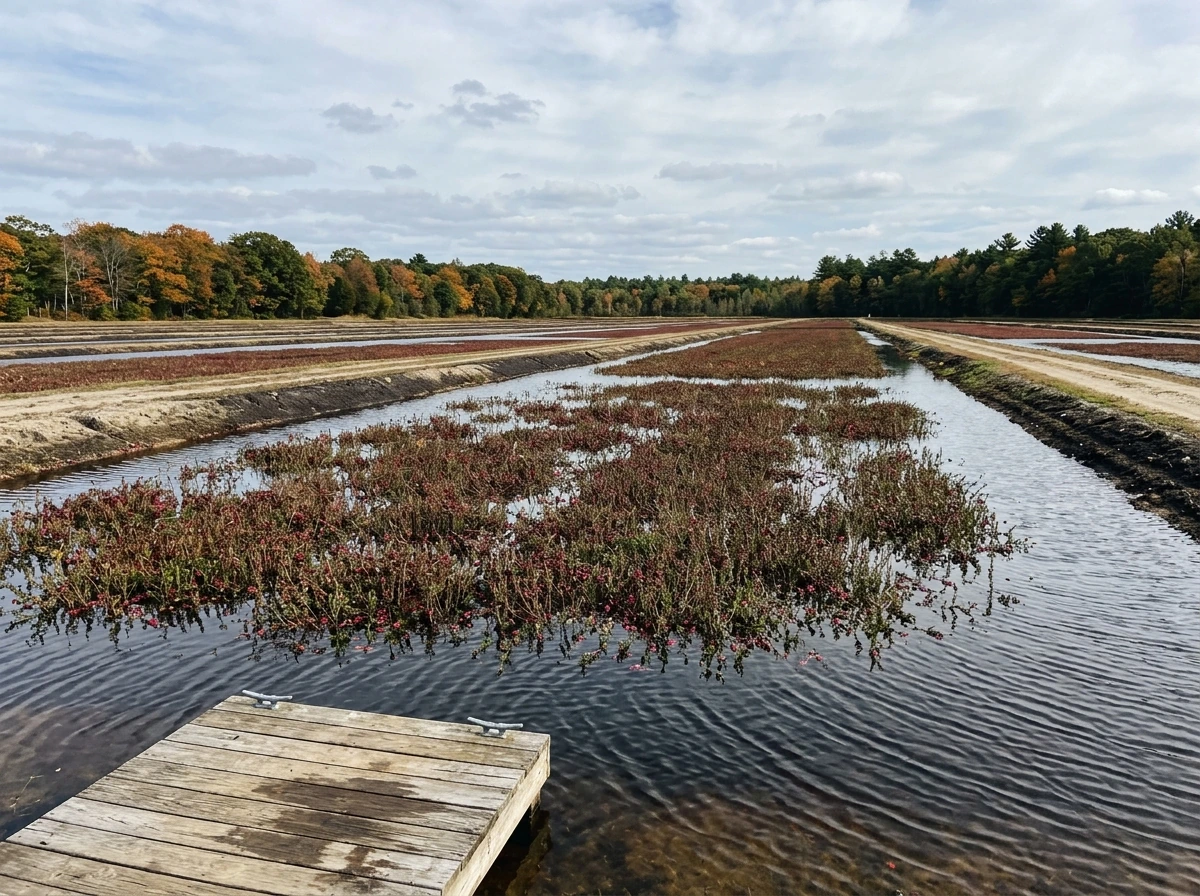
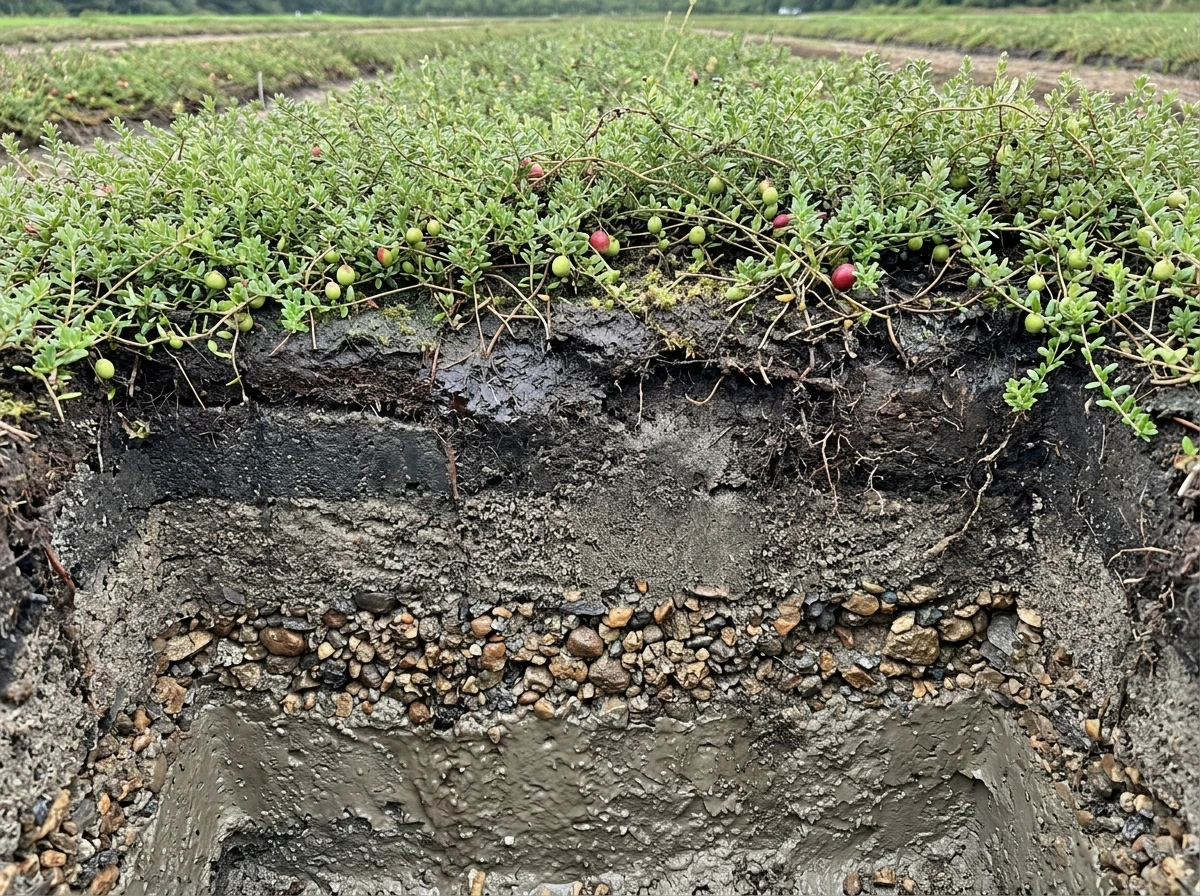
Commercial cranberry beds are not just any wet field. They're carefully engineered growing systems built on layers of sand, peat, gravel, and clay, sitting in low-lying areas with controlled water access. Growers can flood and drain these beds on demand. At harvest time in fall, the beds are flooded with water, the ripe berries float to the surface (because they have air pockets inside), and machines or workers corral them into a floating mass for collection. That iconic image of red berries bobbing in water is a managed process, not a natural pond.
The vines themselves stay in the ground year-round. They're perennial, spreading low across the bed surface, and they need winter cold to set fruit properly the following season. The beds also require consistent access to irrigation water and the ability to flood for frost protection in spring. This is why you can't just plant cranberries in a regular garden bed and expect the same results. The infrastructure behind commercial bogs is significant.
Wisconsin's central bog region
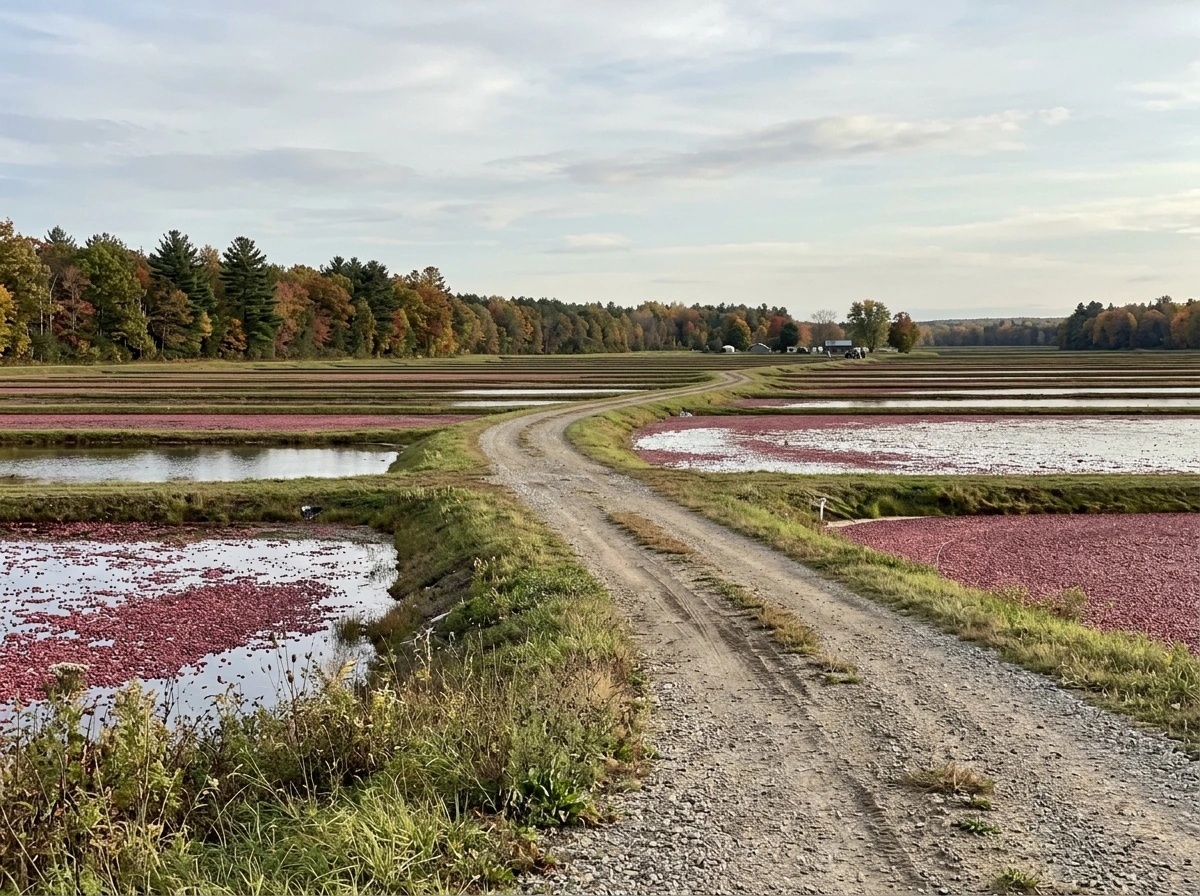
Central Wisconsin, especially around Warrens and Wood County, is essentially the cranberry capital of the world. The region has naturally sandy, acidic soils left by glacial activity, reliable cold winters, and a landscape that lends itself to the kind of low-lying wetland beds cranberries thrive in. The growing season is short but intense, and the infrastructure built up over generations makes the region extremely productive.
Massachusetts and Cape Cod
Massachusetts has been growing cranberries since at least the early 1800s. Cape Cod's naturally boggy, sandy terrain and cool maritime climate were practically made for it. Southeastern Massachusetts still holds around 11,500 acres of commercial bogs, and the region has a strong identity tied to cranberry farming. The state even designates October as Massachusetts Cranberry Month. The bogs here are often smaller and more historic than Wisconsin's large operations, and many are family-run.
New Jersey's Pine Barrens
The Pine Barrens in southern New Jersey have sandy, highly acidic soils and a naturally wet landscape that makes them one of the oldest cranberry-growing regions in the country. The scale is smaller than Wisconsin or Massachusetts, but New Jersey has a genuine and longstanding cranberry heritage.
Oregon and Washington's coastal bogs
The Pacific coast cranberry operations are concentrated in areas like Coos County in Oregon and Grays Harbor and Pacific counties in Washington. The cool, wet, maritime climate suits cranberries well, and these regions provide meaningful production even if they don't approach Wisconsin's scale. The terrain and rainfall patterns along the coast naturally mimic some of the bog conditions cranberries need.
What home gardeners need to know about growing cranberries outside these states
Here's the honest take: growing cranberries at home is doable, but it requires meeting some non-negotiable conditions that have nothing to do with how much you want it to work. I've seen gardeners in dry inland states try to plant cranberry starts in regular raised beds and wonder why nothing happens. The plants survive but barely produce because the environment is fundamentally wrong.
Cranberry vines need four things that most home gardens don't naturally provide: consistently acidic soil (pH between 4.0 and 5. Penn State Extension also emphasizes that blueberry plantings depend on getting soil pH right and matching site conditions, which is why doing a soil test and aiming for acidic growing conditions matters when setting up a similar home “acidic soil” approach for blueberries. 5), consistently moist or wet conditions without waterlogging, good drainage below the root zone (they want wet but not stagnant), and a real winter with enough cold hours to trigger fruiting. If your climate and garden can check all four boxes, cranberries are genuinely worth trying. If you're missing even one, you'll need a workaround.
The good news is that cranberry vines are perennial and, once established in the right conditions, they're low-maintenance spreaders. They're not annuals you need to replant every year. One investment in setup can pay off for decades. The challenge is that the setup itself takes real effort and sometimes real money.
Creating a simple bog-style bed at home
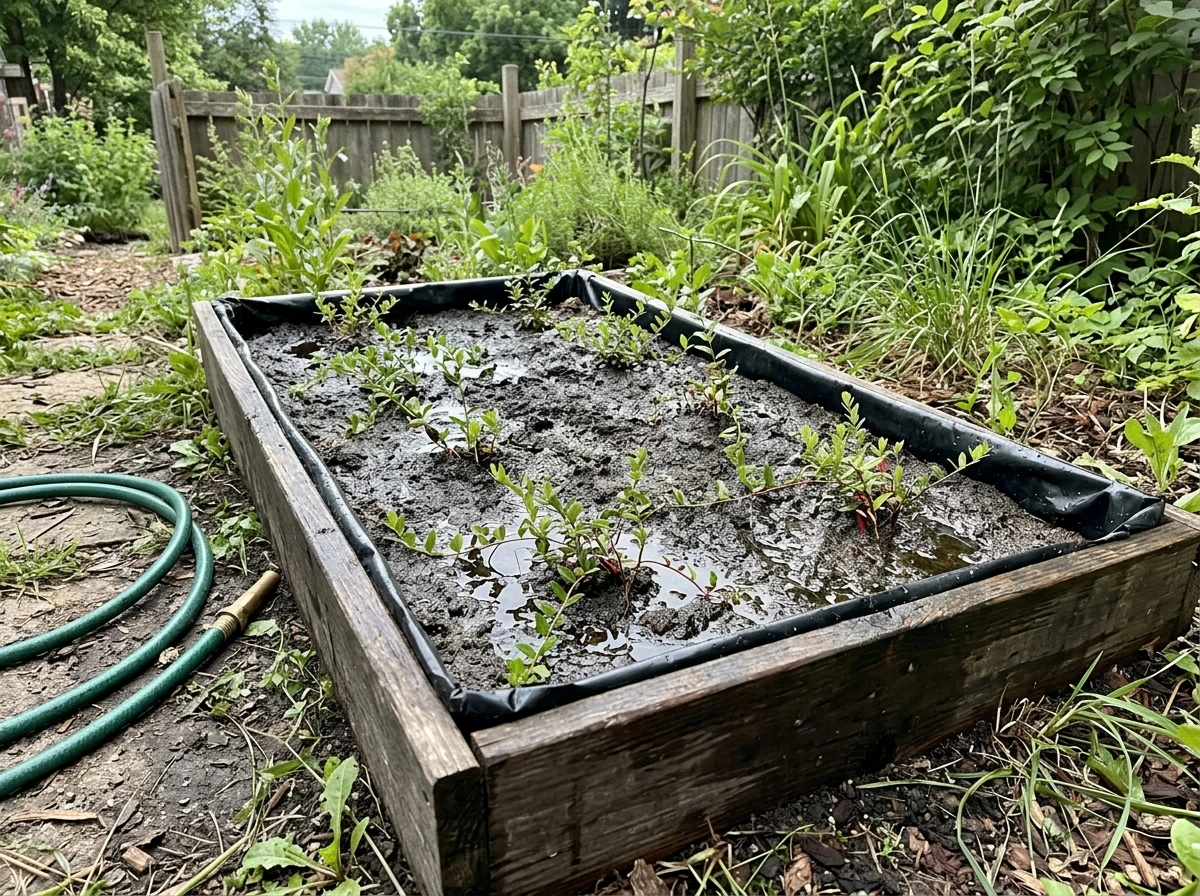
You don't need to replicate a 19,000-acre Wisconsin operation, but you do need to think like a bog engineer on a small scale. Here's what actually works in a home garden setting:
- Choose a low-lying spot that naturally stays moist, or plan to build a lined bed that retains water without draining too fast.
- Line a shallow bed (6 to 8 inches deep is enough for roots) with heavy-duty pond liner or similar material to hold moisture, then fill with a mix of coarse sand and peat moss at roughly 50/50.
- Test and adjust soil pH to between 4.0 and 5.5 using sulfur or an acidic peat amendment before planting.
- Plant rooted cranberry cuttings or potted starts in spring, spacing them about 12 to 18 inches apart so the vines can spread.
- Keep the bed consistently moist. Cranberries don't want bone-dry periods. In hot climates, this means regular irrigation and possibly mulching around vines with pine bark to hold moisture and maintain acidity.
- Expect a 2 to 3 year establishment period before you see meaningful fruit production. These are slow starters.
In USDA zones 4 through 7, this setup is realistic with some effort. In zones 8 and warmer, the lack of sufficient winter chill hours becomes a bigger obstacle, and production will likely disappoint even in ideal soil conditions.
How to check if your location can actually support cranberries
Before you invest in plants, materials, or a liner setup, run through this quick checklist to gauge your site's real potential. Your USDA hardiness zone is the starting point but not the whole story.
| Factor | What Cranberries Need | How to Check |
|---|---|---|
| USDA Hardiness Zone | Zones 4 to 7 are ideal; zone 3 can work with protection; zones 8+ are difficult | Look up your zip code on the USDA Plant Hardiness Zone Map |
| Soil pH | 4.0 to 5.5 (strongly acidic) | Buy an inexpensive pH meter or send a soil sample to your local cooperative extension |
| Moisture retention | Consistently moist, never fully drying out | Observe a garden spot through a dry week and see how fast it dries after watering |
| Winter chill hours | At least 1,000 hours below 45°F for good fruiting | Check your county's average chill hours through your state's agricultural extension office |
| Drainage below roots | Moist above, draining below (no standing stagnant water) | Dig a 12-inch hole, fill with water, and see if it drains within a few hours |
If you're in the upper Midwest, New England, the Pacific Northwest coast, or the Mid-Atlantic, your climate is broadly compatible and the main variable is soil preparation. If you're in the Southeast, Southwest, or anywhere with hot summers and mild winters, you're working against multiple factors at once. That doesn't mean it's impossible, but it does mean containers with more control over conditions become your best bet.
Growing cranberries in containers for non-bog regions
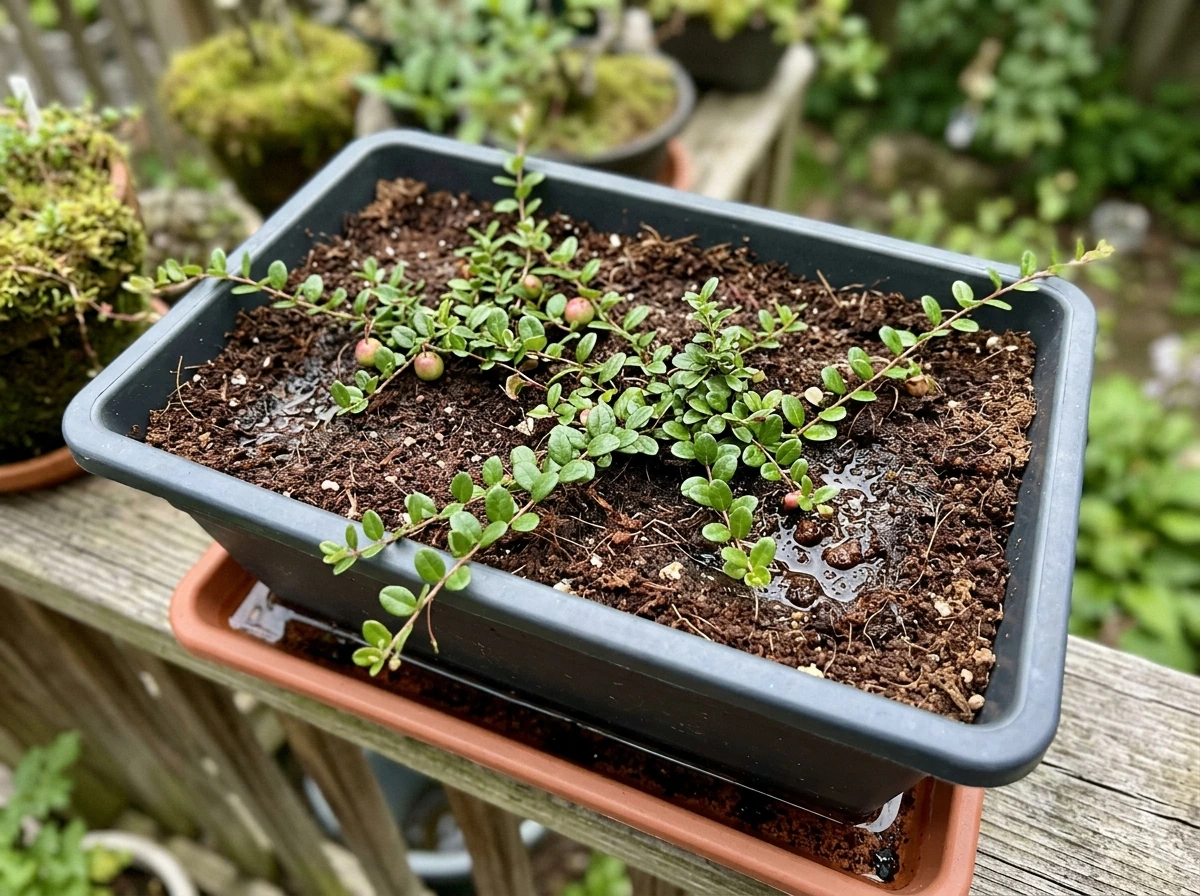
Container growing is the most practical workaround for gardeners who don't have the right soil, landscape, or climate for a traditional bog setup. I've had readers in zone 8 successfully grow cranberry vines in large containers for years with a bit of attention to the setup. You won't be harvesting barrels, but you can absolutely get fruit.
The key advantage of a container is total control over your growing medium. You can mix exactly the right acidic, peat-heavy substrate without fighting your native soil, and you can move the container if needed, for example, into a garage or sheltered spot in zones where winter temperatures occasionally dip below what cranberries can handle, or conversely into part shade during brutal summer heat.
Container setup that actually works
- Use a wide, shallow container rather than a deep one. Cranberry roots are shallow, and you want horizontal spread room. A 24-inch-wide pot at 10 to 12 inches deep works well for 2 to 3 plants.
- Fill with a mix of 60% sphagnum peat moss, 30% coarse horticultural sand, and 10% perlite for drainage. Skip regular potting mix entirely since it's usually too alkaline and too fast-draining.
- Aim for a pH of 4.5 to 5.0 in your container mix. Test it before planting and add sulfur if it's too high.
- Water frequently. Containers dry out faster than garden beds. In summer, daily watering may be necessary. Consider a drip system or self-watering reservoir container.
- Feed lightly with an acidic fertilizer (the kind labeled for blueberries or azaleas) once in spring. Avoid heavy feeding since cranberries prefer lean soil.
- If you're in zone 8 or warmer, accept that you may get limited fruiting due to insufficient winter chill, but the plants will still grow as attractive evergreen ground-cover vines in a container.
Varieties worth looking for in nurseries or online include 'Stevens,' which is a high-yielding commercial variety that also adapts reasonably well to home settings, and 'Ben Lear,' which is another heavy producer. For container growers in marginal climates, 'Stevens' is probably your most forgiving starting point. Smaller specialty varieties bred for ornamental or home use occasionally show up at native plant nurseries and are worth asking about if you're in the Pacific Northwest or New England.
If you're curious about how commercial growers like Ocean Spray source their fruit, where does ocean spray grow their cranberries, If you're curious about how commercial growers like Ocean Spray source their fruit, where does ocean spray grow their cranberries, or how cranberry farming works across the border in Canada, those are topics worth exploring separately since the scale and logistics are quite different from home growing., those are topics worth exploring separately since the scale and logistics are quite different from home growing. For now, the practical takeaway is this: five US states grow cranberries commercially, Wisconsin and Massachusetts lead by a wide margin, and if you're outside those regions, a bog-style bed or a well-set-up container is your most reliable path to growing cranberries at home. what countries grow cranberries
FAQ
What states grow cranberries besides the five commercial leaders?
Yes, but not at a commercial scale. States like Minnesota and Michigan can have wild cranberry habitat, yet they are not showing up as major commercial producers in the USDA production figures referenced in the article.
Why might cranberries seem to grow in my state even if it is not listed as a commercial producer?
Try to interpret “growers” and “wild habitat” separately. Commercial production uses engineered bog beds and managed flooding, so a state can support native/wild plants but still not produce large harvests.
If I want cranberries, should I pay attention to where they are grown or where they are sold?
If you are looking for fruit, your best bet is the same five states, because the supply chain and harvest practices are concentrated there. For home growing, the key constraint becomes winter cold and acidic, wet conditions rather than just being “in the right region.”
Can I grow cranberries in a warmer climate (like zone 8), and what usually goes wrong?
In USDA zone 8 and warmer, winter chill is often the limiting factor, so even if soil acidity and moisture are correct, plants may flower poorly or fruit less. Containers can help, but you still need enough cold hours to trigger consistent fruiting.
What is the biggest mistake people make when trying to grow cranberries at home in containers?
If you mimic a bog with a container, the most common mistake is using regular garden soil or peat-light mixes. You need a strongly acidic, peat-heavy growing medium (target pH roughly 4.0 to 5.5) and a plan to keep the root zone reliably wet without turning it into standing, stagnant water.
Do home gardeners need special water access to grow cranberries successfully?
Your local zoning and water access matter more than people expect. Commercial beds rely on controlled access to water for repeated flood and drain cycles, so a home setup may need a dependable water source, drainage plan, and a way to safely flood during harvest time.
If my cranberry vines live but I get no berries, what condition is most likely missing?
Yes, and it depends on whether your goal is fruit or survival. Cranberries are perennial, so plants can live through winters, but you may still get little or no harvest if the bed is not acidic enough, stays too dry, or lacks enough winter cold to set fruit.
Is New Jersey cranberry production possible anywhere, or is it tied to specific areas like the Pine Barrens?
“Pine Barrens” is a specific region in southern New Jersey, not just any sandy area. The combination of very acidic soils, long-standing wetland conditions, and established growing infrastructure is what makes it historically important for cranberry farming.
When is the best time to buy cranberry plants or berries for growing at home?
Market timing matters because commercial harvesting is typically in the fall. If you are buying plants or fruit for growing, plan around seasonal availability, and don’t assume nursery stock or fresh berries will be easy to source year-round.