
Yes, cranberries absolutely grow in Michigan. Do cranberries grow on trees? No, they grow as low, spreading vines in bog-like conditions. In fact, the American cranberry is native to the state, and blank" rel="noopener noreferrer">Michigan's climate, soil, and water resources make it genuinely well-suited for cranberry production at both the commercial and home scale. The catch is that cranberries are one of the more demanding fruits to grow at home. They need acidic, boggy conditions, consistent moisture, and a carefully managed water supply through the seasons. Get those conditions right, and Michigan gardeners have a real advantage. Skip them, and you'll get a pretty groundcover with very little fruit.
Do Cranberries Grow in Michigan? How to Grow Them
Marcus Holloway
27 May 2026
What cranberries actually need to thrive
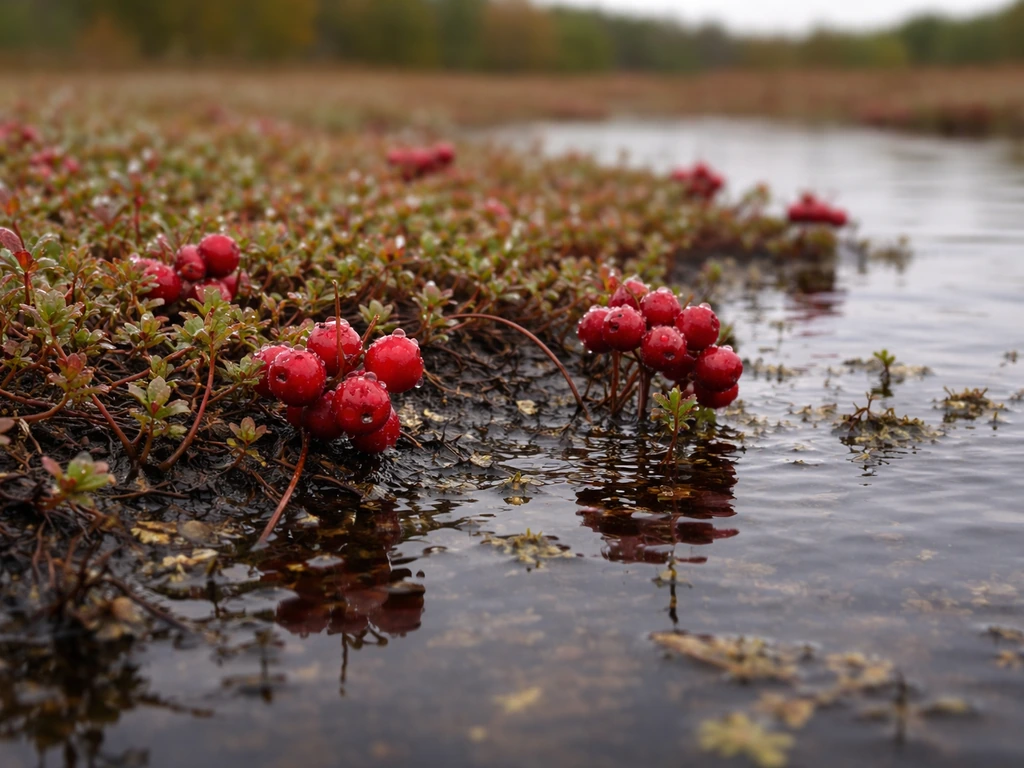
Before getting into Michigan specifics, it helps to understand exactly what cranberries want. They grow on low-lying trailing vines in beds commonly called bogs or marshes. The plant is not aquatic, but it needs water managed very precisely at different times of year. Here are the core requirements:
- Soil pH between 4.0 and 5.5, with the sweet spot being closer to 4.0–5.0. This is significantly more acidic than most garden vegetables and even most other fruiting shrubs.
- A sandy or organic (peaty) acidic growing medium that stays moist but does not become waterlogged year-round. Cranberries do not grow submerged. Flooding is a seasonal management tool, not a permanent condition.
- About 1 to 2 inches of water per week during the growing season to keep roots consistently moist.
- Winter flooding, applied once the surface layer of soil has frozen, to protect vines from cold, drying winds and freeze-thaw heaving.
- Sprinkler or flood water available in spring and fall for frost protection when buds are vulnerable.
- Real winter cold. Cranberry buds can survive temperatures below 0°F after cold acclimation in fall, which is exactly the kind of winter Michigan reliably delivers.
One thing worth clarifying here because it trips up a lot of new growers: cranberries are not literally grown in water. The flooding you see during commercial harvest and winter protection is a management technique. UMaine Extension’s Late Water guidance notes that after the blank" rel="noopener noreferrer">late-water flood is removed, cranberry buds can be sensitive to frost injury, so flooding timing needs to protect bud safety. The vines spend most of the growing season in moist but well-drained acidic soil. There is a whole topic worth reading on the relationship between cranberries and bogs if you want to dig deeper into the water management side of things.
Why Michigan is actually a great fit
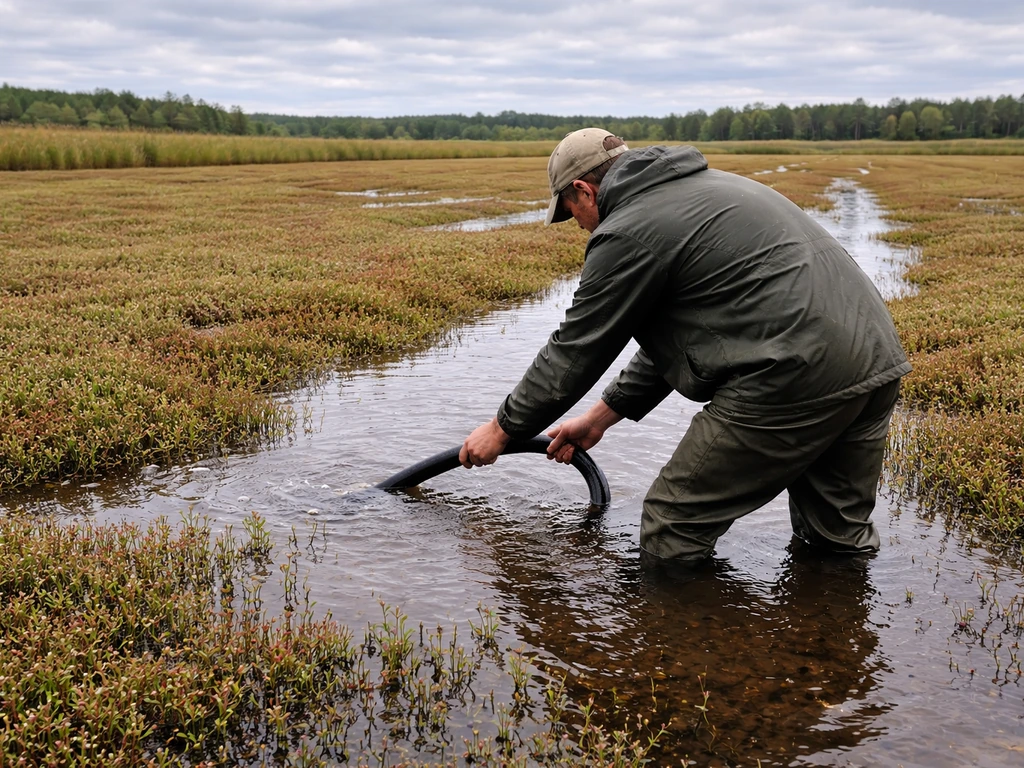
Michigan State University Extension has specifically stated that Michigan's climate, soil, water availability, and even processing infrastructure make the state well-suited for cranberry production. The Michigan Department of Agriculture and Rural Development has produced cranberry-specific production guidelines for the state, which tells you this is not a fringe crop here. Harvest runs September through November, timed perfectly with Michigan's autumn conditions.
Where in Michigan does this make the most sense? Any area where you can maintain consistently wet, acidic soil and control water during winter. The Upper Peninsula and northern Lower Peninsula are the most naturally aligned, with colder winters that support proper cold acclimation, higher rainfall, and soils that tend toward the organic and acidic. That said, growers in the southern Lower Peninsula can absolutely succeed, especially with a raised or container setup where you control the growing medium entirely. The main variable is water access. If you can keep the root zone moist all season and manage a winter flood or heavy mulch, you can grow cranberries almost anywhere in the state. If you're wondering do cranberries grow on vines, they do, and keeping the conditions right is what lets those vines set fruit cranberries almost anywhere.
Growing cranberries in the ground: site setup and soil prep
In-ground growing works best if you have a naturally low-lying, poorly draining area, or a spot where you can install a basic liner or impermeable base to slow vertical water movement. Here is how to build a proper cranberry bed from scratch:
- Choose a low spot that gets full sun and where water can be added and held without immediately draining away. A slight depression, a lined trench, or a naturally heavy clay subsoil area all work.
- Establish a base layer using peat, clay, or tightly packed heavy topsoil (loam). This base retards the vertical movement of water and is essential for keeping moisture in the root zone.
- Add at least four inches of sand on top of the base layer before planting. The sand acts as the rooting medium and keeps the root zone aerated while holding moisture.
- Test your sand or soil pH and aim for 4.0 to 5.0. If your pH is higher, incorporate sulfur to bring it down. Retest after a few weeks before planting.
- If you want a richer organic medium, a mix of two parts peat moss to one part sand works well. Peat is slow to absorb water initially, so soak it thoroughly before planting.
- Plan your irrigation. You need roughly 1 to 2 inches of water per week during the growing season, either from rainfall or a drip or sprinkler system. You also need the ability to flood the bed in winter once the soil surface has frozen.
- Space vines about 12 inches apart. Cranberries spread by runners, and within two to three years a well-planted bed will fill in completely.
Raised bog beds and container options for home gardens
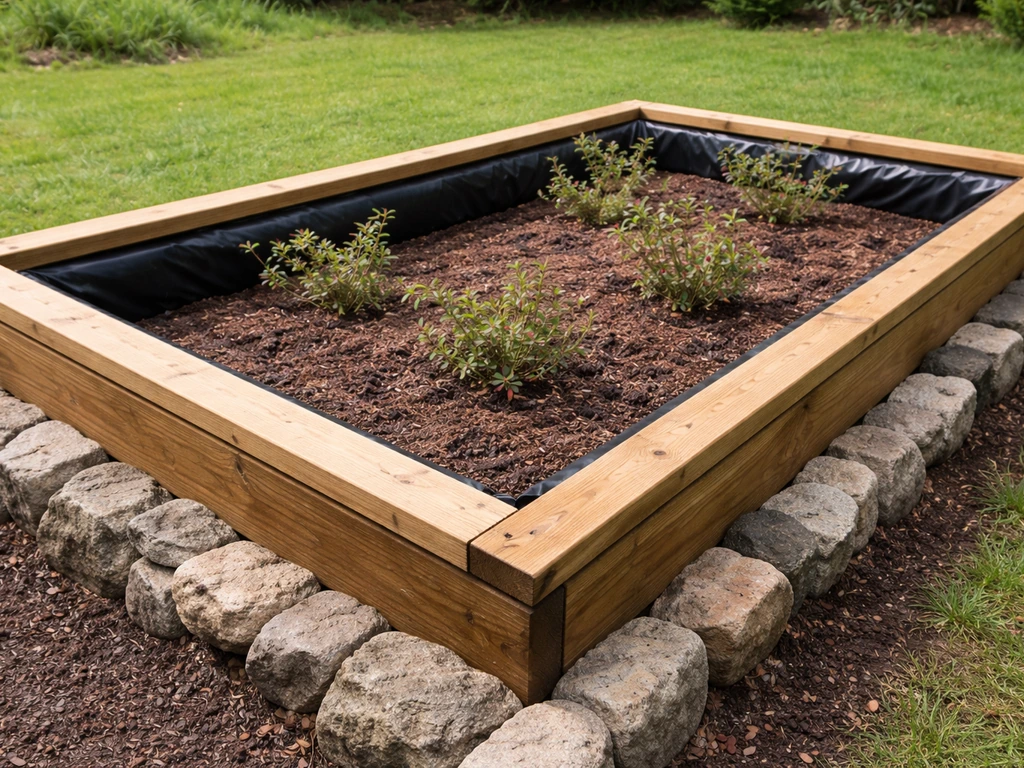
If a full in-ground bog setup sounds like more than your yard can accommodate, a raised bed or container approach is a practical and popular alternative for Michigan home gardeners. The goal is the same: create an acidic, consistently moist, well-aerated root environment that you can control.
Raised cranberry beds
Build a raised bed with at least 12 inches of depth using rot-resistant lumber or stone borders. Line the bottom and sides with a pond liner or heavy-duty landscape fabric to slow drainage. Fill with 100% peat moss or a 2:1 peat-to-sand mix. This setup gives you near-complete control over pH and moisture. The downside is that peat can dry out faster than you expect, especially in summer, so you need to water consistently. Set up a drip line if you can. For winter protection in a raised bed, you cannot flood it the way a commercial bog does, so a 4 to 6 inch layer of pine bark mulch or straw applied after the first hard freeze will do the job of insulating the crowns.
Container growing
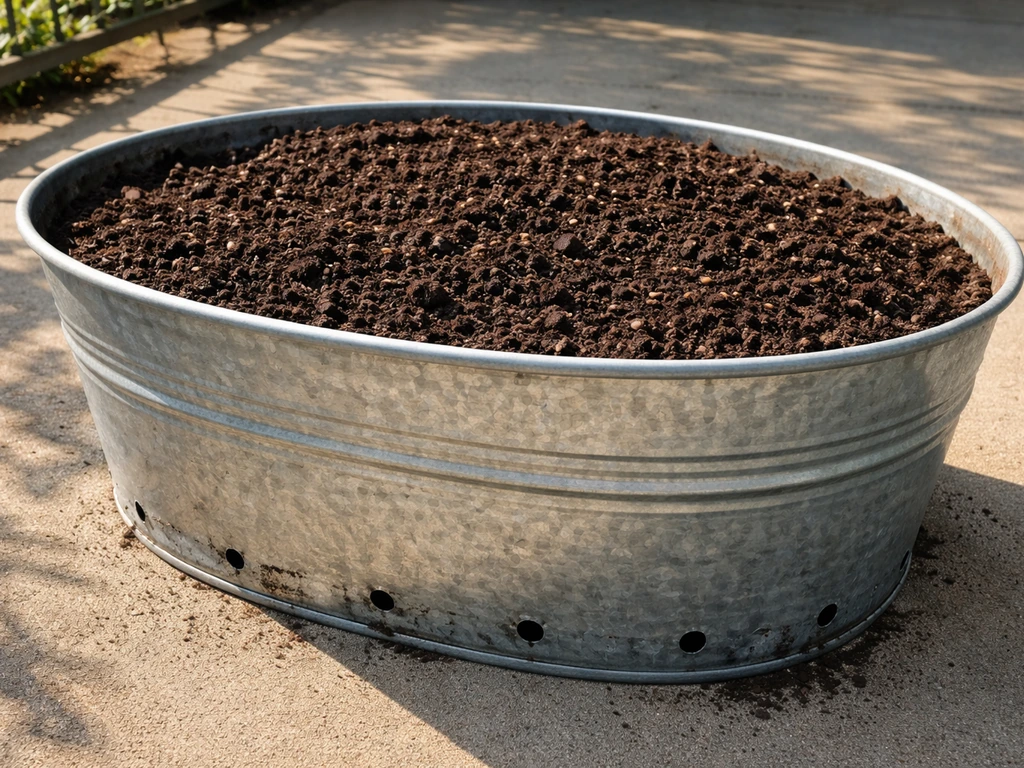
Cranberries grow well in large containers, half-barrels, or galvanized tubs. Use a 15 to 20 gallon container at minimum, filled with a peat-heavy acidic mix. Drill drainage holes but elevate the container slightly so you can plug them in winter if needed for temporary flooding. Container-grown plants are easier to manage for pH but dry out faster and are more vulnerable to winter temperature extremes. In Michigan, move containers to an unheated garage or shed during the coldest months, or insulate the outside of the pot heavily. Cranberries need winter cold for dormancy and fruit set, but exposed container roots can freeze more deeply than in-ground roots, causing real damage.
What to plant, when to plant, and how to care for vines through the season
For Michigan, stick with American cranberry cultivars (Vaccinium macrocarpon). These are cold-hardy, native to the region, and bred for the exact climate conditions Michigan delivers. Good cultivars for cold-climate home gardens include Stevens, Ben Lear, and Early Black. Stevens is widely available at nurseries and produces reliable, large berries. Ben Lear is an early-maturing variety that works well if your site is in the Upper Peninsula where the season is shorter.
Plant in spring after the last hard frost, typically late April to mid-May in southern Michigan and late May in the north. You can also plant in early fall (late August to September) to give vines time to establish before freeze-up. Plant cuttings or rooted transplants rather than trying to start from seed; seed germination is slow and erratic. Set vines about 12 inches apart, just barely buried with the crown at or slightly below soil level.
Seasonal care calendar
| Season | Key Tasks |
|---|---|
| Spring (Apr–May) | Remove winter mulch or drain winter flood once nighttime temps stabilize above 20°F. Watch for late frosts and cover or irrigate buds when temps threaten to drop below 18–20°F. |
| Early Summer (Jun–Jul) | Water consistently to maintain 1–2 inches per week. Monitor soil pH annually and adjust with sulfur if needed. Fertilize lightly if vines look weak or pale; follow MSU Extension rate guidelines. |
| Late Summer (Aug–Sep) | Reduce nitrogen. Fruit color develops now. Watch for signs of fungal disease, especially in wet years. |
| Harvest (Sep–Nov) | Pick by hand or dry-harvest for small home plantings. Fruit is ripe when it turns deep red and pops with a firm press. |
| Winter (Nov–Mar) | Apply winter flood once soil surface has frozen, or mulch heavily with straw or pine bark. Remove flood or mulch carefully in spring based on bud stage. |
What success looks like, what failure looks like, and how to fix it
Realistic expectations matter here. In the first year, cranberry vines establish slowly and produce little to no fruit. By year two you will see runners spreading and some bloom. Year three is typically when a properly managed bed starts delivering a real harvest. A mature, well-maintained bed can produce a quart or more of berries per square yard per season, which is genuinely satisfying for a home planting.
Common reasons cranberries fail
- Wrong pH: This is the number one killer. If pH creeps above 5.5, plants yellow, stop growing, and fruit production collapses. Test pH every spring and correct with elemental sulfur proactively, not just reactively.
- Inconsistent moisture: Cranberries that dry out between waterings in summer show wilting, poor fruit set, and thin vine growth. In a peat-based bed, check moisture daily in hot weather.
- No winter protection: Vines left with no mulch or flood in a Michigan winter can suffer serious winterkill if temperatures drop well below zero and winds are sustained. The root zone does not need to be babied from cold, but it needs protection from desiccation and heaving during freeze-thaw cycles.
- Too much nitrogen: Heavy fertilizing pushes vine growth at the expense of fruit. Cranberries are light feeders. If you see lush green growth but few berries, dial back nitrogen significantly.
- Poor drainage in the off-season: Cranberries need moisture control in both directions. A bed that sits in standing water all summer will rot roots. The goal is consistent moisture, not saturation.
- Planting in alkaline soil without amending: Garden soil in many parts of Michigan trends neutral to slightly acidic but rarely hits 4.0–5.0 on its own. Never plant cranberries directly into unamended native soil without testing first.
The honest reality check for Michigan home growers: cranberries are not a low-maintenance fruit. They reward growers who are detail-oriented about pH, water, and seasonal timing. If you already manage a blueberry patch, you have most of the skills you need. If you are brand new to acid-loving fruits, start with a small raised bed or container planting to get a feel for the pH and watering requirements before committing to a full in-ground bog setup. Michigan's climate absolutely has your back. The soil and water work is up to you.
FAQ
If cranberries are native to Michigan, can I just grow them in my yard soil without changing anything?
Usually no. Native plants still need the right growing medium, cranberries require strongly acidic conditions and a consistently moist root zone. If your soil pH is near neutral, you will need to build a controlled bed or use a peat-heavy mix, otherwise you may get lush vines with very little or no fruit.
How do I know whether my site can actually support cranberry conditions before I plant?
Do two quick checks, measure your soil pH and observe natural drainage. Aim for acidic conditions and a site that stays damp (not just wet after rain). If the area dries out within a day or two, you will likely need irrigation control, a liner, or a raised bed approach to maintain moisture.
Do I have to flood my cranberry bed every winter in Michigan?
Not in a typical home raised bed or container setup. Commercial bogs use flood water for protection, but you can protect crowns by insulating after the first hard freeze (pine bark mulch or straw, 4 to 6 inches). If you overwinter in-ground, flooding may be part of your strategy, but do it intentionally and in line with local guidance to avoid oxygen stress.
What’s the easiest way to manage water in a raised bed so cranberries don’t dry out?
Use a moisture plan, install drip irrigation and monitor the root zone frequently during summer heat. Peat-based mixes can shrink and form dry pockets at the surface, so a drip system plus periodic checks (hand test a few inches down) helps keep moisture steady enough for runner growth and bloom.
Can I grow cranberries in containers outdoors all year in Michigan?
It’s risky if the containers are exposed. Cranberries need winter cold for dormancy, but pot roots can freeze deeper than in-ground roots and cause injury. Plan to move containers to an unheated garage or shed during the coldest stretches, or add substantial insulation around the pot.
Is it possible to start cranberries from seed in Michigan?
Technically yes, but practically it is a poor path for most home gardeners. Seed germination is slow and erratic, and you will wait much longer to get established vines. For reliable results, use rooted transplants or cuttings so you can focus on pH and water rather than uncertain establishment.
How close together should I plant cranberry vines?
For home beds, plan for about 12 inches between plants. Crowding can reduce airflow and make it harder to manage moisture evenly across the bed, while too much spacing slows how quickly vines cover the ground and begin forming a productive mat.
My cranberry vines look healthy but there are no berries. What’s the most common Michigan mistake?
The most common issues are insufficient winter cold timing, pH that is too high, or moisture that is not managed precisely during key growth periods. If you did not control acidity with peat or an acidic mix, or if the root zone repeatedly dries out, you may see green growth without the runner maturity needed for fruiting.
Will deer or other wildlife eat cranberry vines in Michigan?
Wildlife pressure depends on your neighborhood, but berries are a tempting food source once they ripen. Use protective netting or fencing near harvest time, especially in open areas where rabbits, deer, or birds can strip vines before you collect berries.
How many years does it take before a home cranberry planting becomes productive?
Expect a slow ramp. Year one is mostly establishment with little or no fruit. Year two often brings some bloom, and year three is when a properly managed bed typically starts producing a meaningful harvest.
Which cranberry type should I buy for Michigan home growing?
Choose American cranberry (Vaccinium macrocarpon). It is cold-hardy and suited to Michigan conditions. Avoid relying on generic garden labels or non-native types unless you can confirm they are specifically bred for cold climates similar to Michigan’s winters.