
Yes, cranberries grow on vines, but not the kind most people picture. They don't climb a trellis or drape over an arbor like grapes. Instead, cranberry vines creep along the ground in long horizontal runners, forming a dense, low mat that rarely gets taller than a few inches. The fruit grows on short upright shoots that pop up from those runners. So technically: vines, yes. Tall, climbing, trellis-worthy vines, no.
Do Cranberries Grow on Vines? How They Grow and How to Plant

Marcus Holloway
5 May 2026
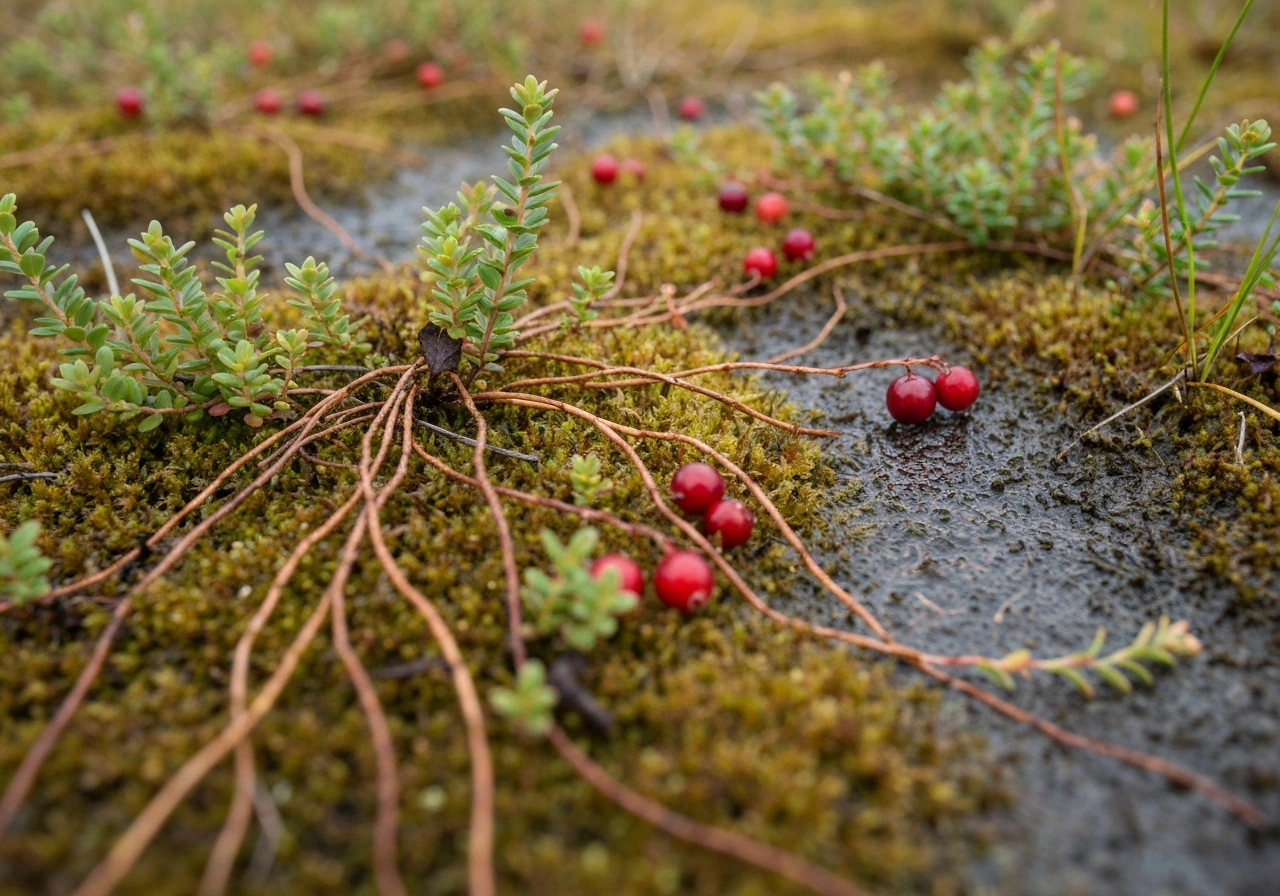
What "vine" actually means for cranberries
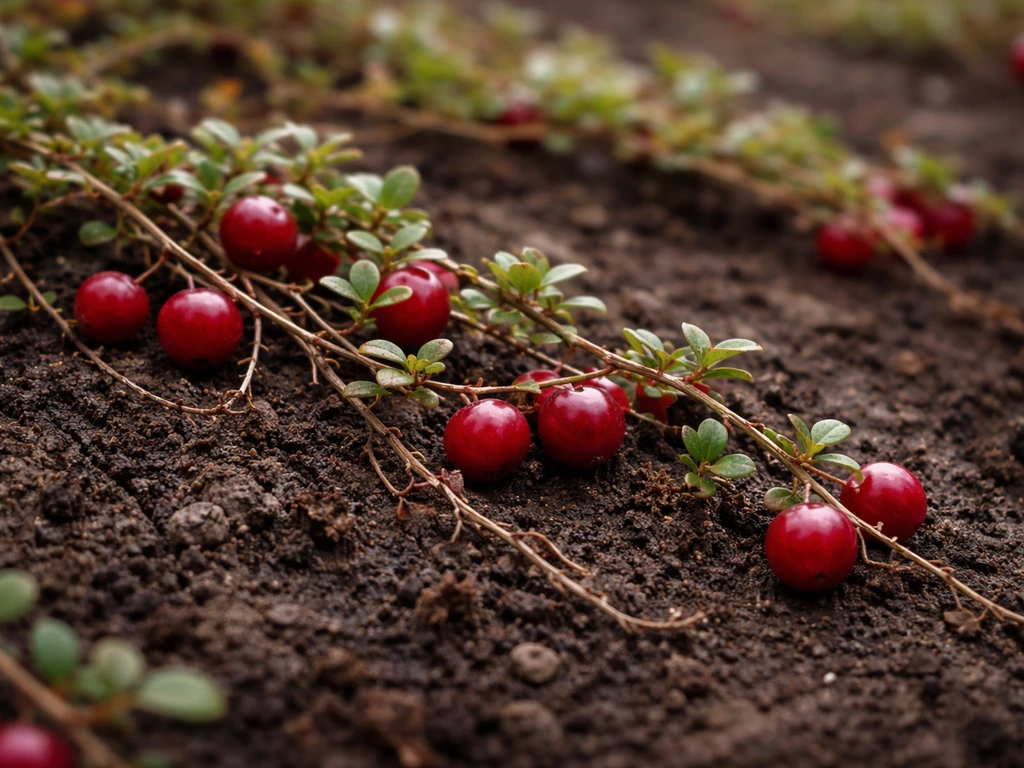
The word "vine" trips people up because we associate it with climbing plants. Cranberries (Vaccinium macrocarpon) are a woody, low-growing perennial groundcover. Their stems trail horizontally across the ground, much like strawberry runners, which is why the plant is sometimes called a creeping vine or a vining groundcover. The correct botanical label is actually a broadleaf evergreen shrub, but in practice it hugs the ground so tightly that "shrub" feels like an overstatement. Think of it more like a mat-forming carpet that happens to produce berries.
This growth habit puts cranberries in a different category from other berries you might be growing. They're not a bush like blueberries, not a cane plant like raspberries, and definitely not a tree. This also answers the common question, do cranberries grow on trees. If you've been searching around topics like what type of plant cranberries grow on or whether cranberries grow on trees, the answer is the same: it's a low, creeping, vining groundcover, full stop.
How cranberry plants actually grow
Cranberry plants have two distinct types of growth, and once you understand them, the whole plant makes more sense. The first type is the runner: a long, horizontal stem that snakes across the ground surface and can reach up to about 6 feet (roughly 2 meters) in length. Runners are the plant's way of spreading and establishing itself. The second type is the upright: short vertical shoots, only 2 to 8 inches (5 to 20 centimeters) tall, that grow upward from buds along those runners. The uprights are where the magic happens. They carry the leaves, the flowers, and eventually the fruit.
A healthy cranberry bed looks like a thick, green groundcover carpet with little upright shoots poking up through it. The uprights that flowered and fruited one season tend to become vegetative the next, while new uprights take over the fruiting role. It's a cycling system, and it takes a couple of years to really get humming. University of Maine Extension notes that after the first year you should see foot-long runners and a well-rooted base, but don't expect a serious fruit crop until the plant is properly established.
Where cranberries grow in the wild
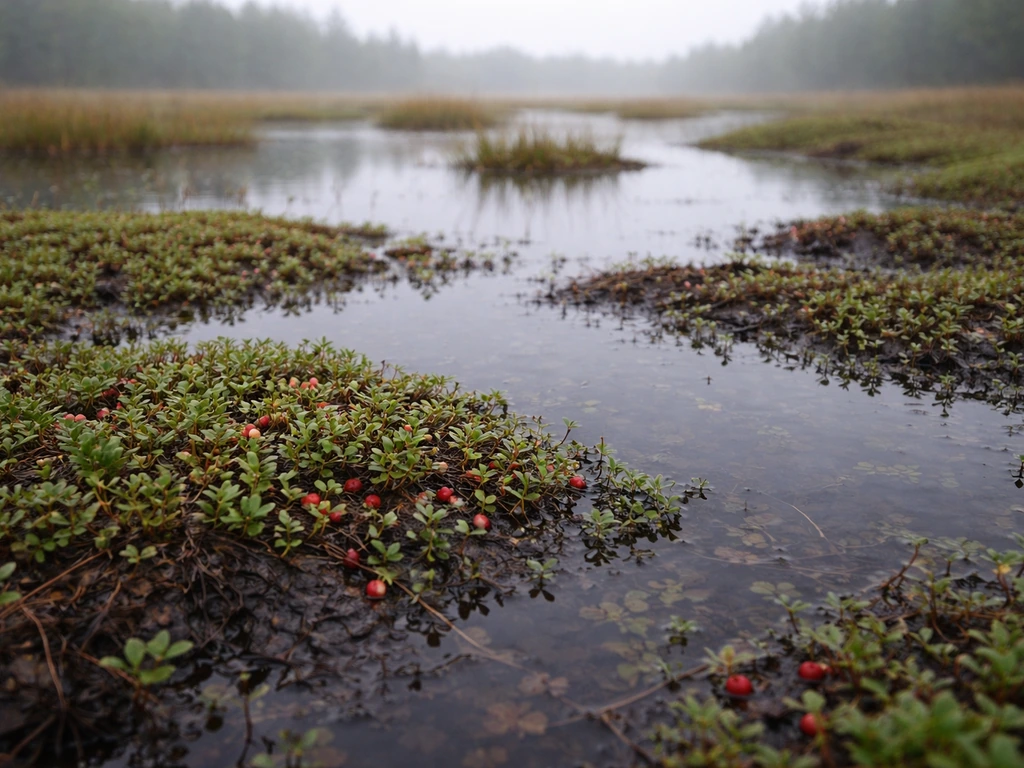
In the wild, cranberries grow in bogs, which are acidic, waterlogged, nutrient-poor wetlands, often underlaid with peat and sand. States like Wisconsin, Massachusetts, New Jersey, Oregon, and Washington grow the bulk of commercial cranberries in the US, mostly in carefully engineered bog systems. The famous fall images you've seen, where workers wade through flooded fields of floating red berries, are actually a harvest technique. The bogs are flooded after the fruit is ripe so berries float to the surface for easier collection. Cranberries don't grow in standing water all the time; they grow in moist, acidic soil and are flooded strategically for harvest and winter protection.
The key conditions wild cranberries rely on are low soil pH (typically 4.0 to 5.5), high moisture with good drainage (wet but not stagnant), poor nutrient levels, and full sun. That combination of seemingly harsh conditions is actually what cranberries are optimized for. If you're wondering, do cranberries grow in Michigan, the answer is yes, when you can match these cool-climate, acidic, wet conditions. Put them in rich, neutral garden soil and they'll struggle.
Climate and site requirements before you plant anything
Cranberries are cool-climate plants. They need a real winter, with roughly 600 to 700 hours of chilling temperatures (below 45°F / 7°C) to flower and fruit properly. USDA zones 4 through 7 are the sweet spot. If you're in zones 8 and above with mild winters, fruiting will be inconsistent at best. I've heard from growers in the Pacific Northwest who do fine in cooler coastal spots of zone 8, but the further south and inland you go, the harder it gets.
| Requirement | Ideal Range / Condition | Notes |
|---|---|---|
| USDA Zone | 4 to 7 | Zone 8 possible in cool coastal areas |
| Chill hours | 600 to 700+ hours below 45°F | Needed for flower and fruit development |
| Soil pH | 4.0 to 5.5 | Outside this range, sulfur amendment needed |
| Sunlight | Full sun (6+ hours) | More sun = better flowering and fruiting |
| Soil type | Acidic sand or peat mix | Must retain moisture but not become waterlogged |
| Moisture | Consistently moist | Tolerates flooding; does not tolerate drought |
Sun is non-negotiable. Cranberries are sometimes lumped in with other woodland berry plants that tolerate shade, but that's a mistake. More sun means more flowers, and more flowers means more fruit. A spot with at least 6 hours of direct sun daily is the minimum, and full sun all day is better.
How to grow cranberries at home
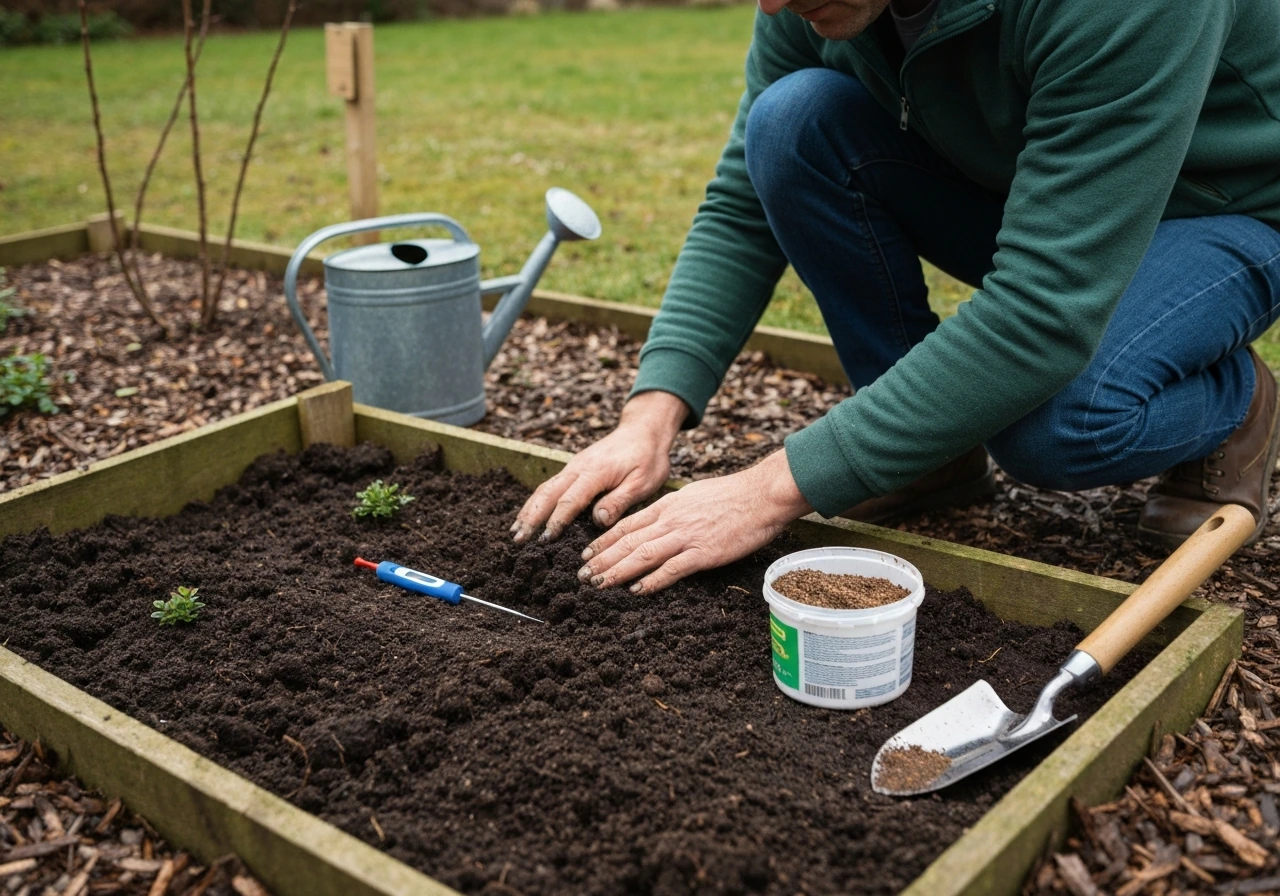
Growing cranberries at home is absolutely doable, but it requires getting the soil conditions right before you plant. The biggest mistake most home gardeners make is trying to amend existing garden soil on the fly. Cranberries want soil that your vegetable bed would hate. Start with that mindset.
- Test your soil pH first. If it's above 5.0, you'll need to add elemental sulfur to bring it down into the 4.0 to 5.0 range. Don't guess on this, a $15 soil test saves a lot of frustration.
- Prepare a dedicated bed using a base of acidic sand or a sand-and-peat mix. University of Maine Extension recommends building a bed over a layer that slows downward water movement, so the bed holds moisture and can be flooded for winter protection if needed.
- Plant rooted cuttings or young plants in spring, spacing them about 12 to 18 inches apart. The runners will fill in gaps over time.
- Keep soil consistently moist through the first growing season. Irrigation is critical during establishment, but avoid oversaturating to the point of standing water, which invites fungal problems.
- After year one, you should see runners spreading well and roots digging in. Fruiting typically picks up in years two to three.
- Fertilize lightly in spring with an acidic, slow-release fertilizer. Cranberries evolved in nutrient-poor soil, so less is more here.
Spacing matters because the runners are how the plant spreads and forms that productive mat. Give them room to run, and within a few seasons you'll have a dense bed that looks great as groundcover even when it's not fruiting.
Container and raised-bed options when your ground isn't right
If your native soil is too alkaline, too clay-heavy, or you just don't have the right setup for a cranberry bed, containers and raised beds are a legitimate path. Cranberry roots are shallow, only about 6 inches (15 cm) deep, so depth isn't the concern. Width is what matters, because the runners need room to spread. A wide, shallow container or a raised bed at least 18 to 24 inches wide gives the plant somewhere to go.
Fill your container or raised bed with a mix of peat moss and coarse acidic sand. This gives you full control over pH, which is the biggest advantage of going the container route. Keep the growing medium consistently moist but not waterlogged. I've seen people use large half-barrel planters successfully, and wide window boxes can even work for a small ornamental planting. Just know that container-grown cranberries in cold climates may need some winter protection (moving to an unheated garage or mulching heavily) since the roots are more exposed than in-ground plants.
For fertilizing in containers, use a slow-release acidic fertilizer applied in spring. Because you're working with a contained volume of growing medium, pH drift is possible over time, so check pH annually and adjust with sulfur if it creeps above 5.0.
Common mistakes and how to know you have the right plant
The most common error is soil pH. Cranberries are unforgiving about this. If your soil is sitting at 6.0 or 6.5 (which is fine for most vegetables), your cranberry plants will look stunted, yellow, and sad. They won't die right away, but they won't thrive either, and fruiting will be poor. Always test pH before and after amending, and recheck annually.
The second common mistake is overwatering in a way that creates standing water with no drainage. Cranberries love moisture and can tolerate flooding, but chronic waterlogged soil with poor aeration creates the perfect environment for root rot and fungal disease. The goal is consistently moist, not perpetually flooded. University of Maine Extension specifically flags frequent irrigation during establishment as a period of elevated fungal disease risk, so don't go overboard.
A third mistake is planting in too much shade. Cranberries can survive in partial shade but will flower and fruit poorly. If your planting spot gets less than 4 to 5 hours of direct sun, pick a different location.
How to tell you're actually growing cranberry and not something else
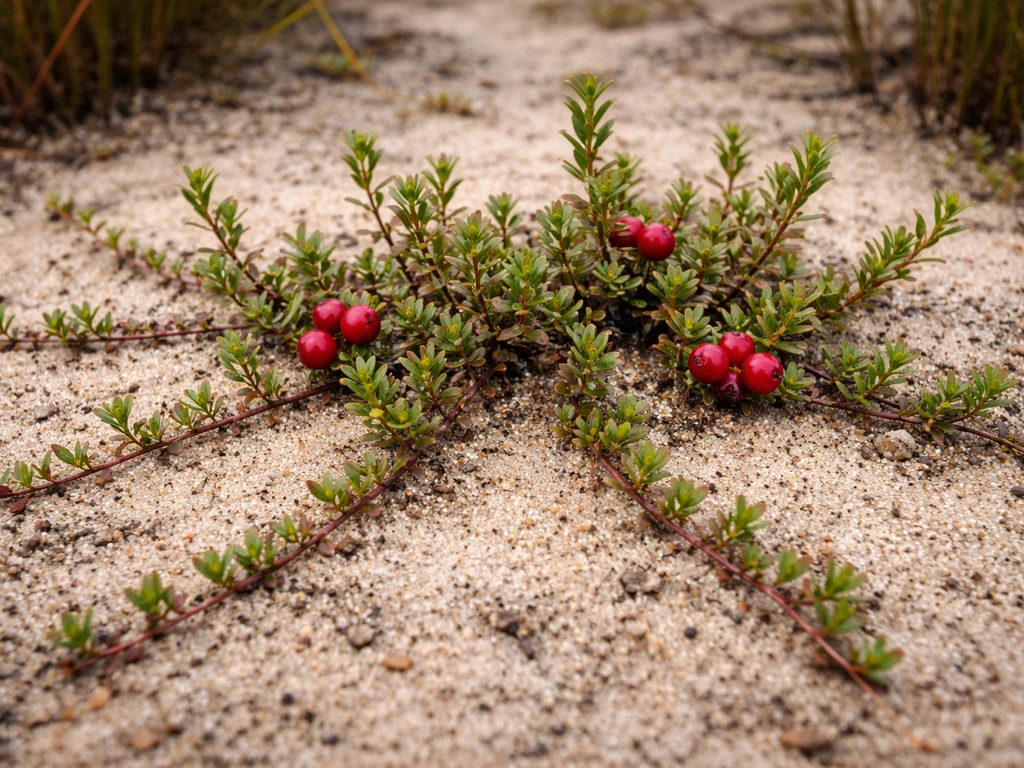
If you've planted something labeled as cranberry and want to confirm it's the real deal, look for the two-habit growth pattern: long, thin horizontal runners trailing across the soil surface, and short upright shoots (2 to 8 inches tall) rising from nodes along those runners. The leaves on Vaccinium macrocarpon are small, oval, dark green, and evergreen. In late spring to early summer, you'll see small, pink, recurved flowers on the uprights. If you see both runners and uprights, you almost certainly have a true cranberry. A random groundcover or lookalike won't have that distinct combination.
One final thing worth knowing: cranberry plants are slow to establish but long-lived once they're in. A well-managed bed can produce for decades. The patience required upfront, getting the pH right, building the right bed, waiting through the establishment phase, pays off with a plant that becomes genuinely low-maintenance over time. If you're in the right climate zone and can commit to the soil prep, cranberries are a surprisingly rewarding grow.
FAQ
If cranberries are vines, can I train them onto a trellis or arbor?
No. They do not typically grow tall enough to “run up” like grapes. Cranberry runners spread horizontally along the surface, while the upright shoots that carry flowers and fruit stay only a few inches tall.
What happens if I try growing cranberries in a mild-winter area (like zone 8 or higher)?
They can survive occasional cold snaps, but reliable fruiting depends on getting enough true winter chilling. If you are in warmer zones, you can still grow them for groundcover, but expect fewer uprights to flower and less consistent harvest.
Do cranberries need to be in standing water all the time?
For best results, aim for moist acidic soil that drains well, then flood strategically only when you are harvesting or providing winter protection (in managed beds). Constant standing water with poor aeration increases root rot and fungal problems.
My cranberry plants look weak and are not fruiting, what should I troubleshoot first?
Thin and sparse uprights, weak runner growth, and a pale or yellowing look often point to pH being off or the bed being too shaded. A quick check is to measure soil pH again before changing anything else.
Can I grow cranberries in a raised bed if the roots are shallow?
Yes, but many people underestimate the width needed. Since roots are shallow, you can keep depth modest, but you still need enough spread room for runners, usually by using a wide shallow container or a wide raised bed rather than a narrow one.
How often should I check and adjust pH if I grow cranberries in containers?
In containers, pH can drift faster because there is less buffering from surrounding soil and fertilizer salts can accumulate. Test pH at least once per year, and if it trends above your target, you may need to correct with an acidifying approach rather than adding more fertilizer.
Should I rip up and replace the soil if cranberries still won’t bloom after the first year?
If the bed is already established, avoid heavy re-amending once you start seeing poor flowering, because you can disrupt the mat and runners. Instead, confirm pH and sun first, then make the smallest adjustment that is likely to fix the issue.
What are the most common mistakes when mixing in amendments at planting time?
Planting deeper than needed is usually not the issue, because cranberry roots are shallow. The bigger risk in ground beds is creating a drainage problem, for example by mixing in compost or garden soil that pushes pH higher or holds water too long.