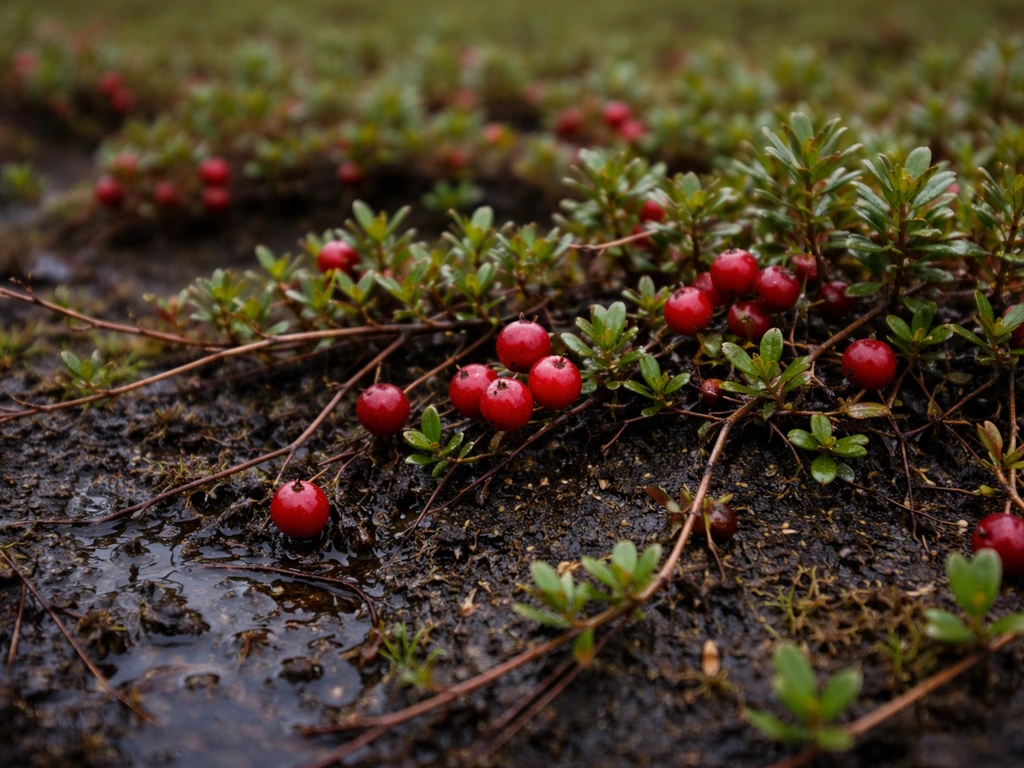
The plant is technically a shrub in the Vaccinium family (the same family as blueberries), but calling it a "bush" in the typical garden sense is also a stretch, because it behaves far more like a ground-hugging vine than an upright garden shrub. If you search what type of plant cranberries grow on, the honest answer is: a low, creeping, vine-like woody perennial that carpets the ground rather than standing up.
The confusion is understandable. Grocery store bags show cranberries floating in water, harvest photos show red-flooded bogs, and the name "cranberry" gets attached to all kinds of unrelated plants. The "cranberry tree," for instance, is a common name used for Viburnum, a completely different plant that has nothing to do with the cranberry you eat. So if you've been picturing picking cranberries off a tree like apples, or even off a hip-height bush like blueberries, reset that mental image entirely.
How cranberries actually grow
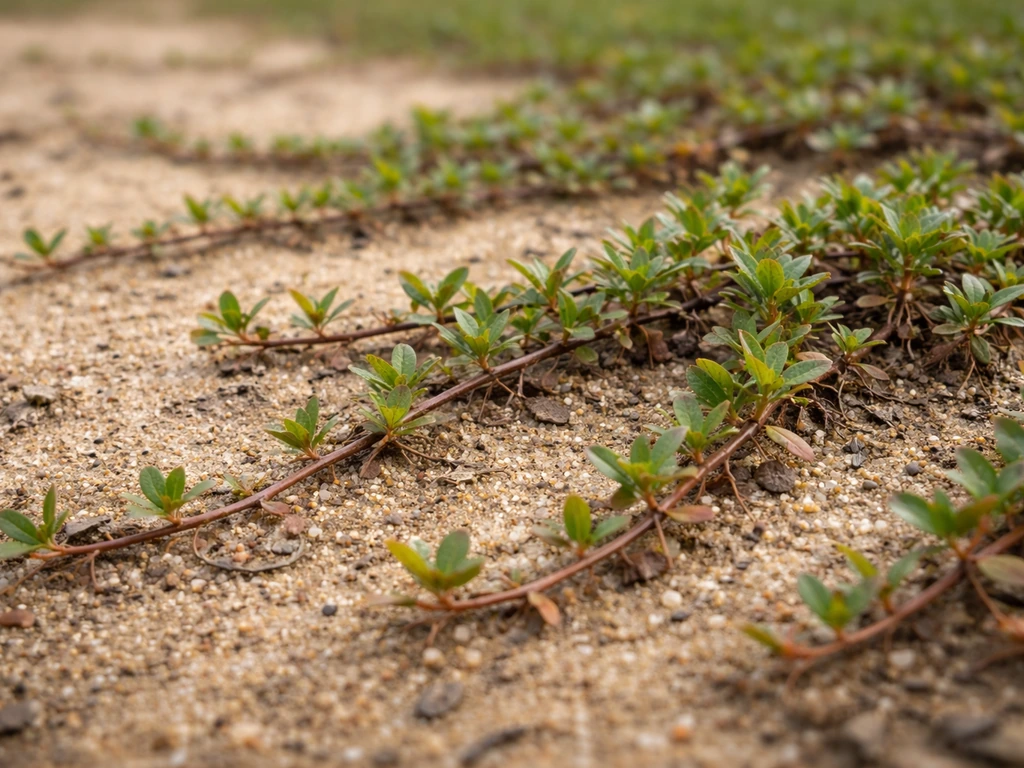
The cranberry plant (Vaccinium macrocarpon) grows as a trailing vine with woody stems that creep horizontally across the soil surface and root at nodes as they go. This horizontal spread is driven by stolons, which are essentially runners that extend the plant's footprint over time. On top of this creeping mat, the plant produces upright shoots, and those uprights are where all the action happens: flower buds form on them, berries develop from those flowers, and the fruit hangs from those short vertical stems above the ground-level mat.
To understand how cranberries grow on vines versus what you might expect from a garden fruit plant, picture a dense, low-lying green mat a few inches tall covering the ground, dotted with small waxy leaves, with short red-fruited uprights poking up through it come fall. That's the whole structure. There's no trunk. There's no canopy. The plant is wider than it is tall by a huge margin.
A side note on the water thing: cranberries are strongly associated with bogs and flooding, but they don't actually grow underwater or sit in standing water permanently. The flooding you see in harvest videos is a management technique, not the plant's normal daily environment. The roots need oxygen, and consistently waterlogged soil without aeration will kill the plant. What cranberries actually want is consistently moist, well-aerated, acidic soil, not a permanent pond.
Where cranberries grow best
Climate and region
Cranberries are cold-climate plants. The major U.S. production is concentrated in the northern states, with Wisconsin ranking as the country's top cranberry-producing state, followed by Massachusetts, New Jersey, Oregon, and Washington. These regions share a few key traits: cold winters, cool growing seasons, and enough frost-free days for the fruit to size up and ripen before fall. Frost management is a big deal in commercial production, with growers using sprinkler irrigation to protect blooms in spring and flooding for winter protection. If you're curious whether your specific region has the right conditions, it's worth looking at how cranberries grow somewhere like Michigan, which shares the cold-climate, high-moisture conditions cranberries prefer.
For home gardeners, cranberries perform best in USDA zones 4 through 7. They need a real winter dormancy period and genuinely struggle in hot, dry southern climates without significant intervention. If you're in zone 8 or warmer, growing cranberries becomes a serious uphill battle, and you'd be better served by other acid-loving berries like blueberries or lingonberries that handle milder winters more gracefully.
Soil conditions: this is where most people go wrong
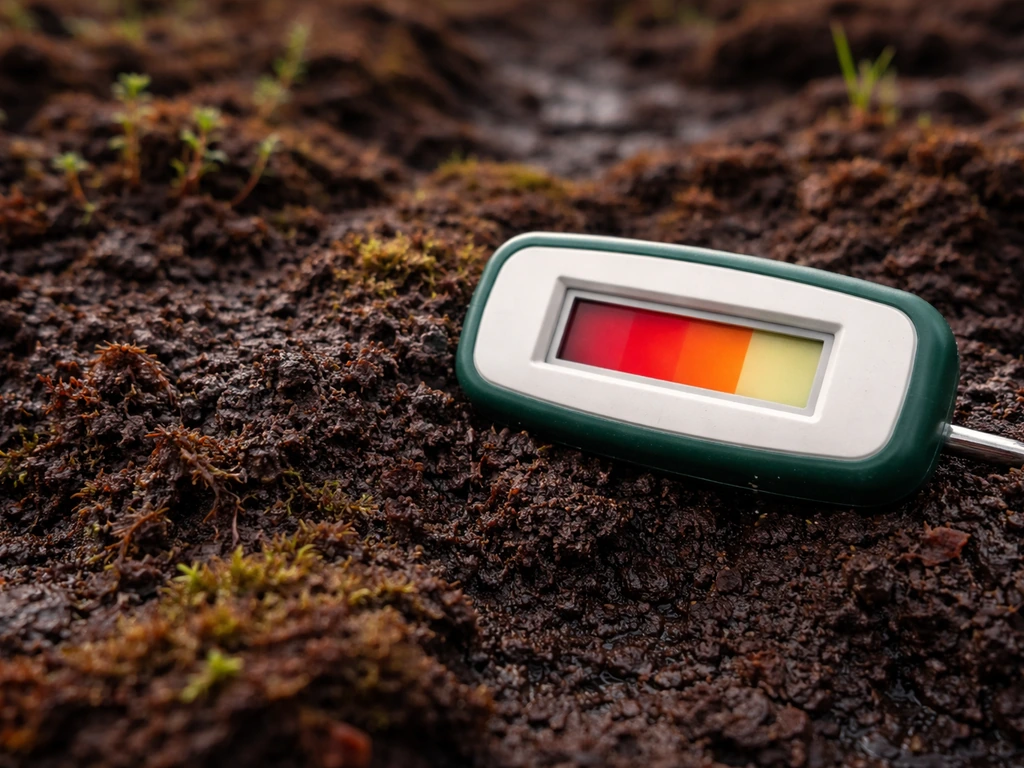
Cranberries are extremely particular about soil pH. The target range is 4.0 to 5.5, with most extension guidance landing around 4.5 to 5.0 as a sweet spot. Outside that range, nutrient availability drops sharply even if the nutrients are physically present in the soil, which means plants look stunted and sickly without an obvious cause. Standard garden soil sitting at a pH of 6.5 or 7 will not work. Period. You'll need to amend heavily with sulfur, use an acidic growing medium like peat, or build a dedicated bed to hit that range and hold it.
Beyond pH, the soil texture matters too. Commercial cranberry beds are constructed with sand over an organic layer, and this isn't just tradition. The sand layer allows water to move through while preventing surface ponding, which keeps roots aerated even when the bed is being flooded for management purposes. Heavy clay soil that holds water without draining will rot cranberry roots despite giving them the moisture they want.
Growing cranberries at home: what you actually need to set up
I'll be upfront with you: cranberries are one of the more demanding home garden projects. They're not impossible, but they ask for specific conditions that most backyards don't naturally have. The good news is that you can engineer those conditions with some planning. Here's how to think through the setup.
Site selection
You want full sun (at least 6 hours) and a site where you can control water. The ideal home setup mimics a bog: a raised or sunken bed with a liner that allows you to flood it for winter protection and frost events, then drain it back to moist-but-aerated conditions for the growing season. If your site can't hold a flood when you need one, cranberries will consistently underperform. This is the single most common failure point I see with home cranberry attempts: people plant them in a regular garden bed with good drainage, and while the plants survive, they never really thrive or fruit well because the water management side is incomplete.
Water management
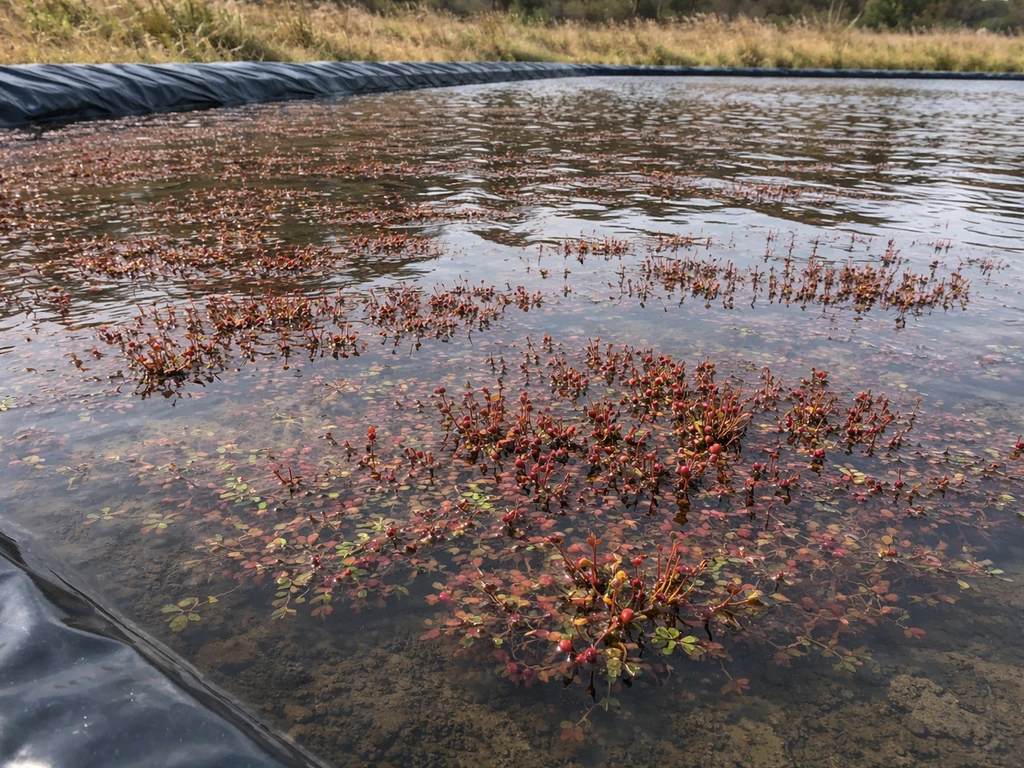
Cranberries need consistent moisture throughout the growing season but not saturation. Think "always damp," not "always flooded." Whether cranberries grow in water is one of the most misunderstood aspects of the plant: they tolerate and even benefit from strategic flooding at specific times (winter dormancy, harvest, frost protection windows) but they don't want standing water around their roots during active growth. A drip irrigation system or regular hand-watering to keep the bed evenly moist from spring through fall is the right approach for home growing.
Container growing
If you don't have the space or the right native conditions, containers are a legitimate option. Use a large, wide, shallow container (cranberries spread horizontally, not deep) filled with a mix of peat moss and coarse sand at roughly a 50/50 ratio. This naturally hits the right pH range and texture. Keep it consistently moist, give it full sun, and bring it somewhere protected but cold (an unheated garage works) during winter so the plant gets proper dormancy. Container-grown cranberries won't give you commercial-scale harvests, but a well-managed pot can absolutely produce a meaningful handful of fruit and makes a genuinely attractive ornamental plant in the meantime.
Quick setup checklist
- Choose a full-sun location with at least 6 hours of direct light daily.
- Build or amend a bed to reach a soil pH between 4.0 and 5.5 using peat moss, sulfur, or acidic compost.
- Incorporate coarse sand into the top layer of the bed to improve drainage while retaining moisture.
- Install irrigation or plan a consistent hand-watering schedule to keep the bed evenly moist.
- If possible, create a lined bed or use a large container so you can hold water during frost events and winter.
- Plant rooted cuttings or plugs in spring, spacing them about 12 to 18 inches apart to allow the vines to spread.
- Expect the first meaningful fruit crop in year two or three as the vines fill in.
Tree vs. bog plant: clearing up the confusion for good
Most of the confusion around cranberries and trees comes from a few persistent myths worth addressing directly. The biggest one is the harvest imagery: those famous photos and videos of people wading through flooded red bogs look like the berries grow in water. They don't. Cranberries grow in bogs, yes, but the flooding you see at harvest is a technique where growers flood the mature bed so the buoyant ripe berries float to the surface for easy collection. The plants themselves are blank" rel="noopener noreferrer">sitting on the bed floor, where they've been growing in moist (not submerged) conditions all season.
The second myth is the "cranberry tree" name, which shows up in gardening forums and casual conversation. As mentioned earlier, that term refers to Viburnum opulus or similar ornamental shrubs that produce red berry-like fruit, not to the edible cranberry at all. If someone offers you a cranberry tree cutting thinking it's the same plant you buy dried at the store, it is not.
The third source of confusion is comparing cranberries to blueberries. Both are in the Vaccinium genus, both want acidic soil, but blueberries grow on upright multi-stemmed bushes ranging from knee-height to well over head-height depending on variety. Cranberries stay ground-level. If you've grown blueberries and are expecting a similar visual experience, you'll be surprised. Cranberries look nothing like a typical garden fruit plant once you see them in person.
Cranberry vs. blueberry vs. lingonberry: which is right for your setup?
If cranberries seem like too much work for your situation, it helps to see how they compare to similar acid-loving berries you might consider instead.
| Plant | Growth Habit | Ideal pH | Water Needs | Best USDA Zones | Container Friendly? |
|---|
| Cranberry | Low trailing vine, 6–8 inch uprights | 4.0–5.5 | Consistently moist, strategic flooding | 4–7 | Yes, with wide shallow pot |
| Blueberry (Highbush) | Upright shrub, 4–6 feet tall | 4.5–5.5 | Moderate, well-drained | 4–7 | Yes, large deep pot |
| Lingonberry | Low spreading shrub, 8–16 inches | 4.5–5.5 | Moderate, even moisture | 3–7 | Yes, manageable size |
| Viburnum ("Cranberry Tree") | Upright shrub/small tree, 8–15 feet | 5.5–6.5 | Moderate | 3–8 | Not ideal |
If you're in zones 4 to 7 and willing to engineer the soil and water conditions, cranberries are genuinely rewarding and produce a distinctive crop you can't easily replicate with anything else. If you're in a warmer zone, have heavy clay soil, or don't want to manage pH closely, lingonberries offer a much easier path to a similar tart berry flavor with far less setup. Blueberries sit in the middle: more forgiving than cranberries, still need acidic soil, but work in a much wider range of home garden setups.
If you've already planted cranberries and they're struggling, here are the most common causes and fixes. Wrong soil pH is the number one issue. If your pH is above 5.5, the plant will show yellowing leaves and poor growth even with adequate water and fertilizer. Test the soil, then lower the pH with elemental sulfur or by top-dressing with peat. This takes time to work, so be patient but persistent.
The second major issue is poor water management. Both too dry and too saturated conditions hurt cranberries. If the soil dries out significantly between waterings, fruit set drops and vines go into stress. If the soil stays waterlogged without drainage, roots suffocate and disease pressure increases.
Fruit rot in particular is associated with rank vine growth that comes from holding water high or too frequently flooding during the growing season when the plants don't need it. University of Maine Extension notes that post-harvest flooding is used in cranberry management and research for suppressing certain plants and pests, including effects lasting for about four weeks after harvest flooding during the growing season.
The fix is usually improving drainage with a sand layer and being more disciplined about when and how much you water.
Finally, unrealistic timing expectations trip up a lot of first-time growers. Cranberries planted from rooted cuttings in year one will mostly just establish and spread. Don't expect significant fruit until year two at the earliest, and a full productive mat can take three to four years to develop. This is a perennial crop that rewards patience, and the trajectory is strongly upward once the bed is properly established.