
You can grow blackberries, strawberries, and with the right setup even blueberries in Phoenix. Blackberries are the strongest bet for most home gardeners here: the low-chill varieties bred for the South handle Phoenix's heat better than almost anything else in the berry world. Strawberries work well as a cool-season crop planted in fall. Blueberries are possible but need serious soil work and careful variety selection.
What Berries Grow in Phoenix Arizona: Best Varieties
Marcus Holloway
12 Jun 2026
Everything else, including raspberries and most temperate berries that thrive in places like Oregon, Montana, or Colorado, is either very difficult or not worth the trouble in Phoenix's extreme heat. What berries grow in Montana depends a lot on your local elevation and winter chill, but choices like raspberries and strawberries often do well when you pick cold-hardy varieties.
Phoenix berry reality check: heat, chill hours, and water
Before you invest in plants, you need to understand two hard constraints: summer heat and winter chill. Phoenix regularly hits highs of 106°F in July and 104°F in August, with overnight lows still in the low 80s. That rules out most cool-climate berries outright. The ones that survive summer here need either a very short harvest window before the worst heat arrives, or enough toughness to go semi-dormant and bounce back in fall.
On the chill side, most of Maricopa County accumulates roughly 300 to 400 chilling hours per winter. That sounds like it should be enough for many fruits, and for low-chill varieties it is. But standard highbush blueberries, most raspberries, and many other berries you'd find at a generic nursery need 700 to 1,000 or more chilling hours. Plant one of those in Phoenix and it may leaf out erratically, fruit poorly for a year or two, and eventually decline.
Some berries, including many that people grow elsewhere, need to be matched to winter chill levels to fruit reliably what berries grow in winter. The chill number matters enormously, so never buy a berry plant without checking its specific chilling requirement.
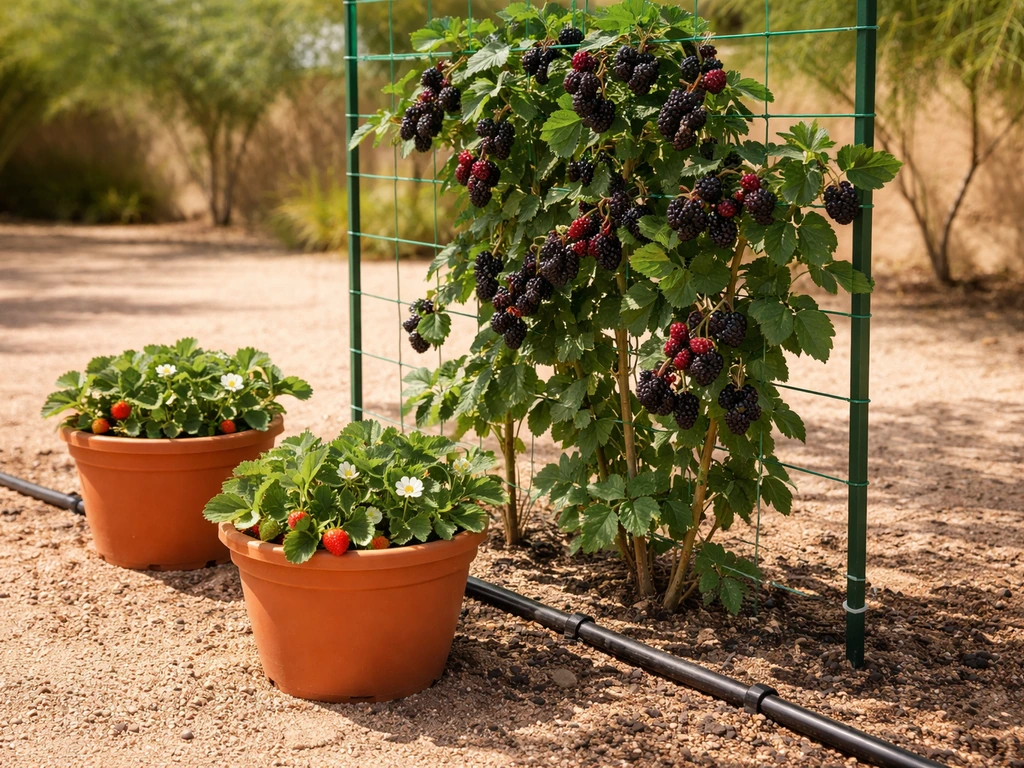
Water is the third factor. Phoenix gets roughly 8 inches of rain per year, and you cannot count on rain to sustain berry plants. Drip irrigation is the standard approach here and it works well: slow, measured output right at the root zone, no wasted water, and no wet foliage (which causes rot and rust problems). Plan on watering daily when plants are young, then every 1 to 2 days once established, adjusting based on the season. A 3 to 4 inch layer of organic mulch over the root zone makes a significant difference in how often you need to water and how hot the soil gets.
Best berries to grow in Phoenix: top picks and why they work
Blackberries: the Phoenix standout
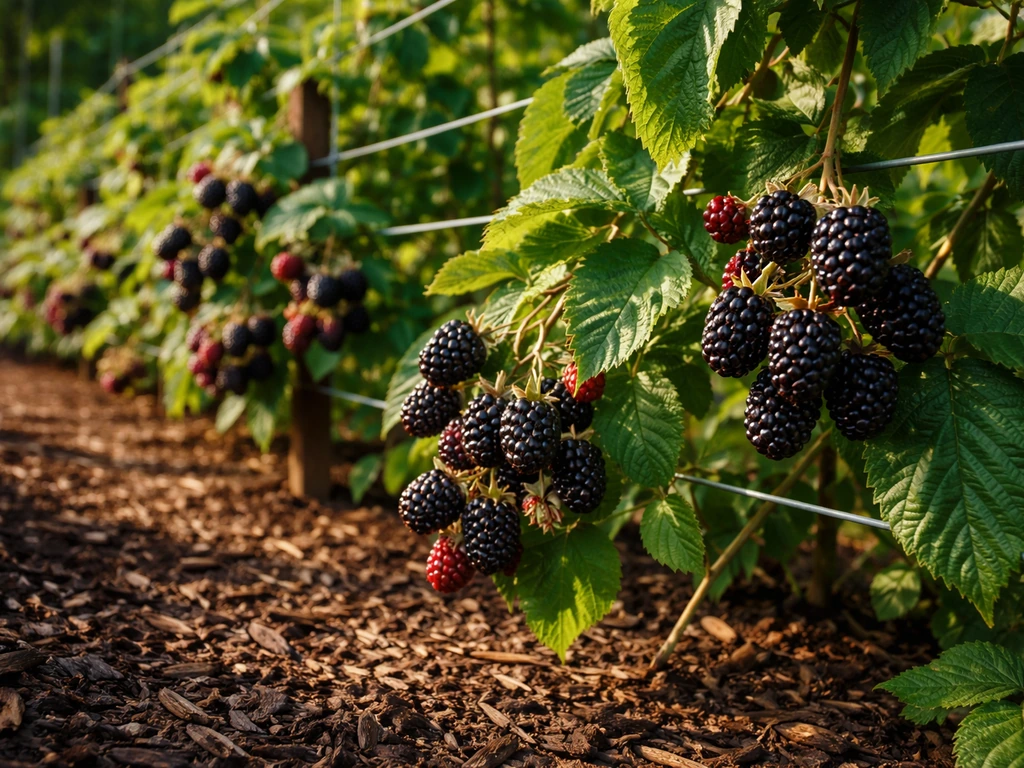
Blackberries are the most reliably productive berry for Phoenix home gardens, and the University of Arizona Cooperative Extension names three varieties specifically for the low desert: 'Rosborough', 'Womack', and 'Brison'. All three are Southern-bred, low-chill cultivars that fit right into Phoenix's 300 to 400 hour winter. They grow on biennial canes, meaning the canes that emerge this year will fruit next year and then die back. First-year plants focus on establishment; expect your first meaningful harvest around year three.
That timeline is honest but worth it because once they're established, these plants produce heavily with relatively few pest or disease headaches. The main issue in Phoenix is sunburn on late-season fruit as temperatures climb in May and June, which I'll get to in the planting section.
Strawberries: a cool-season crop, not a summer one
Strawberries are perfectly doable in Phoenix if you treat them as a fall-through-spring crop rather than a summer one. Plant in October or November, harvest from roughly February through April, and either remove or let the plants go dormant before serious summer heat arrives. High afternoon summer temperatures damage both plants and fruit in desert locations, so trying to carry them through summer almost always ends badly. The upside: strawberries in Phoenix's mild winter season ripen beautifully, and they're forgiving in containers. Proper production starts with variety selection, soil improvement, consistent irrigation, and mulching, all of which are very manageable for a beginner.
Blueberries: possible with commitment
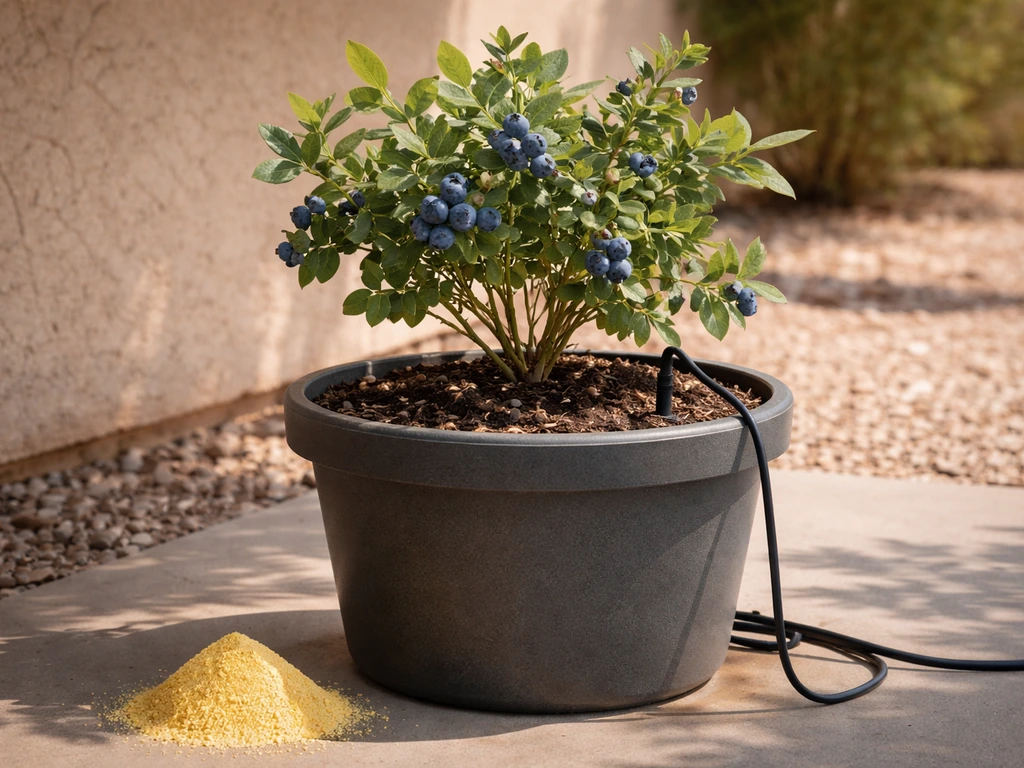
Blueberries will not produce reliably in Phoenix unless you get the variety and soil exactly right. The UA Cooperative Extension is direct about this: most blueberries simply won't perform well in Arizona conditions without matching chilling needs and meeting strict soil acidity requirements. If you want to try, rabbiteye blueberries are generally considered the easiest type to grow and the most forgiving of lower chill hours. They still need acidic soil with a pH around 4.5 to 5.5, which is the opposite of Phoenix's naturally alkaline desert soil. Growing them in containers with specially blended acidic medium is the most practical approach for most Phoenix gardeners.
What berries grow in Arizona but need special Phoenix strategies
Some berries grow well in other parts of Arizona but become genuinely difficult in Phoenix's low desert. Raspberries are the most common example. They need more chilling hours and struggle with sustained extreme heat. At higher elevations in Arizona, such as Flagstaff or the White Mountains, raspberries are a reasonable choice. In Phoenix, you'd be fighting the climate constantly. If you're set on trying raspberries, heat-tolerant varieties in containers that you can move to afternoon shade are your best shot, but I'd set realistic expectations: you'll likely get modest yields in good years and nothing in bad ones.
Gooseberries and currants fall into a similar category. They're more at home in the cooler climates of places like Colorado or Alaska than in Phoenix's Zone 9b to 10a heat. If you want a comparison closer to your question about what berries grow in Alaska, that colder-region logic is exactly why gooseberries and currants can thrive there Colorado or Alaska.
If you are wondering about what berries grow in Colorado, the key idea is that varieties that need fewer chilling hours and tolerate cooler weather often work better as you move away from Phoenix heat.
Mulberries (technically a fruit from a tree rather than a shrub or cane) are an interesting exception: the white mulberry and some hybrid varieties tolerate Phoenix heat well and can produce a huge volume of fruit, though they're not often what people picture when they think 'berry garden. ' If you want something productive that thrives in Phoenix heat, mulberries deserve a look even though they're a different growth form entirely.
How to plant for success: sun, soil, irrigation, and site placement
Choosing the right spot
Blackberries and most cane berries want full sun, and in Phoenix that means morning sun with some protection from intense western afternoon exposure, especially once temperatures push past 100°F. A spot that gets six to eight hours of direct sun but is shaded by a wall, fence, or tree from about 2 p.m. onward is close to ideal. Reflected heat from block walls or concrete patios can push temperatures even higher than the ambient air, so avoid placing plants directly against south or west-facing masonry if you can. For strawberries in containers, the same logic applies: morning sun, afternoon shade.
Soil preparation
Phoenix's native soil is typically alkaline, often caliche-laden, and drains poorly in some spots and too fast in others. For blackberries in-ground, amend generously with compost to improve drainage and organic matter before planting. For blueberries, you essentially need to replace the soil entirely with an acidic mix, which is why containers make more sense for them. For strawberries, raised beds or containers with a quality potting mix give you more control over drainage and soil temperature than planting directly into compacted desert ground.
Irrigation setup
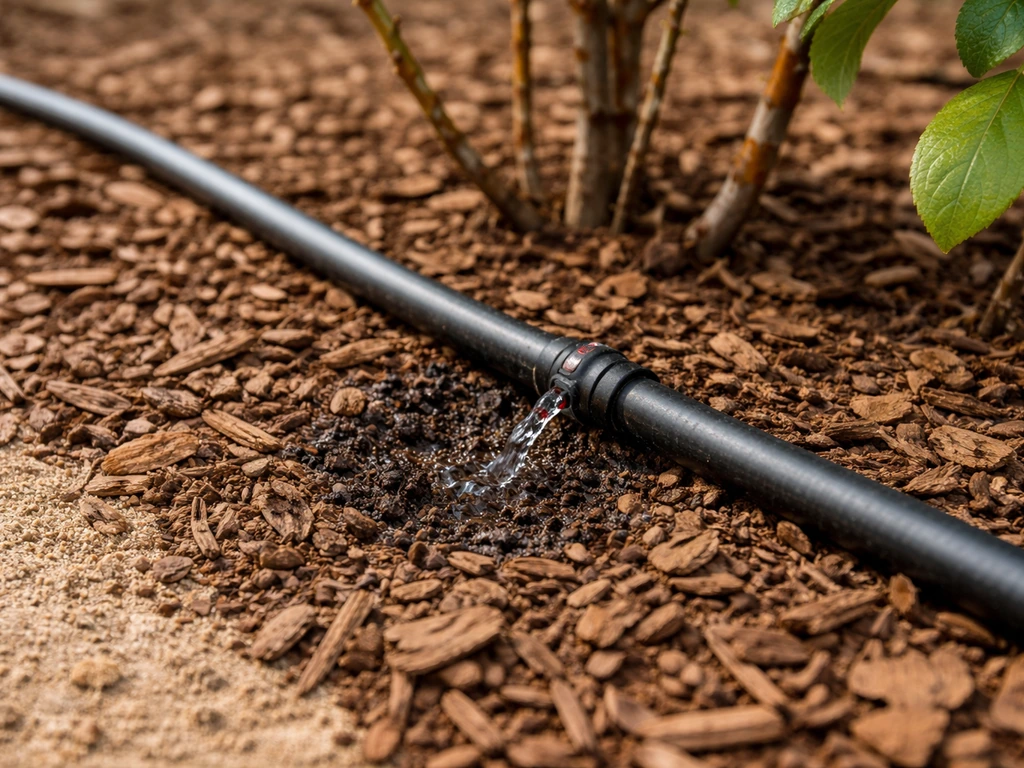
Drip irrigation is the right tool for Phoenix berry gardens. It delivers water slowly and directly to the root zone, keeps foliage dry (reducing disease), and works well in a desert landscape where runoff and evaporation are problems with overhead sprinklers. Water young plants daily and drop to every 1 to 2 days once established. Lay 3 to 4 inches of organic mulch over the entire root zone: it reduces evaporation, keeps soil temperatures lower, and meaningfully cuts how often you need to irrigate.
Planting timing for blackberries
Plant blackberries from late January through March in the Phoenix area. This gives roots time to establish before the first really hot weather hits. Don't push it into April or May: plants put in the ground during rising temperatures struggle to establish and are more vulnerable to heat stress in their first summer.
Container vs in-ground growing for Phoenix berries
Both approaches work in Phoenix, and the right choice depends on what you're growing and how much flexibility you want. For blackberries, in-ground is generally better once you've amended the soil well: they're vigorous plants that benefit from the larger root zone and are less prone to drying out quickly. For blueberries and strawberries, containers give you more control over soil mix, pH, and placement, all of which matter a lot for those crops in this climate.
| Factor | In-Ground | Container |
|---|---|---|
| Best for | Blackberries | Blueberries, strawberries |
| Soil control | Requires amendment | Easy, use custom mix |
| Watering frequency | Lower with mulch | Higher, dries out faster |
| Heat management | More stable soil temps | Can move to shade |
| Setup cost | Lower long-term | Higher (containers, mix) |
| pH control (blueberries) | Very difficult | Straightforward |
If you go with containers, size matters a lot. A blueberry plant needs a large container with excellent drainage: use a purpose-blended acidic mix and make sure the pot drains freely. The UA Cooperative Extension also emphasizes that a good container must allow excess water to drain freely while keeping the soil contained make sure the pot drains freely. Container gardens on hot Phoenix patios dry out extremely fast in summer, so check moisture levels daily during peak heat. Self-watering containers with reservoirs can help bridge the gap if you're away for a day or two. Repot blueberries in late summer or early fall rather than spring so roots have time to settle before the next growing season.
Care basics by berry type: bushes vs canes vs trailing
Cane berries (blackberries)
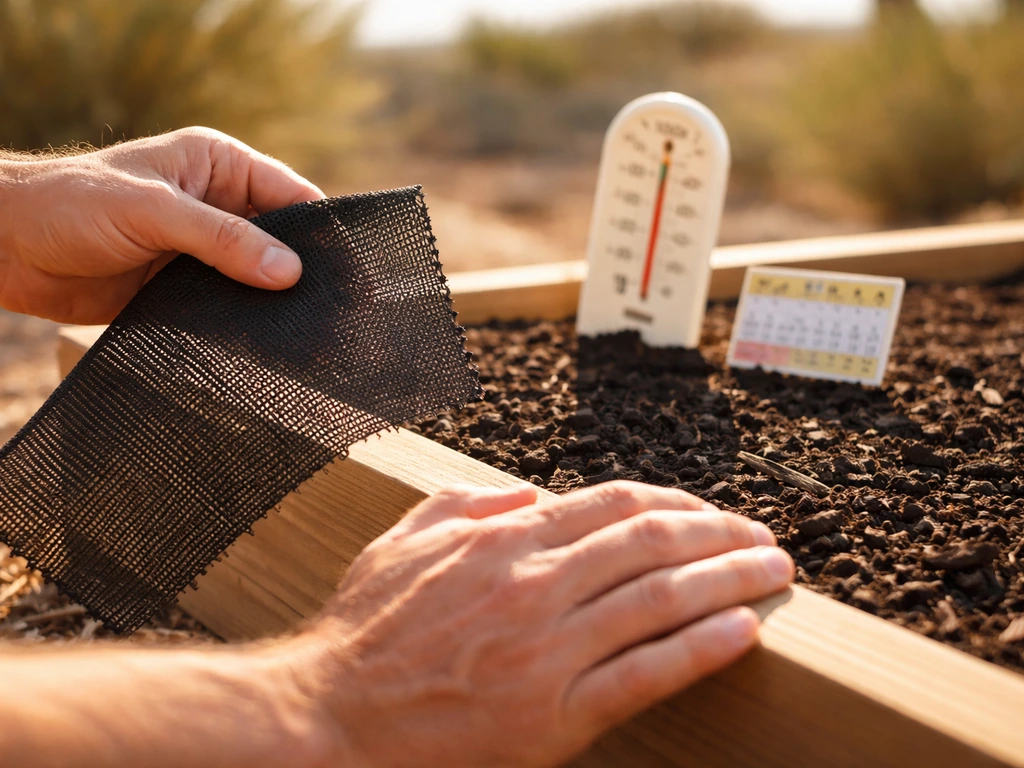
Blackberry canes are biennial, which means each cane lives for two years. In year one (the primocane), the cane grows but doesn't fruit. In year two (the floricane), it flowers, fruits, and then dies. After harvest, cut out the spent second-year canes at the base. New first-year canes will already be growing to replace them. Train canes to a trellis or fence for easier management and better air circulation. In Phoenix, watch for sunburned fruit in May and June when temperatures climb: picking fruit promptly and providing some afternoon shade cloth over the trellis during the hottest ripening weeks helps. Mites are the most common pest issue; most other diseases are minimal in the dry desert climate.
Bush berries (blueberries)
Blueberries are slow-growing shrubs that take a few years to reach full production. The main Phoenix-specific care tasks are maintaining soil acidity (test pH regularly and amend with sulfur or acidic fertilizer as needed), watering consistently without waterlogging, and protecting plants from the worst afternoon heat. They don't need aggressive pruning in early years: let the bush establish before removing much wood. Once mature, remove older, less productive canes in late winter to encourage fresh growth.
Trailing and ground-level berries (strawberries)
Strawberries are low-growing and send out runners that root into new plants. In Phoenix's cool-season window, the main care tasks are keeping soil consistently moist (not saturated), mulching lightly with straw to reduce soil temperature and splash-back, and picking fruit as soon as it ripens to prevent rot in any humid spells during the winter rainy period. Fertilize lightly through the season. As temperatures start climbing past 90°F in April and May, expect plant quality to decline quickly. Either remove plants at that point or let them go dormant and replant fresh starts in fall.
Quick planning checklist: which berry to choose and what to do next
Here's how to make a quick decision and get started without overcomplicating it. Work through this in order and you'll have a clear action plan.
- Pick your berry: Want the least hassle and most reliable production? Start with blackberries ('Rosborough', 'Womack', or 'Brison'). Want a cool-season project with faster results? Plant strawberries in October. Want a longer-term challenge with more soil work? Try rabbiteye blueberries in containers.
- Check your planting window: Blackberries go in late January through March. Strawberries go in October through November. Blueberries in containers can be set up in late summer or early fall.
- Sort out your irrigation: Install a simple drip system or at minimum soaker hoses before planting. Plan to water daily for the first few weeks, then every 1 to 2 days. Add 3 to 4 inches of mulch immediately after planting.
- Assess your site: Find a spot with morning sun and afternoon shade protection, especially for west-facing exposures. Avoid reflected heat from block walls and concrete.
- Prepare your soil or containers: For in-ground blackberries, dig in compost generously. For blueberries, skip the native soil entirely and use an acidic container mix. For strawberries, a raised bed or large container with good potting mix is the easiest start.
- Set realistic expectations: Blackberries fruit meaningfully at year three. Strawberries can produce their first winter. Blueberries take several years to hit their stride. Don't judge success by the first season.
- Plan for summer: Even your toughest plants will need extra attention in July and August. Check containers daily for moisture. Consider shade cloth over blackberry trellises during late fruit ripening in May and June.
Phoenix is genuinely one of the harder climates in the U.S. for berry growing, but it's far from impossible. The gardeners who succeed here are the ones who pick varieties bred for heat and low chill, set up reliable drip irrigation before anything else, and lean into the cool season rather than fighting the summer. Start with one crop, get your setup dialed in, and add more variety once you've seen how your specific yard and microclimate behave. The learning curve is real, but the reward of fresh blackberries or strawberries in a Phoenix garden is absolutely worth it.
FAQ
How do I know if a blackberry, raspberry, or blueberry will actually fruit in Phoenix?
In Phoenix, most “garden center” berries fail because they are sold without matching chill requirements. When you shop, look for a labeled chilling hours range and confirm it is close to Maricopa County’s typical 300 to 400 hour level, otherwise you may get leaf-out without reliable fruiting for a couple of years.
What’s the biggest mistake people make when growing blueberries in Phoenix containers?
For blueberries in Phoenix, the container medium matters as much as the plant. Use an acidic, purpose-blended mix and verify drainage, then test pH regularly (don’t guess from plant appearance). If pH creeps upward, fruit quality drops even when watering is correct.
Can I keep strawberries producing through Phoenix summer?
Yes, berries can survive, but “through summer” is the trap. Strawberries are best treated as fall-through-spring and either removed or allowed to go dormant once temperatures climb past about 90°F in April and May. Trying to keep them active into summer usually leads to poor plant recovery.
Why do my berries burn or fail right when summer hits, even though they seem established?
Pick a spot that gets morning sun but gets protection from harsh western afternoon exposure, especially near concrete or block walls that radiate extra heat. For late-season blackberry fruit, adding temporary afternoon shade cloth during May and June can reduce sunburn and improve survival of remaining fruit.
Should I plant in the ground or use containers for berries in Phoenix?
If you have caliche or compacted soil, in-ground berries may still work, but you need to amend before planting and ensure the root zone drains well. For blueberries and most other “acid-loving” berries, the practical move is containers with controlled acidic mix, because correcting native alkalinity in-ground is labor-heavy and inconsistent.
When is the best time to plant berries in Phoenix for the highest chance of success?
A berry plant can have the right variety and still underperform if the timing is off. Blackberries do best when planted late January through March so roots establish before the hottest period, while pushing planting into April or later makes heat stress more likely in the first summer.
How often should I water berry plants with drip irrigation in Phoenix?
Drip is crucial, but so is avoiding waterlogging. Water young plants daily, then transition to every 1 to 2 days once established, based on seasonal needs, and keep mulch 3 to 4 inches over the root zone to limit evaporation and soil temperature spikes.
Do blackberry canes fruit the same year they grow, and how should I prune in Phoenix?
Expect canes to follow a two-year cycle, year one grows without fruit, year two produces and then the cane dies. After the harvest, remove the spent second-year canes at the base, which keeps new first-year canes prioritized and improves airflow.
Will berries grow in partial shade in Phoenix, or do they need full sun?
Most cane and shrub berries in Phoenix need at least a few hours of direct sun, but they still need afternoon heat management. If your yard has only full afternoon sun with no shade, yields will suffer; instead, choose morning-sun locations or provide shade cloth during the hottest ripening weeks.
What container mistakes cause the most trouble for berry gardeners on Phoenix patios?
Container size drives how stable moisture and soil temperature are. Smaller pots dry out too fast on hot patios, and that inconsistency can cause stress and low fruit set. For blueberries, prioritize a large container with excellent drainage and plan to check moisture levels daily during peak heat.