
A handful of edible berries genuinely produce or persist through winter: lingonberries, American cranberries, rose hips, and fall-bearing raspberries are your most practical options. Of those, lingonberries and cranberries are the true cold-month stalwarts, staying on the plant (and often improving in flavor) well after hard frosts. Fall-bearing raspberries push fruit right up until your first killing frost, which in many zones lands them squarely in October or November. Rose hips hold on the cane from September into February in many regions. Oregon State University’s landscape plant database lists Rosa rugosa as hardy to USDA Zone 2 and notes its brick red hips as the fruit that persists through winter Rose hips hold on the cane from September into February in many regions.. The key is matching the right plant to your hardiness zone and understanding whether you want berries that ripen IN winter or berries that persist into winter after a fall harvest window.
What Berries Grow in Winter: Edible Options and How to Plant Them
What 'winter berries' actually means (and what to look for)
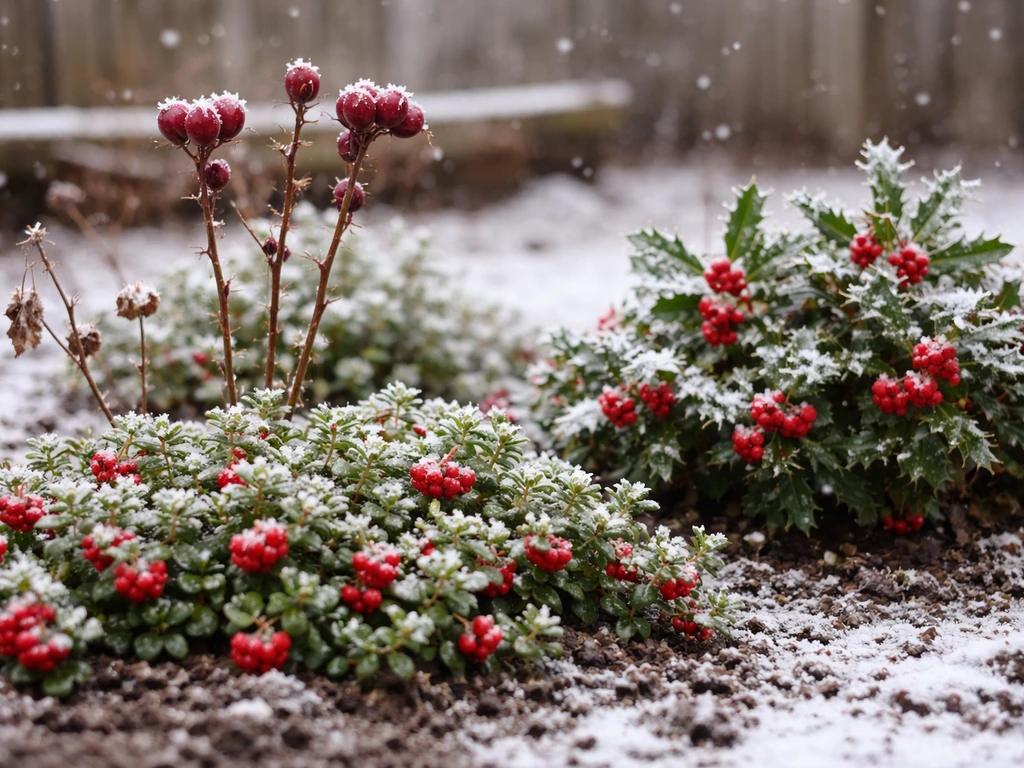
The term gets used loosely, so let's pin it down. True winter berries are fruits that either ripen during cold months or that hold on the plant through repeated frosts without rotting or losing edibility. They often taste noticeably better after a frost or two, because cold converts starches to sugars. What they are NOT is simply 'late summer berries that didn't get picked.' A serviceberry that hangs around into September is not a winter berry. An unripe cranberry sitting in a bog in January is also not something you want to eat. When you're shopping plants or planning your garden, look for three things: confirmed frost tolerance in the fruit itself (not just the plant), a ripe-fruit window that extends into or past your first frost date, and edibility confirmation, because many ornamental 'winter berries' like holly are toxic.
The best edible winter berries to actually grow
These are the varieties worth your time and garden space if winter fruit is the goal. I've grown or trialed most of these personally, and this shortlist is based on what actually delivers edible fruit in cold conditions, not just what survives the cold.
Lingonberry (Vaccinium vitis-idaea)
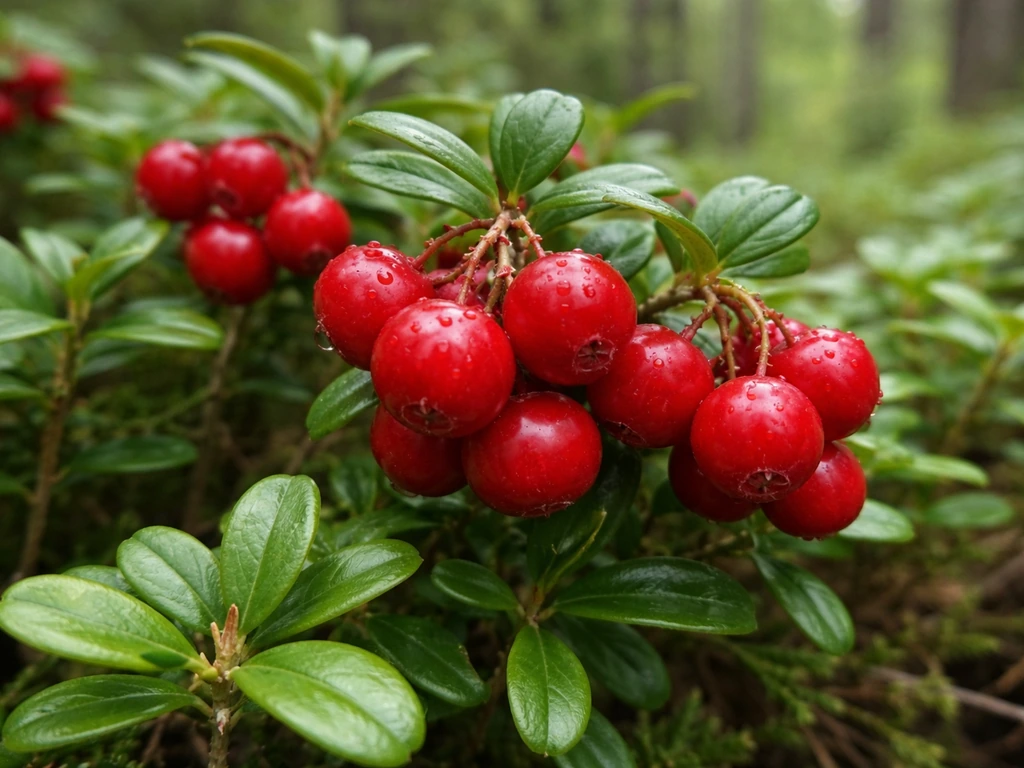
Lingonberry is probably the most underrated edible plant for cold-climate gardeners. It's hardy to Zone 2, evergreen, low-growing (usually 6 to 12 inches tall), and the fruit that doesn't get harvested in fall will persist under snow and still be good to eat when you dig it out in late winter. Wildlife relies on it as a primary winter food source for exactly this reason. Fruit ripens roughly 78 to 84 days after full bloom, so timing your bloom period matters if you're trying to nail a specific harvest window. One honest caveat: late spring frosts, early fall frosts, and years with no snow cover can all reduce your crop, so in borderline climates it can be inconsistent. But when it works, it really works.
American cranberry (Vaccinium macrocarpon)
American cranberry is hardy to Zone 2 and produces its fruit in fall, but harvested or unharvested berries hold up extraordinarily well in cold conditions. The fruit is tart and firm, and frost doesn't hurt it. In a proper bog setup, growers actually flood the beds for winter protection, which doubles as a harvest method. You don't need a commercial-scale bog to grow cranberries at home, but you do need to replicate the wet, acidic conditions they thrive in. Cranberry is a long-term investment: plants take several years to produce well, but once established they're essentially permanent.
Fall-bearing (primocane) raspberries
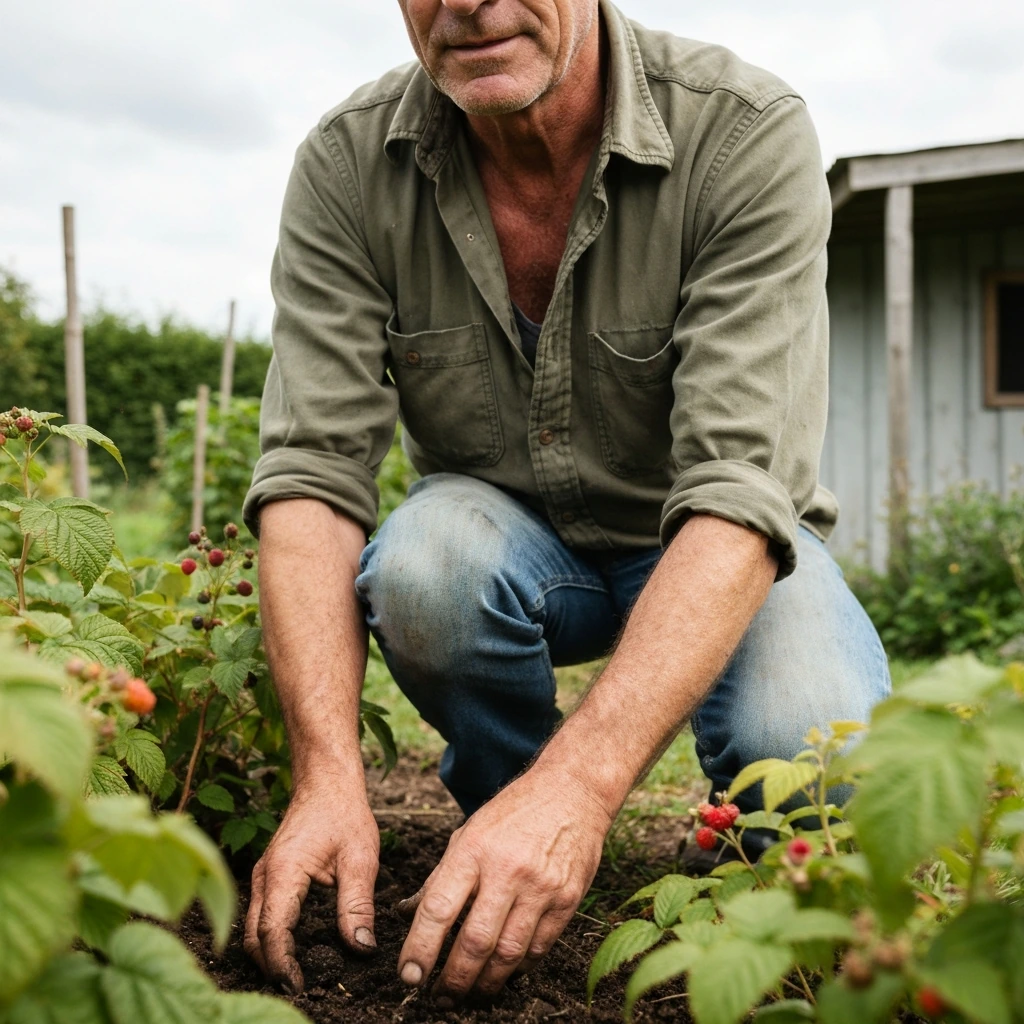
Fall-bearing raspberries don't ripen IN winter, but they fruit from early August right up until your first killing frost, which in Zones 4 through 6 often means October or November harvests. If you want 'as close to winter as possible,' these are your best bet in regions where lingonberry or cranberry aren't practical. Primocane cultivars tend to be hardier than summer-fruiting types, and if you prune for a fall-only crop (cut everything to the ground in late winter or early spring), you concentrate all the plant's energy into that late-season flush. Canes that get hit by temperatures below about -5°F won't survive, which sets a hard limit in the coldest corners of the Midwest and Northeast.
Rose hips (Rosa spp.)
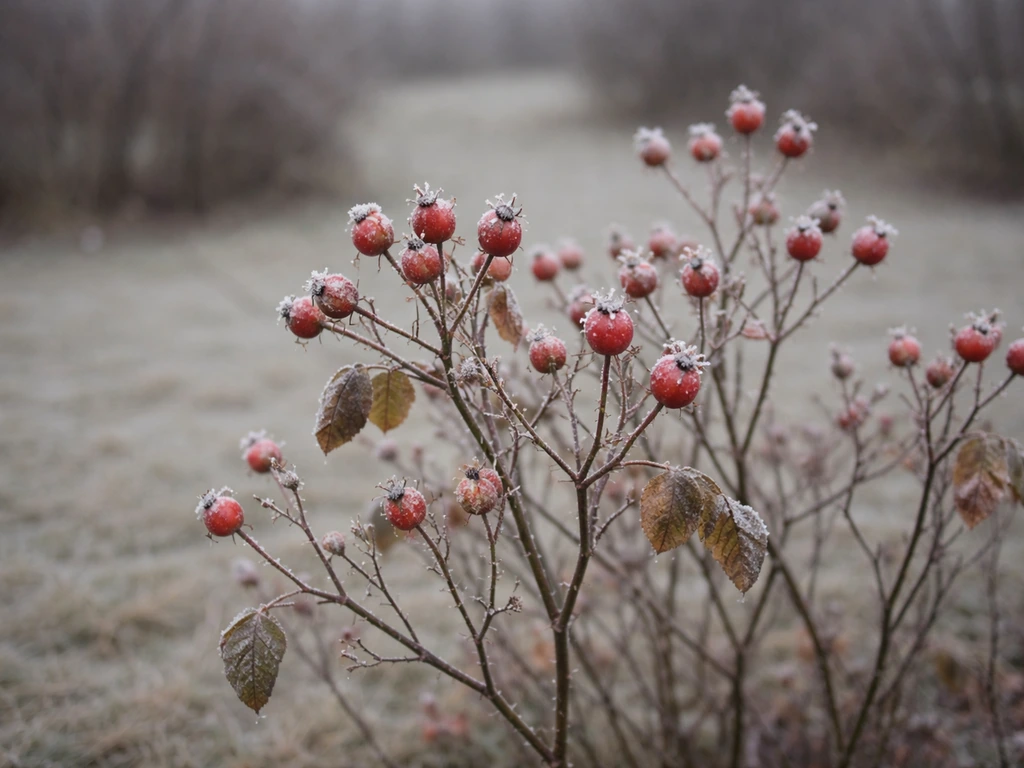
Rose hips are genuinely winter-persistent. Species roses (not hybrids) produce hips that hold on the cane from September well into February, and they're edible, high in vitamin C, and actually get sweeter after frost. The catch is that not all rose species produce usable hips in quantity: look for Rosa canina, Rosa rugosa, or similar species types rather than modern hybrid tea roses, which often produce few or no hips. Flavor and vitamin C content change with ripening and storage, so pick hips that are fully red and slightly soft rather than hard and orange.
Where these plants grow: habit, habitat, and what that means for your garden
These four berry types grow in very different ways and need very different conditions. Matching plant habit to your garden layout upfront saves a lot of frustration later.
| Plant | Growth Habit | Habitat/Site Preference | Space Needed |
|---|---|---|---|
| Lingonberry | Low groundcover shrub (6–12 in) | Well-drained, acidic woodland edge; no wet feet | 12 in apart, rows 3–4 ft wide |
| American cranberry | Trailing vine/groundcover | Bog, wet/flooded acidic sites; sandy acid soil | Beds/bogs; vines spread over time |
| Fall-bearing raspberry | Upright canes (3–5 ft) | Well-drained, loamy soil; woodland edge or open | 18–24 in apart in rows 8–10 ft apart |
| Rose (species) | Arching shrub (4–8 ft+) | Adaptable; well-drained; tolerates poor soil | 4–6 ft spacing minimum |
Lingonberry and cranberry are both in the Vaccinium family and share that need for acidic soil, but they differ sharply on drainage. Lingonberry wants a well-drained site; cranberry wants wet feet and even periodic flooding. If you try to grow cranberries in a raised, well-drained bed, you'll struggle. Conversely, lingonberry in standing water will rot. Raspberries are cane plants: they grow new canes (primocanes) each year from the crown, and management is all about controlling which canes you keep and when. Rose hips come from established shrubs that need room to spread and a couple of years before they produce hips in meaningful quantities.
Climate fit and hardiness zones: will these grow where you live?
Hardiness zone is your first filter. All four of these options cover a wide range, but some perform better in specific regions than others.
| Plant | Hardiness Zone Range | Best Regions | Struggles In |
|---|---|---|---|
| Lingonberry | Zone 2–8 | Pacific Northwest, Upper Midwest, New England, Alaska | Hot humid South, Zone 9+ |
| American cranberry | Zone 2–6 | Northeast, Great Lakes, Pacific Northwest | Dry climates without irrigation; Zone 7+ |
| Fall-bearing raspberry | Zone 3–9 (varies by cultivar) | Most of the US/Canada; very flexible | Extreme cold without snow cover below -5°F |
| Rose hips (species) | Zone 2–9 (species dependent) | Nearly everywhere; rugosa great for coast/cold | Very little; highly adaptable |
If you're gardening in the Pacific Northwest (Oregon, Washington), lingonberry is almost tailor-made for you: the mild, wet climate and naturally acidic soils suit it perfectly. If you're specifically asking what berries grow in Oregon for winter eating, lingonberry is the standout choice for the Pacific Northwest. If you're specifically wondering what berries grow in Alaska, focus on the most cold-hardy options like lingonberry and American cranberry and plan around your frost dates. Growers in Montana or Alaska will find both lingonberry and cranberry thrive, and fall-bearing raspberries do well too if you protect canes from the worst cold snaps. In Colorado's high country, fall-bearing raspberries and rose hips are more reliable than bog plants that need consistent moisture. If you want specifics for your area, check which Colorado growing zones and first-frost timing match the berry types below what berries grow in colorado. Warmer-winter gardeners in places like Phoenix face a different problem entirely: most of these plants require chilling hours that a desert winter simply won't provide, which is a whole separate challenge. If you’re wondering what berries grow in Phoenix, the big limiting factor is winter chill, so focus on varieties that can handle hot-desert winters or plan on protection and realistic expectations Phoenix, Arizona.
One thing to always check: your first frost date and last frost date, not just your zone number. Lingonberry can fail to fruit in a given year if it gets hit by a late spring frost at bloom time or an unusually early fall frost before fruit ripens. Zone tells you average winter lows; your actual frost dates tell you whether the fruiting window is long enough to ripen a crop.
Planting and care to actually get winter fruit
Soil, pH, and site prep
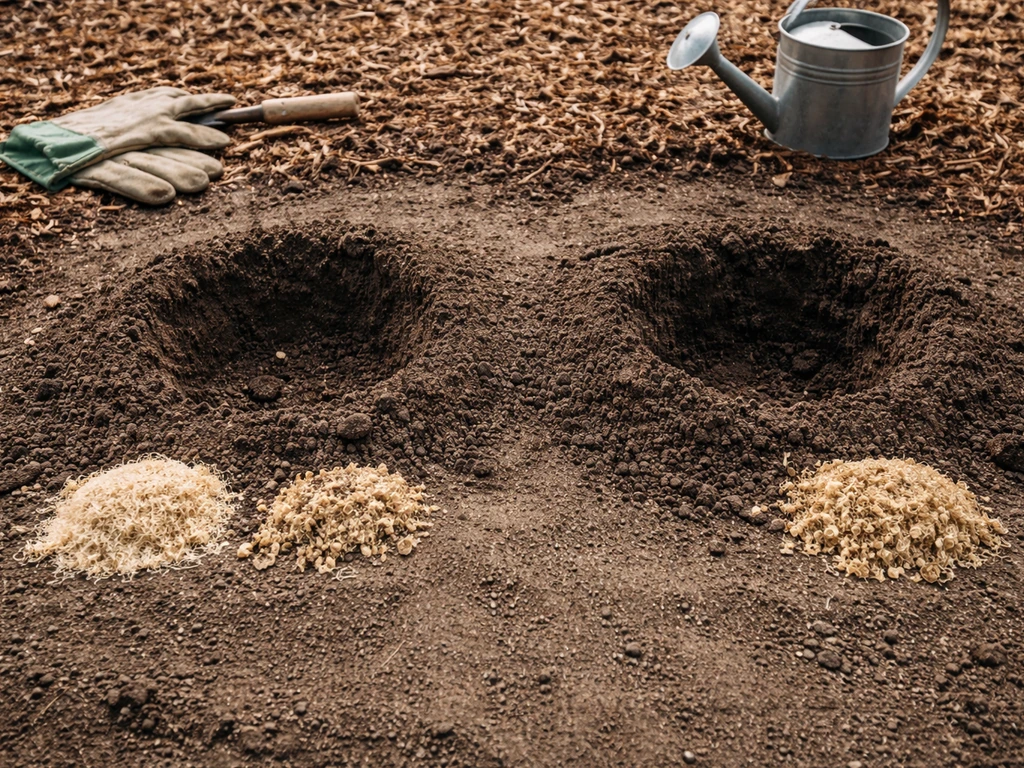
Lingonberry and cranberry both need acidic soil, but the specific ranges differ slightly. For lingonberry, target a pH of 4.3 to 5.5, with 5.0 as a sweet spot. A light, well-drained soil (sandy loam, loam, or silty loam) is ideal. For cranberry, aim for pH 4.5 to 5.5, and avoid going below 4.0, which becomes detrimental. Cranberry also needs the ability to flood or at minimum maintain consistent moisture throughout the growing season. Raspberries prefer a neutral to slightly acidic pH around 5.5 to 6.5 and loamy, well-drained soil. Species roses are the easiest of the group: they tolerate a wide pH range and even poor, rocky soils.
When to plant
Spring planting is best for most of these. Aim to get lingonberry and cranberry in the ground in early spring so roots establish through the growing season before their first winter. Raspberries follow the same logic: spring planting gives canes the full season to develop. Fall planting works too in milder zones, but in Zone 4 and colder, spring gives you more margin. Bareroot plants go in earliest; potted stock can go in a bit later but still benefits from an early start.
Spacing and sun
Lingonberry: space plants about 12 inches apart within rows, with rows 3 to 4 feet apart. Full sun to partial shade works, though more sun generally means more fruit. Cranberry vines: plant in beds and allow them to spread; they fill in over several years. Raspberries: 18 to 24 inches between plants, rows 8 to 10 feet apart, full sun preferred. Species roses: give them at least 4 to 6 feet of space and full sun for the best hip production.
Pruning for fall and winter fruit
Pruning timing is where most beginners go wrong with raspberries. For fall-only crops from primocane-fruiting varieties, cut ALL canes to the ground in late winter or early spring (March or April). This removes the floricane potential and directs all energy to a big fall flush on new primocanes. If you want to double-crop (summer and fall), remove only the spent floricanes after they die in late summer or early fall, and leave the primocanes untouched until the following March. Get this backwards and you'll accidentally remove your fruiting wood. Lingonberry needs minimal pruning; just remove dead or damaged stems in early spring. Cranberry needs little pruning in home settings. For rose hips, do NOT deadhead after midsummer: the hips form from spent flowers, so any deadheading after July cuts off your winter fruit.
Container and small-space growing for winter berries
Good news: lingonberry and fall-bearing raspberries both work reasonably well in containers. The challenge is protecting the roots in winter, because pots don't insulate the way in-ground soil does, and roots can freeze solid in containers that would survive fine if planted in the ground.
The practical rule for container growing in cold climates: choose a plant rated two hardiness zones colder than your zone. So if you're in Zone 6, use plants rated to Zone 4. Use the largest pot you can manage: bigger volume means more insulation. The most reliable overwintering method is burying the entire pot in the ground in September or early October and covering it with soil and mulch. If you can't do that, set pots on the ground (not elevated on decking where cold air circulates underneath), wrap them in bubble wrap or burlap, and pile insulating material like straw, leaves, or evergreen boughs around them. Avoid leaving containers hanging or elevated and exposed to wind in winter.
For lingonberry specifically, container growing is genuinely viable because the plants stay compact and the root system doesn't need a huge volume. Use an acidic potting mix (ericaceous mix or amended with peat) and keep pH in the 4.3 to 5.5 range. A half-barrel or large 15-gallon container works well. Cranberry in containers is trickier because of the moisture requirements, but a large, self-watering planter or a sealed container that holds consistent moisture can work on a patio or small space.
Harvest, storage, and a note on wildlife
When to pick (and when to leave it)
Lingonberries: pick when berries are fully deep red and slightly soft, typically in late summer to fall. Any that remain after your first hard frost are still edible and often sweeter. In established wild stands and home plantings alike, birds and small mammals will work through the winter supply, so don't wait too long if you want the harvest for yourself. Cranberries: commercial harvest happens in fall (October is typical), but home growers can leave berries on the vine well into winter. They hold up remarkably well in cold and wet conditions. Rose hips: pick after the first frost for best flavor. Fully ripe hips are deep red to orange-red and slightly soft to the touch. Hard, orange hips are underripe and astringent. Raspberries: pick when fully colored and they come off the cane with a gentle tug. Cold-damaged raspberries deteriorate fast, so harvest before a hard freeze if you want them at their best.
Storage after harvest
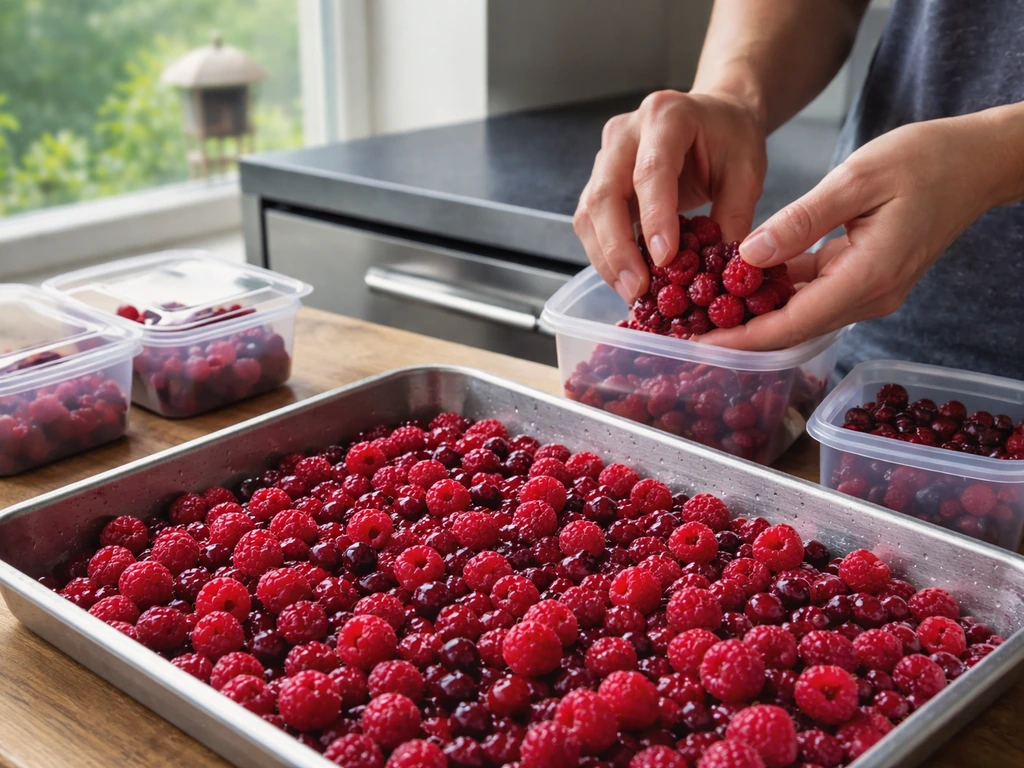
Raspberries are the most perishable: refrigerate immediately and use within 2 to 3 days, or freeze them the same day you pick. Spread them in a single layer on a baking sheet to freeze individually, then transfer to bags. Cranberries store well in the refrigerator for several weeks and freeze beautifully for months. Label frozen bags with the date. Rose hips can be refrigerated for a week or two, or dried for long-term storage. Remove seeds before eating or cooking, as the inner seed fibers can be irritating. Lingonberries freeze and store similarly to cranberries.
What's safe to eat and what to leave for wildlife
All four plants in this guide produce edible fruit for humans. The main thing to watch for is confusing them with ornamental look-alikes: holly berries (toxic, red, and similar to some wild berries), bittersweet nightshade (also red, toxic), and certain viburnum berries. If you're foraging rather than growing your own, make a positive ID before eating anything. If you have enough in your planting, deliberately leaving some unpicked is genuinely valuable for overwintering birds and small mammals, especially in regions where lingonberry and cranberry form part of the natural understory food web. Wildlife persistence of these berries under snow is well documented, and leaving 10 to 20 percent of your crop on the plant costs you little and supports local wildlife through the leanest months.
FAQ
Are there any truly edible berries you can forage in winter, or is it too risky?
Not usually. Most “winter berry” plants sold for landscaping (like holly) have toxic or irritating berries. If you mean edible winter fruit specifically, stick to the four types in the guide, and confirm the plant is actually one of them (species or cultivar matter). When shopping, don’t rely on a nickname like “winterberry” because it can refer to ornamental shrubs rather than edible fruit.
If winter berries look frost-damaged or a bit shriveled, are they still safe to eat?
Yes, but the fruit may be edible even if it looks less appetizing. Lingonberries, American cranberries, and rose hips can remain on the plant through repeated frosts and still be safe, but you should discard berries that show mold, a rotten odor, or mushy collapse. If the berries are covered in bird droppings, rinse well before eating.
How soon after planting will winter-persistent berries actually start producing?
Lingonberry and rose hips rely on established plants, so year one fruit can be light. Cranberries also take several years to become reliably productive, even though the fruit can hold into winter. To estimate your harvest, plan on planting this spring and treating the first season as a setup year, then expect stronger winter persistence in the second to fourth year for bog and shrub types.
Do fall-bearing raspberries really ripen in winter, or do they just last longer?
Winter persistence is different from winter ripening. In most cold climates, fall-bearing raspberries ripen by your first killing frost, so you are harvesting in late fall, not eating freshly ripened berries all the way through January. If your goal is fruit you can pick after hard frosts, prioritize lingonberry and American cranberry, then use raspberries for “as close to winter as possible.”
What happens if my first killing frost is earlier than expected?
Use frost dates, because weather variation can break the “average zone” assumption. If your first killing frost arrives before raspberries complete their ripening, you may get a much smaller crop. Similarly, late spring frosts can hit lingonberry and cranberry at or near bloom time, reducing fruit set even if winter survival is fine.
Can I just pick the most cold-hardy berry variety and ignore timing and soil?
For winter persistence, focus on fruit hardiness and harvest timing. Lingonberry is hardy enough for deep cold, but it can still be inconsistent if early frosts hit before enough fruit ripens, or if you have prolonged warm spells that disrupt dormancy. Cranberry is sturdier in cold fruit holding, but you must maintain acidic, wet conditions, because drainage problems usually cause the plant to fail long before winter.
Why do container-grown berries often die even when the plants are rated hardy for my zone?
Containers often fail because roots freeze solid or moisture management swings too far. The guide’s approach, planting two zones colder on the label and burying the pot in ground for winter insulation, is specifically to prevent root freeze-thaw injury. If you can’t bury the pot, keep it on the ground (not elevated), insulate fully, and avoid gaps that let wind penetrate the pot sides.
When should I harvest each winter berry for best flavor and texture?
Yes, and it affects taste and storage. For rose hips, fully red and slightly soft hips are the target, hard orange hips are underripe and can be more astringent. For lingonberry, berries that remain after the first hard frost are often sweeter than early picks. For raspberries, harvesting before they are repeatedly hit by hard freezes can prevent rapid deterioration.
What is the most common pruning mistake with fall-bearing raspberries, and how do I avoid it?
Yes. If you prune primocane-fruiting raspberries incorrectly, you can remove the fruiting wood and end up with less fall harvest. The safe decision rule is: if you want one fall crop, cut all canes to the ground in late winter or early spring. If you want both summer and fall, only remove dead floricanes after they finish in late summer or early fall, and leave primocanes alone until the next spring.
How can I reduce the risk of confusing edible winter berries with toxic look-alikes?
Wild-looking berries can be similar, and the danger is real. Do not eat any berry from the “look-alike” category unless you are absolutely certain of identity, especially if foraging with kids or mixing with other food. When growing, label plantings and keep ornamental shrubs separated so you do not accidentally harvest toxic look-alikes.