
Alaska supports a surprisingly rich lineup of berries, both wild and cultivated. The most reliable options for home gardeners are haskaps (honeyberries), blueberries (especially native lowbush and Alaska blueberry species), lingonberries, currants, strawberries, nagoonberries, and cloudberries. Each one has a slightly different site preference, but all of them can handle Alaska's cold winters and short growing season if you match them to the right spot and soil.
What Berries Grow in Alaska Best Options to Plant
Marcus Holloway
19 May 2026
The top berries that actually grow well in Alaska
If you want a shortlist to start from, these are the berries that consistently perform for Alaska gardeners across the state's varied regions, from Southeast to Southcentral to the Interior.
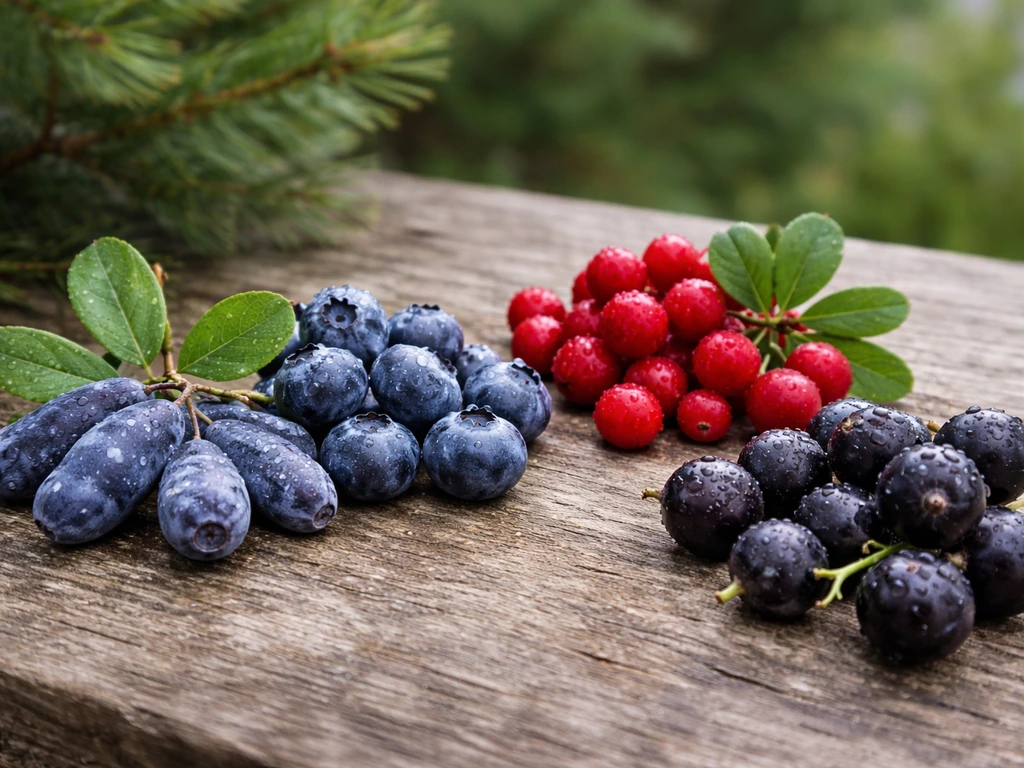
- Haskaps / honeyberries (Lonicera caerulea) — arguably the single most Alaska-friendly cultivated berry; extremely cold-hardy and early ripening
- Blueberries — native Alaska blueberry (Vaccinium alaskaense) and lowbush types are naturally adapted; highbush varieties need more care but can work in warmer coastal zones
- Lingonberries (Vaccinium vitis-idaea) — tough, evergreen, acid-loving, and perfect for partially shaded spots
- Currants (Ribes species) — red and black types grow vigorously in Alaska, including bristly black currant (Ribes lacustre) native to the region
- Strawberries — short-season and annual production systems work well; day-neutral varieties are worth trying
- Nagoonberries / Arctic raspberries (Rubus arcticus) — a true Alaska native, low-growing and sweet, great as a groundcover berry
- Cloudberries (Rubus chamaemorus) — bog specialist with delicate orange fruit; grows wild across much of Alaska
If you're in the Interior around Fairbanks, haskaps and native blueberries are your safest bets. Southcentral growers near Anchorage have more flexibility and can push toward strawberries and even some highbush blueberry varieties. Southeast Alaska's milder, wetter climate opens the door a bit further toward highbush blueberries and lingonberries.
Match each berry to Alaska's sun, soil, and moisture
Alaska soils vary a lot, but one consistent theme is acidity. UAF Cooperative Extension notes that Southcentral Alaska soils are naturally below pH 7, and pH values as low as 4 are not uncommon in some areas. That's actually great news for blueberries and lingonberries, which want soil in the pH 4.0 to 5.2 range. For most other berries, a slightly acidic pH around 6.0 to 6.5 is fine. If you're unsure of your soil's pH, a basic test from a garden center is worth doing before you plant.
| Berry | Sun Needs | Soil Moisture | Ideal Soil pH | Natural Habitat |
|---|---|---|---|---|
| Haskap / honeyberry | Full sun to partial shade | Moist, well-drained | 5.5–7.0 | Open woodland, garden beds |
| Alaska / lowbush blueberry | Full sun to partial shade | Moist, well-drained, peaty | 4.0–5.0 | Forest edges, heathlands |
| Lingonberry | Full sun to partial shade | Light, well-drained (sandy loam, silty loam) | 4.5–5.5 | Forest floors, peat substrates |
| Currant (red/black) | Full sun to partial shade | Rich, moist, well-drained | 5.5–7.0 | Woodland edges, cool moist slopes |
| Strawberry | Full sun | Moist, well-drained | 5.5–6.5 | Garden beds, slopes |
| Nagoonberry | Partial shade to full sun | Moist to moderately wet | 5.0–6.5 | Meadows, open slopes, roadsides |
| Cloudberry | Full sun to partial shade | Wet, boggy, peaty | 3.5–5.0 | Bogs, tundra, wet meadows |
The single biggest site-selection mistake Alaska gardeners make is putting bog-loving berries like cloudberry in a raised, well-drained bed, or trying to grow blueberries in neutral or alkaline soil. Cloudberry genuinely needs wet, peat-rich, boggy conditions, if you have a low wet corner of your yard, that's the place for it. Lingonberry is the opposite: it wants light, well-drained soil and does poorly sitting in standing water, even though it's happy in acidic conditions.
How each berry grows: bushes, vines, and creeping plants
Understanding the growth habit of each berry changes how you plan your space entirely. Here's a quick breakdown before you start digging.
Upright shrubs and bushes
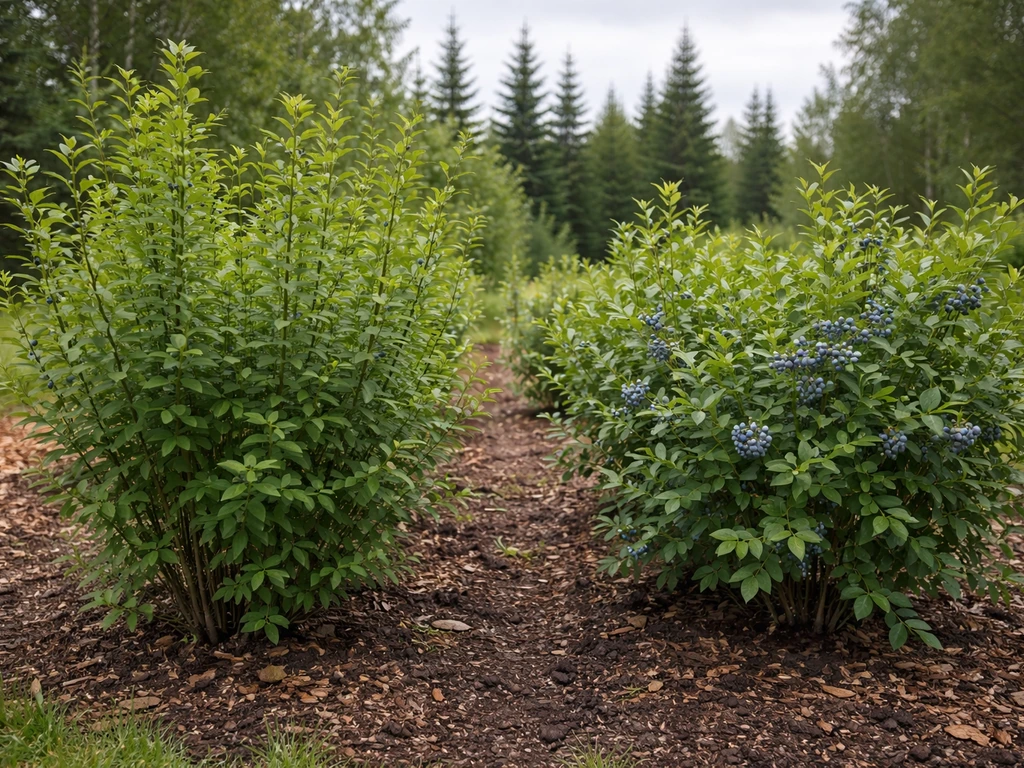
Haskaps are upright, deciduous shrubs that can reach up to 6 feet tall and wide depending on the variety, though compact cultivars exist. Blueberries range from low-growing native species that stay under knee height to highbush types that can reach 5 to 6 feet. Currants are vigorous shrubs, typically 3 to 5 feet tall, and they fill out quickly. These all work well in traditional garden beds, but you'll want to plan for their mature spread when spacing them.
Low, spreading, and groundcover types
Nagoonberry grows close to the ground on erect stems that arise from spreading underground rootstock. It behaves like a groundcover, creeping outward over time while sending up stems to about 6 to 10 inches. It's an excellent choice if you want something that fills in a bed or borders a path. Lingonberry is similarly low and compact, staying under about a foot tall, with small evergreen leaves that look tidy year-round. Lowbush blueberry is another low spreader, often under 18 inches, and spreads by rhizomes in a way that can gradually colonize an area.
Bog and creeping specialists
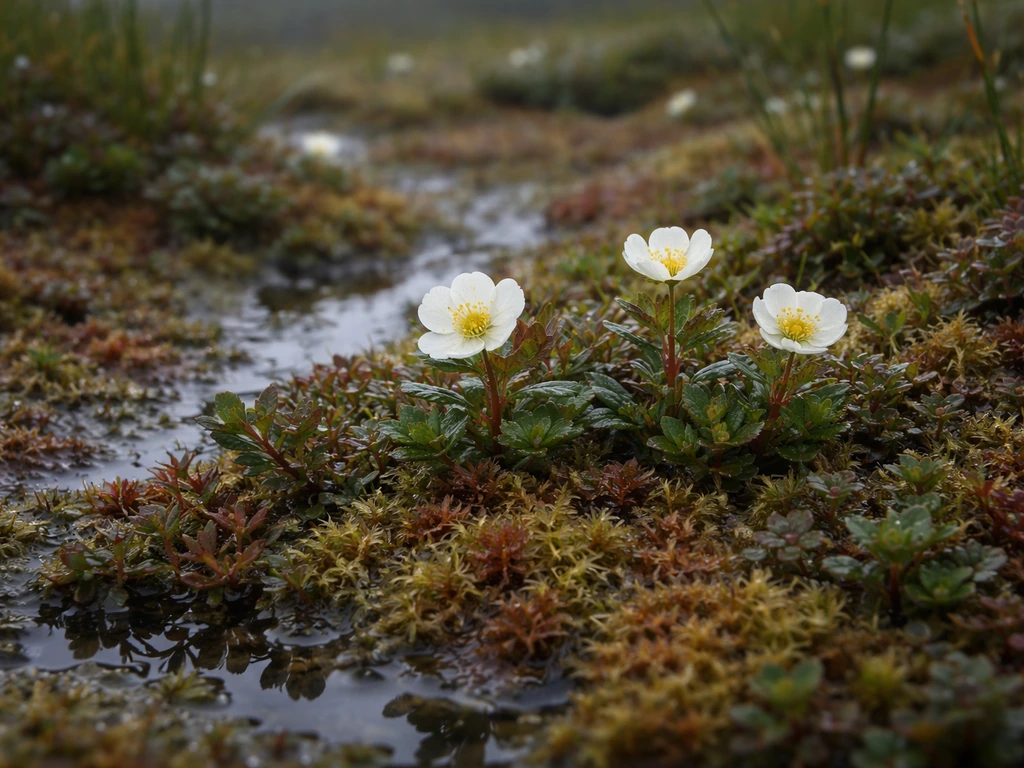
Cloudberry is a low, creeping perennial that grows naturally across Alaska's bogs and tundra. It doesn't form a traditional bush. Instead it produces single white flowers on individual stems that rise from the mat, each developing into one orange-red fruit. The fruit is delicate and must be picked by hand carefully. This is one of the most rewarding berries to grow if you have the right wet conditions, but it's the least suitable for a standard garden bed.
Strawberries: technically a groundcover runner
Strawberries spread by runners rather than underground rhizomes, forming a low mat. In Alaska they're often grown as an annual or short-rotation crop because the long, dark winters can reduce plant survival in exposed beds. They don't climb or form a bush, so they work well in rows, raised beds, or containers.
Making the most of Alaska's short growing season
Alaska's growing season in the Interior runs roughly from late May to early September, about 90 to 100 frost-free days in many areas. Southcentral gets a bit more, Southeast more still. The key is not to fight this; instead, choose early-ripening cultivars and use soil-warming techniques to extend the usable season at both ends. If you're also curious about what berries grow in Colorado, you can use the same matching logic for sun and soil, just with Colorado's climate in mind.
- Plant as soon as the soil can be worked in spring, usually late May in the Interior and early to mid-May in Southcentral.
- Use clear plastic mulch on the soil surface before planting to warm the ground; UAF recommends this specifically for Alaska to improve crop success.
- Cover raised beds with clear greenhouse-grade plastic on hoops to create a mini-greenhouse effect and push soil temperatures higher early in the season.
- Choose the earliest-ripening varieties available — for haskaps, look for early or midseason cultivars on UAF's recommended variety list for Interior Alaska.
- Space plants correctly from the start so you don't have to transplant them later. For blueberries, about 4 feet between plants in a row works well. Haskap shrubs that can reach 6 feet wide need at least 5 to 6 feet between them. Currants work well at about 3 to 4 feet apart.
- For strawberries, plant through slits in black or clear plastic mulch laid over the bed to warm soil and suppress weeds simultaneously.
One thing I've found consistently useful in short-season climates is prioritizing perennials like haskaps and lingonberries, which establish once and then produce year after year without the replanting overhead. Strawberries reward effort but require more annual management in Alaska's climate.
Varieties worth looking for and how to choose the right one
Not all cultivars within a species behave the same way in Alaska. Here's how to narrow your choices.
Haskaps: you need two different varieties
This is the most important thing to know about haskaps: they require a pollinizer of a different variety to produce fruit. Planting two of the same variety gets you nothing. UAF's haskap variety sheet (HGA-00030) lists cultivar pairings and notes attributes like fruit size and relative hardiness. Look for Alaska-developed varieties from local sources like Alaska Berry Farm, which has bred cultivars specifically suited to Interior Alaska conditions. Some varieties stay compact, others reach that 6-foot size, so check the label.
Blueberries: native species vs. cultivated highbush
For most of Alaska, starting with native or near-native species (blank" rel="noopener noreferrer">Vaccinium alaskaense, lowbush types) is the path of least resistance. They're already adapted to Alaska soils and cold. Cultivated highbush blueberries can work in Southcentral and Southeast Alaska, but they're slower to establish and need more soil preparation. If you go the highbush route, choose northern highbush cultivars specifically and amend soil to pH 4. UMaine’s soil guidance for growing highbush blueberries recommends targeting a soil pH range of about 4.5 to 5.2 blank" rel="noopener noreferrer">amend soil to pH 4. 5 to 5.2 with peat moss or sulfur before planting. Mulch with pine bark or wood chips after planting to keep shallow roots moist.
Currants: low-maintenance and versatile
Both red and black currants are worth growing. Black currants tend to be more vigorous and productive. Native bristly black currant (Ribes lacustre) is already present in Alaska's ecosystems and adapts easily. For cultivated varieties, choose ones labeled for USDA zones 3 or lower to ensure winter hardiness. Currants tolerate partial shade better than most fruiting plants, which makes them useful in spots that don't get full sun all day.
Strawberries: day-neutral for short seasons
Day-neutral varieties are the best fit for Alaska because they produce fruit based on temperature rather than day length, which means they can fruit during Alaska's unusual long-day summers without getting confused. Look for plants available from local greenhouses and nurseries in spring, as UAF recommends sourcing spring plants rather than trying to overwinter crowns in exposed beds.
Container and raised-bed options for Alaska gardeners
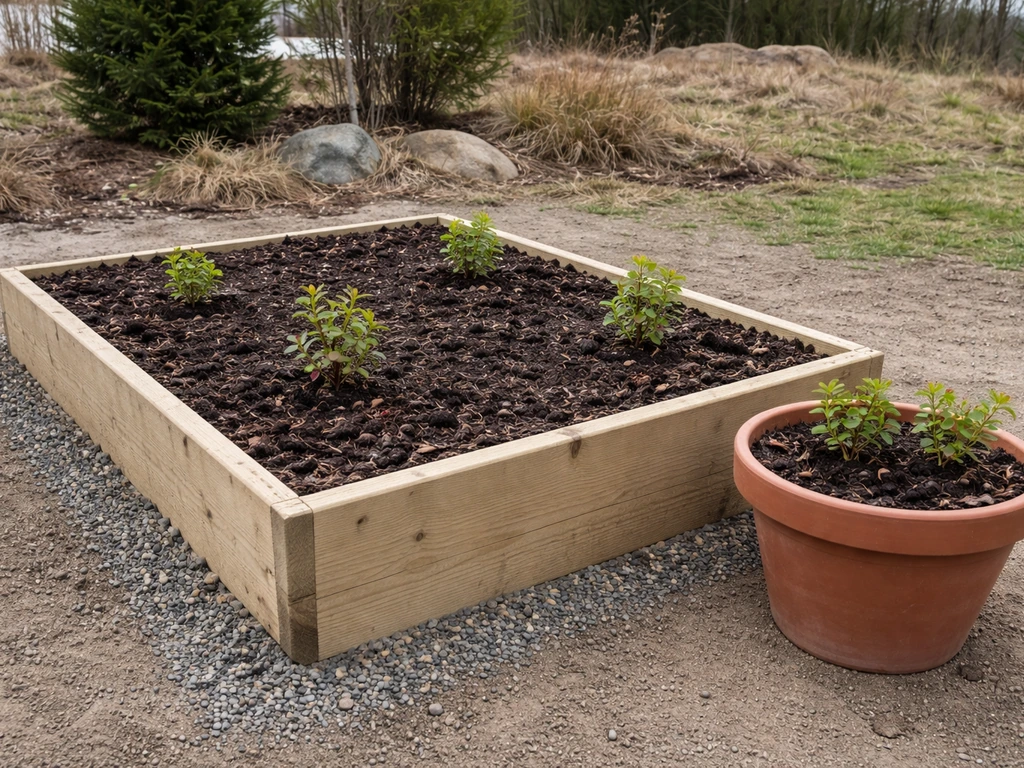
Raised beds are genuinely one of the best tools an Alaska gardener has. UAF is direct about this: raised beds help overcome wet, cold, and poorly drained soils, all three of which are common Alaska problems. They warm up faster in spring and give you control over your soil mix in a way that ground planting doesn't.
For blueberries and lingonberries, fill raised beds with a mix heavily amended with peat moss to bring pH down into the 4.5 to 5.0 range. These berries have shallow roots, so even a 10 to 12-inch-deep raised bed can work. Currants and haskaps have deeper root systems and do better in deeper beds or in-ground planting with good drainage built in.
Containers work well for strawberries and lingonberries in particular. If you use containers, winter storage is critical. UAF recommends either sinking containers into the ground over winter to buffer them from temperature swings, or moving them into an unheated garage or shed. A container sitting above ground in an Alaska winter will freeze solid and often kill the roots, even for cold-hardy species. Nagoonberry can also work in a large container or shallow wide planter since it spreads horizontally.
The raised-bed hooping technique UAF describes, covering the bed with clear greenhouse-grade plastic supported by hoops, is especially useful for strawberries early and late in the season. It creates a few extra degrees of warmth and protects against late spring frosts, which can wipe out strawberry flowers right before they set fruit.
Care essentials: watering, mulching, and getting through winter
Watering
Most Alaska berries prefer consistently moist but not waterlogged soil. Rainfall in many parts of Alaska helps, but raised beds dry out faster than in-ground planting, so plan to water regularly if you go that route. Bog plants like cloudberry are the exception, they want persistent moisture and can handle wet feet that would rot most other berries.
Mulching
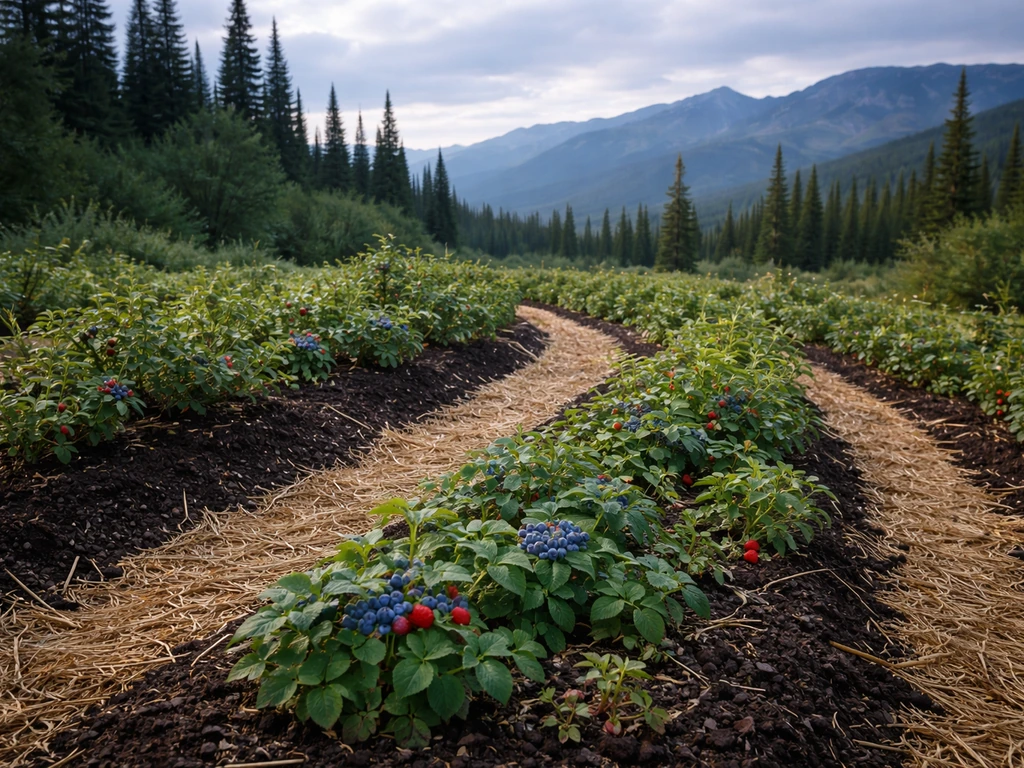
Mulch serves double duty in Alaska: it retains moisture during the growing season and insulates roots going into winter. For acid-loving berries like blueberries, pine bark or wood chips are good choices. For lingonberry and nagoonberry, a layer of pine needles or shredded leaves works well. Apply 2 to 4 inches after planting and replenish each fall. For strawberries, straw mulch applied over the crowns before freeze-up is a simple way to improve overwintering survival, though UAF notes that in-ground planting (rather than raised beds) also improves strawberry overwintering in Alaska.
Frost and winter protection
Haskaps, native blueberries, lingonberries, nagoonberry, and cloudberry are all genuinely cold-hardy and don't need special winter protection once established in the ground. Currants are similarly tough. The plants that need more attention are strawberries (especially in the first winter), container-grown plants of any species, and cultivated highbush blueberries. For containers, either sink them into the ground or move them to a sheltered, unheated structure before freeze-up. For strawberries in raised beds, straw mulch over the crowns in fall and row cover in spring when late frosts threaten flowers are the two most effective interventions.
One thing worth mentioning for anyone coming from other berry-growing regions: Alaska's conditions are more similar to what you'd encounter growing berries in Montana or interior Canada than to the Pacific Northwest or Oregon. In Phoenix, Arizona, look for heat-tolerant berry options and check local varieties that can handle desert winters and hot summers what berries grow in Phoenix Arizona. Montana gardeners can choose hardy berries that match their local growing season and soil growing berries in Montana.
If you've looked at growing guidance for similar northern states, much of it carries over, but Alaska-specific resources from UAF Cooperative Extension are really the gold standard for local variety selection and timing. If you are comparing to Colorado, look for local extension guidance that matches Colorado's climate and hardiness zones Alaska-specific resources from UAF Cooperative Extension. The short season and extreme cold require Alaska-vetted cultivar choices, not just general cold-climate guidance. If you’re also wondering what berries grow in Montana, look for species and cultivars with similar cold hardiness and short-season performance, then match them to your site’s sun and soil.
Your practical next steps
- Test your soil pH before planting anything — especially if you want blueberries or lingonberries, which need genuinely acidic conditions.
- Start with haskaps if you want the easiest, most reliable harvest in Alaska. Order two different compatible varieties and check UAF's haskap variety sheet (HGA-00030) for pairing guidance.
- For a wet or boggy corner of the yard, plant nagoonberry or cloudberry and let them do what they naturally do.
- Build or source a raised bed if your soil is heavy, wet, or cold — it will improve results for almost every berry on this list except cloudberry.
- Source plants locally from Alaska nurseries or greenhouses in late May when they become available; UAF notes spring plants are the practical starting point for Alaska strawberries and many other berries.
- Apply clear plastic mulch or hoop covers early in the season to warm soil and extend your effective growing window.
- Mulch all new plantings after putting them in the ground and plan your winter protection strategy (especially for containers and strawberries) before freeze-up in September.
FAQ
What berries grow in Alaska even if my yard is mostly low sun (partial shade)?
Currants tolerate partial shade better than most fruiting plants, so they are a common “shade option.” Lingonberry can also do well in part shade as long as drainage is good. For blueberries, plan on more sun for best yields because shallow-rooted types still need enough light to ripen fruit before the season ends.
Can I grow cloudberry in an ordinary raised bed if I keep it wet?
Usually not. Cloudberry needs persistently wet, peat-rich bog conditions, and ordinary raised-bed soil (even if frequently watered) typically does not stay peat-like or cool enough. The practical alternative is to treat it like a bog transplant, using a bog-style container or a dedicated wet corner that you can amend heavily with peat and keep saturated.
Do I really need two haskap varieties to get fruit? What if I only have space for one bush?
Yes, fruit set requires a different variety as a pollinizer, planting two of the same cultivar will not produce fruit reliably. If space is limited, choose compact cultivars and put them within pollination range. Another workaround is to plant one compact variety now and add the required second variety the next season.
What soil pH test should I use in Alaska, and when should I test?
Use a basic soil pH test before planting so you can amend correctly, especially for blueberries and lingonberries that target strongly acidic conditions. Test in the same season you plan to plant, ideally after snowmelt and before major amendments, so your result reflects the soil you will actually grow in.
How deep do my planting beds need to be for different Alaska berries?
Low shrubs and spreaders like lingonberry, lowbush blueberry, and strawberries can work with shallower depths because their roots are relatively close to the surface. Deeper-rooted shrubs like currants and haskaps generally do better with more soil volume, so a deeper bed or in-ground planting with good drainage is safer for long-term establishment.
Will containers work for blueberries and lingonberries in Alaska, or will they fail in winter?
They can work, but winter handling is the limiting factor. Containers that sit above ground often freeze solid and can kill roots, even for hardy plants. The better approach is to sink the pot into the ground for winter, or move it to an unheated shed or garage before freeze-up, then keep the soil from drying out completely during thaws.
Which berry is best if I want low maintenance after it establishes?
Perennial options like haskaps and lingonberries tend to be the “set it and maintain it” choices, since they establish and produce year after year with less replanting. Strawberries can be productive, but they usually require more annual management in Alaska’s conditions, especially in exposed beds.
Do day-neutral strawberries always perform better in Alaska than other types?
They are usually the best fit because they respond to temperature rather than day length, which matches Alaska’s long summer days. Still, success depends on protecting flowers from late frosts in early and late season, using row cover in spring when needed and winterizing crowns well.
Is pine bark mulch always the right mulch for acid-loving berries like blueberries?
It’s a strong choice for blueberries and similar acid-loving berries, since it helps retain moisture and supports the soil conditions they prefer. For lingonberry and nagoonberry, pine needles or shredded leaves are often more appropriate, and you should replenish mulch each fall because it breaks down over the season.
When should I plant berries in Alaska, especially for the first season?
In most areas, spring is the safest time to establish, because plants can root up before the short growing season ends. If you try to overwinter certain starts outdoors, survival can drop, so sourcing spring plants is often recommended for more reliable establishment.
What’s the most common reason blueberries fail in Alaska gardens?
Soil mismatch is the big one, especially planting in neutral or higher pH ground. Raised beds can help because you can control the mix and bring pH into the target acidic range for blueberries and lingonberries, typically in the mid 4s to low 5s depending on the berry.