
Montana is genuinely one of the better places in the northern Rockies to grow berries, as long as you pick the right ones for your corner of the state. Raspberries, strawberries, currants, gooseberries, serviceberries (Saskatoon), and haskap all thrive here and are reliably cold-hardy into zone 3. Blueberries are possible but require serious soil prep. Wild huckleberries, chokecherries, and buffaloberries grow naturally across the state. The key is matching your berry to your region, your soil, and your frost window, which varies more dramatically across Montana than most people expect.
What Berries Grow in Montana: Best Varieties by Region
Marcus Holloway
7 May 2026
Montana berry growing basics: climate, seasons, and soil
Montana's climate is the defining factor in every berry decision you make. The state spans USDA zones 3 through 5, with most home gardens sitting in zones 3 and 4. The USDA Plant Hardiness Zone Map site describes the official hardiness zones and explains how to use them when selecting plants [The state spans USDA zones 3 through 5](https://planthardiness. ars.
usda. gov/). That means cold winters are a given, springs arrive late, and summers are short but intense. Frost dates vary a lot by city: Billings gets its last spring frost around May 10 and first fall frost around October 1, giving it one of the longer growing seasons in the state.
Bozeman is much tighter, with a last spring frost around June 3 and first fall frost around September 16. Great Falls and Helena sit in the middle, with last spring frosts around May 11 and May 15 respectively, and first fall frosts around September 25. If you garden in the mountains or at elevation, assume the Bozeman window or shorter.
Montana soils tend to run neutral to slightly alkaline, which works well for most berries but creates real problems for blueberries and can cause iron deficiency in raspberries and strawberries if pH climbs above 7.5 to 8. Getting a soil test before you plant is genuinely worth it here. MSU Extension's MontGuides are the best local resource for interpreting those results, and they use Olsen P testing, which is calibrated for Montana's calcium-carbonate-rich soils. The general growing season is short enough that you want berries that ripen quickly and reliably, not ones that need 100+ warm days to produce.
Best berries by Montana region: plains, mountains, north, central, and south
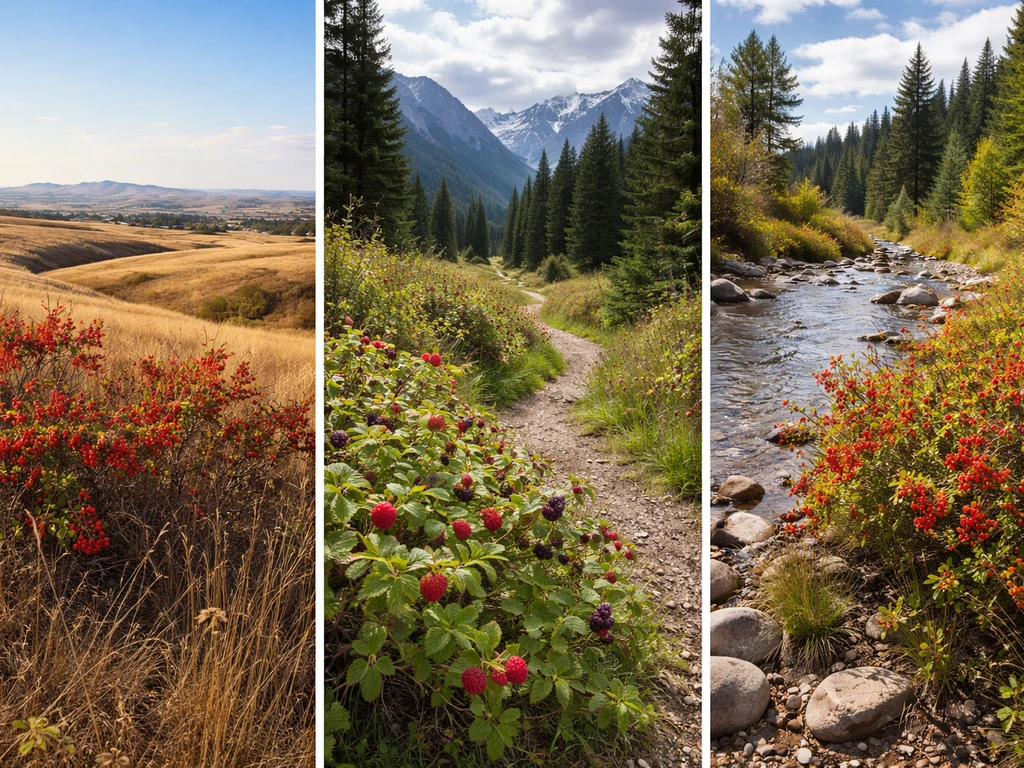
Not every berry is equally happy across the entire state. The eastern plains around Billings and Miles City have longer seasons, hotter summers, more alkaline soils, and strong winds. The mountain valleys (Bozeman, Missoula, Kalispell) have shorter seasons, more moisture, and soils that trend closer to neutral. Northern Montana near Great Falls and Havre has cold winters but decent summers. Here's a practical breakdown of what does well where.
| Berry | Eastern Plains | Mountain Valleys | Northwestern MT | Northern Plains |
|---|---|---|---|---|
| Raspberry | Good (windbreak needed) | Excellent | Excellent | Good |
| Strawberry | Good (watch alkalinity) | Good | Good | Good |
| Currant / Gooseberry | Fair (needs shade/moisture) | Excellent | Excellent | Good |
| Haskap (Honeyberry) | Good | Excellent | Excellent | Excellent |
| Serviceberry (Saskatoon) | Good | Excellent | Excellent | Good |
| Blueberry | Difficult (soil work needed) | Possible (raised beds) | Best chance | Difficult |
| Wild Huckleberry | Rare | Excellent (native) | Excellent (native) | Fair |
| Chokecherry | Very Good (native) | Very Good (native) | Very Good (native) | Very Good (native) |
If you're in a mountain valley with a short frost window, haskap is your best friend. It's one of the earliest-ripening berries in North America, ready in late June to mid-July, well before the first frost threatens. On the eastern plains, raspberries and strawberries are workhorses, but plan for a windbreak and watch soil pH. If you've been curious how Montana compares to neighboring states, Colorado growers face very similar short-season and altitude challenges, while Oregon and the Pacific Northwest have longer, wetter seasons that suit a broader range of berries.
Wild vs. cultivated berries: what you'll actually find here
Montana has a rich tradition of wild berry foraging, and several species grow so abundantly that locals barely think of them as 'crops.' Wild huckleberries (Vaccinium membranaceum) are the most iconic and nearly impossible to domesticate in a garden setting. They need specific forest soil conditions with a lot of organic duff, specific fungal relationships in the soil, and cool mountain air. You can forage them, but growing them in a backyard garden almost never works well. Chokecherries are everywhere in Montana and make excellent jelly. Buffaloberries grow on the plains and tolerate drought and alkaline soils better than almost anything else. Wild strawberries appear in meadows and forest edges.
On the cultivated side, serviceberries (Saskatoon) bridge the gap between wild and garden-friendly. Named varieties like 'Regent' and 'Standing Ovation' are selected for larger fruit and better yields than wild plants, and they'll grow in most Montana sites. Haskap, though not native to Montana, is perfectly adapted to cold zone 3 winters and short seasons. Currants and gooseberries exist in both wild (native) and named cultivated forms, and the cultivated types produce significantly more fruit. For most home gardeners, the cultivated forms of raspberries, strawberries, currants, gooseberries, and serviceberries are where you'll get the most reliable, productive results.
How to grow each berry type in Montana
Raspberries and other cane berries
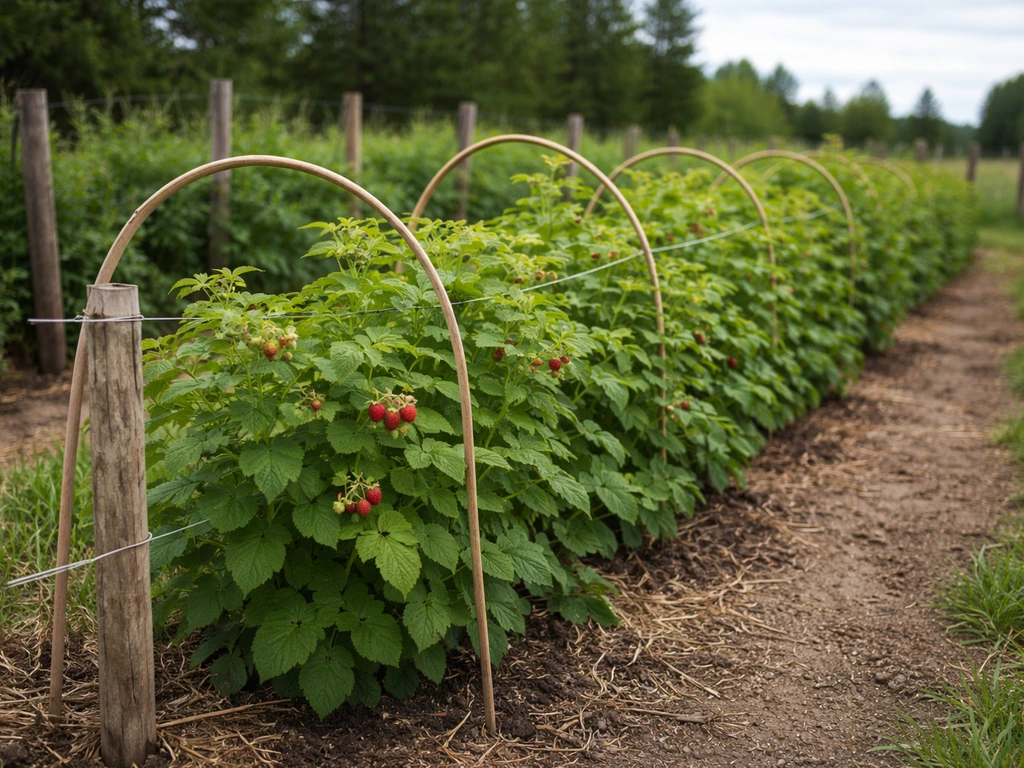
Raspberries are one of the most reliable crops you can grow in Montana and do well below 7,000 feet elevation in full sun with well-drained loam soil at pH 6 to 7. They're cane growers, meaning they send up new canes (primocanes) each year from the roots, those canes overwinter, and fruit the following summer as floricanes, then die. Your job is removing the dead canes after harvest and managing the new ones.
For June-bearing red raspberries, let the new primocanes grow all season, then after the following year's harvest, cut all the fruited canes out at ground level. For black and purple raspberries, pinch the tips of new canes in summer at about 30 to 36 inches to force strong lateral branching, which produces next year's fruit buds. Fall-bearing varieties can be mown to the ground each fall and will fruit on new growth the following season.
Raspberries need a windbreak, especially in eastern Montana. Wind desiccates and snaps the canes in winter, and once a cane is broken or dried out, you lose that year's crop from it. Plant a fence, a row of shrubs, or use a sheltered location on the south or east side of a building. Water 1 to 2 inches per week through harvest, keeping soil moist to 10 to 12 inches deep where most of the roots live.
After harvest, reduce irrigation to help the canes harden off for winter, then give them one more deep watering before the ground freezes. Traditional blackberries are marginal in Montana because most varieties aren't cold-hardy enough, but if you want a blackberry-adjacent flavor, look for thornless hybrid varieties rated to zone 4 and plan to mulch heavily.
Currants and gooseberries
Currants and gooseberries (both Ribes) are arguably the most underutilized berries in Montana and genuinely thrive here. They're cold-hardy, prefer cool moist summers (which mountain valleys provide naturally), and grow as multi-stemmed shrubs that require minimal fuss once established. Plant them 5 feet apart in rows spaced 7 to 9 feet apart, about an inch deeper than they sat in the nursery container. They prefer rich, well-drained clay loam soils. Avoid light sandy soils that dry and overheat, and avoid heavy clay that stays waterlogged.
The most important care routine for Ribes is pruning for renewal. After the third year, start removing the oldest canes (more than 3 years old) at ground level each year. This keeps the bush productive because fruiting declines on older wood. Apply about 6 inches of organic mulch around the base, keeping it 2 inches away from the canes themselves to discourage rodents.
Because they flower early in spring, plant currants on a north-facing slope if late frosts are a regular problem in your location; this delays flowering just enough to reduce frost-kill risk. Common problems include powdery mildew, leaf spot, and currant aphids. Aphids can often be dislodged with a strong stream of water; badly infected leaves and canes should be pruned out and disposed of.
Strawberries
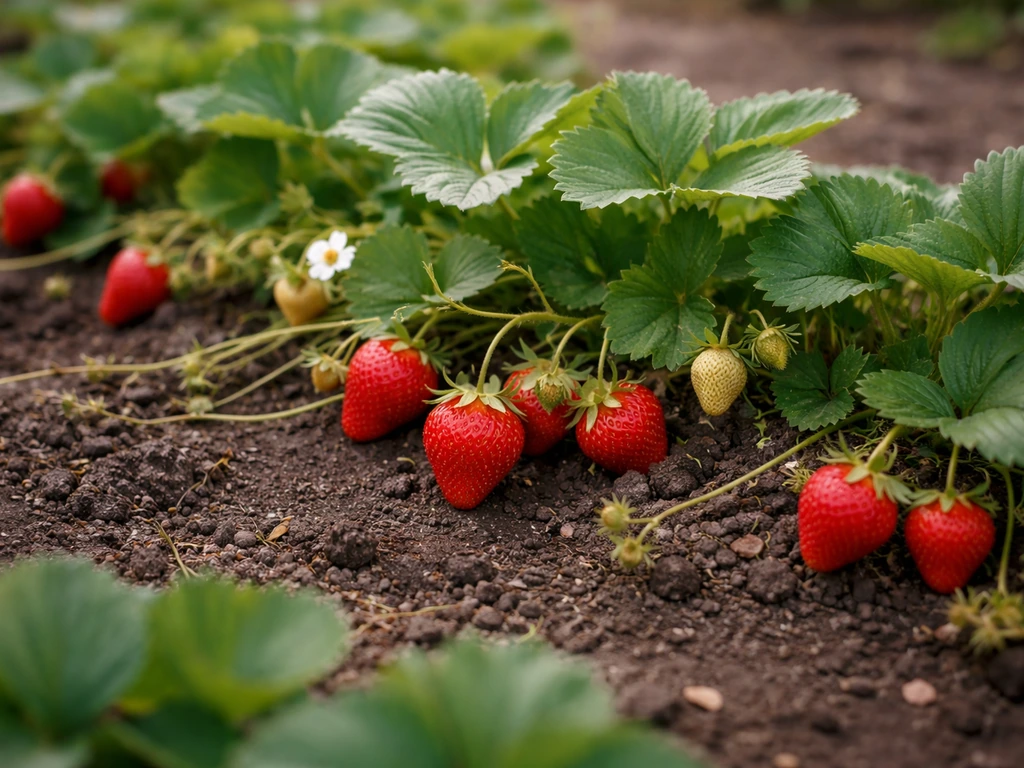
Strawberries grow low to the ground via runners and need full sun, ideally close to 10 hours a day. Slightly acid soil around pH 6. 5 is ideal; they'll tolerate slightly alkaline conditions, but above pH 8 you'll see lime-induced chlorosis where leaves yellow because the plant can't absorb iron. For drainage, MSU Extension recommends forming raised beds about 36 inches wide and 3 to 4 inches above grade.
This simple step prevents root rot in heavy soils and the wet springs Montana often delivers. Spring frosts are a genuine threat because strawberry blossoms are vulnerable, and a frost on an open flower means no berry from that flower. Row covers are your best tool for protecting blooms during a late-frost event.
Haskap (honeyberry)
Haskap is a shrubby plant that produces blueberry-shaped but elongated fruit with a tart, complex flavor somewhere between blueberry and black currant. It blooms very early, which sounds like a frost risk but is actually fine because the flowers tolerate cold better than most berry blossoms. It ripens in late June to mid-July, making it the first fresh berry of the season in most Montana gardens. The MSU Extension MontGuide for MT202101AG notes that while haskaps have few pests, they can develop powdery mildew on leaves late in the season. Haskap is legitimately zone 3 hardy and handles Montana winters without much coddling. Most varieties need a cross-pollinator, so plant at least two compatible cultivars.
Serviceberries (Saskatoon)
Serviceberries grow as large shrubs or small trees and are native across Montana, which tells you everything you need to know about their adaptability. Named cultivars like 'Regent' (a compact 4 to 6 foot shrub great for smaller gardens) and 'Standing Ovation' (more upright, good for hedgerows) produce larger and more consistent fruit than wild plants. Some cultivars prefer wetter sites while others handle drier conditions, so check cultivar notes when buying. They fruit in June and July, and birds will beat you to the harvest if you're not watching. Net the shrubs when berries start changing color.
Blueberries
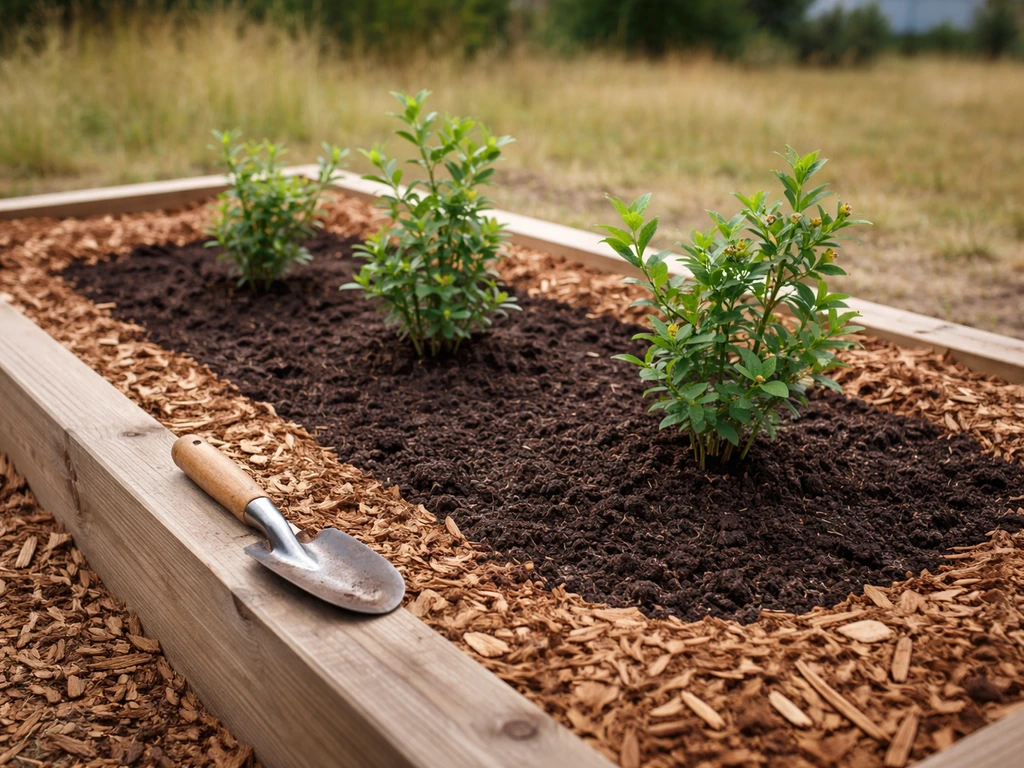
Blueberries are possible in Montana but require honest commitment. They need soil pH in the 4. 5 to 5. 5 range, which is dramatically more acidic than most Montana soils naturally are.
You'll need to lower pH using elemental sulfur, incorporated well before planting (months in advance for sulfur to work), and then maintain that acidity with acid-forming fertilizers and regular soil testing. Growing in raised beds or large containers with a custom acidic mix is often the most practical approach. Northern highbush varieties and half-high crosses (bred for zone 4 and colder) are your best options. Plant at least two cultivars for cross-pollination.
Expect slower establishment and smaller yields than you'd get from raspberries or currants for the same effort, but the fruit is outstanding if you get the soil right.
Where to plant: matching berries to your site, soil moisture, and sun
Sun exposure is non-negotiable for most berries. Raspberries, strawberries, and blueberries want full sun, at least 6 to 8 hours of direct light. Currants and gooseberries tolerate partial shade and actually benefit from afternoon shade in the hot, dry eastern plains. Serviceberries and haskap do best in full sun but handle partial shade reasonably well.
Soil moisture is where most Montana gardeners need to think carefully. Well-drained soil is critical for raspberries, strawberries, and blueberries. Standing water after snowmelt or spring rains will rot roots fast. Raised beds solve this problem and also give you a platform to amend soil pH more easily. Currants and gooseberries can handle slightly heavier, moister soils and actually underperform in light sandy soils that dry quickly. If you have a low spot or a naturally wet area, serviceberries and even elderberries can use that moisture productively.
Container growing is a practical option for blueberries (where you control the pH entirely) and strawberries (where you can move pots under cover during late frosts). Use at least a 15 to 20 gallon container for blueberries. Fill it with a mix of 50% peat moss or coir and 50% well-drained potting mix to create the acidic, moisture-retentive but well-aerated conditions they need. Bring containers into an unheated garage or shed over winter if you're in a zone 3 location, because roots in containers freeze much more severely than roots in ground soil.
Pollination, spacing, and what to realistically expect from your plants
Most cold-hardy berries grown in Montana are self-fertile, meaning a single plant can set some fruit. But cross-pollination from a second cultivar consistently produces higher yields and larger fruit across raspberries, currants, gooseberries, haskap, and blueberries. The practical rule: plant at least two cultivars of whatever you grow, and if space allows, three. You don't need them side by side, just within reasonable bee-flying distance (50 to 100 feet is generally fine).
Spacing matters for airflow as much as for root competition. Poor airflow contributes to powdery mildew and other fungal diseases, which are already more likely in the wet spring conditions of mountain valleys. Here are standard spacing guidelines for Montana home gardens.
| Berry | Plant Spacing | Row Spacing | Years to First Significant Harvest |
|---|---|---|---|
| Raspberry (red/yellow) | 18–24 inches | 6–8 feet | 2nd year |
| Raspberry (black/purple) | 24–30 inches | 8–10 feet | 2nd year |
| Strawberry (June-bearing) | 12–18 inches | 3–4 feet | 1st–2nd year |
| Currant / Gooseberry | 5 feet | 7–9 feet | 2nd–3rd year |
| Haskap | 4–5 feet | 8–10 feet | 2nd–3rd year |
| Serviceberry | 6–10 feet | 10–12 feet | 2nd–3rd year |
| Blueberry (highbush/half-high) | 4–5 feet | 8–10 feet | 3rd–4th year |
Set realistic expectations for the first year or two. Most berry plants put their energy into root establishment before producing meaningful fruit. Removing flowers in the first season on strawberries and blueberries, though it feels painful, leads to stronger plants and better long-term yields. Fertilize lightly in year one with a balanced fertilizer; for raspberries and blueberries in higher-pH soils, ammonium sulfate is a better nitrogen source because it also acidifies slightly as it breaks down.
When to harvest, how to store it, and what goes wrong
Harvest timing in Montana
Harvest windows in Montana are compressed compared to milder states, so you need to be paying attention when fruit starts to color. Missing the window by a week can mean overripe fruit, bird damage, or a hard early frost getting ahead of you.
| Berry | Typical Montana Harvest Window | Notes |
|---|---|---|
| Haskap | Late June to mid-July | Earliest berry of the season |
| Serviceberry | Late June to July | Birds move fast; net when color starts |
| Strawberry (June-bearing) | Late June to mid-July | Protect blooms from late spring frosts |
| Raspberry (red, June-bearing) | Late July to August | Stagger varieties to extend window |
| Currant | Mid-July to August | Can be left on bush; quality holds well |
| Gooseberry | Late July to early September | Sweeter after a light frost |
| Blueberry (half-high) | August to early September | Flavor peaks a few days after full blue color |
| Elderberry | Late August to September | Must be cooked; do not eat raw |
Currants and gooseberries are particularly forgiving at harvest time. They continue ripening after a light frost and actually gain sugar after the first fall freeze, so there's no panic if you're a week or two late picking them. That's one reason they're great for Montana gardeners juggling short harvest windows across multiple crops.
Storage and preservation
Most Montana-grown berries are best eaten fresh within a few days of harvest, but they freeze exceptionally well. Spread berries in a single layer on a sheet pan, freeze until solid (2 to 3 hours), then transfer to freezer bags. This prevents clumping and preserves texture for smoothies, baking, and jams made in winter. If you're planning for year-round harvests, it helps to know what berries grow in winter and how to protect them through cold snaps.
Raspberries and strawberries are the most delicate and should be refrigerated and used within 2 to 3 days if not freezing. Currants and gooseberries hold well in the refrigerator for a week or more. Serviceberries and haskaps freeze and make excellent preserves. If you have a bumper crop of anything, jam, jelly, juice, or wine are all practical processing options.
Common problems and how to handle them
Winter cane damage on raspberries is the most common frustration in Montana. The fix is a windbreak, proper fall hardening (reduce water after harvest, do a final deep watering before freeze-up), and choosing cold-hardy varieties rated to zone 3 or 4. If canes come out of winter looking brown and dead, scratch the bark: green underneath means the cane survived and will leaf out. Brown all the way through means it's dead and should be removed.
Poor fruiting despite healthy-looking plants usually comes down to one of three things: inadequate pollination (add a second cultivar), frost damage to flowers (use row covers during late frosts), or soil pH problems limiting nutrient uptake. Yellowing leaves with green veins (chlorosis) on raspberries or strawberries is a classic sign of iron deficiency caused by high soil pH. Acidify with ammonium sulfate fertilizer and elemental sulfur, and retest your soil the following season.
Powdery mildew shows up on currants and gooseberries, especially in years with humid spring weather. The best defense is spacing plants properly for airflow and removing affected canes and leaves. Aphids on currants can usually be knocked off with a strong spray of water. Strawberries sometimes get gray mold (botrytis) in wet years; keep mulch from piling against plant crowns and pick fruit promptly when ripe. Birds are an honest competitor for serviceberries, haskaps, and blueberries: netting is your best and most practical tool once color starts developing.
If you're just getting started, pick two or three berries that match your region's conditions, get a soil test done this spring, and plant this season. If you’re also wondering what berries grow in Oregon, the key is matching cold hardiness and ripening time to your specific region and microclimate. In Phoenix, Arizona, focus on heat-tolerant, drought-smart berry choices and plant them at the right time to beat the hottest weather what berries grow in phoenix arizona.
If you are planning your Alaska berry garden, aim for cold-hardy varieties and short-season types that can ripen before the first hard frosts pick two or three berries that match your region's conditions. Haskap and currants are the lowest-barrier entries for most Montana gardeners. Raspberries reward a little more attention with high yields. And if blueberries are your goal, start the pH work now so the soil is ready by next planting season.
Montana's short season is a real constraint but not a deal-breaker, and the berries that do well here tend to do very well.
FAQ
What berries grow in Montana if I have a very short growing season or higher elevation than Bozeman?
Prioritize early-ripening, zone 3-4 hardy types, haskap and currants are usually your best bets, then consider raspberries with a fall-bearing variety. For any crop, use a sheltered microclimate (south-facing slope or near a windbreak) and plan for row cover during late frosts, since the biggest risk at high elevation is flower damage rather than winter survival.
Can I grow blueberries in Montana without doing elemental sulfur every year?
You can reduce ongoing effort by using raised beds or large containers filled with a pre-made acidic mix, then monitoring pH with regular soil or media testing. Even in containers, blueberries can drift upward over time, so expect occasional pH correction, choose northern highbush or half-high types bred for colder climates, and avoid sharing amendments with other garden areas that raise pH.
What berries tolerate windy spots on the eastern plains best?
Buffaloberries handle wind and drought on alkaline plains better than most other “garden-cultivated” options. Among common garden berries, raspberries need a real windbreak because broken or dried canes lose next season’s fruit, currants and gooseberries are more forgiving, but still benefit from some shelter to reduce winter desiccation.
Do I need two plants, or can one berry bush produce fruit in Montana?
Many are self-fertile enough for some fruit, but cross-pollination is what reliably boosts yield and berry size in Montana. For raspberries, currants, gooseberries, haskap, and blueberries, plant at least two compatible cultivars within typical bee flight distance (often 50 to 100 feet), and remember that timing matters, cultivars that flower at different times may not cross well.
What soil pH issues should I watch for if I’m growing raspberries or strawberries?
If pH climbs too high, you can see iron deficiency symptoms (chlorosis), yellow leaves with green veins is the classic clue. The fix is acidifying using ammonium sulfate and, in some cases, elemental sulfur, then retesting the following season, because quick fixes with lime or basic fertilizers can worsen the problem fast in Montana’s naturally alkaline conditions.
How do I protect berry blossoms from late spring frost in Montana?
Row covers are the practical solution, use them when temperatures threaten during bloom and remove during the day once frost risk passes so pollinators can work. For strawberries, raised beds plus row cover give you drainage and bloom protection together, and for serviceberries, netting can wait until color change, but bloom protection comes first if frost is recurring.
Is it true that wild huckleberries won’t grow in a backyard garden?
They are extremely hard to domesticate because they depend on specific forest soil organic matter and fungal relationships rather than just “having the right berry variety.” If you want a huckleberry-like experience without that challenge, focus on serviceberries or haskap as Montana-friendly alternatives, or plan for foraging rather than transplanting.
What berries freeze better for smoothies and baking after I harvest in Montana?
Raspberries and strawberries freeze well but are more delicate, spread in a single layer first to prevent clumping and plan to use within a couple months for best texture. Currants and gooseberries hold longer in the fridge, then freeze nicely too, serviceberries and haskaps are often ideal for preserves and also freeze well, their tart flavor works especially well in cooked applications.
Why do my raspberries look healthy but produce few berries?
The most common causes are frost-damaged flower buds, insufficient pollination and cultivar mismatch (especially if you keep adding only one type), or nutrient uptake limits from high soil pH. If you see chlorosis, test for pH and address iron availability, if canes survived winter but buds didn’t, check whether you needed better bloom protection during late frosts.
What’s the best way to space berry plants in Montana to prevent mildew?
Use spacing to prioritize airflow, not just room to grow. Tighter spacing increases powdery mildew and other fungal issues, especially in wet mountain springs, so follow cultivar-specific spacing and avoid planting in low, humid pockets. If you already have disease, remove affected leaves or canes promptly and don’t compost infected plant material if you can avoid it.