
Colorado grows strawberries, raspberries, blackberries, currants, gooseberries, serviceberries, and elderberries reliably well. Blueberries are the one major exception: Colorado's naturally alkaline soil (typically pH 7.0 or higher) makes in-ground blueberry growing nearly impossible without serious soil work, but every other berry on that list will reward you if you match the variety to your region and give it the right setup.
What Berries Grow in Colorado Best for Your Garden
Marcus Holloway
14 May 2026
The top berries to grow in Colorado

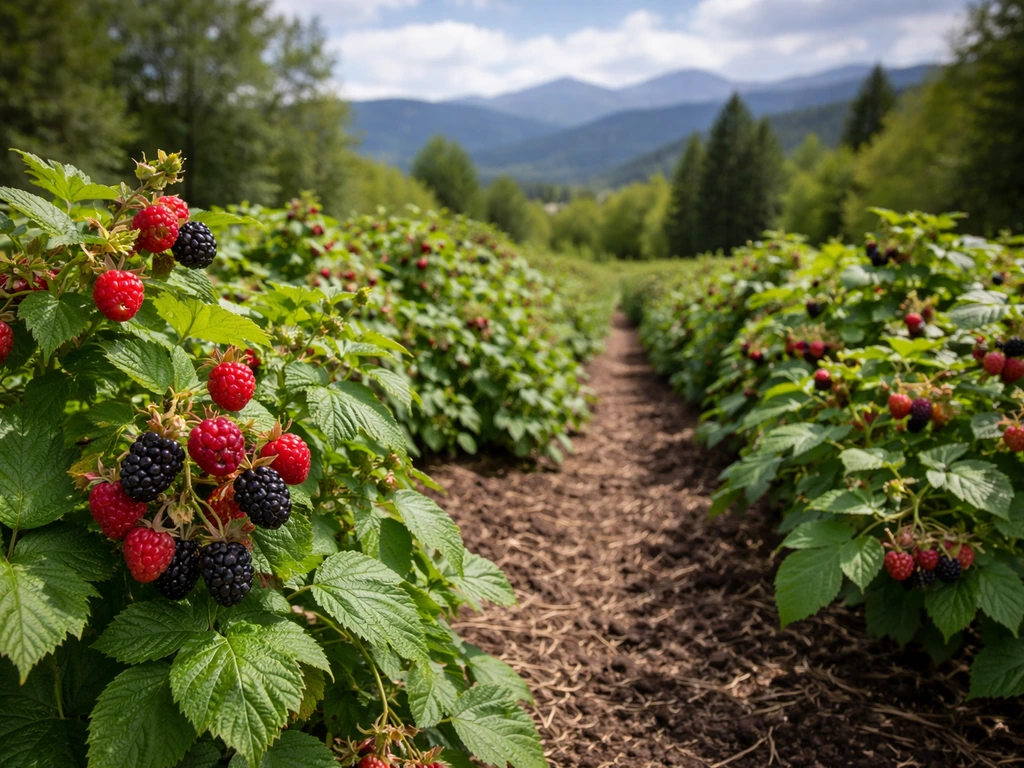
Here is a quick reference list of what works and what to expect from each. These are the berries Colorado State University Extension and experienced Colorado growers consistently recommend for home gardens.
- Strawberries: reliable, fast-producing, great for beginners and containers
- Raspberries (red): the hardiest berry fruit you can grow; survives minus 35°F and bounces back
- Raspberries (black and purple): better suited to the Western Slope's milder winters
- Blackberries and raspberry hybrids (Boysenberry, Loganberry, Tayberry): cane fruit that needs trellising; best where winters are not extreme
- Currants and gooseberries: tough, underused, and will grow up to 10,000 feet elevation with the right varieties
- Jostaberries: a currant-gooseberry cross; same toughness, bigger fruit
- Serviceberries (Amelanchier spp.): native shrubs that double as landscaping; low maintenance
- Elderberries: large shrubs that thrive in full sun and work as both a food crop and a landscape feature
Matching your berry to your Colorado region
Colorado is not one climate. The Front Range, mountain communities, and the Western Slope each have different frost dates, humidity levels, and growing seasons, so the berry that thrives in Denver may struggle above 8,000 feet or behave completely differently in Grand Junction. Here is how to think about each zone.
Front Range (Denver metro, Colorado Springs, Fort Collins area)
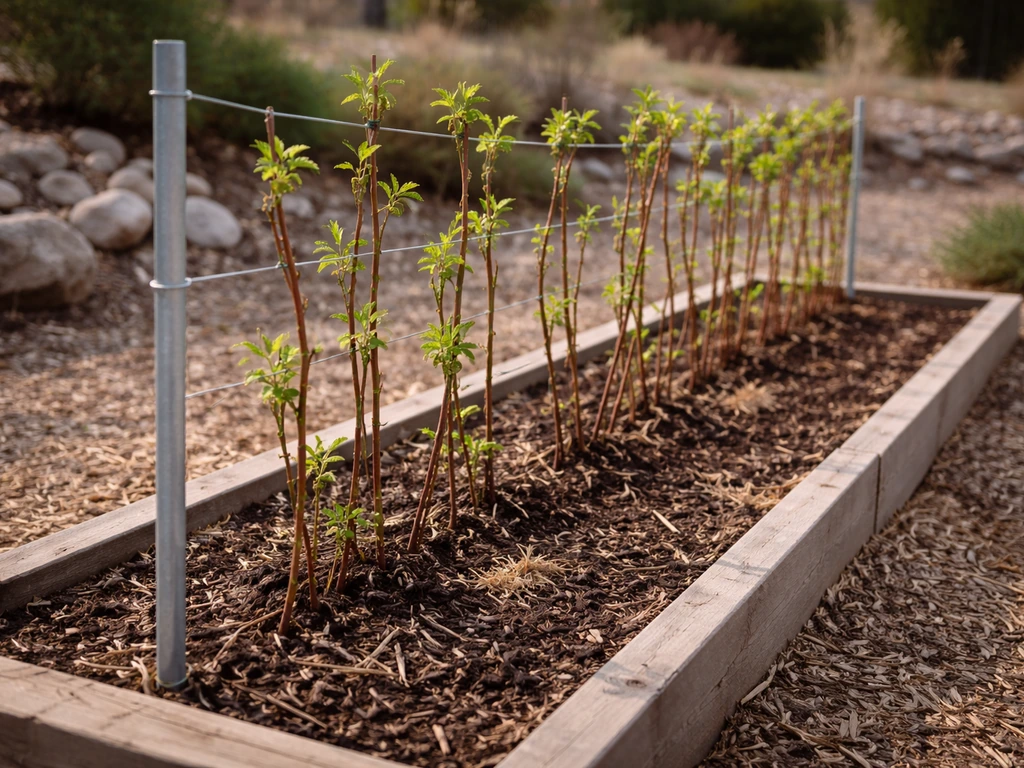
This is the easiest zone for berry growing in Colorado. You have a reasonably long season, predictable freeze windows, and Zone 5b to 6a conditions in most spots. Red raspberries grow exceptionally well here, and CSU Extension specifically recommends fall-bearing (primocane) varieties for the Front Range based on its own trials. Strawberries are a go-to for beginners. Serviceberries are native to Colorado's foothills and practically grow themselves along the Front Range. Currants and gooseberries handle the altitude and dryness without complaint.
Mountain communities (above 7,000 feet)
The shorter growing season changes your variety choices significantly. Stick to early or mid-season varieties with documented cold hardiness. Currants and gooseberries genuinely shine here because CSU confirms they can grow up to 10,000 feet with proper variety selection. For raspberries, choose the hardiest options: Boyne (very hardy, early) and Pequot (rated to Zone 3) are your best bets at elevation. Skip trailing blackberries at high altitude, as they are not cold-hardy enough. Serviceberries are native to this elevation and require essentially no coddling.
Western Slope (Grand Junction, Montrose, Palisade area)
The Western Slope has a longer, warmer growing season with lower humidity, which opens up more variety options. Both summer-bearing and fall-bearing raspberries perform well here. This is also the right region for black and purple raspberry varieties, like Niwot and Canby, which prefer milder winters. Blackberries and their hybrids do better here than anywhere else in Colorado. If you are comparing Colorado's Western Slope to a state like Oregon, the drier air means disease pressure is much lower, which is genuinely helpful for cane fruits.
| Berry | Front Range | Mountains (7,000+ ft) | Western Slope |
|---|---|---|---|
| Strawberries | Excellent | Good (use row covers) | Excellent |
| Red raspberries | Excellent | Good (early/hardy varieties) | Excellent |
| Black/purple raspberries | Fair | Not recommended | Excellent |
| Blackberries & hybrids | Fair | Not recommended | Good |
| Currants & gooseberries | Excellent | Excellent (to 10,000 ft) | Excellent |
| Serviceberries | Excellent (native) | Excellent (native) | Good |
| Elderberries | Good | Good | Good |
| Blueberries (in-ground) | Very difficult | Not recommended | Very difficult |
What each berry actually needs to grow
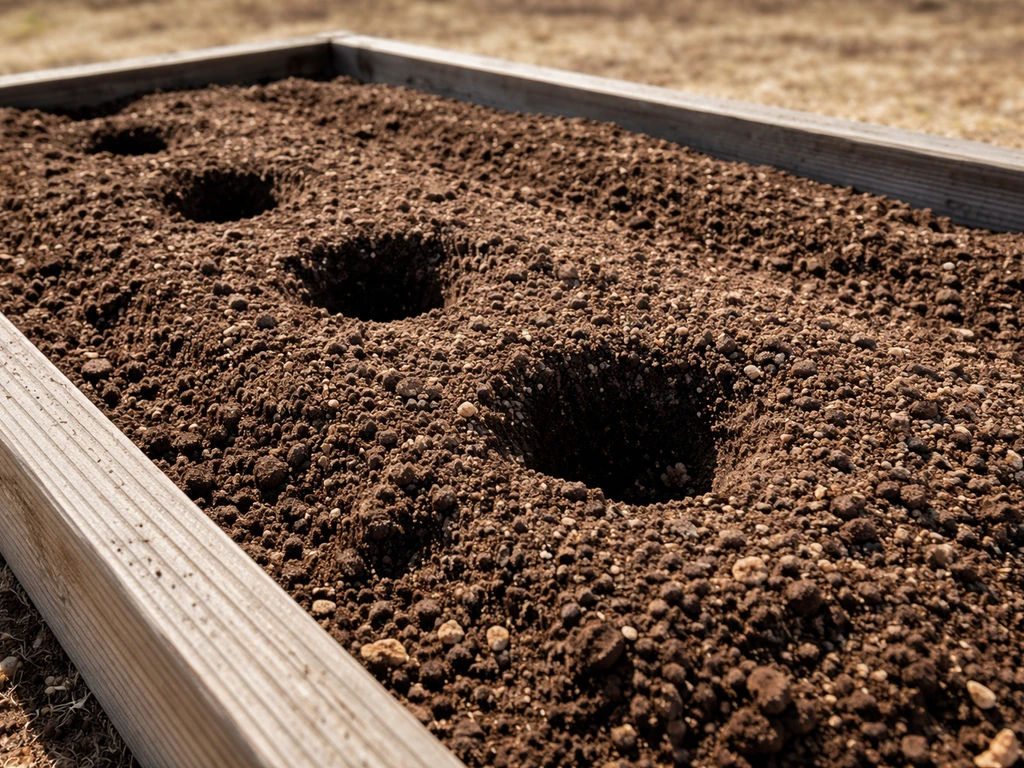
Growing conditions are where most Colorado gardeners run into trouble. The combination of high altitude UV, low humidity, alkaline soil, and dry winters is unlike most of the U.S., so generic growing advice often misses the mark. Here is what each type needs in Colorado specifically.
Strawberries
Strawberries need at least 8 hours of direct sun daily and well-drained soil loaded with organic matter. In Colorado's heavy clay soils, raised beds are not optional: they are genuinely necessary. CSU Extension recommends them specifically for drainage. Target a soil pH of 6.0 to 6.5. Strawberries are shallow-rooted and dry out fast in Colorado's wind and low humidity, so consistent moisture matters. One non-negotiable planting rule: set the crown exactly at soil level. Too deep causes crown rot; too shallow desiccates the roots. Both mistakes kill plants, and I have made both.
Raspberries
Raspberries are forgiving in most garden soils as long as drainage is good and organic matter is present. They tolerate Colorado's alkaline conditions better than most berries. Full sun is ideal but they handle partial shade. A soil pH of 5.6 to 6.2 is the sweet spot. One major advantage for Colorado: red raspberries can survive minus 35°F and still fruit the following season, which makes them the most dependable berry crop you can plant across nearly the entire state.
Blackberries and cane hybrids
Blackberries want full sun, consistent moisture, and well-drained soil at pH 5.5 to 7.0. They are less cold-hardy than raspberries and do not like hard freezes on unprotected canes. The Western Slope is their natural home in Colorado. If you are on the Front Range and want to try them, plant in a sheltered south-facing spot and plan to protect canes in winter.
Currants, gooseberries, and jostaberries
These are genuinely one of Colorado's best-kept secrets for home growers. They prefer fertile, well-drained loamy soil at pH 6.0 to 7.0 and can actually tolerate clay with higher pH, which means they are naturally suited to Colorado conditions. They prefer some afternoon shade in the hottest, driest parts of the state. They grow as multi-stemmed shrubs, not vines or canes, so no trellis is needed. For gooseberries specifically, Pixwell and Welcome are the CSU-recommended varieties for Colorado.
Serviceberries
Native to Colorado's foothills and mountains, serviceberries (Amelanchier spp.) grow as large shrubs or small trees and produce blueberry-sized fruit in early summer. They handle Colorado's dry conditions, alkaline soil, and cold winters without complaint. They need decent drainage and full to partial sun. If you want a low-maintenance, near-zero-input berry that doubles as a landscape plant, serviceberry is your answer.
Elderberries
Elderberries want full sun for best production and prefer consistently moist soil, which means they do better with supplemental irrigation in Colorado's dry climate. Because elderberries have shallow roots that are easily damaged by cultivation, amend your soil thoroughly before planting rather than trying to improve it afterward. They grow as large multi-stemmed shrubs and can reach 6 to 10 feet tall, so give them room.
Blueberries (the honest assessment)
Blueberries require a soil pH of 4. CSU Extension also notes that most blueberries struggle in Colorado’s high pH soils because they need acidic conditions, specifically a soil pH between 4.8 and 5.2 blank" rel="noopener noreferrer">Blueberries require a soil pH of 4.8 and 5.2. 8 to 5.2, and Colorado's natural pH typically runs 7.0 to 8.0 or higher. That gap is enormous and very difficult to close in-ground. Your realistic option is large containers with a specially acidified peat-based mix. It works, but requires ongoing pH management and careful watering. If you are comparing this to a state like Oregon or even Montana, where acidic soils are common, blueberries in Colorado are a committed project rather than a casual addition.
Where and how to plant: beds, raised beds, and containers
In-ground beds
In-ground planting works well for raspberries, currants, gooseberries, jostaberries, serviceberries, and elderberries. These are all plants that establish deep enough root systems to handle Colorado's dry spells once they are settled in. Amend the bed with compost before planting and choose a spot with good drainage. Raspberries spread via underground runners, so consider edging the bed to contain them unless you want them to colonize the yard (and they will).
Raised beds
Raised beds are the best option for strawberries in Colorado because they solve the drainage problem that clay soil creates. Build beds at least 8 inches deep, fill with a mix of quality topsoil and compost, and you have solved the two biggest strawberry killers in Colorado: waterlogged roots and poor organic matter. Raised beds also warm up faster in spring, which extends your growing window at higher elevations.
Containers
Containers are the main path for blueberries in Colorado and also work well for strawberries on patios. For blueberries, use a minimum 15 to 20 gallon container and fill it with an acidic potting mix (look for mixes designed for acid-loving plants). Strawberries do great in 12-inch or larger pots or hanging baskets. Containers dry out faster than ground soil in Colorado's low humidity, so plan to water more frequently than you think you need to.
Vines, canes, and bushes: understanding growth habits
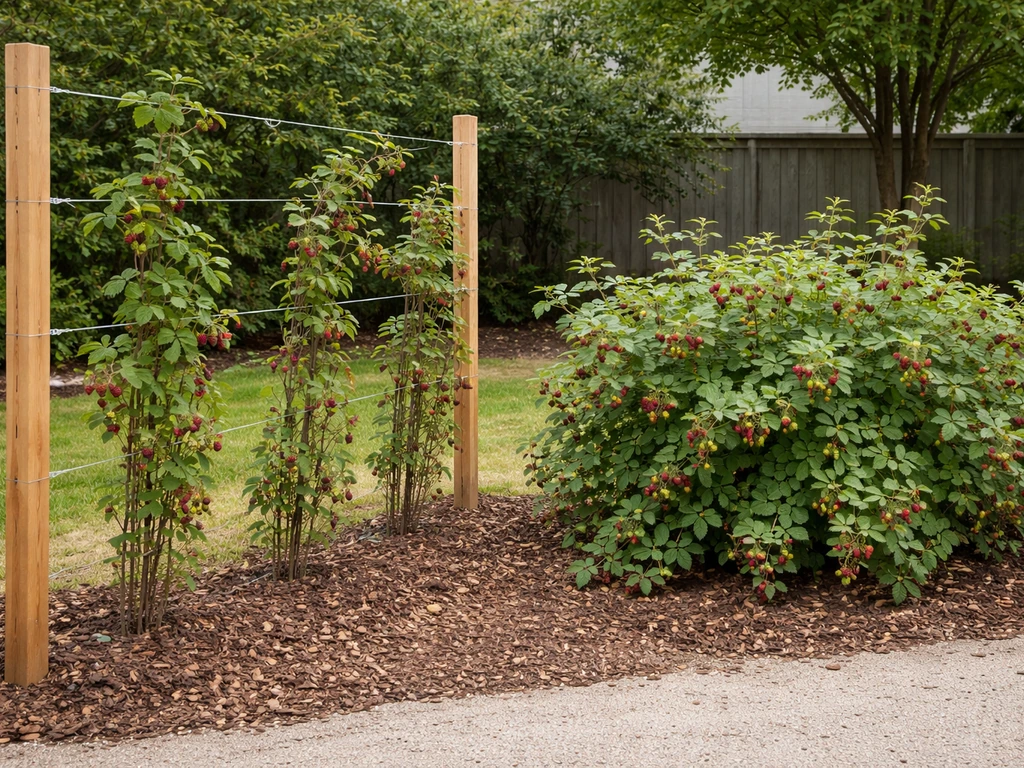
Knowing the growth habit of your berry tells you exactly what structure or space it needs. Raspberries and blackberries grow on canes and need trellis support for best production. Trailing blackberry types use a two-wire trellis system with a top wire at 5 to 6 feet and a second wire about 18 inches below. Erect blackberry types space 2 to 3 feet apart; semi-erect types space 5 to 6 feet apart; trailing types space 4 to 6 feet apart. Currants and gooseberries grow as self-supporting shrubs and need no trellis. Strawberries spread by runners along the ground. Serviceberries and elderberries are shrubs that stand on their own.
Season-by-season care in Colorado
Spring (March to May)
Remove winter mulch from strawberries gradually as temperatures stabilize in April. Apply a maintenance nitrogen fertilizer to raspberries in early spring when new growth starts; CSU recommends soil testing before adding other nutrients. For gooseberries and currants, this is also a good time for a balanced fertilizer application (CSU's reference rate is 4 pounds of ammonium sulfate and 2 pounds of treble superphosphate per 1,000 square feet, but always test your soil first). Plant bare-root raspberries and currants as soon as the ground is workable. Set strawberry transplants once frost risk drops and set crowns exactly at soil level.
Summer (June to August)
Water deeply and consistently. Colorado's low humidity and frequent wind dry out soil faster than growers from wetter states expect. Drip irrigation is your best friend here. Keep 2 to 3 inches of organic mulch on strawberry beds to retain moisture and reduce soil temperature swings. For erect blackberries, pinch off the top 1 to 2 inches of new primocanes when they reach about 4 feet tall to encourage branching and better yields next season. Semi-erect types get the same treatment at 5 feet. Harvest berries when fully ripe and avoid leaving moisture on fruit: wet berries deteriorate fast from bacteria and mold.
Fall (September to November)
Fall-bearing raspberries produce their main crop now on the Front Range, which is one reason CSU recommends them for this region. After harvest, cut spent floricanes out of raspberries and blackberries. For trailing blackberries, remove old fruiting canes and train new primocanes onto the wires. Apply straw mulch or row cover fabric to strawberries after the first hard frosts but before December 1. This protects roots from Colorado's classic cycle of alternate freezing, thawing, and drying winter winds.
Winter (December to February)
Most of your work is done. Check that mulch is in place on strawberries. For blackberries, remove any dead floricanes during winter pruning and spread the new primocanes along the trellis. Primocanes do not need to be shortened at this stage. Containerized blueberries in very cold areas should be moved to an unheated garage or wrapped to prevent root damage, since container roots are far more exposed to freezing than in-ground roots. If you want a quick answer to what berries grow in winter, look for those that can handle cold and still fruit the following season, like cold-tolerant raspberries and well-mulched serviceberries.
What to expect: yields, timelines, and fixing common problems
When you will get fruit
Strawberries planted this spring can produce a light crop this same year if you let them fruit (or you can remove first-year flowers to build a stronger plant for bigger yields the following year). Fall-bearing raspberries can give you a partial harvest in their first fall. Summer-bearing raspberries fruit only on second-year canes, so you wait until year two for your first real harvest. Currants and gooseberries typically begin producing in years two to three. Serviceberries and elderberries start producing meaningfully in years two to four depending on how they establish.
Colorado-specific problems and how to fix them
| Problem | What it looks like | Fix |
|---|---|---|
| Dry air and wind stress | Leaf edges browning, fruit shriveling before ripe | Drip irrigation, windbreaks, 2-3 inch mulch layer |
| Late spring freeze damage | Blackened new growth, no fruit set on raspberry canes | Row covers on forecast freeze nights; plant fall-bearing types for Front Range |
| Poor fruit set / no pollination | Flowers appear but no berries form | Plant at least two varieties for cross-pollination; attract pollinators with nearby flowers |
| Crown rot in strawberries | Plants collapse suddenly in wet or clay soil | Raise beds, improve drainage, set crowns at soil level not below |
| Caneborers in raspberries/blackberries | Wilting shoot tips in summer | Prune and dispose of wilted tips well below the entry hole |
| Spider mites (dry conditions) | Yellow leaf spotting turning brown | Increase humidity around plants with mulch; use miticide if severe |
| High soil pH blocking nutrients | Yellowing leaves despite fertilizing | Test soil; acidify with sulfur for mild cases; switch to containers for blueberries |
Buying the right stock
Always buy certified disease-free nursery stock. For blackberries especially, CSU Extension advises against planting them adjacent to raspberries to reduce virus transmission risk. Starting with clean stock is one of the highest-leverage decisions you can make because diseases in cane fruits are essentially impossible to reverse once established.
Your next steps: how to pick, prepare, and plant
If you are ready to plant today, here is a simple decision process to get started without overthinking it.
- Identify your region: Front Range, mountain (above 7,000 ft), or Western Slope. This narrows your variety list immediately.
- Test your soil pH. A basic kit from a garden center works, or send a sample to CSU Extension's soil testing lab. This one step tells you whether you can grow blueberries in-ground (almost certainly not) and whether you need to amend for raspberries or currants.
- Choose your berry based on space and structure: no trellis space? Go with currants, gooseberries, or strawberries. Have a fence or post system? Add raspberries or blackberries.
- If you are on the Front Range, start with red raspberries (fall-bearing varieties like Boyne) and June-bearing strawberries in raised beds. These two are the most forgiving and fastest to reward.
- Amend your bed with compost before planting, mulch after planting, and set up drip irrigation if you can. Colorado's dry air will challenge any berry without consistent moisture.
- For blackberries, set up your trellis before or at planting time. Retrofitting a trellis around established canes is annoying.
- Plan your winter protection in advance: buy straw mulch or row cover fabric before fall and apply to strawberries by December 1.
Colorado is actually a great state for growing berries when you work with its conditions rather than against them. The low humidity that makes blueberries difficult also keeps fungal disease pressure low on cane fruits, which is a real advantage over wetter states like Oregon or even Montana. Pick the right varieties for your elevation, give them decent drainage and consistent water, and most of these berries will outperform your expectations. In Alaska, the best results usually come from planting cold-hardy berries and matching them to your local conditions Pick the right varieties.
FAQ
Can I grow any berries in Colorado without doing soil amendments (especially if my soil is alkaline)?
Yes, but it depends on the berry’s cold hardiness and whether it fruit on new or older canes. For the broadest odds across Colorado, red raspberries are the most dependable choice, because they can survive severe cold and still fruit the next season. Serviceberries also tolerate cold well and are naturally suited to Colorado’s alkaline, dry conditions, making them a practical “survival” berry when you want reliable annual production.
Which Colorado berries will tolerate alkaline soil best?
You can, if you focus on berries that tolerate higher pH and dry conditions, and accept that “blueberry-like” results will not happen in-ground without major soil work. Currants, gooseberries, serviceberries, elderberries, blackberries, and raspberries are generally workable in Colorado soils when you choose the right variety and provide good drainage. Blueberries are the main exception because they require much more acidic soil than typical Colorado ground pH.
If I grow berries in containers, do I still need to worry about soil pH and moisture the same way?
No, and the risk is often underestimating drying and drainage differences between in-ground and pots. Containers need more frequent watering in Colorado’s low humidity, and blueberry containers also require ongoing pH monitoring because the mix can drift upward over time. A practical rule, check moisture by feel 1 to 2 inches down before watering, and expect higher water frequency than you would in a wetter climate.
What are the most common mistakes people make with strawberries in Colorado?
For strawberries, the biggest survival mistake is planting too deep or too shallow, which you can spot immediately. The crown should sit at soil level, not buried. If the crown is covered, you can get crown rot, and if it’s exposed too much, roots dry out. Another common issue is skipping raised beds in heavy clay, which can trap water around shallow strawberry roots.
Do blackberries need special winter care in Colorado?
Blackberries usually need winter protection in many Colorado locations because they are less cold-hardy than raspberries and do not like hard freezes on unprotected canes. If you plant on the Front Range, choose a sheltered south-facing area and plan to cover or otherwise protect canes during extreme cold. Also, avoid placing blackberries next to raspberries if you can, since clean, disease-free stock and spacing help reduce virus risk.
When should I mulch strawberries for winter and when should I remove it?
Generally, yes. Colorado’s dry winters can desiccate roots, so strawberries benefit from protecting roots after the first hard frosts but before early winter weather gets extreme. Use mulch consistently, and remove it gradually in spring once temperatures stabilize to avoid overheating or rot as growth resumes.
How do I set up watering so berries don’t get stressed in Colorado’s dry conditions?
Water consistency matters more than “a lot of water.” Colorado wind and low humidity dry soil faster than most gardeners expect, so use deep, infrequent watering that wets the root zone, then let the top portion dry slightly before watering again. Drip irrigation helps keep moisture steady and reduces wetting fruit, which helps prevent mold and bacterial problems on berries.
How much space should I leave between berry plants (and between rows)?
Spacing depends on the growth habit, but you should avoid crowding because airflow reduces disease and makes pruning easier. Use your berry’s form as the guide: raspberries and blackberries spread or trellis along their canes, while currants and gooseberries are upright shrubs with no trellis, and serviceberries and elderberries are larger standalone shrubs that need room to mature. If you want easier management, consider edging raspberry beds to prevent underground runners from taking over.
What’s the fastest way to choose berries for my specific part of Colorado?
Pick the berry that matches your elevation and your desired effort level. If you want low hassle and wide adaptability, red raspberries and serviceberries are strong defaults, with cucants and gooseberries also performing well at higher elevations. If you’re at high altitude with a shorter season, prioritize early or mid-season varieties with documented cold hardiness, and avoid trailing blackberries that are not cold-hardy enough for many Colorado winters.