
Snowberries (genus Symphoricarpos) are native across most of Canada and a huge swath of the United States, from the Pacific coast eastward through the central plains and into the eastern woodlands. They grow naturally at forest edges, along stream banks, in open thickets, and on disturbed ground, and they're tough enough to handle everything from occasional flooding to stretches of dry soil. If you're in USDA zones 2 through 7, there's almost certainly a snowberry species suited to your yard.
Where Do Snowberries Grow? Native Range, Climate & Planting

Marcus Holloway
13 Jun 2026
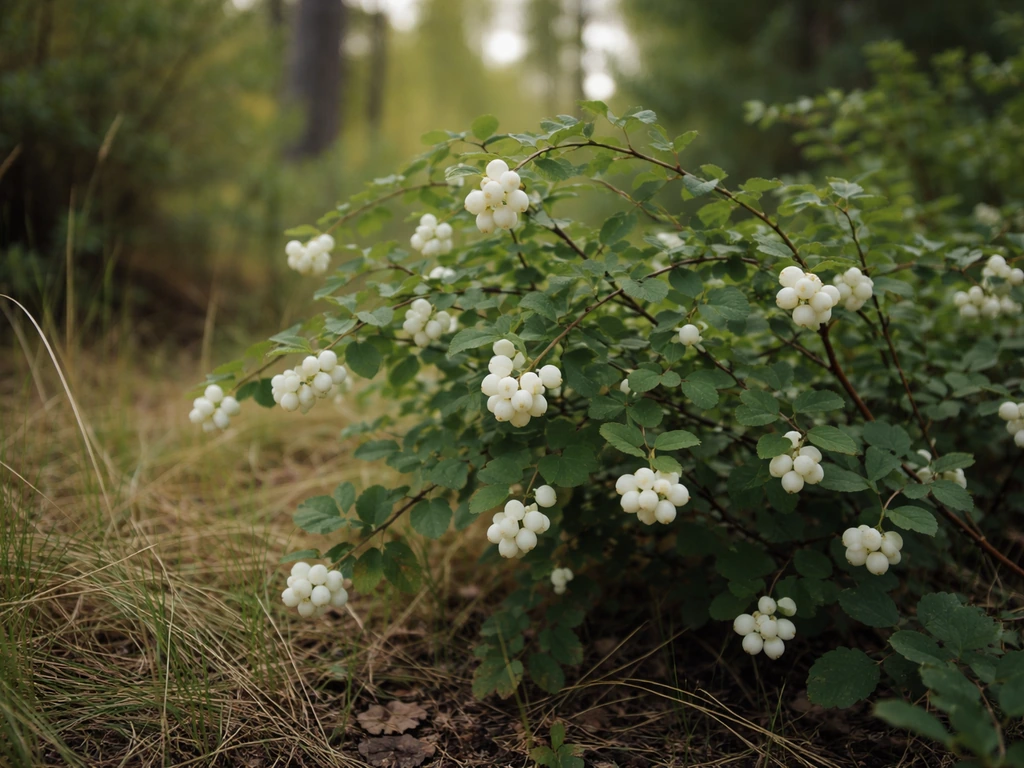
Native range and the habitats they call home
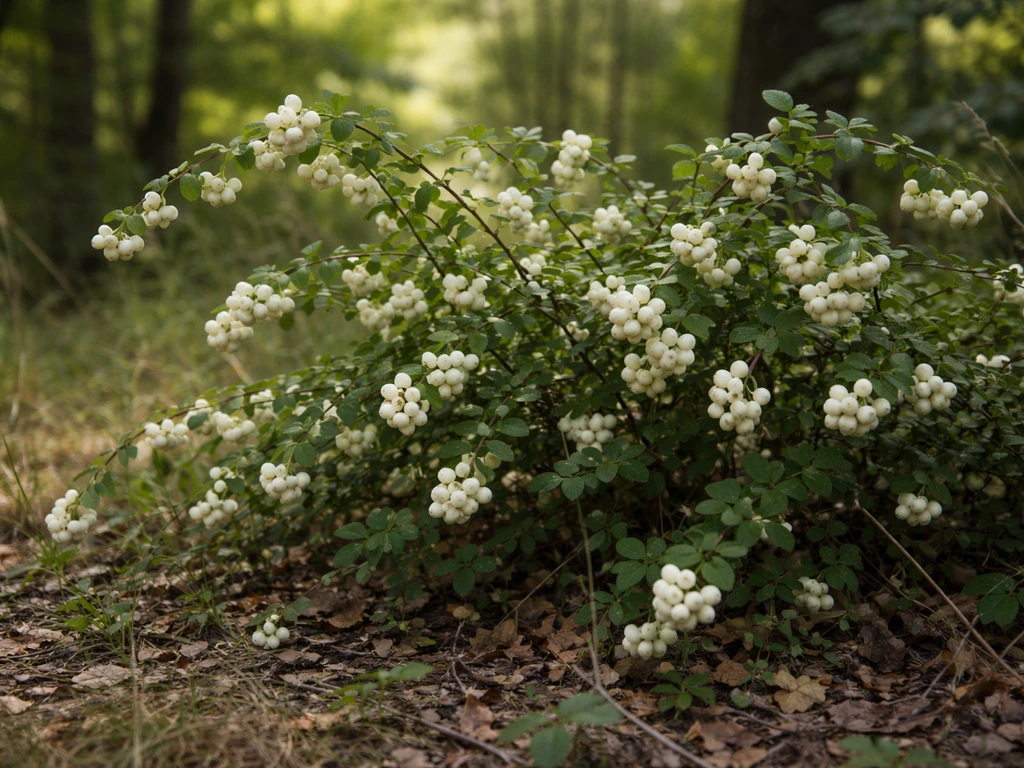
There are three species you'll most commonly encounter under the 'snowberry' label. Common snowberry (Symphoricarpos albus) is the widest ranging of the bunch, native across most of Canada and the northern and western United States. Western snowberry (S. occidentalis) covers much of Canada and the central and northern US, stretching as far south as Oklahoma, northeastern New Mexico, and the Texas Panhandle. Coralberry (S. orbiculatus, sometimes called buckbrush or Indian currant) anchors the eastern and central US, from the Atlantic coast westward to Nebraska and Texas, and dips into northeastern Mexico.
Quick word of caution before you go plant shopping: there's a completely different plant also called 'creeping snowberry,' which belongs to the genus Gaultheria and is a different family entirely. If you're after the classic white-berried, thicket-forming shrub, you want Symphoricarpos, not Gaultheria.
In the wild, these shrubs pop up along stream banks, in low draws and depressions at mid-elevation, on alluvial floodplains after disturbance, and in open woods, pastures, and field edges. Missouri Botanical Garden describes coralberry as growing throughout Missouri in open woods, fields, pastures, and thickets, which gives you a good mental picture of the kind of edge habitat all three species favor. They're not deep-forest plants, and they're not wide-open prairie plants either. Think of them as loving the in-between zones: where canopy opens up, where soil gets disturbed, where a stream bank or road edge creates a break in the landscape.
Climate and soil: what snowberries actually need
Hardiness is one of snowberry's genuine strengths. Common snowberry is hardy to zone 3, and coralberry pushes all the way to zone 2, making these among the most cold-tolerant ornamental shrubs you can plant. On the warm end, S. albus performs well through zone 7, and coralberry is similarly adaptable. If you're gardening in zones 8 and above, you'll start running into heat and humidity challenges that make these plants struggle.
Soil pH is almost never the limiting factor. Cornell's Woody Plants Database puts S. albus's pH tolerance at roughly 5.0 to 8.0, which covers acidic woodland soils all the way to alkaline prairie and limestone-based soils. The University of Illinois Extension even lists alkaline soil and salt soil tolerance in its description of common snowberry, which makes it a reasonable option near driveways or in areas where road salt is a concern.
For soil texture, USDA Plant Guide notes that S. albus actually grows best in heavier soils, which is the opposite of many ornamental shrubs that need fast drainage. That said, drainage still matters: you want consistently moist soil, but not permanently waterlogged. Cornell describes the moisture range as spanning from occasionally saturated conditions to short dry periods, with the sweet spot being moist and well-drained. University of Washington's guidance puts it simply: blank" rel="noopener noreferrer">keep the soil wet, but not saturated.
Where to find them across North America and beyond
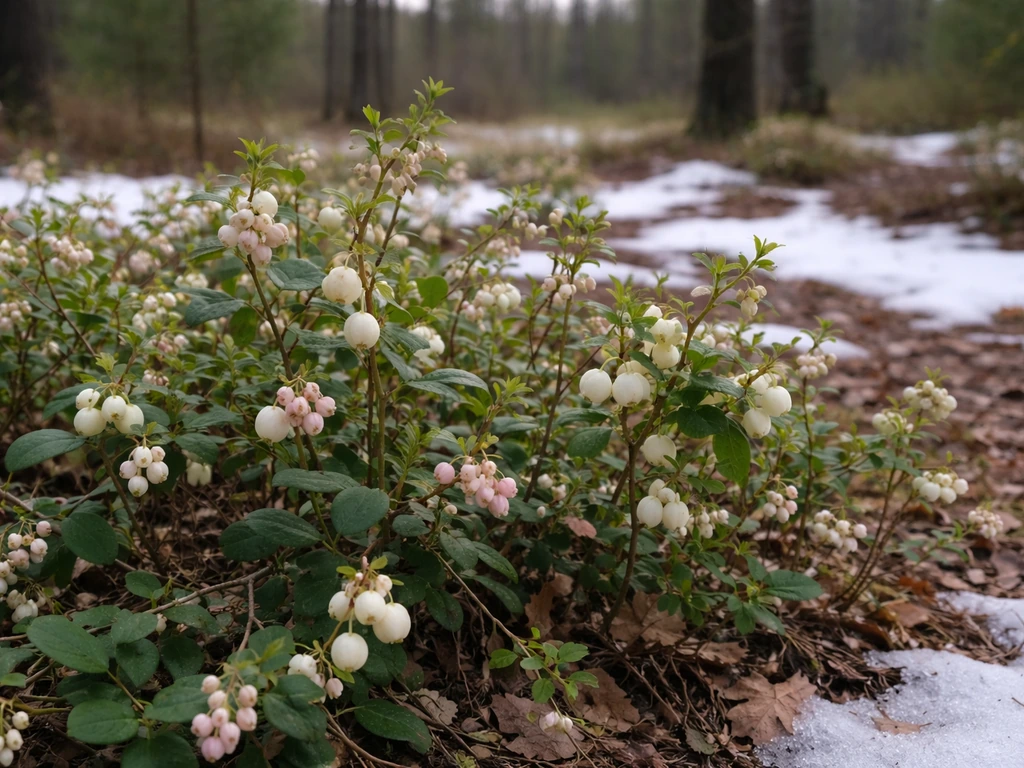
If you want to see snowberries growing in the wild before committing to a planting, you won't have to travel far in most of the US and Canada. Here's a rough geographic breakdown of which species to look for where:
| Species | Primary Native Range | Hardiness Zones |
|---|---|---|
| S. albus (common snowberry) | Canada-wide, northern and western US | 3–7 |
| S. occidentalis (western snowberry) | Canada, central and northern US, south to OK/NM/TX panhandle | 3–7 |
| S. orbiculatus (coralberry) | Eastern US west to NE and TX, northeastern Mexico | 2–7 |
Outside North America, common snowberry has been widely introduced as an ornamental in Europe, particularly the variety laevigatus from the Pacific coast. It's naturalized across parts of Britain, where it was planted as ornamental cover and for game habitat. So if you're a gardener in the UK or western Europe, you'll likely find it available at nurseries and it will naturalize readily in your climate without much fuss.
Compared to some of the other native shrubby berry plants covered on this site, like serviceberry trees or brambles, snowberries are noticeably more tolerant of cold and disturbed sites. If you are also wondering where serviceberry trees grow, their native range and habitat preferences help narrow down the best spots to plant them. They're less finicky about soil drainage than bunchberries and less demanding about specific climate conditions than wineberries or bilberries. Wineberries, for example, tend to have a different native range and preferred habitat than snowberries, so knowing where they grow helps you choose the right spot where do wineberries grow. If you're wondering where bunchberries grow, look for cool, moist woodland habitats with dappled light and rich, evenly moist soil. That broad adaptability is a real selling point.
How their growth habit shapes where you should plant them
Snowberries are deciduous shrubs, not groundcovers or vines, and their spreading habit is something you need to plan around. S. albus forms a dense, rounded shrub and spreads aggressively by rhizomes and suckers, creating thickets over time. The National Park Service notes that rhizome-based sprouting is a key part of how these plants persist and expand. That's great news for a naturalized bank, a property edge, or a wildlife planting, but it means an in-ground snowberry will eventually claim more territory than the spot you originally dug.
In terms of moisture preference, S. albus tends toward the wetter end of the spectrum: stream banks, low draws, and depressions. S. orbiculatus (coralberry) leans drier, with NC State Extension noting it prefers moist to dry conditions and tolerates loamy or rocky soil well. That makes coralberry the better pick for a drier upland site or a rocky slope, while common snowberry is better suited to a low spot or a position near a downspout or rain garden edge.
Think of it this way: S. albus is your stream-bank and woodland-edge plant, happy with heavier, moister soil in partial sun. S. orbiculatus is your field-edge and rocky-slope plant, more comfortable in leaner, drier conditions in full sun. Matching the species to your site's moisture profile is the single most useful decision you can make before you buy a plant.
Growing snowberries in your yard: placement, spacing, and containers
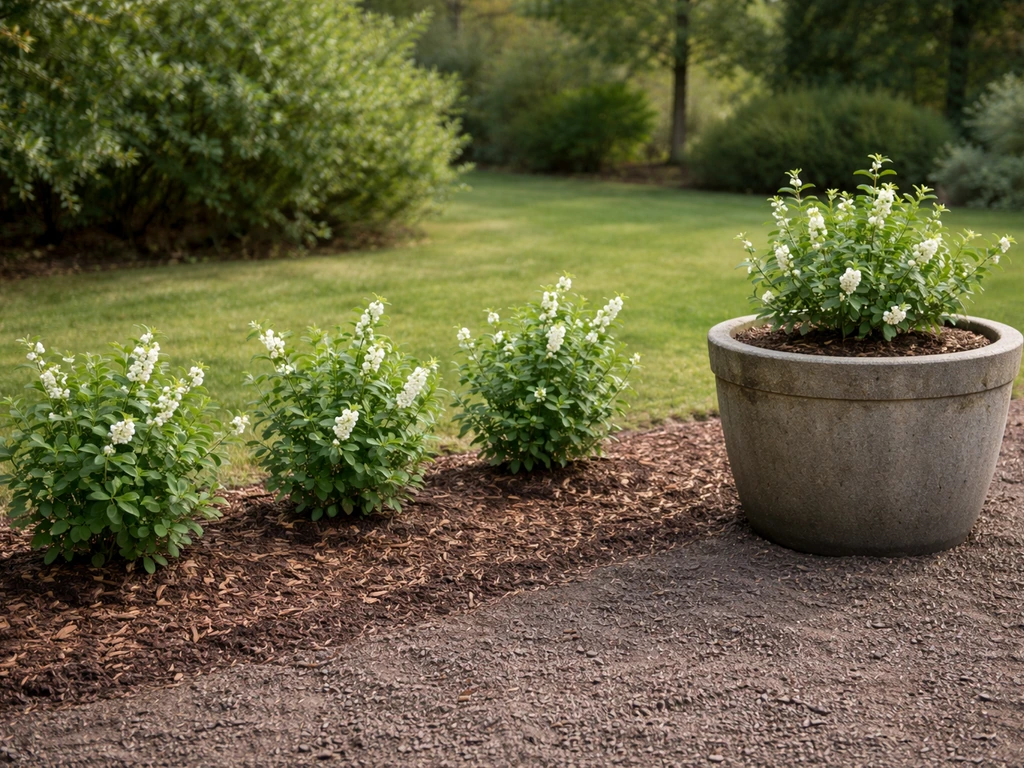
Choosing your site
Snowberries handle a wide light range, from full sun to fairly heavy shade. Audubon describes common snowberry as growing in full sun to shade and in dry to moist soils, which gives you real flexibility. That said, they fruit better and form tighter, more attractive habits in full to partial sun. If you have a shaded spot under an open canopy, they'll survive, but don't expect the same berry display you'd get with more light.
Spacing and spread management
Because of the rhizome and sucker spread, give in-ground plantings room: at least 4 to 6 feet between plants if you're creating a hedge or thicket planting. If you're planting just one or two shrubs and don't want them to colonize surrounding beds, plan on installing a root barrier or being prepared to cut back suckers each spring. Left unchecked, a single plant can form a broad thicket in a few seasons, which is either exactly what you want for a wildlife border or a problem if you're trying to keep a tidy garden bed.
Container growing
You can grow snowberries in large containers, and this is actually a useful workaround if you're in zone 8 or want to control the spread. Use a container at least 15 to 20 gallons to give the root system enough room. The wide pH tolerance (5.0 to 8.0) means standard potting mixes work fine. The bigger challenge in containers is moisture management: snowberries don't want to dry out completely, so in hot summers you may need to water more frequently than you'd expect for a 'drought-tolerant' shrub. Drainage holes are non-negotiable. Move containers to a sheltered spot in winter if you're near the edge of their hardiness zone.
Timing your planting
USDA Forest Service research on S. albus is pretty direct about this: prompt, early spring planting is required, or the plant may experience moisture stress in the short term. Don't delay once you have your plant. Get it in the ground while the soil is still cool and moist, water it in thoroughly, and mulch around the base to hold moisture through the first summer.
Common reasons snowberries won't thrive and how to fix them
- Wrong zone: If you're in zone 8 or warmer, the summer heat and lack of sufficient cold will stress these plants. Stick to containers you can shade in summer, or look for the most heat-tolerant species (coralberry handles slightly warmer conditions than common snowberry).
- Establishment moisture stress: The most common failure point I've seen is planting too late in spring, then the plant dries out before it roots in. Plant early, mulch well, and water consistently through the first growing season even if the species is ultimately drought tolerant.
- Too much shade: Dense, deep shade under a closed canopy limits fruiting and weakens the plant over time. If your site gets less than 2 to 3 hours of direct sun, consider a sunnier location or a shade-tolerant alternative.
- Waterlogged, poorly draining soil: Although S. albus handles occasional saturation, sitting in standing water long-term causes root problems. If your site stays wet for weeks at a time, raise your planting slightly or amend with compost to improve drainage.
- Planting the wrong species for your moisture conditions: Common snowberry in a hot, dry, rocky upland will struggle. Coralberry in a permanently wet low spot will also struggle. Match the species to the site, not just the genus.
- Spread getting out of hand: Not a failure exactly, but many gardeners are surprised by how aggressively snowberries sucker. Install root barriers at planting time if you're in a formal garden setting, or site them where lateral spread is welcome.
The honest truth about snowberries is that they're easier than most native shrubs to establish and far more adaptable than their understated reputation suggests. If you're in the right zone and you match your species to your site's moisture profile, you're most of the way there. The main job in year one is keeping the soil consistently moist while the roots settle in. After that, these plants take care of themselves almost entirely, which is exactly what you want from a wildlife-friendly native shrub. Damsons, a different kind of plum, are typically grown in cool temperate regions with well-drained soil and plenty of sun.
FAQ
Where do snowberries grow best if I’m not sure which species I have?
If you cannot identify the species, treat the plant like common snowberry (Symphoricarpos albus). Aim for a spot that stays evenly moist most of the growing season, such as a woodland-edge area, a rain-garden perimeter, or a site that occasionally gets saturated but drains within a day or two after heavy rain. Coralberry (S. orbiculatus) often needs drier, rockier conditions, so if the site never gets wet, lean toward a coralberry-type plant instead.
Can snowberries grow in places with road salt or salty runoff?
Yes, common snowberry is among the more salt-tolerant options, especially when the soil still gets regular moisture. To reduce salt stress, water deeply after dry spells and avoid applying additional de-icing salts within a few feet of the shrub. If you see leaf edge burn or early leaf drop, increase irrigation slightly during the first two summers.
Are snowberries the same as creeping snowberry?
No. Creeping snowberry is a completely different plant in a different genus (Gaultheria) and it behaves differently from Symphoricarpos. If your goal is the classic white- or pink-berried, thicket-forming native shrub, verify the label shows Symphoricarpos (not Gaultheria) and the plant is not described as a groundcover.
How invasive are snowberries, and how do I prevent them from spreading into lawn or beds?
They can be very aggressive because they spread through rhizomes and suckers, forming thickets over time. The practical options are installing a root barrier (a real vertical barrier that reaches deep enough) or keeping them in a container. If you keep them in-ground without a barrier, plan on annual sucker cutting in spring and monitor the edges, especially near paths and mowed lawn.
Do snowberries need full sun to fruit well?
They can survive in shade, but berry display is usually best in full to partial sun. If your spot is consistently shaded under an open canopy, expect slower establishment and fewer berries compared with a sunnier edge habitat. If fruiting matters to you, prioritize morning sun and at least several hours of direct light.
What should I do if my snowberries look stressed after planting?
The most common cause is moisture stress right after transplanting. Plant early in spring, water thoroughly at planting, and keep the soil consistently moist through the first summer rather than relying on occasional watering. Mulch helps, but do not let mulch pile against the crown, and make sure water can soak in rather than running off.
Is it better to plant snowberries in wetter low spots or drier uplands?
Match species to moisture. Common snowberry (S. albus) is better for low, wetter sites like stream-bank edges, depressions, or near downspouts where soil stays moist intermittently. Coralberry (S. orbiculatus) tolerates drier, rockier upland conditions better, so it is often the safer choice for slopes or areas that dry out quickly.
What spacing should I use for a thicket or hedge of snowberries?
For a hedge-like planting, give plants enough room to mature without crowding them unevenly, generally 4 to 6 feet apart. If you want quicker closure into a wildlife thicket, you can plant toward the tighter end, but keep an eye on suckering that will eventually widen the patch beyond the original layout.
Can snowberries be grown in containers successfully?
Yes, containers can be a good way to control spread. Use a large container, at least 15 to 20 gallons, and ensure drainage holes are clear. The main failure mode is letting the pot dry out during hot weather, so check moisture frequently in summer and water before the root ball fully dries.
Do snowberries have soil pH limits, and what if my soil is very alkaline?
Snowberries are generally flexible across a wide pH range, including alkaline soils. If you have very alkaline ground and plants struggle, the issue is more often moisture or light than pH. Focus on getting the right moisture level and consider partial sun to support better root activity and flowering.
When is the best time to plant snowberries for establishment?
Early spring is the safest timing because it reduces short-term moisture stress while roots are settling in. After you purchase, avoid waiting until the hottest part of summer, especially for common snowberry, since it can be more sensitive to drying during the initial establishment period.