
Wolfberries grow naturally in the dry, open hillsides and semi-arid plains of northwestern China, particularly in Ningxia, Gansu, Xinjiang, and Inner Mongolia. They thrive in full sun, tolerate drought and alkaline soil, and do surprisingly well in cold winters, which is why you can grow them across a huge swath of North America, from USDA zone 4 all the way to zone 9, depending on which species you choose.
Where Do Wolfberries Grow? Native Range and Home Growing Conditions
Marcus Holloway
7 Jul 2026
What people actually mean by 'wolfberries'
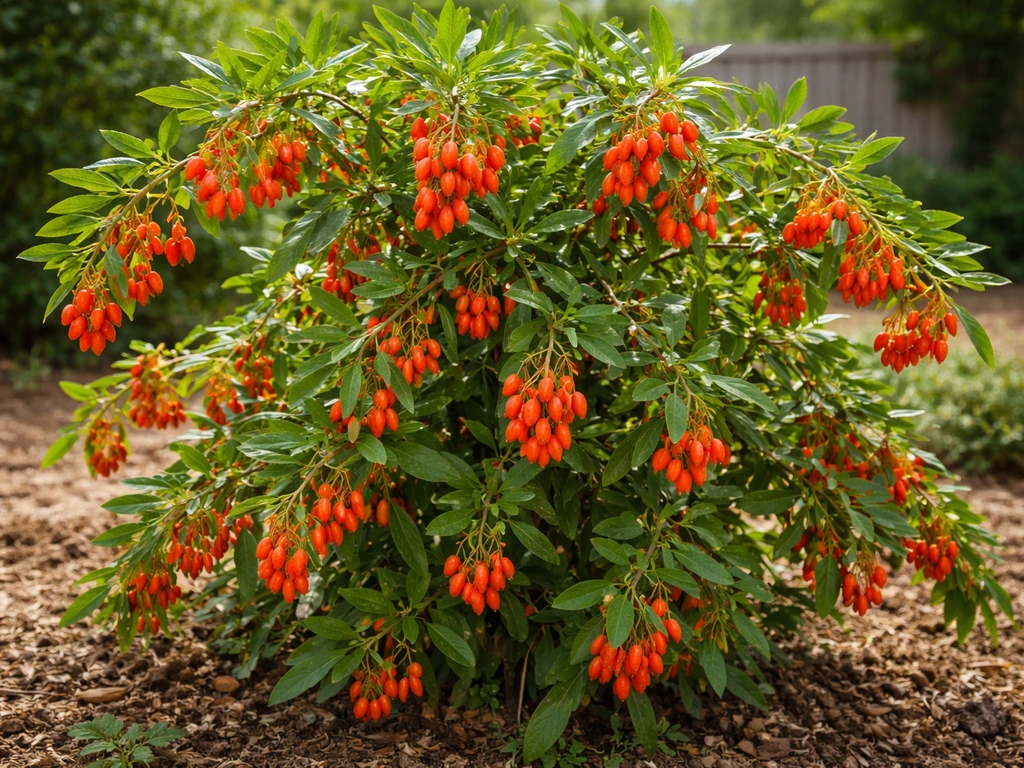
The word wolfberry gets used pretty loosely, so it helps to pin down which plant you're dealing with before digging a hole. Most of the time, when someone says wolfberry, they mean one of two closely related species: Lycium barbarum or Lycium chinense. These are the same plants sold and eaten as goji berries, and the names are basically interchangeable in the market. Lycium barbarum is sometimes called the Chinese wolfberry or common goji, while Lycium chinense is called the Chinese boxthorn or Barbary wolfberry. If you've bought a plant labeled 'goji berry,' it's almost certainly one of these two.
There are roughly 80 species in the Lycium genus spread across Asia and other continents, and some native North American species also carry the wolfberry name in regional usage. But for gardening purposes, L. barbarum and L. chinense are the ones you'll actually find for sale, and they're the focus here. The big practical difference between them is cold hardiness: L. barbarum handles USDA zones 4 through 9, while L. chinense is a bit more cold-sensitive at zones 6 through 9. If you're in a colder climate, L. barbarum is your plant.
Where wolfberries grow wild
In the wild, Lycium barbarum is native to northwestern and north-central China. Where do goji berries grow? They mainly come from northwestern and central China, especially Ningxia and central Gansu. The heartland is Ningxia Hui Autonomous Region, which accounts for nearly half of the predicted suitable habitat for premium-grade goji production, followed by central Gansu at about 40% and portions of Inner Mongolia at around 3%. These are not lush, rainy landscapes. Think wide-open plains, rocky hillsides, roadsides, and the edges of semi-desert environments. The plants grow in places where the soil is thin, alkaline, and drains fast, and where summers are hot and winters are genuinely cold.
Lycium chinense has a slightly different story. It's native to slopes, roadsides, and disturbed or waste areas across southern and central China, with a distribution that extends through Qinghai, Gansu, Hebei, and even edges into Tibet and Xinjiang. In India, goji berries are typically grown in similar dry, sunny regions with alkaline-leaning soil, so choosing the right site matters where goji berries grow in india. Both species are classic 'scrubby edge' plants, the kind that colonize disturbed ground, tolerate wind and poor soils, and don't need coddling. That weedy resilience is actually great news for home gardeners. These plants want to survive.
Climate and growing zones: what wolfberries can handle
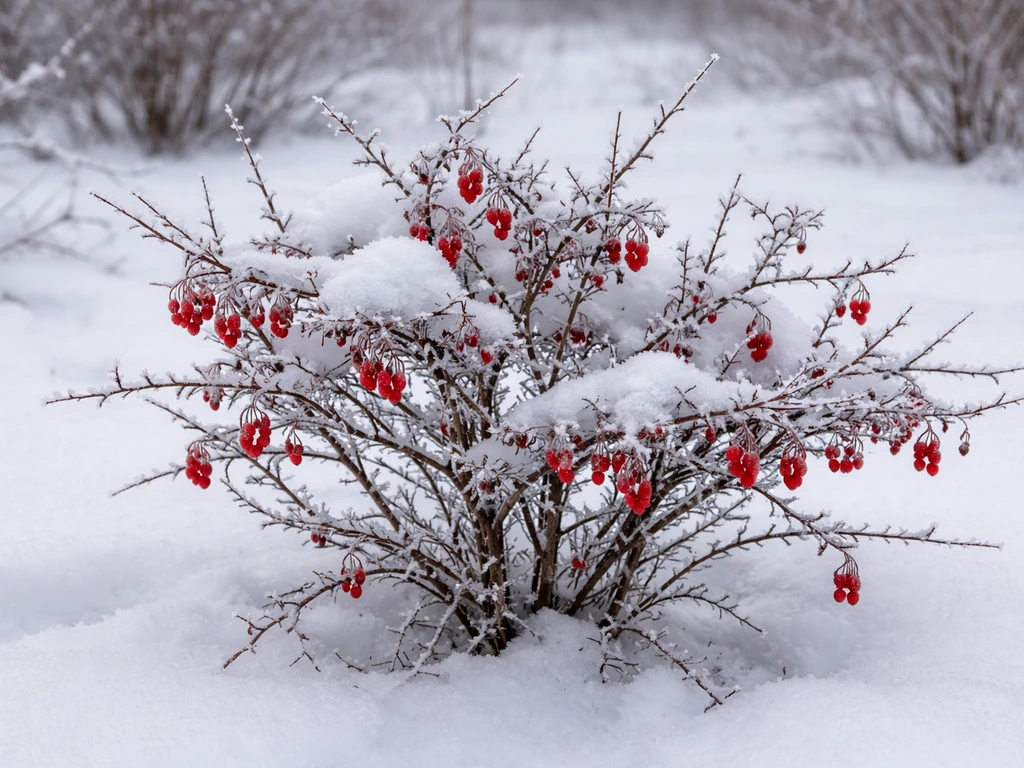
Wolfberries are more cold-tough than most people expect. Lycium barbarum is reliably hardy down to about -18°F (-27°C), which puts it solidly in USDA zone 5, and many sources push that to zone 4 with good drainage and a sheltered spot. On the warm end, it handles heat well into AHS zone 9. Lycium chinense is a bit less cold-hardy, topping out around zone 6 on the low end, but it handles heat similarly.
Drought tolerance is one of their best traits. The native range in northwestern China gets relatively low and erratic rainfall, so these plants evolved to push through dry spells without wilting. That said, young plants in their first season need more consistent moisture to get established. If you want to know exactly where Juneberries grow, that depends on region, climate, and soil conditions too. Once they're rooted in, you can largely step back on watering. Wind is not a problem either, which matters if you're gardening on an exposed site where most shrubs struggle.
What they don't love is excessive humidity combined with wet roots, or long stretches of waterlogged soil. Hot, dry summers suit them better than hot, humid ones, which is worth keeping in mind if you're gardening in the southeastern US or similar climates.
Soil and site conditions: this is where most people go wrong
Wolfberries are native to alkaline soils, and this is the single most important soil fact to get right. Their native pH range runs from about 7.0 to 8.0, and they tolerate soils as alkaline as pH 8.2 without complaint. Neutral to slightly alkaline is ideal. What they genuinely struggle with is acidic soil. If you're in the eastern US, the Pacific Northwest, or anywhere with naturally acidic ground, your first step is a soil test. If your pH is below 6.5, you'll want to amend with lime before planting.
A useful diagnostic: if your established goji plant's foliage starts looking pale or takes on a purplish cast, that's often a sign the soil is too acidic. Raising the pH usually resolves it. Target a soil pH between 6.8 and 8.1 for the best results.
Drainage matters just as much as pH. Wolfberries absolutely do not want wet feet. In their native habitat, water moves through the soil quickly, and roots stay on the drier side between rains. On heavy clay soils, roots kept consistently wet will suffer. If your site holds water after rain, you have two options: amend the bed heavily with grit and organic matter to improve drainage, or grow in a raised bed or container where you control the mix. Light loam is the ideal native-habitat soil type, but the plants will adapt to sandy or rocky soil far more readily than to anything that stays boggy.
Sun exposure is straightforward: full sun gives the best yields. Part shade is tolerated, but expect noticeably fewer berries. Site them where they get at least six hours of direct sun daily, and more is better. Their salinity tolerance is also worth noting if you're gardening near the coast or in areas with naturally salty soils. This is another trait that sets them apart from more finicky berry crops.
Where wolfberries grow around the world

The native range is China-centric, but wolfberries have spread well beyond that. Do juniper berries grow in India? Juniper berries are a different plant group, and their growth in India depends on local climate and suitable habitat. Lycium barbarum has naturalized across Europe, North America, and Australia after escaping cultivation. In Australia, it has become established in southeastern coastal and sub-coastal regions and is actually considered an environmental weed in Victoria and Tasmania, which tells you something about how adaptable it is once it's comfortable. In North America, both species turn up along roadsides and waste areas, particularly in the Northeast, where Lycium chinense has naturalized across multiple New England states.
| Region | Species present | Status | Notes |
|---|---|---|---|
| Northwestern China (Ningxia, Gansu, Xinjiang, Inner Mongolia) | L. barbarum | Native/cultivated | Core commercial growing region; ~90% of suitable Daodi habitat |
| Southern/Central China (Hebei, Qinghai, Tibet) | L. chinense | Native | Disturbed slopes, roadsides, waste ground |
| Mongolia, Tibet | Both | Native range edges | Drier, higher-elevation extensions of native range |
| Europe | L. barbarum | Escaped/naturalized | Widely present after escaping garden cultivation |
| North America | Both | Cultivated + naturalized | L. barbarum zones 4-9; L. chinense zones 6-9; naturalized in NE US |
| Australia (SE coastal) | L. barbarum | Naturalized/weed | Environmental weed in Victoria and Tasmania |
The fact that wolfberries have naturalized on multiple continents is practically useful. It confirms that the plant's requirements are flexible enough to handle a wide range of temperate to semi-arid climates, not just the specific geography of Ningxia. If you're in a climate broadly similar to the native range, you're in good shape. Even if you're not, container growing opens up more options.
How to figure out if your location works
The fastest way to assess your site is to run through three quick checks: zone, soil pH, and drainage. Here's how I'd approach it if I were starting fresh today.
- Look up your USDA hardiness zone. If you're in zones 4 to 9, L. barbarum will survive your winters. If you're in zones 6 to 9, either species works. Colder than zone 4, and you're looking at container growing brought indoors in winter.
- Do a soil pH test. Simple test kits are available at any garden center for a few dollars. If your pH is already 6.8 to 8.2, you're in the ideal range. If it's below 6.5, plan to amend with garden lime before planting.
- Check your drainage. Pour a bucket of water into the spot you're considering and watch what happens over 30 minutes. If it pools for a long time, that site needs raised beds or amendment. If it soaks in steadily, you're good.
- Assess sun hours. Walk the site at midday in summer and check for shade from trees, buildings, or fences. Count rough hours of direct sun. Six or more is ideal; fewer than four and yields will disappoint.
- Consider your summer humidity. If you're in a hot, humid climate like the Gulf Coast or southeastern US, choose a site with excellent air circulation and avoid heavy mulch piling up against the base of the plant. Raised beds help here too.
If you're in the western US, particularly the Intermountain West (Utah, Colorado, Nevada, Arizona at higher elevations), you're essentially mimicking the native habitat: alkaline soils, dry summers, cold winters, and full sun. These are almost perfect wolfberry conditions. blank" rel="noopener noreferrer">Arizona's high desert zones (roughly USDA 8a to 8b) work well. The Great Plains and Midwest also suit them well given the native-range parallels. If you are wondering, can you grow goji berries in Canada, the same alkaline-soil and cold-hardy Lycium barbarum guidance applies once you match your USDA zone and drainage. The Northeast and Pacific Northwest are workable with pH amendment, and the South works with attention to drainage and air circulation.
In-ground vs. container growing: what makes sense for your situation
In-ground planting is the best setup if your climate, soil, and drainage check out. Wolfberries are vigorous shrubs that can reach 6 to 10 feet when established, and in the ground they'll spread and produce fruit for many years with minimal intervention. Space plants at least 5 feet apart to give them room. They'll tolerate relatively infertile soil, so you don't need to load up on amendments beyond correcting pH and drainage.
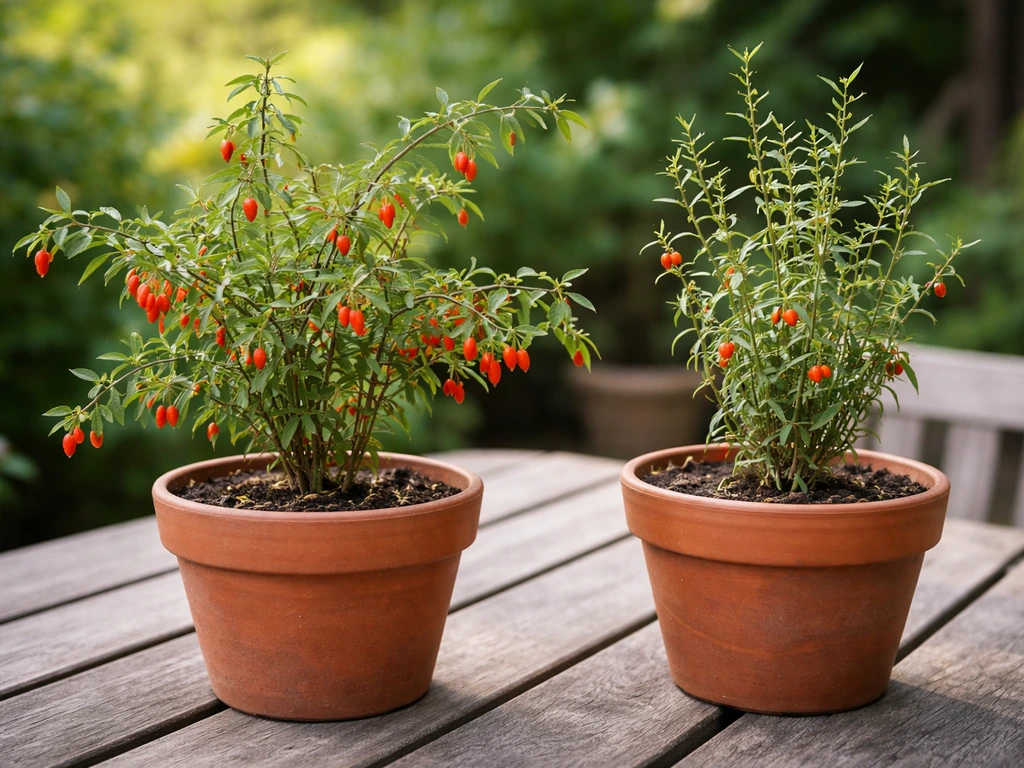
Container growing is a solid workaround if you're outside the hardiness range, dealing with heavily acidic or waterlogged soil, or simply want to keep the plant manageable. Use a large pot (at least 15 to 20 gallons) with a well-draining mix, and lean toward a neutral to slightly alkaline potting blend. Skip the peat-heavy mixes, which lower pH. If you're in zone 3 or colder, containers let you bring the plant into an unheated garage or cool basement over winter, where it goes dormant without needing light.
One honest note on container yields: you'll get fruit, but not at the volume of an established in-ground plant. Container plants also dry out faster in summer, so you'll be watering more frequently, which is somewhat at odds with the plant's natural drought tolerance. Still, a container-grown wolfberry on a sunny deck is entirely doable and worth it if in-ground isn't an option.
A quick comparison: L. barbarum vs. L. chinense for home gardeners
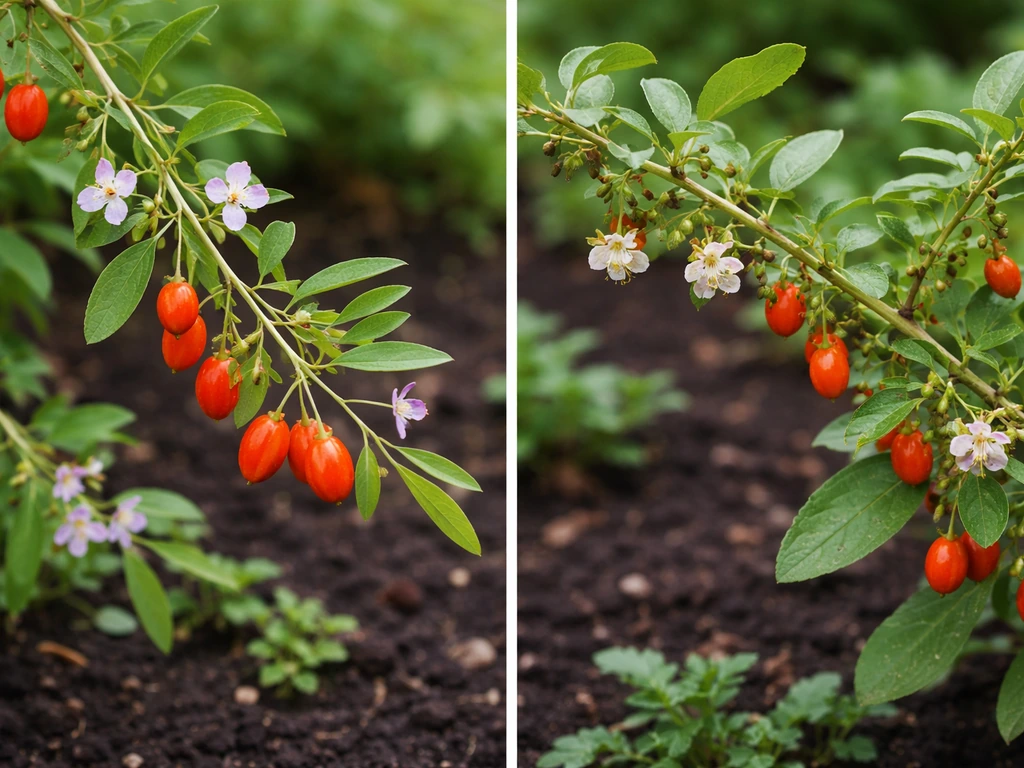
| Feature | L. barbarum (Chinese wolfberry) | L. chinense (Chinese boxthorn) |
|---|---|---|
| USDA hardiness zones | 4 to 9 | 6 to 9 |
| Minimum temperature | About -18°F / -27°C | Less cold-hardy; zone 6 minimum |
| Native region | Northwestern China (Ningxia, Gansu, Xinjiang) | Southern/Central China; disturbed slopes and roadsides |
| Soil pH preference | 6.8 to 8.2 (neutral to alkaline) | Similar; prefers neutral to slightly alkaline |
| Commercial availability | More widely available; most cultivars are L. barbarum | Less common in nursery trade |
| Best for cold climates | Yes, first choice for zones 4 and 5 | Not ideal below zone 6 |
If you're choosing between the two for a home garden, L. barbarum is the safer and more practical pick for most growers. It's more widely available, hardier in cold, and the one behind most of the cultivated varieties you'll find at nurseries. L. chinense is fine in milder climates and may be slightly more heat-tolerant in humid conditions, but for general use, start with L. barbarum.
If you've been looking into related plants like goji berries, you're already thinking about the same species, since goji berries and wolfberries are essentially the same plant marketed under different names. The growing requirements covered here apply equally to what you'd find sold as goji berry plants. And if you're exploring other berry shrubs for dry or alkaline conditions, juniper berries are another surprisingly drought-tolerant option worth knowing about for similar garden settings. Juniper berries grow on juniper shrubs and are native to many regions across the Northern Hemisphere, especially dry or rocky areas with good drainage.
FAQ
If wolfberries are native to China, can they still grow where wolfberries are not naturally found?
Typically, wolfberries are associated with alkaline, well-draining, semi-arid sites rather than a specific “country.” If you want the closest match to where they grow naturally, aim for full sun, a soil pH around 7.0 to 8.2, and fast drainage (no standing water after rain).
Will wolfberries grow in areas with mild winters if I can’t match the same soil conditions?
Yes, but your success hinges on correcting conditions that differ from the native habitat. The biggest make-or-break factors are soil pH (wolfberries hate acidic soil) and drainage (they fail in persistently wet ground), even if your climate seems warm enough.
When buying “goji berries,” how do I make sure I’m not choosing the wrong wolfberry for my location?
Don’t rely on the “goji” label alone if you’re choosing a planting site. “Goji berry” plants are usually Lycium barbarum or Lycium chinense, and the cold tolerance differs (L. barbarum generally handles colder winters than L. chinense).
What changes when growing wolfberries in pots, especially for soil pH?
In containers, drainage and pH control matter more than in-ground. Use a well-draining mix and avoid peat-heavy blends that can drift acidic, and consider adding calcitic lime to the container mix if your test shows the pH is trending below your target.
How can I tell whether my wolfberry problem is caused by soil pH versus a lack of fertilizer?
If you get berries but plants look weak or pale, suspect nutrient or pH mismatch before adding fertilizer. Wolfberries can show symptoms like pale or purplish foliage when soil is too acidic, and raising pH often fixes the problem more reliably than heavy feeding.
How much should I water wolfberries in their first year versus after they’re established?
For establishment, the first season matters. Water young plants enough to keep the root zone from completely drying out, but still avoid boggy soil, then gradually scale back once established since mature plants tolerate drought better.
Do I need to space wolfberry bushes farther apart in humid climates?
Spacing depends on whether you want easy harvest access or maximum airflow. A good default is at least 5 feet between plants, and if you live in a humid area, slightly increasing spacing helps reduce mildew risk by improving airflow.
How do wolfberries handle coastal salt spray or salty irrigation water?
They can survive salty conditions, but don’t assume that means “no stress.” If you irrigate with brackish or frequently salt-exposed water, periodically flush the container (or leach-through in-ground where drainage allows) and watch for leaf burn or slow growth.
What’s the best approach if my yard has acidic soil and heavy clay?
Yes, and it’s usually the best solution when your yard is acidic or stays wet. A raised bed lets you build a fast-draining root zone and more easily maintain the right pH without fighting the native subsoil.