
Juneberries grow natively across a huge sweep of North America, from northern Alaska down through the Pacific Northwest, east into the Great Plains, and all the way to Ontario, Minnesota, Iowa, Colorado, and New Mexico. If you're in that range, or anywhere with a reasonably cold winter and decent drainage, the answer is almost certainly yes, juneberries will grow where you live. Let me walk you through exactly how to confirm that for your specific spot.
Where Do Juneberries Grow? Native Range and Care Guide
Marcus Holloway
18 Apr 2026
Juneberries vs serviceberry: what you're actually growing
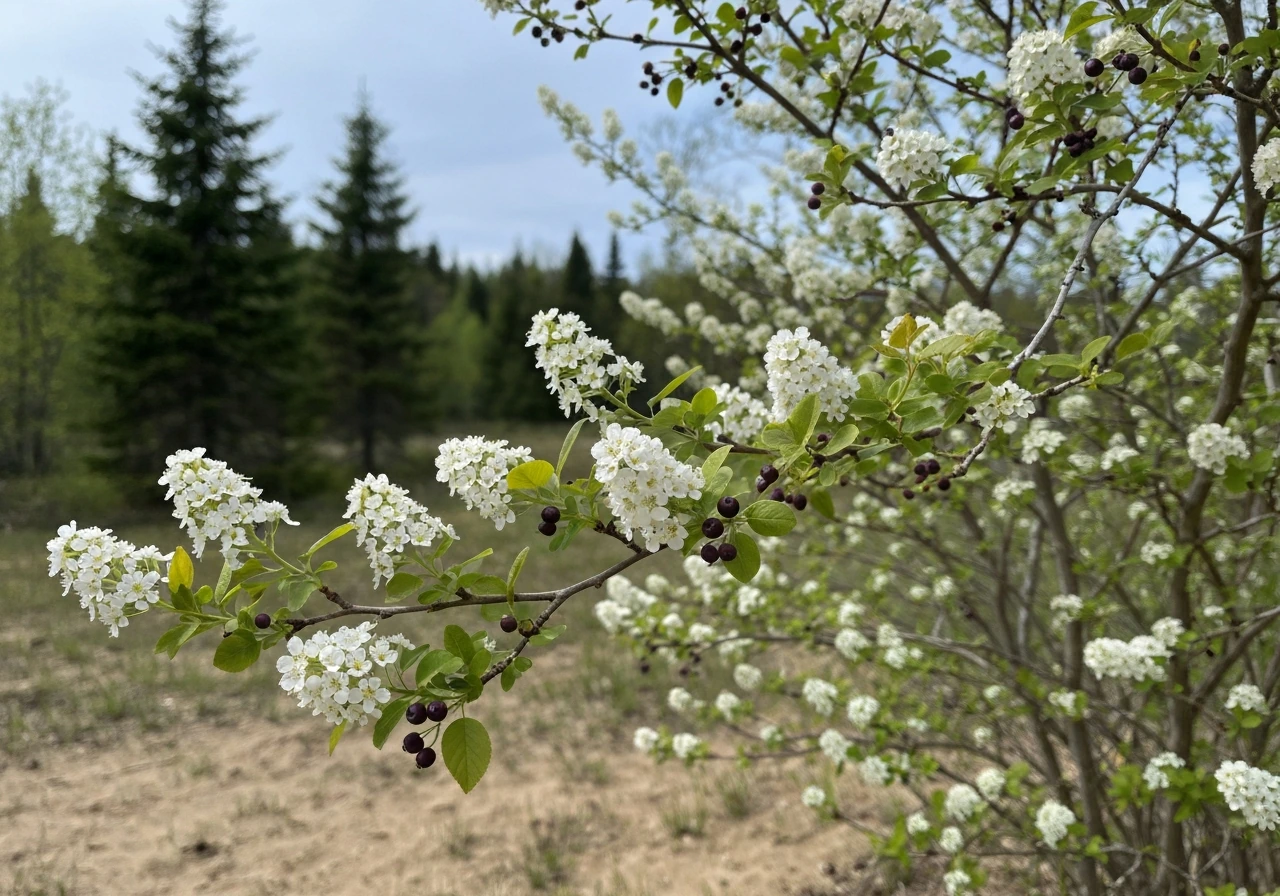
Before anything else, let's clear up the naming confusion, because it trips up a lot of people at the nursery. Juneberry, serviceberry, saskatoon, and shadbush are all common names that can refer to the same group of plants in the genus Amelanchier. The name you'll see depends entirely on where you are. In the northern plains and Canada, people say saskatoon. In the mid-Atlantic and Southeast, shadbush is common. In the Midwest and Mountain West, juneberry is the go-to. And serviceberry pops up almost everywhere in between.
The U.S. Fish and Wildlife Service officially ties the name "juneberry" to the species Amelanchier alnifolia, the same plant the University of Washington lists under the names Western serviceberry and Saskatoon serviceberry. So when you search for juneberries (or june berries, with a space, which means the same thing), you're almost always looking at A. alnifolia or one of its close relatives like Amelanchier canadensis, which FWS separately lists as Canadian serviceberry. They're related, they fruit similarly, and most of what I say in this article applies to both. The main practical difference is moisture tolerance, which I'll get to.
Native range and climates where juneberries naturally grow
Amelanchier alnifolia has one of the widest native ranges of any fruiting shrub in North America. According to University of Washington plant data, it runs from northern Alaska south to California and east to Ontario, Minnesota, Iowa, Colorado, and New Mexico. That's an enormous footprint, covering boreal forests, mountain foothills, open prairies, and everything in between. The U.S. Forest Service FEIS database backs this up with detailed distribution records across multiple states and provinces, confirming this isn't just a regional specialty plant.
In practical climate terms, juneberries evolved in places with cold winters and moderate summers. They're perfectly at home in continental climates with harsh freezes, which is part of why they do so well in the northern plains, the Great Lakes region, and the mountain West. They're not a subtropical or coastal species. If you're in a warm, mild-winter climate like coastal Southern California or Florida, you're outside their comfort zone and fruit production will be minimal at best.
Habitat preferences: soil, moisture, and light
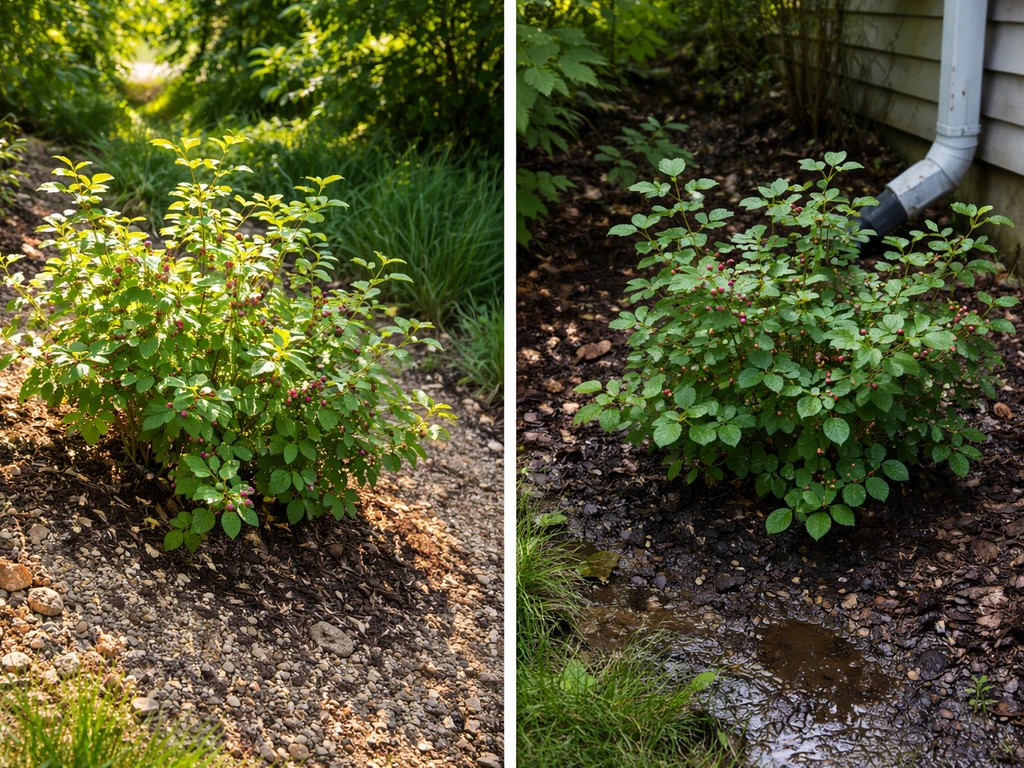
Here's where a lot of gardeners go wrong: they assume that because juneberries grow wild along stream edges and forest margins, they want wet soil. They really don't. The Morton Arboretum is pretty direct about this: Saskatoon serviceberry is not tolerant of wet soils. What it wants is moist, well-drained sandy loam, not waterlogged ground.
Montana State University Extension puts it clearly in their serviceberry growing guide: the ideal planting site has moist, well-drained sandy loam with a pH between 5.5 and 7.0, though juneberries can tolerate alkaline soils up to a pH of 8.0. North Dakota State University's tree handbook confirms a similar pH range of 5.5 to 7.5 for this species. That's a pretty forgiving range, which is one reason juneberries succeed across so many different landscapes.
One important note: if you're considering Amelanchier canadensis specifically (sometimes sold as shadbush or downy serviceberry), Iowa State Extension points out that this species will tolerate more moist soils than most serviceberries. So if your site stays a bit damp, A. canadensis is a better bet than A. alnifolia. Just don't confuse tolerating dampness with wanting to sit in standing water, neither species wants that.
For light, Utah State University Extension is clear: full sun is required for maximum harvest potential. The Morton Arboretum allows for full sun to part shade, and in my experience that's accurate for survival, but if fruit production is your goal, you want at least six hours of direct sun. Site in shade and you'll get a living plant with very little fruit.
Hardiness and chilling needs: how to judge your own location
Juneberries are cold-hardy plants. The Morton Arboretum places Saskatoon serviceberry at hardiness zones 4 through 7 as a general range, and Montana State Extension's cultivar table includes "Hardy to Zone" ratings for multiple serviceberry types including A. alnifolia. Depending on the cultivar, you can push into Zone 3 without a problem. The 'Regent' cultivar, for example, is widely grown in the northern plains precisely because it handles brutal winters without complaint.
Chilling requirements matter too, though juneberries aren't especially demanding on this front. They need enough cold dormancy to flower and fruit properly, which is why they underperform in warm-winter climates. If you're in Zone 8 or warmer, you may get some bloom but fruit set will be inconsistent. Zone 9 and up is generally not worth attempting with standard juneberry varieties.
Here's a quick way to screen your location: if you're in USDA Zones 3 through 7 and you get regular winter freezes, you're almost certainly in range. If you're on the Zone 8 edge, it's worth trialing one plant before committing to a row of them. If your winters are mild enough that azaleas thrive without protection, juneberries will likely disappoint you on fruit, even if they survive.
Plant structure and siting: spacing, shrub/small-tree growth, containers
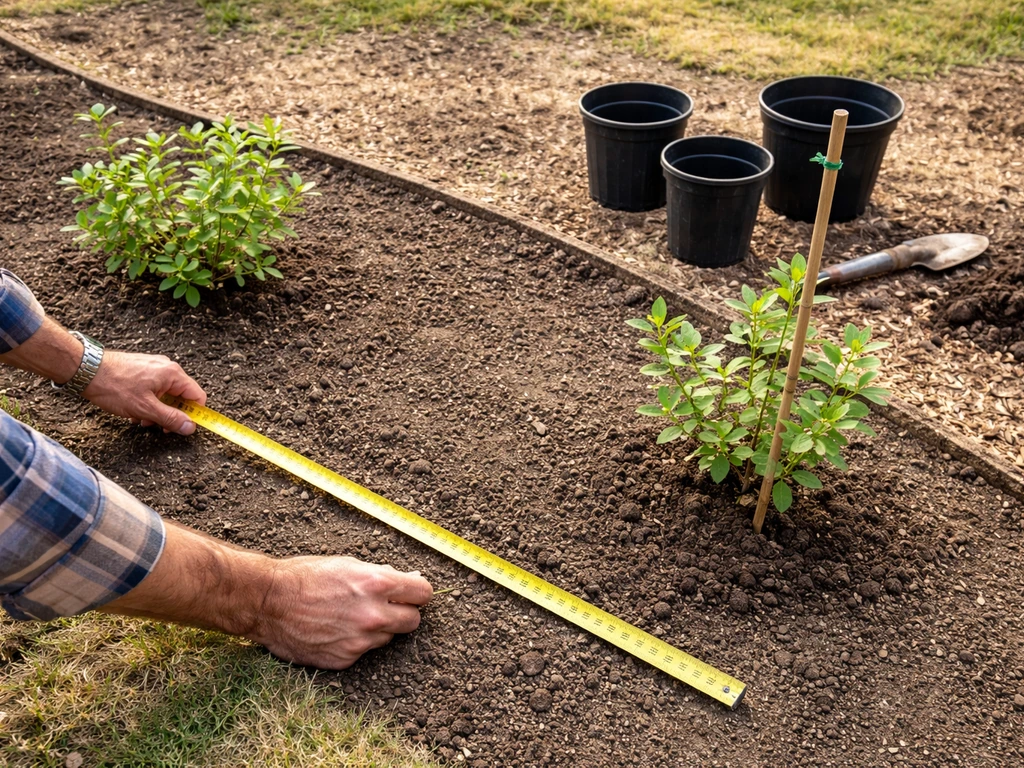
Juneberries are not vining berries, not bog plants, and not ground-huggers. Utah State University describes serviceberry as a large shrub that can be trained as a small tree, and that's exactly right. North Carolina State Extension puts typical mature height around 15 feet with a rounded crown, and the University of Maine's native landscape guidance estimates Eastern serviceberry reaching around 20 feet under good conditions. How yours grows depends on how you train it: left alone, you get a multi-stemmed shrub; prune to a central leader and you get a tidy small tree.
One thing to plan for is suckering. Many juneberry types spread by root suckers, and Montana State Extension's cultivar notes specifically call out suckering tendencies as a maintenance consideration. If you want a contained shrub, Iowa State Extension recommends removing suckers during dormancy, which also improves airflow at the base and reduces disease pressure from fungal leaf spots. It's worth staying on top of this, especially in humid climates.
For spacing, plan on 6 to 10 feet between plants depending on the cultivar. Compact cultivars like 'Regent' can be placed closer; larger-growing types need more room. If you're planting a hedgerow, that tighter spacing is fine and the plants will form a nice fruiting screen.
Can you grow juneberries in containers?
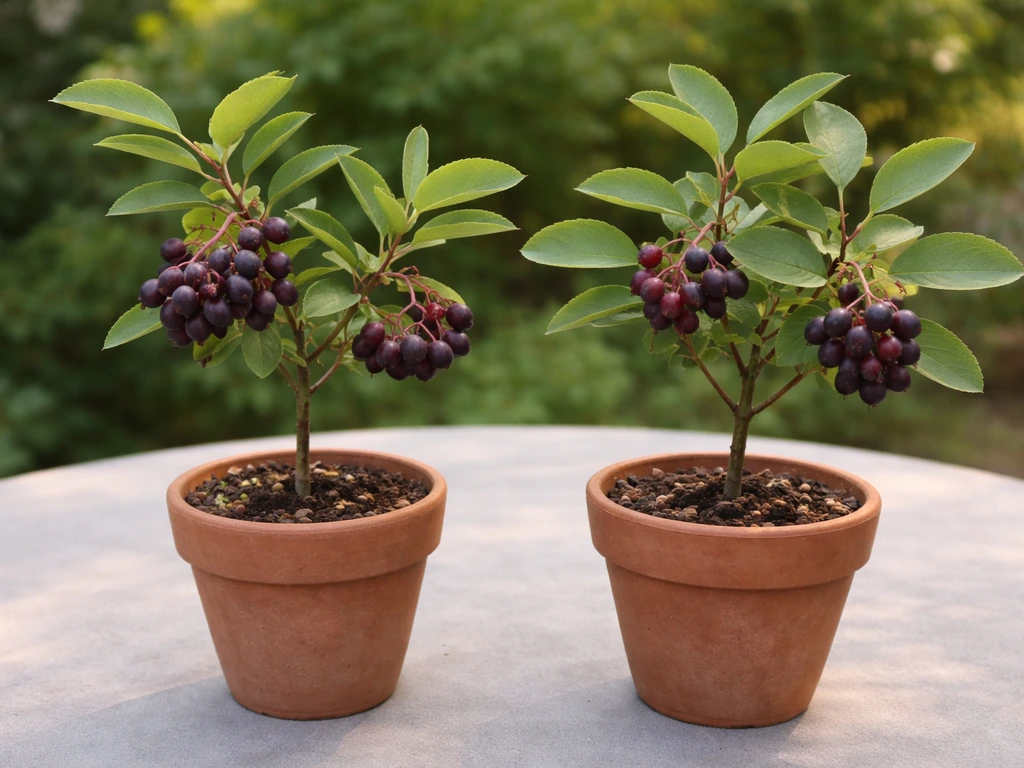
It's possible, but honestly not ideal for heavy fruit production. The root system on a mature juneberry is substantial, and the plants do best when they can spread. That said, if you're in a marginal zone or have no ground space, a large container (25+ gallons) with excellent drainage and a compact cultivar can work for a few years. You'll need to water more attentively since containers dry out faster, and you may eventually need to size up. Treat container growing as a workaround, not the preferred method.
Juneberries vs. other berry shrubs: a quick comparison
| Feature | Juneberry (A. alnifolia) | Canadian Serviceberry (A. canadensis) | Goji Berry | Juniper Berry |
|---|---|---|---|---|
| Native range | Alaska to New Mexico, Ontario to Iowa | Eastern North America | Asia, parts of Europe | Widespread Northern Hemisphere |
| USDA zones | 3–7 (some cultivars to zone 2) | 3–8 | 3–10 depending on species | Varies widely by species |
| Soil preference | Moist, well-drained sandy loam, pH 5.5–7.5 | Tolerates moister soils, pH 6.0–6.5 | Well-drained, tolerates alkaline | Well-drained, tolerates poor soil |
| Wet soil tolerance | Not tolerant | More tolerant than A. alnifolia | Not tolerant | Generally not tolerant |
| Growth form | Large shrub or small tree | Multi-stemmed shrub or small tree | Arching shrub | Shrub or tree depending on species |
| Full sun needed? | Yes for fruit | Yes for fruit | Yes | Yes |
If juneberries are outside your zone or climate, goji berries are a surprisingly adaptable alternative. Where goji berries grow covers a broader zone range than most people expect, making them a useful backup for warmer climates where juneberries struggle. And if you're curious about the juniper side of the berry world, the growth habits are quite different: where juniper berries grow explains why those aromatic cones (technically not true berries) show up in such different landscapes than Amelanchier.
How to tell if juneberries will thrive where you live
Run through this checklist before you buy anything. It's the same logic I use before recommending any fruiting shrub to someone in an unfamiliar region.
- Check your USDA hardiness zone. If you're in zones 3 through 7, you're in the sweet spot. Zone 8 is marginal. Zone 9 and warmer, skip juneberries and try something else.
- Test or estimate your soil pH. Aim for 5.5 to 7.0. If your soil tests alkaline above 7.5, you can amend with sulfur, but a pH of 8.0 is about the outer limit.
- Evaluate drainage. Dig a hole about 12 inches deep, fill it with water, and see how long it takes to drain. If it's still sitting there after an hour, you have a drainage problem. Raised beds or a different site will be necessary.
- Count your sun hours. Walk your candidate planting site and honestly assess how many hours of direct sun it gets in summer. Less than 4 hours means poor fruit. 6 or more means you're good.
- Consider your winter cold. If you get hard freezes regularly, your plants will develop the dormancy they need. If your winters are mild, fruiting will be erratic.
If you pass all five of those checks, plant with confidence. If you fail on drainage, that's the one I'd take most seriously: juneberries can recover from suboptimal pH or partial shade, but they really struggle in waterlogged ground. USU's planting guidance even specifies that during establishment you want the soil moist but not wet, and roots sitting in saturated soil during the growing season is a reliable way to lose a plant.
One comparison that puts things in perspective: juneberries and wolfberries (the parent plant of many goji cultivars) share some zone overlap, but their landscape niches are very different. If you want to explore that contrast, where wolfberries grow breaks down the habitat and climate specifics for that species. And if you're in Canada and weighing your options for hardy fruiting shrubs, the zone-by-zone breakdown in can you grow goji berries in Canada is a useful read alongside this one.
Local sourcing and practical next steps
The best place to start is your local or regional native plant nursery. Since juneberries are native across most of North America, there's usually a nursery within a reasonable drive that carries regionally appropriate cultivars. Regional fit matters: a cultivar bred and selected in the northern plains may perform better in cold zones than one from a Pacific Northwest nursery, even within the same species.
When you're at the nursery, look for named cultivars rather than unnamed seedlings. 'Regent' (compact, good for small gardens), 'Thiessen' (taller, heavy fruiting), and 'Smoky' (also a good fruiting variety) are widely available in the northern and central regions. Ask specifically about hardiness and whether the plant was grown locally or sourced from another region. Locally grown stock tends to establish better.
Utah State Extension recommends planting in spring or fall, preparing your hole to twice the width of the container at the same depth, and irrigating immediately after planting to settle the soil and eliminate air pockets. Keep that first-season watering consistent: moist but not wet is the target. After the first year, established juneberries are quite drought-tolerant, though Montana State Extension notes that irrigation improves fruit size and yield even in established plants.
If you're in a region where juneberries are less commonly stocked, look into mail-order native plant nurseries that specialize in your region. University extension programs in your state or province often maintain lists of recommended native plant sources, and those lists are worth bookmarking. The USFS distribution maps for Amelanchier species are also useful if you want to confirm whether your county falls within the historic native range, which can be a helpful indicator of likely success. The USDA Forest Service FEIS species review for Amelanchier alnifolia also provides distribution and ecology details to support those range checks USFS distribution maps for Amelanchier species.
For those in India or other parts of South Asia wondering whether juneberries or their close relatives can be grown locally, the short answer is that Amelanchier is a temperate-zone genus that doesn't naturalize in tropical or subtropical climates. It's worth looking at alternatives adapted to those regions instead. Similarly, where goji berries grow in India is a more relevant starting point if you're in South Asia and looking for a hardy fruiting shrub with some overlap in culinary use. And if you've ever wondered whether juniper can be propagated the same way you'd start a serviceberry from seed, the answer is quite different: growing juniper from berries involves a very different propagation process than starting Amelanchier from stratified seed.
One last thought on the naming front: if you're searching for plants at a nursery or online and not finding "juneberry," try serviceberry, saskatoon, or shadbush. You're almost certainly looking at the same plant. The species Amelanchier alnifolia and its cultivars are all the same thing regardless of the label on the pot. Don't let the regional name variation send you on a wild chase. Find the genus, confirm the hardiness zone rating on the tag, check the drainage on your site, and you're ready to plant.
Finally, a quick note for anyone specifically researching the Indian subcontinent context for junipers: whether juniper berries grow in India is a separate question with its own geography, and the two plants have very little in common beyond both being used in cooking.
FAQ
Can juneberries grow in my yard if I get mild winters but occasional cold snaps?
They may survive, but fruiting is often the problem. Juneberries rely on sufficient winter chilling to break dormancy properly, so in consistently mild climates (where common shrubs like azaleas thrive without protection) you can see irregular bloom and poor fruit set even if the plant stays alive. If your winters are only marginal, try one plant first and watch bloom timing and fruiting before planting more.
What soil condition should I aim for, moist or dry?
Aim for moist, well-drained soil. Juneberries can tolerate average moisture, but they do not tolerate saturated conditions, especially during active growth. If water ponds after rain or drains slowly overnight, fix drainage first (raise beds, improve soil structure, or choose a different site) rather than trying to “manage” it with more watering control.
How can I tell if a nursery plant is a juneberry (Amelanchier) vs something else with a similar name?
Look for the genus name Amelanchier on the tag, then check the species or cultivar name. Nursery labels often use regional common names (serviceberry, saskatoon, shadbush) for the same group, but the only reliable confirmation is the genus plus the hardiness information for that cultivar.
If I buy “Canadian serviceberry” (Amelanchier canadensis), does it need different care than western juneberry (A. alnifolia)?
The main advantage of A. canadensis is better tolerance of somewhat damper sites, but it still should not be planted in standing water or constantly waterlogged ground. Treat it like the same overall shrub, but if your site runs slightly moist, A. canadensis is the better risk than A. alnifolia.
Do juneberries need full sun to survive, or only to fruit?
For best fruit production, plan on at least about six hours of direct sun. They can survive in part shade, but flowering and berry size usually drop significantly. If your priority is harvest, treat sun as a requirement, not just an advantage.
How much spacing should I use, and will crowded plants still fruit?
Use roughly 6 to 10 feet between plants depending on cultivar size and growth habit. Crowding reduces airflow at the base and can worsen fungal leaf spot risk while also competing for light, which can lower fruit yield. If you want a dense screen, tighter spacing is fine, but expect less individual plant performance.
Will juneberries spread in my yard, and how do I control it?
Many types spread by root suckers, which can expand beyond the original planting spot. If you want a contained shrub, remove suckers during dormancy and consider periodic thinning to maintain airflow. If you want a multi-stem clump, you can leave them, but you should still expect gradual expansion.
What’s the best hardiness zone strategy for people on the edge of the range?
If you’re in about USDA Zones 3 through 7 with regular freezes, success is usually straightforward. In Zone 8 edge areas, do a one-plant trial and evaluate fruit set the next season, because chilling hours can be insufficient. In Zone 9 and warmer, standard juneberry varieties are generally a poor bet for reliable harvest.
Can I grow juneberries in a container if I live outside the ideal climate?
Container growing can work as a temporary workaround, especially where ground space is limited. Use a very large container (25 gallons or more) with excellent drainage and a compact cultivar, then provide diligent watering since pots dry out quickly. Containers still do not solve inadequate winter chilling, so you should not rely on containers to fix warm-winter fruiting problems.
How do I confirm whether my site matches juneberries’ native habitat needs?
Use a simple checklist: cold enough winters (regular freezes), at least partial to full sun for flowering, soil that drains well (no long-lasting pooling), and a pH roughly in the acidic to neutral range with tolerance into alkaline conditions. The biggest deal-breaker is drainage, so test drainage by observing how the area behaves after heavy rain.
Do juneberries require cross-pollination, or will one plant fruit?
Many juneberries can produce with limited pollination, but fruit set is often better with another compatible Amelanchier cultivar nearby because flowering timing and pollinator activity can vary. If you want a more dependable harvest, consider planting two cultivars that bloom around the same time rather than relying on a single lone shrub.