Blackberries are your best bet in Oklahoma, full stop. If you're specifically growing in Illinois, the best berries to grow there depend on your local winter lows and whether you can provide consistent moisture best bet. They tolerate the heat, survive the winter, produce heavily, and thrive across most of the state with minimal fuss. Strawberries are a close second, especially June-bearing varieties planted in fall or late winter.
Best Berries to Grow in Oklahoma: Top Varieties and Tips
Marcus Holloway
9 Jun 2026
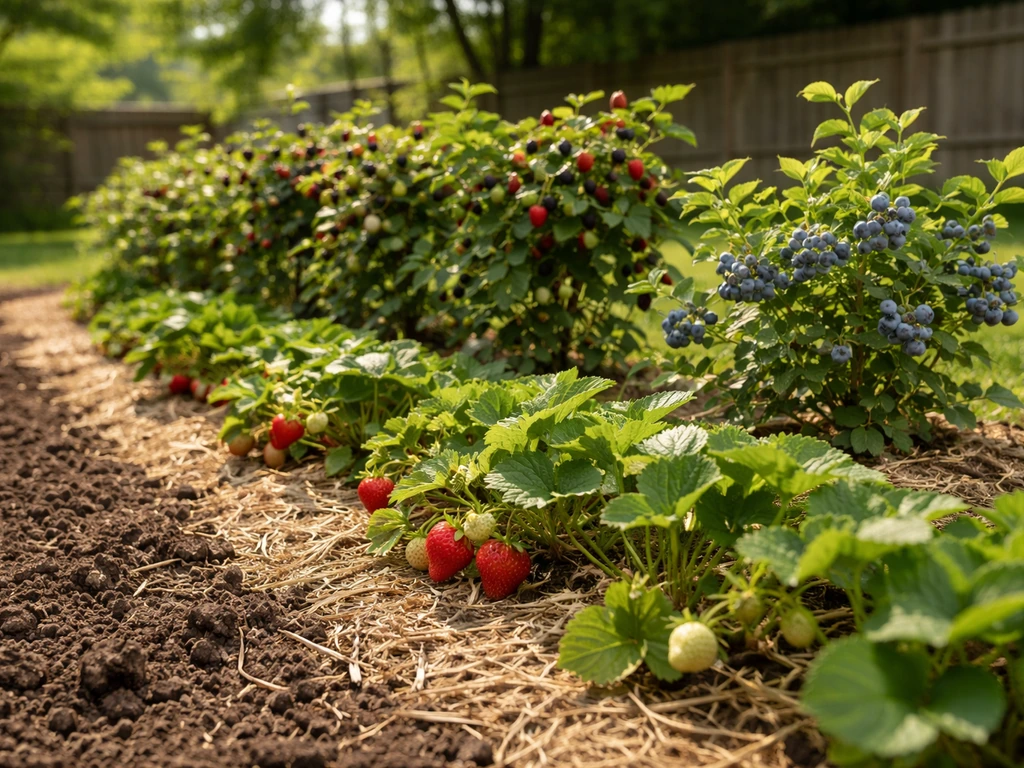
Blueberries can work, but only in eastern Oklahoma and only with serious soil prep. Raspberries are mostly a northeastern Oklahoma crop. If you want to branch out, elderberries are surprisingly productive and criminally underrated for Oklahoma conditions. Pick the right berry for your region, get the soil right, and you can be harvesting fruit reliably every year.
Best berry types for Oklahoma's climate
Oklahoma throws a lot at your plants: summer temperatures that routinely push past 100°F, late spring frosts that can clip early blooms, and winters that range from mild in the south to genuinely cold in the north. The berries that succeed here are the ones that either love heat or can be managed around it. Blackberries are the clear winners because they're native-adjacent, deep-rooted, and practically built for Oklahoma's clay-and-sand landscape.
Strawberries perform well because the season here lines up beautifully with their harvest window in May and early June, before the brutal heat kicks in. Blueberries can be grown but require so much soil modification and careful siting that they're more of an intermediate project. Raspberries are heat-sensitive and really only belong in the northeastern corner of the state. Elderberries are underused but genuinely well-adapted and worth serious consideration.
| Berry | Overall Oklahoma Suitability | Best Region | Key Challenge |
|---|---|---|---|
| Blackberry | Excellent | Statewide | Cane management and disease pressure |
| Strawberry | Excellent | Statewide | Summer heat ends season early; needs timely planting |
| Blueberry | Moderate (with effort) | Eastern Oklahoma | Soil pH and drainage requirements |
| Raspberry | Limited | Northeastern Oklahoma only | Heat intolerance; struggles south of Tulsa |
| Elderberry | Good | Statewide | Needs cross-pollination; less common at nurseries |
North vs. central vs. south Oklahoma: what changes
Oklahoma spans more than one climate reality, and what works in Tulsa doesn't always translate to Lawton or Idabel. The northern part of the state (Tulsa and north) gets enough cool nights and winter chill hours to support northern highbush blueberries, and it's the only region where raspberries have a fighting chance.
Central Oklahoma is your classic zone for June-bearing strawberries, with OSU's own planting tables using central Oklahoma as the baseline reference point for harvest timing (roughly May 5 through June 5 for varieties like Earliglow). Planting in this region typically happens between February 1 and March 20.
The southeastern third of the state is warmer and wetter, which creates both an opportunity and a challenge: blueberries are naturally more adapted to eastern Oklahoma thanks to higher rainfall and more acidic soils, but strawberry growers here can actually push fall planting (October to mid-November) instead of waiting for late winter.
Southern Oklahoma runs hotter and drier, which means blackberries are your most reliable fruit crop, but you'll want to lean on irrigation and mulching to get them through August.
High-success varieties worth planting
Blackberries
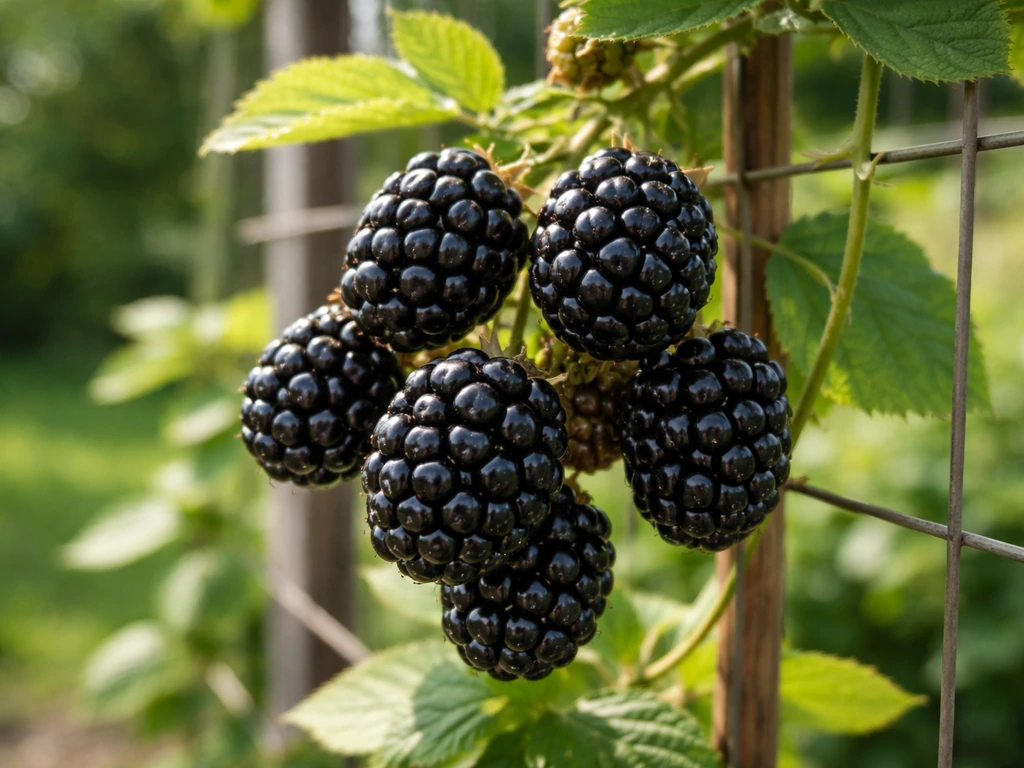
Thornless erect varieties like Arapaho, Navaho, and Ouachita are the workhorses of the Oklahoma home garden. They handle heat well, produce reliably, and when you keep them irrigated and properly pruned, OSU research shows they can yield about 1 quart or more of fruit per linear foot of row. Better yet, a well-maintained planting can produce crops for 15 years or more. That's a long-term investment that pays off fast.
Strawberries
Go with June-bearing varieties, specifically. OSU is direct about this: June-bearing types are the most successful in Oklahoma. Earliglow is a named example in OSU's own planting guide and is a good starting point. Skip the everbearing day-neutral types like Tribute and Tristar, which OSU explicitly does not recommend for Oklahoma. The season here is too hot for those to perform reliably into summer.
Blueberries
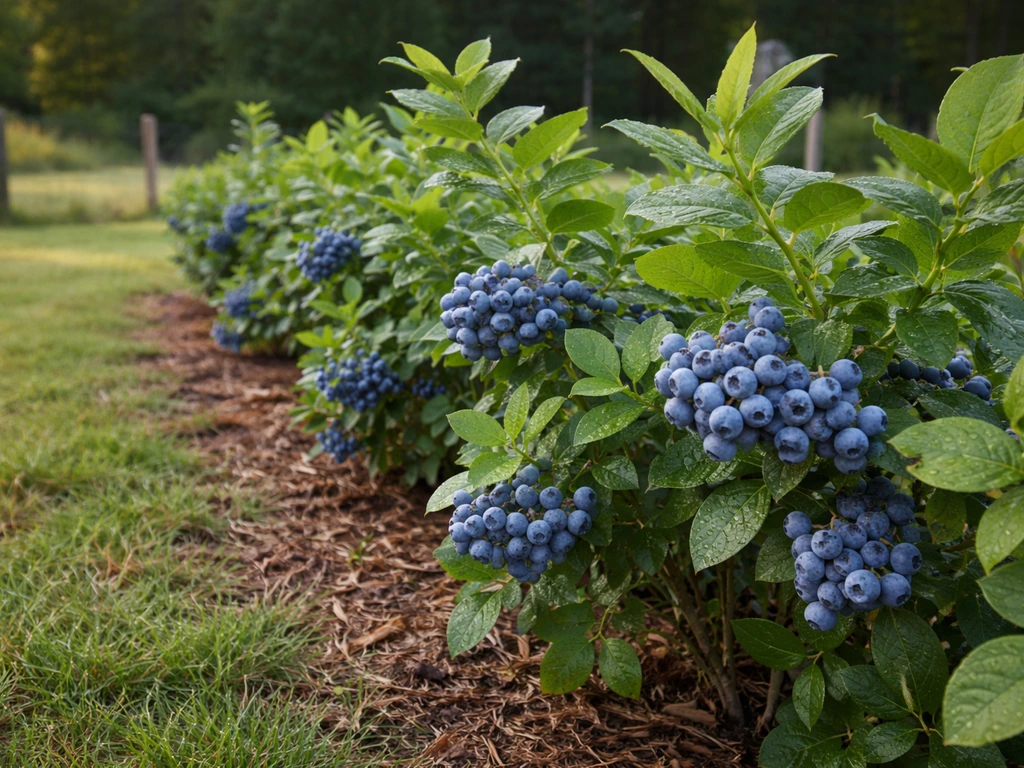
In northern Oklahoma (Tulsa and north), northern highbush varieties are your target because they need cooler nights during fruit maturation to develop full flavor. Ozarkblue is one named highbush cultivar with documented productivity. In southeastern Oklahoma, rabbiteye blueberries are better suited to the warmer conditions, though be aware they tend to ripen after the summer heat has fully arrived, which can affect fruit quality. Always plant at least two cultivars with overlapping bloom times since blueberries need cross-pollination for best yields.
Raspberries
Raspberries are heat-sensitive and, according to OSU, will perform best only in northeastern areas of Oklahoma. If you're in the Tulsa area or the Ozark foothills, Heritage (a red fall-bearing type) or Dorman Red (more heat-tolerant than most) are worth trying. If you're in central or southern Oklahoma, I'd steer you toward blackberries instead and save yourself the frustration.
Elderberries
Elderberries don't get enough credit. They're adaptable, productive, and the native American elderberry (Sambucus canadensis) grows wild across Oklahoma, so you know the climate suits them. For cultivated varieties, Adams No. 2 has outperformed other cultivars in regional university trials and is a solid anchor plant. OSU reports that the elderberry cultivar 'Adams No. 2' has outperformed all other cultivars in tests at Missouri State University 'Adams No. 2' has outperformed other cultivars in regional university trials. Bob is another commonly paired variety for cross-pollination. Like blueberries, elderberries produce better when you have two different varieties nearby.
Sun, soil, and site requirements by berry
Every berry on this list wants full sun, meaning at least 6 to 8 hours of direct light per day. Where they diverge sharply is soil chemistry and drainage. Getting this right before you plant is far easier than trying to fix it after.
| Berry | Ideal Soil pH | Soil Type | Drainage Need | Spacing | Support Needed |
|---|---|---|---|---|---|
| Blackberry | 5.5–6.5 | Sandy loam with organic matter | Good | 3–4 ft in row; 8–10 ft between rows | Trellis (trailing types); erect types self-supporting |
| Strawberry | 5.5–6.5 | Well-drained loam; raised bed on heavy soils | Critical | 12–18 in apart | None |
| Blueberry | 4.0–5.5 | Acidic, organic-rich; amended with peat and sulfur | Excellent | 5 ft in row | None (bush form) |
| Raspberry | 5.5–6.5 | Well-drained loam | Good | 2–3 ft in row | Trellis recommended |
| Elderberry | 5.5–6.5 | Adaptable; tolerates heavier soils | Moderate | 6–8 ft apart | None (large shrub) |
Blueberries deserve special attention here. Oklahoma soils tend to run neutral to slightly alkaline, which is the opposite of what blueberries want. They perform best with a soil pH between 4.0 and 5.5. To hit that target, you'll need to amend the soil with sulfur well before planting, and working peat moss thoroughly into the root zone is standard practice. OSU recommends surrounding the root ball with a peat moss and soil mixture at planting. This is non-negotiable if you want blueberries to thrive rather than just survive. If your soil is heavy clay, use raised beds or berms for strawberries too, since root rot from waterlogged soil is one of the fastest ways to lose a planting.
Planting and seasonal care calendar
Fall (October to November)
- Plant strawberries in southeastern Oklahoma (October to mid-November).
- Apply 4 inches of organic mulch (wheat straw, pine bark, or rice hulls) around blackberries to protect roots and conserve moisture heading into winter.
- Plant new blueberry and elderberry transplants in late fall once temps cool; root establishment happens over winter.
- Cut back spent fruiting canes on blackberries (floricanes that fruited this season) to ground level after harvest.
Winter (December to January)
- Blueberries and elderberries are dormant; inspect canes and remove any dead or diseased wood.
- Order bare-root strawberry plants for February planting if you haven't already.
- Check mulch depth on blackberries after hard freezes and top up if needed.
Early Spring (February to March)
- Plant strawberries statewide between February 1 and March 20.
- Remove mulch from strawberry beds when earliest spring growth begins, usually in March, to allow crowns to develop.
- Apply lime-sulfur spray to blackberries at 1/16-inch budbreak for anthracnose control.
- Tip-prune blackberry primocanes to encourage lateral branching.
- Add sulfur to blueberry beds if pH testing shows levels above 5.5.
Late Spring (April to June)
- Strawberries harvest from roughly May 5 to June 5 in central Oklahoma.
- Watch for late frosts in April; cover strawberry blooms with row cover if frost threatens.
- Blackberries bloom and fruit; apply pest controls at bloom time if strawberry clipper (a bud weevil) has been a past problem.
- Begin deep watering on blueberries as temperatures climb.
Summer (July to August)
- Blackberries finish harvest; remove spent floricanes immediately after harvest.
- Water all berry plantings deeply and consistently during heat events; drip irrigation is ideal.
- Do not prune blueberries in late summer, as this removes fruit buds that are already forming for next year.
- Mulch everything heavily to conserve soil moisture and reduce soil temperature stress.
- Strawberry beds go dormant; this is renovation time (mow foliage, thin runners, fertilize lightly).
Containers and small-space options
You can absolutely grow berries in containers in Oklahoma, but you need to match the plant to the pot and be realistic about summer heat management. Containers dry out fast when it's 100°F outside, and dark-colored pots cook roots. Go with light-colored or fabric grow bags and plan to water daily during peak summer.
Strawberries are the easiest container crop. A 12-inch pot or a hanging basket works fine for one plant. Use a well-draining potting mix and make sure the crown sits at soil level, not buried. June-bearing varieties produce one big flush of fruit, which actually works well in containers because the season is short and intense. Dwarf or day-neutral types marketed for pots exist, but remember OSU's guidance: day-neutral types don't perform well in Oklahoma's climate, even in containers.
Blueberries in containers are a legitimate workaround if your in-ground soil is too alkaline to amend practically. Use a mix that's roughly 50% peat moss and 50% coarse perlite or pine bark fines, which mimics the acidic, well-drained conditions blueberries want. A 15 to 25-gallon container is the minimum for a mature blueberry bush. You still need two cultivars for cross-pollination, so plan for at least two large pots side by side. In northern Oklahoma winters, move containers to an unheated garage or shed during the coldest weeks since pot-bound roots are more vulnerable to hard freezes than in-ground plants.
Elderberries get large (6 to 12 feet tall and wide), so true container growing isn't practical long-term. Compact blackberry varieties like Baby Cakes can work in a very large container (25+ gallons) on a patio. Pollination isn't a concern for blackberries or strawberries since they're largely self-fertile, but blueberries and elderberries both need a companion plant nearby for reliable fruit set.
Pruning, trellising, and keeping disease in check
Blackberry pruning and trellising
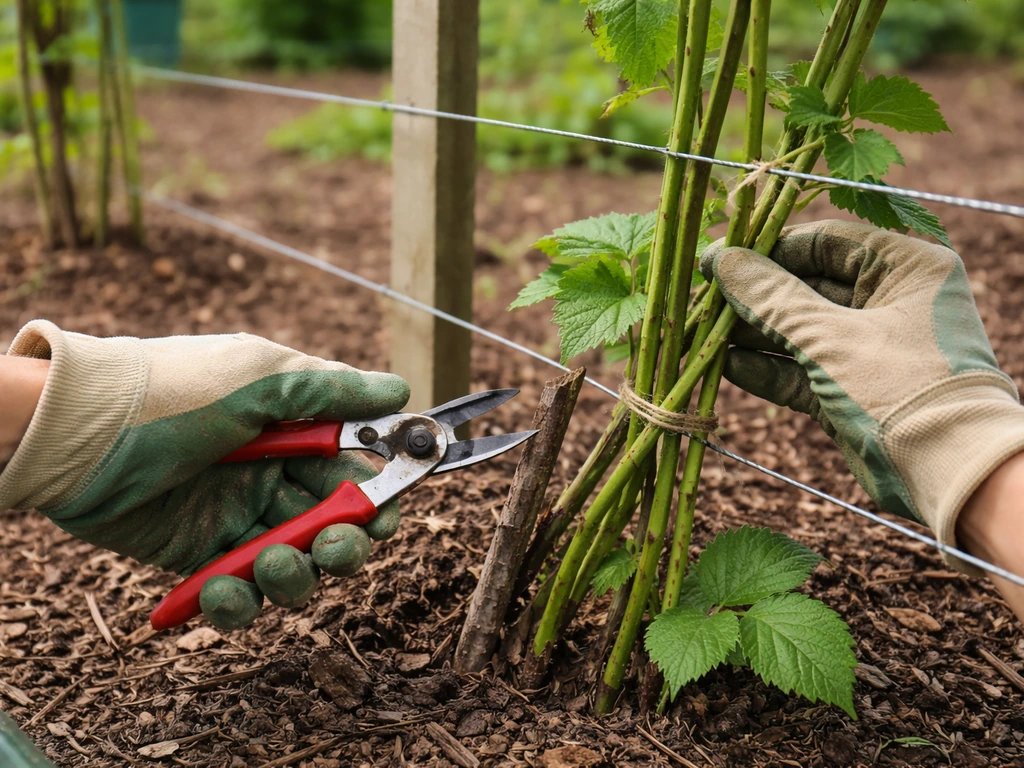
Blackberries grow on a two-year cane cycle. First-year canes (primocanes) grow vegetatively. Second-year canes (floricanes) flower and fruit, then die. Your job is to remove the floricanes at the base right after harvest each summer, and tip-prune primocanes to about 3 to 4 feet in height during their first season to encourage branching. Erect thornless varieties like Navaho and Ouachita can stand on their own, but a simple two-wire trellis at 3 and 5 feet keeps them tidy and improves air circulation. Trailing varieties need a trellis. Apply about 4 inches of organic mulch as a permanent layer, which conserves moisture and reduces winter injury.
Blueberry pruning
Blueberries need minimal pruning for the first few years. Once established, focus on removing dead, diseased, or crossing canes in late winter before bud break. The key rule: don't prune after midsummer. Blueberries set next season's fruit buds in late summer, and pruning then removes the buds you're counting on for next year's harvest. When disease is present, sanitize your pruning tools by dipping them in a 10% chlorine bleach solution after each cut to prevent spreading infection.
Elderberry pruning
Elderberries are forgiving and simple to prune. The goal is to maintain a productive, open structure. Leave six to eight vigorous canes per plant when you prune, removing the oldest and weakest wood each year in late winter. Elderberries can be cut back hard if they get overgrown and will regenerate vigorously.
Disease and pest basics
The most consistent disease pressure on Oklahoma blackberries comes from anthracnose, which shows up as purple-bordered lesions on canes. The fix is a lime-sulfur application at early budbreak (1/16-inch stage) each spring. Crown borers and cane borers are the main insect threats: the best defense is sanitation (removing and destroying infected canes immediately rather than leaving them in the garden).
On blueberries, watch for spotted winged Drosophila on ripening fruit, stem canker (prune it out promptly), and root rot (prevented almost entirely by good drainage). The sharp-nosed leafhopper is worth monitoring because it vectors blueberry stunt disease. Strawberries face a long list of potential pests including aphids, spider mites, slugs, and white grubs, plus diseases like gray mold, red stele root rot, and verticillium wilt.
The most effective defense across the board is starting with certified disease-free plants, choosing resistant varieties, keeping beds clean of debris, and providing good drainage. For slugs and pillbugs in strawberries, beer traps actually work and are satisfying to deploy.
Harvest timing, expected yields, and fixing common failures
When to harvest
| Berry | Typical Harvest Window (Central OK) | Notes |
|---|---|---|
| Strawberry (June-bearing) | May 5 to June 5 | Earlier in south; slightly later in north |
| Blackberry | June to July | Varies by variety; harvest when fully black and soft |
| Blueberry (Highbush) | June to July | Northern OK; needs cool nights for full flavor |
| Blueberry (Rabbiteye) | July to August | Southeast OK; ripens after summer heat arrives |
| Raspberry | June (summer types) / Sept–Oct (fall types) | Northeast OK only |
| Elderberry | August to September | Harvest clusters when fully dark purple-black |
What to expect in terms of yield
Blackberries are the yield champions here. A well-managed row can produce 1 quart or more per linear foot, and the plants keep producing for 15 or more years. A 20-foot row can realistically give you 20 quarts or more at peak production. Strawberries in a good year produce 1 to 1.5 quarts per plant in the June flush. Blueberries take 3 to 5 years to reach full production but a mature bush can yield 5 to 10 pounds annually. Elderberries produce large clusters and a single established pair of plants can yield enough for multiple batches of syrup or wine each season.
Troubleshooting the most common failures
- Blueberries not fruiting: Almost always a pollination issue (only one cultivar planted) or pH too high. Test soil pH first and add a second cultivar.
- Strawberries dying in summer: Normal for June-bearers. The season ends when heat arrives. Renovate the bed in July and plan for next year.
- Blackberries producing poorly after a few years: Floricanes weren't removed after fruiting, causing overcrowding and disease buildup. Cut everything that fruited to the ground immediately post-harvest.
- Blueberry leaves yellowing: Likely iron chlorosis from high soil pH. Retest pH and apply sulfur if above 5.5.
- Raspberries failing in summer heat: If you're south of Tulsa, this is climate, not technique. Switch to blackberries.
- No fruit on elderberries: Needs a second variety for cross-pollination. Plant Adams No. 2 alongside a companion like Bob.
- Rotting fruit before harvest: Gray mold (botrytis) in humid conditions. Improve air circulation, prune for openness, and pick fruit as soon as it ripens.
If you're just getting started, plant blackberries and June-bearing strawberries first. Those two alone will give you a reliable harvest within a year or two. Add blueberries in eastern or northern Oklahoma once you've amended your soil properly, and consider elderberries as a lower-maintenance addition that produces a different kind of harvest. Add blueberries in eastern or northern Oklahoma once you've amended your soil properly, and consider elderberries as a lower-maintenance addition that produces a different kind of harvest; if you want similar region-based picks, see best berries to grow in idaho.
Oklahoma's climate is demanding but workable, and matching the right berry to your specific corner of the state makes the difference between a frustrating experiment and a genuinely productive backyard berry patch. If you’re specifically looking for the best berries to grow in Ohio, the climate details will change which varieties perform best.
In Utah, the best berry choices depend heavily on where you live in the state, but cold-hardy varieties that can handle your winters and summers usually win best berries to grow in Utah. Growers in neighboring states like Texas and Arkansas face similar summer heat challenges, and many of the same variety choices that work along Oklahoma's borders translate well across those lines too.
In Idaho, the best berry choices depend on your winter chill and length of the growing season, but a few types consistently outperform the rest best berries to grow in Idaho. If you’re planning for Texas specifically, pick heat-tolerant varieties and time your planting around the state’s hottest months. Texas gardeners often do best when they pick heat-tolerant berry varieties and match them to their local conditions heat-tolerant varieties.
FAQ
Which berry will give me fruit the fastest in Oklahoma if I’m planting for the first time?
You should plan on soil amendments and planting timing that match the berry, then keep expectations realistic for the first year. Blackberries and strawberries can fruit the first season you plant (often a smaller crop), but blueberries usually take several seasons to reach their normal yield because the bushes need time to establish in amended acidic soil.
Do I need more than one plant of the same berry for better harvests in Oklahoma?
Avoid assuming “self-fertile” means you can skip spacing or multiple plants. Blackberries and strawberries generally set well on their own, but blueberries and elderberries benefit from having a second cultivar nearby with overlapping bloom times to improve fruit set and reduce patchy yields.
My soil is mostly clay, can I still grow blueberries successfully in Oklahoma?
If your yard has heavy clay and you want blueberries, don’t rely only on sulfur. Use raised beds, berms, or a dedicated container system with an acidic, well-drained mix, because blueberry root rot is strongly tied to waterlogged conditions and slow drainage.
Is container growing actually practical for all berries in Oklahoma?
Yes, but the key is matching the berry to your freeze risk and watering ability. Containers dry out fast in Oklahoma heat, so pick berries that you can water daily in summer (strawberries work best). Also, in northern Oklahoma, you must protect pot-root systems from hard freezes by moving containers indoors or insulating them during the coldest weeks.
Where should I plant berries if my yard has low spots or afternoon shade?
Planting location matters as much as variety. Choose full sun, and also watch for frost pockets and afternoon shade. A slightly elevated spot with airflow helps reduce disease for blackberries and strawberries, and for blueberries it reduces the chance of soggy soil around the crown.
What’s the most common mistake people make with blackberry pruning in Oklahoma?
For blackberries, don’t delay cane removal. Removing floricanes right after harvest and managing primocane height early encourages productive branching and keeps the planting from turning into an unproductive tangle by the second year.
When is the wrong time to prune blueberries in Oklahoma, and what does it cost me?
Blueberries are commonly lost when people prune at the wrong time. Don’t prune after mid-summer, because you remove next season’s developing fruit buds. If you need to correct issues, do it in late winter before bud break, or only remove dead or diseased wood when necessary.
How do I prevent anthracnose on blackberries beyond general “spray or prune” advice?
If you want to control anthracnose on blackberries, timing matters. Apply lime-sulfur at early budbreak (around the 1/16-inch stage) and then manage sanitation by removing infected canes promptly, since leaving diseased material in the garden accelerates recurrence.
How do I prune elderberries so they stay productive without turning into a thicket?
Elderberries can be productive, but spacing and structure affect how well they fruit. Plan for a bush that can get very large, and prune in late winter to maintain an open canopy with a set number of vigorous canes, rather than trying to keep it tiny.
What’s my best option if my soil pH is too high for blueberries and I don’t want to amend a whole bed?
Yes, and it can be a smart troubleshooting move. If your soil pH is too high and amendment would be too difficult for your garden size, containers with a peat-based acidic mix and a large container volume can be a better long-term plan than fighting the native soil.
How deep should I plant strawberry crowns in Oklahoma?
For strawberries, crown depth is a frequent failure point. The crown should sit at or just above soil level, not buried deeply, because too much soil over the crown increases rot risk, especially during Oklahoma’s warm, wet periods.