
Strawberries are the most reliable berry you can grow in Idaho, and if you pick the right variety for your region, you will get fruit in your first full season. June-bearing types like Honeoye and Earliglow do well across most of the state. Day-neutrals like Albion keep producing from summer into fall even in South Idaho's heat. Beyond strawberries, raspberries, gooseberries, and blackberries (in warmer zones) all have strong track records in Idaho gardens. If you are planning more than strawberries, you will also want to compare other berries for Ohio so your choices match the local growing season berries to grow in Ohio. The key is matching the plant to your slice of Idaho, because the climate from Sandpoint down to Twin Falls is not the same story at all.
Best Berries to Grow in Idaho: Strawberries Guide
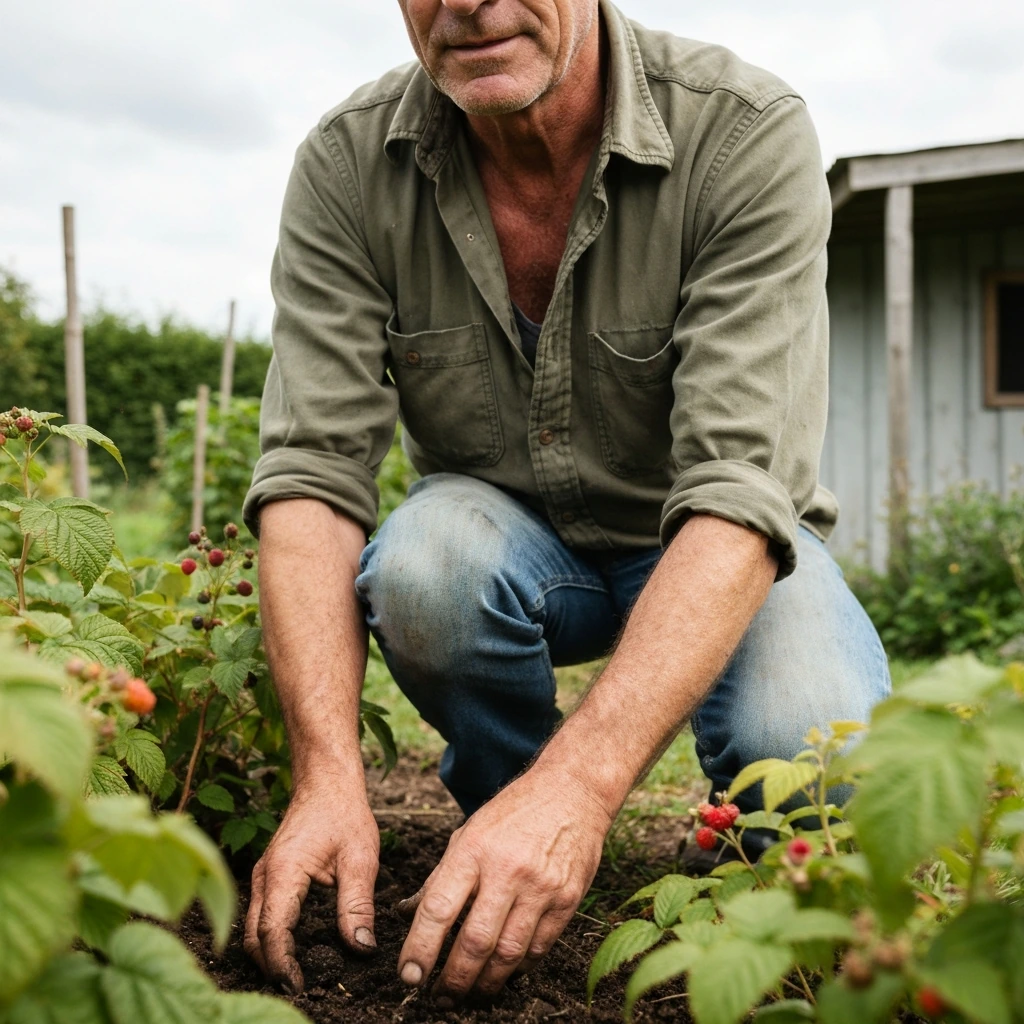
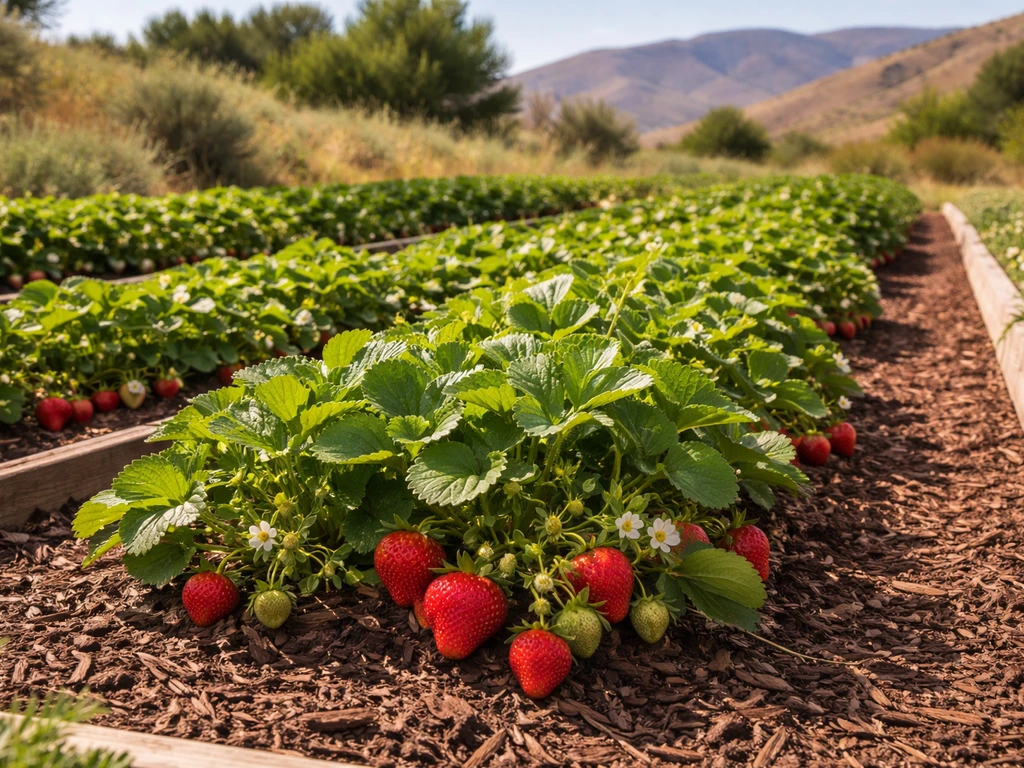
Idaho berry climate and site basics
Idaho is not one climate. North Idaho (think Coeur d'Alene, Sandpoint, Moscow) sits in USDA zones 5a to 6b, gets more maritime influence from the Pacific, and has relatively reliable snowpack that actually helps protect berry crowns through winter. Central Idaho (the Magic Valley, Twin Falls area) is zone 6a to 7a, drier, and sees bigger temperature swings. South Idaho edges into zone 7b in sheltered spots. What unites the whole state is the freeze-thaw problem in late winter and early spring: a warm stretch in February or March wakes plants up, then a hard freeze drops back in and damages exposed crowns or newly opened blossoms. That pattern will cost you fruit if you are not prepared for it.
For site selection, prioritize a spot with at least 6 to 8 hours of direct sun and excellent drainage. If you are planning the best berries to grow in Texas, start with the same basics, since good drainage helps reduce root rot in hot, humid, or rainy periods excellent drainage. Strawberry crowns sitting in water during a March refreeze are essentially guaranteed to die. A slight slope facing south or southeast gives you earlier warming in spring and natural cold-air drainage. Avoid low spots and frost pockets. Blueberries are a special case in Idaho because they need soil pH in the 4.5 to 5.5 range, and most Idaho soils run closer to 7.0 or above. Getting blueberries to thrive here takes real soil work, which is why most Idaho gardeners start with strawberries, raspberries, or gooseberries first.
Gooseberries deserve more attention than they usually get. Most cultivars survive mid-winter temperatures down to around -40°F and tolerate Idaho's alkaline soil (they do fine at pH 6.0 to 7.0, and can push higher). If you garden in North or Central Idaho and want a low-maintenance berry that just works, gooseberries are a genuinely great answer. Raspberries are similarly reliable, especially heritage and fall-bearing types. The University of Idaho Extension covers raspberries and blackberries for the Inland Northwest specifically, and their cultivar guidance is worth reading before you buy bare-root canes.
Best strawberry varieties for Idaho (by region)
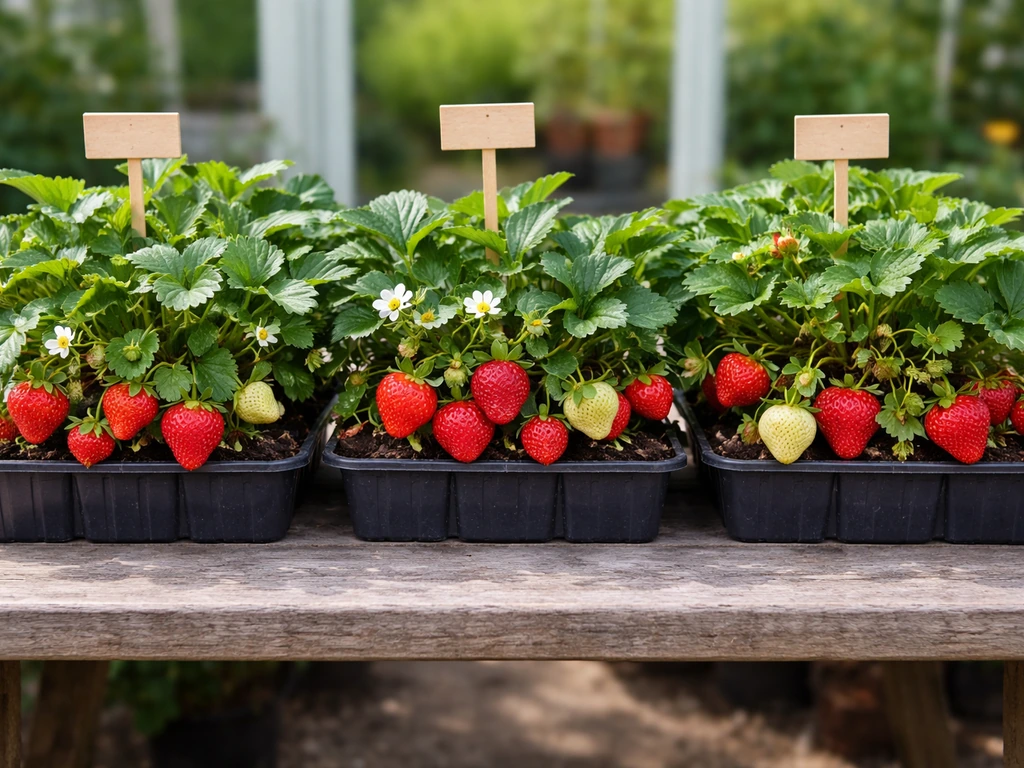
Idaho's three broad growing regions each have different needs, so rather than giving you one generic list, here is what actually performs reliably where you are.
North Idaho (zones 5a–6b)
Your winters are cold but usually consistent, which is actually easier on strawberries than the freeze-thaw roulette farther south. June-bearing varieties shine here. Honeoye is a workhorse: firm berries, very productive, and handles cold winters well. Earliglow gives you the earliest fruit of the season and excellent flavor. Cavendish is another good June-bearer for the Inland Northwest region. For everbearing or day-neutral options in North Idaho, Quinault is worth trying because it is specifically adapted to cooler Pacific Northwest conditions and produces soft, very flavorful berries across a longer window.
Central Idaho and the Magic Valley (zones 6a–7a)
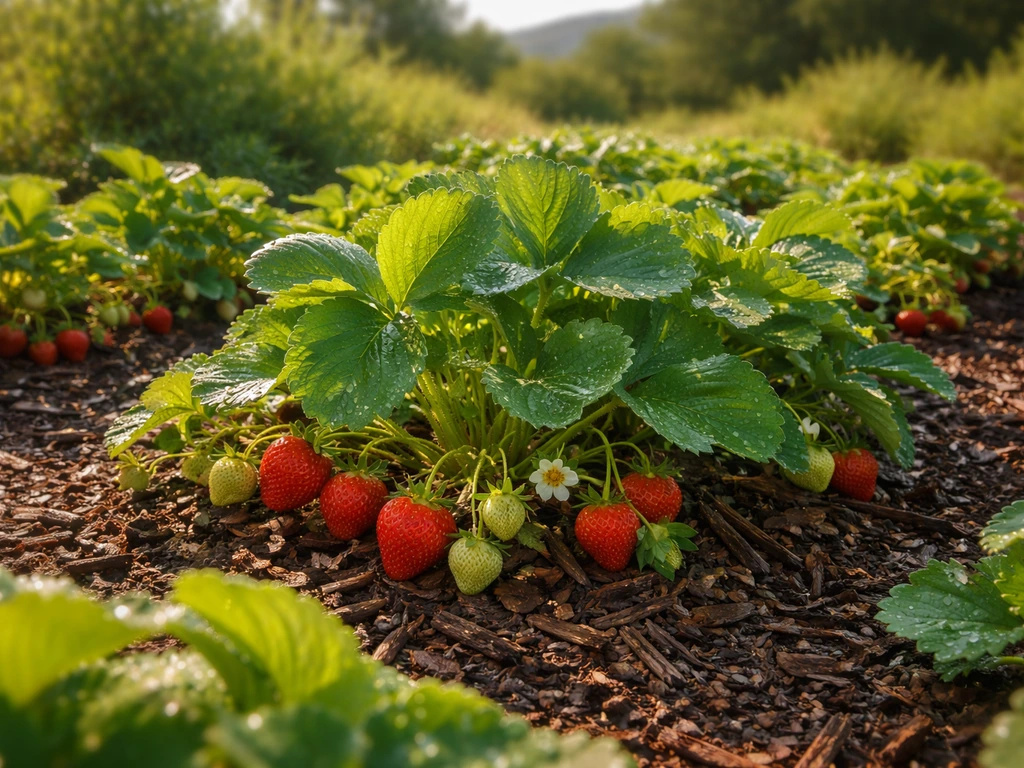
This is where June-bearers and day-neutrals both have a real place. Honeoye and Jewel are solid June-bearers that tolerate the drier, sunnier conditions. For day-neutrals, Albion is one of the best performers in this type of climate: it keeps producing through summer heat better than most day-neutral varieties, which tend to stall above 80°F. Seascape is another option in the same category, though it performs best with consistent irrigation. If you want a longer harvest window without a lot of extra work, plant a row of June-bearers alongside a row of Albion, and you will have fruit from late May through September.
South Idaho (zones 7a–7b)
South Idaho summers get hot enough that some June-bearers run out of steam early, and winter cold is still a real factor despite the milder zone designation. Albion day-neutral does very well here with adequate irrigation. Seascape is also viable. For June-bearers, Chandler produces large, flavorful fruit and handles warmer temperatures at harvest time better than northern-bred varieties. The frost-thaw risk in late winter is actually worse here than in North Idaho because warm spells come earlier and plants break dormancy sooner, so you need to stay alert with row cover in February and March.
| Variety | Type | Best Region | Key Strength | Watch Out For |
|---|---|---|---|---|
| Honeoye | June-bearing | North, Central | High yield, cold hardy | Flavor is good but not exceptional |
| Earliglow | June-bearing | North Idaho | Earliest harvest, great flavor | Smaller fruit size |
| Jewel | June-bearing | Central Idaho | Large fruit, reliable yield | Needs consistent moisture |
| Chandler | June-bearing | South Idaho | Large berries, heat tolerant at harvest | Less winter-hardy than northern types |
| Albion | Day-neutral | Central, South | Produces all season, heat tolerant | Needs irrigation in dry summers |
| Seascape | Day-neutral | Central, South | Long season, good flavor | Stalls in extreme heat without water |
| Quinault | Everbearing | North Idaho | Pacific NW adapted, soft sweet fruit | Softer berries, not great for storage |
How to grow strawberries in Idaho (step-by-step)
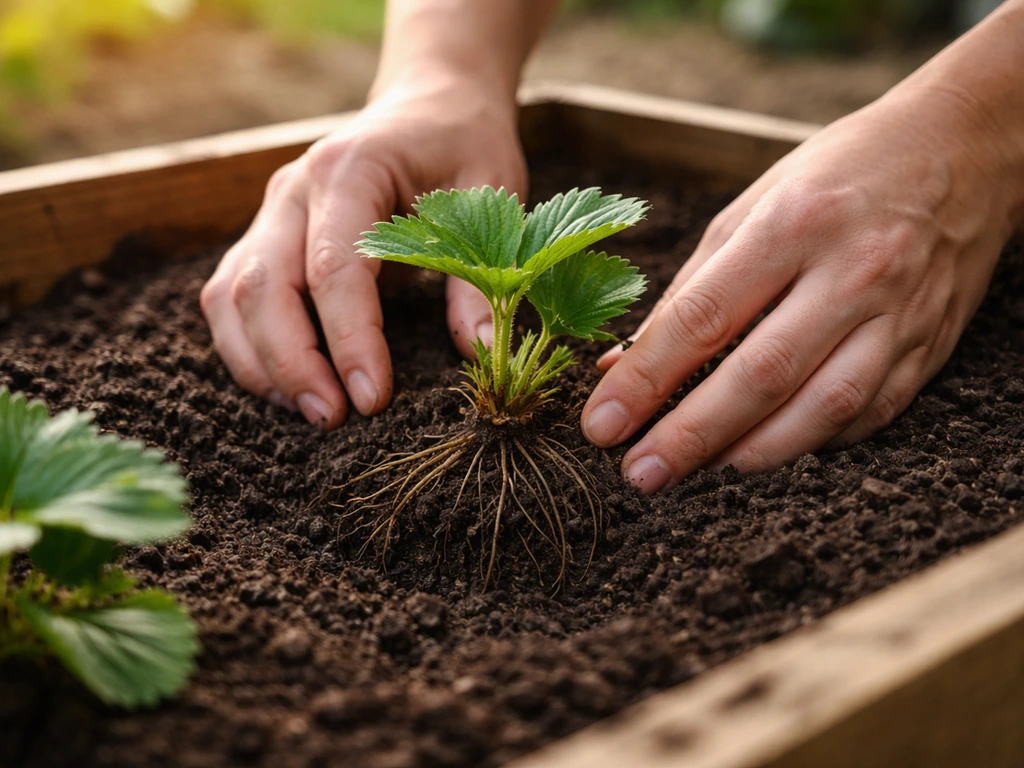
This walkthrough covers ground-level planting, which is the foundation. Raised bed and container adjustments are covered in the next section.
- Pick your site. Find a location with 6 to 8 hours of sun, a gentle slope if possible, and no history of tomatoes, peppers, or potatoes in the last 3 years (those crops harbor Verticillium wilt, which will devastate strawberries). Avoid low-lying frost pockets.
- Test and prep your soil. Get a basic soil test from your county Extension office. You want pH between 6.0 and 6.5 and good organic matter. Work in 3 to 4 inches of compost before planting. In Idaho's often-alkaline soils, adding sulfur to lower pH a few months before planting makes a real difference.
- Time your planting. In North Idaho, plant as soon as the ground can be worked in spring, usually late April to early May. In Central and South Idaho, you can often plant in mid-April. Planting bare-root crowns while temperatures are still cool (45 to 60°F) helps roots establish before summer heat.
- Set the crowns at the right depth. This is the most common mistake beginners make. The crown (the thick nub where leaves emerge) must sit exactly at soil level. Bury it too deep and it rots. Too shallow and the roots dry out and the plant heaves out in freeze-thaw cycles. Plant crowns about 12 to 18 inches apart in rows 36 to 48 inches apart for matted-row June-bearers.
- Water immediately after planting. Soak the bed thoroughly so there are no air pockets around the roots. Keep soil consistently moist (not waterlogged) for the first two to three weeks while plants establish.
- Remove blooms in the planting year (June-bearers). This is painful, but pinching off all blossoms in year one lets the plant put energy into roots and runners, which means a much bigger harvest in year two. For day-neutrals, remove blooms until early July of the planting year, then let the plant fruit.
- Train runners for matted rows (June-bearers). Allow daughter plants to root in a band about 18 to 24 inches wide. Pin runners down if needed. Remove any runners that wander outside your intended row.
- Mulch for winter. After the first hard freeze in fall (usually late October to November in most of Idaho), apply 3 to 4 inches of clean straw over the entire bed. This is non-negotiable in Idaho. The goal is to keep the soil frozen consistently, which prevents the freeze-thaw heaving that tears crowns out of the ground.
- Remove mulch carefully in spring. When you see new growth pushing through in early spring, rake most of the straw aside but keep it nearby. If a late frost is forecast (which happens regularly in Idaho through May), push the straw back over the plants. A floating row cover adds another layer of protection.
- Renovate after harvest (June-bearers). Right after the harvest finishes, mow or cut foliage back to about 1 inch, thin plants to 4 to 6 inches apart within rows, fertilize, and irrigate. This resets the planting and keeps it productive for another season.
Container, raised bed, and soil/amendment options
A lot of Idaho gardeners grow strawberries in raised beds or containers, and honestly it is a smart approach here. Raised beds drain faster (critical for preventing crown rot through freeze-thaw events) and warm up earlier in spring, which gives you a head start on the season. They also make it easier to control soil pH and amend heavily without fighting your native soil.
For raised beds, aim for at least 8 to 10 inches of depth for strawberries. Fill with a blend of good compost, topsoil, and perlite or coarse sand for drainage. In Central and South Idaho where summers bake, raised beds dry out faster, so plan your irrigation accordingly. Day-neutral varieties like Albion do especially well in raised beds with drip irrigation and plastic mulch (black or red) to conserve moisture and warm the soil.
Containers work well for small spaces, patios, and decks, but they come with a serious Idaho-specific problem: container-grown strawberries are exposed on all sides to winter cold, and an uninsulated pot can kill the roots even when a ground-planted crown would survive. If you grow in containers in North or Central Idaho, either bring the containers into an unheated garage for winter, or bury the pots in the ground up to the rim before freeze-up. Strawberry towers and hanging baskets look great in summer but need serious protection or replanting each year in Idaho.
For soil amendments, here is the quick guide for Idaho conditions: add sulfur to lower pH if you are above 6.5 (do this in fall for the following spring), work in compost generously before planting, and avoid heavy clay soils without significant amendment. Strawberries need moisture but cannot sit in wet soil. If your native soil is heavy clay, raised beds are the easier path rather than trying to fix ground that will revert.
Care schedule: watering, feeding, mulching, weeds
Strawberries need about 1 to 1.5 inches of water per week during the growing season. If you are planning berries outside Idaho, you can use the guide to the best berries to grow in Oklahoma to match varieties to your local weather. In Idaho's dry summers, especially in Central and South Idaho, that almost always means supplemental irrigation. Drip irrigation is ideal because it keeps water off the foliage (which reduces disease) and delivers consistent moisture at the root zone. Avoid overhead watering during fruiting if you can, since wet berries rot fast.
For fertilizing, a balanced approach works well. Apply a balanced fertilizer (10-10-10 or similar) in early spring when growth resumes, and again right after renovation for June-bearers. For day-neutrals, a light feeding every 4 to 6 weeks through the growing season keeps production going. Do not over-fertilize with nitrogen late in the season because it pushes soft, lush growth that is more vulnerable to early frosts and disease.
Mulching serves two purposes in Idaho: moisture retention in summer and temperature stabilization in winter. During the growing season, a thin layer (2 inches) of straw or pine needles around plants keeps the soil moist, keeps berries off the dirt, and suppresses weeds. After harvest and before winter, increase that to 3 to 4 inches of clean straw over the entire bed once temperatures drop consistently below freezing. Do not use leaves or grass clippings for winter mulch because they mat down and can harbor disease.
Weed control is genuinely important because strawberry beds get weedy fast, especially in the open matted-row system. The best approach is aggressive pre-plant preparation: clear the bed of perennial weeds completely before planting because once quackgrass or bindweed gets into a strawberry bed it is nearly impossible to remove without digging everything up. During the season, hand-pull weeds regularly. Plastic mulch under day-neutral rows dramatically reduces weeding time and is worth the effort in Central and South Idaho.
Common problems in Idaho (pests, diseases, winter damage)
Winter injury and freeze-thaw heaving
This is the number one problem Idaho gardeners face with strawberries. The strawberry crown can be killed when temperatures drop to around 15°F or below without snow cover or mulch protection. The bigger issue in much of Idaho is not the deep winter cold but the repeated freeze-thaw cycles in late winter and early spring that physically heave crowns out of the soil. If you see crowns lifted above the soil surface in early spring, gently press them back down and firm the soil around them. If the growing point (the very center of the crown) is mushy and brown, that plant is done. Remove it to make room for healthy neighbors.
Late spring frost damage to blossoms
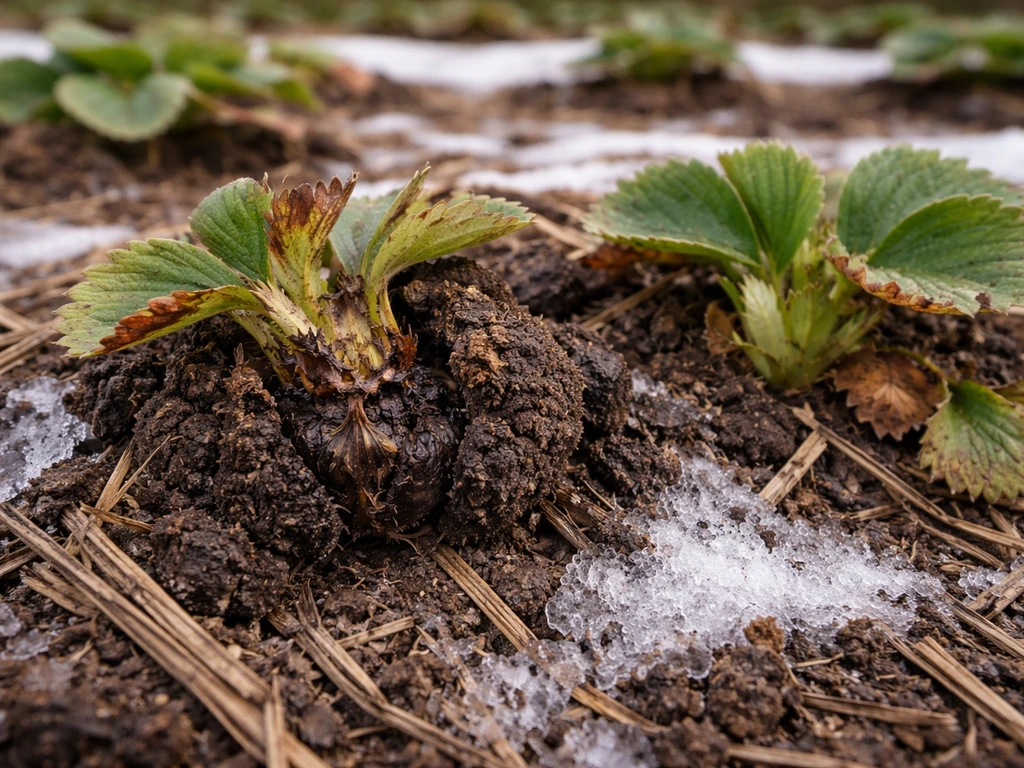
Idaho's last frost date varies a lot by location and elevation. South Idaho averages last frost around late April, but North Idaho gardens can see frost into mid-May, and high-elevation spots later than that. Strawberry blossoms are killed at about 30°F and the tiny developing fruit at about 28°F. When frost is forecast after your plants have bloomed, cover them with a floating row cover (spun-bonded polyester) or even old bedsheets overnight. Remove covers during the day so pollinators can access the flowers.
Pests: slugs, aphids, and strawberry weevils
Slugs are a real problem in the moister parts of North Idaho. Iron phosphate slug bait is effective and safe around children and pets. Aphids show up in hot dry stretches, especially in Central and South Idaho. A strong spray of water knocks them back, and insecticidal soap handles heavier infestations. Strawberry bud weevils clip off flower buds just before they open, which you will notice as a sudden drop in visible blooms. Pyrethrin-based sprays applied in the evening (to protect bees) help, but good garden sanitation and removing debris where adults overwinter is the real long-term fix.
Diseases: gray mold, root rot, and leaf spots
Gray mold (Botrytis) is the most common disease you will encounter, especially in cool wet springs. It turns berries into gray fuzzy mush fast. Improve air circulation by thinning dense plantings, avoid overhead watering, and pick ripe fruit promptly. Root rot (Phytophthora) is tied directly to waterlogged soil. If your plants suddenly collapse in midsummer and the roots look brown and slimy rather than white and firm, that is root rot from poor drainage. It is very hard to treat once established, which is why drainage is the first priority in site selection. Verticillium wilt causes plants to wilt and collapse and persists in soil for years. Rotate your strawberry bed every 3 to 4 years and avoid ground that grew tomatoes, potatoes, or peppers recently.
Harvest timing and how to extend the season
In Idaho, June-bearing varieties typically produce their main crop over a 3 to 6 week window from late May through early July depending on your region and elevation. South Idaho harvests run earlier, sometimes starting in late May. North Idaho harvests peak in June and into early July. Pick berries when they are fully red all the way around, and pick every 2 to 3 days during peak season because ripe berries deteriorate fast and attract pests. Harvest in the morning when berries are cool, and refrigerate immediately for best shelf life.
To extend your strawberry season meaningfully, the most practical strategy is to combine varieties. Plant an early June-bearer like Earliglow for late May fruit, a mid-season June-bearer like Honeoye or Jewel for June, and a day-neutral like Albion to carry you through July, August, and into September. That combination is the closest thing to a continuous harvest Idaho gardeners can get without a high tunnel.
If you want to go further, low tunnels or caterpillar tunnels made with wire hoops and row cover fabric can extend your day-neutral harvest by pushing plants earlier in spring and protecting late-season fruit from fall frosts. UMN Extension also notes that using low tunnels, high tunnels, or caterpillar tunnels can extend the harvest season for day-neutral strawberries beyond the normal window low tunnels or caterpillar tunnels made with wire hoops and row cover fabric can extend your day-neutral harvest. A simple caterpillar tunnel over a raised bed of Albion is genuinely one of the best upgrades a dedicated Idaho strawberry grower can make. It keeps frost off in April and again in October, which can add 4 to 6 weeks of productive season at each end.
After the season, keep your renovation timing tight for June-bearers. Renovate immediately after harvest (do not wait until fall) so plants have time to regrow and build up carbohydrate reserves before winter. Day-neutrals do not need renovation in the same way; just keep them watered and fed through the season, then mulch heavily for winter when the time comes.
Your next steps right now
If it is June 2026 and you are reading this, here is where you stand: bare-root planting season has passed for most of Idaho, but you can still find potted strawberry transplants at local nurseries and plant them now in North Idaho or higher elevations. In Central and South Idaho, June planting is getting late for this season, but you can prep your bed now, order bare-root stock for fall planting in mild areas or for early next spring, and get your soil amended over summer. Use this time to test your soil, clear perennial weeds, and decide on your system (ground beds, raised beds, or containers). If you are also curious about other states, you can compare this with the best berries to grow in Illinois and pick varieties suited to your local climate.
| Timing | Task |
|---|---|
| Now (June) | Soil test, clear weeds, order fall/spring bare-root stock, plant potted transplants if available |
| Late summer (Aug–Sep) | Add compost and sulfur to amend soil, install raised beds or containers if needed |
| Early fall (Oct) | Plant in mild South Idaho if using potted stock; prep North/Central beds for spring |
| After first hard freeze | Apply 3–4 inches of straw mulch over existing beds |
| Early spring (Apr–May) | Remove mulch gradually, watch for late frost, apply first fertilizer |
| Late spring | Monitor for pests and diseases, keep row cover ready for frost warnings |
| Harvest window | Pick every 2–3 days, renovate June-bearers immediately after harvest |
Idaho is genuinely one of the better states in the inland West for growing strawberries when you match the variety to your region and take winter protection seriously. Gardeners in neighboring states like Utah deal with similar alkaline soil and freeze-thaw challenges, so a lot of the same logic applies across the region. Get your site ready, choose varieties suited to your specific corner of Idaho, and the effort pays off in a big, reliable harvest year after year. If you are specifically planning a Utah berry garden, you can use this same approach to pick the best berry types for Utah climates and site conditions.
FAQ
What are the best berries to grow in Idaho if I only want one berry crop?
Choose strawberries, but pick the type based on your season length. For most of the state, June-bearing varieties (like Honeoye or Earliglow) are the most forgiving, while day-neutrals (like Albion) are better if you want fruit into late summer and are willing to manage irrigation more consistently.
Are blueberries actually “bad” for Idaho, or can they work with enough effort?
They can work, but success depends on pH control and ongoing soil management. Since blueberries want acidic soil (roughly pH 4.5 to 5.5), plan on using raised beds or containers with an acidic planting mix, and recheck pH yearly so the bed does not drift upward.
Which Idaho region is hardest on strawberries, and how should that change my berry choice?
Central and South Idaho are hardest mainly because of stronger freeze-thaw swings plus hotter, drier summers. Use day-neutral Albion with consistent drip irrigation for longer harvests, and for June-bearers lean toward cultivars that tolerate warmer conditions (for example, Chandler in South Idaho).
How do I protect strawberries from the late-winter warm-up followed by a hard freeze?
Have row cover ready in February and March, especially in Central and South Idaho where dormancy breaks earlier. Cover at night when temps drop, vent during the day for pollinators and to prevent overheating, and keep the bed mulched to reduce crown heaving.
What’s the quickest way to tell if strawberry plants are being killed by freeze-thaw rather than something else?
In early spring, check the crown. If you see the crown pushed up, press it back and firm the soil. If the growing point is mushy and brown, the plant is not recoverable and should be removed to prevent problems from spreading.
If I have heavy clay soil, should I still try planting strawberries in the ground?
Usually no, because waterlogging drives root rot during spring refreeze events and during rainy periods. Raised beds are the better decision, aiming for faster drainage and easier soil amendments without fighting the clay year after year.
What is the best strawberry watering method in Idaho, and how can I avoid disease?
Drip irrigation is the safest default because it targets the root zone and keeps foliage and berries drier. If you must use sprinklers, water early in the day and avoid wetting fruit during peak ripening since gray mold can escalate quickly in cool wet conditions.
How much winter mulch should I use, and what should I avoid?
After harvest, add a deeper mulch layer only once temperatures drop consistently below freezing, typically 3 to 4 inches of clean straw over the bed. Avoid leaves or grass clippings for winter mulch because they mat down and can increase disease pressure.
Can I grow day-neutral strawberries in containers in Idaho, and what’s the main risk?
You can, but the main risk is root death from extreme exposure. Either bring containers into an unheated garage for winter, or bury the pots in the ground up to the rim before freeze-up. Strawberry towers and hanging baskets usually require extra protection or frequent replanting.
When should I fertilize strawberries in Idaho, and what’s the common mistake?
Feed when growth resumes in early spring with a balanced fertilizer, and for June-bearers feed again right after renovation. The common mistake is late-season nitrogen, which pushes soft growth that is more vulnerable to early frosts and disease.
How do I extend the strawberry harvest window without building a high tunnel?
Plant mixed varieties, for example an early June-bearer plus a mid-season June-bearer plus a day-neutral like Albion. If you want a simple structure upgrade, a low or caterpillar tunnel over a raised bed can protect against spring and fall frosts and extend the season by several weeks at each end.
What spacing or maintenance steps reduce gray mold in Idaho springs?
Give plants more airflow by avoiding overly dense planting and by thinning when needed. Also pick ripe berries frequently, because leaving overripe fruit increases gray mold and attracts pests.
I’m seeing aphids or slugs. What should I do first, before using sprays?
Start with non-chemical steps where possible. For slugs, iron phosphate bait is a strong first-line option that is safer around people and pets. For aphids, blast them off with a firm water spray, then use insecticidal soap only if infestations persist, since repeated heavy spraying can still stress plants.