
Strawberries, raspberries, blueberries, and blackberries are the four berries that reliably perform for Ohio home gardeners, and most backyards can support at least two or three of them. Ohio sits in USDA zones 5b to 6b depending on where you are in the state, which means cold enough winters to satisfy chill requirements but warm enough summers to ripen fruit well. If you only have room for one bed, start with June-bearing strawberries or a pair of blueberry bushes. If you have more space and want a longer harvest window across the season, layer in raspberries and blackberries and you will be picking something from late June all the way into September. For help with choosing varieties for Idaho’s winters and growing seasons, see the guide to the best berries to grow in Idaho.
Best Berries to Grow in Ohio: Planting Guide for Success
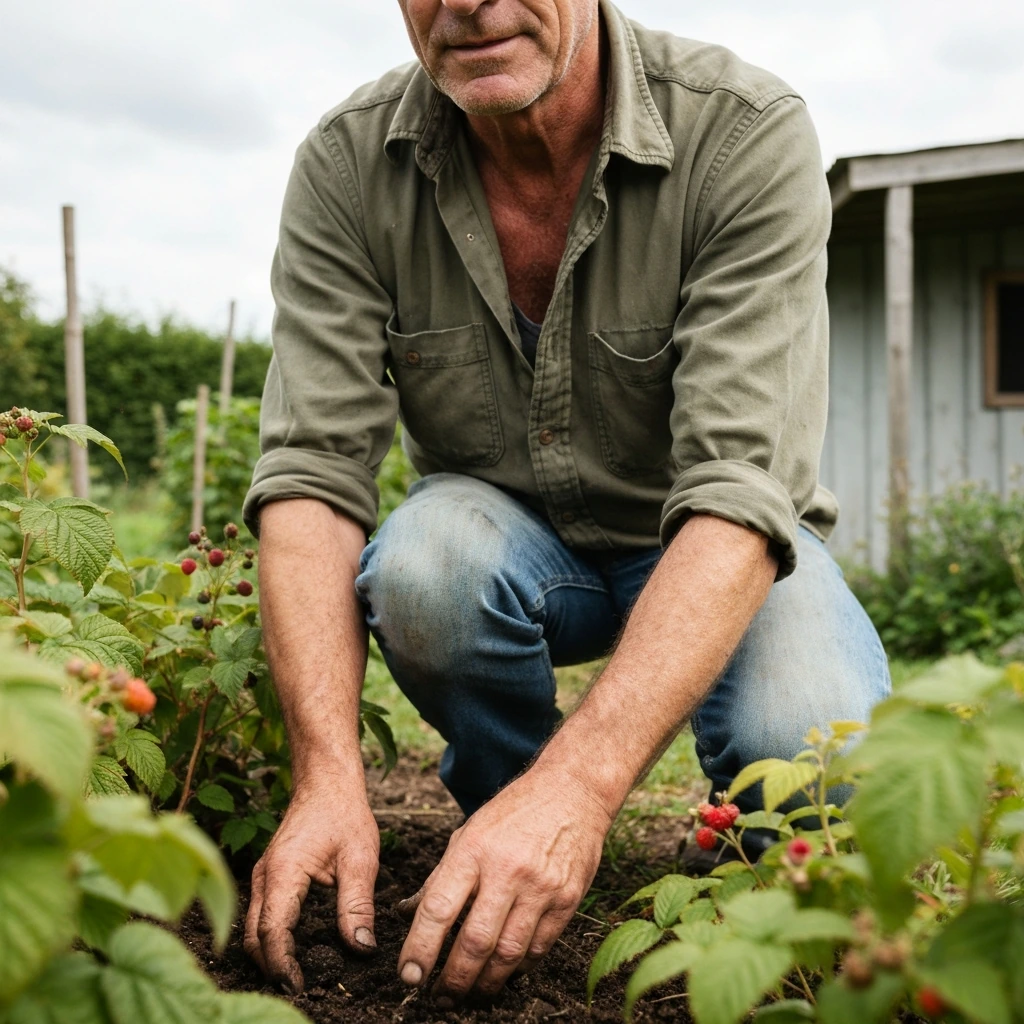
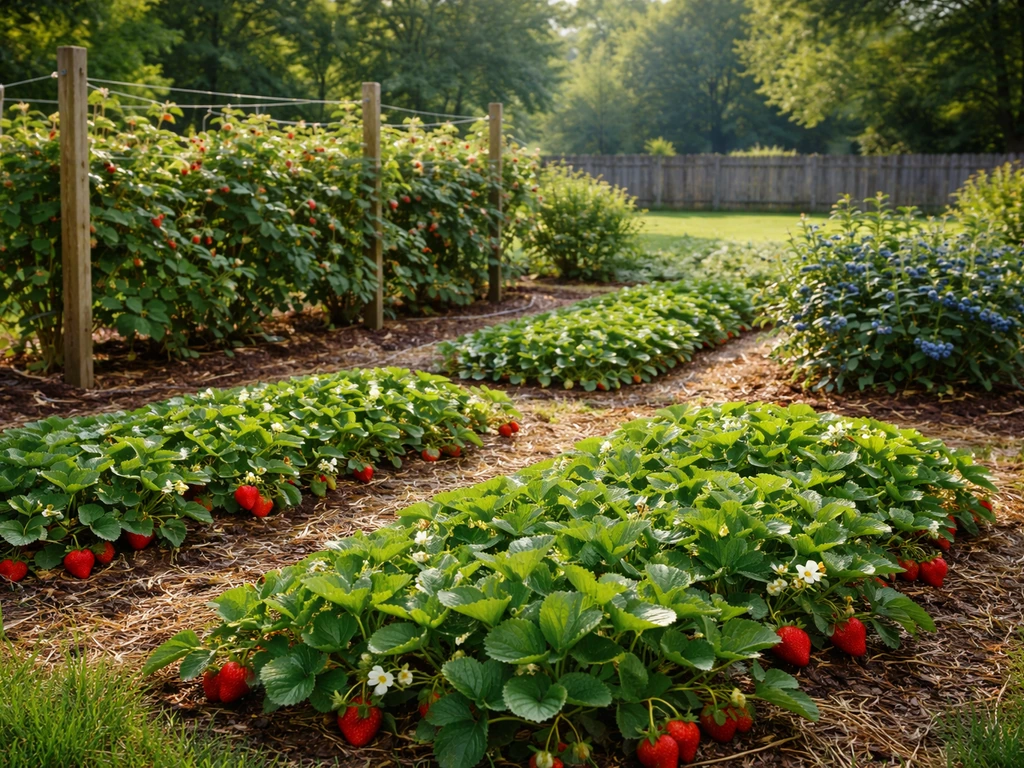
Quick shortlist: berries that reliably grow in Ohio
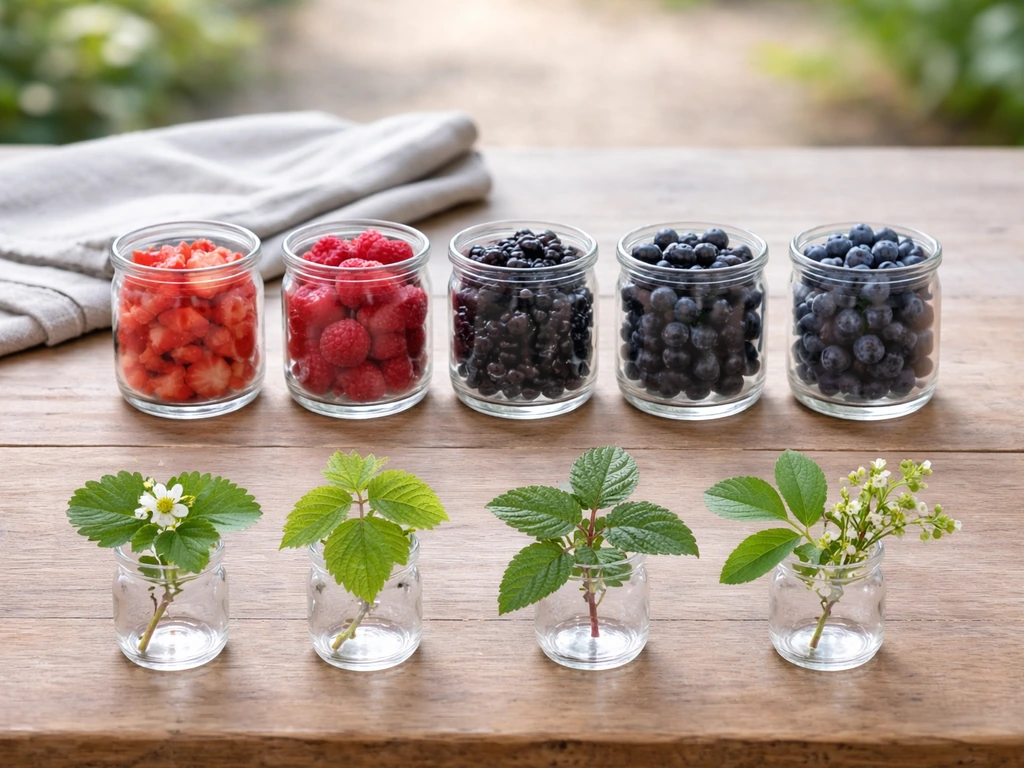
Here is the short list with specific variety picks. These are not just survivable in Ohio, they actually produce consistent, satisfying harvests across most of the state.
| Berry | Recommended Varieties | Growth Habit | Harvest Season |
|---|---|---|---|
| Strawberry | Allstar, Honeoye, Jewel, Seascape (day-neutral) | Low, spreading runners | June (or repeat through fall for day-neutral) |
| Blueberry | Bluecrop, Patriot, Northland, Blueray | Upright bush, 4–6 ft | July–August |
| Raspberry | Heritage (primocane), Boyne, Killarney (floricane) | Upright canes, 4–6 ft | July (floricane), Aug–Sept (primocane) |
| Blackberry | Triple Crown, Chester, Natchez | Upright or semi-trailing canes | July–August |
Bluecrop blueberry is the workhorse of the group, productive, vigorous, and cold hardy across Ohio. Patriot is worth adding as a second variety for cross-pollination; it is very cold hardy but blooms early, so pair it with a mid-season variety to ensure you get fruit even after a late frost. For raspberries, Heritage is a primocane variety that fruits in late summer on first-year canes, which makes it almost foolproof to prune and manage. Boyne is a floricane type that fruits in July and handles Ohio winters without much coddling.
Match the berry to your yard: sun, soil, moisture, and space
Before you dig anything, walk your yard and honestly assess what you are working with. The number-one mistake I see is planting blueberries in a spot that gets afternoon shade or has alkaline clay soil, and then wondering why they barely leaf out, let alone fruit. Each berry type has a genuine preference, and matching the plant to the spot makes the difference between a thriving patch and a frustrating one.
| Berry | Sun Needed | Soil Preference | Moisture Needs | Space per Plant |
|---|---|---|---|---|
| Strawberry | Full sun (6+ hrs) | Well-drained, loamy, pH 6.0–6.5 | Moderate, hates wet roots | 18–24 inches in row |
| Blueberry | Full sun (6–8 hrs) | Acidic, pH 4.5–5.0, well-drained | Consistent moisture, mulched | 6–8 feet between plants |
| Raspberry | Full sun to part shade | Loamy, well-drained, pH 5.6–6.5 | Moderate, good airflow | 2–3 feet in row |
| Blackberry | Full sun | Well-drained, fertile, pH 5.5–7.0 | Moderate to dry | 3–5 feet in row |
Blueberries are the most demanding in terms of soil chemistry, they genuinely need that pH range of 4.5 to 5.0 and full sun of at least six to eight hours per day for optimum production. Strawberries are the most forgiving of average garden soil but cannot tolerate standing water around their crowns. Raspberries want airflow more than anything else; a spot that traps humidity is an invitation for disease. Blackberries are tough and adaptable, Chester and Triple Crown handle Ohio clay better than most.
Soil and site prep by berry type (especially pH needs)
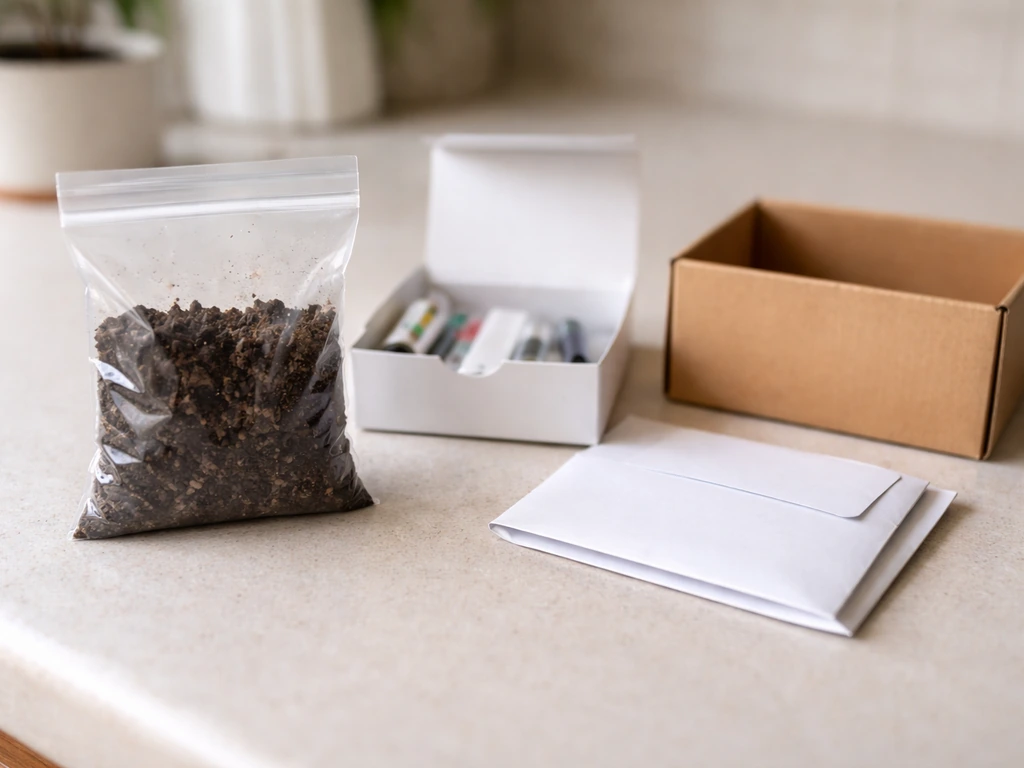
Get a soil test before you plant anything. Ohio State Extension offices can process soil tests, or you can use a mail-in kit. The results tell you your starting pH and what amendments you need, which saves you from guessing and wasting money on the wrong inputs.
Blueberries: the pH project
Most Ohio garden soil sits around pH 6.0 to 7.0, blueberries want 4.5 to 5.0. That gap is significant, and it takes time to close it. If your soil test comes back above 5.5, work granular sulfur into the soil in fall before a spring planting. At pH 6.5, plan on applying roughly one to two pounds of sulfur per 100 square feet and retesting in spring. For a raised bed or container setup, skip the amendment battle entirely and fill it with a peat-based mix (50% peat moss, 25% pine bark, 25% perlite), which naturally sits in the right pH zone. This approach also works well in Ohio's heavier clay areas where drainage is poor. Incorporate the amendments or build your bed at least a year in advance if possible, or at minimum three to four months before planting.
Strawberries, raspberries, and blackberries: simpler prep
These three are much less demanding about pH. Strawberries do best in slightly acidic, well-drained loam; if you have heavy clay, raise the bed four to six inches above grade and mix in compost. For raspberries, work a four-inch layer of compost into the top foot of soil and make sure water drains away from the planting area. Raspberries sitting in wet soil over an Ohio winter will develop root rot by spring. Blackberries tolerate heavier soils better but still benefit from adding organic matter. Remove all perennial weeds before you plant any of these, bindweed and quackgrass compete fiercely with young berry plants in their first season.
How to plant in Ohio (timing, spacing, raised beds vs containers)
When to plant
Ohio's best planting window for all berries is early spring, once the soil is workable but before summer heat arrives. For strawberries, April is the target month, plant as soon as soil conditions allow, typically once soil temps are consistently above 40°F. Do not wait past mid-May or the plants will struggle to establish runners before the summer heat hits. For blueberries, early spring is ideal, though container-grown plants can also go in during early October if you want a fall window. Raspberries and blackberries should go in during March or early April, dormant bare-root stock planted then establishes faster than potted plants set out in May.
Spacing and planting depth
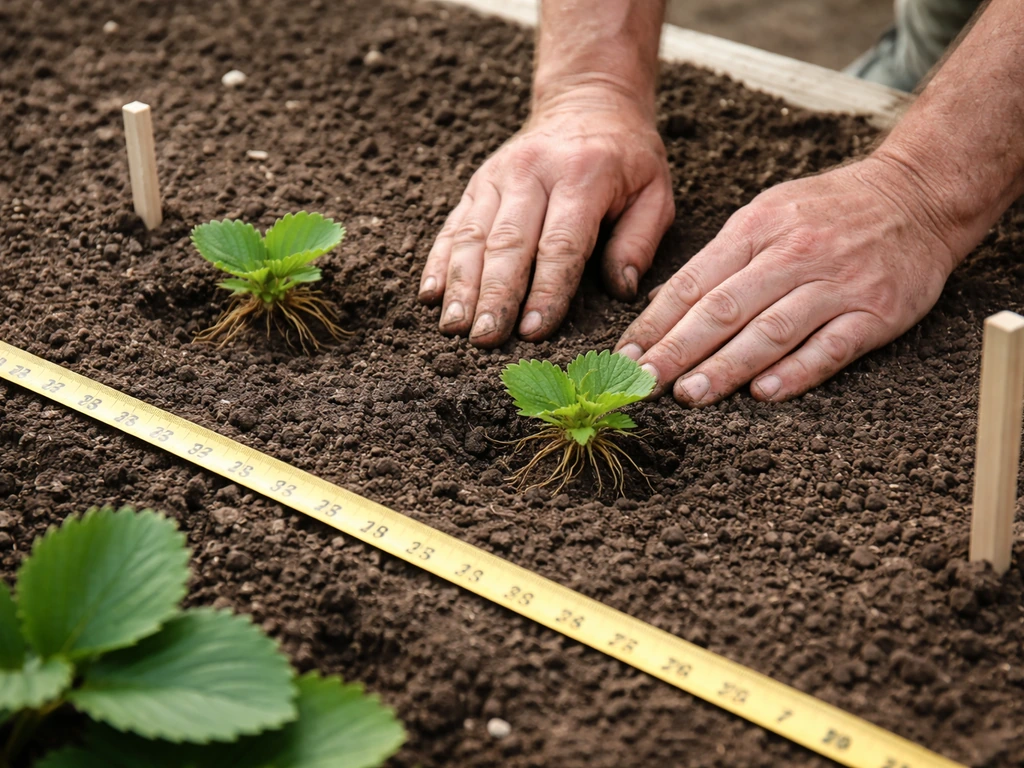
Strawberry crowns should be planted so the crown sits even with the soil surface, not buried, not sticking up. Ohio State University Extension guidance for strawberries recommends planting into trenches of loose, textured soil deep enough that roots can be set vertically and then covering the roots and about half of the crown with soil crown sits even with the soil surface, not buried, not sticking up.. Set plants 18 to 24 inches apart in rows at least 36 inches apart. For the matted-row system (the most practical approach for June-bearing types), you let runners fill in between plants over the first season. For day-neutral or everbearing types like Seascape, use the hill system: remove all runners and keep plants in individual hills 12 inches apart so energy goes into fruiting rather than spreading.
Blueberries need more room than most people give them. Space plants six to eight feet apart within the row, with rows eight to twelve feet apart. Plant at the same depth as the nursery container. They will look small and lonely the first year, resist the urge to crowd them. Raspberries go in two to three feet apart in the row, with rows about eight to ten feet apart to allow equipment or wheelbarrow access. Blackberries need a bit more, three to five feet between canes. Plant brambles in trenches with roots spread out horizontally and the crown at or just below soil level.
Raised beds and containers
Raised beds are genuinely useful in Ohio for two reasons: they solve drainage problems in clay-heavy areas, and they let you control soil pH for blueberries without fighting your native soil. Build blueberry beds at least 18 inches deep and fill with the peat-based mix described earlier. For strawberries and raspberries, a six-inch raised bed with compost-amended soil is enough. Containers work well for strawberries (hanging baskets or tower planters) and blueberries (half-barrel pots, minimum 18-inch diameter per plant), but container plants need more frequent watering and annual fertilization, they do not have the buffer of in-ground soil.
Ongoing care: watering, mulching, fertilizing, and weed control
Watering
Ohio gets reasonable summer rainfall, but it is inconsistent, you can go three weeks without rain in July and August right when blueberries and blackberries are sizing up fruit. Plan on supplemental watering during dry spells, targeting about one inch per week. Drip irrigation is worth the investment for blueberries especially, since it keeps water at the root zone without wetting foliage (which reduces disease pressure). Strawberries need consistent moisture during fruit development but are very sensitive to crown rot if water pools around the base.
Mulching
Mulch is non-negotiable for blueberries. Research has shown that mulched blueberry plantings produce significantly larger fruit yields than unmulched ones, even when irrigated at similar rates. Use wood chips, pine bark, or pine needles to a depth of three to four inches around bushes, keeping mulch a few inches away from the crown. For strawberries, apply straw mulch over the entire bed in late November after temperatures drop to around 20°F, this is critical for Ohio winters. Pull the straw back off the crowns in early April when new growth starts. Raspberries and blackberries benefit from a two- to three-inch mulch layer to suppress weeds and hold moisture but do not need the winter coverage that strawberries do.
Fertilizing
Go light on fertilizer in year one, pushing too much nitrogen causes lush growth that is more susceptible to disease and winter damage. For raspberries, about two ounces of a balanced fertilizer like 5-10-5 per plant in early spring is a reasonable starting point. Blueberries want an acidifying fertilizer (ammonium sulfate or a formulated blueberry fertilizer) applied in early spring before new growth, and again in late spring after flowering. Avoid fertilizing blueberries after mid-summer since that can push soft growth that will not harden off before Ohio's first frost. Strawberries get one application of a balanced fertilizer in late August to encourage runner rooting and crown development before winter.
Weed control
The first few weeks after planting, cultivate shallowly around strawberries and brambles by hand or with a hoe before mulching the whole bed. Do not cultivate deeper than an inch or two around strawberries, their roots are shallow and easy to nick. Once mulch is down, hand-pull any weeds that push through. Keeping the planting area weed-free reduces insect pest pressure as well as competition for water and nutrients.
Pruning and growth management (canes, bushes, runners)
Raspberries: know your type first
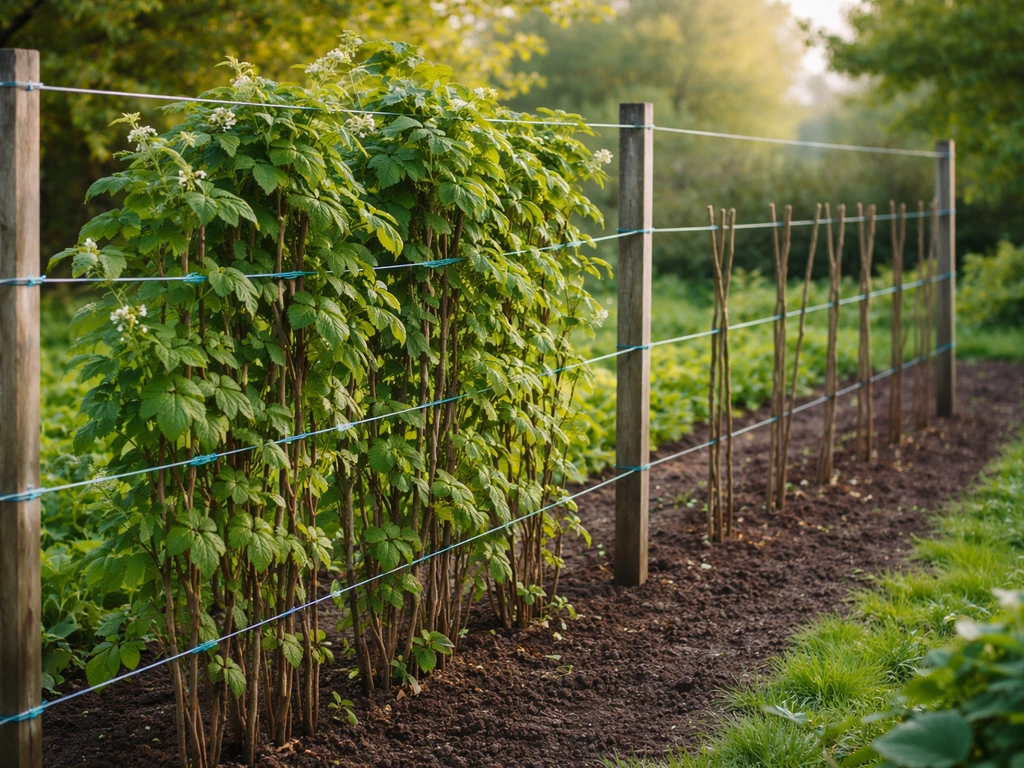
Raspberry pruning depends entirely on whether you have a floricane (summer-bearing) or primocane (fall-bearing) variety, and getting this wrong means losing your harvest. Floricane types like Boyne fruit on second-year canes. After harvest, cut those fruited canes to the ground and leave the new green first-year canes to overwinter, they will fruit next summer. Primocane types like Heritage fruit on first-year canes in late summer and fall. The simplest management for primocane types is to mow or cut everything to the ground in late winter, then let new canes emerge in spring. Annual dormant pruning is important for both systems. Also thin canes in spring, leaving only four to six of the most vigorous canes per plant.
Blackberries: trellis and thin
Blackberry canes follow the same biennial cycle as floricane raspberries, first-year canes (primocanes) grow, second-year canes (floricanes) fruit and die. Remove all canes that fruited this year after harvest, cutting them to the ground. Train the remaining young canes to a simple two-wire trellis (wires at two and five feet). A trellis is not strictly required, but it improves fruit quality, air circulation, and makes harvest much easier. In spring, head back the lateral branches on your remaining canes to about 12 to 18 inches, this concentrates fruit size and keeps the planting manageable. Remove weak canes at ground level and keep four to six healthy canes per plant.
Blueberries: patience and selective pruning
Do not do any significant pruning on blueberries in year one or two, just remove dead or crossing branches. Starting in year three, do annual dormant pruning in late winter (February or early March in Ohio). Remove the oldest, thickest canes at the base to encourage younger, more productive wood. Remove any twiggy, low-growing shoots and any canes that look diseased or damaged. The goal is an open, vase-shaped bush with six to eight healthy main canes and good light penetration into the center.
Strawberries: runners and renovation
For June-bearing strawberries in a matted row, let runners fill in during the first year but keep the row no wider than about 18 inches. After the second or third year of bearing, renovate the bed right after harvest in late June: mow leaves off to about one inch above the crown (not the crown itself), thin plants to six inches apart within the row, fertilize, and water well. This resets the bed and keeps productivity high. Day-neutral varieties managed in the hill system need runners removed throughout the season, this feels counterintuitive but directs energy into fruit.
Harvest timeline and what to expect
One of the best things about growing multiple berry types is that harvest staggers across the season. Here is how it typically plays out in most of Ohio:
| Berry | Typical Ohio Harvest Window | Yield per Plant/Patch (Mature) | Years to Full Production |
|---|---|---|---|
| June-bearing strawberry | Late May to mid-June | 1–2 quarts per plant | 2nd year after planting |
| Day-neutral strawberry | June through September (with breaks) | Moderate, steady through season | Same planting year |
| Floricane raspberry (e.g., Boyne) | Early to mid-July | 1–2 quarts per plant | 2nd year |
| Blackberry (e.g., Triple Crown) | Mid-July to mid-August | 2–4 quarts per plant | 2nd–3rd year |
| Blueberry (e.g., Bluecrop) | Late July to mid-August | 5–10 lbs per mature bush | 3rd–5th year |
| Primocane raspberry (e.g., Heritage) | Late August through September | 1–2 quarts per plant | 1st fall after spring planting |
Blueberries are honest about being a long-term investment. You will get a small handful of berries in year two or three, but full production comes in years four and five. Plant them and be patient, a mature Bluecrop bush in Ohio can produce five to ten pounds of fruit per season, and a well-tended planting lasts 20 or more years. Everything else on the list produces meaningfully in year two, and primocane raspberries like Heritage will give you a modest harvest in their very first fall if you plant in March.
Common Ohio problems (pests and diseases) and practical fixes
Blueberry diseases: mummy berry and fruit rot
Mummy berry is a serious and widespread blueberry disease in Ohio and surrounding states, crop losses can be severe in susceptible varieties and wet springs. The fungus overwinters in shriveled, mummified berries on the ground and shoots spores upward in early spring when blueberries are blooming. The fix is primarily sanitation: rake out and destroy all mummified fruit from under bushes in early spring before new growth emerges. Do not compost them. Choosing less-susceptible varieties (Bluecrop has moderate resistance) helps as well. General fruit rots also show up in humid Ohio summers, remove and destroy infected berries promptly, and make sure your planting site has good drainage and airflow.
Raspberry and blackberry cane diseases
Spur blight, cane blight, and anthracnose are common in Ohio's humid summers, and they all love the wounded tissue left after pruning cuts. Thin canes aggressively so air moves freely through the planting, this is the single most effective prevention step. Prune during dry weather when you can, and disinfect tools between plants if you see diseased wood. Blackberries are not as cold hardy as raspberries in Ohio, so site them in a sheltered spot and hold off on dormant pruning until late winter rather than fall, which reduces cold injury risk. Spotted wing drosophila (SWD) has become a real problem in Ohio berry plantings, this small fly lays eggs inside ripening soft fruit, especially raspberries and blackberries. Pick fruit frequently (every two to three days at peak season) and remove any overripe fruit left on canes.
Strawberry problems: slugs, gray mold, and verticillium wilt
Gray mold (Botrytis) thrives in Ohio's wet springs right when strawberries are fruiting. Straw mulch helps keep fruit off wet soil, and good air circulation through the row helps. Pick fruit as soon as it is ripe and remove any rotting berries immediately. Verticillium wilt can wipe out a planting, avoid planting strawberries where tomatoes, potatoes, or peppers grew in the past three years since they share this soil pathogen. Slugs hide under straw mulch and eat berries overnight; iron phosphate slug bait is effective and safe around edible plants.
Birds and deer
Birds are the most reliable and persistent pest across all berry types in Ohio. For blueberries especially, netting is essential once fruit starts to ripen, birds will strip a bush clean in a day. Use drape netting or build a simple PVC hoop structure over the row. Deer are a problem in rural and suburban Ohio; a simple four-foot fence around the planting works for most berry patches.
Starter plan: what to plant based on your situation
If you are new to growing berries in Ohio, do not try to plant all four types at once. If you are planning for Texas instead of Ohio, it helps to start with the best berries to grow in Texas for your climate and soil. Start with two that match your space and patience level, then expand after you have a feel for the work involved.
| Grower Type | Recommended Starting Combo | Why It Works |
|---|---|---|
| Complete beginner, small yard | June-bearing strawberries + Heritage primocane raspberry | Quick results, simple pruning, fits a small bed |
| Beginner with some space | Strawberries + Bluecrop blueberry (2 plants) | Learn both systems; blueberries start while strawberries produce |
| Intermediate, more space | Blueberries (Bluecrop + Patriot) + Triple Crown blackberry | Great yields, staggered harvest, longer season |
| Experienced grower | All four types, multiple varieties per type | Full season harvest from late May through September |
If you are in a particularly cold part of Ohio (northeast Ohio near Lake Erie or the southern hill counties), lean toward hardier varieties: Patriot and Northland blueberries, Boyne raspberry, and Chester blackberry. If you are in the milder southwest Ohio corridor, you have more flexibility and Triple Crown blackberry especially will thrive. Ohio gardeners in neighboring states like Illinois and Indiana face very similar conditions, so variety lists that work there tend to translate well here too.
Your next steps are concrete: pull a soil test this week, pick your two starter berries from the list above, and order bare-root or potted plants now for fall delivery or next spring planting. If you are planning your own Oklahoma backyard, this kind of starter plan still applies to choosing the best berries to grow in Oklahoma starter berries. Good nursery stock from a reputable source makes a bigger difference than almost any other input, disease-free planting stock is the foundation of a healthy, long-lived berry planting. If you are looking for the best berries to grow in Utah, start by matching your site conditions to varieties known for local performance long-lived berry planting.
FAQ
What should I do first if I want blueberries but my soil test shows pH is too high?
For blueberries, the best way to avoid a common failure is to check drainage and pH together. A site can look sunny but still underperform if the soil holds water or stays near pH 6.0. If your test is above 5.5 and you do not want to amend multiple years, the most reliable shortcut is a raised blueberry bed filled with peat-based mix (and kept mulched), rather than trying to “catch up” pH in-place.
Can I grow the best berries for Ohio in containers instead of in the ground?
Yes, but timing matters. For container strawberries and blueberries, plan on more frequent watering than in-ground plants because pots dry out faster, and fertilize on schedule since nutrients leach. Also, increase sun exposure control: containers in full sun can overheat, so afternoon shade or light row cover during heat waves can prevent fruit drop.
Will I get berries the first year if I plant in spring?
It depends on the berry type and what you mean by “first year.” Strawberries usually produce noticeably in year one if you buy good crowns and keep watering steady, but matted-row production improves as the bed matures. Blueberries are the slowest, with only a small handful of berries in years two or three and full production closer to years four to five, so avoid judging the site by early yields.
Which raspberry type is easier to manage in Ohio, primocane or floricane?
A simple rule for choosing is to match your goal to the pruning system. If you want the simplest management, primocane raspberries like Heritage are easier because you cut everything down in late winter and fruit comes on new canes. If you can handle annual pruning of canes by age, floricane types like Boyne can be productive with a more traditional two-year cycle.
When should I install bird netting for blueberries or blackberries in Ohio?
If you use netting, put it on as soon as you see the first fruit starting to color. Waiting until berries are ripe is usually too late, birds often start stripping within days. Leave enough slack so birds cannot peck through and so you can still pick without tearing the net.
How do I water correctly in Ohio summers when rainfall is inconsistent?
Look for a “resilient but not wet” pattern during fruit sizing and ripening. For blueberries and blackberries, aim for about one inch per week total from rain plus irrigation, using drip if possible. For strawberries, keep moisture consistent, but avoid prolonged crown wetness that can cause crown rot, so water at the base or use drip rather than overhead sprinklers.
Can mulch cause problems if I apply it the wrong way around berry crowns?
Yes, and the tradeoff is consistency. Organic mulches help blueberries and can reduce disease by preventing fruit from contacting soil, but if you let mulch pile up directly against crowns, it can trap moisture and encourage rot. Keep mulch a few inches away from strawberry crowns and blueberry crown bases, and refresh layers before peak summer.
Why isn’t sulfur in fall always enough to grow blueberries well the next spring?
A big mistake is trying to fix blueberry pH with quick one-time amendments and expecting instant results. Sulfur generally needs time to work, and retesting in spring is essential to confirm pH is moving in the right direction. If your soil test is far from target, raised beds are often faster and more predictable than repeated in-place adjustments.
My berry patch is growing poorly, what are the first two things I should verify?
If you are seeing patchy growth, poor flowering, or weak leaves, confirm both sun and soil first before changing fertilizers. Afternoon shade is a common issue for blueberries, and alkaline or heavy clay can suppress performance even when you fertilize. Once you fix site conditions, start with light feeding in year one to avoid overly soft growth.
What’s the best way to handle bindweed or quackgrass before and after planting?
For weeds, start by removing perennial weeds before planting, then use mulch and shallow hand-pulling. Do not cultivate deeply near strawberries because their roots are shallow and easy to damage. If bindweed or quackgrass is present, expect persistence, do multiple removal passes before and early after establishment, and keep the bed weed-free to reduce competition.
Are blackberries less winter-hardy than raspberries, and should I prune them differently?
Yes, and it affects survival and yield more than most new gardeners expect. Blackberries are generally less cold hardy than raspberries in Ohio, so choose a more sheltered spot (near a fence line or windbreak) and delay dormant pruning until late winter to reduce cold injury risk.
How should I choose between June-bearing strawberries and day-neutral types for my Ohio yard?
Plan your strawberry variety choice based on whether you want a short burst or spread-out harvest. June-bearing types fit the matted-row system where runners fill in and beds are renovated after the harvest. If you choose day-neutral types like Seascape, you must remove runners and manage in hills so plants focus energy on fruit rather than spreading.
What’s the most effective way to reduce losses from SWD and birds at the same time?
If the fruit is present but you are losing harvest to pests, frequency is the difference. For SWD, check and pick often during peak ripening, every two to three days, and remove any overripe fruit left on canes. For birds, netting timing matters just as much, and using a hoop frame helps netting stay secure and easier to access.