
If you're growing berries in Emerald (the Pacific Northwest around Seattle), you're in one of the best berry climates in North America. Strawberries can fruit in their first season if you plant day-neutral varieties. Raspberries and blackberries usually give you a real harvest in year two. Blueberries are the slow ones: expect little to nothing for the first two to three years, and a full crop somewhere between years three and five. The good news is that once they're established, all three thrive in this climate with minimal fuss.
How Long Do Berries Take to Grow in Emerald? Timeline
Marcus Holloway
5 Jun 2026
What "Emerald" actually means for your growing conditions
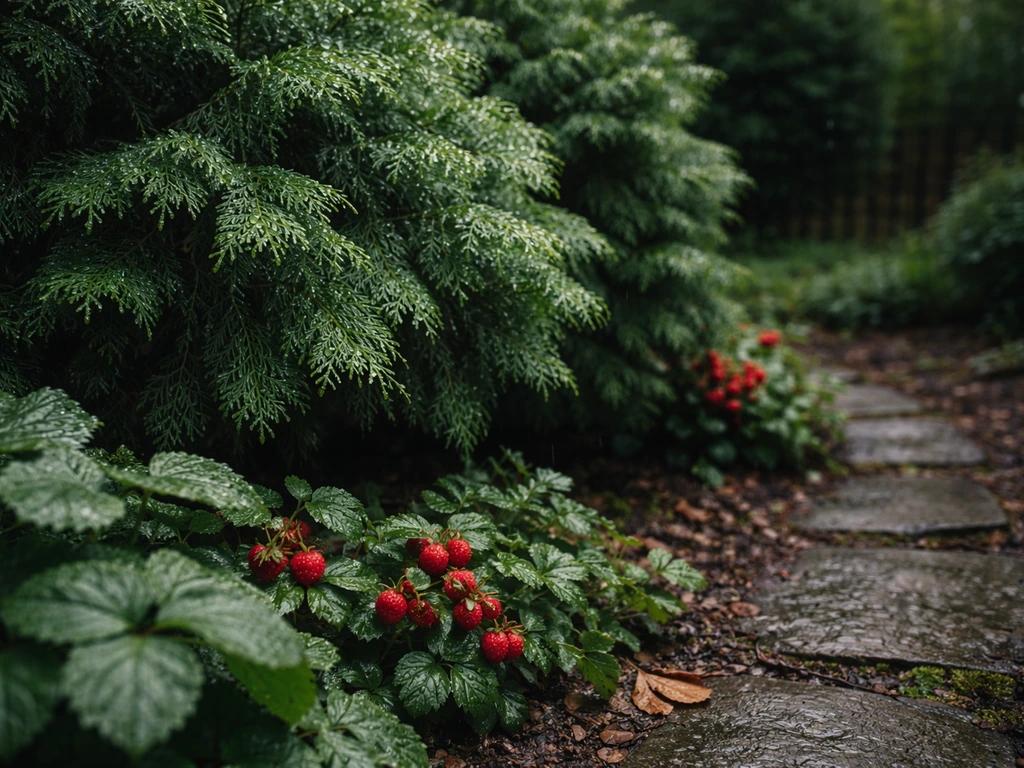
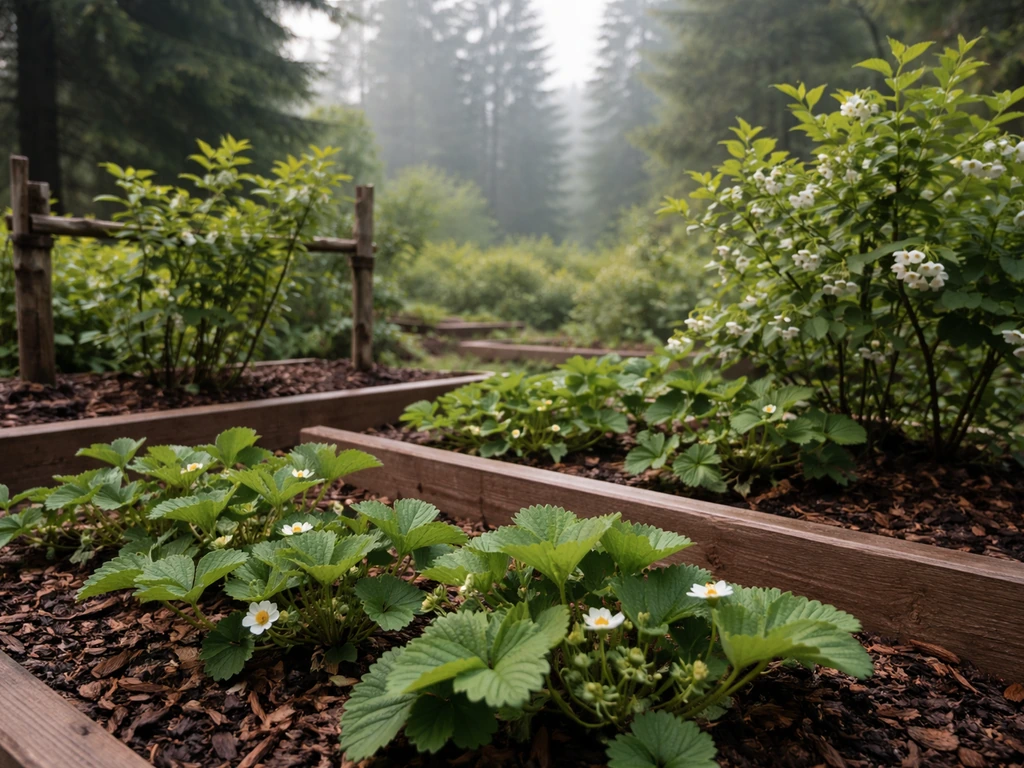
"Emerald" almost always refers to the Seattle area and the broader Pacific Northwest evergreen region, sometimes called the Emerald City or Emerald corridor. If that's where your garden is, you're working with USDA Hardiness Zone 9a (many spots in Seattle shifted to 9b in the 2023 updated map). That means mild winters, cool summers, and a last frost date that averages around early April. It's genuinely excellent berry-growing territory.
If you're somewhere else that uses "Emerald" as a local nickname, or if you're in a nearby inland valley with harder winters, check the 2023 USDA Plant Hardiness Zone Map with your zip code. You can use the USDA Plant Hardiness Zone Map (2023 edition) as the standard reference for determining your hardiness zone with your zip code. The timelines in this article assume Zone 9a/9b conditions. If you're Zone 7 or 8 instead, your spring planting window shifts a few weeks later and some cold-sensitive varieties need more attention.
Berry growth timelines at a glance
Here's the honest picture for the three most common home-garden berry types in the Emerald region, from planting day to your first real picking session.
| Berry Type | First Fruit (Best Case) | Typical Timeline | Full Production |
|---|---|---|---|
| Strawberries (day-neutral) | 8–12 weeks after planting | Same season (summer/fall) | Same season, heavy the following year |
| Strawberries (June-bearing) | Following summer (year 2) | 12–14 months from planting | Year 2 onward |
| Raspberries / Blackberries (primocane types) | Late summer/fall, year 1 | 4–6 months from spring planting | Full crop year 2 |
| Raspberries / Blackberries (floricane types) | Summer, year 2 | 12–18 months from planting | Year 2 onward |
| Blueberries | Small amounts year 2–3 | 2–5 years to real bearing | Years 4–6+ |
These ranges account for normal establishment time in Emerald's climate. A warm spring and good soil prep push you toward the faster end. A late frost, poor drainage, or wrong soil pH pushes you toward the slower end.
Type-by-type breakdown
Strawberries
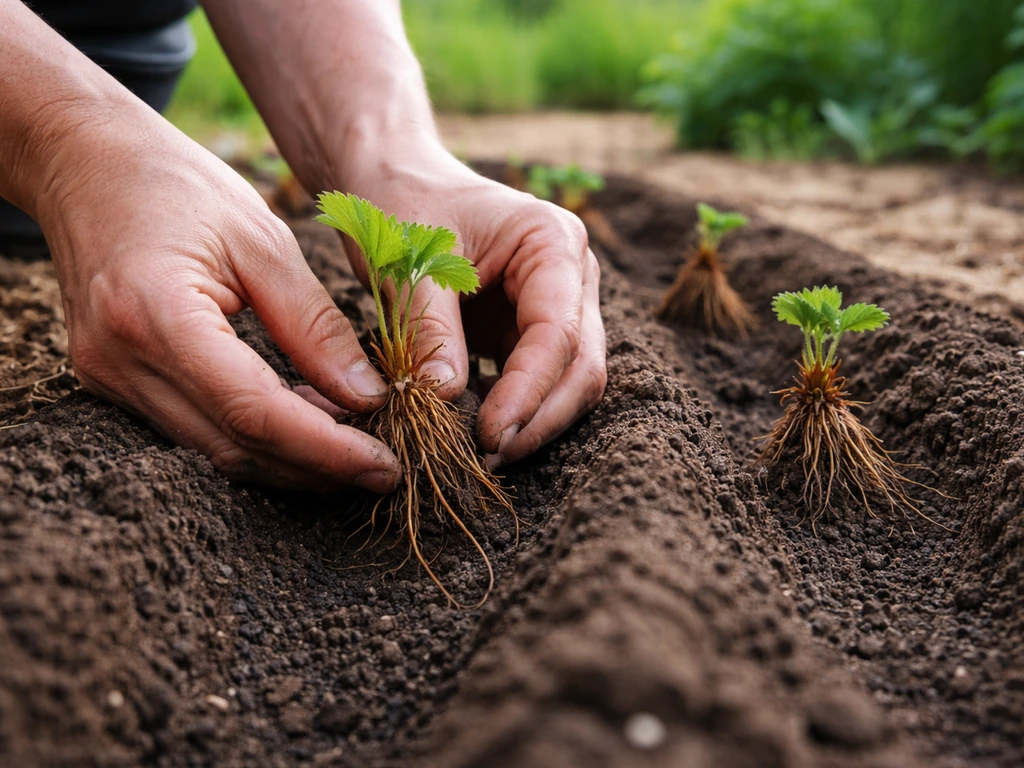
Strawberries are the fastest path to fruit in Emerald. Day-neutral varieties like Seascape or Albion flower from June through the first hard frost, so if you plant dormant crowns or starts in March or April (just after that average early-April last frost date), you can be picking berries by mid-summer in the same year. June-bearing varieties work differently: they channel most of their energy into runners and root development the first year, and you get your main crop the following June. Many growers actually pinch off the first-year flowers on June-bearing plants intentionally to build a stronger root system, which pays off with a heavier harvest in year two.
Strawberries are typically planted as dormant bare-root crowns, and the flower buds you'll harvest from are actually formed the season before. That's why timing your planting right matters so much. Get crowns in the ground while soil temperatures are cool but not frozen, which in Emerald usually means March through early April.
Raspberries and blackberries
Raspberries and blackberries follow a two-year cane cycle. The canes that grow in year one are called primocanes. In most traditional (floricane) varieties, those canes overwinter and produce fruit in their second year as floricanes, then die back. So if you plant a floricane raspberry in spring, you wait through year one with no fruit, and harvest the following summer.
The faster option is a primocane-bearing (also called everbearing or fall-bearing) variety. These produce a crop at the tips of their first-year canes in late summer and fall, so you can get fruit in the same season you plant. Varieties like Heritage raspberry or Triple Crown blackberry are popular in the Pacific Northwest and behave well in Zone 9 conditions. Blackberries in the Emerald region tend to be very vigorous growers, sometimes almost aggressively so, and you'll usually see a solid harvest by year two regardless of variety.
Blueberries (and other slower bush berries)
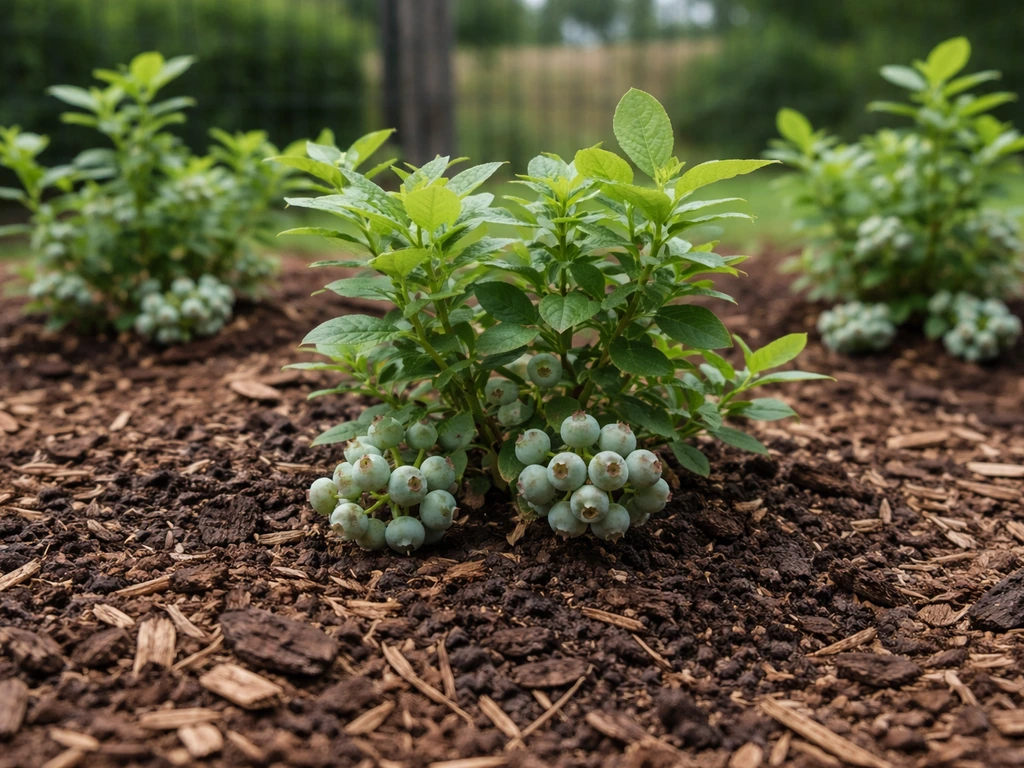
Blueberries are the long-game berry. Berries can be affected by rust diseases, and the timeline and symptoms matter for deciding when to act berries take to grow rust. Most extension guidance is consistent: expect little to no fruit in the first two to three years, and real production somewhere between years two and five depending on how old the plant was when you bought it and how well you've managed the soil. If you’re wondering about Bloxburg specifically, the growth timing is still mostly about plant age and conditions, so you’ll get results faster with more mature bushes and good upkeep how long do berry bushes take to grow. University of Nebraska-Lincoln Extension puts the range plainly at two to five years to bear. Younger rooted cuttings take even longer to establish than two-year-old nursery stock. In Emerald's climate, blueberries genuinely thrive once established because the mild, moist winters suit them well. But you have to put in the patient upfront work.
Gooseberries and currants are a worthwhile mention here because they grow exceptionally well in the Pacific Northwest and fruit faster than blueberries. Most gooseberry plants will give you a modest first harvest in year two and a full crop by year three. If you want productive berry bushes sooner, they're worth adding alongside blueberries.
How your planting method changes the schedule
The age and form of the plant you start with matters more than most people realize. The UMN Extension notes that raspberry plants can be purchased as dormant bare-root plants or potted plants age and form of the plant you start with. Here's how the main options compare:
- Dormant bare-root plants: Cheapest option, widely available in early spring. They take longer to leaf out and establish but usually catch up by mid-season. Raspberries and strawberries are commonly sold this way.
- Potted nursery starts (1–2 gallon): Already leafed out, establish faster, and often fruit a few weeks sooner in the first season. Worth the extra cost if you want quicker results.
- Two-year-old blueberry plants: The standard recommendation for blueberries. One-year rooted cuttings are much slower to produce and not worth it unless you're propagating your own.
- Plug starts (smaller strawberry plugs): Establish quickly in the Pacific Northwest's mild spring climate and can fruit the same year if planted early enough.
If you're buying blueberries, spending a little more on two-year or even three-year nursery stock cuts years off your wait. I've planted one-year blueberry cuttings before and the difference in growth rate compared to two-year stock in the same bed is striking.
Site basics in Emerald: sun, soil, water, and feeding
All three berry types want full sun (at least 6 hours of direct sun per day) for best production. Raspberries will tolerate partial shade, but you'll get noticeably fewer berries. Strawberries in shade produce lots of foliage and very little fruit. In Emerald's often overcast spring, prioritize the sunniest spot in your garden.
Soil requirements
Soil is where blueberries get tricky. They need a soil pH between 4.5 and 5.5, which is more acidic than most garden soils. Emerald-area soils tend to lean slightly acidic naturally, but you should still test before planting. If the pH is off, plants can fail in their first year entirely. Amend with sulfur or use an ericaceous compost mix before planting. Once blueberries are in the ground and established, avoid over-fertilizing: University of Maryland Extension recommends not fertilizing at all in the first year after planting, and when you do start, use an ammonium-form nitrogen fertilizer like ammonium sulfate (21-0-0) rather than nitrate forms, which blueberries handle poorly.
Strawberries and brambles (raspberries and blackberries) are much more forgiving on pH and do well in slightly acidic to neutral loam (pH around 5.5–7.0). Raised beds with good drainage and compost-amended soil work well for all three in Emerald's wet winters, where waterlogged roots are the main soil-related problem.
Watering and mulching
Emerald gets plenty of natural rain through spring, but summers turn dry. Plan on supplemental watering from July through September for all berry types. Blueberries are especially sensitive to drought stress during fruit development. Mulching with wood chips or pine bark helps retain moisture and, as a bonus for blueberries, gradually acidifies the soil as it breaks down.
Adjusting for Emerald's climate: frost dates, heat, and cold stress
Seattle's average last frost sits around early April. In Zone 9a/9b, you can generally plant bare-root strawberries and raspberries as soon as the ground is workable in March, then blueberry plants in April once the risk of a hard freeze is lower. The mild winters here mean most berries don't need extra protection, which is a genuine advantage over colder zones.
The bigger climate stressor in Emerald is actually summer heat, not cold. The Pacific Northwest experiences occasional heat events (the June/July heat dome pattern in recent years), and raspberries are particularly vulnerable: extreme heat can cause sunscald on developing drupelets, producing pale, colorless patches on fruit that look like something went wrong with pollination. If you grow raspberries, providing afternoon shade cloth during heat events or planting on a north-facing slope can protect the fruit. Strawberries also struggle to set fruit when temperatures consistently exceed 85–90°F, so timing your planting to get the early fruiting period done before peak summer heat is worthwhile.
On the cold end, Zone 9 winters rarely threaten established berry plants, but a surprise late frost in April can hit newly opened blossoms on early-planted strawberries. Keep an eye on the forecast through April and have a row cover or frost cloth ready if temperatures drop below 32°F overnight.
Why your berries might not be fruiting on schedule
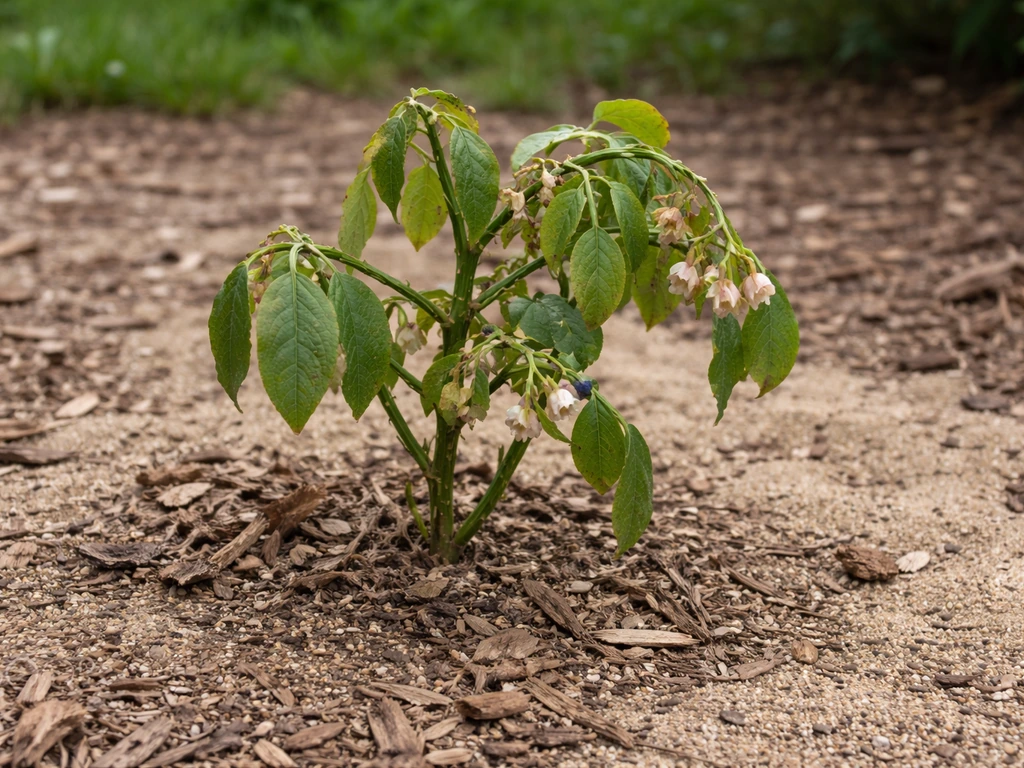
If you're past the expected timeframes and still not seeing fruit, these are the most common causes: Knowing when berries grow best can help you match planting times to your local conditions and avoid long, unproductive waits when do berries grow.
- Wrong soil pH for blueberries: This is the single most common reason blueberries fail or fruit poorly. Test the soil, not just visually inspect it. A pH above 6.0 will cause stunted yellowing plants and no fruit even years after planting.
- Too much shade: All berries need real sun. Even one hour less than the minimum can noticeably reduce fruit set. If a tree has grown up and is now shading your berry patch, that's often the culprit.
- Planting June-bearing strawberries and expecting same-year fruit: They're not designed to fruit year one. If you want first-season strawberries, switch to day-neutral varieties.
- Floricane raspberries with no second-year canes: If you cut all canes to the ground each fall (which is correct for primocane types but wrong for floricane types), you'll remove all the fruiting wood. Identify which type you have and prune accordingly.
- Pollination gaps in blueberries: Blueberries produce dramatically more fruit with cross-pollination from a second variety. If you have only one plant or one variety, adding a second compatible variety often jumpstarts fruiting significantly.
- Drought stress during fruit development: In Emerald's dry summers, under-watered plants drop fruit early or produce small, sparse berries. Consistent soil moisture from flowering through harvest is critical.
- Over-fertilizing with high-nitrogen products: Too much nitrogen pushes leafy growth at the expense of flowers and fruit. Go light on feeding, especially in the establishment year.
One more thing worth checking: how old is your blueberry plant really? If you planted a small rooted cutting sold as a "one-year plant," the two-to-five-year timeline to bearing fruit is not an exaggeration. If you are trying to grow a berry bush in Stacklands, focus on the same idea: start with a plant type that matches your patience level and your planned timeline. The slow growth in years one and two can feel like something is wrong, but it's often just normal establishment. Holly (a berry-producing shrub) typically grows and fruits after it establishes, often starting with flowers and berries once it has had a season or two to mature when does holly grow berries. Patience, consistent moisture, and correct pH are the actual fix. If you are wondering where holly berries grow, the key is choosing the right climate and planting conditions for your region where do holly berries grow.
Choosing the right variety for Emerald's climate
Variety selection is one of the most practical things you can do to make your timelines realistic. The Pacific Northwest has a strong tradition of berry growing, so locally trialed varieties are your best bet.
- Strawberries: Seascape and Albion (day-neutral, same-season fruit), Hood (June-bearing, exceptional flavor, very popular in the region)
- Raspberries: Meeker and Willamette (floricane, second-year harvest, bred for the Pacific Northwest), Heritage (primocane, first-year fall fruit)
- Blackberries: Triple Crown (primocane, large fruit, Zone 9 friendly), Chester (semi-erect, very productive in mild climates)
- Blueberries: Bluecrop and Duke (northern highbush, reliable in Zone 9), Sunshine Blue (semi-dwarf, good for containers), always plant at least two different varieties for cross-pollination
- Gooseberries/Currants: Invicta gooseberry, Red Lake currant (both highly productive and fast to fruit in Emerald's conditions)
If you're just getting started and want fruit as quickly as possible, the fastest reliable path is: plant day-neutral strawberries in March, add a primocane raspberry for fall fruit in year one, and start your blueberry establishment now knowing it's a multi-year commitment that will pay off well in this climate. If you are wondering how do berries grow in Emerald, focus on variety choice first, because day-neutral strawberries and primocane raspberries can produce sooner than blueberries, which are a multi-year commitment. That combination gives you something to pick almost every season while the slower plants catch up.
FAQ
What should I do if my berry plants flower but still do not produce fruit yet in Emerald?
If your plants are flowering but not fruiting yet, treat it as a timing-and-health issue. Strawberries can flower without ripe berries if heat spikes, berries get stressed from inconsistent watering, or if blossoms were damaged by a late frost. For raspberries and blackberries, flowering in the wrong year is often normal for floricane types, while primocane types should fruit on first-year cane tips.
Can I speed up berry production in Emerald by starting earlier or transplanting bigger plants?
Yes, but it depends on what you started with. Transplanting an established berry plant, especially a 2-year (or older) blueberry bush, can shorten the wait because you are effectively skipping the earliest establishment stage. If you are starting from one-year or small rooted cuttings, the “years to bearing” timeline can still be lengthy even if you moved them earlier than usual.
Why might my blueberries take much longer than the expected 2 to 5 years?
Blueberries are the most sensitive to wrong conditions, so they often fail fast rather than gradually. The biggest causes are pH that is too high (too alkaline), chronically waterlogged soil, and over-fertilizing early. If you see yellowing leaves plus weak growth, test soil pH first before changing anything else, then correct using a plan for lowering pH and improving drainage.
Could my pruning choices be why raspberries or blackberries are taking longer to fruit?
Raspberries and blackberries often respond differently to pruning, and incorrect training can delay fruit. If you cut off floricanes by accident in late winter or spring, you remove next season’s fruiting wood. For primocanes, delaying pruning or leaving too many canes can reduce fruit size and push harvest later, even if you still get berries in the first season.
How do watering and summer drought affect how long berries take to grow in Emerald?
“Established” in Emerald usually means the plant has reliable root growth and can handle summer dry spells. Even if fruit eventually appears, you should expect better results when irrigation is consistent from July through September and when mulch is in place to prevent moisture swings. Without that, blueberries in particular can stall during fruit development.
Do berries grow faster or slower in containers compared with in-ground planting in Emerald?
Container growing can work in Emerald, but it often increases the time to good production because containers dry out faster and soil pH is harder to keep in range for blueberries. Use large containers, frequent checks of soil moisture, and for blueberries an appropriate acidic potting mix. If you want earlier fruit, containers are best for day-neutral strawberries or primocane raspberries rather than for getting blueberries to bear quickly.
Which strawberry type is best if I want the earliest pickable berries, day-neutral or June-bearing?
For strawberries, the fastest path to ripe berries is usually day-neutral varieties planted right after average last frost, with good crown-to-soil contact and stable moisture. For June-bearing types, removing the first-year flower set can redirect energy into roots so year two is heavier, but it will intentionally delay berries until the following season.
What are the most common mistakes to check if my berries seem to be stuck after year one in Emerald?
If you are seeing slow growth after the first year, re-check the basics before assuming the timeline is “broken.” Common fixes are testing and adjusting blueberry pH, improving drainage with raised beds, confirming full sun (at least 6 hours), and using frost protection only around the brief cold snaps. Also, verify plant age from the label, because a “one-year” blueberry can legitimately take several more years to reach full yield.
Does extreme heat in Emerald change the berry growing timeline or just the fruit quality?
For raspberries, sunscald can look like pale or off-color patches and is more likely during heat events, especially on fruit near peak sun. Quick help is to provide temporary afternoon shade during heat waves and keep up with irrigation. For strawberries, if sustained temperatures run high, fruit set can drop, so getting the main fruit window before the hottest weeks matters.
Can you give a realistic year-by-year expectation for first harvests in Emerald?
If you want a practical “what should I see when” check, use plant age. Day-neutral strawberries can be first-year fruiting in the same season when planted shortly after last frost. Floricane raspberries typically follow a no-fruit-then-fruit pattern across two summers, while primocane raspberries can fruit by late summer of year one. Blueberries are the exception that usually require multiple seasons even under good care.