
Most berries grow and fruit between late spring and early fall, but the exact months depend heavily on which berry you're planting and where you live. This overview on how do berries grow by type and timing connects directly to the sections on berry growth habits and when they fruit. Strawberries can fruit as early as May in warm zones; blueberries peak from July through August across much of the US; raspberries and blackberries hit their stride from June through October depending on the variety; and currants or gooseberries ripen in midsummer. The honest answer is that 'berries' isn't one crop with one calendar. Each type has its own growth habit, its own soil preferences, and its own relationship with your frost dates. Once you know those three things for your situation, the timing clicks into place pretty fast.
When Do Berries Grow? Planting Dates by Type and Region
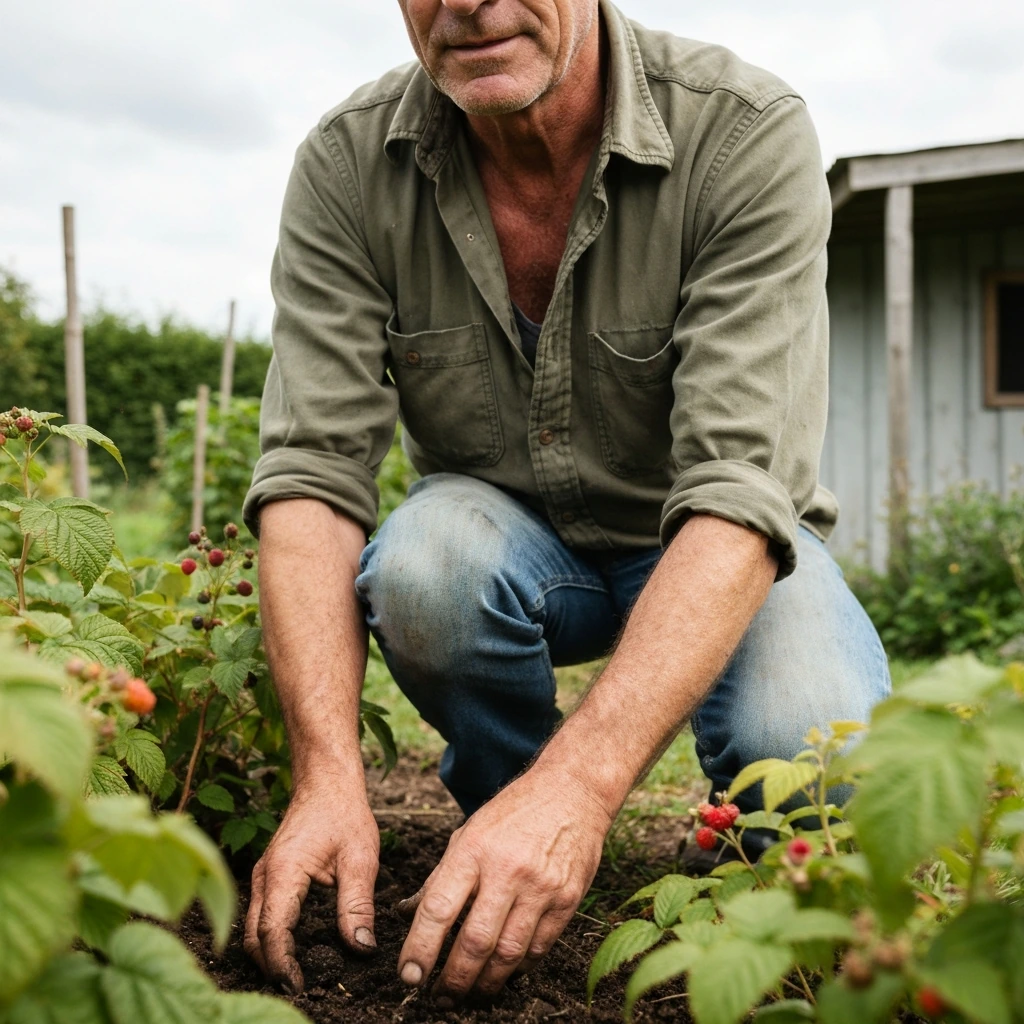
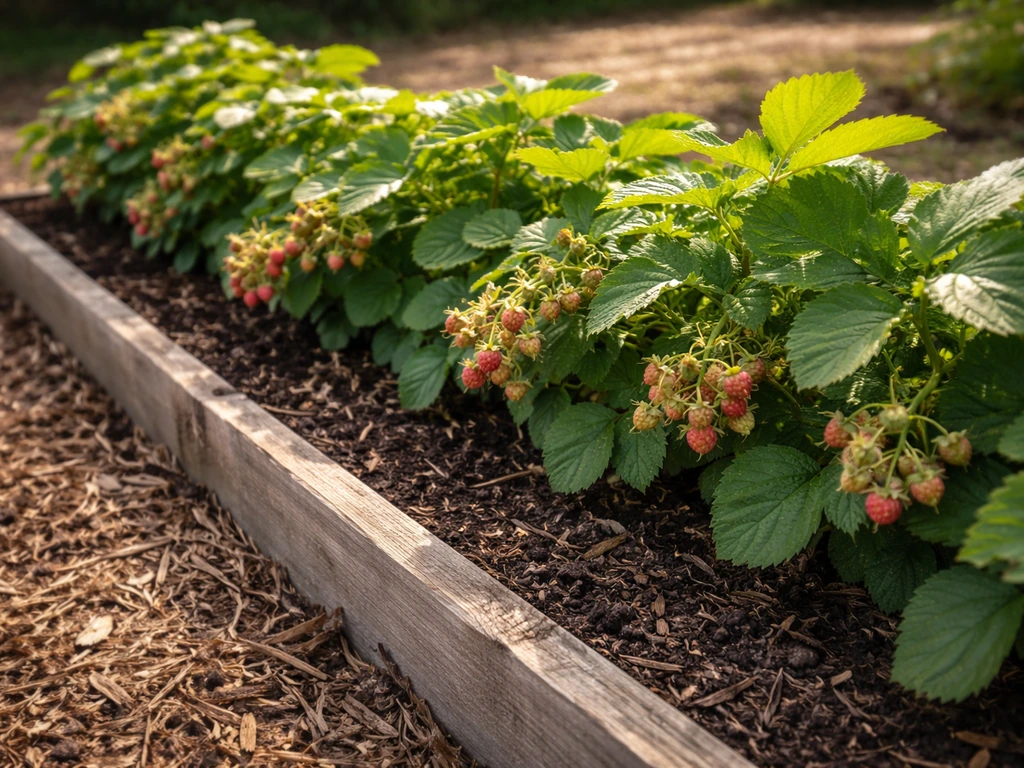
Berry types and their growth habits
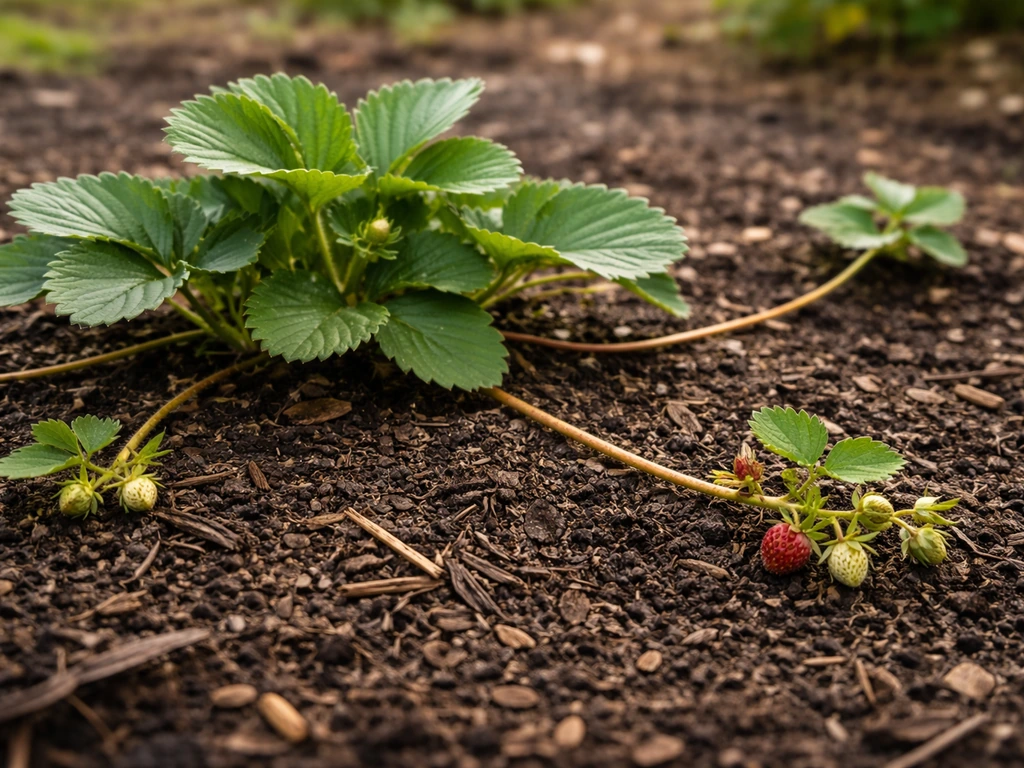
Before you can nail down timing, you need to know how your berry actually grows. The structure of the plant dictates everything: when to plant it, how long before you see fruit, and what kind of site it wants. I've grown most of these myself and the biggest mistake I see people make is treating all berries like one category.
| Berry Type | Growth Habit | Key Soil/Site Need | Years to First Fruit |
|---|---|---|---|
| Strawberries | Low crown with runners (daughter plants) | Well-drained, moderately fertile, full sun | Same year (day-neutral) or year 2 (June-bearing) |
| Raspberries / Blackberries | Biennial canes (primocanes and floricanes) | Well-drained, fertile, full sun | Year 1 (primocane types) or Year 2 (floricane types) |
| Blueberries | Woody shrub | Acidic (pH 4.0–5.0), well-drained, high organic matter, full sun | Year 1–2 (light); full yield by Year 4–6 |
| Currants / Gooseberries | Woody shrub with fruiting spurs | Well-drained, fertile, tolerates partial shade | Year 2–3 |
| Elderberries | Large shrub / small tree | Moist, fertile, adaptable | Year 2–3 |
| Cranberries | Low creeping vine (bog plant) | Acidic, saturated/wet, sandy | Year 3–4 |
The cane fruits (raspberries and blackberries) deserve special attention because their two-year cane cycle confuses a lot of new growers. In the first year, a cane grows vegetatively and is called a primocane. It overwinters, becomes a floricane in year two, and that's when it flowers and fruits. UMN Extension explains that raspberries fruit on floricanes, which are one-year-old canes, after primocanes overwinter becomes a floricane in year two. After fruiting, the floricane dies. Primocane-fruiting (sometimes called everbearing) varieties short-circuit this by also flowering and fruiting on first-year canes in late summer or fall. If you want fruit in your first growing season, primocane varieties are your best bet. If you plant standard floricane varieties this spring, expect fruit next summer.
Strawberries work differently. The plant builds its bud structure the year before flowering, so June-bearing varieties planted this spring will send out runners all season and give you a real harvest in spring of next year. Day-neutral and everbearing types are more impatient: bare-root crowns planted in early spring can start fruiting roughly 10 weeks after planting, running from late June into November in their first year. With holly berries, you can expect timing to vary by variety and climate, but the harvest window is still tied to the plant's growth and flower cycle Day-neutral and everbearing types.
Blueberries are a long game. They're woody shrubs that can take four to six years to reach full production, and you might get a light first picking one to two years after planting. If you're wondering how long berry bushes take to grow in Bloxburg, plan around the same idea: blueberries are a slow, long-term crop that may take a few years for full production how long do berry bushes take to grow in bloxburg. The catch most people miss: blueberries need genuinely acidic soil, around pH 4.0 to 5.0. Standard garden soil usually runs pH 6.0 to 7.0, which is way too alkaline. If you skip the soil prep, your plant will just sit there looking sulky and never really produce.
What season do berries actually grow and fruit
Berry season isn't one fixed window across the US. Your latitude and climate zone shift everything by weeks or even months. Here's a practical breakdown of when major berries typically fruit by region, which you can use as a reality check against your own garden calendar.
| Berry | Zones 3–4 (Midwest/Northern US) | Zones 5–6 (Mid-Atlantic / Pacific NW) | Zones 7–9 (South / Coastal West) |
|---|---|---|---|
| June-bearing Strawberries | Late June – July | Late May – June | April – May |
| Day-neutral Strawberries | Late June – October | June – November | May – December |
| Floricane Raspberries | July – August | June – August | May – July |
| Primocane Raspberries | August – October (first frost) | August – November | July – November |
| Blueberries | July – August | July – September | June – August |
| Currants / Gooseberries | July – August | June – August | May – July |
| Blackberries | July – August | July – September | June – August |
In the Pacific Northwest, like Oregon's Willamette Valley, the mild maritime climate stretches berry seasons at both ends. Blueberries and blackberries often run later into September there than in the Upper Midwest, where the first hard frost can shut things down by mid-October. In the South and lower zones, spring comes earlier but summers can get brutal enough that cool-season fruit like strawberries wrap up before the real heat hits.
When to plant: start dates for new plants and seeds
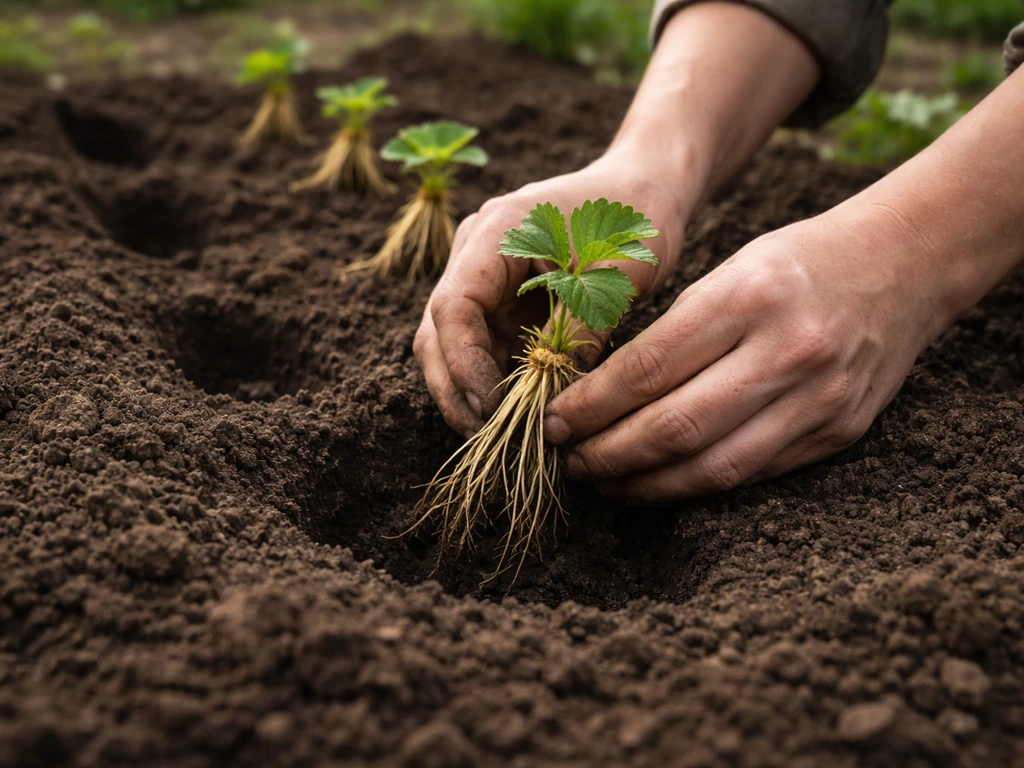
The single best move for most home gardeners is to plant bare-root or potted nursery starts rather than seeds, especially for blueberries, raspberries, and strawberries. Seeds are slow, variable, and rarely used even by experienced growers for these crops. Here's how timing breaks down by type.
Strawberries
Plant dormant bare-root crowns in early spring, as soon as the soil has thawed enough to get a trowel in without forcing it. Nurseries ship bare-root at the right time for your region, so if you've ordered them and they arrive, plant immediately. For June-bearing types, aim to plant before your last frost date by a week or two. In Minnesota or Wisconsin, that's typically late April to early May. In Virginia or Oregon, it might be March. Avoid planting after August 1 in northern zones since the plants won't establish enough root mass before freeze-up to survive reliably.
Raspberries and blackberries
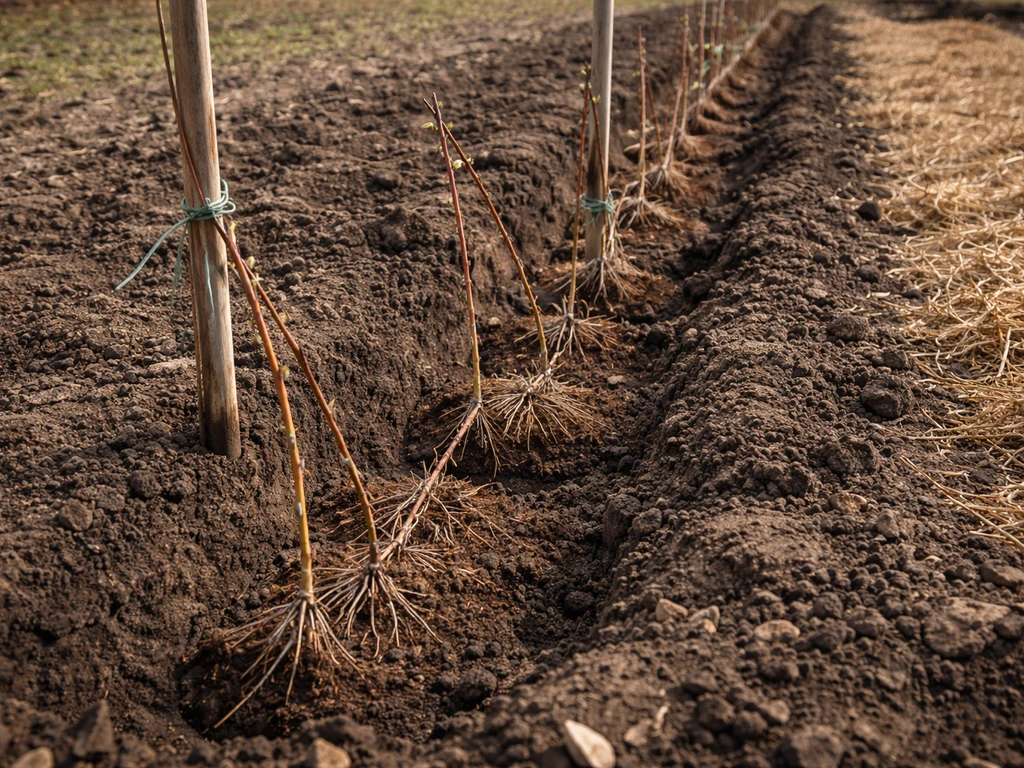
Early spring is the best time across almost every region. Plant bare-root canes as soon as the ground is workable, before the buds start to break. In zones 3 to 5, that window is typically late March through April. In zones 6 to 8, it can be as early as February. One detail that trips people up: keep the crown sitting 1 to 2 inches above the soil surface when you backfill. Burying the crown is one of the most common reasons new plants fail.
Blueberries
Most nurseries ship bare-root blueberry plants for early spring planting, and that's the standard window everywhere in the US. However, in mild-climate regions like the Willamette Valley in Oregon, you can also plant in early fall, around October, which gives roots time to settle before winter without the plant leafing out. In colder zones, stick to spring. The bigger prep issue is soil: if you're growing in-ground and your soil isn't already acidic, you need to apply sulfur the fall before planting since it takes several months to lower pH. If it's already May and you haven't done that prep, container growing in an acidic potting mix is actually a smarter move this year.
Currants and gooseberries
Plant in early spring as soon as the ground is workable, similar to raspberries. These shrubs are quite cold-hardy (some currant varieties survive to zone 2) and actually prefer cooler climates. They fruit on short fruiting spurs and specialized branch structures, so the first year is about establishing the framework. Expect light fruiting in year two and a real harvest by year three.
In-ground vs container: how setup changes your timing
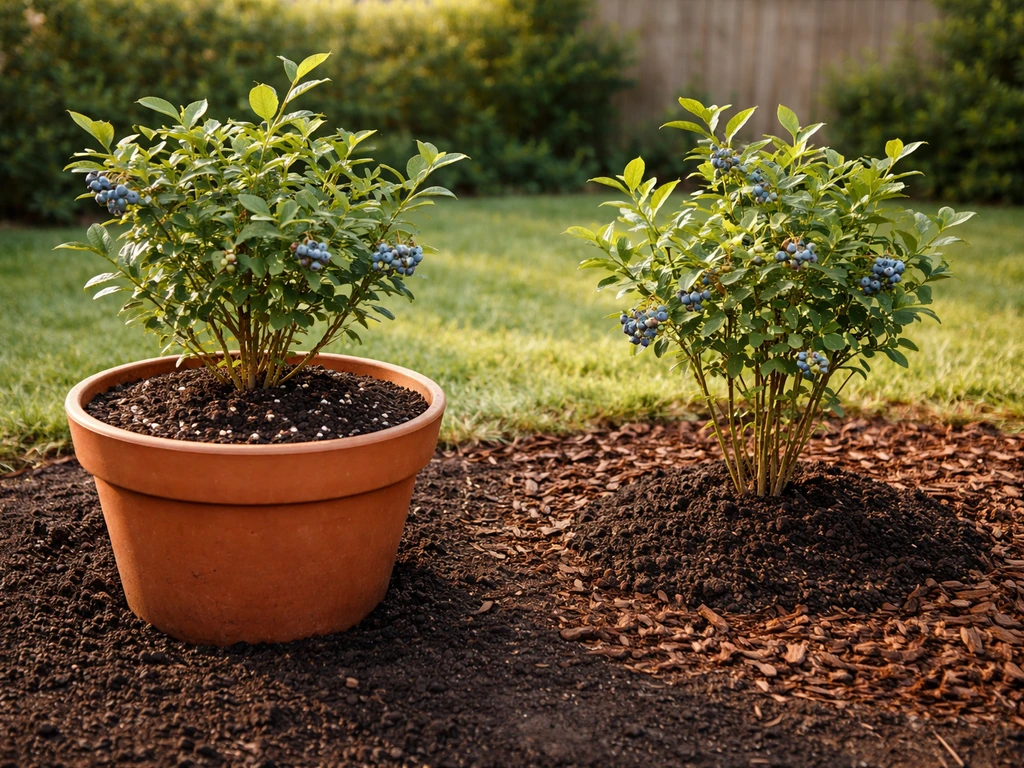
Growing berries in containers changes the equation more than most people expect. It's not just about space. Containers warm up faster in spring, which sounds great until you realize they also freeze faster in fall and can heave roots in winter if you're in a cold zone. Here's how to think through the decision.
For blueberries especially, containers solve the pH problem. You fill the pot with an acidic peat-based or ericaceous potting mix, hit the right pH from day one, and skip the months-long sulfur amendment process needed for in-ground beds. Place containers in full sun, make sure they drain freely (never sitting in standing water), and use a pot that's at least 18 to 24 inches wide to give the shrub room. If you're repotting an existing plant, do it in late summer or early fall so the roots can settle before temperatures drop.
One thing I learned the hard way: if your container blueberry is in its first year, remove the flowers in spring. It feels counterintuitive, but letting a young plant set fruit too early diverts energy from root development, and you end up with a weaker plant that underperforms for years. Give it the first season to root in and you'll get more fruit overall.
Strawberries in containers work beautifully, especially day-neutral varieties in hanging baskets or planters. Same spring planting timing applies. Raspberries and blackberries can be grown in large containers but tend to get crowded fast and need more irrigation. Currants and gooseberries do reasonably well in large pots in colder zones since you can move them to a protected spot over winter.
| Factor | In-Ground | Container |
|---|---|---|
| Spring planting window | Tied to soil thaw and frost dates | Can start earlier once temps stay above freezing |
| Blueberry soil prep | Sulfur amendment needed months ahead | Use acidic potting mix from day one |
| Winter survival (cold zones) | Natural insulation from soil mass | Roots more vulnerable; may need shelter or mulching |
| Drainage control | Depends on native soil quality | Fully controllable with mix and pot design |
| Scalability / expansion | Easier to expand planting area | Limited by container size; repot every 2–3 years |
| Best for | Raspberries, strawberries, currants in good soil | Blueberries in wrong pH zones, patios, small spaces |
How to find the right planting window for your climate
Your two most useful numbers are your last spring frost date and your first fall frost date. Everything else flows from those. If you don't know them, search your zip code or nearest town on a USDA frost date tool or your local cooperative extension website. Once you have them, here's how to use them.
- Find your last spring frost date. This is your earliest safe outdoor planting window for tender starts. Most bare-root berries can go in right around this date or even a week before for cold-hardy types like raspberries and currants.
- Find your USDA hardiness zone. This tells you which berry varieties can survive your winters. Blueberries, for instance, have zone-specific varieties: 'Northblue' and 'Northcountry' for zones 3–4, 'Bluecrop' for zones 4–7, 'Sunshine Blue' for zones 5–10.
- Count backwards from your first fall frost. Primocane raspberries need about 60 to 90 frost-free days to fruit. If your first frost is October 1, you need plants establishing by early July at the latest to get a fall crop.
- Match your latitude to expected fruit timing. The farther north you are, the later spring arrives and the shorter your fruiting window. This is why planting dates listed on plant tags (which often assume a zone 6 baseline) can be off by three to four weeks for growers in zones 3 and 4.
- Check if your berry needs a chill requirement. Most blueberries, raspberries, and currants need a certain number of cold hours below 45°F to break dormancy properly. In zones 8 and 9, look specifically for low-chill varieties, or you'll get erratic fruiting.
Today is May 21, 2026. If you’re growing berries in Emerald, it helps to line up those same frost dates with the berry type you’re planting so you can estimate how long it will take to start producing. If you're in zones 3 to 5 and haven't planted yet, you're right at the tail end of ideal bare-root planting for raspberries and strawberries but still in a good window for potted starts. For blueberries, if your soil isn't prepped you're better off going container this season. In zones 6 to 8, you're a bit later than ideal for bare-root but container starts will establish fine. In zone 9 and warmer, focus on fall planting for most berries since the summer heat is your enemy for establishment.
What to expect after planting: a month-by-month growth timeline
One of the most frustrating things about growing berries for the first time is not knowing what 'normal' looks like. New plants can look pretty rough in the first few weeks. Here's a realistic sense of what happens after you get them in the ground.
Strawberries (day-neutral, planted in early spring)
- Weeks 1–3: Leaves emerge from the crown. Plant may look wilted in warm weather. Keep soil consistently moist.
- Weeks 4–6: Crown strengthens, more true leaves appear. Runners may start to emerge.
- Weeks 8–10: First flowers appear. For day-neutral types, this is when you start seeing fruit set.
- Month 3 onward: Harvest begins. Continue picking regularly to encourage more fruit through fall.
- For June-bearing types: remove flowers in the first year to encourage runner production. Expect your main crop in May to June of the following spring.
Raspberries (floricane types, planted in early spring)
- Month 1: Buds break, primocanes begin growing. These are your new vegetative canes.
- Months 2–4: Canes grow vigorously, often reaching 4 to 6 feet by midsummer.
- Late fall: Canes go dormant. This is normal; they're overwintering as primocanes.
- Year 2, spring: Dormant canes (now floricanes) push new lateral shoots and flower buds.
- Year 2, June through August: First real harvest. Floricanes fruit and then die back; remove them after harvest.
- For primocane types: expect late summer to fall fruit in the same year you plant.
Blueberries (planted in early spring)
- Month 1: Slow leaf-out. Don't panic if growth seems sluggish. Blueberries are slow starters.
- Months 2–3: New shoots emerge. Remove any flower buds this first season to redirect energy to roots.
- Year 1, summer: Plants are establishing root systems. Mulch with 3 to 4 inches of wood chips or pine bark to retain moisture and moderate soil temperature.
- Year 2: Some plants produce a light crop. Don't expect full production yet.
- Years 4–6: Full production. Mature blueberry bushes can produce 5 to 10 pounds of fruit per plant annually once established.
Currants and gooseberries
- Year 1: Focus on establishing the framework. Prune lightly to develop a good open structure with well-spaced main branches.
- Year 2: Short fruiting spurs and laterals develop. Light fruiting begins, often just a few clusters.
- Year 3 onward: Real production as the plant builds out its fruiting wood. Gooseberries bear fruit singly or in pairs on very short racemes. Currants produce clusters on older spur wood.
- Annual pruning after establishment: remove the oldest canes each year to keep productive younger wood in the rotation.
Quick-start decisions based on where you are right now
If you're reading this in late May and wondering what you can still do this season, here's the honest breakdown. For strawberries, grab potted or plugged starts (not bare-root at this point) and get them in the ground or a container immediately. Day-neutral varieties like 'Seascape,' 'Albion,' or 'Tristar' can still give you fruit this fall. For raspberries, potted nursery starts are your best option now since bare-root season has mostly passed. Primocane varieties will still fruit this season if you get plants established by June. For blueberries, this is a great time to start a container plant in acidic mix. In-ground planting is fine now too if your soil is already prepped. For currants and gooseberries, potted starts can go in now through early summer in most zones. They're tough and will establish even in warmer weather if you water consistently.
The through-line across all of these is that most berries reward you for understanding their natural growth pattern rather than fighting it. Plant at the right time, match the soil conditions to what the plant actually needs, and give it the first season to root in before expecting a full harvest. That patience pays off fast because most berries are perennial. You plant once, tend for a season or two, and then pick fruit from the same plants for a decade or more. Holly berries are a related berry to research next, since knowing where do holly berries grow helps you pick a planting spot and timing that matches your conditions. If you suspect rust, act early because symptoms and spread can slow berry growth and delay fruiting how long do berries take to grow rust.
FAQ
If I miss the ideal planting month, can I still get berries this year?
If you plant later than the usual bare-root window, you can often still harvest the same year, but it depends on the berry type and form. Primocane raspberries can fruit in the same season if established by early summer. Day-neutral strawberries and many everbearing types can still produce from late summer into fall when planted as plugs or potted starts. Blueberries are the exception, because they are slow to settle, so late planting usually means lighter fruit the first year rather than a full crop.
Why do my strawberries not fruit in the same year I planted them?
Fruit timing is easiest to predict from bud structure, not just calendar month. For strawberries, June-bearing plants form buds the year before they fruit, so spring planting typically pushes the real harvest into the next spring. Day-neutral and everbearing types can begin fruiting about 10 weeks after early spring planting, so you can get fall fruit from first-year plants.
What happens if I plant too late and a hard freeze comes early?
Yes, winter weather can effectively “reset” your plan. If bare-root plantings are done too late, cold weather can kill or weaken new root growth before it establishes, especially in northern zones. Containers can also fail in cold weather if the pot freezes solid, which can heave roots and damage young crowns, so insulating the pot or moving to a protected location can be the difference between survival and loss.
What should I do if it is already past the ideal window for bare-root berries?
The shortest path is to match planting form to your current month and your readiness. If you are already past the bare-root window, switch to potted plants or plugs, since they have established roots and can catch up faster. If you missed the chance to lower soil pH for blueberries, container growing with an acidic mix is typically the most practical fix for that season.
How do I know whether to amend soil or use containers for blueberries?
For blueberries, soil pH is the bottleneck, and it can’t be “fixed later” overnight. If you need to lower pH, plan sulfur work well in advance and expect gradual change over months. Once the season starts, you can still succeed by moving the plant to an acidic potting mix in a container, rather than trying to correct in-ground soil that is already too alkaline.
How should watering timing differ between in-ground and container berry plants?
Watering needs change after planting, especially for containers. In ground, keep soil evenly moist but not waterlogged during establishment, then reduce frequency once roots are established. In containers, the faster warm-up also means faster drying, so you may need more frequent checks in summer, and you still need winter protection so the pot does not repeatedly freeze-thaw and damage roots.
Can the wrong berry variety make my harvest come earlier or later than expected?
In most cases, choosing the wrong type for your climate changes your fruit window more than anything else. Cool-climate berries like blueberries generally need the right chill and the right soil chemistry, while strawberries and cane berries can shift earlier or later depending on frost timing. If your region routinely ends the season early with frost, look for varieties that naturally fruit earlier or extend the harvest into your available window.
What is the most common planting mistake that delays berry growth?
The crown depth rule is critical, and burying the crown is a common cause of “my berry never takes off.” Keep the strawberry crown positioned so it sits slightly above the soil line after backfilling, and for other berry types follow the planting depth guidance from the nursery tag. If you suspect you planted too deep, correct it early rather than waiting all season, since deep planting can suffocate the growing point.
How long should I realistically wait for a meaningful harvest after planting?
Most berries are perennial, but first-year performance expectations are different by berry type. Cane fruits often take a longer “framework” period, so year two is usually where fruit becomes noticeable. Blueberries can take several years to reach full production, and you might only see a light first picking early on.
How do I estimate when I will see my first berries using my frost dates?
The article’s rule of thumb still holds, but you can refine it by calculating your planting-to-fruiting timeline. Use your last spring frost date to pick a safe installation date, then add the typical time to first fruit by form: day-neutral strawberries often begin fruiting in about 10 weeks from early spring planting, while primocane raspberries require enough season length to establish before they can fruit late summer or fall.