
Berries don't all grow the same way, and that's the most important thing to understand before you plant a single one. Blueberries grow as woody shrubs that take two to three years to really fruit. Raspberries and blackberries grow on canes with a two-year cycle you have to manage every winter. Strawberries spread by runners along the ground. Each type has its own soil preferences, sun needs, pruning logic, and climate requirements. Get those right, and growing berries at home is genuinely rewarding. Get them wrong, and you'll spend years wondering why your plants look healthy but never fruit.
How Do Berries Grow? Plant Types, Care, and Troubleshooting
Marcus Holloway
25 Apr 2026
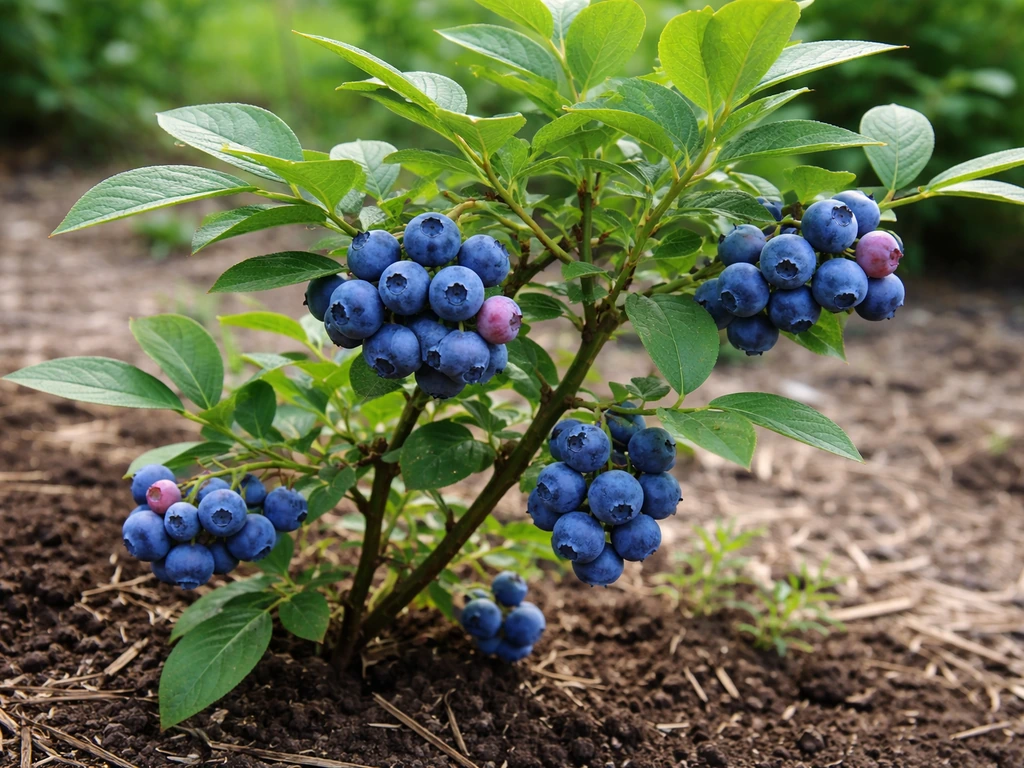
Berry plant types and what their growth habit means for you
The way a berry plant grows determines almost everything about how you manage it. Here's a quick breakdown of the main growth habits you'll encounter.
Shrubs and bushes (blueberries, gooseberries, currants)
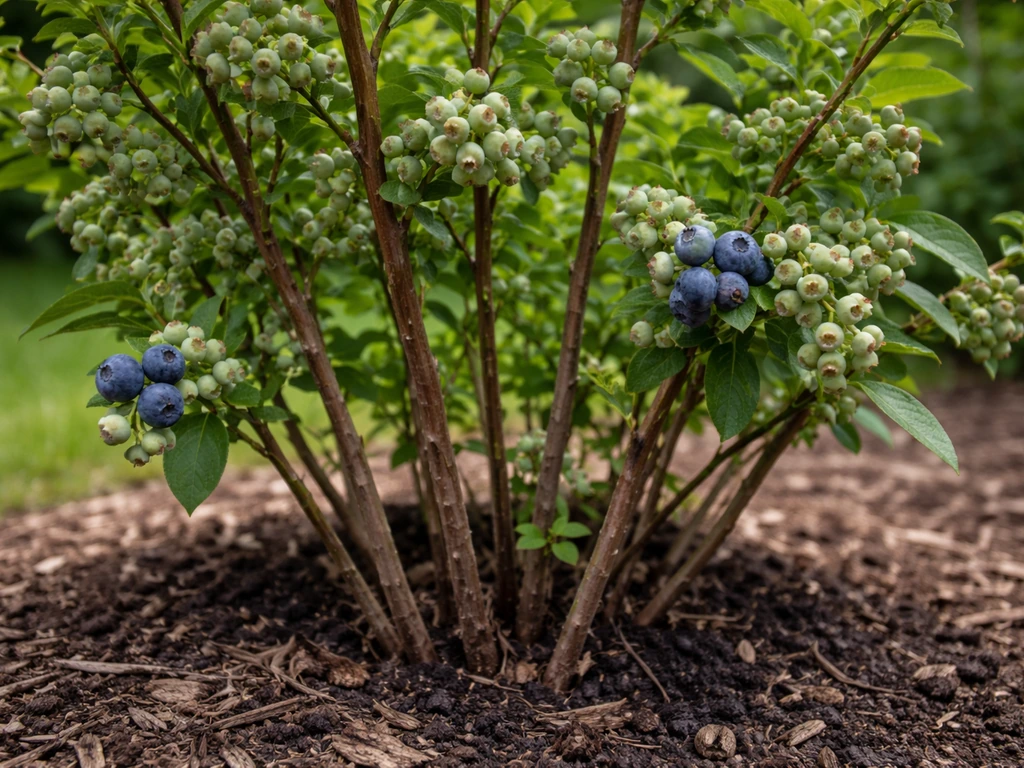
Blueberries are the classic example. They're deciduous woody shrubs (a few southern species are semi-evergreen, like Florida evergreen blueberry, but most home-garden types drop their leaves). They grow slowly, take several years to reach full production, and they fruit on one-year-old wood. If you are comparing this to game timing, Bloxburg berry planting also depends on the berry type, so check how long do berry bushes take to grow in bloxburg for the specific wait window take several years to reach full production. That last point drives all the pruning decisions. You're always managing the age of the canes to keep a steady rotation of productive wood coming through.
Caneberries (raspberries and blackberries)
Raspberries and blackberries are called caneberries because they grow tall, arching canes. Here's the part that trips people up: each cane lives for two years. In year one it's called a primocane and it's just building energy. In year two it becomes a floricane, flowers, fruits, and then dies.
Some modern raspberry varieties are primocane-fruiting, meaning they produce a crop at the tips of first-year canes in late summer or fall, and then those same canes can produce a second crop lower down the following year as floricanes. Iowa State University Extension explains that [primocane-fruiting raspberries can produce a crop on first-year canes in late summer or early fall](https://yardandgarden. extension. iastate.
edu/how-to/how-prune-raspberries), and then those same canes can produce a second summer crop the next year as floricanes. Understanding which type you have is critical because pruning the wrong cane class will cost you a season of fruit.
Trailing vines and groundcovers (strawberries)
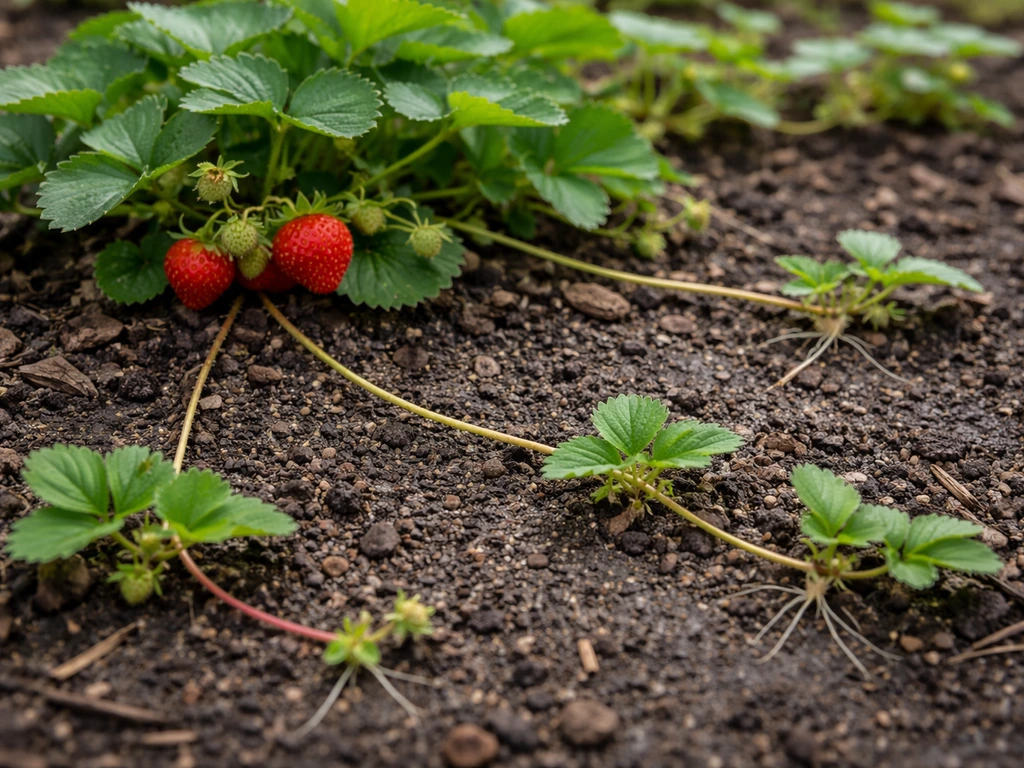
Strawberries grow low to the ground on a crown with shallow roots, and they spread by sending out runners that root nearby to form daughter plants. To grow a berry bush like a blueberry the right way, focus on matching soil acidity and sun, then plan for several years of establishment before heavy fruiting grow berry bush.
Holly berries grow on ornamental trees and shrubs, so if you're also tracking fruit timing, check when does holly grow berries for a related schedule to plan around. They're not a vine in the technical sense, but they sprawl. June-bearing types produce one concentrated crop in early summer. Day-neutral (everbearing) types aren't sensitive to day length and produce fruit more or less continuously from around July through the first frost when temperatures stay moderate.
The catch: strawberries are heat-sensitive. Temperatures above 85°F can shut down flower-bud production and cut yields significantly.
Tree and bog berries
Some berries grow in ways that don't fit neatly into the above categories. Elderberries grow as large multi-stemmed shrubs or small trees. Cranberries are low-growing bog plants that need consistently wet, very acidic soil. These aren't typical backyard crops, but they're worth knowing about if your site has unusual conditions. Holly berries grow on ornamental trees and shrubs, though they're not edible for humans.
Where berries grow naturally and what that tells you about your garden
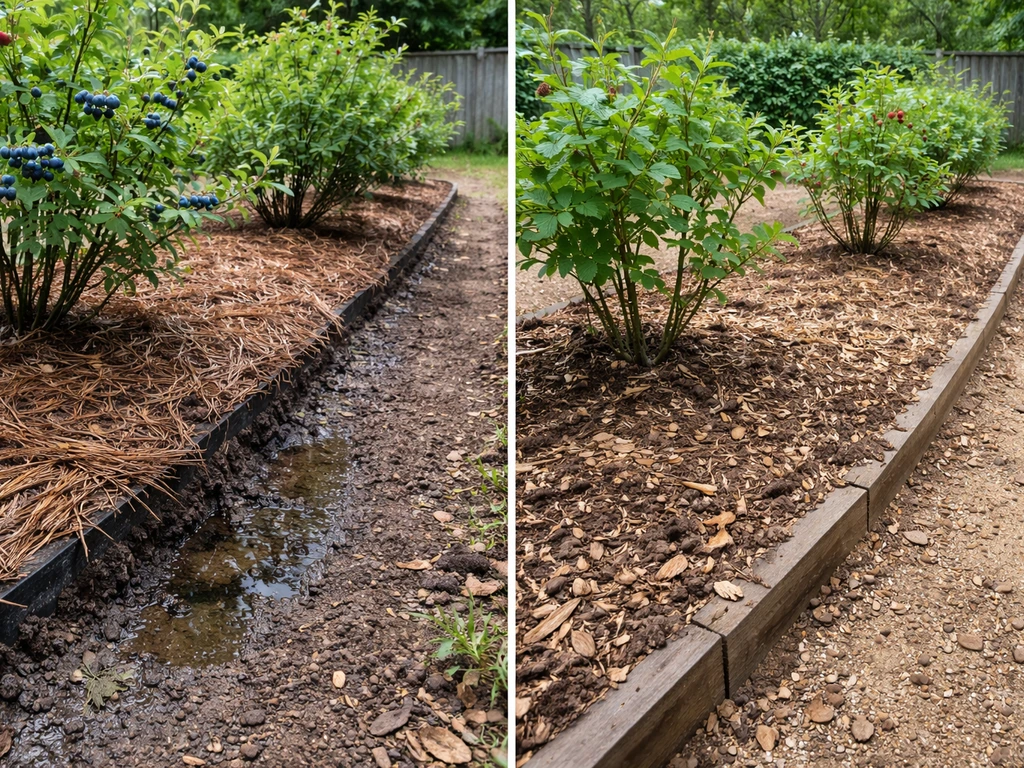
Every berry evolved in a specific environment, and the closer you can match those conditions, the less work you'll do fighting your site. Holly berries, for example, do best in specific climates, and knowing where they naturally thrive helps you choose the right plant and conditions where do holly berries grow. Here's what the main types need.
| Berry type | Sun | Soil pH | Soil drainage | Moisture needs |
|---|---|---|---|---|
| Highbush blueberry | Full sun | 4.0–5.0 | Well-drained, loose | Moderate, consistent |
| Raspberry | Full sun | 6.0–7.5 (optimum ~6.5) | Deep, well-drained sandy loam or clay loam | Moderate |
| Blackberry | Full sun | 6.0–7.5 (optimum ~6.5) | Deep, well-drained | Moderate |
| Strawberry | Full sun | 6.0–6.5 | Well-drained, improved with organic matter if needed | Consistent, not waterlogged |
| Cranberry | Full sun | 4.0–5.0 | Boggy, saturated | High, near-constant |
Blueberries are the most demanding about soil pH. They need genuinely acidic soil in the 4.0–5.0 range, which is much lower than most garden soil. One mistake I see often is people adding compost to help blueberries, not realizing that most yard-debris, mushroom, or animal-based composts have a pH that's far too high. They can actually make the problem worse. If you need to lower pH, sulfur worked into the soil before planting is the reliable approach, not compost.
Microclimates matter more than people realize. A south-facing slope warms earlier in spring and can push blueberries into bloom before late frosts have passed. A low spot that collects cold air can damage strawberry flowers on a clear spring night even when the forecast looks fine. When you're picking a planting spot, think about where cold air pools, where the soil stays wet after rain, and how much direct sun the spot actually gets in June (not January, when trees are bare).
How berries grow through the season
Berry plants don't just sit there and produce fruit. They move through a predictable annual cycle, and knowing where your plants are in that cycle tells you what to do next.
Dormancy and chilling
Over winter, most berry plants go dormant. For blueberries, this dormancy period is when the plant accumulates chilling hours, which are hours spent at temperatures between roughly 32 and 45°F. Northern highbush blueberries need about 800 to 1,500 chilling hours. Southern highbush types need around 200 to 600. Rabbiteye blueberries fall somewhere in between at 300 to 600 hours. If you plant a northern highbush variety in a mild-winter climate where it never gets enough chilling hours, the plant won't break dormancy properly, bloom timing gets erratic, and fruit set suffers. Matching your variety to your local chill hours is non-negotiable.
Bud break and flowering
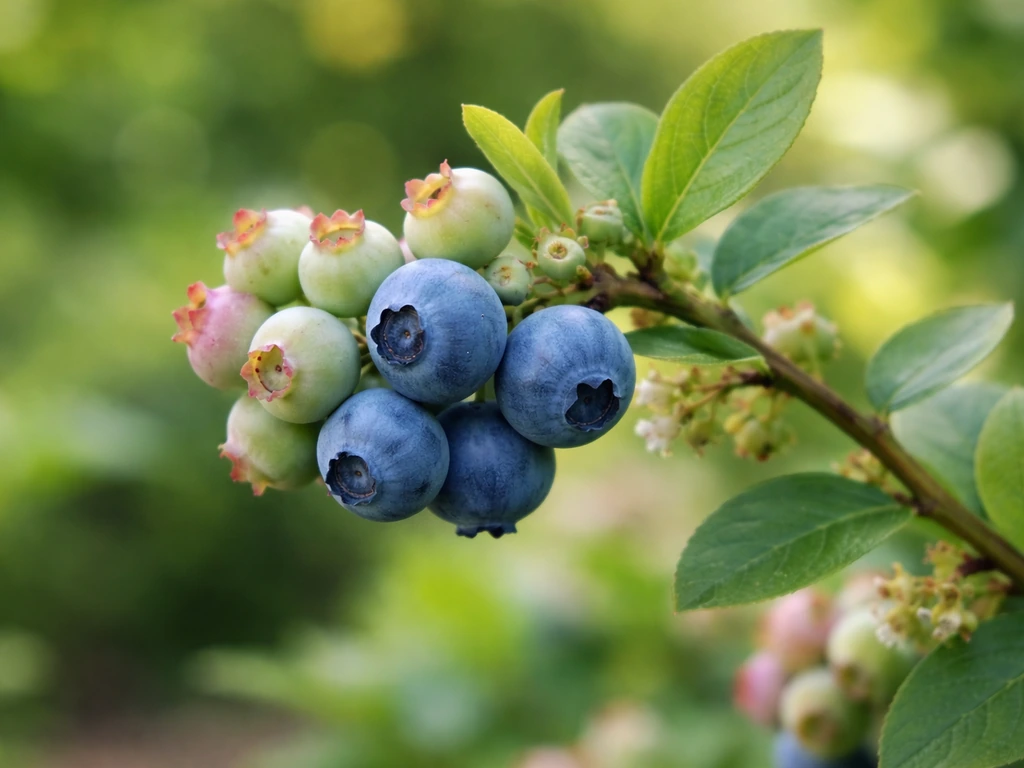
Once chilling requirements are met and temperatures warm, buds swell and open. For blueberries, floral buds open in spring, and good fruit set depends heavily on pollinator activity during bloom. Cold, rainy weather during bloom reduces bee visits and can tank your fruit set for that whole season, even if everything else is perfect. This is one of those 'nothing you did wrong' scenarios that still results in a poor harvest.
Fruiting and harvest
After successful pollination, fruit develops and ripens over several weeks. Raspberries and blackberries ripen from July through August depending on variety and location. Blueberries ripen in mid to late summer. Day-neutral strawberries produce more or less continuously from midsummer until frost, though output can dip temporarily when temperatures run hot. June-bearing strawberries give you a concentrated flush for about three weeks and then stop.
Post-harvest and back to dormancy
After harvest, berry plants shift energy back into root development, cane/shoot growth for next year, and flower bud differentiation for the following season. For caneberries, this is when primocanes are actively growing alongside exhausted floricanes that just fruited. Late summer and fall is when blueberries set the flower buds that will open next spring. Once temperatures cool enough, the plant goes dormant again and the cycle restarts.
How to plant and grow berries at home: step-by-step
- Test your soil first. Get a soil test before you plant, ideally in fall before a spring planting. Blueberries need pH 4.0–5.0, strawberries and caneberries need pH 6.0–6.5. Adjust with sulfur (to lower pH) or lime (to raise pH) based on your test results and retest before planting.
- Choose your site. All berries want full sun. A minimum of six hours of direct sun daily is the baseline, and more is better. Avoid low spots where cold air or standing water collects. For caneberries, early morning sun that dries morning dew quickly helps reduce fungal disease.
- Prepare the soil. For blueberries, work the soil to loosen it and avoid high-pH composts. For strawberries and caneberries, incorporate organic matter to improve drainage if needed. Never plant into waterlogged ground.
- Plant at the right depth. For blueberries, plant to the same depth the plant was growing in its nursery container. Same rule for strawberries. Too deep and the crown rots; too shallow and roots dry out. Both errors reduce growth and longevity.
- Space correctly. Highbush blueberries: 4–5 feet apart in a row, rows 8–10 feet apart. Raspberries: 12–18 inches apart in the row. Blackberries: 3–4 feet apart in the row. Strawberries: follow the planting system you choose (matted row, hill system, or raised bed).
- Mulch immediately after planting. Apply 2–4 inches of mulch around blueberries (pine straw or chipped bark works well and helps maintain acidity). Keep mulch 1–2 feet out from the crown. For strawberries, straw mulch is used both to protect during establishment and to overwinter plants in cold climates.
- Water thoroughly after planting to settle the soil and reach the deepest roots. Blueberries and strawberries both benefit from drip or trickle irrigation to maintain consistent root-zone moisture without wetting foliage.
- Manage fruiting expectations in year one. Blueberries won't produce meaningful fruit for two to three years. For newly planted day-neutral strawberries, remove blossoms until July 1 to encourage establishment rather than rushing fruit. Resist the urge to pick early; the payoff comes from giving the plant time to build a root system.
- Prune at the right time for each plant type. For blueberries: after planting, cut back the top one-third to one-half of each cane, and thereafter practice renewal pruning (removing old, declining canes each year to promote fresh productive wood). For floricane raspberries and blackberries: remove spent floricanes after harvest or in late winter, and train primocanes into position. For primocane types: remove or mow all canes after the fall harvest for a single-crop system, or selectively manage for two crops.
- Install a trellis for caneberries. Raspberries and blackberries need support. A simple two-wire trellis works well for most home gardens. Trellising also improves air circulation and makes harvest easier.
Growing berries in containers and small spaces
Container growing opens up berry growing to people with poor native soil, no in-ground space, or a pH problem they can't practically fix across a whole bed. Blueberries are actually one of the better candidates for containers because you can control soil pH precisely. Use a potting mix formulated for acid-loving plants and target a pH of around 4.5 to 5.5 in the container. Top the soil surface with about 2 inches of pine bark or chipped hardwood bark to retain moisture and moderate temperature swings.
The biggest challenge with container blueberries is drainage combined with consistent moisture. Containers dry out faster than in-ground plantings, so you'll need to water more frequently, but the pot also needs to drain freely so roots never sit in standing water. Check containers daily in summer heat. In cold climates, containers may need to be moved to an unheated garage or shelter over winter because roots in containers are much more exposed to freezing temperatures than in-ground roots.
Strawberries work extremely well in containers, hanging baskets, and raised beds. Day-neutral varieties are especially practical for small spaces because they produce over a long season rather than all at once. Compact raspberry varieties (like some of the Raspberry Shortcake types) have been bred specifically for container growing. For any berry in a container, use a large pot (at least 15–20 gallons for blueberries), keep up with fertilizing since nutrients leach faster in containers, and repot or refresh the mix every two to three years.
What stops berries from growing well (and how to fix it)
Most berry problems trace back to one of a handful of root causes. Here's how to diagnose them.
Wrong soil pH or fertility
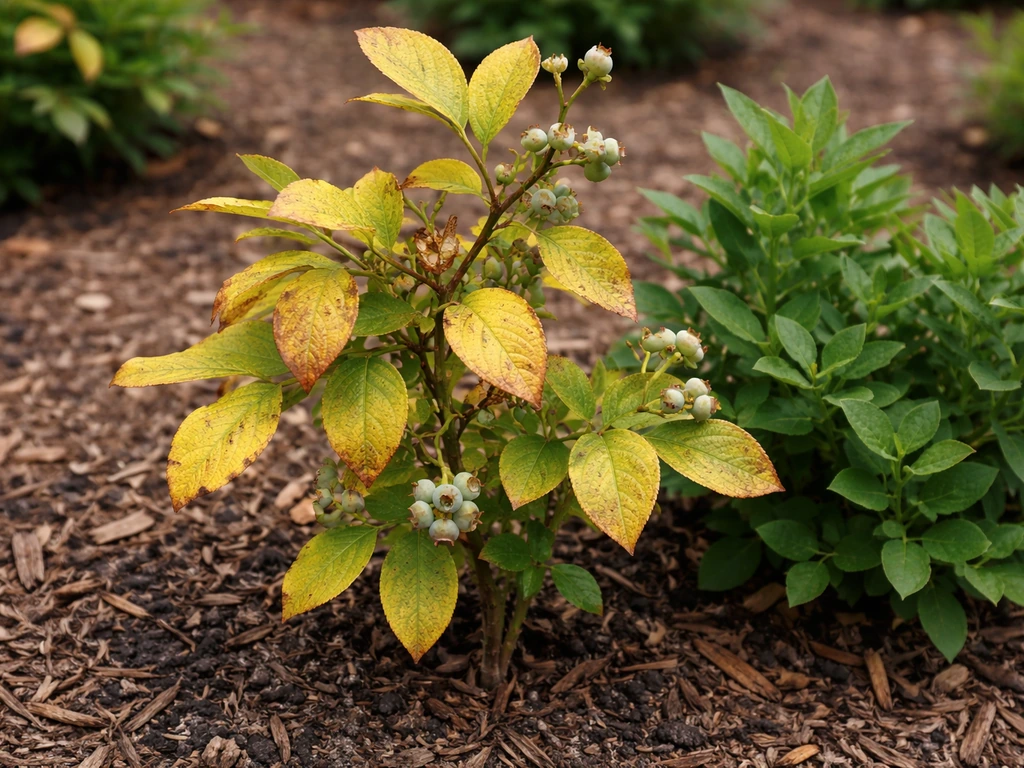
This is the number one blueberry killer in home gardens. If your soil is at pH 6.5 and your blueberries are yellowing, struggling, and producing almost no fruit, pH is almost certainly the problem. The plant can't access nutrients in soil that's too alkaline. Test, correct with sulfur, and be patient because pH adjustment takes time. For caneberries and strawberries, soil that's too acidic or lacks organic matter will also suppress growth.
Poor drainage
Blueberries, raspberries, and strawberries all want moist but well-drained soil. Blueberry plants require acidic soil with a pH between 4.0 and 5.0, and they should be well-drained so roots do not sit in water acidic, well-drained soil. Roots sitting in saturated soil develop root rot (Phytophthora root rot is a serious blueberry issue) and can suffocate. If your planting area stays wet after rain, fix the drainage before you plant. Adding organic matter and building raised beds are the most practical fixes for most home gardens.
Chilling hour mismatch
If your blueberries bloom sporadically, fruit set is poor, and the plant just never seems to wake up properly in spring, a chilling hour mismatch is a likely culprit. This is common when northern highbush varieties are planted in the Southeast or Pacific Southwest where winters are mild. The fix is to replant with a southern highbush or rabbiteye variety that matches your local chill hours.
Poor pollination
Blueberries need cross-pollination from another compatible variety for the best fruit set. If you have a single blueberry plant that flowers well but produces small or few berries, plant a second compatible variety nearby. Cold, rainy weather during bloom also suppresses bee activity and can reduce fruit set in a given year with no other cause.
Pruning errors (especially with caneberries)
Cutting out the wrong cane class on raspberries or blackberries is one of the most common mistakes. If you accidentally remove the primocanes that were going to become next year's fruiting floricanes, you lose a whole season of fruit. Learn which type you have (floricane-fruiting or primocane-fruiting) and prune accordingly. For blueberries, skipping annual renewal pruning lets old, unproductive canes crowd out the productive young wood.
Disease pressure
Fungal diseases are the most common category. For raspberries and blackberries, cane diseases like spur blight, anthracnose, and cane blight are driven by wet conditions and infected pruning wounds. Good air circulation (proper spacing and trellising) and removing infected canes promptly are the main defenses. For blueberries, watch for mummy berry (infected fruit that shrivels and falls), Botrytis gray mold in wet springs, Phomopsis twig dieback, and anthracnose. Strawberries are prone to powdery mildew (white fuzzy growth on leaf undersides and rolled leaf edges), Botrytis fruit rot, red stele, and black root rot. Resistant varieties plus good drainage prevent most of these.
Heat stress and poor yields in strawberries
If your strawberries produce well in spring, drop off completely in July and August, and then pick back up in September, heat is your problem. Temperatures above 85°F suppress flower bud formation. Mulch to keep soil and crown temperatures down, make sure irrigation is consistent, and consider shade cloth during the hottest weeks if you're in a climate that regularly exceeds that threshold in midsummer.
Matching berry varieties to your region and climate zone
Choosing the right variety for your location is probably the highest-leverage decision you can make as a berry grower. A great variety in the wrong climate will always underperform a decent variety in the right one. Here's how to think about it by major berry type.
Blueberries by region
Northern highbush blueberries (Vaccinium corymbosum) are the standard for USDA Zones 4–7. They need those 800–1,500 chilling hours and handle cold winters well. If you're in the Pacific Northwest, the Mid-Atlantic, New England, or the Upper Midwest, this is your starting point. For the Southeast (Zones 7–9), southern highbush or rabbiteye varieties are the right call. In very mild-winter areas like coastal California or Florida, low-chill southern highbush varieties that need only 200–400 hours are available. Half-high blueberries (crosses between highbush and lowbush types) are bred for Zones 3–5 and handle serious cold much better than standard highbush.
Raspberries and blackberries by region
Red raspberries are the cold-hardiest caneberry and do well in Zones 3–9. Black raspberries are slightly less cold-hardy. Trailing blackberries (like Marionberries, popular in the Pacific Northwest) are not cold-hardy and are really only suited to Zones 7–9. Erect and semi-erect thornless blackberry varieties like Triple Crown or Chester are better choices for Zones 5–8 where winters get colder. In the South, primocane-fruiting raspberry varieties can struggle with heat; look for heat-tolerant selections or plan to use them primarily as a fall crop when temperatures cool.
Strawberries by region
June-bearing varieties are best in climates with a distinct spring and cool early summer. In the Deep South and Southwest, where spring heats up fast, day-neutral varieties often perform better since they can produce in the cooler shoulder seasons (fall and spring) rather than trying to push a June crop in brutal heat. In cold climates (Zones 3–5), choose varieties rated for your zone and plan to mulch plants heavily with straw before the first hard freeze.
If you're not sure what zone you're in, the USDA Plant Hardiness Zone Map is the standard reference for the US. But zone is just a starting point: local factors like elevation, proximity to large bodies of water, and urban heat all shift your effective growing conditions. When in doubt, check with your state's cooperative extension service for variety trials done in your specific region. Those are almost always more useful than general variety descriptions.
If you want to dig into specific timing questions, like exactly when different berries produce fruit through the season, that's worth exploring separately alongside understanding growth habits. The key takeaway for today is this: pick your variety based on your local chill hours and hardiness zone, fix your soil pH before you plant, respect the two-to-three year establishment window for blueberries, learn your cane class for raspberries and blackberries, and manage heat and drainage for strawberries.
In Emerald, the exact time to grow berries depends on the variety and whether your plants get the chill hours and warmth they need how long do berries take to grow in emerald. Berries also have different growth schedules, so knowing when do berries grow in your area helps you choose the right variety and plan planting and care.
If you're also dealing with rust issues, you may be wondering how long it takes for the problem to develop and how to spot it early how long do berries take to grow rust. Do those things and you'll be well ahead of most home gardeners.
FAQ
How long does it take before my berries start producing fruit after planting?
In most home gardens, fruit depends more on variety type and establishment time than on planting date. For blueberries, expect little to no meaningful harvest in year one, and substantial production only after roughly two to three years once the plant has built enough fruiting wood. If you want earlier berries, buy established plants and plan to prioritize root and cane growth the first season rather than pushing heavy feeding.
My berry plants look healthy but won’t fruit, what should I check first?
Yes, especially if you keep the planting spot too wet or the soil pH is drifting upward. Blueberries are particularly sensitive because slightly alkaline soil can stop nutrient uptake, and then the plant may look green while fruit stays scarce. The fastest way to rule out this “looks healthy, fruits poorly” problem is to test pH before blaming pruning or pollination.
Do I always need multiple plants for berries to grow well and fruit?
For blueberries, plant two compatible highbush or rabbiteye varieties to improve set, but you still need the right chilling hours and bloom-weather conditions. For caneberries like raspberries and blackberries, pollination usually isn’t the bottleneck, and most “no fruit” cases are cane class pruning errors, winter injury, or disease affecting canes. For strawberries, runner spread and heat stress often matter more than pollination.
If I’m not sure whether my raspberries are primocane-fruiting or floricane-fruiting, how do I avoid pruning mistakes?
Most caneberries should be pruned to manage cane age, but the exact schedule depends on whether you have floricane-fruiting or primocane-fruiting types. If you’re unsure, check the tag and look at last season’s canes, floricane types will have last year’s canes that bore fruit previously, and you should avoid removing everything that looks like it will fruit next season. When in doubt, take one small section approach and verify before doing a full cutback.
What should I do if my strawberries stop producing in July and August?
Strawberries can produce fine for a while and then crash in midsummer because temperatures above about 85°F can shut down flower bud formation. A practical response is to reduce crown and soil heat with mulching (thicker than you would for cooler climates), keep irrigation consistent, and if your area regularly hits that heat, use afternoon shade protection so buds stay forming instead of stalling.
Do blueberries in containers need pH maintenance over time, or is it set-and-forget?
Absolutely. Even if you correct pH once, blueberries in containers can drift upward over time as water, fertilizer, and potting mix age. Refresh the mix every two to three years as a rule of thumb, use acid-formulated fertilizer, and recheck container pH seasonally so you catch the drift before the plant starts yellowing or fruiting poorly.
Can I plant berries in a low area if the soil stays moist?
Drainage is the most common hidden cause of failure for berries that prefer moist but well-drained soil. If your yard stays wet after rain, raised beds and soil structure improvements usually fix more than adding amendments alone. Avoid planting in low spots that collect cold air and water, since that can also increase frost damage during spring.
My blueberry blooms late and inconsistently, what’s the likely cause?
The most common “spring problem” for blueberries is insufficient chilling for the variety, especially when people buy a northern highbush for a mild-winter region. A plant that never breaks dormancy reliably can have uneven bloom and weak fruit set, even when you do everything else right. The corrective action is matching the variety to your local chill hours, not just increasing fertilizer or pruning.
How can I prevent fungal diseases without spraying everything?
Fungal issues often show up as the season turns wet, but the real prevention is environmental management plus sanitation. Space plants for airflow, avoid working through wet foliage, promptly remove infected canes or affected fruit, and use trellising for caneberries so wet canes dry quickly. If you prune, clean tools between plants to avoid spreading disease.
How do I plan a longer harvest season across different berry types?
A helpful strategy is to plan for succession by planting varieties with different ripening windows. Blueberries tend to ripen mid to late summer, caneberries often ripen in July through August depending on type, and strawberries can be June-bearing or day-neutral for longer seasons. That way, even if one crop gets hit by a weird weather window, you still have something harvesting.
Should I let my strawberry runners spread, or is thinning better?
For strawberries, runners can turn into a “new plant crowding” problem, which can reduce airflow and fruit quality. If you want bigger berries, remove excess runners so energy goes into the crown you want to keep. If you want more plants, let only the strongest runners root, then thin back later to maintain spacing.