
Holly berries grow on female plants in gardens and natural landscapes across a surprisingly wide swath of the Northern Hemisphere, from USDA Zone 3 all the way to Zone 9, depending on the species. But here's the catch most people miss: you won't get a single berry unless there's also a male holly plant close enough for bees to carry pollen between them. Get that pairing right, put your hollies in a spot with decent light and acidic soil, and you'll have clusters of red (or black) berries every winter. If you are wondering when does holly grow berries, the timing typically lines up with winter after successful pollination and good growing conditions clusters of red (or black) berries every winter.
Where Do Holly Berries Grow? Native Range and Garden Guide
Marcus Holloway
17 May 2026
Where holly berries grow naturally

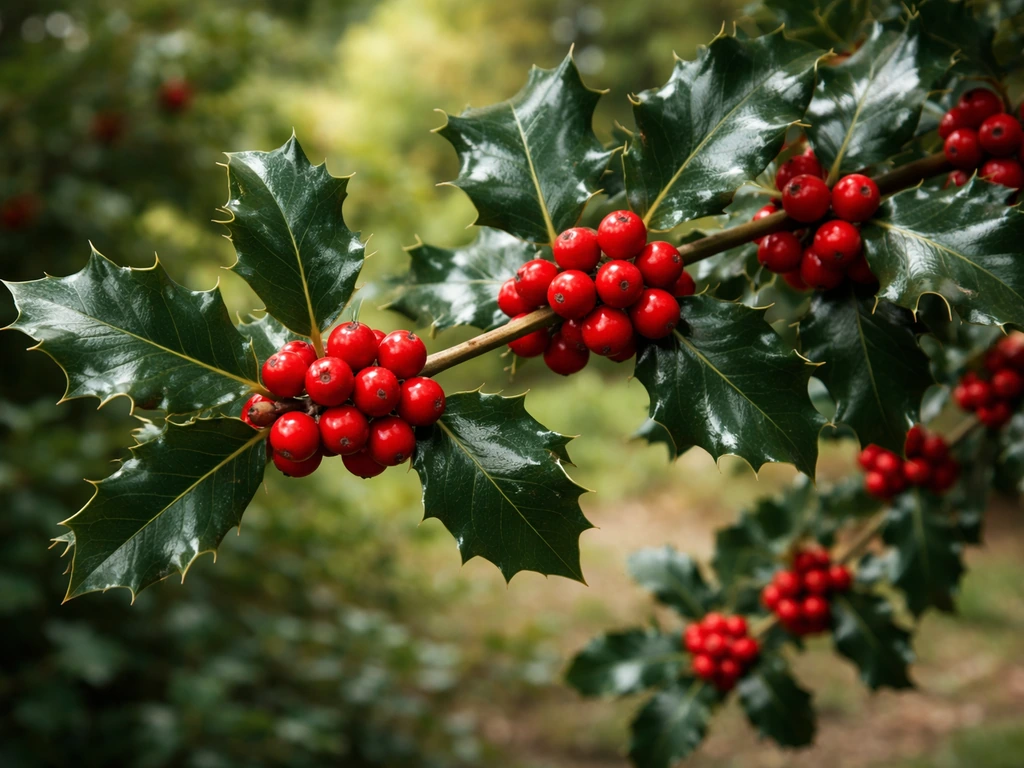
In the wild, hollies grow across eastern North America, Western Europe, and parts of Asia. The three species you're most likely to encounter as a gardener are American holly (Ilex opaca), winterberry (Ilex verticillata), and English holly (Ilex aquifolium). Each has its own native territory, and knowing which one is in your region matters a lot for setting realistic expectations.
American holly is native to the eastern United States, typically found in woodlands, coastal forests, and along stream edges from Massachusetts down through Florida and west to Missouri and Texas. Winterberry is also an eastern North American native, but it's tougher, extending up into southeastern Canada and hardy all the way to Zone 3. You'll find it naturally growing in wet spots: bog edges, swamp margins, and low-lying areas near streams. English holly (Ilex aquifolium) is the species most gardeners in the UK and Pacific Northwest picture when they think of classic red-berried holly. It's native to western and central Europe and thrives in mild, maritime climates.
Inkberry (Ilex glabra) is worth mentioning too, especially if you're in the Southeast. It's a native evergreen holly that produces small black berries and tolerates wet, acidic conditions incredibly well. It doesn't get as much attention as winterberry or American holly, but it's a reliable fruiting shrub for the right spots.
Native range and where gardeners commonly grow holly
| Species | Native Range | USDA Zones | Berry Color |
|---|---|---|---|
| Ilex opaca (American holly) | Eastern US, coastal to central | 5–9 | Red |
| Ilex verticillata (winterberry) | Eastern/central North America, SE Canada | 3–9 | Red, orange, or yellow |
| Ilex aquifolium (English holly) | Western/central Europe; grown in Pacific NW | 6–9 (UK H5) | Red |
| Ilex glabra (inkberry) | Eastern US (coastal plain to piedmont) | 4–9 | Black |
Outside their native ranges, hollies are grown as ornamentals almost everywhere temperate gardening happens. Winterberry is planted heavily in rain gardens and wet-soil landscapes throughout the Midwest and Northeast. American holly is a staple in mid-Atlantic and Southeastern gardens. English holly is the default choice in the UK and in the Pacific Northwest where mild, wet winters suit it perfectly. If you're in the Upper Midwest or Mountain West, winterberry is usually your best bet because it handles the cold that would kill most other hollies.
What habitat conditions actually trigger berry production
Light
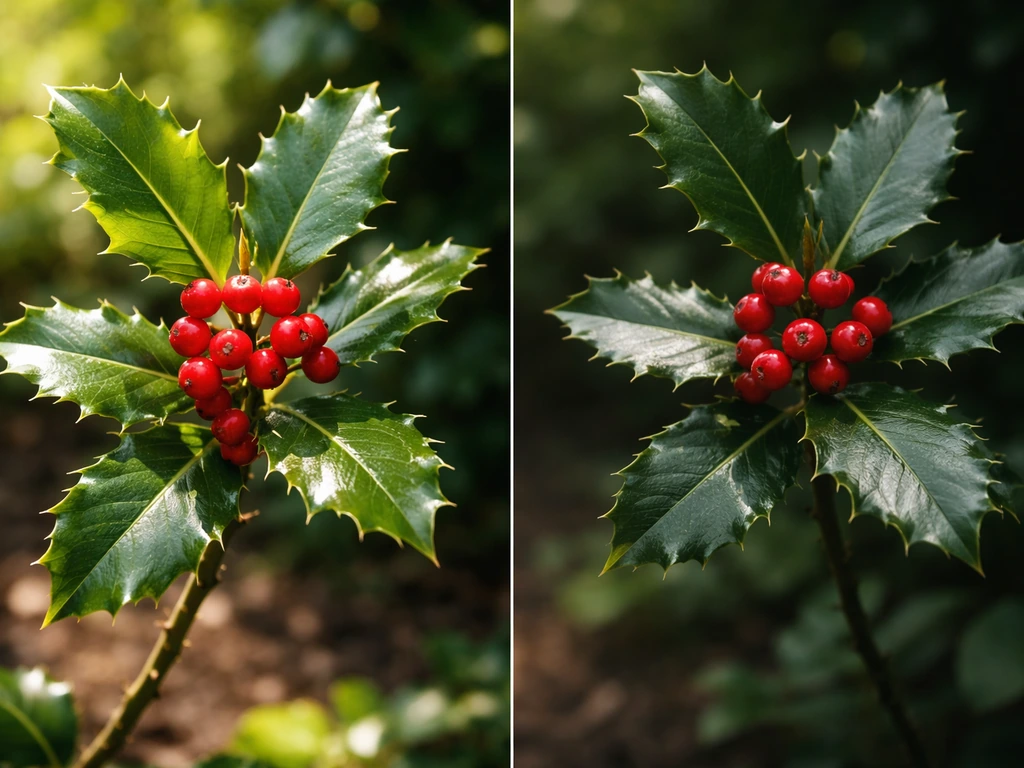
Full sun to partial shade is the standard recommendation across all major holly species, but fruiting really responds to light. Hollies grown under heavy shade produce fewer flowers and set fewer berries, even when pollination happens. If you're getting flowers but sparse berries, too much shade is one of the first things to check. OSU Extension specifically notes that winterberry performs best in full sun with acidic soil.
Rust problems can also affect berry production timing, so it helps to address the disease early winterberry performs best. I've seen winterberry in the wild growing in open boggy clearings where it gets six-plus hours of sun and loads up with berries. The same species in a shaded understory position? Barely a berry in sight.
Soil type and pH
Acidic soil is non-negotiable for almost every holly species. Winterberry and inkberry are especially sensitive to higher pH. Inkberry can handle sandy or clay soils as long as they drain reasonably well, but it will struggle and fail to thrive if the pH creeps up. Winterberry tolerates a surprisingly wide range of soil textures (sandy, loam, or clay) but wants that pH firmly in the acidic range. If you're gardening in an area with naturally alkaline or neutral soil, you'll need to amend before planting or you'll get a plant that's stressed, poorly colored, and not fruiting well.
Moisture
Winterberry is your go-to if you have a wet spot. In the wild it grows in swamps and bog margins, and it tolerates standing water better than most landscape shrubs. That said, it also does fine in average-moisture soils, so don't write it off if your yard isn't boggy. American holly and English holly prefer moist but well-drained conditions. Inkberry also likes consistently moist, acidic soil but shouldn't sit in standing water long-term.
USDA Zone suitability at a glance
Zone 3 to 4 growers should stick with winterberry, specifically cold-hardy cultivars. Zone 5 gardeners have more options: American holly cultivars like 'Jersey Knight' (male) are rated for Zone 5. Zone 6 and warmer opens up English holly and a much wider cultivar range for American and winterberry hollies. Zone 9 gardeners in the deep South can grow American holly and inkberry but should avoid English holly, which needs a proper winter chill.
The male/female thing: why this is the most common reason people get no berries
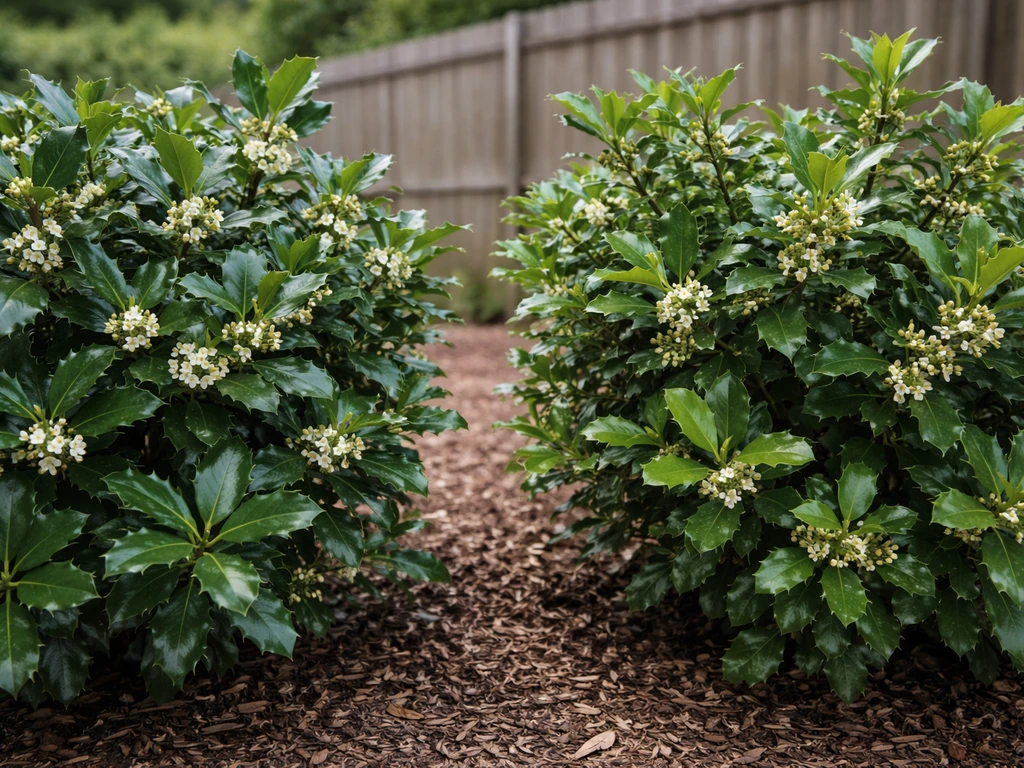
Every common holly species is dioecious, meaning male and female flowers are on completely separate plants. Only female plants produce berries, but they can't produce a single berry without pollen from a nearby male. This trips up so many gardeners. You can have a perfectly healthy, beautifully placed female holly and get zero fruit because there's no male within range.
Pollination is insect-mediated. Bees, wasps, and other insects carry pollen from male to female flowers. In practice, a male holly within 40 to 50 feet is a commonly cited guideline, though bees can cover more distance. Clemson Extension also recommends a ratio of about blank" rel="noopener noreferrer">1 male for every 4 to 5 female winterberry plants when the plants are relatively far apart. For American holly, blank" rel="noopener noreferrer">a ratio of one male to every three female plants is a practical target for reliable fruiting. For winterberry, Clemson Extension recommends one male for every four to five female plants if they're relatively far apart.
One more critical detail: flowering timing has to overlap. Berries on holly typically develop after flowering, and the timing depends on the species and local conditions when do berries grow. Not all male cultivars bloom at the same time as all female cultivars. If your male flowers out two weeks before your female opens, no pollination happens. This is especially important for winterberry, where male cultivars are specifically matched to early or late-flowering female cultivars. 'Jim Dandy' is an early-flowering male used to pollinate early females like 'Red Sprite' and 'Afterglow'. 'Apollo' is another male option but targets different female cultivars. Always check the pairing when you buy.
How to actually get berries in your yard
- Find your USDA hardiness zone first. If you're in the US, use the USDA's online zone finder with your zip code. This tells you which species and cultivars are even viable in your area.
- Choose the right species for your zone and site. Winterberry for cold zones (3–9) and wet spots. American holly for Zones 5–9 and woodland edges. English holly for Zones 6–9 in mild, maritime climates. Inkberry for Zones 4–9 in the Southeast and coastal plain.
- Always buy at least one male and multiple female plants. Don't buy an unlabeled holly at a big-box store unless the tag specifies male or female. Reputable nurseries label this clearly.
- Match male to female by flowering time. Ask your nursery which male pollinates which female, or look it up by cultivar. For winterberry: 'Jim Dandy' with 'Red Sprite', 'Apollo' or 'Jim Dandy' with 'Winter Red'.
- Plant in acidic, moist (but not waterlogged, except winterberry) soil in full sun to partial shade. Test your soil pH before planting. Target pH 4.5 to 6.0 for hollies.
- Space males within 40 to 50 feet of females, ideally closer. Plant them in the same bed or within clear sight of the female plants.
- Be patient. Hollies can take two to three years after transplant to establish and fruit heavily.
Why you're seeing flowers but still no berries
This is the most frustrating scenario, and there are a few causes worth working through systematically.
- No male plant nearby: The most common reason by far. Even if a neighbor's holly is visible, it might not be male, might not be a compatible species, or might not flower at the right time.
- Flowering time mismatch: Your male and female bloom windows don't overlap. This often happens when people pair cultivars without checking flowering timing.
- Too much shade: Heavy canopy reduces both flower quantity and pollinator activity. If your holly is under a dense tree, fruiting will be minimal regardless of pollination.
- Wrong soil pH: Hollies stressed by high pH grow poorly, flower less vigorously, and set fewer fruit even when pollinated. Get a soil test if you're unsure.
- Young plant: Newly planted hollies often don't fruit well for the first two to three years. This isn't a problem with location or pollination, just establishment.
- Pest or disease pressure: Holly leafminers and certain fungal diseases can weaken a plant enough to suppress fruiting, though this is less common than the above causes.
- Late frost damage: A late spring frost hitting open flowers can destroy an entire year's potential fruit set. If you're in a frost-prone zone, this is worth noting for years when fruiting suddenly fails.
Growing holly with berries in containers and small spaces
Yes, you can grow fruiting hollies in containers, but you need to go in with realistic expectations and a plan for both a male and a female plant. This isn't a one-pot situation. You'll need at least two pots: one male, one or more female, placed close enough together for pollinating insects to do their job.
Winterberry is a solid container choice because it's tough and handles moisture variation better than most. In container culture, keep the soil consistently slightly moist, since pots dry out faster than in-ground beds. Use an acidic potting mix (formulated for blueberries or azaleas works well), and make sure your pot has drainage holes. Dwarf or compact cultivars are much more practical in pots. For inkberry, the dwarf cultivar 'Shamrock' is a popular choice for smaller spaces, though it still needs a male plant nearby to produce its small black berries.
Container hollies in cold climates need some winter protection. The roots are more exposed than in-ground plants, so in Zone 5 or colder, move pots against a sheltered wall or into an unheated garage during the worst winter weeks. Even winterberry, which is hardy to Zone 3 in the ground, can suffer root damage in an exposed container in a very cold winter.
If you're in a small urban garden or on a balcony, prioritize the best light spot you have. Full sun on a south or west-facing balcony gives you the best shot at flowering and fruit set. Even with perfect pollination, a holly in deep shade on a north-facing balcony is unlikely to reward you with many berries.
If you're curious about broader berry-growing timing and habits, how and when other berry-producing plants behave across seasons follows similar logic: light, soil, and plant biology working together, with pollination as the often-overlooked piece that makes or breaks the harvest. In general, berry growth time depends on the species and local conditions, so check the typical fruiting timeline for your specific holly variety in Emerald berries across seasons.
In Bloxburg, berry bushes follow their own growth-timer rules in addition to needing the right planting setup, so it helps to know the typical grow duration for berries there how long do berry bushes take to grow in Bloxburg. If you are wondering when do berries grow for plants like holly, the timing is largely driven by sunlight, soil conditions, and whether flowers can get pollinated.
If you want to figure out how do berries grow in general, start by matching the right light, soil, and pollination needs to the berry you’re growing how and when other berry-producing plants behave across seasons.
FAQ
Why does my holly flower but not produce berries?
The most common reason is that the female plant is not receiving compatible pollen during the overlap window. Confirm you have a male plant nearby, check that the male cultivar blooms at the same time as your female cultivar, and make sure pollinators can reach the flowers (avoid heavy pesticide use during bloom).
How close do male and female hollies need to be for fruiting?
A commonly cited target is about 40 to 50 feet, but it can be shorter in dense plantings or longer if bees are abundant and flowers are easy to access. If you are not seeing berries, move the male closer or add an additional male within the same general flowering area.
Can I get berries with only one holly plant if I buy a female?
No. Most hollies are dioecious, meaning female flowers do not self-pollinate and only produce fruit with pollen from a male plant. If your nursery tag does not clearly identify sex and cultivar, verify it before planting.
Do holly berries grow on male plants too?
No. Male holly plants usually produce flowers but not berries. In mixed plantings, you want at least one male cultivar located where it can supply pollen to nearby female plants during the shared bloom period.
What is the difference between red-berried and black-berried hollies?
The berry color depends on the species. For example, inkberry typically produces small black berries, while American and English hollies commonly show red berries (and winterberry often has red berries). Do not rely on berry color alone to identify the plant, because cultivar traits and maturity can affect shade.
Which holly types are best for wet soil or standing water?
If you have consistently wet areas, winterberry is often the easiest choice because it naturally tolerates boggy conditions. Inkberry also tolerates wet, acidic sites well, but for in-ground success aim for moisture that is reliable without prolonged anaerobic conditions, especially for American and English hollies.
How do I know my soil pH is suitable for holly berries?
Test before planting. Winterberry and inkberry are particularly sensitive to higher pH, and fruiting may fail even if the plant survives. If your soil trends neutral or alkaline, amend early and plan to recheck pH after amendments settle.
My holly is in the right zone, but berries are sparse. What should I check first?
Light is usually the first lever. If the shrub is in heavy shade, expect fewer flowers and fewer berries even when pollination happens. A practical next step is to observe how many hours of direct sun it gets during the bloom season, then adjust with pruning or relocation if possible.
How long after planting will I see holly berries?
Berries usually appear only once the shrubs reach a mature, productive size and the flowering timing is properly matched. Container-grown plants may take longer to size up, so plan for at least one growing season for establishment and then expect fruit only if you also have correct male-female pairing and overlap.
Can I grow fruiting hollies in containers on a balcony or patio?
Yes, but you need separate pots for male and female plants, positioned close enough for pollinators to move between them. Use an acidic potting mix, keep moisture consistent because pots dry quickly, and prioritize the sunniest spot you can (full sun is typically best for reliable flowering).
Will winter cold kill my container holly roots before the plant blooms?
It can. Roots are more exposed in pots, so in Zone 5 or colder you may need to move containers to a sheltered location or provide winter protection during the coldest weeks. Root stress from harsh winters can delay or reduce flowering the following season, which then affects berry set.
Do I need to worry about plant spacing if I have multiple female hollies?
Yes. If females are spaced far apart, a single male may not supply pollen effectively to every plant. Consider the male-to-female ratio guidance for your species, and if your yard is large, place one male in each pollination “zone” where bees will travel between blossoms.
What are the most likely mistakes when pairing winterberry males and females?
The top issues are wrong cultivar pairing and mismatched bloom times. Winterberry males are often selected to pollinate early versus late-flowering female cultivars, so confirm the specific pairing recommendations from the plant label or nursery notes before planting.