The berries most likely to ripen in spring are strawberries, specifically June-bearing types and day-neutral varieties that get an early start. Depending on your climate zone, you might also see early floricane raspberries and gooseberries edging into harvest by late spring or early summer. Blueberries and blackberries bloom in spring but almost never ripen until summer. That distinction matters a lot, because confusing bloom time with harvest time is exactly how gardeners end up standing over a bush full of flowers in April, wondering where all the fruit went by June. Tip: if you are wondering about specific theme-park berry sources, nearby you may also be curious whether does knott's berry farm still grow berries, but for home gardens the ripening windows and climate matter most.
What Berries Grow in Spring: Types, Timing, and Climate Guide
Spring vs bloom vs harvest: what 'grows in spring' really means
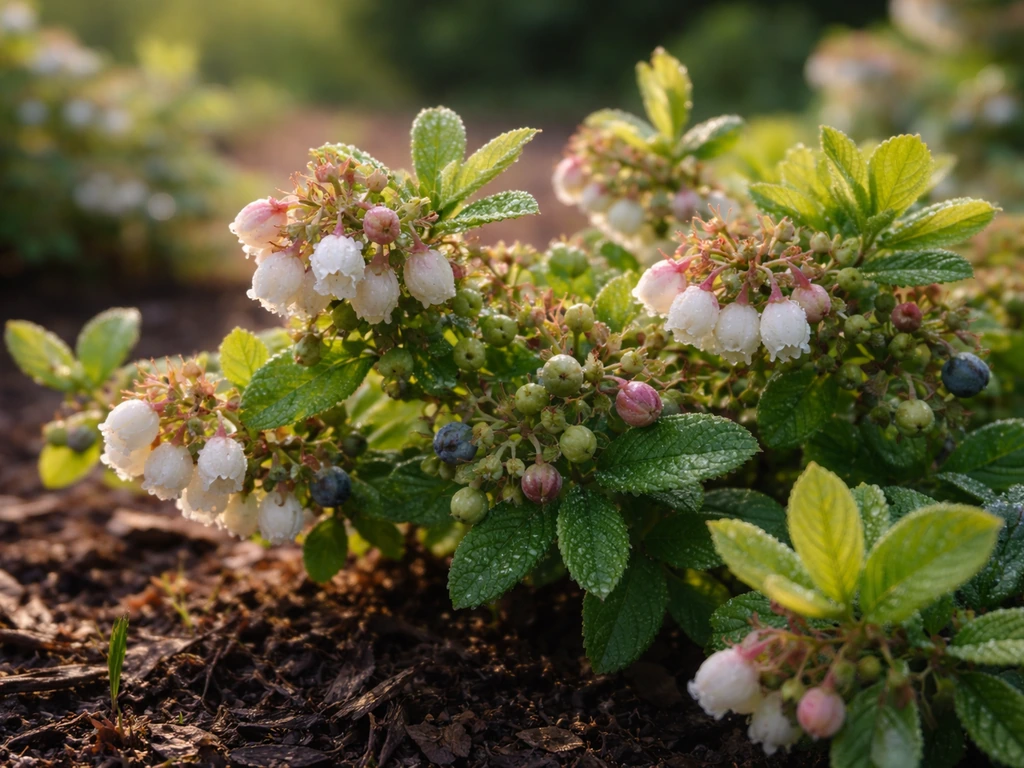
Most berries bloom in spring but ripen weeks or even months later. A blueberry bush can be covered in white bell flowers in March and not give you a single ripe berry until July. That gap between bloom and harvest is the thing that trips up most new growers. When people ask what berries grow in spring, they usually mean one of three very different things: berries you plant in spring, berries that bloom in spring, or berries that actually ripen and land in your bowl in spring. All three are valid questions, but the answers are completely different.
Spring is primarily a planting and blooming season for most berries. Strawberry flower clusters form inside the crown during fall and push out in early spring, which is why timing your spring care correctly matters so much. For most of the country, true spring harvest (meaning ripe fruit before June) is limited to early strawberry varieties in warm climates. In cooler zones, you're more realistically looking at late May through June as your earliest pick date, with other berries trailing behind into summer. The goal of this guide is to help you understand which window applies to your climate so you're not disappointed.
Top spring-fruiting berries to plant or expect
Here are the berry types worth focusing on if spring or early summer harvest is your goal, along with honest notes on what to expect from each.
Strawberries
Strawberries are the clear frontrunner for spring harvest. June-bearing varieties produce a concentrated flush of fruit over about three to six weeks, typically mid-June to mid-July in northern regions and earlier in warmer climates. Day-neutral types start a bit later but keep producing from early summer through fall, and you'll be picking every one to three days once they get going. Both types are planted as dormant bare-root crowns in spring, and most varieties are self-fruitful, so you don't need multiple plants to get fruit. One thing to know: if you plant day-neutral crowns this spring, pinch off the flowers for the first four to six weeks so the plant builds root mass before it tries to fruit.
Raspberries (floricane types)
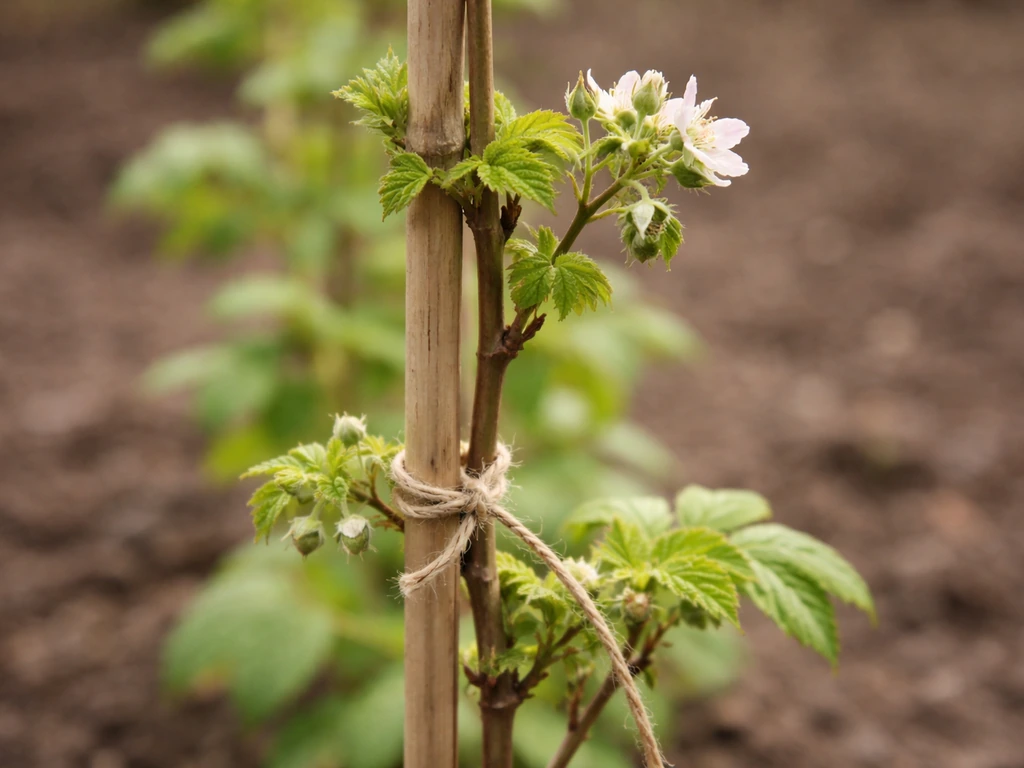
Summer-bearing (floricane) raspberries bloom in spring on second-year canes and ripen in early to mid summer, sometimes brushing late spring in warm climates. Varieties like 'Prelude' are considered early-mid season and are worth seeking out if you want the earliest possible raspberry harvest. Primocane types (often called fall-bearing or everbearing) fruit on first-year canes in late summer and fall, not spring, so they won't help you with an early harvest. Knowing which type you have is critical before you do any pruning, because cutting the wrong canes will eliminate your crop entirely.
Gooseberries and currants
Gooseberries and currants are underrated spring-to-early-summer performers. They bloom early and ripen faster than blueberries, often delivering fruit by late June in many climates. They're also cold-hardy and surprisingly tolerant of partial shade, making them a good option for northern gardens or spots that don't get full sun all day. If you're in a state like Michigan or Washington where cool springs are the norm, these two deserve a serious look.
Blueberries and blackberries (bloom in spring, ripen later)
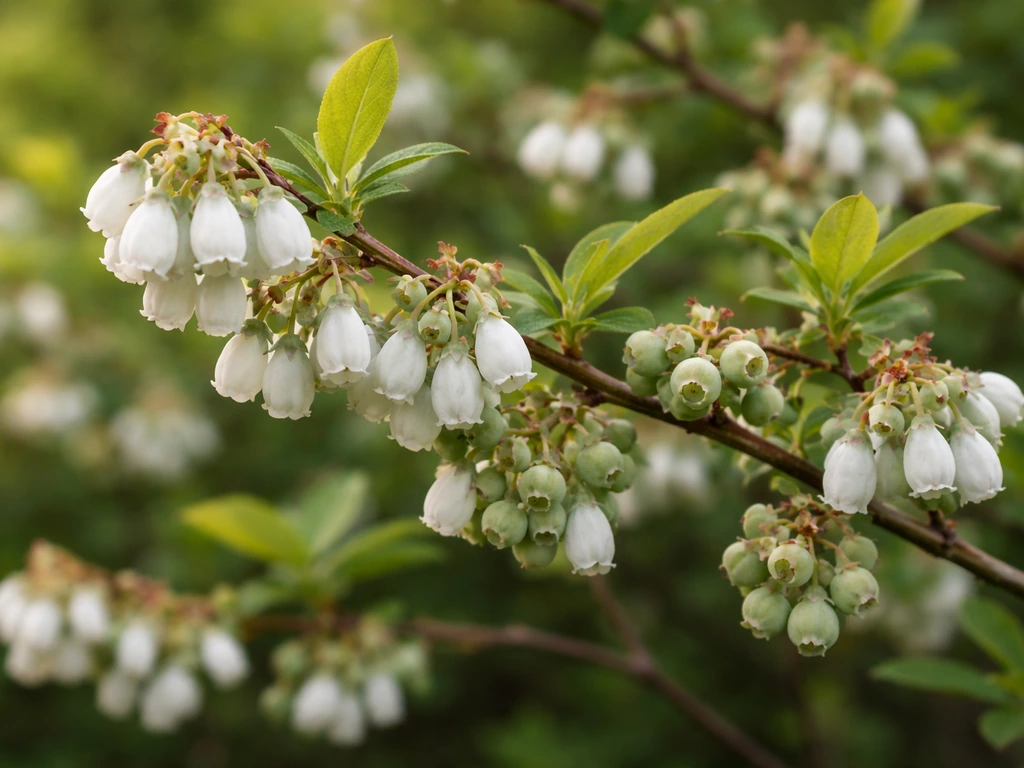
Blueberries are a spring bloomer, not a spring harvester. Most highbush varieties ripen from late June through August depending on cultivar and climate. Southern highbush types can bloom as early as February in places like Oregon's Willamette Valley, which actually creates a frost risk problem since early blooms are vulnerable to late cold snaps. Blackberries are similar: they bloom on overwintered floricanes in spring and ripen in midsummer. Neither blueberries nor blackberries will give you fruit in spring, but what you do in spring for both of them directly determines how much fruit you'll get later.
How they grow: plant type and best sun and soil
Understanding the growth habit of each berry helps you set up the right conditions and avoid common mistakes. Here's a quick comparison across the main spring-relevant types.
| Berry | Plant Form | Sun Needs | Soil Moisture | Soil pH |
|---|---|---|---|---|
| Strawberry | Low mounding plant, spreads by runners | Full sun (6+ hours) | Well-drained, consistent moisture | 6.0–6.5 |
| Raspberry | Upright canes, 4–6 ft tall, trellis preferred | Full sun | Well-drained, moderately moist | 5.5–6.5 |
| Blackberry | Upright or trailing canes, trellis required | Full sun | Well-drained | 5.5–7.0 |
| Highbush Blueberry | Woody shrub, 4–6 ft | Full sun | Well-drained but moisture-retentive | 4.5–5.5 |
| Gooseberry / Currant | Compact bush, 3–5 ft | Partial to full sun | Moist, well-drained | 6.0–6.5 |
One thing worth noting about gooseberries: they're sensitive to hot afternoon sun and can scald. A north-facing slope or a spot with light afternoon shade actually suits them better than full blazing exposure. That's the opposite of what most berry growers are used to hearing, so keep it in mind when you're siting them.
Blueberries need acidic soil in the 4.5–5.5 pH range, which is more demanding than most other berries. If your native soil pH is too high, you can amend with acid sphagnum peat or grow blueberries in containers with an acidic mix. Don't skip the soil test before planting blueberries. I've seen too many gardeners plant beautiful bushes and get no fruit for three years because the pH was sitting at 6.5 and the plants couldn't absorb nutrients properly.
Planting and timing by climate
Where you live determines which berries are realistic spring harvesters and which ones are spring planters only. Here's how to think about it by climate type.
Cool spring climates (Zones 3–5, late frost risk)
In zones 3–5 (think Minnesota, Wisconsin, Michigan, Wyoming), spring comes late and frost risk lingers into May. Strawberry bare-root crowns go in as soon as the ground is workable, usually late April to early May. June-bearing varieties are your best bet for an actual spring-adjacent harvest, though you're really looking at June and July. Gooseberries and currants are excellent here because they're tough enough to handle cold snaps. Avoid southern highbush blueberries in these zones: the early bloom is a frost trap. Stick with northern highbush cultivars selected for your zone. For raspberries, choose cold-hardy floricane types with a proven track record in your state. In Michigan and similarly cold states, there's solid regional cultivar guidance available for exactly this reason.
Mild spring climates (Zones 6–7, moderate frost risk)
Zones 6–7 offer a nice middle ground. Strawberries planted in early spring can start producing by late May or June. Early floricane raspberry cultivars like 'Prelude' can push their harvest toward late June. Blueberries will bloom in April and ripen from late June onward. Watch for late frosts in April, which can still knock out blueberry blooms in these zones. If a cold snap is forecast after bloom, cover plants overnight with frost cloth.
Warm spring climates (Zones 8–9, minimal frost risk)
In zones 8–9, you have the best shot at a true spring harvest. Strawberries can ripen from late April onward. Southern highbush blueberries bloom early, sometimes in February, and can fruit by May or June. The tradeoff is frost risk for those early bloomers: a surprise late freeze can wipe out an entire blueberry crop that was weeks away from ripe. In states like Washington, the west side of the Cascades has a mild maritime spring that's productive for early berries, while the east side runs colder and drier with a shorter window.
How to set up your garden: spacing, trellises, containers, and pollination
Spacing
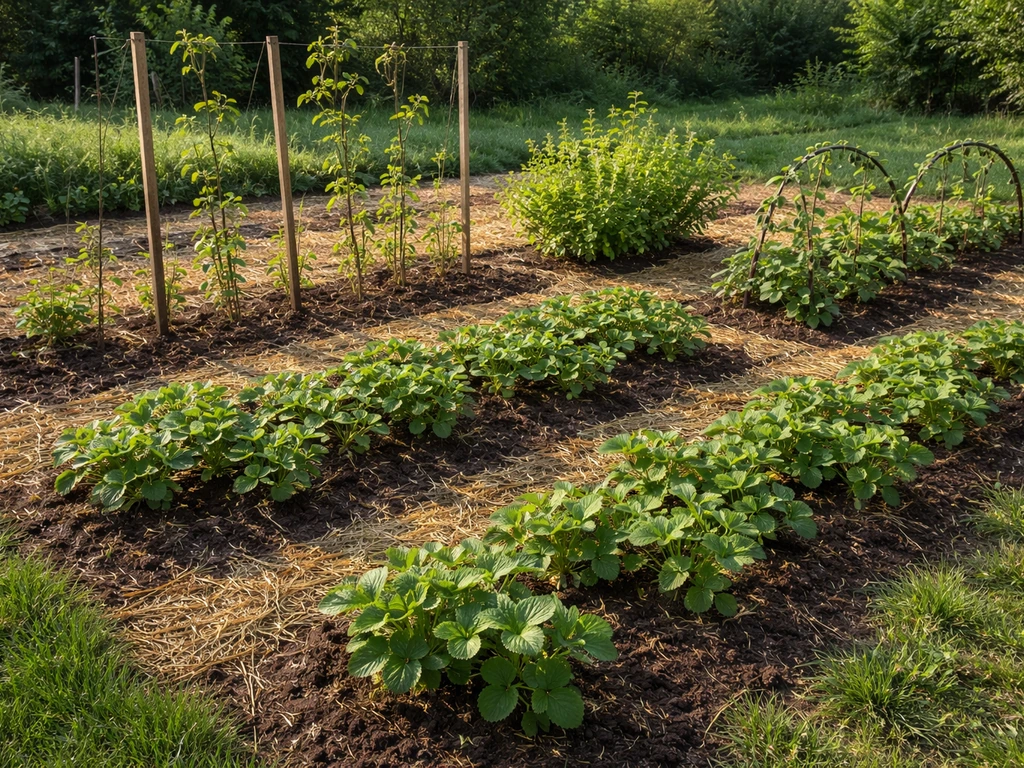
Strawberries need about 12–18 inches between plants in matted rows, or 8–12 inches in raised bed systems. Raspberries and blackberries do best planted 2–3 feet apart within rows, with rows spaced at least 8 feet apart to allow air circulation and equipment or foot traffic. Blueberries need 4–5 feet between plants of the same variety. Gooseberries and currants can be planted 4–5 feet apart as well.
Trellises
Raspberries benefit from a simple two-wire trellis system. Most setups use a top wire at about 5 feet and a lower wire at around 3.5 feet. You tie canes to the wires as they grow, which keeps the planting open for air movement and makes harvest much easier. Trailing blackberries need trellising even more than raspberries. Upright blackberry cultivars can sometimes get away with just one wire, but a two-wire system is still better practice. Strawberries don't need any trellising at all.
Container growing
Strawberries and blueberries both work well in containers. For strawberries, a wide, shallow planter or hanging basket works fine as long as you keep watering consistent. For blueberries, containers are actually a smart solution if your native soil pH is wrong: you just fill the container with a properly acidified mix and skip the soil amendment battle. Use at least a 15–20 gallon pot per blueberry plant. Raspberries and blackberries technically can grow in large containers but their cane management gets complicated and root space is limiting, so most gardeners find them easier in the ground.
Pollination
Strawberries are self-fruitful and don't need a second variety. Blueberries produce much better fruit with cross-pollination, so plant at least two different varieties that bloom at the same time. Blueberry flowers are only receptive for about three to five days after opening, and cold or rainy spring weather can reduce bee activity right when you need it most. Raspberries and blackberries are generally self-fruitful but still benefit from bee activity during bloom. Gooseberries and currants are mostly self-fertile too, though a second variety nearby helps yields.
Spring care checklist for early harvest
What you do in spring directly determines whether your plants fruit well. Here's what to prioritize right now.
- Mulch first: Apply 2–3 inches of straw or wood chips around strawberries and blueberries as soon as soil warms. This retains moisture, suppresses weeds, and reduces gray mold (Botrytis) risk by keeping fruit off wet soil. For strawberries especially, good mulch is one of the single best things you can do.
- Fertilize carefully: For strawberries, avoid heavy nitrogen in spring. Too much nitrogen pushes leafy growth and runners at the expense of fruit, and it increases canopy humidity that feeds gray mold. A modest, balanced application is fine. For established highbush blueberries, apply fertilizer at bloom time or split it: half at bloom, half three to four weeks later.
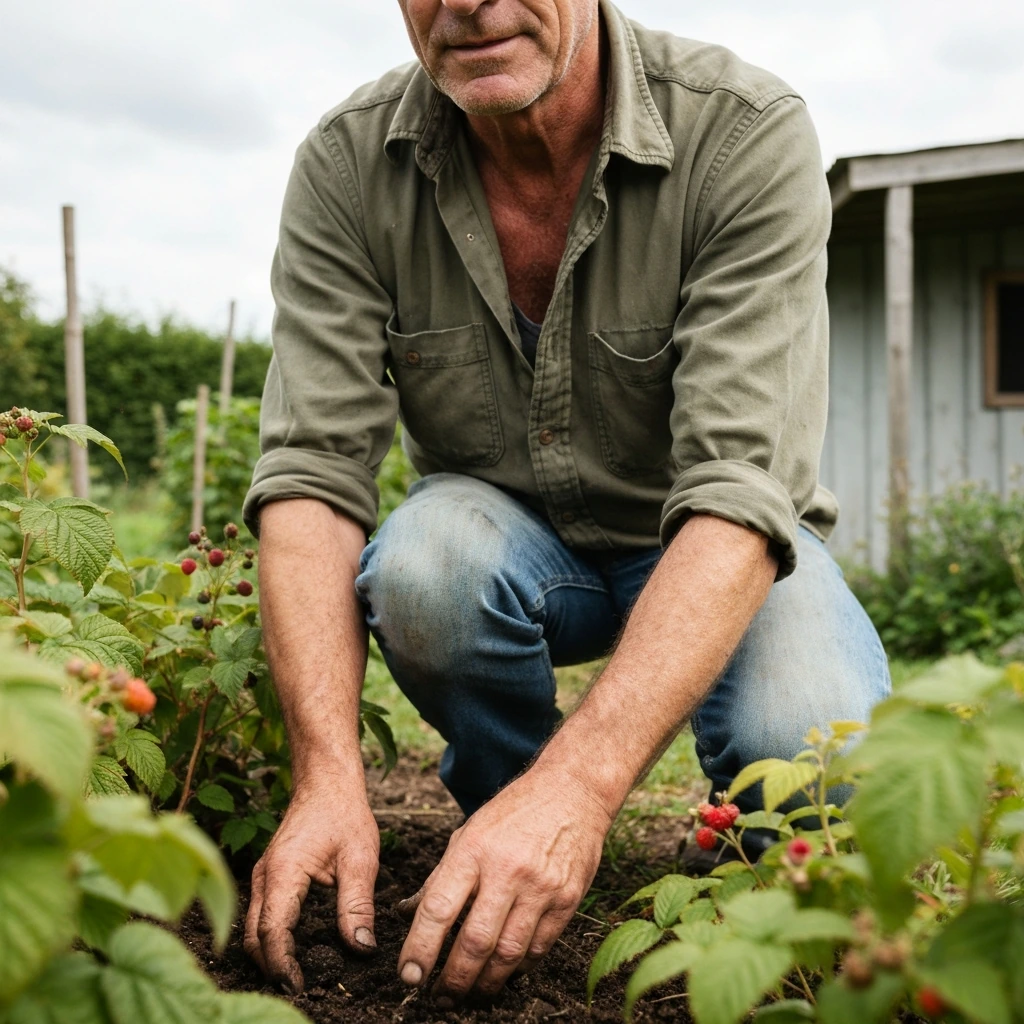
- Prune and manage canes: For floricane raspberries and blackberries, remove any dead or winter-damaged canes now and tie healthy second-year canes to your trellis. For primocane raspberry types, hold off on cutting until you know your management plan (one-crop or two-crop system). Cutting the wrong canes is the most common mistake I see with raspberries.
- Watch for frost after bloom: Blueberries and early raspberries are vulnerable after flower buds open. Keep frost cloth handy through late spring. A single hard frost during bloom can slash your harvest dramatically.
- Scout for pests early: Spotted-wing drosophila (SWD) adults emerge when warm spring weather returns and they start looking for ripening strawberry fruit fast. Check ripening fruit regularly. For blueberries, look for signs of mummy berry apothecia (small cup-shaped fungal structures in the soil) just before bud break and rake or bury affected debris.
- Remove runners on new day-neutral strawberries: If you just planted day-neutral crowns this spring, remove all runners and pinch off flowers for the first four to six weeks. It feels wrong, but letting the plant establish before fruiting pays off with a much stronger harvest later.
- Open up the canopy: Whether it's strawberries, raspberries, or blueberries, good air movement through the planting reduces gray mold and powdery mildew. Thin overcrowded plantings, weed consistently, and don't let canopy density get out of hand early in the season.
How to choose the right varieties locally, and what to do if berries won't ripen
The single most useful thing you can do before buying any berry plant is look up your USDA Plant Hardiness Zone on the official USDA zone map. In Wyoming, the best berry choices are typically varieties that can handle local winters and still ripen within your growing window USDA Plant Hardiness Zone. It's free, interactive, and lets you search by zip code. Once you know your zone, you can filter variety choices to plants with proven performance in your range. Your local cooperative extension service (every state has one) will usually have a cultivar list specific to your region: these lists are built from actual trial data in your climate, not just catalog descriptions.
For strawberries, look for cultivars specifically rated for early season in your zone. June-bearing types in the 'Earliglow' or 'Honeoye' range tend to push harvest earlier in northern zones. For raspberries, ask specifically about floricane types with 'early' ripening ratings, like 'Prelude', if spring-adjacent harvest is your goal. For blueberries, match the variety's chill-hour requirement to your winter. Southern highbush types have low chill requirements but bloom early and risk frost in zones below 7 or 8. Northern highbush types handle colder winters but take longer to ripen.
Troubleshooting: they bloomed but didn't ripen
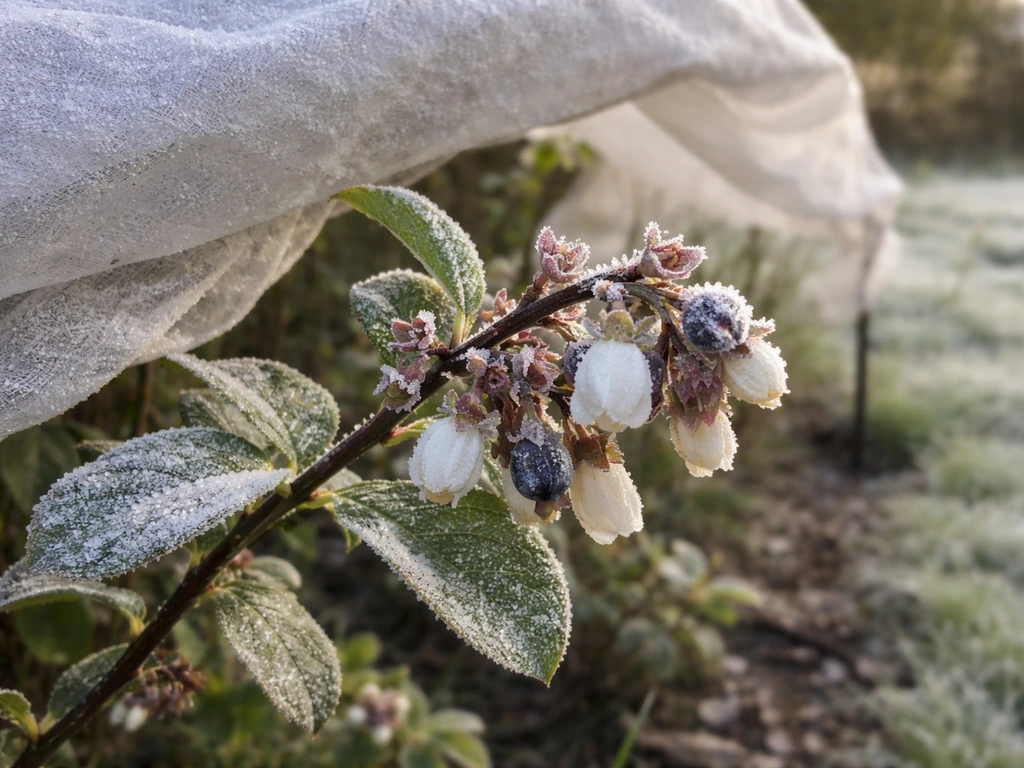
This is the most common complaint I hear from berry growers, and it almost always comes down to one of four causes. First, frost hit during or just after bloom, killing the developing fruitlets. Second, pollination failed because cold or wet weather kept bees away during the three-to-five-day window when blueberry flowers were receptive. Third, the variety has a longer bloom-to-ripe timeline than expected for the climate, so fruit is still developing and will ripen, just later than hoped. Fourth, for blueberries, soil pH is too high and the plant is nutrient-stressed, suppressing fruit development.
- If you had a late frost after bloom: Protect plants next year with frost cloth during any forecasted sub-32°F nights after budbreak.
- If pollination was poor: Add a second blueberry variety with overlapping bloom time, or plant bee-attracting flowers nearby to increase pollinator visits.
- If the variety is just slow: Check the listed days-from-bloom-to-ripe for your cultivar. Some blueberry varieties take 60–90 days from bloom to harvest. Patience is the fix.
- If blueberry soil pH is the culprit: Test your soil and amend accordingly. Target 4.5–5.5. If in-ground amendment is impractical, move the plant to a container with proper acidic mix.
- If raspberries produced no floricane crop: Check whether you accidentally cut the fruiting canes during dormancy. Floricane types need second-year canes intact to produce. This happens more than people admit.
One more thing worth saying directly: spring harvest expectations vary enormously by region. What's true for a grower in Washington state or Michigan is very different from someone gardening through a Wyoming spring or a warm Southern climate. The advice in this guide gives you the framework, but the cultivar lists from your state extension office and a simple zone lookup will do more for your spring harvest than anything else. Start there, match your plants to your climate, and spring fruiting stops feeling like a mystery.
FAQ
If I plant berry plants in spring, will I get berries in spring in my area?
Usually only for early strawberries, and only in warm or mild spring regions. Most other berries will prioritize establishment, then bloom or fruit later (often summer). If your goal is “ripe in spring,” focus on early strawberry cultivars and check your expected first ripe date for your specific zone, not just average bloom dates.
What’s the fastest berry to get fruit after planting?
For most home gardens, the quickest path to edible fruit is early June-bearing strawberries, sometimes as early as late May to June depending on zone. Day-neutral strawberries can also start earlier than many other berries, but they typically benefit from pinching first flowers (about 4 to 6 weeks) to build strong roots before heavy fruiting.
Why are my blueberry bushes full of blooms but no ripe berries later?
The most common triggers are frost during or just after bloom, poor pollinator activity during the short receptive window (about 3 to 5 days), a bloom-to-ripe timeline that is longer than your climate expects, or soil pH that is too high (so the plant cannot take up nutrients efficiently). A soil test before planting is the easiest way to avoid the pH and nutrient-stress issue.
When should I cover berry plants for frost, and does it work for all berries?
Covering helps most when it goes on before cold air settles and when plants are actively producing vulnerable tissue, such as blueberry bloom. Use frost cloth overnight when a cold snap is forecast after bloom. Strawberries and many raspberries benefit too, but timing matters most, cover before temperature drops and remove in the morning to prevent heat buildup.
Can I grow berries in partial shade, especially in spring?
Yes for some types. Gooseberries and currants can tolerate partial shade better than many people expect, and they are often a good fit for cooler northern sites. By contrast, most strawberries and blueberries will produce better with more sun, and blueberries in particular can underperform if they do not get enough light to support full flowering and ripening.
Do I need multiple blueberry varieties for spring harvest, even if I have good weather?
Yes, cross-pollination generally improves yield. Plant at least two varieties that overlap in bloom timing. Even with the right varieties, cold or rainy spring weather can reduce bee activity during the flowers’ brief receptive period, so consider spacing and bloom overlap as part of your plan.
How do I know whether my raspberry is floricane or primocane before pruning?
Check the label or tag before you cut anything, because they fruit on different cane ages. Floricane (summer-bearing) types fruit on second-year canes, so pruning typically focuses on managing those canes and canes you remove later. Primocane (fall-bearing) types fruit on first-year canes in late summer and fall, so cutting strategies are different, wrong pruning can remove the crop.
Are blackberries ever a true spring ripening berry for home gardens?
Generally no. Blackberries typically bloom in spring on overwintered canes, but fruit ripens in midsummer. If you want berries in spring, treat blackberries as a summer harvest project and focus your spring tasks on pruning and cane management that supports next summer fruiting.
Do gooseberries need full sun, and how can I prevent scalding?
They can suffer from hot afternoon sun and may scald in intense heat. If you see leaf scorch or uneven growth in summer, try a north-facing slope or a spot with light afternoon shade. Choosing that siting early helps, because it is harder to correct after plants are established.
What spacing should I use if I want better airflow and fewer spring problems?
Use the recommended plant spacing, then avoid “squeezing” rows tighter than intended. Air circulation reduces disease pressure during humid spring weather, and it also makes it easier to protect blossoms with frost cloth when needed. If you are unsure, start with wider spacing for raspberries and blackberries (they can become dense quickly).
Can I rely on containers for spring berries, or do containers change timing?
Containers can help you control soil pH, especially for blueberries, which is a big advantage if your native soil is not acidic enough. Timing can vary, containers often warm up and dry faster than ground planting, so monitor moisture closely and expect bloom and ripening to shift slightly earlier or later depending on your conditions.
What should I do right after planting in spring to increase the chance of early fruit?
Match your early-harvest plan to establishment needs. For day-neutral strawberries, pinch off flowers for the first 4 to 6 weeks this spring to build root mass. For blueberries and other longer-established crops, prioritize proper watering and soil conditions (especially pH), because fruiting failures often come from stress or nutrient issues rather than “not enough time.”