
The berries that ripen in autumn are everbearing (primocane-fruiting) raspberries, blackberries, day-neutral strawberries, elderberries, and honeyberries (haskaps). Each one produces ripe fruit between late summer and the first hard frost, and each has a distinct growth habit and set of soil preferences you need to match before you'll get a real harvest. If you pick the right variety for your region and get your soil sorted before planting, autumn berries are very doable even in a small yard or on a patio.
What Berries Grow in Autumn: Zone Guide for Fruit in Fall
Marcus Holloway
26 Jun 2026
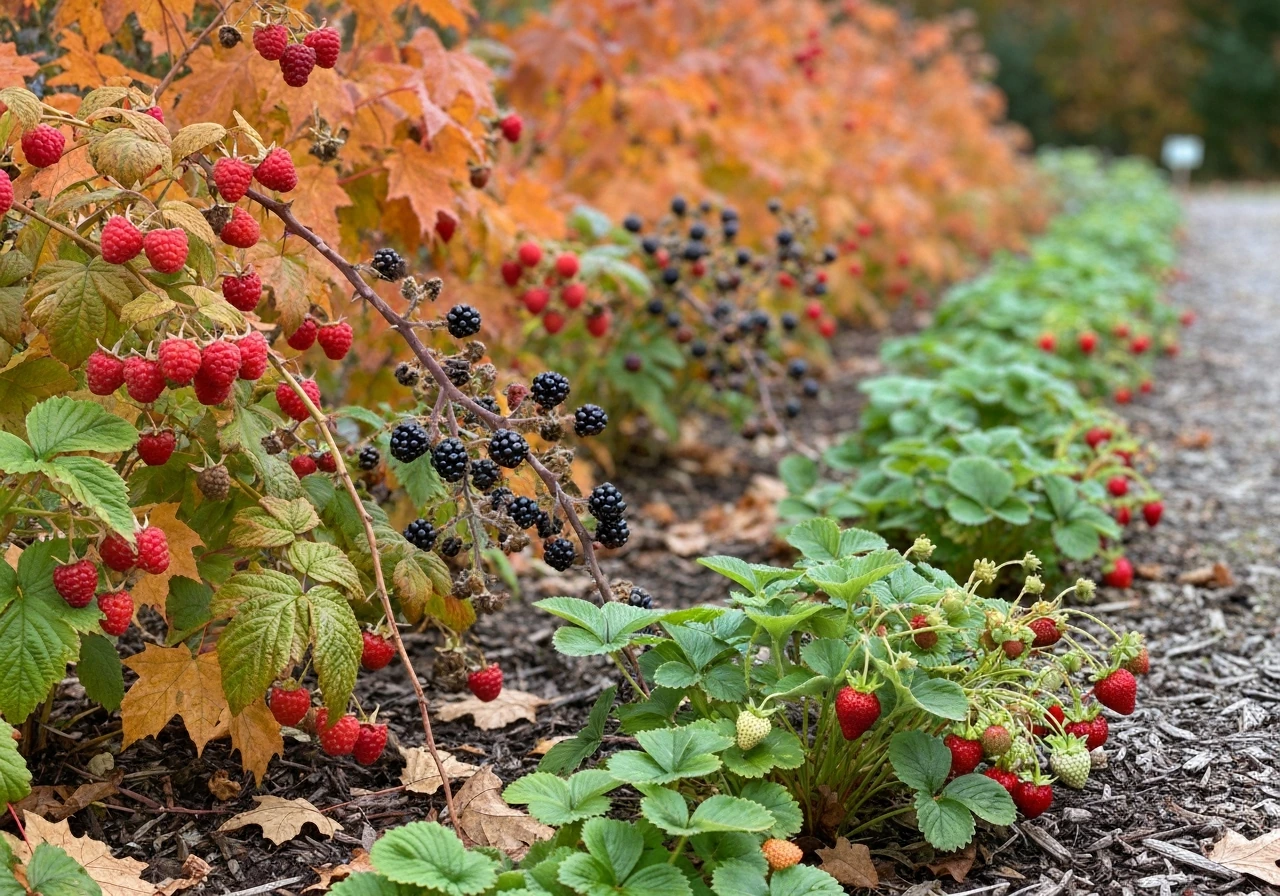
Autumn berry shortlist: the easy-to-find varieties
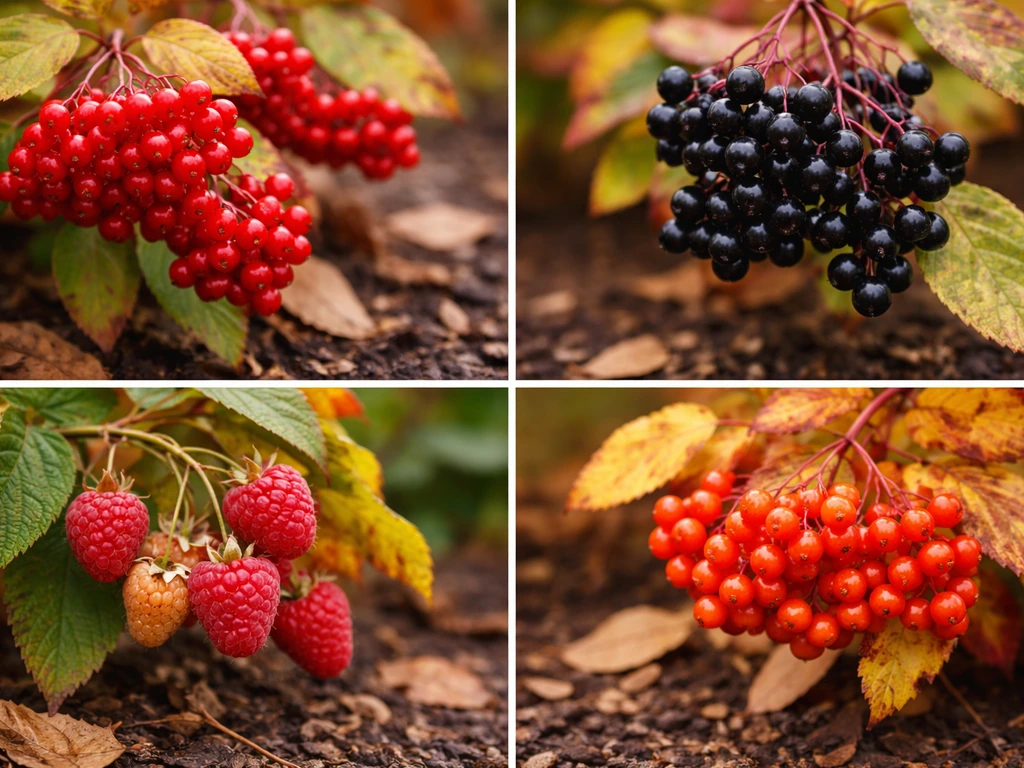
These are the varieties most home gardeners can actually source from nurseries and mail-order suppliers, with realistic notes on what to expect in year one versus year two and beyond.
| Berry | Growth Habit | Typical Autumn Harvest Window | Years to First Crop | Key Notes |
|---|---|---|---|---|
| Everbearing Raspberry (e.g., Heritage, Anne) | Canes (primocanes) | Late August through first hard frost | Year 1 (light crop on primocanes) | Fall crop forms at cane tips; Heritage is red, Anne is yellow |
| Blackberry (erect or trailing) | Canes | August through October depending on region | Year 2 (floricanes fruit) | Trailing types need a trellis; erect types are self-supporting |
| Day-Neutral Strawberry (e.g., Seascape, Albion, Tristar) | Low groundcover runners | July through October (or first killing frost) | Year 1 (same season) | Remove blossoms for first 6 weeks after planting to build plant strength |
| Elderberry (Sambucus canadensis or S. nigra) | Multi-stemmed shrub/small tree | August through September | Year 2-3 | Plant two varieties for better fruit set; fruits toxic unless cooked |
| Honeyberry / Haskap (Lonicera caerulea) | Dense upright shrub | Late summer into early autumn | Year 2-3 | Needs two unrelated varieties to cross-pollinate; broad soil pH tolerance |
A quick note on raspberries: there are two types, and only the primocane-fruiting (fall-bearing or everbearing) types give you an autumn crop in year one. If you also want to identify fruit species by location, see the guide on what berries grow in Michigan for region-specific picks raspberries. Floricane-bearing summer raspberries fruit on year-old canes and are finished by July. Make sure the plant tag or catalog listing specifically says 'fall-bearing,' 'everbearing,' or 'primocane-fruiting' before you buy.
By climate and region: what you'll realistically find ripening near you
Autumn fruit timing shifts by several weeks depending on where you garden, and frost timing is the real wildcard. In general, Kratz also requires checking whether Knotts Berry Farm currently grows and sells berries, since operations and plantings can change by season Knott's Berry Farm still grow berries. In cooler zones (USDA zones 3 to 5, think Minnesota, Michigan, the northern plains), your harvest window from late August to mid-October is tight.
Late-ripening varieties like Heritage raspberry may only yield a portion of their potential crop before a hard frost cuts things short. In milder zones (6 to 8, much of the mid-Atlantic, Pacific Northwest, and parts of the South), that window stretches well into October or even November for day-neutral strawberries and blackberries.
Cooler northern regions (Zones 3-5)
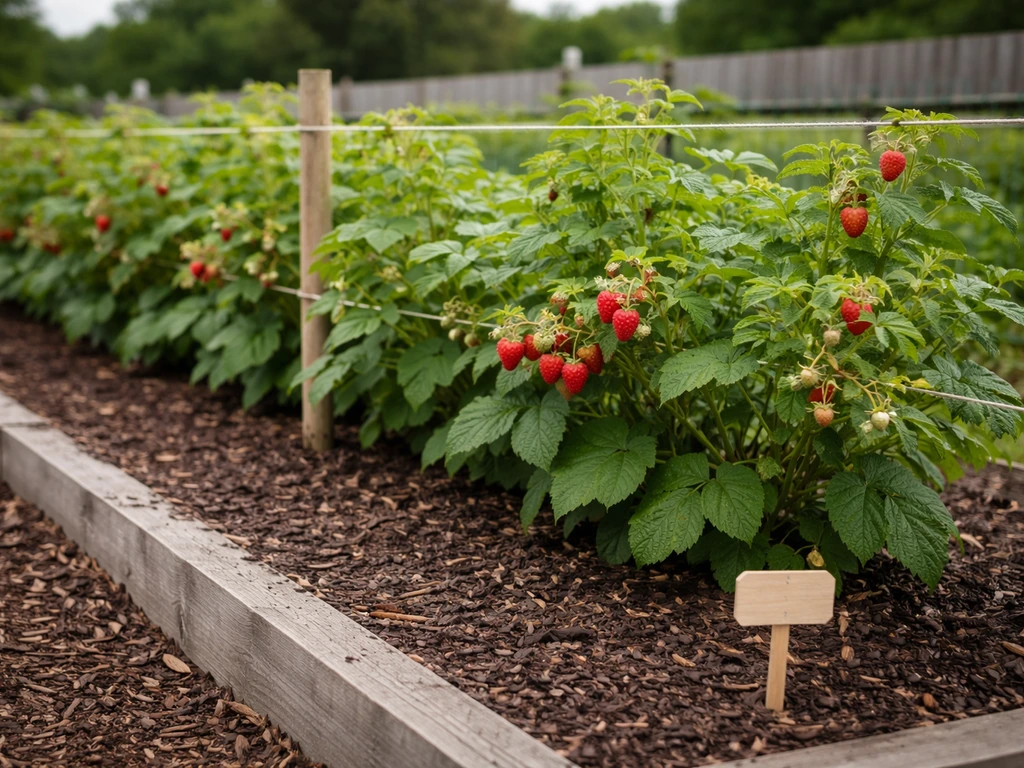
- Everbearing raspberries are your best bet, but choose an early-ripening primocane variety if possible; Heritage is widely adapted but can lose its last flush to early frosts
- Day-neutral strawberries like Tristar work well and often fruit into October; mulch crowns once temps drop consistently below 40°F
- Honeyberries are exceptionally cold-hardy (down to Zone 3) and are one of the few shrubs that thrives in northern climates without much fuss
- Blackberries are marginally hardy in zones 4-5; look for erect thornless varieties like Chester or Triple Crown and protect canes with mulch over winter
Mid-Atlantic and Midwest (Zones 5-7)
- All five berry types on this list are reliable here; this is the sweet spot for fall raspberry production
- Blackberries (trailing types like Marionberry or Chester) ripen August through September and give big yields
- Elderberries thrive in this band, especially in the Midwest where native Sambucus canadensis grows wild
- Day-neutral strawberries fruit July through October; plant in April or May to get an autumn harvest that same year
Pacific Northwest and mild coastal regions (Zones 7-9)
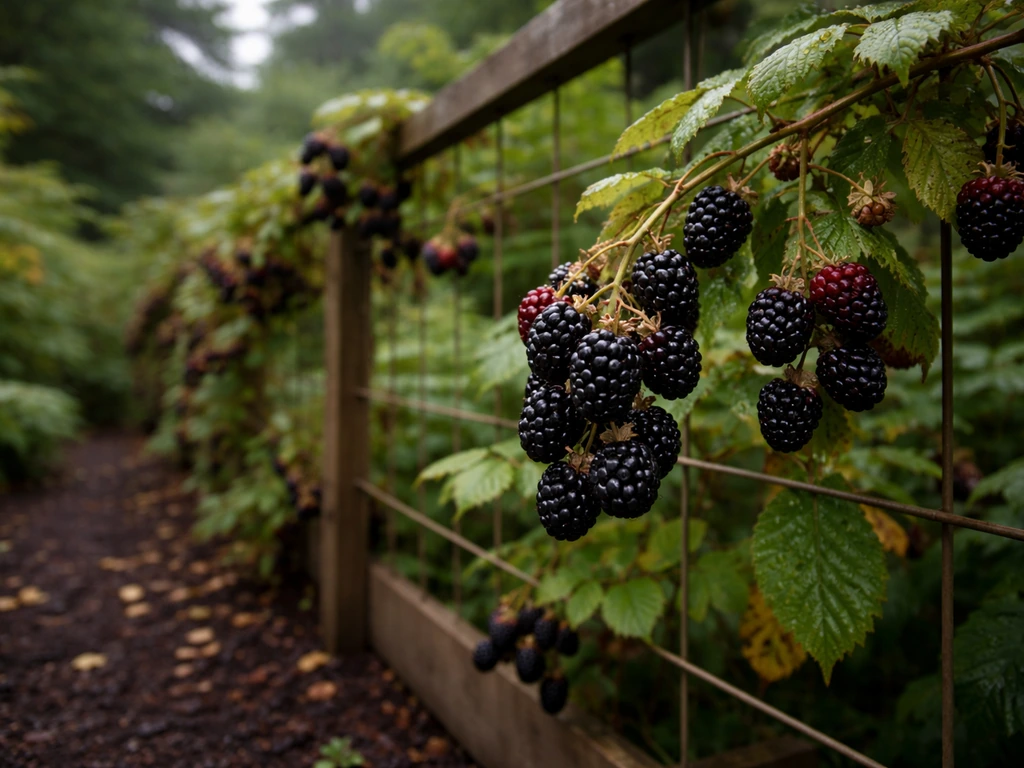
- Blackberries are prolific here; trailing types do especially well along the Oregon and Washington coasts
- Day-neutral strawberries can fruit well into November with frost protection, and OSU research shows production extending into late autumn in central and coastal Oregon
- Raspberries need protection from high winds in coastal spots because ripe fruit drops and primocanes can be damaged by wind-driven cold
- If you garden in Washington State, the range of autumn berries expands significantly given the mild maritime climate
Arid and mountain regions (Utah, Wyoming, Colorado, Zones 4-7)
- Honeyberries and elderberries handle the soil and climate variation here better than most; USU Extension has specific guidance for both
- Everbearing raspberries work in most of Utah and Wyoming's lower elevations but watch your frost dates carefully
- Avoid trailing blackberries in areas with harsh winters; erect types are a safer choice
Planting and timing: what to plant now versus what to plan for next season
Since today is late June, here is the honest picture of what you can still do this season and what needs to wait until spring. If you're planning earlier in the year, you can also look at what berries grow in spring so you stagger harvests across seasons.
What you can plant right now (summer into early fall)
- Day-neutral strawberries: mid to late August is actually a recommended planting window in many regions, including California per UC IPM guidance. Plant bare-root or plugs, remove blossoms for the first six weeks, and you'll get a flush of fruit before frost. Keep the crown midpoint level with the soil surface and space plants 12 to 15 inches apart.
- Potted everbearing raspberries: if you can find container-grown plants at a local nursery, you can plant them now and get a small fall flush on the primocanes this season. Bare-root plants are better ordered in fall for spring delivery.
- Elderberry transplants: container-grown elderberries can go in the ground in late summer as long as you keep them watered through establishment. They won't fruit this year but you'll be a year ahead.
What to order now and plant next spring
- Bare-root raspberries: order in fall or early winter from a nursery catalog for spring delivery. Dormant bare-root plants are the standard way to start a raspberry patch; plant crowns 1 to 2 inches above the soil surface.
- Blackberries: order bare-root stock for early spring planting. Space erect types 36 to 60 inches apart in the row; they won't fruit until year two on floricanes, but everbearing blackberry varieties do exist and fruit on primocanes.
- Honeyberries: order two different varieties (not the same cultivar) so they can cross-pollinate. Fall or very early spring planting is ideal according to USU Extension.
- Test your soil now: if you're planning a new berry bed for next year, get a soil test done this summer. Some pH adjustments (like adding lime to raise pH) need six months to a year to fully take effect, and most of these berries want pH 5.5 to 6.5.
Growing conditions: soil, sun, water, and spacing
The single biggest mistake I see home growers make is ignoring soil pH. You can do everything else right and still get a weak, unproductive plant if your pH is off. Here is what each berry needs. UMN Extension also recommends time irrigation carefully so the soil stays moist but is not consistently wet, since raspberry diseases thrive under overly wet conditions time irrigation carefully so soil is moist but not consistently wet. If you are still deciding which plants to start with, this guide also helps you compare what berries grow in Wyoming by matching each berry to its growing needs Here is what each berry needs.
| Berry | Soil pH Range | Drainage Needs | Sun Requirements | Watering Notes |
|---|---|---|---|---|
| Everbearing Raspberry | 5.6 – 6.5 | Well-drained; avoid wet feet | Full sun (6+ hours) | Keep moist, not waterlogged; drip irrigation ideal |
| Blackberry | 5.6 – 6.5 (optimum ~6.0-6.5) | Well-drained; deep soil preferred | Full sun | Consistent moisture during fruiting; avoid soggy soil |
| Day-Neutral Strawberry | 5.3 – 6.5 | Well-drained; raised beds work well | Full sun | Regular watering; excess nitrogen reduces fruiting |
| Elderberry | 5.5 – 6.5 (tolerates to 7.0) | Moist but well-drained; ridge/berm planting if drainage is poor | Full sun to part shade | Tolerates wetter sites better than most berries |
| Honeyberry / Haskap | 5.0 – 8.0 (very adaptable) | Well-drained preferred | Full sun to light shade | Moderate; drought-tolerant once established |
For spacing, red raspberries go about 24 inches apart within the row, black raspberries need 30 inches, and blackberries need 36 to 60 inches depending on variety. Leave 8 to 10 feet between rows if you're planting multiple rows, which gives you room to work and lets air circulate to reduce disease pressure. Strawberries are much tighter at 12 to 15 inches in the row.
Avoid planting raspberries and blackberries in spots with strong prevailing winds. Ripe autumn fruit drops off the canes when buffeted by wind, and cold wind exposure increases winter injury risk to primocanes that haven't hardened off yet.
Plant types and habits: bushes, canes, vines, and groundcovers
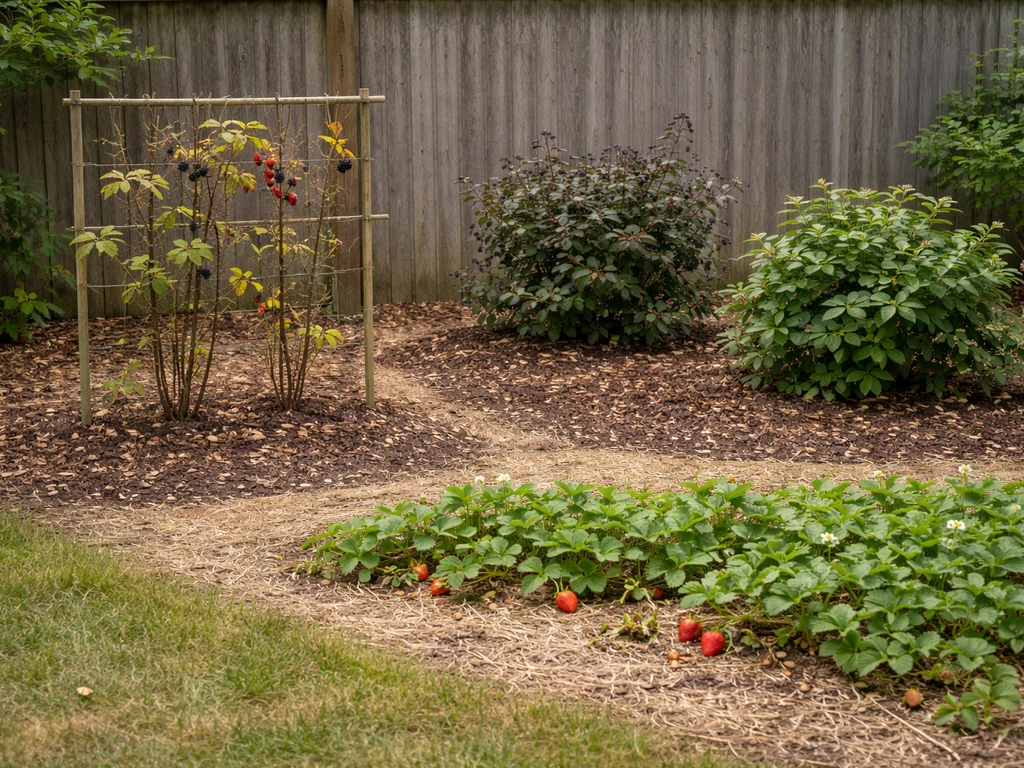
Knowing how a berry plant grows tells you what support it needs and how much space to budget. Autumn berries span four different habits.
Cane plants: raspberries and blackberries
Raspberries and blackberries grow on canes, which are biennial woody stems. Everbearing raspberries fruit at the tip of first-year primocanes in late summer and fall, then produce a second smaller crop on the lower portion of those same canes the following summer as floricanes. If you want a single concentrated fall crop, cut all canes to the ground in late fall after dormancy or in early spring. This simple management system is one reason fall-bearing raspberries are so popular with home growers. Blackberries with erect canes are self-supporting; trailing types need wires or a trellis system to keep canes off the ground and fruit accessible.
Shrubs: elderberries and honeyberries
Elderberries are deciduous multi-stemmed shrubs that can reach 8 to 12 feet tall and spread just as wide, so give them room. They look more like a small tree than a typical berry bush. Honeyberries are denser, more compact shrubs (usually 4 to 6 feet) with a tidy upright habit that works well at the back of a bed or along a fence line. Both come back reliably each year with minimal pruning.
Groundcover runners: strawberries
Day-neutral strawberries are low groundcover plants that spread by runners. They stay under a foot tall and are the most compact option on this list. In a day-neutral system you typically manage runners to keep plants productive rather than letting them colonize the entire bed. They work especially well in raised beds and containers, which is partly why they're so popular in small-space gardens.
Container and small-space options for autumn berries
You don't need a big garden to grow autumn berries. I've had reliable fall raspberry crops from large grow bags on a sunny deck, and day-neutral strawberries in hanging baskets and window boxes. The key is matching container size to plant size and being disciplined about watering, since containers dry out faster than in-ground beds.
Best bets for containers
- Day-neutral strawberries: the easiest container berry on the list. A standard 12-inch pot fits two to three plants. Use a well-draining mix and feed lightly; excess nitrogen from heavy fertilizing will push leafy growth at the expense of fruit.
- Everbearing raspberries: use at least a 20- to 30-gallon container (fabric grow bags work well). Thin primocanes during the growing season to four to six strong canes per container so the plant doesn't exhaust itself. Fall-bearing types are easier to manage in containers than summer types because you simply cut all canes down after fruiting.
- Honeyberries: a compact variety in a 15- to 20-gallon pot can work, but remember you need two different varieties to get fruit, so you'll need two containers. Their broad soil pH tolerance makes them forgiving in container mixes.
- Elderberries: technically possible in a very large container (30+ gallons) but they really prefer the ground. If space is the constraint, a honeyberry or raspberry is a much more practical container choice.
Small-space tips that actually help
- Use fabric grow bags rather than solid plastic pots: they air-prune roots and prevent the waterlogging that kills more container berries than anything else.
- Set containers in the sunniest spot you have: at least six hours of direct sun is the floor, not a suggestion.
- Water more often than you think you need to: a large grow bag with a raspberry plant can need daily watering in peak summer heat, especially once it's carrying fruit.
- Attach a simple T-post and two horizontal wires to the wall or fence behind cane-type containers; tying primocanes upright improves fruit set and keeps things tidy.
- For raised beds, treat them like in-ground planting for spacing and soil pH but keep the beds at least 12 inches deep for raspberries and blackberries.
Quick identification and troubleshooting for common issues
Most autumn berry problems fall into a handful of categories. Here is how to spot them and what to do.
No fruit or very light crop
- Wrong variety: the most common cause. If your raspberry fruited in June and July only, you have a summer-bearing floricane variety, not a fall-bearing one. Confirm variety at purchase.
- Too much nitrogen: high nitrogen promotes leafy growth and suppresses fruit. This is especially common in strawberries. Ease off fertilizer in late summer and never use a high-nitrogen lawn formula on berry beds.
- Poor pollination: honeyberries and elderberries both need cross-pollination from a second, unrelated variety. One plant alone will produce little to no fruit.
- Frost killed the blossoms: in zones 4 and colder, a late spring frost can wipe out early-blooming elderberry and honeyberry flowers. Site plants away from frost pockets (low-lying spots where cold air collects).
Fruit not ripening before frost
- Late-ripening varieties in short-season climates: Heritage raspberry is a reliable fall variety but in zones 3 to 4 you may lose the last portion of the crop to an early hard frost. If this keeps happening, switch to an earlier-ripening everbearing variety or cover plants with row cover when frost is forecast.
- Insufficient sun: berries ripen faster with more sun hours. If plants are in part shade, ripening slows noticeably in the shorter days of autumn.
Pest and disease problems to watch for
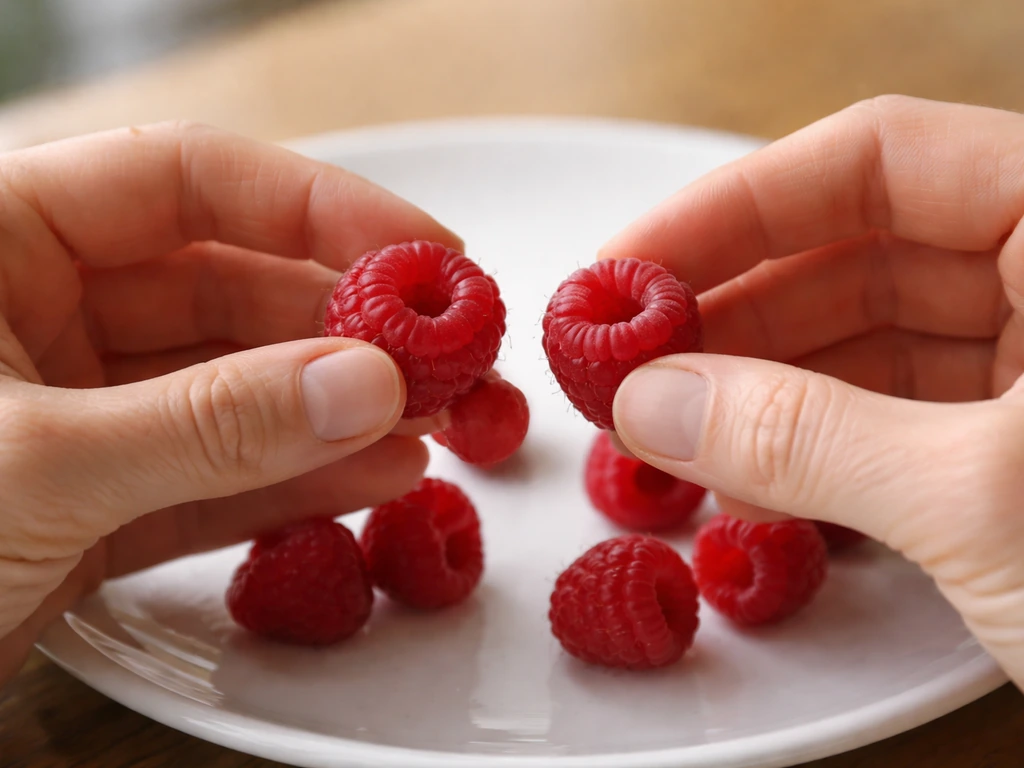
- Spotted-wing drosophila (SWD): a small fruit fly that lays eggs inside ripening soft fruit, especially raspberries, blackberries, and strawberries. Start monitoring as soon as fruit begins to color up and continue through harvest. Yellow sticky traps help with detection; exclusion netting is the most effective physical barrier for home gardens.
- Botrytis (gray mold): fuzzy gray growth on fruit, common in cool, wet autumns. Improve airflow around plants, avoid overhead watering, and pick fruit promptly.
- Phytophthora crown and root rot: yellowing, wilting plants in a poorly drained spot. Prevention is the only real fix; plant in well-drained soil or raised beds and keep irrigation timed so the soil stays moist but not consistently waterlogged.
- Raspberry crown borer: if canes suddenly wilt and die at the base, this moth larva may be tunneling inside the crown and lower canes. It has a two-year life cycle, so infestations can linger. Remove and destroy infested canes at the base; there is no simple chemical fix for home gardeners.
- Japanese beetles: skeletonize leaves and damage flower buds on raspberries. Hand-pick in the early morning when beetles are sluggish, or use row cover during the peak beetle season (June through August in most of the US).
Knowing when fruit is actually ripe
Don't rely purely on color. A ripe autumn berry should separate from the plant with gentle pressure, feel slightly soft (not mushy), and taste sweet rather than tart or astringent. Elderberries shift from green to red to a deep purple-black when ripe in August and September; taste-test a single berry before harvesting a whole cluster, and remember that raw elderberries are mildly toxic and should be cooked before eating. Honeyberries look blue-black on the outside before the inside has fully ripened, so let them hang an extra week after they look ready before you strip the whole bush.
If you're working through region-specific questions beyond autumn berries, the growing conditions and variety selection for berries in states like Michigan, Washington, or Wyoming each have their own quirks driven by soil type, elevation, and frost patterns. In Washington state, you can grow many of the same autumn fruit types, especially day-neutral strawberries and fall-bearing raspberries, as long as you pick varieties suited to your frost timing. The same practical logic applies: match variety to your frost window, test your soil before you plant, and choose a growth habit you can actually support in your space.
FAQ
How do I figure out if a raspberry or blackberry will actually produce fruit in autumn, not just summer?
Read the plant tag for the fruiting type, primocane-fruiting (fall-bearing/everbearing) for autumn raspberries. For blackberries, confirm whether the variety is erect or trailing, because trailing types often need trellising to keep fruit reachable and to avoid fruit rotting when canes lie on the ground.
What should I do if my first-year harvest is small for autumn berries?
Expect limited production in year one, especially for cane berries. To improve year one output, prioritize healthy establishment (consistent watering, correct spacing, and weed control) and avoid heavy feeding that encourages soft growth right before frost. Some gardeners also choose to remove certain flowers so the plant puts energy into strong canes and roots.
When is the best time to plant autumn berries if I want fruit that same fall?
For most of these, the most reliable approach is to plant earlier in the growing season so plants can establish before frost. If you missed the window, it is usually better to plan on a smaller or no harvest this year and focus on spring setup (soil amendments, spacing, and supports) to get a true autumn crop next season.
Do I need to test soil pH even if I already added compost?
Yes. Compost helps texture and fertility, but it does not guarantee the correct pH for productive berry plants. If pH is off, nutrients become less available, and you can end up with weak growth even with rich soil. Test first, then adjust, and recheck after amendments if you make significant changes.
How can I tell when elderberries are ripe if the color changes before they’re ready inside the cluster?
Elderberries should taste sweet rather than sharp or astringent. Since clusters often look ripe at different speeds, pick and taste a few berries from the same cluster before harvesting everything, then harvest only when most berries meet your taste threshold.
What’s the safest way to handle elderberries if I’m trying them for the first time?
Do not eat raw elderberries. They need cooking before consumption, especially if you are harvesting at home where you cannot rely on processing controls. When trying a new batch, cook a small amount first to check taste and texture before making a larger recipe.
Why do honeyberries sometimes look ripe (blue-black) but are still not good to eat?
Honeyberries can show exterior color before full internal ripeness. Let them hang an extra week after the outside looks ready, and sample a few berries to confirm sweetness before stripping the entire bush.
How much frost protection do I need for primocane-fruiting raspberries?
Cold wind and late frost can damage tender primocanes before they harden. The simplest help is selecting a less windy site and using mulch for winter insulation around the base. In harsh areas, gardeners sometimes add temporary protection during the coldest nights, but consistent site protection matters more than last-minute cover.
Should I cut primocane raspberries to the ground in late fall, or leave canes over winter?
For a single concentrated fall crop, cut all canes to the ground after dormancy or in early spring. Leaving canes over winter is usually for managing a different fruiting strategy, so if your goal is autumn-only fruit, follow the cut-back approach to match that goal.
What spacing changes if I use containers, raised beds, or grow bags?
Containers dry out faster and have more limited root space, so you generally need more disciplined watering and feeding. Use a container sized to the mature plant habit, and avoid overcrowding because reduced airflow and competition can increase disease and lower yield.
Are day-neutral strawberries worth it for small gardens, and how do I prevent them from taking over?
They are often the best fit for small spaces because they stay compact (under about a foot) and work well in raised beds and containers. Since they spread by runners, manage runners and keep the bed boundary clear, instead of allowing them to colonize the entire container or garden patch.
What are the most common signs of poor autumn berry performance besides obvious pests?
Check three basics first: soil pH, spacing and airflow, and hydration. If plants look stressed while temperatures are still mild, pH or inconsistent moisture is a common culprit. If they look crowded and stay damp, you may be increasing disease risk, which can suppress fruiting even if plants survive.