
Michigan grows an impressive range of berries, both wild and cultivated. Wyoming’s climate and soil vary a lot by region, so the best choices depend on whether you’re aiming for wild berries or cultivated plants what berries grow in wyoming. In the wild, you'll find raspberries, blackberries, blueberries, wild strawberries, and juneberries (serviceberry) scattered across forests, roadsides, and wetland edges. In home gardens, the top performers are strawberries, raspberries, blueberries, blackberries, currants, and gooseberries. The state's cold winters, sandy soils in the southwest, and long summer days actually create near-ideal conditions for most small fruits, as long as you match the berry to your yard's soil, sun, and drainage.
What Berries Grow in Michigan Best Options to Plant
Marcus Holloway
2 Jul 2026
Wild vs. cultivated berries in Michigan
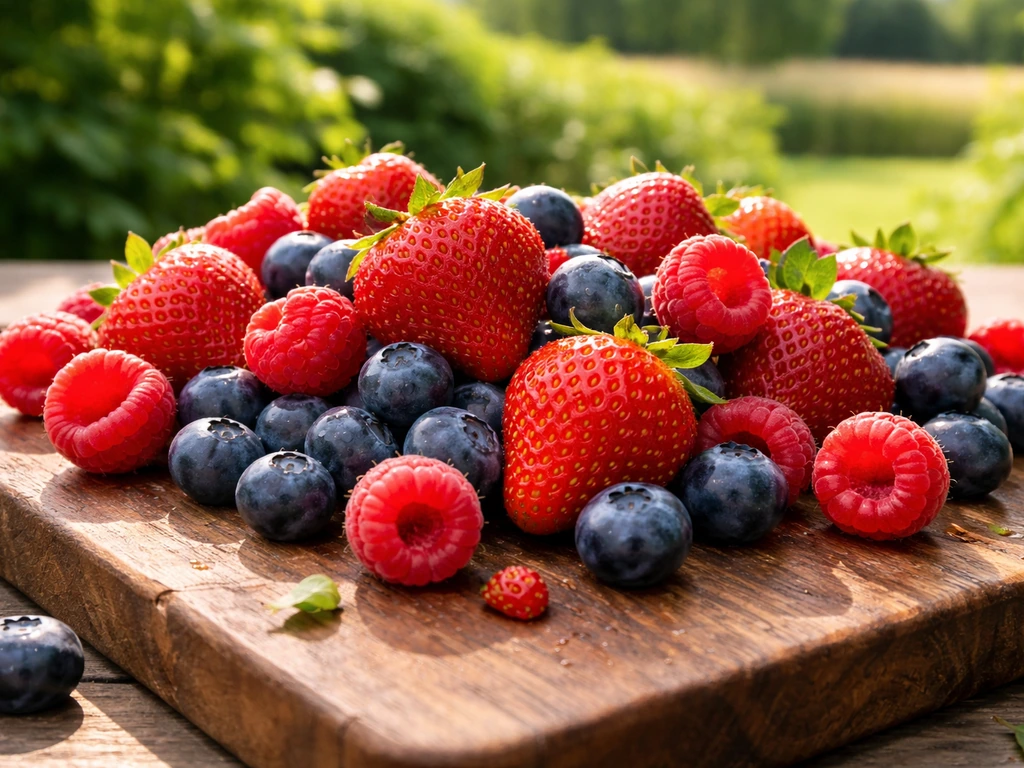
Wild berries in Michigan grow on their own terms. They've adapted to local soils, deer pressure, and hard winters without any help from you. Cultivated berries, on the other hand, are bred varieties selected for larger fruit, heavier yields, and specific ripening windows. The tradeoff is that cultivated types need more deliberate site prep, pH management, and ongoing care. If you're foraging, wild berries are everywhere and free. If you want a reliable, productive harvest from your own yard, go cultivated, but pay attention to variety selection because it makes a real difference in Michigan.
One common mistake I see is people assuming that because a berry grows wild in Michigan, it'll thrive anywhere in their yard. Wild blueberries, for example, grow in very specific acidic, often boggy or sandy environments. Planting a cultivated highbush blueberry in your average backyard loam without adjusting the soil pH first is a recipe for disappointment. Wild berries tell you what's possible in Michigan's climate, but they don't always translate directly to a standard garden bed.
Native wild berries to look for (and what habitats they prefer)
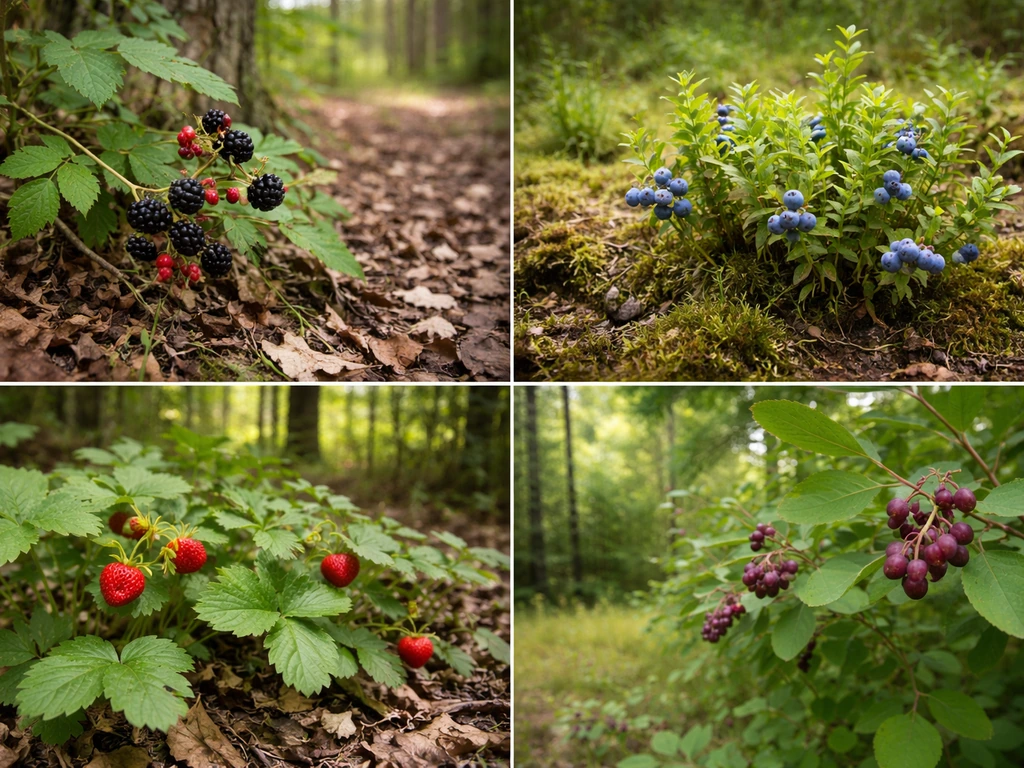
The Michigan DNR identifies brambles, blueberries, wild strawberries, and juneberries as the core forageable berries in the state. Each one has a preferred habitat, and knowing that helps you understand where to look and what those berries actually need to thrive.
| Berry | Growth Habit | Preferred Habitat | Fruit Timing |
|---|---|---|---|
| Wild Raspberry | Arching canes (bramble) | Forest edges, roadsides, disturbed areas | July |
| Wild Blackberry | Thorny arching/trailing canes | Old fields, sunny roadsides, woodland edges | August |
| Wild Blueberry (Lowbush) | Low spreading shrub | Sandy, acidic soils; open pine barrens, bogs | July–August |
| Wild Strawberry | Low groundcover with runners | Dry open fields, forest edges, sandy soils | June–early July |
| Juneberry (Serviceberry) | Multi-stemmed shrub or small tree | Forest edges, stream banks, dry upland woods | June |
Brambles (raspberries and blackberries) are opportunists. They love disturbed ground, field edges, and sunny roadsides. MSU Extension describes them as woody perennials with arching stems that root when they touch the ground, eventually forming dense thickets. If you've ever walked a Michigan trail in late summer, you've almost certainly brushed past a blackberry thicket. Juneberries ripen earliest of the bunch, usually in June, and are often overlooked because the fruit disappears fast, both to foragers and birds. Wild strawberries are tiny but intensely flavorful, found in dry, open areas with sandy or well-drained soils. Lowbush wild blueberries tend to grow in Michigan's sandy northern regions and the Upper Peninsula, often in acidic, open pine-forest environments.
Best berries for home gardens in Michigan (by location and use)
Michigan's geography matters here. Southwest Michigan has sandy glacial soils and a climate moderated by Lake Michigan, which is why that region hosts the majority of the state's commercial blueberry production. But across the Lower Peninsula and into the UP, most home gardeners can grow a solid mix of small fruits with the right variety choices.
Strawberries
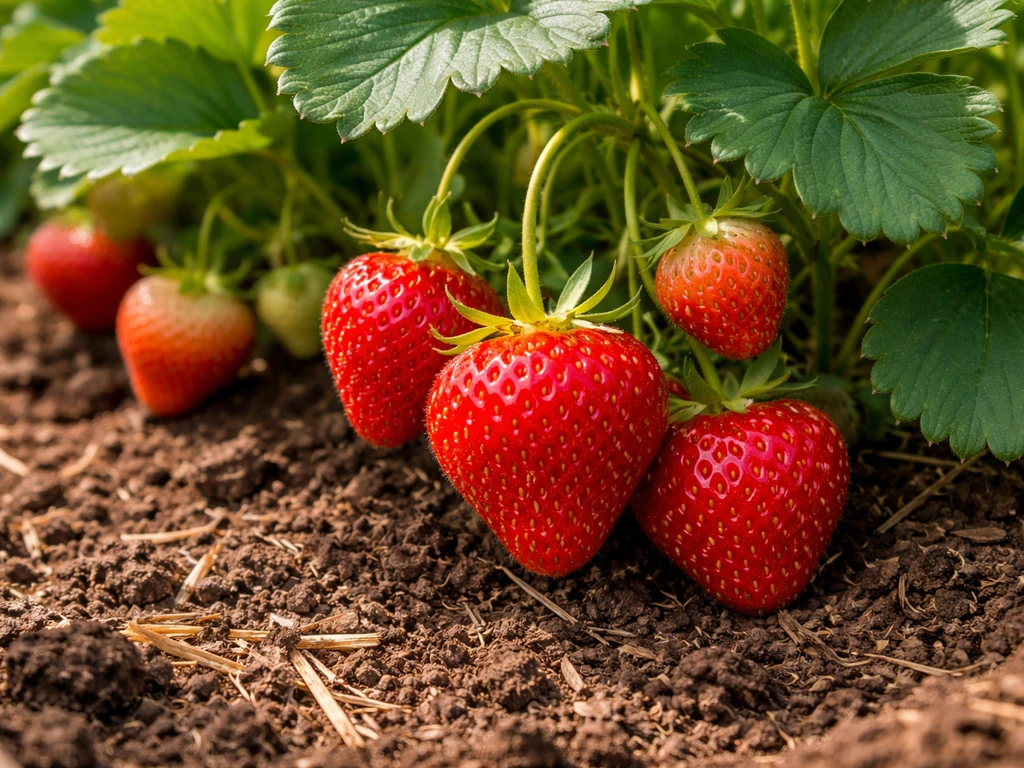
Strawberries are the easiest entry point for most Michigan gardeners. June-bearing types like 'Honeoye' and 'Allstar' produce a concentrated crop in mid-June through July. Everbearing varieties like 'Ozark Beauty' give you a smaller harvest but extend the season into September. If you have a sunny patch with decent drainage, strawberries will reward you the very first year, which is a refreshing contrast to the patience required for blueberries.
Raspberries
Raspberries are Michigan's most reliably productive backyard berry. Red raspberries ripen in July; everbearing types like 'Heritage' give you a second flush in late August through October. Black raspberries are also worth trying if you want something different. They're native to Michigan, intensely flavored, and handle dry summers better than reds. Purple raspberries split the difference between red and black and are underused by home growers.
Blueberries
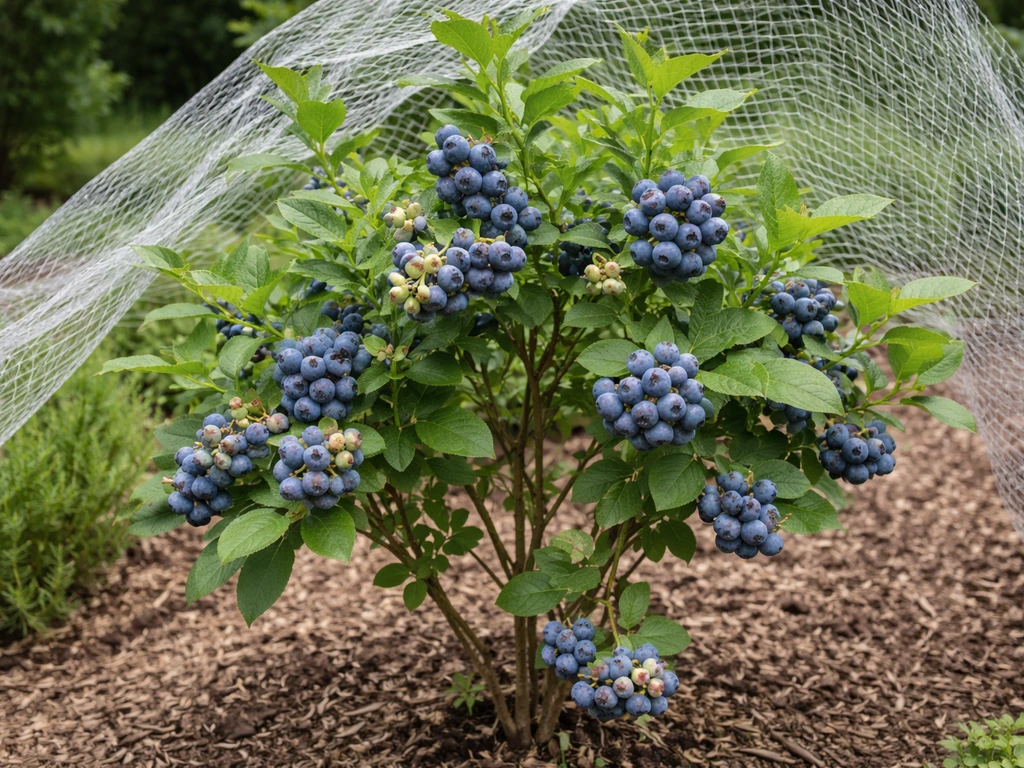
Northern highbush blueberries are the standard home-garden choice in Michigan, ripening mid-July through mid-September depending on variety. They're cold-hardy enough for most of the state, but they demand specific soil conditions. MSU Extension's blueberry variety guide (E3490) lists cultivar options with cold-hardiness and harvest timing notes. Plant at least two varieties for cross-pollination. Just be honest with yourself about the timeline: MSU Extension says don't expect a real harvest for 3 to 4 years, and full production takes 10 to 12 years. The plants live for decades, so it's worth it, but don't count on blueberry pie from your own yard this summer if you're planting now. If you're wondering what berries grow in spring, start by looking at early-season options like juneberries and wild strawberries, then plan the rest of your harvest calendar around blueberries blueberry pie.
Blackberries
Blackberries ripen August through mid-September and are vigorous growers that need firm management. Thornless varieties like 'Triple Crown' and 'Chester' make harvesting much more pleasant. They're slightly less winter-hardy than raspberries, so in the UP or northern Lower Peninsula, choose your site carefully or plan on some winter cane protection.
Currants and gooseberries
Currants and gooseberries are underrated in Michigan. They handle shade better than most small fruits, tolerate heavier soils, and are extremely cold-hardy. MSU Extension notes there's a historical policy context around currants related to white pine blister rust, so check current Michigan regulations before planting. Ribes (currants/gooseberries) are generally fine for home gardens today, but it's worth a quick confirmation depending on your county.
Quick comparison for choosing
| Berry | Years to First Harvest | Best Michigan Region | Difficulty | Season |
|---|---|---|---|---|
| Strawberry | 1 | Statewide | Easy | Mid-June – July |
| Raspberry (red) | 2 | Statewide | Easy–Moderate | July; Aug–Oct (everbearing) |
| Blueberry (highbush) | 3–4 (full: 10–12) | Southwest + most of LP | Moderate–Challenging | Mid-July – mid-Sep |
| Blackberry | 2 | Lower Peninsula | Moderate | August – mid-Sep |
| Currant / Gooseberry | 2–3 | Statewide (shade-tolerant) | Easy–Moderate | July–August |
How Michigan's climate affects berry choice
Michigan spans USDA hardiness zones roughly 4a through 6b, depending on where you are. Yes, berries can still survive winter in Michigan, but you need to choose varieties that match your local cold-hardiness zone and plan for winter protection when needed. The Upper Peninsula sits in zones 4a to 5a, the northern Lower Peninsula in zones 5a to 5b, and the southern Lower Peninsula and areas near the Great Lakes run into zone 6a and even 6b in spots. This range matters because berry plants have minimum cold-hardiness thresholds. MSU Extension offers a useful rule of thumb: most Michigan fruit crops should be able to handle about 0°F during a typical winter. Raspberries and currants handle zone 4 without complaint. Northern highbush blueberries are fine down to about -20°F in established plantings. Blackberries are the most cold-sensitive of the common options, so in zone 4 or 5 locations, thornless trailing types may need some protection.
Chilling hours are the other piece of the puzzle. Michigan fruit crops typically need somewhere between 700 and 1,300 chilling hours (hours between roughly 35 and 45°F). MSU Extension notes that endo-dormancy completion happens as early as January in southern Michigan and as late as late January in the north. Michigan almost always delivers enough chilling hours for small fruits, so this is less of a limiting factor here than it is in warmer states. If you're comparing notes with someone growing berries in Washington State, for example, their Pacific coastal climate delivers chill hours differently and they deal with much milder winters, which changes variety selection considerably.
The growing season length in Michigan varies by location. Southern Michigan often runs from late April frost dates through mid-October, giving roughly 150 to 170 frost-free days. The UP can be closer to 90 to 120 days in colder spots. For berries, the main impact is on late-season varieties: an everbearing raspberry or late-ripening blueberry variety may not finish its second crop before frost hits in northern Michigan. If you're aiming for the best what berries grow in autumn harvest, prioritize varieties that reliably set and ripen late in Michigan's growing season. Stick with earlier-ripening varieties if you're in the UP or zone 4 areas.
Where and how to plant each type
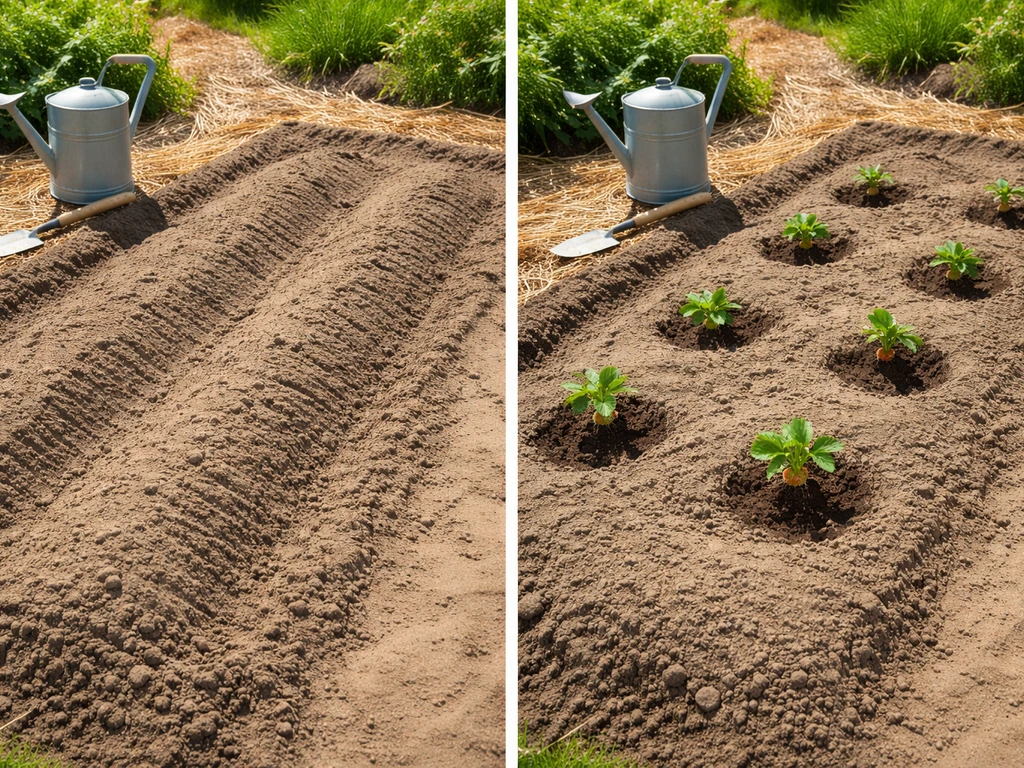
MSU Extension is consistent about one thing across all small fruits: at least 8 hours of direct sunlight is the baseline requirement. Light-textured, well-drained soils like sandy loams are ideal. Heavier clay soils can work if drainage is good, but they're problematic for blueberries almost regardless of drainage. Here's a practical breakdown by berry type:
Strawberries
- Soil pH: 6.0–7.0
- Sun: Full sun (8+ hours)
- Spacing: June-bearing types in matted rows 18 inches apart, rows 3–4 feet apart; everbearing in hills 12 inches apart
- Mulch: Straw mulch in fall for winter protection, remove in spring when growth starts
- Soil prep: Work in compost before planting; avoid sites where nightshades or strawberries grew in the last 3 years to reduce disease
Raspberries and blackberries
- Soil pH: 6.0–6.5
- Sun: Full sun; tolerates light afternoon shade but yields drop
- Spacing: Raspberries 2–3 feet apart in rows 8–10 feet apart; blackberries 3–4 feet apart
- Mulch: 3–4 inches of wood chips or straw to conserve moisture and suppress weeds
- Support: Install a trellis or post-and-wire system before planting; trying to retrofit one after canes are established is miserable
- Soil: Avoid waterlogged sites; brambles hate wet feet
Blueberries
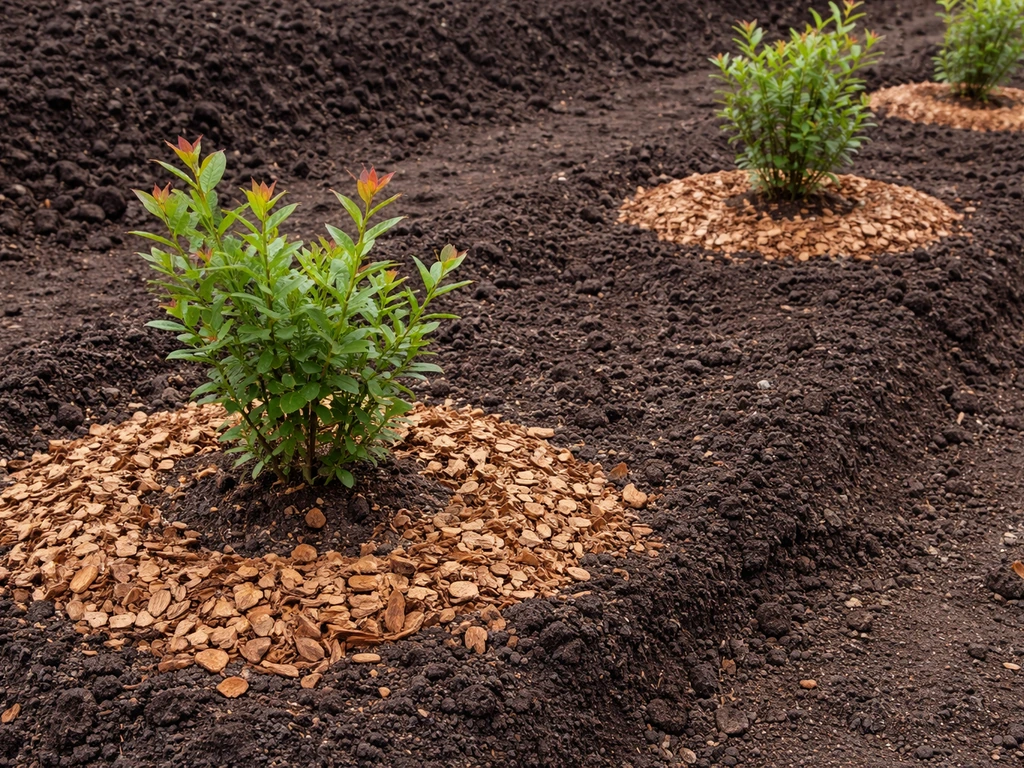
- Soil pH: 4.5–5.5 (this is non-negotiable)
- Sun: Full sun (8+ hours minimum)
- Spacing: Northern highbush 4–5 feet apart, rows 8–10 feet apart; plant at least 2 varieties for cross-pollination
- Soil: Sandy, well-drained, high in organic matter; southwest Michigan's native sandy soils are ideal; clay soils require raised beds
- Mulch: 4–6 inches of pine bark, wood chips, or sawdust to hold moisture and slowly acidify the soil
- pH adjustment: If your soil tests above 5.5, apply elemental sulfur well ahead of planting (at least 6 months); the rate depends on soil type, with sandy soils needing less than clay
- Water: Consistent moisture especially during fruit development; drip irrigation is worth it
Currants and gooseberries
- Soil pH: 6.0–6.5
- Sun: Full sun to partial shade (one of the few berry crops that tolerates partial shade)
- Spacing: 4–5 feet apart
- Mulch: 3–4 inches of compost or wood chips
- Soil: Tolerates heavier, moister soils better than most berry crops
Container and small-space berry growing in Michigan
You don't need a big yard to grow berries in Michigan. Containers work well for several types, and in some cases, like with blueberries, containers let you dial in the soil conditions precisely rather than fighting your native soil pH.
Blueberries in containers are genuinely practical for Michigan. Use a 15 to 20 gallon pot (bigger is better for cold hardiness), fill it with a mix of peat moss, perlite, and acidic potting mix, and target that pH 4.5 to 5.5 range from the start. The upside is complete pH control. The downside is that containerized blueberries are more vulnerable to freeze-thaw cycles in winter: the roots don't have the insulation of being in the ground. Move them to an unheated garage or shed once they're dormant in late fall and bring them back out in early spring.
Strawberries are probably the best container berry overall. They grow happily in hanging baskets, strawberry pots, window boxes, or raised planters. Use a quality potting mix, keep them well-watered (containers dry out fast in Michigan summers), and they'll produce first year. Everbearing varieties are especially satisfying in containers because you get small flushes of berries through the whole warm season rather than one big crop.
Raspberries can be grown in large containers (20+ gallons) but need staking. They're more work to manage this way and don't produce as heavily as in-ground plantings. If space is the constraint, a 4-foot-wide raised bed along a fence works better than a pot for raspberries. Currants are a solid container option and handle the soil and watering demands more forgivingly than blueberries or brambles.
Getting started: buying plants and what to do first
If you're planting this summer, early July is actually a fine time to get strawberry runners or potted berry plants established, as long as you're ready to water consistently until fall rains take over. For bare-root plants (which are cheaper and often better quality), the ideal window is May when the soil is workable and dry enough. MSU Extension recommends opening bare-root packages immediately on arrival, checking that roots are moist, keeping them shaded and damp if you can't plant same-day, and getting them in the ground as soon as possible.
For sourcing, Michigan has several good options. Local nurseries and garden centers stock Michigan-appropriate varieties and usually have them in stock by early May. MSU Extension's campus and regional offices sometimes host plant sales. Online nurseries ship bare-root plants in spring; look for specialists in small fruits like Stark Brothers, Nourse Farms, or Raintree Nursery. When buying blueberries especially, look for named northern highbush varieties suited to Michigan, and buy two different varieties for cross-pollination.
Practical care checklist
- Soil test first: Get a soil test through MSU Extension before you plant anything, especially blueberries. It tells you your pH and what amendments you need.
- Amend pH early: If planting blueberries in non-sandy soil, apply elemental sulfur at least 6 months before planting to bring pH down to 4.5–5.5.
- Choose the right variety: Match variety to your zone. For blueberries, use northern highbush. For raspberries, 'Heritage' or 'Caroline' work statewide. For strawberries, 'Honeoye' is a reliable June-bearer across Michigan.
- Plant in full sun: 8 or more hours of direct sun daily. This is the single biggest factor after soil pH.
- Mulch at planting: Apply 3–4 inches (6 inches for blueberries) of mulch immediately after planting to hold moisture and suppress weeds.
- Water consistently the first season: New plantings need about 1 inch of water per week. Deep, infrequent watering beats daily shallow watering.
- Remove blossoms the first year (blueberries and strawberries): It feels counterintuitive, but pinching flowers the first year directs energy into root development and pays off with bigger harvests in year two and beyond.
- Watch for spotted wing Drosophila (SWD): This pest is a serious problem for raspberries and blueberries in Michigan according to MSU Extension. Start monitoring with traps when fruit begins to color and act quickly if you catch adults.
- Winter protection: Mulch strawberry beds with straw in late November, before hard freezes. Mound soil or sawdust around blueberry crowns in northern zones. Tie raspberry canes loosely and consider burying trailing blackberry canes in zone 5 and colder.
- Plan for the long game with blueberries: Mark your calendar. No real harvest for 3–4 years, but the plants will outlive your garden plans by decades if you get the soil right.
If you're just getting started and want to pick something that will produce this year or next, go with strawberries and red raspberries. They're forgiving, productive quickly, and give you immediate feedback on your site conditions. Add blueberries once you've done the soil work, and think of them as a long-term investment rather than a quick win. If you're wondering whether places like Knott's Berry Farm still grow berries, the short answer is yes, they remain actively planted and harvested. Michigan's climate gives you all the chilling hours and growing-season length you need. The main variables are soil prep, sun, and variety choice, and all three are well within your control.
FAQ
What berries grow in Michigan if my yard is shady or has partial shade?
Look hardest at currants and gooseberries, they tolerate more shade than most small fruits. Also consider raspberries in morning-sun spots, but expect fewer berries and slower ripening if the shade is heavy. For blueberries, shade usually worsens already-problematic soil pH needs, so plan on soil testing or skip blueberries unless you can correct acidity.
Can I plant wild berries from the woods, or should I buy cultivated varieties?
You can transplant some brambles, but success is inconsistent and foraging plants are often stressed by digging. Cultivated varieties are more predictable for yield and ripening, especially for strawberries and blueberries. If you want the easiest path, buy named varieties from local nurseries and match them to your soil and sun, then leave wild populations where they are.
Which berries grow in Michigan best for the fastest first harvest?
Strawberries are usually the quickest payoff, especially with established plants, and you can often see fruit in the first growing year. Red raspberries are also typically productive sooner than blueberries because blueberries need multiple years to ramp up production. If your goal is a late-season crop, choose varieties known for earlier or more reliable second-crop ripening in Michigan’s frost window.
How do I choose between juneberries (serviceberry) and wild strawberries for spring foraging?
Juneberries ripen earlier and fruit is short-lived, so check timing and be ready to harvest quickly. Wild strawberries are usually tied to dry, open, well-drained spots and can be scattered, so scanning and patient searching matters more than finding one big patch.
What berries grow in Michigan well in sandy soil, and what should I avoid there?
Sandy soils generally suit wild and cultivated strawberries and many blueberry setups, but blueberries still require acidic pH (and usually consistent moisture). Avoid assuming all berries will tolerate sand equally, raspberries and blackberries still need moisture, and clay-free ground does not automatically guarantee good yields without mulch and irrigation.
What berries grow in Michigan that can handle wet areas or poor drainage?
If you have truly wet edges, blueberries can be a fit if you recreate the right acidic, moisture-holding conditions, but containerless setups still require careful spacing and monitoring to prevent rot. Brambles and strawberries usually dislike waterlogged roots, so if you see standing water after rain, prioritize raised beds for them.
Do I need multiple plants, and which berries require cross-pollination?
Blueberries typically benefit from having at least two different varieties for better fruit set, and this also helps stabilize yields across weather swings. Strawberries and most raspberries are less dependent on cross-pairing, but good pollinator activity still matters, so avoid planting in areas that block bees during bloom.
How much winter protection do berries need in Michigan’s colder zones?
Blackberries are the most cold-sensitive of the common options, so in zone 4 to 5 areas plan for cane protection (like sheltering canes or using a winter cover system). Containers are the bigger risk than in-ground planting for blueberries because freeze-thaw cycles can damage roots, so you’ll want a protected, unheated location while dormant.
If I’m planting blueberries, what’s the biggest mistake besides forgetting soil pH?
Most failures are also about mixing blueberry beds with typical gardening amendments, like lime or compost that shifts pH over time. Use dedicated acidic soil/potting media for containers, recheck pH periodically, and keep the root zone evenly moist, not soggy.
Can I grow berries in containers in Michigan year-round?
Some berries can live in containers, but year-round outdoor overwintering is risky for blueberries and can stress other small fruits. For blueberries in particular, plan to move pots to an unheated garage or shed once dormant, then bring them back out early spring. Strawberries in containers are usually easier, but you still need reliable watering because pots dry out fast.
When should I plant berries in Michigan for best results?
If you want the highest chance of establishment, aim for spring planting with bare-root plants (often best as soon as soil is workable). Summer planting can work for potted plants or runners, but the success factor is consistent watering through hot weeks until fall rains resume.
Are deer a problem for berry plants in Michigan, and how can I reduce damage?
Yes, deer pressure is common, especially for tender new growth and ripe fruit. The most effective practical step is physical exclusion (fencing or netting) around beds, then use plant spacing and avoid leaving attractants like fallen fruit on the ground to reduce repeat visits.
What berries grow in Michigan that are easiest to manage if I don’t want thickets?
Choose strawberries or currants if you want less aggressive spreading. Brambles (raspberries and blackberries) root at the tips and can form dense thickets, so if you plant them, plan on trellising and regular cane management from day one.
What’s a good berry plan if I want fruit across multiple seasons (spring through fall) in Michigan?
A simple strategy is juneberries or wild strawberries for spring interest, strawberries and early raspberries for mid-season, then blueberries and late-ripening raspberries or blackberries to extend the harvest. Pick varieties that are known to ripen early enough for your frost-free days, especially in the Upper Peninsula.