
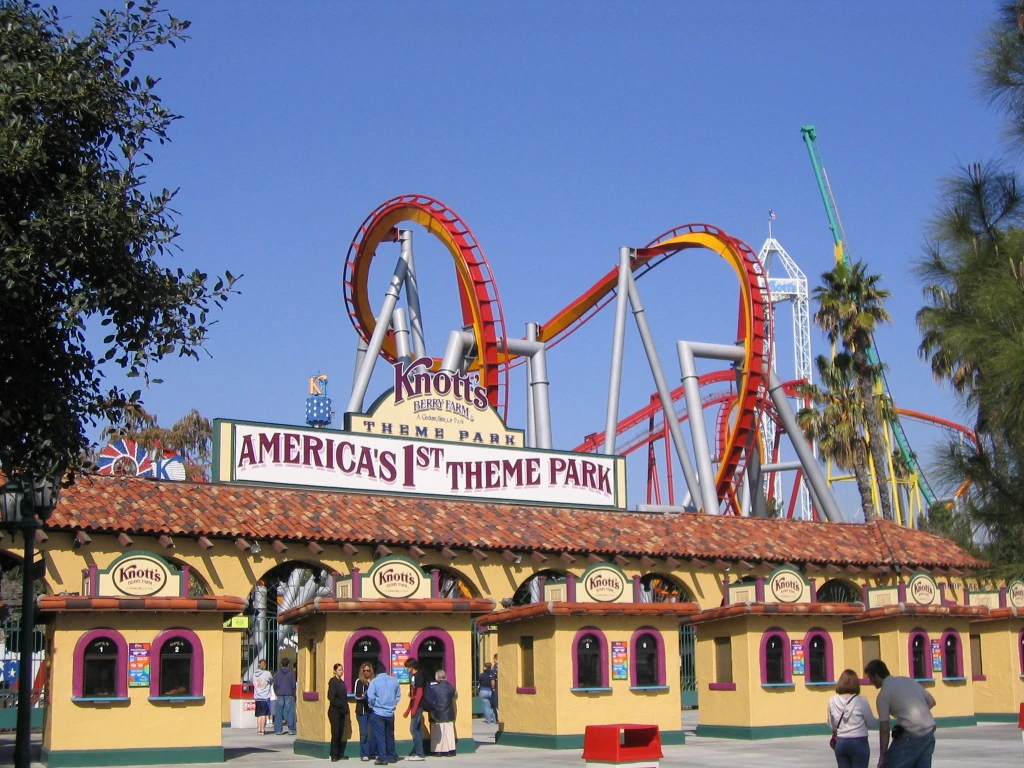
As of July 2026, Knott's Berry Farm does not appear to run active, commercial-scale berry cultivation on-site. The 'Berry Farm' name is mostly a heritage brand at this point. The park leans heavily into boysenberry as a flavor identity, especially during the annual Boysenberry Festival each spring, but the official park pages, dining menus, and event marketing all treat boysenberry as a food ingredient and theme rather than an ongoing farm crop. Knott’s Berry Farm’s official event page for the Boysenberry Festival describes it as a spring food-and-drink festival focused on guest offerings Boysenberry Festival each spring. That said, there is real evidence that boysenberry vines and plants are physically present in the park, particularly along Boysenberry Lane near the Gold Mine Trail area during festival season, where guests have bought live plants in recent years. So it's complicated: not a working farm in the agricultural sense, but not purely decorative either.
Does Knott’s Berry Farm Still Grow Berries Today?
What berries are actually at Knott's, and where
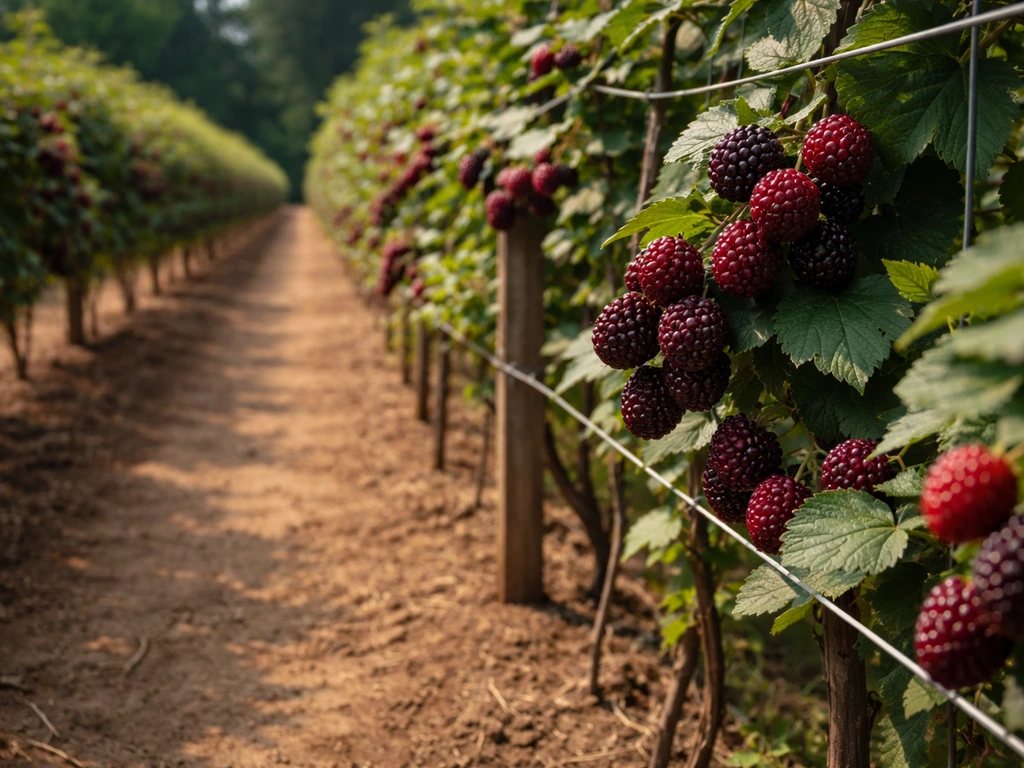
The boysenberry is the star, and that makes historical sense. Knott's Berry Farm started in the 1920s and 1930s when Walter Knott helped popularize the boysenberry, a hybrid of blackberry, raspberry, loganberry, and European raspberry. The park has always used that heritage as its identity. Today, boysenberry shows up on almost every menu during spring festival season, from boysenberry sauce on funnel cakes to specialty drinks and limited merchandise.
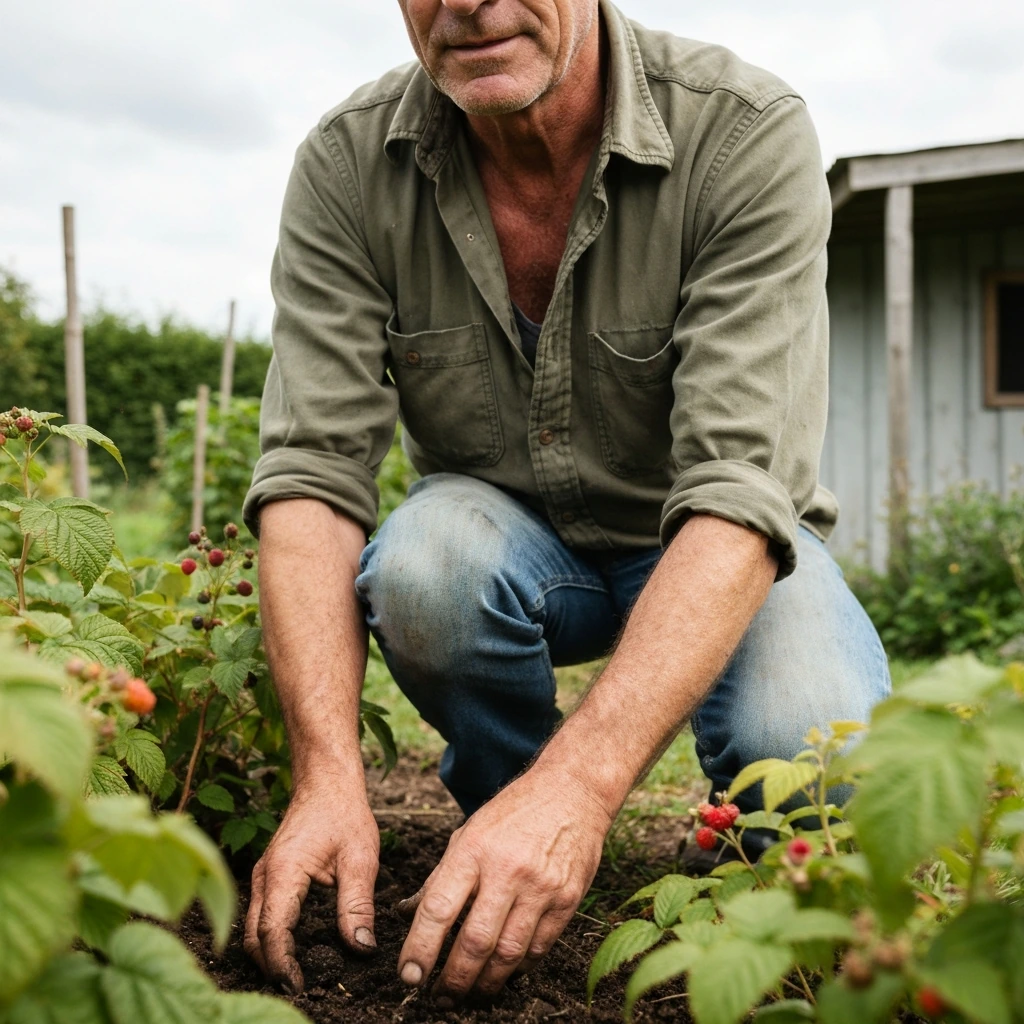
The most current, ground-level evidence of actual plants on-site comes from recent Reddit posts from guests who visited during the Boysenberry Festival and found live boysenberry plants for sale along Boysenberry Lane and the Gold Mine Trail area. These weren't harvested crops being sold at a farm stand; they were potted plants available to take home. Whether those plants are grown on-site or sourced from a nursery supplier isn't confirmed. The park's official FAQ and dining pages say nothing about active cultivation. The 2026 LA Times coverage of the Boysenberry Festival focused entirely on the food offerings, not on a berry harvest.
Outside of boysenberries, there's no reliable current reporting of strawberries, raspberries, or blackberries being grown as crops at the park. If you're wondering what berries grow in spring where you live, focus on the varieties that fruit during your local season and match them to your climate. Historically, strawberries were part of the original farm operation, but nothing on the official site or in recent guest reporting suggests that's still happening at any scale.
How to confirm what's happening today
Because park conditions and seasonal programming change, the best move is to verify directly rather than rely on a website article, including this one. Here's how to get a current, reliable answer:
- Call the park's guest services line directly. Knott's Berry Farm has a phone assistance line listed through their Help and FAQ pages. Ask specifically: 'Does the park currently grow boysenberries or any edible berry crops on-site, and are there any active farm areas guests can visit?'
- Contact the Knott's Media Center if you want a more detailed or official answer. Their PR team handles timely park information and is the right route for confirming agricultural programming specifics.
- Visit Boysenberry Lane and the Gold Mine Trail area in person, especially during or just after festival season (typically spring). Look for planted vines, signage about the growing history, or active plant sales.
- Check the Boysenberry Festival event page before visiting. The schedule and descriptions often hint at whether any garden or farm components are included in the experience that year.
- Ask park staff directly on-site. Employees stationed near Ghost Town or the Boysenberry Lane area are your best bet for current, accurate ground-level information about any plants or growing displays.
The growing conditions Knott's has, and what that tells you about boysenberries
Knott's Berry Farm is located in Buena Park, California, in Orange County. That's a Mediterranean climate with mild, wet winters and long, dry summers. If you want to know what berries grow in autumn, start by matching the berry type to the local climate and hardiness zone Mediterranean climate. The USDA hardiness zone is roughly 10a to 10b, with very few frost days and summer temperatures that regularly hit the mid-80s to low 90s Fahrenheit. It rarely freezes, irrigation is essential because summers are bone-dry, and the soil in that region tends to be sandy to loamy with decent drainage.
Boysenberries thrive in conditions similar to that, which is partly why the Knott family had such success there. They prefer full sun (at least 6 to 8 hours daily), well-drained soil with a pH between 5.5 and 7.0, and consistent moisture during the growing season without waterlogging. They're semi-trailing vines that need support, typically a trellis or wire system, and they produce fruit on second-year canes (called floricanes), which means patience is required in the first season.
If you're gardening in a climate far removed from Southern California, that's not necessarily a dealbreaker for boysenberries, but you do need to think about a few adjustments. Boysenberries are hardy to about USDA Zone 5 or 6, so they can handle cold winters as long as you give them winter protection in the harshest zones. Unlike the pure blackberry (which tends to be more cold-tolerant) or raspberry (which tolerates wetter, cooler conditions), boysenberries sit in the middle: they want warmth, they dislike prolonged frost, and they really struggle in humid, poorly draining soils. Growers in the Pacific Northwest, Michigan, or Wyoming will want to choose a sheltered, south-facing spot and amend clay-heavy soils aggressively.
Growing boysenberries (and similar hybrids) at home
Soil and site setup
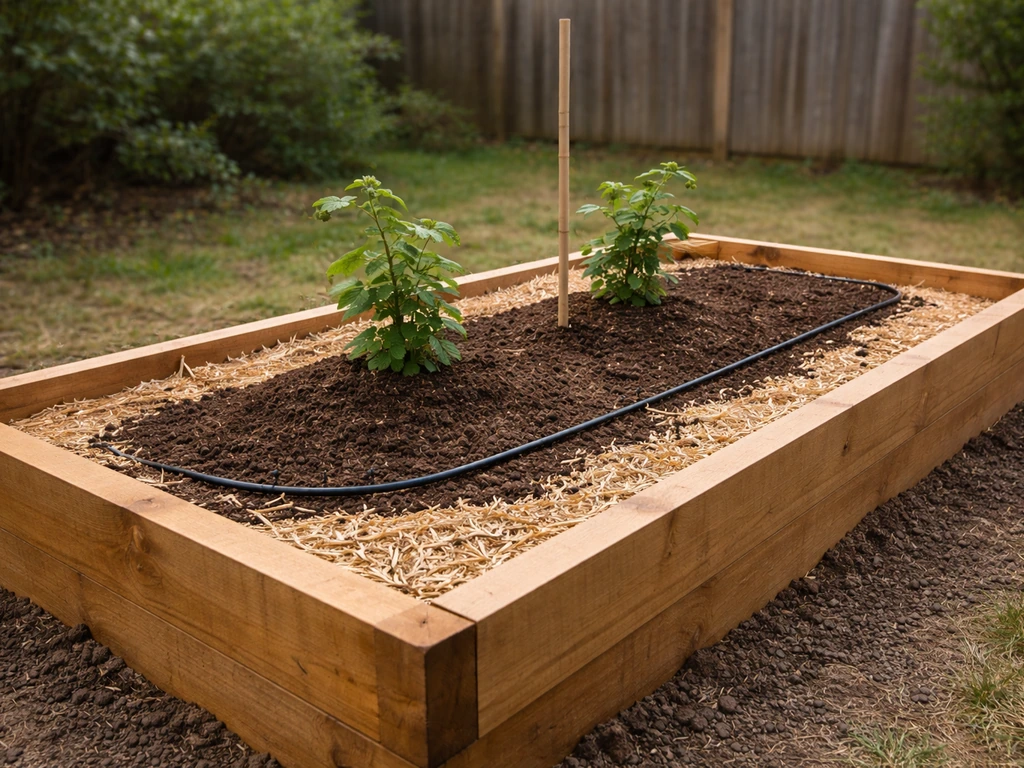
Start with drainage. Boysenberries will rot at the crown if they sit in waterlogged soil, so if your ground compacts or pools after rain, raise your beds by at least 8 to 12 inches or build a proper raised row. Aim for a soil mix that's about 60 percent loam or garden soil, 30 percent compost, and 10 percent coarse sand or perlite. Work in sulfur or pine bark if your pH tests above 7.0, and test before you plant rather than guessing.
Sun and trellis
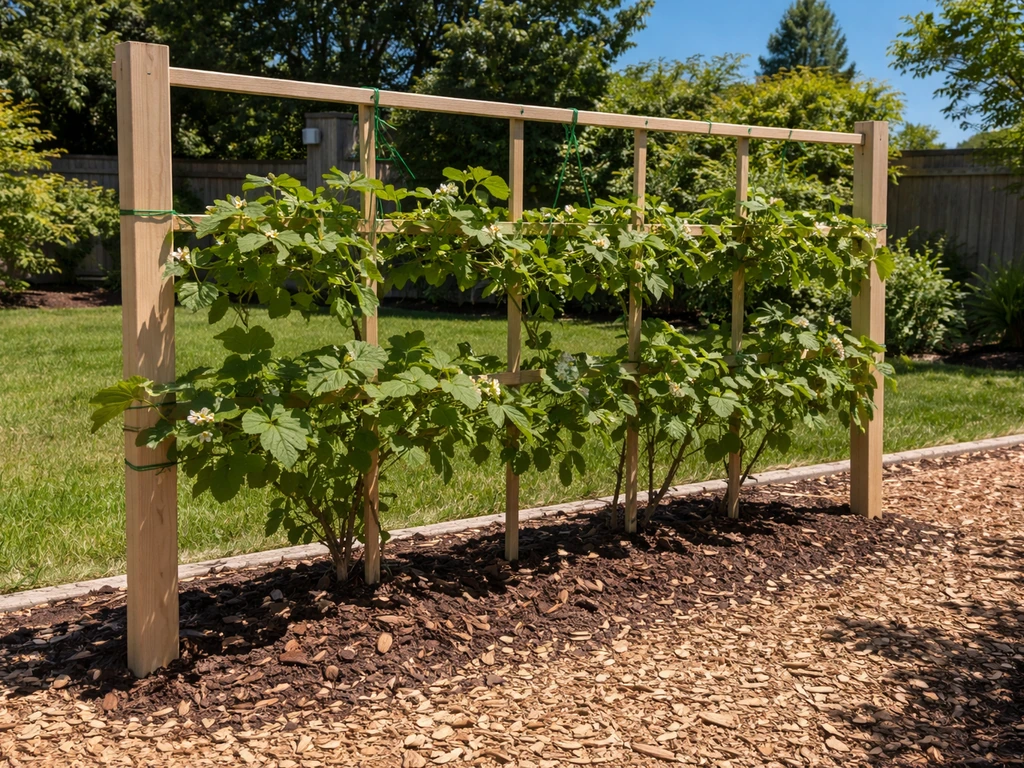
Full sun is non-negotiable. I've tried boysenberries in a spot with afternoon shade and got foliage but almost no fruit in year two. Pick your sunniest bed. For trellising, a two-wire system works well: one wire at about 3 feet and one at 5 to 6 feet, supported by sturdy posts every 8 to 10 feet. Fan the canes out along the wires rather than letting them sprawl. This improves airflow, which reduces fungal issues, and makes harvest much easier.
Watering and feeding
Drip irrigation is ideal because it keeps moisture consistent at the root zone without wetting foliage. During the growing season, boysenberries want roughly 1 to 1.5 inches of water per week. In hot, dry climates like Southern California or similar zones, you may need to water every 2 to 3 days in summer. Feed with a balanced fertilizer (10-10-10 or similar) in early spring when new growth starts, then switch to a lower-nitrogen option after flowering to encourage fruit development rather than leafy growth.
Pruning and the two-year cane cycle
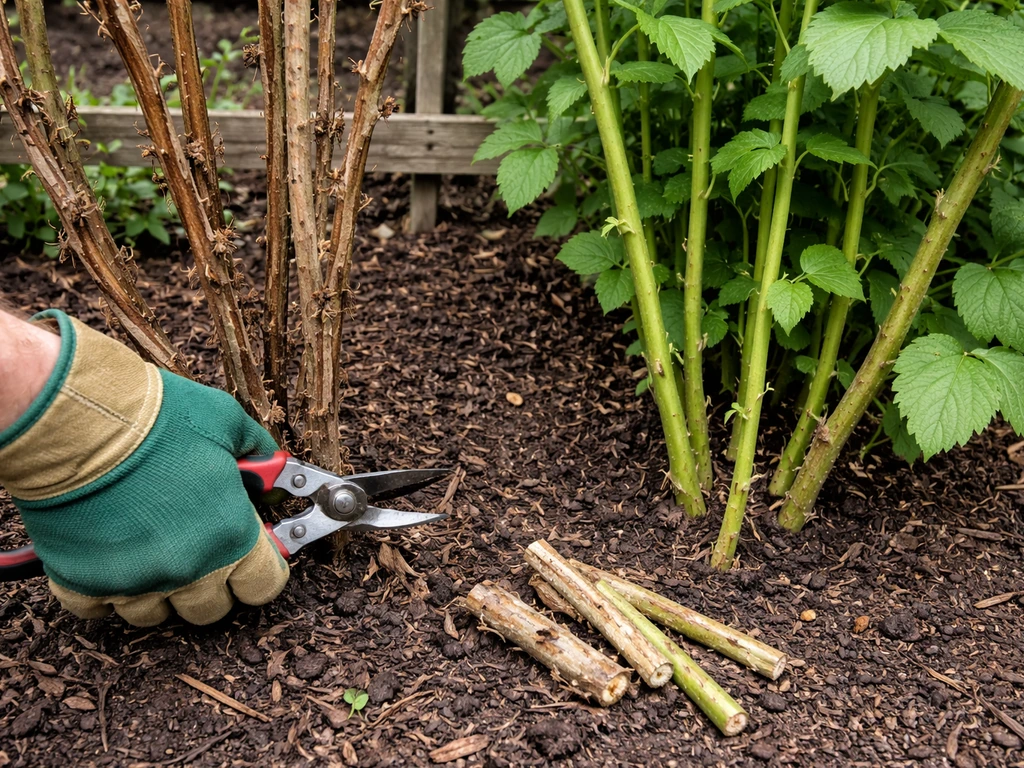
This is where a lot of first-timers get confused. Boysenberries fruit on second-year wood (floricanes). The canes that grew last year will fruit this year, then die. After harvest, cut those fruited canes down to the ground and keep the new green canes (primocanes) that grew this season, because those will be your crop next year. Tie them to the trellis in late summer and they'll be ready to flower and fruit the following spring. It sounds complicated, but once you've done it one season it becomes obvious which canes to cut.
Container and small-space options
Boysenberries can be grown in containers, though they won't produce as heavily as in-ground plants. You need a large pot, at least 15 to 20 gallons, and you'll still need a compact trellis or cage system. The key challenge in containers is moisture: pots dry out faster than garden beds, so you may need to water every day in summer heat. Use a premium potting mix with added compost and a slow-release fertilizer worked into the soil at planting.
If you're limited on space and want something more manageable, consider thornless blackberry varieties like 'Triple Crown' or 'Navaho,' which behave similarly to boysenberries, tolerate containers reasonably well, and are widely available from nurseries. Raspberries in everbearing varieties like 'Heritage' or 'Caroline' also adapt well to containers and produce fruit in their first year on fall-bearing canes, so you don't wait two full seasons for a harvest. These are worth knowing about if you can't find boysenberry plants locally or if your climate skews cooler and wetter than Southern California's, as raspberries handle those conditions much better.
| Berry | Container-friendly | USDA Zones | Sun needs | Key challenge |
|---|---|---|---|---|
| Boysenberry | Yes, with 15-20 gal pot | 5-10 | Full sun (6-8 hrs) | Two-year cane cycle; drought-sensitive in pots |
| Thornless Blackberry | Yes, with 15-20 gal pot | 5-9 | Full sun (6-8 hrs) | Vigorous growth, needs strong trellis |
| Everbearing Raspberry | Yes, with 10-15 gal pot | 3-9 | Full sun to part shade | Needs cold dormancy; struggles in Zone 9+ |
| Strawberry | Excellent, 6-12 inch pots | 3-10 | Full sun (6+ hrs) | Short productive lifespan per plant; needs renewal |
Buying boysenberry plants: what to look for
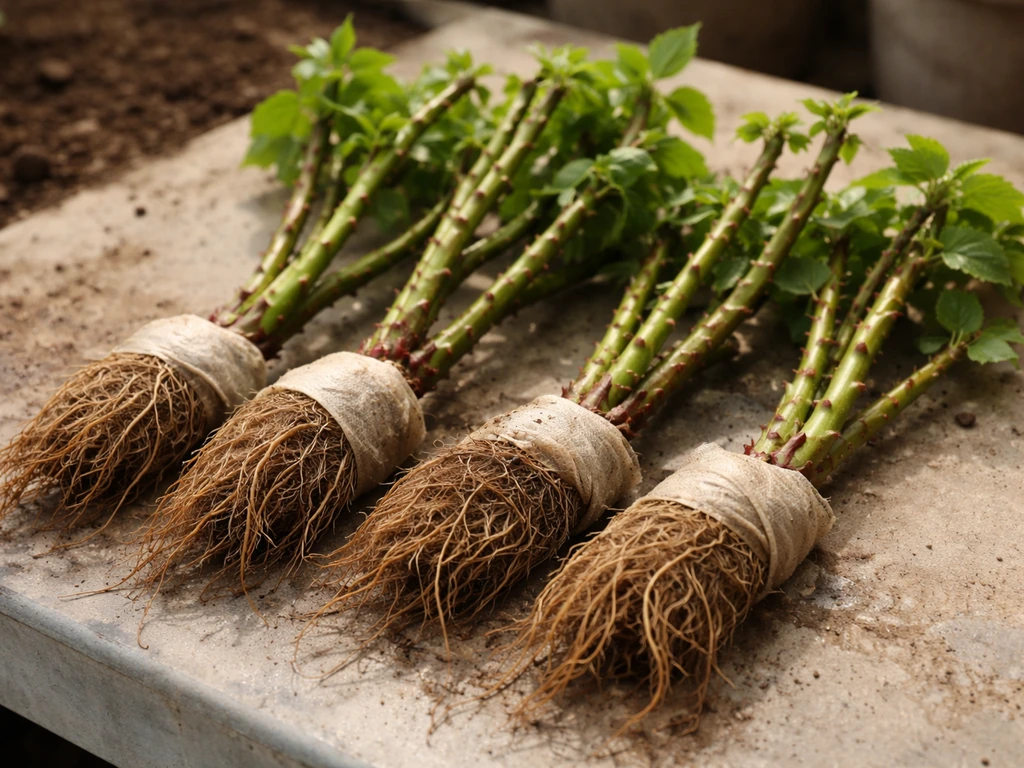
Boysenberry plants aren't as widely stocked as strawberries or raspberries, but they're findable. If you're in Southern California, you may actually be able to pick up plants at Knott's during the Boysenberry Festival, based on what recent guests have reported. For everyone else, look for bare-root or potted plants from specialty mail-order nurseries in late winter to early spring. 'Thornless Boysenberry' is the variety to look for if you want easier picking, and it's the most commonly sold type. If you strike out, loganberries and marionberries are closely related hybrids with a similar flavor profile and are sometimes easier to source depending on your region. If you are specifically trying to figure out what berries grow in Wyoming, focus on cold-hardy species like raspberries and certain types of blackberries that do well in that climate.
Does your region work for these berries?
The Pacific Northwest is actually one of the best regions outside of Southern California for boysenberries and their relatives, thanks to mild summers, moderate rainfall, and well-established berry-farming culture. Washington State growers in particular have strong options with boysenberries, marionberries, and loganberries. If you're wondering what berries grow in Washington State, the Pacific Northwest climate can support several close relatives of boysenberry Washington State growers. Colder inland climates like Michigan or Wyoming can grow boysenberries with extra winter protection (mulching crowns heavily after dormancy), but you'll see better reliability with cold-hardy blackberry or raspberry varieties in those zones. Spring-bearing berries generally do best when they get a proper cold dormancy period, so warm-winter climates in Zone 9 and above should look for low-chill varieties specifically bred for mild winters.
Whatever your climate, the core principle is the same as what made Knott's Berry Farm work in the first place: match the berry to your conditions rather than fighting your soil and weather. If you're wondering what berries grow in Michigan, focus on varieties that handle colder winters and shorter growing seasons. If your region skews wet and acidic, lean into raspberries and blueberries. If you have dry summers and good drainage, boysenberries and blackberries are your best bet. Start with one variety, get the trellis and soil right in year one, and by year two you'll have a much better sense of what's working before you expand.
FAQ
If I visit during the Boysenberry Festival, will I be able to see berries being harvested on-site?
Not usually. The park’s current “berry” presentation is primarily food, festivals, and heritage branding, so a berry stand experience during Boysenberry Festival is more likely to be themed retail than an active farm harvest. If you see potted plants for sale, that still does not prove the vines were grown on-site, because they could come from a nursery.
How can there be live boysenberry plants for sale if Knott’s isn’t actively growing berries?
Yes, live plants can still appear even if the park is not running a working commercial crop. For example, guests have reported finding live boysenberry plants for sale near Boysenberry Lane, but the key detail is that potted plants for take-home do not confirm ongoing acreage cultivation by the park itself.
Can I assume Knott’s sells berries that are grown on their property?
There is no clear, official claim in the park’s own materials in the article that it still produces berries as a crop year-round. So if your goal is to buy or observe “farm-grown” berries from Knott’s, treat it as unverified unless you get confirmation from the park directly (phone or customer service) closer to your planned visit.
What should I conclude for my home garden if Knott’s doesn’t farm berries commercially anymore?
If you are deciding between boysenberries and other berries for home gardening based on Knott’s, use their described conditions as a guide: full sun, excellent drainage, and avoidance of waterlogged soil. Then apply your local rainfall pattern and frost risk. In particular, if you have humid summers or heavy clay, you may get more reliable results with raspberries or other berries mentioned as better fits for wetter conditions.
Do they still grow strawberries, raspberries, or blackberries on-site?
If your question is strictly “What berries are grown on-site now,” the article says the only reliable, current on-site evidence is for boysenberry plants being physically present around festival areas, while strawberries, raspberries, and blackberries have no dependable current reports of being grown as crops. For anything outside boysenberry, you should not assume cultivation is happening.
If I buy a live boysenberry plant at Knott’s, how can I tell if it was grown by the park versus sourced elsewhere?
Because the article notes uncertainty about plant sourcing, the practical next step is to ask the event staff or the booth seller two questions: whether the plants are propagated locally or sourced from a nursery, and whether they are grown in Knott’s own beds. If they cannot answer, consider the plants “available at Knott’s,” not definitively “grown by Knott’s.”
Why does Knott’s “Berry Farm” feel more like a theme park than a working farm?
The most common confusion is expecting the park to behave like a produce farm where you can walk rows and see harvesting every day. The article frames the “farm” as heritage and theme, so treat on-site berry visuals as seasonal and marketing-driven, especially around spring festival timing.
What’s the most common mistake people make when trying to grow boysenberries like Knott’s?
For home planting, assume boysenberries fruit on second-year canes and follow the cutback logic described (remove canes after harvest, keep new canes for next year). If you skip that, you can end up with a lot of leafy growth but little fruit, which is one of the biggest first-timer mistakes tied to the cane age cycle.
I live in a wetter or colder area, what should I change in my berry plan compared with Knott’s conditions?
If you are outside Southern California, the article stresses climate match, but a practical decision point is this: if you have wet, poorly draining soil or frequent summer humidity, prioritize berries that tolerate those conditions better. Boysenberries can struggle there due to crown rot risk, so your best “Plan B” is raspberries in everbearing types or better-draining alternatives.
When is the best time to contact Knott’s to verify whether they are growing berries on-site?
If you’re trying to confirm the park’s current cultivation status for a specific trip, the article’s recommendation is to verify directly rather than rely on a single website update. The best timing to ask is during or just before Boysenberry Festival, since that is when the most visible boysenberry-related activity and sales occur.