
Mulberry trees grow across a huge swath of the US, from the humid Southeast all the way up through the Midwest and into parts of the Northeast and Pacific Northwest. The native red mulberry covers roughly Zones 4 through 9 in the eastern half of the country, while the non-native white mulberry has spread so widely it now shows up in almost every state. Mulberry trees naturally grow best in parts of the eastern United States where winters are mild enough for fruiting where do mulberry bushes grow. If you're in Zones 5 through 9, you can almost certainly grow at least one type of mulberry in your yard without much fuss. Outside that sweet spot, it's still doable with the right cultivar or a little extra planning.
Where Do Mulberries Grow in the US? Regions and Tips
Marcus Holloway
7 Jun 2026
Mulberry types you might mean in the US
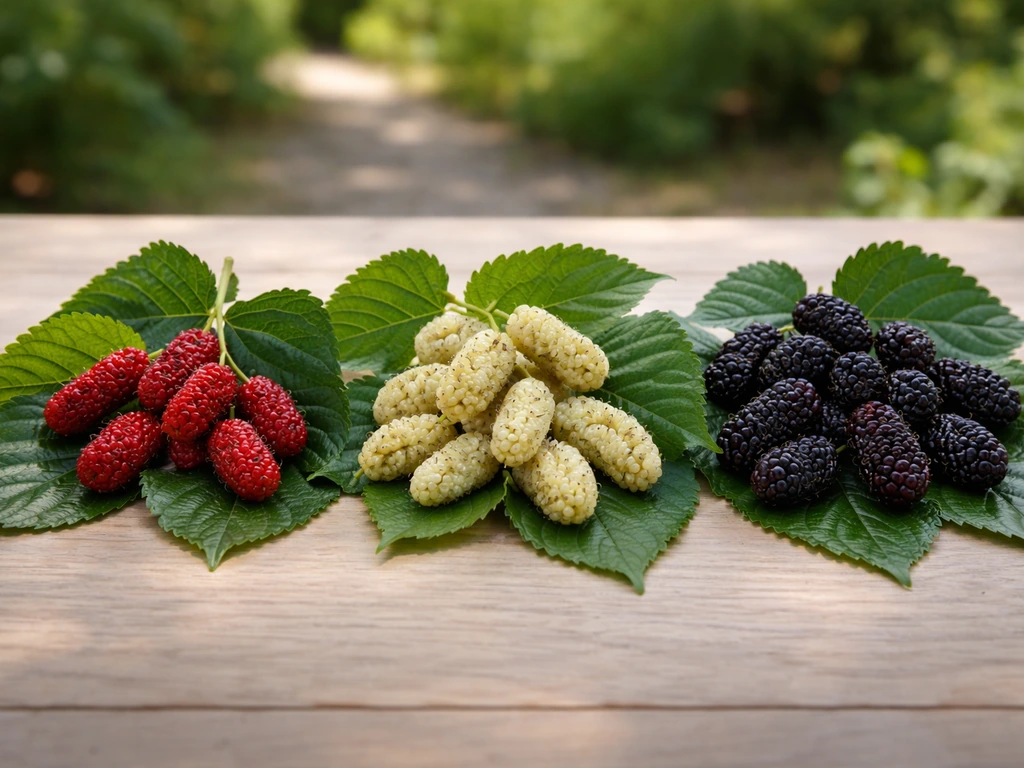
Before getting into regions, it helps to know which mulberry you're dealing with, because they don't all behave the same way or grow in the same places.
| Type | Scientific Name | Origin | USDA Zones | Key Trait |
|---|---|---|---|---|
| Red mulberry | Morus rubra | Native to eastern US | 4 to 8 (sometimes 9) | Most common native; prefers moist lowlands |
| White mulberry | Morus alba | Native to China, naturalized in US | 3B to 9 | Extremely cold-hardy and adaptable; invasive in many areas |
| Black mulberry | Morus nigra | Native to western Asia | 6 to 9 | Best flavor but least cold-hardy |
| Paper mulberry | Broussonetia papyrifera | Native to Asia, naturalized in US | 7a to 11 | Not a true mulberry but related; more of a Southeast/South tree |
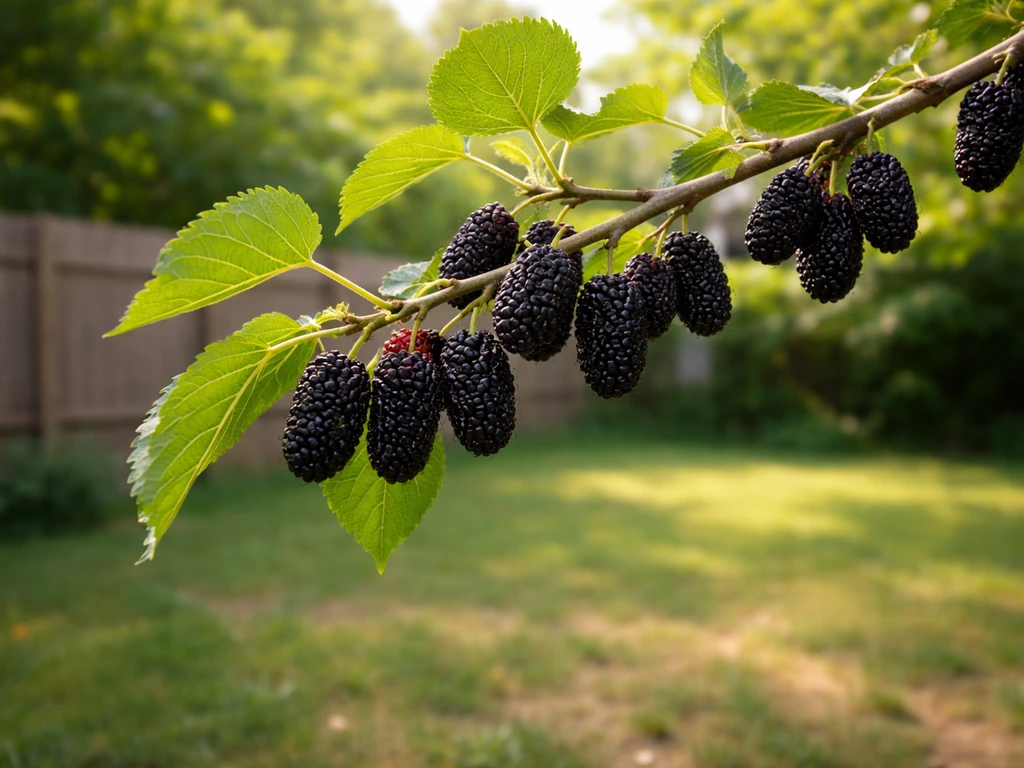
When most home gardeners in the US ask where mulberries grow, they're usually talking about red or white mulberry. White mulberry is the one you'll spot growing along roadsides and disturbed areas almost anywhere in the continental US. Red mulberry is what you'll find in forests and river bottoms across the East. Black mulberry is the one serious fruit growers seek out for flavor, but it needs a milder winter. Paper mulberry is technically a relative, not a true Morus species, and it's worth a mention mainly because it gets lumped in with the others sometimes.
US regions where mulberry trees thrive
The short version: mulberries do best in the eastern half of the US, the mid-Atlantic, the South, the Midwest, and the lower Mountain West. Here's how that breaks down by region.
- Southeast (Zones 7–9): Ideal conditions for all three Morus species. Red and white mulberries grow easily here, and black mulberry is viable too. States like Georgia, Alabama, Mississippi, and the Carolinas have conditions close to where red mulberry naturally evolved.
- Mid-Atlantic and Northeast (Zones 5–7): Red mulberry is native here and grows well in Maryland, Virginia, Pennsylvania, and into New York. White mulberry is extremely common throughout this region. Winters can limit black mulberry in the colder pockets.
- Midwest (Zones 4–6): White mulberry thrives here and has naturalized heavily. Red mulberry grows in the southern half of states like Iowa, Illinois, Indiana, and Ohio, typically in moist bottomlands and wooded slopes. Michigan gardeners can grow both species, especially in the warmer southern part of the state.
- South and Gulf Coast (Zones 8–9): Mulberries grow vigorously here. The longer warm season means fast growth and reliable fruiting, though the lack of chill hours can occasionally be a minor issue for some cultivars.
- Pacific Coast (Zones 7–10): White mulberry has naturalized in California, Oregon, and Washington. Red mulberry is not native here, but planted specimens do fine in the warmer valleys. The Pacific Northwest's mild winters work well for white and even black mulberry in sheltered spots.
- Mountain West and High Plains (Zones 4–6): Trickier, but white mulberry is tough enough to handle the cold. Sheltered planting spots and cold-hardy cultivars like 'Illinois Everbearing' make it workable in much of Colorado, Utah, and similar areas.
- Far North and High Altitude (Zones 3–4): White mulberry pushes into Zone 3B on paper, but consistent fruit production gets unreliable. Expect to experiment and be willing to protect young trees in their first winters.
Natural habitats and conditions mulberries prefer
Red mulberry in particular is a tree of valleys, floodplains, and low moist hillsides in the wild. You'll find it naturally along stream banks, in bottomland forests, and on wooded slopes where moisture hangs around. That tells you something useful: if your yard has a low spot that stays a little damp or a slope that drains toward a wet area, that's prime real estate for a red mulberry.
White mulberry is far less picky about habitat. It has naturalized across most of North America and shows up in disturbed areas, roadsides, field edges, and urban lots. That adaptability is partly why it's considered invasive in many states. It tolerates a wide range of soil pH (5.0 to 8.0), handles poor soils, and adjusts to both full sun and partial shade. If you want a mulberry that will just grow and produce with minimal fuss, white mulberry is the easiest bet almost anywhere in the country.
Both species prefer full sun for best fruit production, though they'll tolerate some shade. Soil fertility helps but isn't critical. What matters more is drainage: mulberries don't love sitting in waterlogged soil for extended periods even though red mulberry grows near water in the wild. The key distinction is that floodplain soils drain well between floods. Consistent boggy conditions are different from seasonal moisture.
How to check your site and climate before planting
The fastest check is your USDA Plant Hardiness Zone. The USDA zone map is the standard tool for figuring out whether a perennial tree will survive your winters, and it's based on average annual minimum temperatures. You can look up your zone by ZIP code on the USDA website in about 30 seconds. For mulberries, here's what the zones mean in practice:
- Zones 3B–4: White mulberry is your only real option, and even then, young trees need protection in the first year or two.
- Zones 5–6: White and red mulberry both grow reliably. 'Illinois Everbearing' (a red/white hybrid) is a popular and proven choice here.
- Zones 7–9: All three Morus species work. Pick based on flavor preference and space available.
- Zone 9 and warmer: Check chill-hour requirements for your chosen cultivar; some mulberries need a certain amount of cold to fruit well.
Beyond the zone number, pay attention to a few local cues. If you already have other medium-sized deciduous fruit trees doing well in your yard (apples, pears, persimmons), mulberries will likely be fine too. Notice whether your property has frost pockets: low spots where cold air settles on still nights can push your effective zone a half step colder. South-facing slopes or spots sheltered by buildings or fences run warmer and can let you grow something that technically sits at the edge of your zone.
When mulberries won't be ideal and what to do instead
If you're in Zone 3A or colder, even white mulberry struggles to reliably produce fruit. If you're in Zone 3A or colder, even white mulberry struggles to reliably produce fruit, so you may want to review do mulberries grow on trees for a quick reality check on growing expectations. Extreme cold snaps can kill back new growth or damage the tree. In that situation, container growing is worth considering: a large pot (30 gallons or more) lets you bring the tree into an unheated garage or shed during the coldest weeks of winter. It's more work, but it's not impossible.
If you're in Zone 10 or warmer (South Florida, parts of Hawaii, some coastal California zones), the issue flips: mulberries may not get the winter chill they need to fruit consistently. Look for cultivars specifically bred for low-chill climates, or accept that you may get irregular crops. Some growers in these zones treat mulberry as more of a shade tree that occasionally fruits rather than a reliable crop.
Soil that stays waterlogged year-round is genuinely problematic. If your yard has poor drainage with standing water for weeks at a time, raised beds or mounded planting sites can help. Amending the planting area with compost to improve drainage is worth doing before you plant.
One thing worth noting for dioecious mulberry varieties: some cultivars produce separate male and female trees. For dioecious mulberries, UF/IFAS notes you need both male and female trees to ensure fruit production dioecious mulberry varieties need both male and female trees to ensure fruit production. If you plant only one sex of a dioecious type, you won't get fruit. Most commonly sold named cultivars like 'Illinois Everbearing' are self-fertile, so this is mainly a concern if you're sourcing trees from less specific nurseries or growing from collected seed.
Planting and growing tips for different US locations
Southeast and Gulf Coast (Zones 7–9)
You have the easiest time here. Plant in full sun with at least 20 to 30 feet of clearance from structures, because these trees get big. One specific note from UF/IFAS that I've found to be very true: plant mulberries away from patios, driveways, and anything you care about keeping clean. Ripe berries fall and rot, and the smell and staining are real. Give the tree room, and the reward is a fast-growing, productive shade tree with minimal inputs.
Mid-Atlantic, Northeast, and Midwest (Zones 5–7)
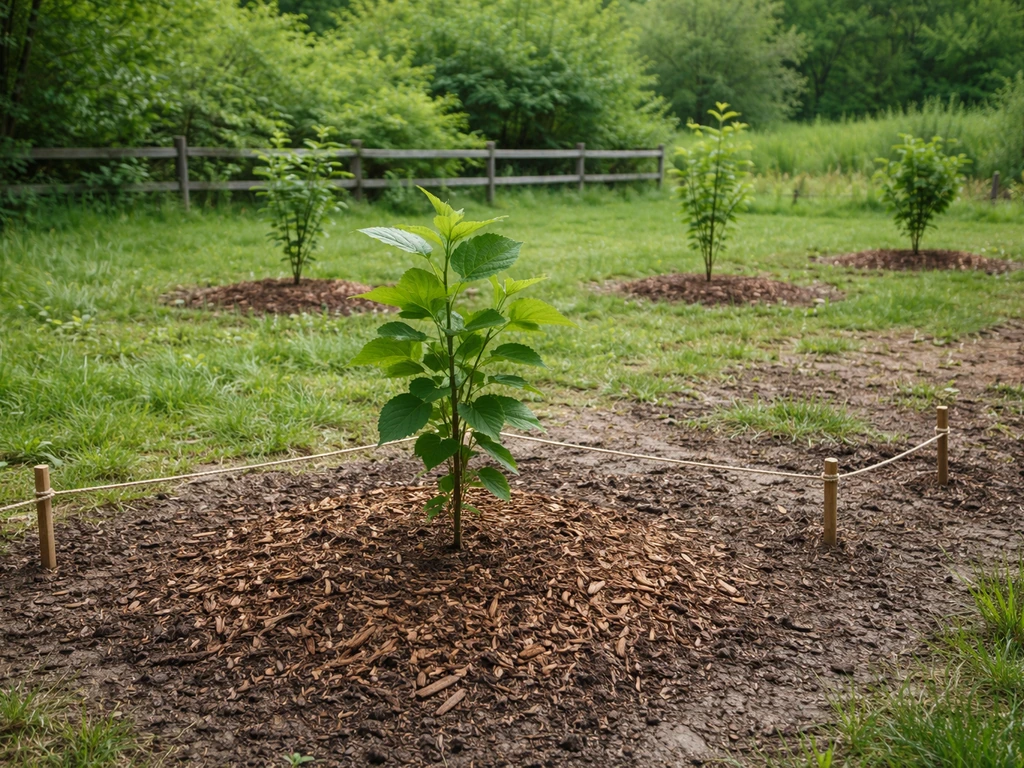
This is the core range for red mulberry and the sweet spot for 'Illinois Everbearing.' Site selection matters here more than in the South. Choose a spot with good air circulation to avoid late frosts hitting the flowers (mulberries bloom early). South or west-facing exposures with wind protection extend your effective growing season at the margins. Mulch heavily around the root zone in the first winter to protect roots while the tree is getting established.
Pacific Coast and Pacific Northwest (Zones 7–10)
White mulberry does well here, and black mulberry is worth trying in the warmer California valleys and sheltered PNW spots. The cooler, wet winters of coastal Oregon and Washington can mean slower early growth. Watering the first season consistently is important everywhere, but especially here where summers can be dry. After the tree is established (usually after year two), drought tolerance improves significantly.
Mountain West and colder Midwest (Zones 4–6)
Stick with white mulberry or 'Illinois Everbearing.' Plant on the south side of a structure or fence if possible. Avoid planting in low-lying frost pockets. Water well in the first season and mulch thickly. In Zone 4, protecting the tree for the first couple of winters with burlap wrap or a wind break is a reasonable precaution.
What to expect after planting
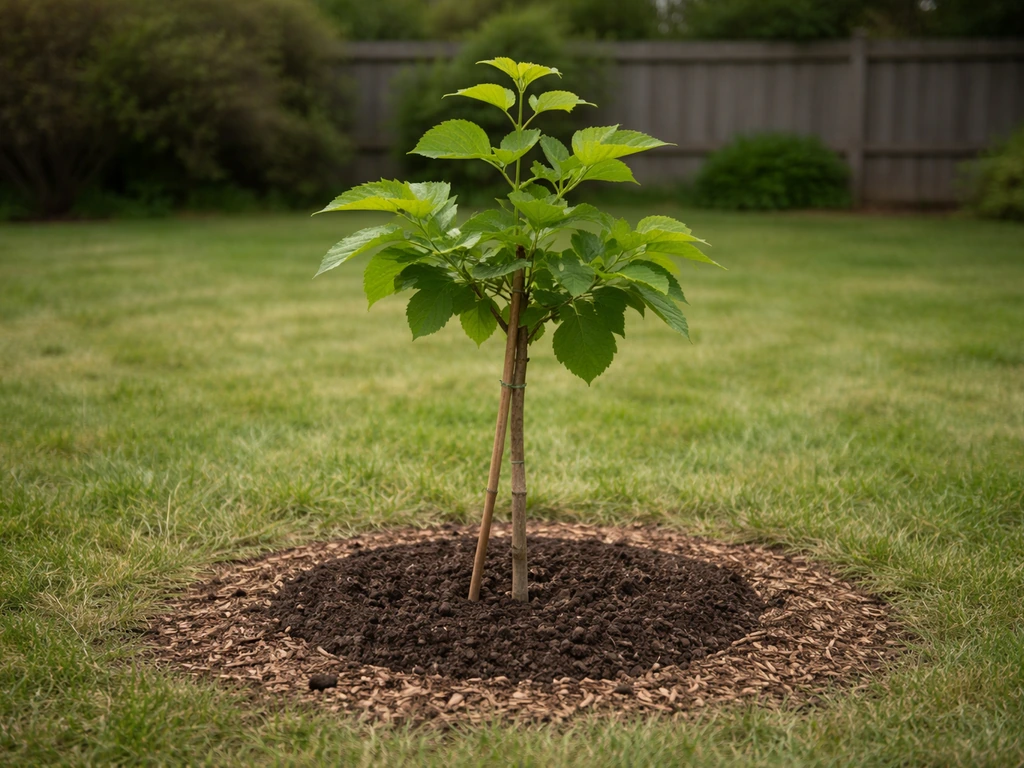
Mulberries are genuinely fast growers. Named cultivars like 'Illinois Everbearing' can grow 3 to 5 feet per year in good conditions, and some sources suggest fruit in the first year after planting a grafted tree, though year two or three is more typical in practice. Seedlings and trees grown from cuttings take longer: seedling trees can take 10 years to fruit reliably, while grafted plants of good cultivars cut that time significantly.
Mature white mulberry trees reach over 30 feet with a broad, rounded canopy. Red mulberry typically tops out at 35 to 50 feet, and some reach 80 feet in ideal conditions. That's a big tree. This affects where you should plant: not under power lines, not close to the house foundation, and definitely not over a patio unless you love purple stains. Plan for at least 20 to 25 feet of clearance from structures and consider that the canopy spread can eventually match or exceed the height.
Fruit typically ripens in summer, with the exact window depending on your region and the cultivar. The berries don't all ripen at once, so you'll be picking or shaking the tree over several weeks. Wildlife will compete with you enthusiastically: birds, raccoons, and squirrels all love mulberries. Many growers consider this a feature rather than a bug, since a mulberry tree can act as a wildlife magnet that takes pressure off other fruit crops nearby.
Once established, mulberries are genuinely low-maintenance trees. They don't need regular spraying, heavy fertilizing, or complicated pruning. The main jobs are watering through the first season, keeping grass away from the trunk, and eventually picking fruit before it all falls and ferments on the ground. For most US gardeners in Zones 5 through 9, a mulberry tree is one of the easier fruit trees you can plant.
FAQ
Can I grow mulberries in colder parts of the US if I buy white mulberry plants labeled “Zone 3”?
Be careful, labels can be optimistic. Even if a plant survives, fruiting may still be unreliable in Zone 3A and below because flowering happens early and extreme cold snaps can damage new growth. If you are at the edge, prioritize grafted named cultivars, plan on protection the first 1 to 3 winters, and expect reduced yields the first few years.
What’s the fastest way to tell whether a mulberry will fruit in my yard, without guessing the variety?
Look for a documented cultivar that specifies self-fertility and fruiting habit, then match it to your USDA zone plus local frost risk. If you only know “white” or “red,” local adaptability is high for survival but you still may get little fruit due to winter injury, late frosts on early bloom, or low-chill limitations.
Do mulberries need two trees to produce fruit?
It depends on the cultivar. Some mulberries are dioecious, meaning you need both a male and a female tree. Many popular named types sold for home gardens are self-fertile, but if you are buying from a small nursery, ask whether the plant is confirmed self-fertile or whether you must plant a compatible second tree.
My yard floods during storms. Will a mulberry still work if I plant it higher up?
If standing water lasts for weeks, mulberry roots can suffer even though red mulberry occurs in bottomland forests. Mounded planting or raised beds can help, but also check how fast water recedes after heavy rain, aim for drainage between wet periods, and avoid planting right at the bottom of a slope where runoff collects.
Why are my mulberries producing fruit but I’m getting mostly small berries?
Small berries often point to stress during the growing and ripening period, especially inconsistent watering in the first season or drought during early establishment. It can also happen if late spring cold damages flowers. Ensure full sun, keep the first-year watering consistent, and if frost is common, choose a more protected south or west exposure.
When do mulberries bloom, and how does that affect where they grow?
Mulberries bloom early compared with many fruit trees, so late frosts can reduce fruit even in places where the tree survives winter. Your effective growing area is not only about your hardiness zone, it is also about whether your local spring reliably avoids killing frosts around bloom time.
Are mulberries a good choice near paved surfaces, driveways, or sidewalks?
Generally, yes if you keep distance, but the berries can be a real mess. Ripe fruit falls and can stain and ferment quickly. If you must plant near hardscape, put the tree well away from areas you care about, and consider using a ground cover plan or regularly harvesting before most berries drop.
How big should I plan for in advance if I’m planting in my yard?
Do not plan just for tree height, plan for canopy spread and root-driven size. Practical guidance in the article suggests 20 to 25 feet clearance from structures, but you should also avoid placing the tree where fallen fruit will land on patios, driveways, or windows. A mature canopy can eventually be as wide as it is tall.
What if I’m in Zone 10 or warmer and my mulberry never fruits reliably?
That is a common low-chill issue. In warm climates, choose cultivars bred for low-chill conditions if available, and consider accepting irregular fruit or treating the tree mainly as shade. Also remember that even with low-chill types, winter warmth can lead to inconsistent flowering.
Will mulberries grow from seed, and when can I realistically expect fruit?
You can, but seedlings are slow and unpredictable. Seedling trees can take around a decade to fruit reliably, while grafted cultivars typically fruit much sooner. If you want fruit quickly and with known performance, buy grafted named cultivars instead of growing from collected seed.
How should I harvest or manage berries so they do not rot under the tree?
Because berries do not ripen all at once, plan for repeated picking or shaking over several weeks. If you cannot harvest frequently, understand that fallen fruit can ferment and attract wildlife. Keeping grass trimmed away from the trunk helps you notice berries sooner and reduces mess as they accumulate.