
Mulberries grow as medium to large deciduous trees (or compact shrubs if you train them that way), leafing out in mid-spring, flowering shortly after, and producing ripe fruit anywhere from late May to August depending on your region and variety. They are fast-growing, adaptable to a wide range of soils and climates across USDA zones 5 through 9, and once established they are some of the lowest-maintenance fruit trees you can grow. The catch is patience: most mulberries take 3 to 5 years to fruit well from a young plant, and pruning or site mistakes early on can set you back a season or two.
How Do Mulberries Grow: Timing, Care, and Harvest Guide
Marcus Holloway
27 Apr 2026
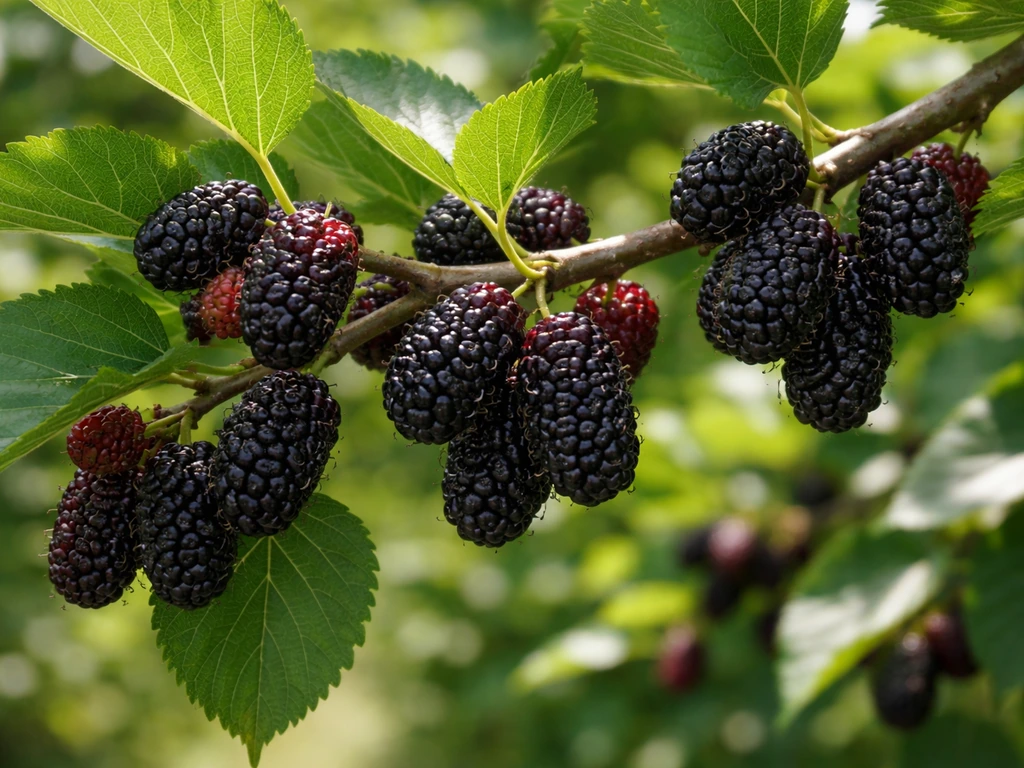
What a mulberry plant actually looks like as it grows
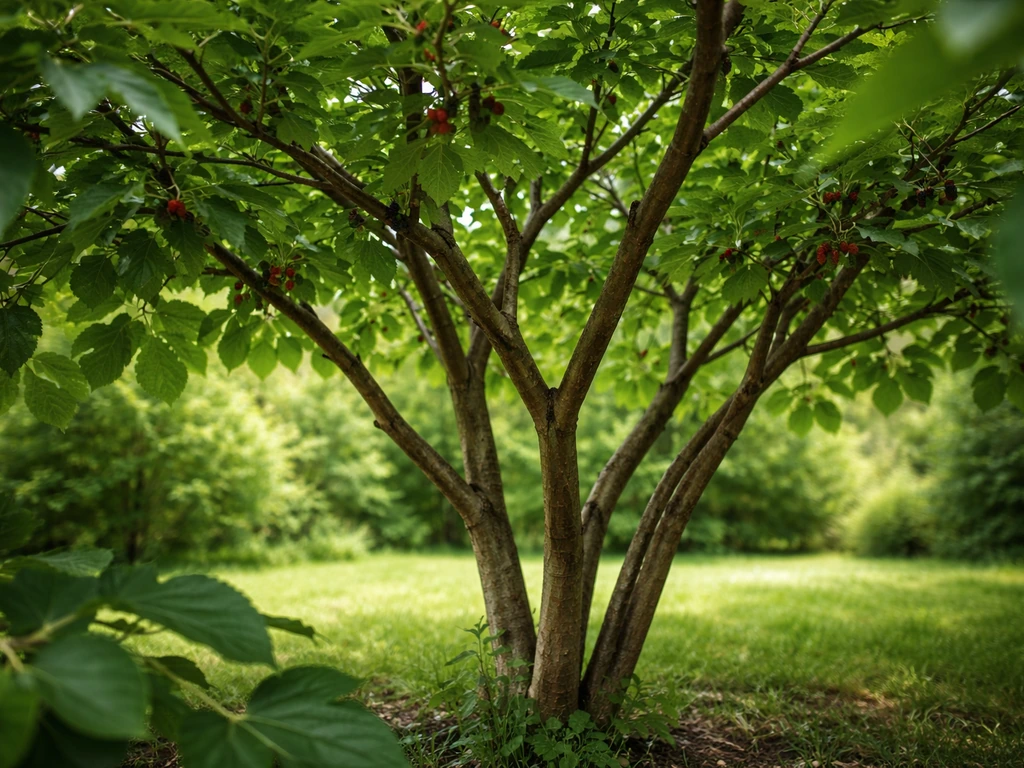
Mulberries are trees, not bushes, though the line blurs depending on how you train them. Left alone, a white mulberry (Morus alba) or red mulberry (Morus rubra) will easily reach 20 to 40 feet over its lifetime. In a home garden, most people keep them much smaller by pruning or selecting a naturally compact cultivar. You will sometimes see the term 'bush form' used, which just means the tree has been trained on a short trunk of roughly 28 to 32 inches (70 to 90 cm) before the canopy branches spread outward. That gives you a lower, more manageable shape that is easier to harvest and net against birds.
The tree is deciduous, so it drops its leaves completely in autumn and goes fully dormant through winter. Growth resumes in spring, usually later than most fruit trees, which is actually one of mulberry's best features: the late bud break means it almost always avoids late frost damage to new growth. The leaves are broad, sometimes lobed, and the tree develops a dense rounded canopy over time. Bark is gray-brown and furrowed on older specimens. The overall growth rate is genuinely fast for a fruit tree, often putting on 1 to 2 feet of new growth per season when young and well-watered.
There are three main species worth knowing. White mulberry is the most widely planted, the most adaptable, and the one most commonly found in cultivation across the US. Red mulberry is native to the eastern US and produces fruit that many people consider better-flavored. Black mulberry (Morus nigra) is less cold-hardy but produces the richest, most intensely flavored berries. Most cultivars you find at nurseries are white mulberry or white-red hybrids.
When mulberries grow: the seasonal timeline from bud break to harvest
Timing varies by region, but here is a reliable general framework. Mulberries are among the last deciduous trees to wake up in spring. In most temperate climates, bud break happens 2 to 4 weeks after other fruit trees have already leafed out. Flowering follows quickly after the leaves appear, often in April or May. The flowers are small and wind-pollinated, so you will barely notice them. Most varieties are self-fertile, meaning you only need one tree.
| Region / USDA Zone | Typical Bud Break | Flowering Window | Fruit Ripens |
|---|---|---|---|
| South / Zones 7–9 (TX, GA, SC) | Late March to early April | April | Late May to mid-June |
| Mid-Atlantic / Zone 6 (VA, PA, OH) | Mid to late April | Late April to early May | June to early July |
| Midwest / Zone 5–6 (IL, IN, MI) | Late April to early May | May | Late June to July |
| Pacific Northwest / Zone 7–8 (OR, WA) | April | April to May | June to July |
| Northeast / Zone 5–6 (NY, MA, CT) | Late April to May | May | July to August |
Fruit ripens over several weeks rather than all at once, which is a feature or a frustration depending on how you look at it. If you want to process a large batch for jam or freezing, you will need to pick every few days and accumulate fruit. Ripe mulberries fall easily from the stem and stain everything they touch, so lay a tarp or old sheet under the canopy and give branches a gentle shake to collect them quickly.
One thing that catches growers off guard: mulberries can fruit on both old and new wood, but the heaviest fruiting happens on short spurs along two- and three-year-old branches. Understanding this matters a lot for pruning decisions, which I will cover below.
Where mulberries grow best: climate, zones, and regional fit
White mulberry is cold-hardy to USDA zone 5a, which means it can handle winters down to around -20°F in its dormant state. Red mulberry is similarly hardy across the eastern US, where it grows naturally from southern New England down through Florida and west to the Great Plains. This broad native range is part of why red mulberry adapts so well to eastern home gardens. The best answer depends on the species, because mulberries are hardy in different USDA zones and natural ranges where do mulberry bushes grow. Black mulberry is the tender one, best suited to zones 6 through 9 and not a safe bet in zone 5 winters without protection.
Heat tolerance is just as important as cold hardiness. Mulberries thrive in hot summers and do perfectly well in the Deep South, the Midwest, and the interior West. Where do mulberries grow in the US? Most thrive across the eastern half of the country, with white mulberry especially adaptable to many habitats and climates grow across the eastern US.
White mulberry in particular is notably salt-tolerant and grows naturally in a wide range of habitats, from riparian bottomlands to upland sandy soils, which tells you a lot about its adaptability. If you are gardening anywhere in the central or eastern US, there is almost certainly a mulberry variety that fits your zone.
The US range question (which states and regions see the best natural mulberry growth) is worth researching for your specific location, since regional conditions affect timing and variety choice.
The one scenario where mulberries genuinely struggle is sustained wet, waterlogged soil. They are not bog plants. They tolerate brief flooding but do not want their roots sitting in standing water for weeks at a time. Beyond that, they are remarkably forgiving.
The growing conditions mulberries actually need
Sunlight
Full sun is strongly preferred, meaning at least 6 hours of direct sun per day. Mulberries will tolerate partial shade but fruit production drops noticeably. If you are trying to decide between two spots in your yard, always pick the sunnier one for a mulberry.
Soil
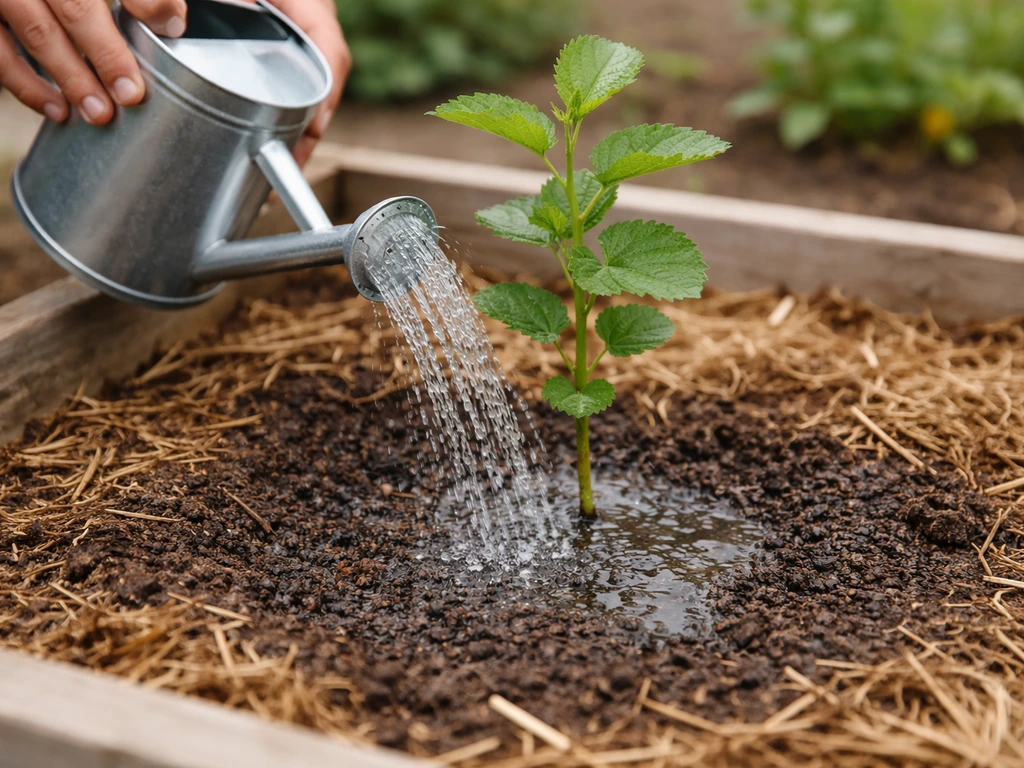
Mulberries are tolerant of a wide soil pH range, from about 5.0 to 8.0 (mildly acid to mildly alkaline), and they grow in sandy, loamy, or clay soils as long as drainage is reasonable. They are not heavy feeders, and overly rich soil can actually push excessive leafy growth at the expense of fruit. If your soil drains well and you can grow most vegetables or shrubs in it, a mulberry will do fine there without major amendments.
Water
Young trees need consistent watering, especially through their first two summers. Once established (typically by year 3), mulberries are quite drought-tolerant, particularly white mulberry and drought-tolerant cultivars like weeping mulberry. During fruiting season, consistent moisture produces larger, juicier berries. If you get a dry spell right before harvest, water deeply once a week rather than shallow watering more frequently.
Temperature and chill hours
Mulberries need a period of winter dormancy and chill hours to fruit reliably. Most varieties need somewhere between 400 and 800 chill hours (hours below 45°F). This is not usually a problem in zones 5 through 7, but in the warmest parts of zones 8 and 9, you want to look for low-chill cultivars specifically bred for milder winters. The late bud break habit helps protect flowers from late frosts in colder zones, which is one reason mulberries fruit more reliably than stone fruits in zones 5 and 6.
How to plant and care for a mulberry tree
- Choose your site: full sun, well-drained soil, and enough space for the mature spread. Even if you plan to keep the tree pruned small, plant it at least 10 to 15 feet from structures and other trees.
- Plant in early spring or autumn. Spring planting, after the last frost, is best in zones 5 and 6. Autumn planting works well in zones 7 through 9 where winters are mild.
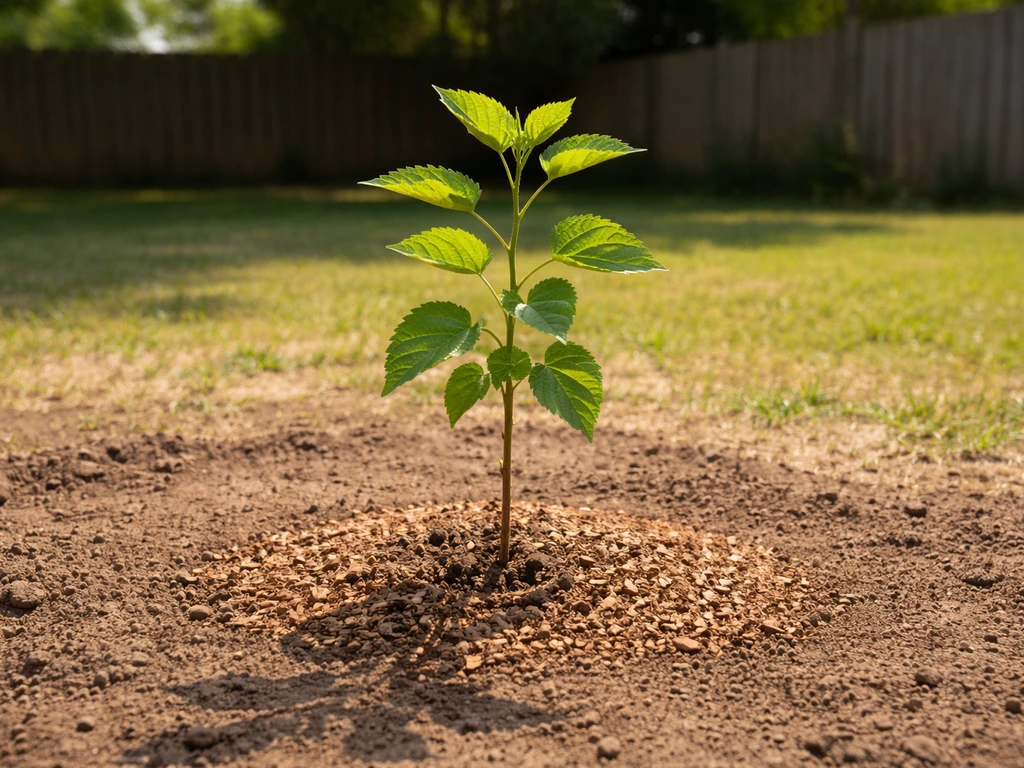
- Dig a hole two to three times wider than the root ball but no deeper. Set the tree so the root flare is at or just above soil level. Backfill with the native soil, no need to amend unless drainage is seriously poor.
- Water thoroughly at planting, then weekly through the first growing season unless rainfall covers it. Mulch 3 to 4 inches deep around the base, keeping mulch away from the trunk.
- Hold off on fertilizing the first year. Starting in year 2, a light balanced fertilizer in early spring is enough. Too much nitrogen pushes soft growth that invites pests.
- Prune to shape in the first 2 to 3 years to establish the form you want (standard tree or bush form). Prune during dormancy, between leaf fall and mid-winter, to avoid sap bleeding issues. If you wait until late winter or early spring when sap is already moving, cuts will bleed heavily.
- For a bush form, cut the leader at around 28 to 32 inches above a set of strong side-shoots when the tree is young. This encourages an open, multi-branched canopy that stays low and harvestable.
- Once the tree is mature, annual pruning mainly focuses on removing dead, crossing, or inward-growing branches to keep the canopy open and well-lit.
Pests and diseases to watch for
Mulberries are generally low-maintenance on the disease front, and many sources describe them as having little or no serious disease problems in typical landscape and orchard settings. That said, a few things are worth keeping an eye on. Lace bugs overwinter as eggs under bark and leaf litter and can cause stippled, discolored foliage in spring. Twospotted spider mites are a problem during hot, dry spells and cause leaves to look dusty or bronzed.
Comstock mealybugs are sap-feeders that can show up on branches, leaving a white waxy residue. For all three, a strong blast of water or insecticidal soap handles light infestations. Cankers can develop around wound sites or borer entry points, so avoiding unnecessary cuts and pruning cleanly during dormancy reduces that risk substantially.
The Royal Horticultural Society notes that sap starts to rise in late winter and bleeding from pruning cuts is worse if pruning is done in mid to late winter or early spring, and it advises Morus pruning from autumn to early winter bleeding is more severe if pruning is done in mid to late winter or early spring.
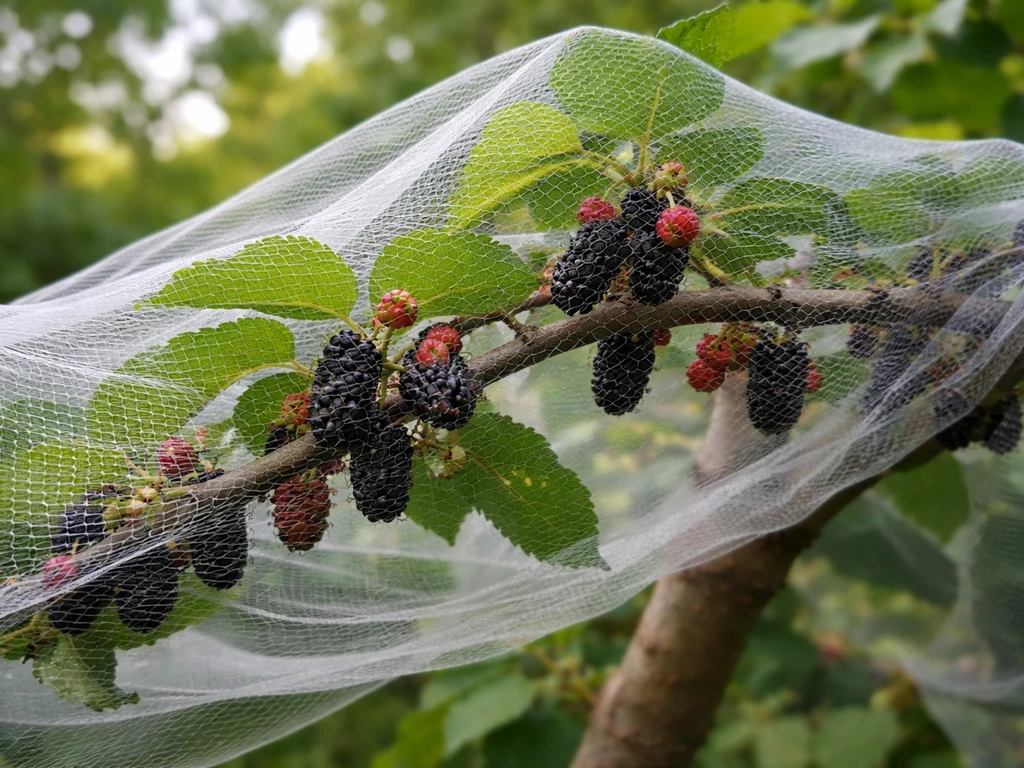
Birds are probably the biggest practical problem. A ripe mulberry tree is irresistible to them, and they will strip fruit before you get to it. Netting the tree when fruit starts to color is the most effective solution, which is another good reason to keep the tree in a manageable bush form rather than letting it grow to 30 feet.
Growing mulberries in containers or small spaces
Yes, mulberries can grow in containers, and this is a legitimate option if you are in a borderline zone, have a small patio, or want to move the plant to a protected spot in winter. The key is choosing a naturally compact or dwarf cultivar. Weeping mulberry (Morus alba 'Chaparral' or similar) stays under 10 feet with good drought tolerance, making it well-suited to pot culture. Use a large container (at least 25 to 30 gallons for a mature specimen) with excellent drainage.
Container mulberries in colder zones need winter protection. The goal is keeping the roots cold enough to stay dormant without letting them freeze solid. Moving the container into an unheated garage, shed, or basement once the tree drops its leaves in autumn is the standard approach. You want temperatures to stay above about 20°F at the root zone but below 45°F so the tree does not break dormancy prematurely. Check the soil moisture monthly through winter and water lightly if it dries out completely. Bring it back outside in spring after your last frost date.
Container-grown mulberries will need more frequent watering during the growing season than in-ground trees, and annual root pruning or repotting every 2 to 3 years keeps them from becoming rootbound. Fruit production is possible in a container but expect lighter yields than a full-sized tree in the ground.
When things go wrong: troubleshooting slow or non-fruiting mulberries
The tree is not leafing out on schedule
This is almost always normal. Mulberries are late to wake up compared to other trees, sometimes by 3 to 4 weeks. If your apple tree has been leafed out for a month and the mulberry still looks bare, do not panic. Scratch a small section of bark on a twig: if it is green underneath, the tree is alive and just taking its time. If it is brown and dry throughout, that branch may have winter-killed. Zone 5 growers especially see this in late springs.
Good leaf growth but no fruit
The most common causes: the tree is too young (under 3 to 5 years), it is getting too much nitrogen fertilizer (pushes leaves at the expense of flowers), it is not getting enough sun, or the winter did not provide enough chill hours for your cultivar. Check that you are not fertilizing too heavily, confirm the site gets at least 6 hours of direct sun, and if you are in a warm zone, look into whether a low-chill variety would perform better for your winters. Also confirm your tree is not a fruitless ornamental mulberry (sold specifically for shade, not fruit).
Slow overall growth
Mulberries are generally fast-growing, so slow growth usually points to a root establishment issue, consistently poor drainage, or a site with too much shade. If the tree went in recently and growth is sluggish, give it another full season before worrying. If it has been in the ground for 3 or more years and barely putting on growth, check drainage by digging down 12 inches after a rain and seeing if water is pooling. Compacted or waterlogged soil is the most common culprit.
Fruit drops before it ripens
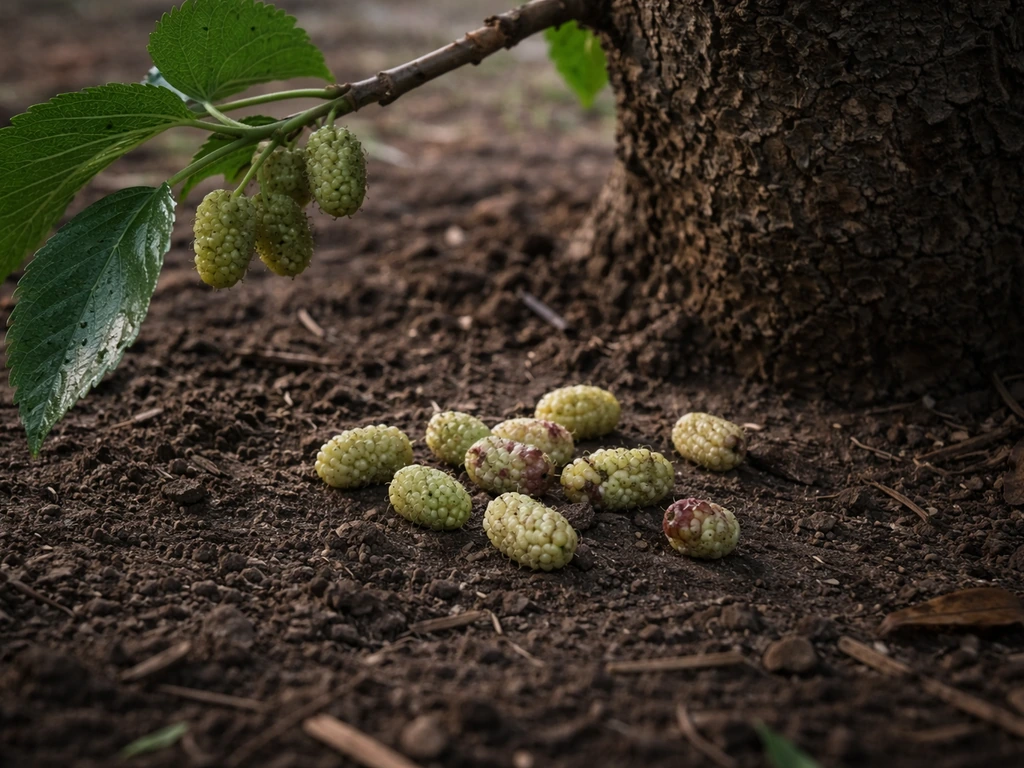
Premature fruit drop usually means inconsistent watering during fruit development or a late frost that damaged the flowers without killing the tree outright. Mulch around the base and keep watering consistent from flowering through harvest. If a late frost hit right at bloom time, the tree simply will not have a crop that year, and there is nothing to do but wait for next season.
Leaves look stippled, bronzed, or discolored
Spider mites are the most likely cause, especially in hot dry weather. Lace bugs can produce similar-looking damage. Inspect the undersides of leaves: mites leave fine webbing, lace bugs leave dark specks of frass. Both respond well to a strong spray of water applied repeatedly over a week or two, or insecticidal soap for heavier infestations. Keeping the tree well-watered during summer heat reduces mite pressure significantly.
FAQ
How do I know when mulberries are actually ripe enough to pick?
Mulberry fruit is typically ready over weeks, not all at once. For best flavor and less mess, pick berries that are fully dark, then remove any red or pale ones later from the branch. Because ripe fruit stains heavily, harvest into a container you do not mind staining, and expect to do multiple passes rather than one pick-through.
What’s the best way to harvest mulberries for jam or freezing without losing fruit?
If you want jam or freezing, plan for “small harvests” every few days as fruit colors. Mulberries will drop or detach easily when ripe, so spreading a tarp and doing gentle branch shakes helps collect what falls. If you miss a couple of days, you may lose berries to birds and ground stain, so set a harvesting rhythm during the peak week.
Can mulberries grow in containers, and will I still get fruit?
Yes, but expect lighter yields in pots and more variable ripening. Choose a naturally compact or dwarf cultivar, use a container with excellent drainage (commonly 25 to 30 gallons for mature trees), and do not let the container sit in runoff water. Also, container mulberries need more frequent checks for watering since they dry out faster than in-ground trees.
Do I need more than one mulberry tree for fruit?
Mulberries are usually reliable with one plant because many cultivars are self-fertile. However, if your cultivar is not producing, adding a second compatible mulberry can improve pollination, especially when spring weather is cool, windy, or rainy. Also confirm you are not growing a fruitless ornamental type sold for shade.
My mulberry flowers but barely fruits, what should I check first?
Commonly, low output is caused by too much nitrogen (leafy growth, fewer flowers), insufficient sun, or too little winter chill for warm-winter regions. Check that the site gets at least 6 hours of direct sun, then review fertilizer habits, especially in spring. If you are in the warmest part of your zone (zones 8 to 9), low-chill cultivars often outperform standard types.
How does pruning affect next year’s mulberry harvest?
Mulberries fruit heavily on short spurs on older wood (often 2 to 3 year-old branches), not just new terminal growth. That means aggressive pruning right before or during the wrong season can remove the bearing sites and cost you a year or two. Prune in dormancy, and avoid heavy cutting that strips the spur-rich sections.
What are good pruning habits to prevent cankers and winter damage on mulberries?
To reduce canker and pest entry, avoid unnecessary cuts and keep tools clean when pruning. When you do prune, do it during dormancy rather than during active growth. If you see wounds or borer entry, remove only damaged, dead material and then step back and watch the tree’s response in subsequent seasons.
What can I do if a late frost hit my mulberry flowers?
Yes, a late frost at bloom time can wipe out that season’s crop even if the tree survives. Mulberries often leaf out late, which helps, but they can still be hit when temperatures swing in early spring. There is usually no rescue treatment after bloom damage, the best move is consistent watering and letting the tree set a crop next year.
Why are my mulberry leaves stippled or bronzed, and how do I tell mites vs lace bugs?
Most leaf stippling, bronzing, or dusty-looking foliage in mulberries traces back to mites or lace bugs. Spider mites are more likely during hot, dry weather, and lace bugs can cause more speckled discoloration. Inspect undersides of leaves, mites often leave fine webbing, and lace bugs leave dark specks; then treat with water sprays repeatedly over 1 to 2 weeks or insecticidal soap if needed.
My mulberry hasn’t leafed out yet, how can I tell if it’s dead or just late?
Early leaf-out that looks weak or patchy can be stress, but true leaf failure often ties to winter injury or very young trees. Scratch a twig, if the inside is green the branch is alive, brown and dry suggests winter-killed wood. Then wait for later spring growth before you prune, since mulberries can take weeks longer than other fruit trees to wake up.
How should I overwinter a potted mulberry in a colder climate?
You can, but it requires managing root temperatures. A common approach is moving the pot to an unheated garage, shed, or basement after leaf drop so it stays dormant, with root-zone temperatures staying above about 20°F but below about 45°F to prevent premature awakening. Check soil moisture monthly in winter and water lightly only if it dries out completely.
If mulberries fruit on old and new wood, which should I preserve when shaping the tree?
Mulberries can fruit on both older and newer growth, but the heaviest yields come from short spurs along mid-age branches, commonly 2 to 3 years old. If you keep the tree in a low “bush form,” you are making it easier to harvest and net, but you still want to retain spur-bearing sections when pruning. Aim for shaping and thinning rather than cutting back everything to fresh wood.