
Gooseberries grow best across a wide northern and mid-elevation band of the United States, roughly covering USDA hardiness zones 3 through 7, with some varieties pushing into zone 8 or even 9 with the right setup. That puts the sweet spot in the Upper Midwest, New England, the Pacific Northwest, the Mountain West, and the northern Plains. If you're in Minnesota, Wisconsin, Michigan, Oregon, Washington, Idaho, Utah, Colorado, Pennsylvania, or New York, you're in prime territory. Warmer states in the South and Southwest are trickier but not always impossible.
Where Do Gooseberries Grow in the US? Zones, States, and Tips
Marcus Holloway
23 May 2026
What climate gooseberries actually need in the US
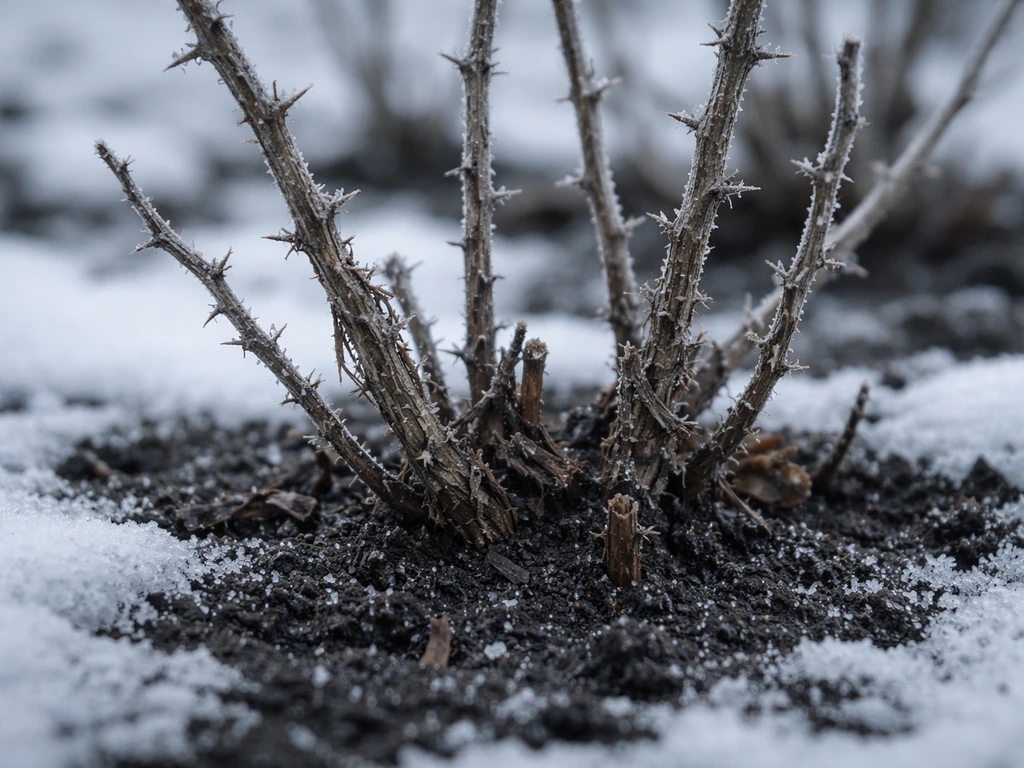
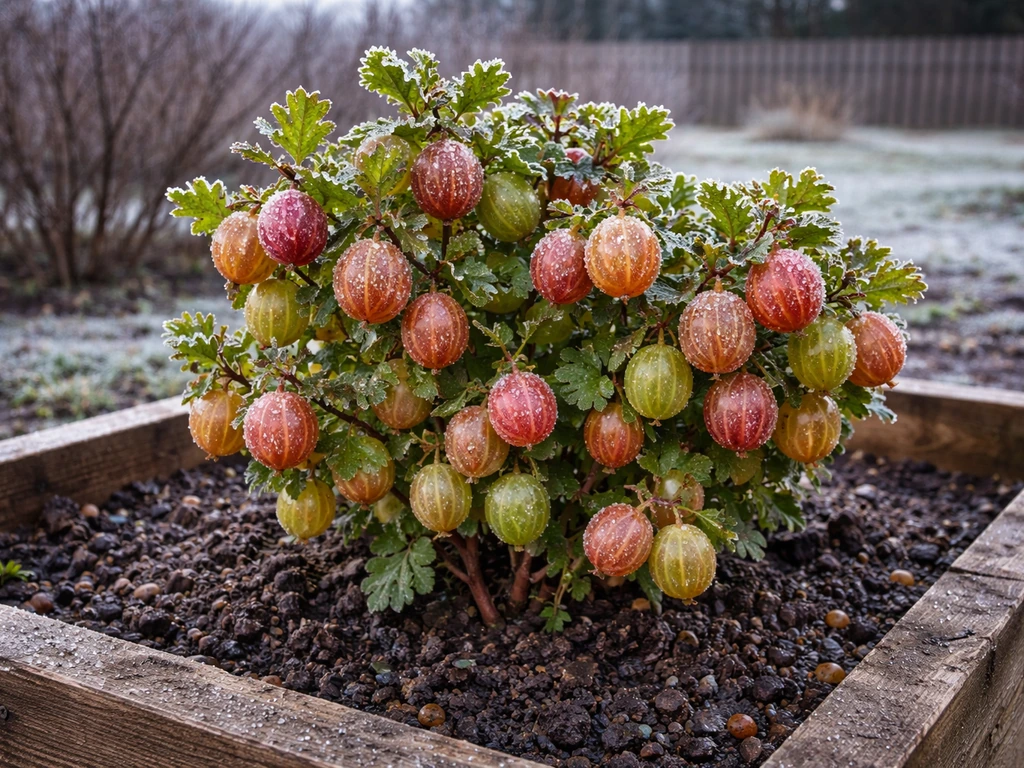
Gooseberries are cold-hardy plants. Most cultivars can survive mid-winter temperatures down to -40°F, which makes them essentially bulletproof in zones 3 and 4. The USDA hardiness zone range most commonly cited by extension programs is zones 3 through 8, with Colorado State University Extension noting that some varieties stretch to zone 9 with proper care. So if your winters dip hard and your summers aren't brutally long, you're probably in great shape.
One thing to watch for: gooseberries bloom early in the season, which means a late frost event can damage flowers and wipe out your harvest for that year. This isn't a dealbreaker, but it's worth knowing before you pick a planting spot. If you're in a region with unpredictable late frosts (parts of the Upper Midwest, mountain valleys, high-elevation areas in the Rockies), site placement matters a lot. A sheltered spot on the east or north side of a structure can delay bloom just enough to dodge the worst spring freezes.
Heat is the bigger limiting factor on the southern end of the range. Gooseberries prefer cool, moist conditions and genuinely don't love prolonged summer heat. Once you're consistently into zones 8 and 9, summer temperatures start working against you unless you're in a coastal or high-altitude area where summers stay mild. The Pacific Northwest coast is a perfect example: technically warmer in terms of zone, but the cool, moist summers are ideal for gooseberries.
Soil, sun, and moisture: what gooseberries want
Get these three things right and gooseberries are pretty forgiving. Mess them up and you'll be fighting the plant the whole time.
Soil
Gooseberries want rich, well-drained soil with a slightly acidic pH of 6.0 to 6.8. They have shallow, fibrous roots, so drainage matters a lot at the surface level. If your soil is heavy clay or silt loam, mix in organic matter before planting to improve structure and drainage. Poorly drained sites are genuinely problematic, and if that's what you've got, the University of Idaho recommends building raised mounds or ridges to lift the root zone above the waterlogged layer. Good drainage is non-negotiable.
Sun
Full sun to partial shade works well. In cooler regions like Minnesota or the Pacific Northwest, full sun is ideal and will push the best fruit production. In hotter or more arid areas (Utah, Colorado, parts of the Mountain West), afternoon shade is genuinely helpful. Utah State University Extension specifically recommends placing plants on the east side of a building so they get morning sun but are shielded from the harshest afternoon heat. If you're in a borderline climate, this one positioning tip can make a real difference.
Moisture
Gooseberries prefer consistent moisture, especially during fruit development. Because of those shallow fibrous roots, drip irrigation is the most efficient approach, and a layer of mulch at the base of each plant goes a long way toward retaining moisture and keeping weeds down. They tolerate a cool, moist environment well, which is one reason they thrive so naturally in the Northeast and Pacific Northwest. They don't like to dry out, but they also can't sit in wet, waterlogged soil. That balance of consistent moisture plus good drainage is the key.
Which US states and regions are your best bet
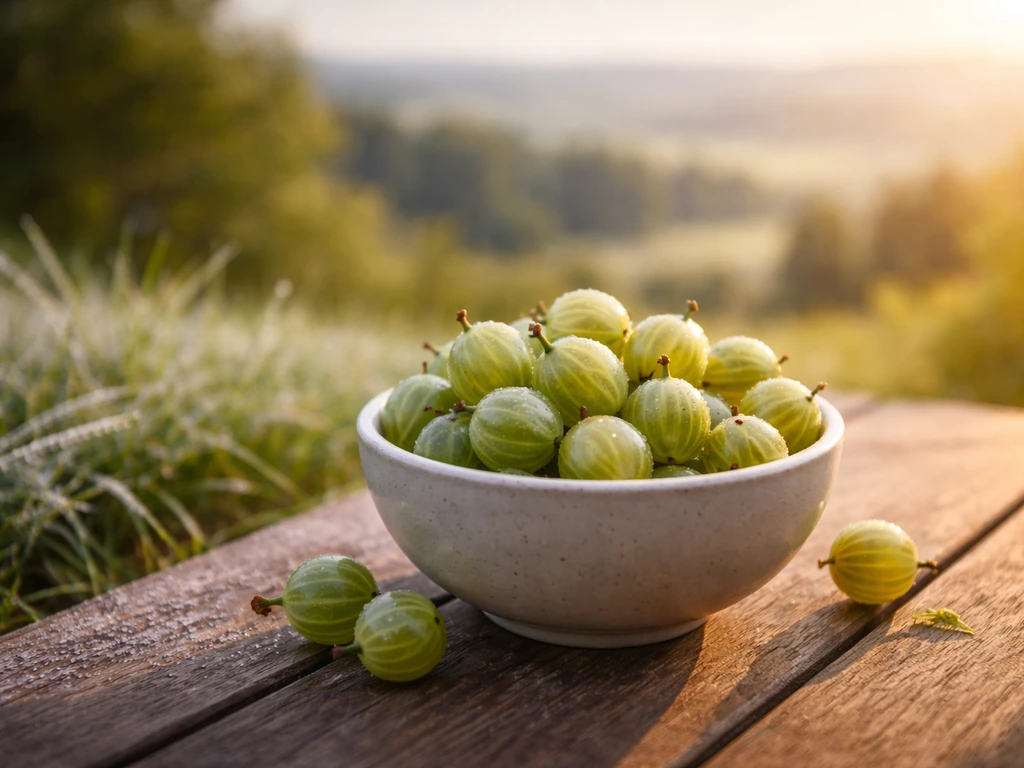
Rather than giving you a vague national overview, here's how the major US regions actually stack up for gooseberry growing. If you are also wondering where do cape gooseberries grow, check the climate and growing-region details alongside the gooseberry location tips here.
| Region | Typical Zones | Suitability | Main Consideration |
|---|---|---|---|
| Upper Midwest (MN, WI, MI) | 3–5 | Excellent | Cold winters are a feature, not a bug |
| New England (ME, VT, NH, MA, CT) | 4–6 | Excellent | Watch for late frosts in inland areas |
| Pacific Northwest (OR, WA) | 6–8 | Excellent | Cool, moist summers are ideal |
| Mountain West (ID, UT, CO, MT) | 3–7 | Very Good | Afternoon shade helps in hot valleys |
| Mid-Atlantic (PA, NY, NJ) | 5–7 | Very Good | Powdery mildew is a real concern here |
| Northern Great Plains (ND, SD, NE) | 3–5 | Good | Exposure and wind can be limiting factors |
| Southeast (GA, AL, MS, FL) | 7–9+ | Poor to Fair | Summer heat and humidity are problematic |
| Southwest (AZ, NM, southern CA) | 7–10 | Poor | Too hot and dry; high altitude spots are exceptions |
| Northern California / Oregon Coast | 8–9 | Fair to Good | Coastal cool summers help significantly |
The pattern is clear: the further north, or the higher the elevation, the better gooseberries tend to do. Coastal climates that stay cool through summer are the main exception to the purely latitude-based rule. If you're in a warm zone but at elevation (say, 6,000 feet in Colorado or New Mexico), you may be surprised by how well gooseberries perform.
One issue that comes up specifically in the Mid-Atlantic and parts of the Northeast is powdery mildew. European gooseberry types (Ribes uva-crispa) can be devastated by US strains of powdery mildew if you plant susceptible varieties. Penn State Extension calls out mildew resistance as a key variety selection factor for that region. This isn't a climate issue exactly, but it shapes which varieties you should plant in humid eastern states.
Growing gooseberries outside the ideal range
If you're in a warmer zone, a drier climate, or somewhere outside that northern sweet spot, you have real options. It takes more intentional setup, but gooseberries can still work. If you are wondering where do honeyberries grow, the best results usually come from cool, northern climates with consistent moisture.
Choose the right variety
This is the single most important adjustment you can make. American gooseberry varieties (Ribes hirtellum crosses) tend to handle humidity and heat better than pure European types, and they're much more resistant to powdery mildew. Varieties like 'Pixwell', 'Invicta', and 'Poorman' are commonly recommended for borderline climates. If you're in a warmer zone, look specifically for heat-tolerant or mildew-resistant cultivars rather than defaulting to whatever's at the local nursery. Colorado State University lists zone 9 as achievable with proper variety selection and care.
Use microclimate tricks
Planting on the north or east side of a wall, fence, or building provides afternoon shade and can meaningfully lower the heat load on your plants. In areas with late frost risk, the same approach (east-facing placement) helps delay bloom slightly. In colder zones, a south-facing slope or a spot near a masonry wall that absorbs heat can extend your growing window in the fall. Small adjustments in placement can effectively shift your microclimate by a full zone.
Container growing
Gooseberries can be grown in large containers, which gives you the ability to move them for seasonal protection. This is especially useful in zones 8 and 9 where summers are hot: you can shift the pot into shade during heat waves, then back into full sun during milder periods. Use a large container (at least 15 to 20 gallons), fill it with rich, well-draining potting mix, keep the pH in that 6.0 to 6.8 range, and water consistently. Container gooseberries will be smaller producers than in-ground plants, but they're a real option for gardeners in marginal zones. Since gooseberries are self-fertile, you only need one plant to get fruit, which makes container growing much more practical.
Mulch and irrigation
In drier regions or warmer climates, mulching heavily around the base of the plant and running a drip irrigation system will reduce heat and moisture stress significantly. A 3 to 4 inch layer of wood chip or straw mulch keeps soil temperatures cooler and holds moisture through hot spells. Combined with afternoon shade, this can make a borderline site genuinely workable.
Confirm your location and make a planting plan
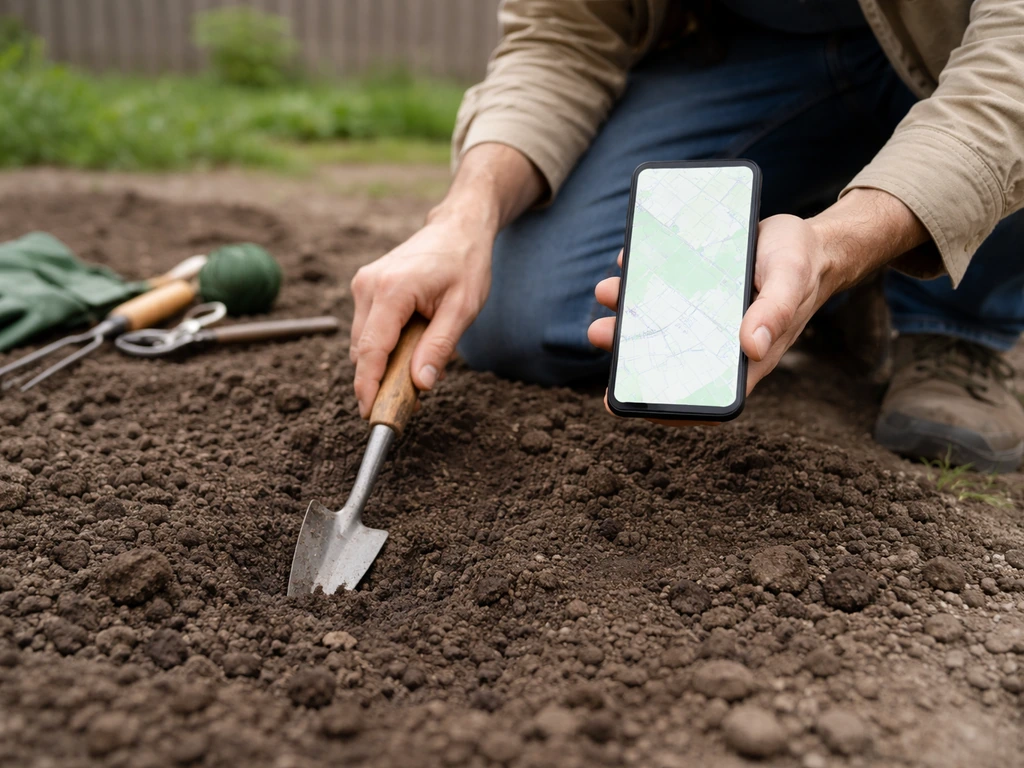
Here's how to move from reading this to actually growing gooseberries in your yard.
- Look up your USDA Plant Hardiness Zone using the official interactive map at planthardiness.ars.usda.gov. Enter your zip code and you'll get your zone instantly. If you're in zones 3 through 7, you're in the main sweet spot. Zones 8 and above require more careful variety selection and site work.
- Think honestly about your summer heat. If your summers regularly push above 90°F for weeks at a time, gooseberries will struggle regardless of zone. Cool, short summers are far more important than mild winters.
- Test your soil pH before planting. A basic soil test (available through your local cooperative extension office for $10 to $20) will tell you your current pH and what amendments you need to hit that 6.0 to 6.8 target. Most extension programs across the country offer this service.
- Pick a variety matched to your region. In the humid East, prioritize powdery mildew resistance. In the Mountain West, look for varieties that tolerate heat and dry air. In the coldest zones (3 and 4), hardiness is less of a worry, so you have more latitude to choose based on flavor.
- Choose your site and assess drainage. Before you dig, check whether the spot holds water after rain. If it does, build a raised mound or bed. Pick morning-sun, afternoon-shade placement if you're in a warm climate or a late-frost zone.
- Plan your planting time. The best time to plant is fall or very early spring, while plants are still dormant. Space individual plants 3 to 5 feet apart within rows, with 8 to 10 feet between rows. In early spring, just before growth resumes, prune any damaged or crossing branches to set the plant up for good airflow and light penetration.
One last thing worth knowing: gooseberries have historically had some legal restrictions in certain US states due to their role as a host for white pine blister rust. The rules have changed significantly over the decades and vary by state, so it's worth a quick check with your local extension office before ordering plants. This is especially relevant if you live near commercial white pine forestry areas. Once you've confirmed there are no local restrictions, you're good to go. If you want to avoid legal trouble, it can also help to check what berry is illegal to grow in your area before planting.
Gooseberries are genuinely one of the most cold-tolerant and underused small fruits in American home gardens. If you're in the right region, they're not difficult at all. Get the drainage right, match the variety to your climate, give them consistent moisture, and they'll reward you with fruit for 20 years or more from a single planting.
FAQ
If I’m outside the usual zones 3 to 7, where do gooseberries grow in the US anyway?
In warmer areas, gooseberries usually succeed only in “microclimates,” meaning you can find a site that mimics cooler conditions, like higher elevations, coastal areas with cool summers, or a spot with afternoon shade plus wind protection. If you are in zones 8 to 9, container growing is often the simplest way to control heat exposure and keep soil evenly moist.
Can gooseberries grow in the Deep South, and what’s the main limiting factor?
They can be grown, but the main challenge is sustained summer heat combined with dry spells. Your best odds are in places with mild summers or near the coast, and you’ll need heat buffering (afternoon shade, mulch) plus reliable drip irrigation. Even then, prioritize mildew-resistant or American-type varieties rather than standard European types.
Do gooseberries need other plants to fruit, or is one plant enough?
Gooseberries are generally self-fertile, so one plant can produce fruit. That said, adding a second compatible cultivar can improve pollination consistency and overall yield, especially if your spring weather is cool or windy when flowers are open.
Where should I plant gooseberries if I get late frosts in spring?
Choose an east-facing location (morning sun, less harsh afternoon heat) near a wall or fence for a slight bloom delay, and favor spots that stay a bit warmer during cold snaps. Avoid low spots where cold air collects, because those areas can keep frost hanging around longer than nearby ground.
What soil problems most often prevent gooseberries from growing well?
Poor surface drainage is the most common issue. Gooseberry roots are shallow, so if water pools after rain or irrigation, plants can struggle even if the overall ground “seems” fine. In heavy clay, raised mounds or ridges help lift the root zone above the waterlogged layer.
How do I tell whether my site is too wet for gooseberries?
Look for signs after storms or irrigation: persistently soggy soil, a sour odor, or turf that stays unusually patchy where the plant would sit. A quick test is to dig a small hole and see if it stays wet for days, if so, plan on drainage improvements or container growing.
Do gooseberries grow in partial shade, and will they still produce?
Yes, they can produce in partial shade, but fruit quantity is usually best with full sun in cooler regions. In hotter regions, partial shade is beneficial, especially protection from harsh afternoon sun, so you may get better results with a morning-sun and afternoon-shade setup than with full sun.
What variety should I pick if I’m worried about powdery mildew in humid eastern areas?
If you’re in the Mid-Atlantic or other humid regions, select mildew-resistant cultivars, especially American-type or those described as resistant to powdery mildew. Also consider spacing for airflow, because dense plantings can increase mildew pressure even when you choose the right variety.
Can I grow gooseberries successfully in containers, and what are the limitations?
Yes, containers work well for marginal climates because you can move plants during heat waves or protect them from unusual cold. Use at least a 15 to 20 gallon container with well-draining mix, keep moisture consistent with drip irrigation, and expect smaller harvests than in-ground planting.
Are there any legal restrictions I should check before planting gooseberries?
Some states have historically restricted gooseberries because they can serve as a host for white pine blister rust, and rules can vary by location. Before ordering plants, confirm with your local extension office or relevant state agency, particularly if you live near commercial white pine forestry areas.