
Poke berries grow across a massive stretch of eastern and central North America, from southern Ontario down through the Gulf Coast and as far west as California in disturbed or edge habitats. The plant, Phytolacca americana (commonly called pokeweed or pokeberry), is a tough native perennial that shows up along fence rows, roadsides, woodland edges, and anywhere birds drop seeds into bare or disturbed soil. If you live in USDA Hardiness Zones 4 through 9, there is a very good chance pokeweed can and already does grow in your area, and it may appear in your yard without you ever planting it.
Where Do Poke Berries Grow in the Wild and in Gardens
Marcus Holloway
9 Jul 2026
What poke berries actually are (and which plant people mean)
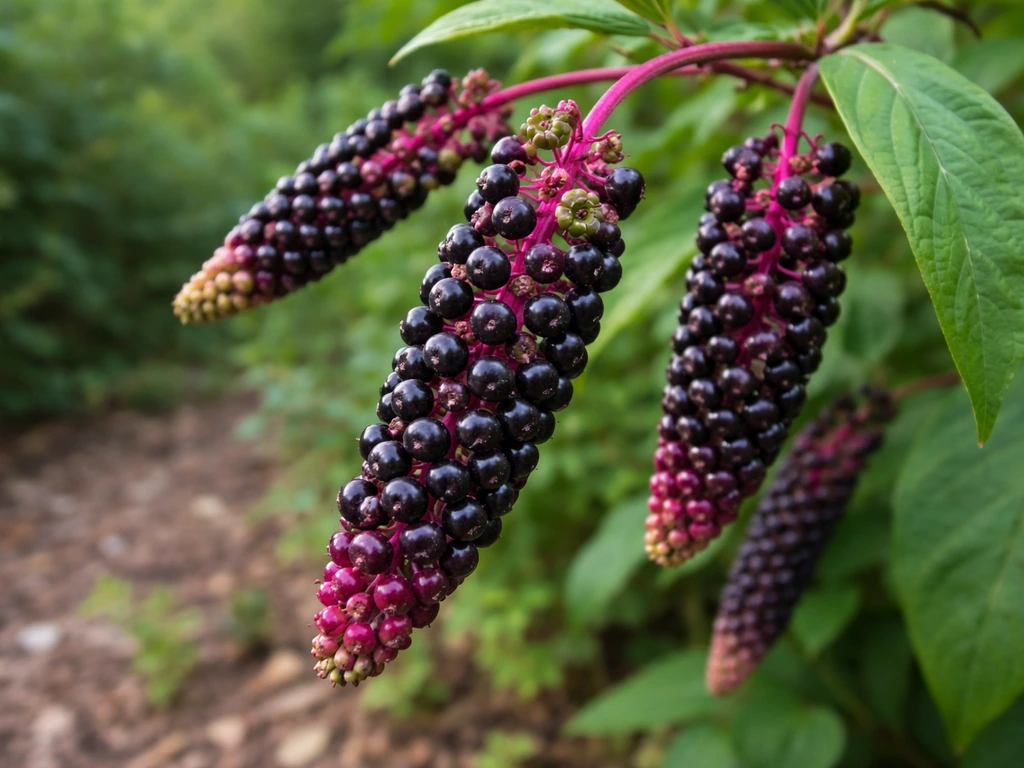
When people search for poke berries, they almost always mean the fruit of Phytolacca americana, also called American pokeweed, common pokeweed, or just pokeberry. If you are also wondering where olallieberries grow, that is a different berry crop, but the same idea applies that you need the right climate and site conditions for fruiting poke berries. This is a large, fast-growing native perennial herb that can reach 5 to 10 feet tall in a single season. Its most distinctive features are thick, hollow magenta-red stems, broad dark green leaves, and drooping clusters of deep purple-black berries on bright reddish-pink stalks. The USDA NRCS lists it under the symbol PHAM4, and it is the species you will find in nearly every field guide for eastern North America.
It is worth being specific here because "poke" can occasionally refer to other plants depending on regional dialects, but pokeweed (Phytolacca americana) is by far the most common meaning, and it is the one with the distinctive dark berries and toxic profile that most people are researching. It behaves more like a woody shrub than a typical annual weed once it is established, thanks to a very deep, fleshy taproot that allows it to come back year after year.
Where pokeweed grows in the wild: its natural range
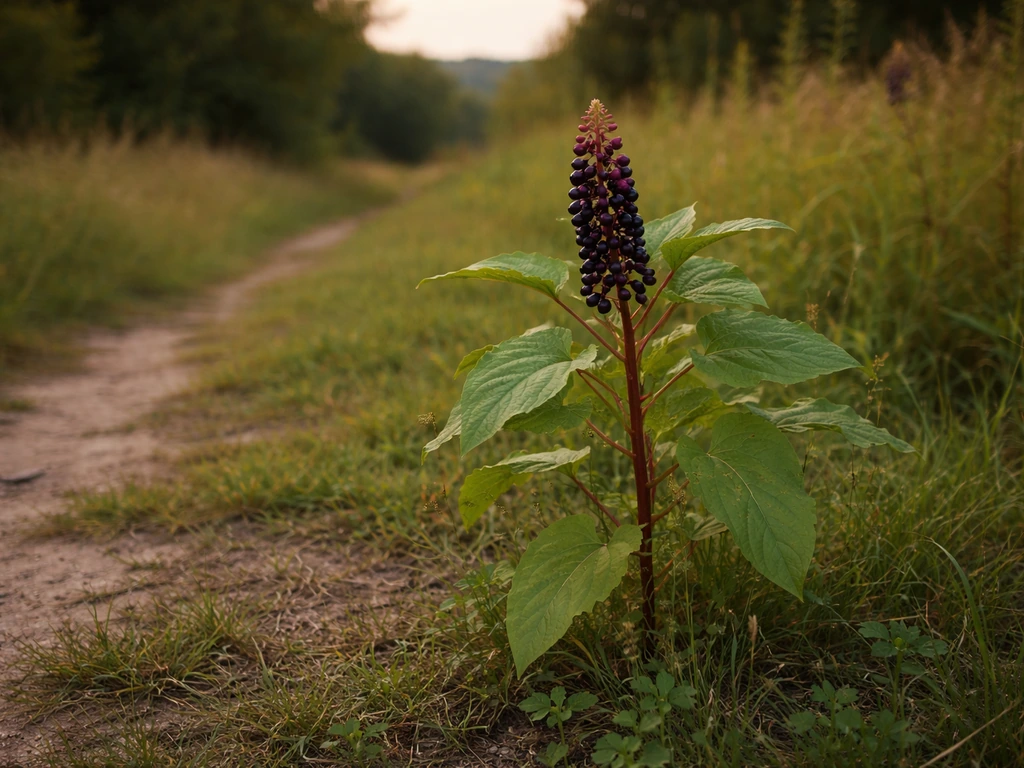
Phytolacca americana is native to eastern North America and naturally common throughout the eastern and central United States and into Mexico. If you are wondering where nightshade berries grow, pokeweed is a related plant people sometimes mix up, but its native range is eastern North America. Its introduced range now extends to Europe, South America, Africa, Australia, and parts of Asia, which tells you something important about how adaptable this plant really is. Within the US it is especially abundant in the Southeast and Mid-Atlantic regions, but it is found as far north as Maine and southern Canada and as far west as Texas, New Mexico, and coastal California.
In the wild, pokeweed is what ecologists call a colonizer of disturbed sites. According to the Missouri Department of Conservation, it is an aggressive and efficient colonizer wherever soil has been disturbed. You will find it most reliably in roadsides and rights-of-way, old pastures, field edges, woodland borders, forest clearings, fence rows, coastal sand areas, riparian zones (stream banks and pond edges), and even in parks and ornamental landscapes. UC IPM also lists it as a common presence in vineyards, orchards, and crop fields, which is why it shows up on the radar of farmers and backyard growers alike.
The habitat conditions pokeweed actually prefers
Understanding what pokeweed wants from a site makes it very easy to predict where you will find it. It is not a fussy plant, but it does have clear preferences that explain why it tends to cluster in specific spots.
Soil
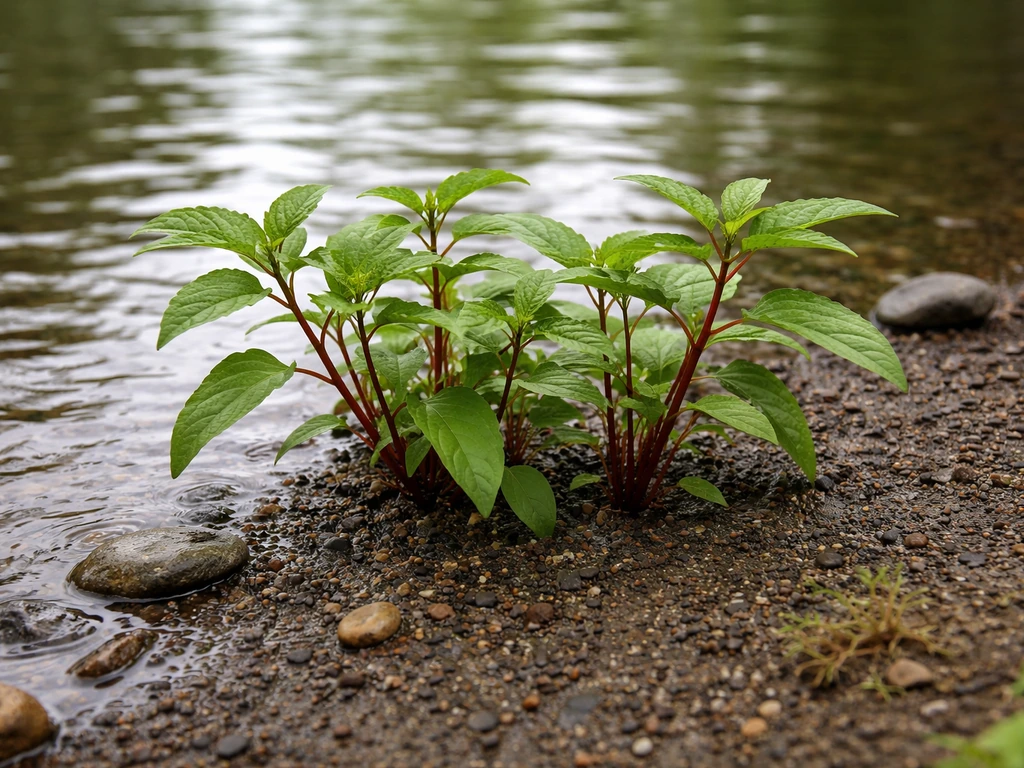
Pokeweed thrives in deep, rich, gravelly soils according to University of Maryland Extension, but it is genuinely flexible. University of Illinois Extension describes its ideal soil as moist and well-drained, while the RHS recommends fertile, moist soil for cultivation. That said, this is a plant you will regularly find volunteering in compacted roadsides and thin pasture soils, so it tolerates far less than ideal conditions once established. The taproot can push several feet deep to find moisture and nutrients, which is part of why it persists so well.
Moisture
Pokeweed handles a wide range of moisture levels. It grows along pond edges and riverbanks where soil stays consistently wet, but NC State Extension also notes it has drought tolerance, which explains its presence in dry roadsides and open fields away from any water source. The sweet spot is moist but well-drained ground, though established plants with deep taproots can push through surprisingly dry summers.
Light
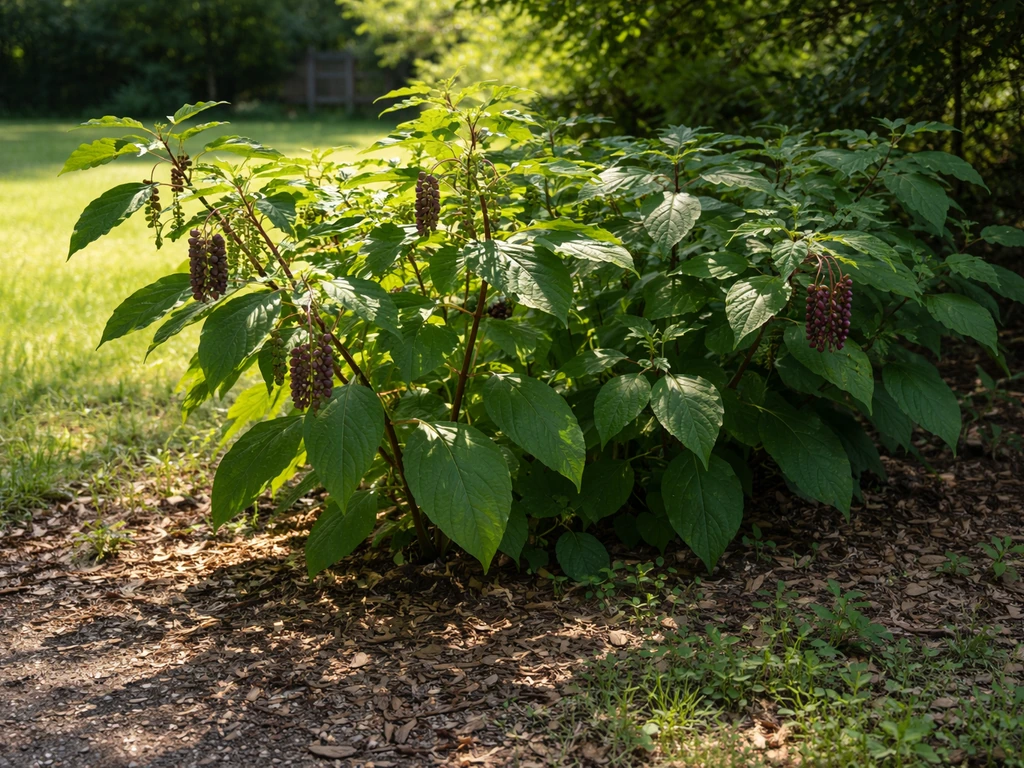
Full sun to partial shade covers most of what pokeweed will tolerate. The University of Illinois Extension specifically lists it as a full sun to partial shade plant, and in practice you will find the most vigorous, fruit-heavy specimens in open sunny spots: roadsides, field edges, and clearings. It will grow in shadier conditions at woodland edges, but tends to be leggier and less productive there. Think of it as preferring a sun-drenched fence row with some afternoon shade rather than dense forest interior.
Will poke berries grow in your region? A zone-by-zone reality check
The short practical answer is: if you are in USDA Zones 4 through 9, pokeweed is almost certainly already in your region and very likely already in your neighborhood. Here is a more specific breakdown by region. If you are looking for a traditional home berry patch, it helps to compare berries grown in your climate with what pokeweed actually is where to grow berries.
| Region / Zone Range | Likelihood of Pokeweed | Notes |
|---|---|---|
| Southeast US (Zones 7-9) | Extremely common | Peak native range; dense populations in disturbed areas year-round |
| Mid-Atlantic & Midwest (Zones 5-7) | Very common | One of the most frequently encountered roadside and edge plants |
| Northeast US & Southern Canada (Zones 4-6) | Common | Abundant in summer; dies back to root in winter but regrows reliably |
| Pacific Coast / California (Zones 8-10) | Present, introduced | Found in disturbed and riparian habitats; UC IPM lists it as a weed in vineyards and orchards |
| Mountain West / High Desert (Zones 4-7) | Less common but possible | Needs moisture; most likely near riparian areas or irrigated disturbed ground |
| Zones 3 and colder | Unlikely to persist | Taproot may not survive extreme winters; plants rarely establish |
If you are outside the native eastern range but in the right zone and climate, pokeweed can still establish wherever birds are dropping seeds in disturbed soil. If you are wondering, "can you grow miracle berries in the us," the answer depends on your zone and whether the plant can survive your winters and growing conditions USDA Hardiness Zones 4 through 9. Its introduced presence across Europe, South America, and Australia confirms it is not strictly tied to its native geography as long as the temperature and moisture minimums are met.
How poke berries spread and why they appear out of nowhere
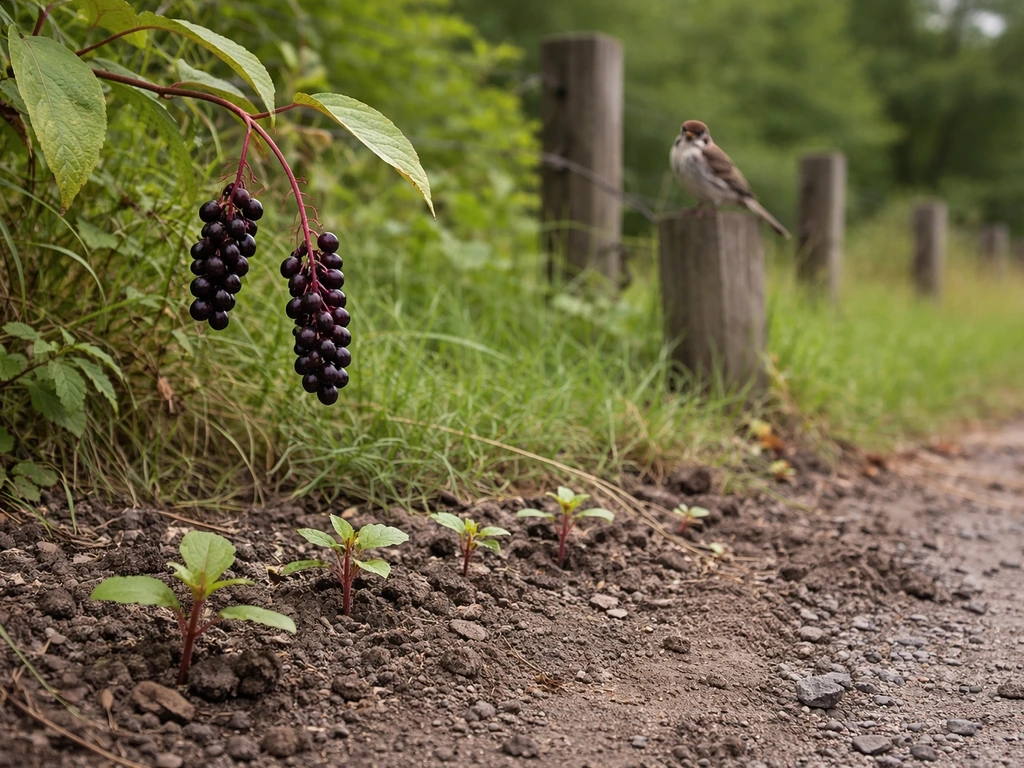
If pokeweed has turned up in your yard uninvited, birds are almost certainly responsible. This is not just a hunch. UC IPM specifically notes that new occurrences are often seen where birds frequent, and Michigan State University Extension explains the mechanism clearly: birds eat the berries, the seeds survive digestion, and they are redeposited in bird droppings wherever the bird lands next. A single pokeweed plant produces roughly 1,500 to 7,000 seeds annually, so even one plant nearby can seed an entire fence line or garden bed in a few seasons.
What makes this even more persistent is the seeds' durability. MSU Extension reports that pokeweed seeds can remain viable in the soil seed bank for up to 40 years. That means soil that was turned over from an old field or construction site could release pokeweed seeds that were deposited decades ago. Illinois Extension adds that within five to nine weeks of germination, a young plant can already develop a taproot substantial enough to regrow if the top is cut off. This is why pokeweed feels like it appears out of nowhere and then refuses to leave.
The practical implication for your yard: if you have bird feeders, a fence line, a woodland edge, or any area of recently disturbed soil, you are giving pokeweed ideal conditions for establishment. Bird feeders are particularly reliable pokeweed generators because birds perch above open ground and drop seeds directly into bare soil below.
Finding pokeweed vs growing it: practical next steps
How to find pokeweed in the wild
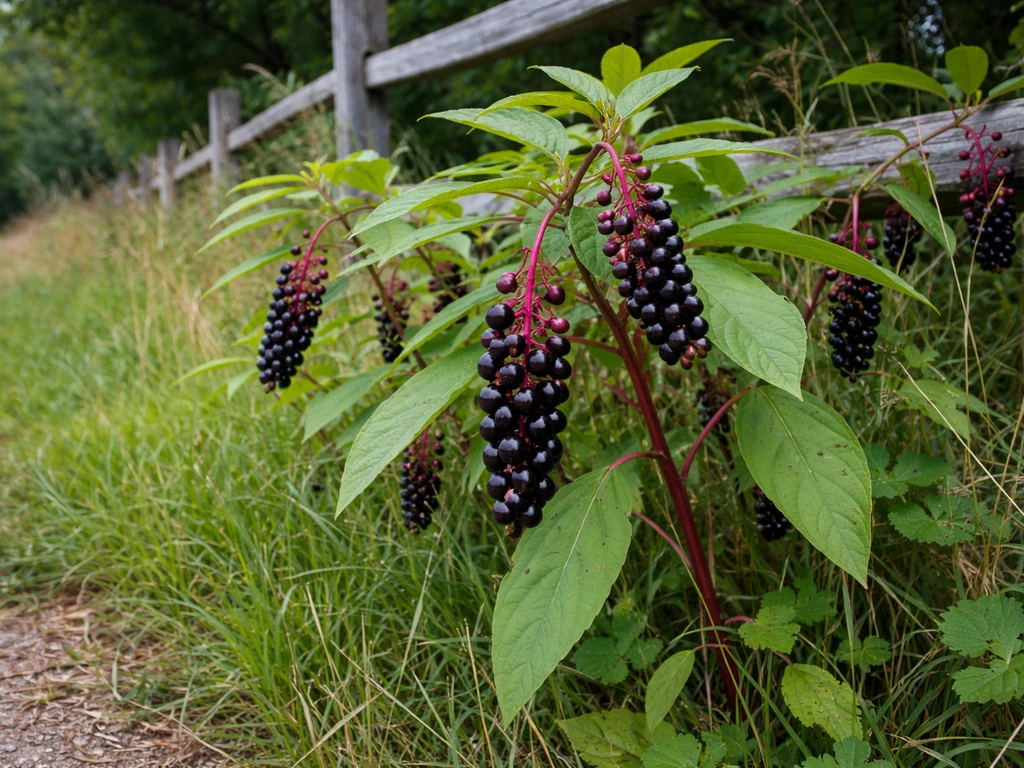
If you want to locate pokeweed, head to disturbed or edge environments in late summer when the berries are ripe and the magenta stems make it unmistakable. Look along fence rows, under power lines, at the edges of parking lots and woodlands, along roadsides, and near streams or pond banks. Wild berries like pokeweed are most likely to grow in disturbed areas such as roadsides, fence lines, and field edges in late summer. In suburban areas, check the back of overgrown lots and the base of old fences. Pokeweed is hard to miss once it is mature: 5 to 10 feet tall, thick red-purple stems, and dangling clusters of dark purple berries on hot-pink stalks.
Growing pokeweed intentionally on your property
If you want pokeweed on your property on purpose, it is genuinely easy to establish in Zones 4 to 9. Give it a sunny to partly shaded spot with moist, well-drained fertile soil and it will do the rest. You can direct sow seeds in fall for spring germination, or stratify seeds (cold-moist treatment) to improve germination rates. Once planted, expect vigorous return each spring from the taproot. The bigger challenge with intentional growing is containment: given the seed output and bird dispersal, plan to deadhead or remove berry clusters before they fully ripen if you do not want it spreading across your entire property.
Managing it if it shows up uninvited
University of Maryland Extension recommends manually removing plants before they flower and set seed as the most effective cultural control. The key timing is early: pull or dig seedlings before the taproot deepens, ideally in the first season. Once a plant has been in the ground for two or more years, the taproot can be thick and branching, requiring persistent digging or repeated cutting to exhaust the root's energy reserves. Never compost pokeweed roots or seed-bearing berries. Illinois Extension recommends preventing ripe fruit formation as the single most effective way to stop further spread.
Safety context you need to know before handling it
Pokeweed is toxic, and this is worth being direct about even though the focus here is growing geography. Pokeweed is toxic, and this is worth being direct about even though the focus here is growing geography, but if you are actually asking where beauty berries grow, you can switch to that related habitat guide for a different plant entirely. All parts of the plant are poisonous to mammals, but the level of toxicity varies by part. Ask Extension reports that the roots are the most toxic, leaves and stems carry intermediate toxicity (increasing as the plant matures), and the berries are the least toxic part, though they are still dangerous if eaten raw in any significant quantity. Ingestion can cause severe gastrointestinal symptoms and, in serious cases, can be fatal.
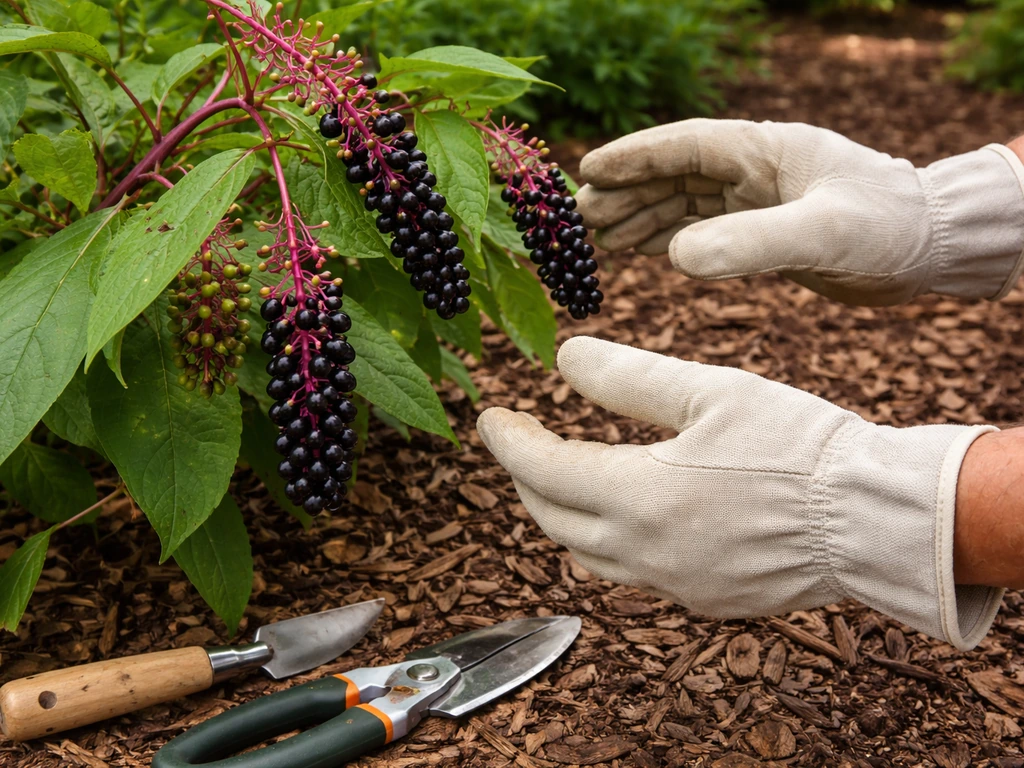
Two practical safety points for anyone handling the plant in the garden: first, always wear gloves. Ask Extension warns that pokeweed juice can be absorbed through the skin, so bare-handed contact with crushed stems or berries is genuinely risky. Second, keep children and pets away from any plant with ripe berries since the dark purple color is attractive and the fruit looks edible. If you are managing or removing pokeweed, long sleeves and nitrile gloves are the minimum protection.
You may have heard of "poke salad," a traditional Appalachian preparation using very young pokeweed shoots boiled through multiple water changes. This does not make the plant safe to handle casually or eat without precise preparation. The general advice for home gardeners is to treat it as a toxic plant throughout and manage it accordingly, especially if you have a yard used by kids or animals.
The bottom line on where poke berries grow
Pokeweed is a wide-ranging, tough perennial that grows across most of the eastern and central United States and well beyond its native range worldwide. It gravitates toward disturbed soils, edges, and sunny to partly shaded spots with at least moderate moisture, and it arrives on properties primarily through bird dispersal. If you are in Zones 4 to 9 and you have fence lines, bird feeders, or any recently disturbed ground, pokeweed may find you before you find it. Whether you are looking for it in the wild, want to grow it intentionally, or are trying to get rid of it, understanding these habitat preferences gives you a clear picture of where to look and what to expect. If wild and native berries that spread through bird activity interest you more broadly, the same principles of edge habitat and seed dispersal apply to several other native berry species worth exploring on this site.
FAQ
Why do poke berries (pokeweed) appear in my yard even if I never planted them?
Yes, pokeweed can show up in places that are not classic “roadsides” if there is disturbed soil plus bird traffic. Common surprises include compost piles left uncovered, soil disturbed by landscaping or renovations, and bare ground under utility lines where birds perch and drop seeds.
How can I confirm I really have poke berries (not a different plant)?
In the US, the darkest and most “berry-like” fruit people notice are usually the American pokeweed (Phytolacca americana). However, regionally, other “poke” names and related plants can be confused, so confirm the magenta-red hollow stems and drooping clusters on reddish-pink stalks before you assume it is pokeweed.
What time of year and what conditions make poke berries easiest to spot?
If you are trying to find them in the wild, late summer is best because the berries are ripe and the tall magenta-red stems are easy to spot. For more reliable viewing in overgrown areas, scan along edges in the morning or after rain when the clusters stand out against dark foliage.
Will pokeweed grow and fruit in heavy shade?
No. Pokeweed will establish without full sun, but fruiting is typically weaker in deep shade and plants may look leggier. If you are intentionally growing it, prioritize a spot that gets several hours of sun, with at least partial shade during the hottest part of the day.
What does “moist but well-drained” mean for pokeweed, and where is it in dry landscapes?
Even in drought-tolerant conditions, pokeweed still tends to concentrate where moisture is available at depth, not only where water sits on the surface. Look for slight depressions, areas near downspouts, low spots that stay damp longer after irrigation, and streambank-style habitats.
Can pokeweed spread from a single plant to the rest of my property?
Yes. Birds can spread pokeweed seeds into gardens, especially along fence lines and near bird feeders. To reduce new seedlings, keep ground covered with mulch, minimize bare soil, and remove ripe berry clusters quickly, since a single plant can produce thousands of seeds.
If I cut pokeweed, will it stop coming back?
Don’t rely on cutting alone once the taproot is established. The plant’s deep, fleshy root can regrow if you remove only the above-ground growth, so the most effective approach is repeated removal before flowering and berry set, plus persistent digging if it has been in place for multiple seasons.
What is the best removal strategy for seedlings versus mature pokeweed?
If you find seedlings, pull them early while they are small and before the taproot thickens. For larger plants, repeated cutting at the right time (before berries ripen) may help, but be prepared for regrowth over multiple seasons. Always treat removed material as toxic waste and bag it, especially if berries are present.
Why do new pokeweed plants keep showing up years after I removed the first ones?
Pokeweed seed viability is extremely long, so “waiting it out” can be misleading. If you turned the soil recently, you may see new sprouts even years later as older seed bank deposits germinate, so plan for multi-year monitoring.
How can I grow pokeweed on purpose without letting it spread everywhere?
For intentional growing, plan for containment. Use physical barriers only if you are willing to maintain them, because taproots can penetrate deeply; and remove or prevent berry clusters so birds are not given fresh fruit to eat and disperse.
Will mulch or landscape fabric prevent pokeweed from coming back?
Yes. Seeds can survive long enough that compacting or covering soil may reduce new germination, but it usually does not eliminate future sprouts completely if the seed bank is present. Pair soil covering (thick mulch or landscaping fabric) with timely seedling removal.
What safety steps should I take when handling or removing pokeweed?
Wear gloves and avoid skin contact with crushed stems or berries, because pokeweed juice can be absorbed through the skin. If you are removing plants, also wear eye protection and long sleeves, and keep kids and pets away from any plant with ripe-looking fruit.