
Wild berries grow almost everywhere: forest edges, old fields, rocky hillsides, boggy wetlands, hedgerows, and even dry, disturbed roadsides. The specific habitat depends entirely on the berry species, but the common thread is that most wild berries cluster where sunlight, soil acidity, and moisture hit a particular sweet spot. Once you understand those three levers, you can find wild berries near you with far more confidence, and you can recreate those same conditions in a backyard bed or container.
Where Do Wild Berries Grow? Habitats, Cues, and How to Replicate
Marcus Holloway
30 Jun 2026
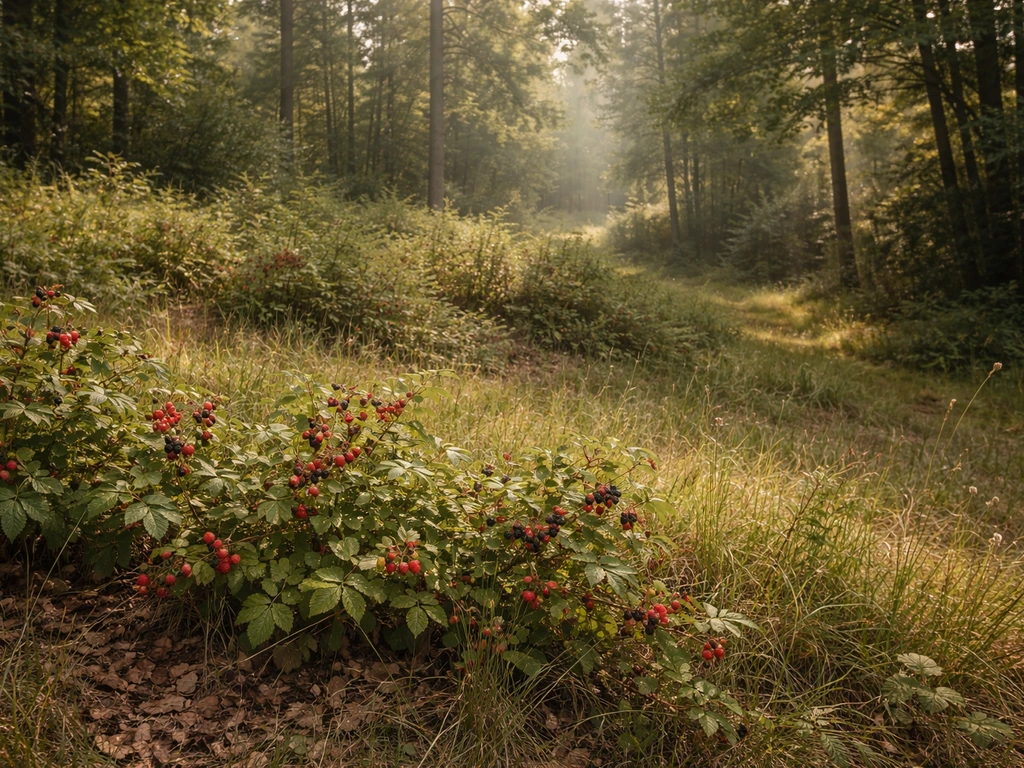
The main natural habitats where wild berries show up
Wild berries are not randomly distributed. Each type gravitates toward a fairly predictable habitat category, and knowing those categories is the fastest way to start finding (or growing) the berries you want. Once you know the habitat type, you can narrow down where to grow berries that match your local conditions start finding (or growing) the berries you want.
Woodland edges and forest clearings
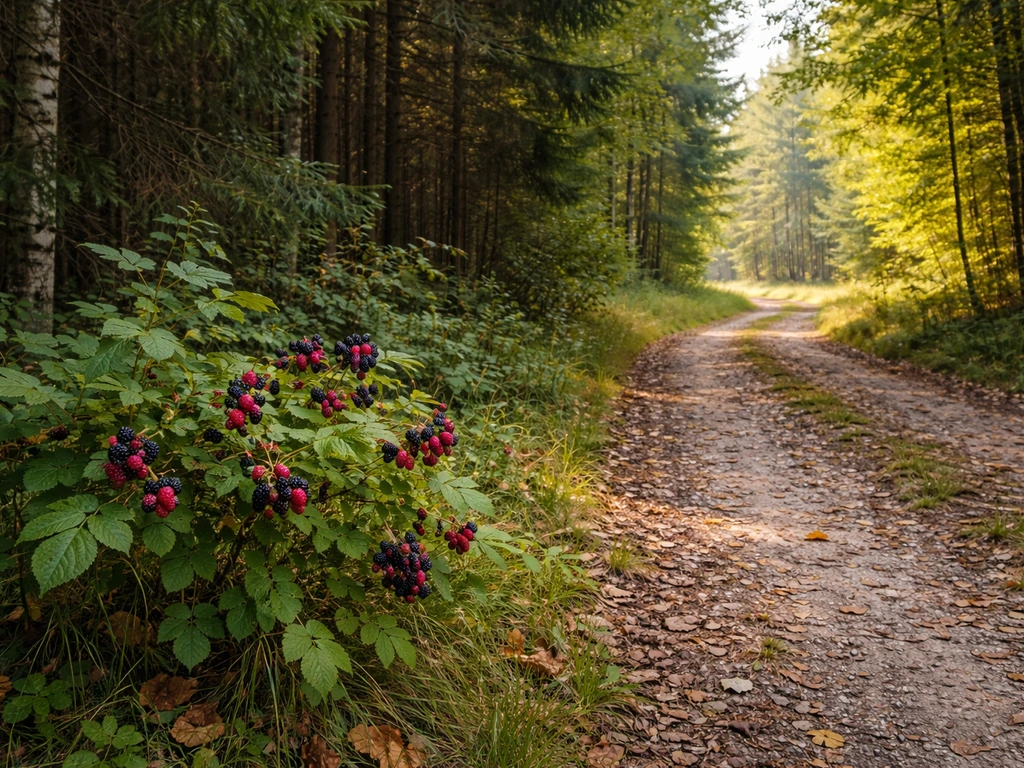
This is the most productive wild berry habitat in temperate regions. The key word is 'edge.' Where a dense forest opens up into a clearing, old logging road, or abandoned field, light floods in and berry plants take over. blank" rel="noopener noreferrer">Lowbush blueberry (Vaccinium angustifolium) is a textbook example: it thrives in open conifer woods, old fields, and rocky balds where the canopy is thin or absent. Put it under a closed forest canopy and it simply will not perform. Raspberries and blackberries behave the same way. They colonize recently disturbed ground like clear-cuts, burned patches, and roadsides because full sun and deep, well-drained soils are exactly what they need.
Wetlands, bogs, and riparian zones
If you are standing near a bog, marsh, or stream bank, you are almost certainly standing near wild berries. Bog blueberry (Vaccinium uliginosum) grows across heath, moorland, and tundra on wet, acidic soils, and also appears in the understory of northern coniferous forests. Cloudberry (Rubus chamaemorus) similarly favors wetter sites across its range. American elderberry (Sambucus canadensis) pops up in marshes, swamp edges, and woodland floodplains. Red elderberry (Sambucus racemosa) sticks to cool, moist riparian zones and mountainous swampy areas. Basically, if water sits or flows nearby and the soil leans acidic, check for berries.
Open fields, hillsides, and rocky areas
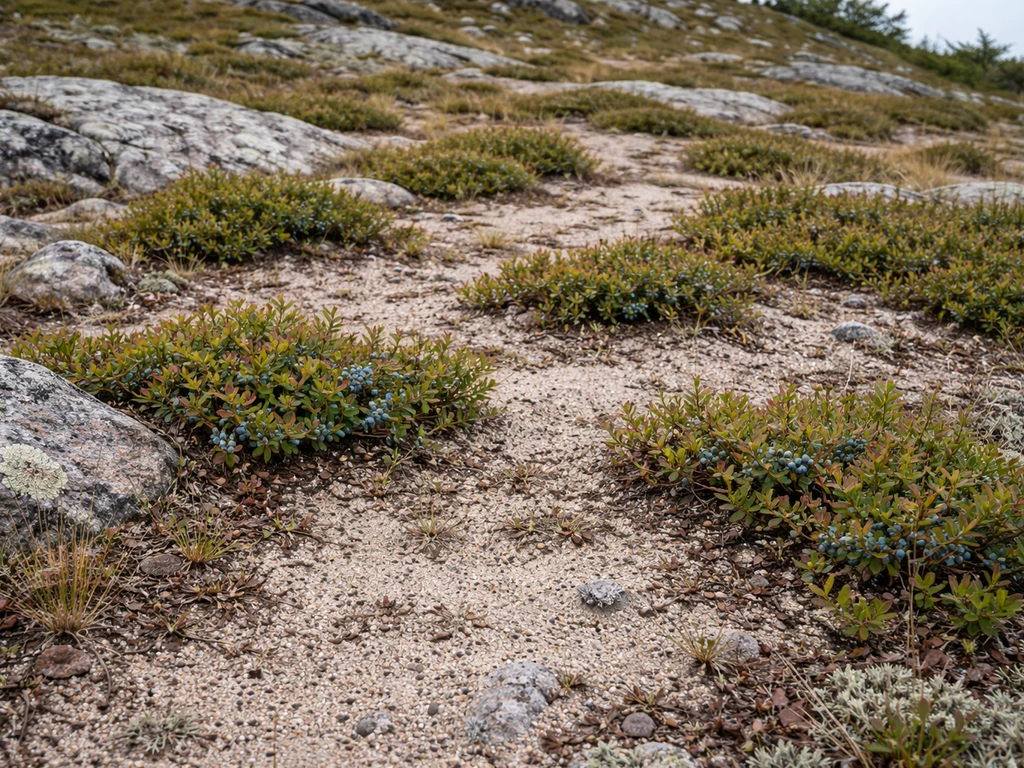
Some wild berries genuinely prefer drier, more open terrain. Wild lowbush blueberry colonizes sandy or rocky balds and abandoned fields where soil is thin and acidic. Huckleberry species (Gaylussacia) turn up on dry, open slopes and in scrubby oak woodland. Dry, rocky ground with good drainage and high sun exposure is the signature habitat here. If the soil were richer and the moisture more consistent, other plants would crowd these berries out.
Hedgerows, fence lines, and disturbed edges
Elderberry is almost a weed along fence lines, roadsides, and the edges of agricultural fields in the eastern US and much of Europe. It tolerates a wide range of soil types and loves the rich, disturbed ground that collects organic matter along hedgerows. Blackberries are similar: anywhere human activity has broken up the ground and left it sunny, brambles move in fast.
How a berry's growth form tells you where to look
The physical structure of a berry plant is a good shorthand for its habitat. Growth form and environment are tightly linked.
| Growth Form | Examples | Typical Habitat |
|---|---|---|
| Low, spreading shrub (ground-hugging) | Lowbush blueberry, bog blueberry, cloudberry | Open sunny fields, rocky balds, bogs, tundra |
| Upright cane (bramble) | Raspberry, blackberry | Disturbed edges, old fields, roadsides, forest clearings |
| Vining or scrambling | Dewberry, some wild grapes | Woodland edges, fencerows, thickets |
| Tall shrub or small tree | Elderberry, serviceberry, huckleberry (some) | Hedgerows, riparian zones, open woodland |
| Trailing ground layer | Lingonberry, cranberry | Bogs, peat moss, wet acidic ground |
Cane berries like raspberries and blackberries spread aggressively into disturbed, sunny ground because their long arching canes can root at the tips and colonize new soil quickly. Low shrubs like lowbush blueberry stay compact because they evolved on exposed, windswept balds and tundra where tall growth is punished by cold and desiccation. Tall shrubs like elderberry need richer, moister soil to support that bulk. When you see one of these growth forms in a landscape, the habitat context almost always matches the table above.
Where wild berries grow by region and climate zone
Geography shapes which wild berries you will encounter, but the underlying drivers are always the same: temperature range, frost timing, rainfall pattern, and native soil chemistry.
North America
The northeastern US and eastern Canada are blueberry and bramble country. Cool summers, acidic glacial soils, and frequent disturbance (logging, fire history) create perfect conditions. The Pacific Northwest produces wild blackberries (including the invasive Himalayan blackberry), huckleberries in the mountain forests, and elderberry along creek corridors. If you are wondering where olallieberries grow, look to the Pacific Northwest where similar brambles thrive in disturbed, sunny areas. The Southeast has wild blueberries across the coastal plain and Appalachian foothills. The upper Midwest and Great Plains host wild plums and serviceberries on open prairie edges. Further north into boreal Canada and Alaska, you hit cloudberry and bog blueberry territory, with lingonberry carpeting the forest floor.
Europe
Bilberry (Vaccinium myrtillus) dominates moorland, heathland, and the understory of upland conifer forests across northern and central Europe. Elderberry lines roadsides and hedgerows from the British Isles to Eastern Europe. Wild raspberries and blackberries fill forest edges everywhere. Cloudberry and bog bilberry appear across Scandinavia, Scotland, and the mountains of central Europe wherever cool, wet, acidic conditions exist.
Asia
Wild berry diversity is highest in the montane forests of China, Japan, and the Himalayas. Dozens of wild Rubus species (relatives of raspberry and blackberry) grow along forest trails and disturbed mountain slopes. Schisandra (five-flavor berry) climbs through temperate forest edges. Wild gooseberries and currants appear across Siberia and central Asia in open woodland. The patterns mirror temperate North America and Europe: edges, disturbance, acidic soils, and altitude all drive berry presence.
How to match your local climate zone
Rather than memorizing a map, think about your USDA hardiness zone and local moisture pattern. Zones 3 to 5 with cold winters and reasonable summer rainfall support a wide range of wild berry types including blueberries, brambles, elderberry, and huckleberry. Zones 6 to 8 with hot summers favor elderberry, blackberries, and serviceberry, but blueberries need consistent soil acidification. Zones 9 and warmer make most northern wild berries difficult, though beautyberries and certain dewberries handle the heat. Beautyberries are also heat-tolerant, so they show up more readily in warm climates than in colder northern zones. If you are in a high-rainfall area regardless of zone, bog and wetland berries become viable. Dry climates push you toward drought-tolerant brambles and serviceberry.
The soil, moisture, and sun conditions that determine berry presence
Three environmental factors explain roughly 90 percent of where a wild berry will and will not grow: light, soil pH, and moisture. Get these right and almost everything else follows.
Sunlight
Most fruiting wild berries want full sun or at minimum six hours of direct light per day. Lowbush blueberry actively struggles under closed canopy. Brambles colonize open ground first. Even elderberry, which tolerates partial shade, produces far more fruit in full sun. The exception is certain Vaccinium species like bog blueberry and lingonberry, which manage in dappled conifer shade because their native habitat (boreal forest floor) is inherently lower-light. If you are scouting for wild berries, walk toward the brightest, most open patches in the landscape.
Soil pH
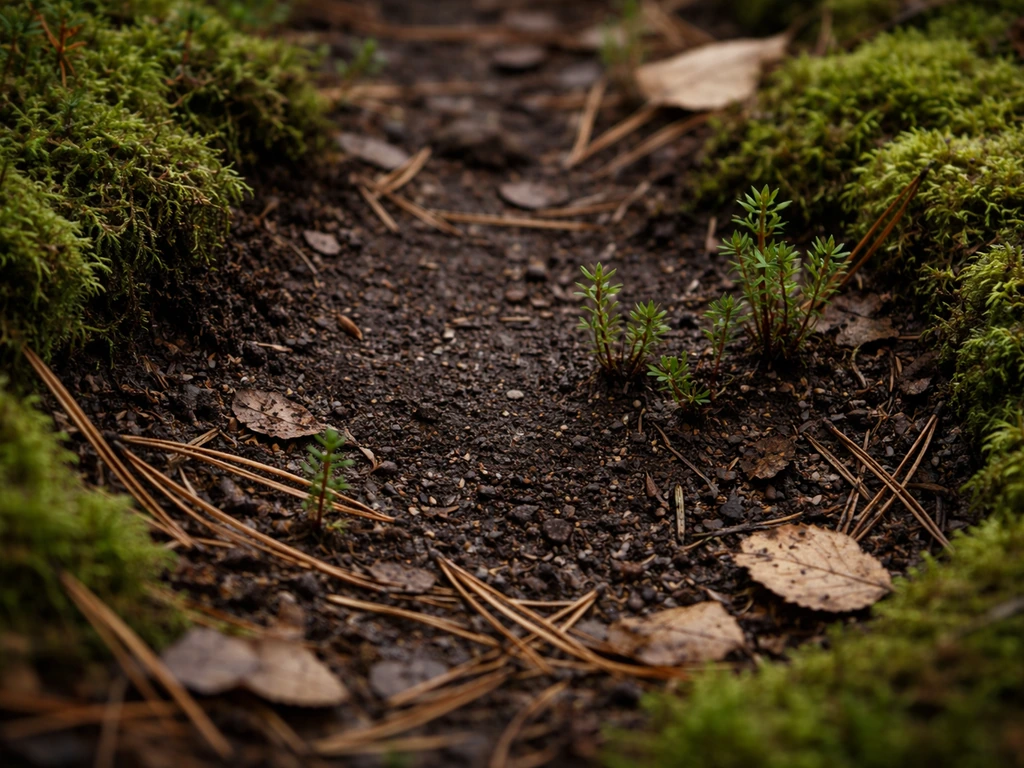
Soil acidity is the single most diagnostic soil factor for wild berries. Blueberries, huckleberries, lingonberries, and cranberries are all strongly acid-dependent. Bog blueberry has been documented across a pH range of 3.5 to 6.2, with the sweet spot in the high threes to low fives. For lowbush blueberry specifically, the target for garden establishment is pH 4.0 to 4.8. Brambles (raspberry and blackberry) are more flexible, performing well from pH 5.5 to 6.5. Elderberry is the most tolerant, handling a wide pH range though it prefers slightly acidic to neutral soils. If you find a patch of wild blueberries, the soil underneath will almost certainly be noticeably acidic, often with visible peat, pine needles, or sphagnum moss.
Moisture and drainage
Moisture preferences split wild berries into two broad camps. Bog and wetland species (cranberry, lingonberry, bog blueberry, cloudberry) need consistently moist to wet, poorly drained conditions. Cloudberry tends to appear most abundantly on wetter sites within its range. Cane berries and lowbush blueberry want the opposite: well-drained soil where roots don't sit in standing water. Elderberry sits in the middle, tolerating wet soil near streams while also growing in average garden conditions. When you find a dry, well-drained field transitioning into a wetter low area, you will often find different berry species in each zone within the same short walk.
How to find wild berries near you right now
The most practical approach is to read the landscape and match what you see to the habitat profiles above. If you are asking specifically where nightshade berries grow, you can use the same habitat-matching approach by checking light, soil pH, and moisture in your area. Here is how to do it efficiently.
- Look for edge zones first. The transition between a woods and an open field, a stream bank, or a road cut is where most wild berries concentrate. Drive slowly on rural roads in early to mid-summer and watch for white flower clusters (elderberry), pinkish-white bell flowers (blueberry relatives), or dense arching canes (brambles).
- Time your visit by season. Serviceberry and wild strawberry ripen earliest (late spring to early summer, zones 5 to 7). Raspberries follow in early to mid-summer. Blackberries peak mid to late summer. Blueberries and huckleberries ripen mid-summer to early fall depending on elevation and latitude. Elderberry is late summer to early fall. In late August through September, look for the dark purple-black clusters hanging from tall shrubs along roadsides.
- Check disturbed or recovering ground. Old logging units, pipeline right-of-ways, abandoned pastures, and burned areas from 3 to 10 years ago are prime bramble and blueberry habitat. These areas are recovering but not yet shaded out.
- Follow water. Stream corridors, pond edges, and seasonally wet depressions attract elderberry, bog blueberry, and in northern latitudes, cloudberry. Even a small drainage ditch through a field is worth checking.
- Use your nose and eyes together. Ripe berries smell sweet and slightly fermented. Birds, including cedar waxwings and thrushes, are a reliable indicator: if you hear them flocking in a shrubby area, fruit is nearby.
- Before eating anything, make a positive identification. Several wild berries are toxic, including pokeweed berries, nightshade, and some elderberry lookalikes. Cross-reference at least two field guide sources or a local foraging group before consuming any wild berry you are not 100 percent certain about.
Identifying common wild berries by their habitat
Habitat context is one of the most reliable identification aids you have. If you know what kind of place you are standing in, you can dramatically narrow down what berry you are looking at.
Raspberries and blackberries
Find them in sunny, disturbed places with well-drained soil: roadsides, old fields, forest clear-cuts, trail margins. If you are also curious where miracle berries grow, look for similar patterns of habitat and conditions like light, soil, and moisture. Both produce thorny arching canes 3 to 6 feet tall. Red or black drupelets distinguish them from toxic lookalikes. Raspberries have a hollow core when picked; blackberries are solid. Either plant in full sun with deep soil confirms you are in bramble territory.
Blueberries and huckleberries
If the soil is visibly acidic (pine-needle mulch, moss, peat, or sandy/rocky ground) and the site is open to sun or only lightly shaded by conifers, blueberries and huckleberries are likely candidates. Lowbush blueberry stays under knee height on open balds and old fields. Highbush blueberry grows taller (6 to 12 feet) in wetter, more shrubby settings near water. Huckleberry species appear in similar acidic conditions but are often found in drier, sandier, or rocky pine woodland habitats. All have small, round, blue to blue-black berries with a five-pointed crown at the tip.
Elderberry
Elderberry is a tall, fast-growing shrub with compound leaves (5 to 11 leaflets), large flat-topped clusters of tiny white flowers, and dark purple-black berry clusters that droop when ripe. You will find it most reliably along fence lines, stream banks, roadside ditches, and the moist edges of woodland. It handles a wider range of conditions than almost any other wild berry. If you see a big, slightly weedy-looking shrub along a farm fence in late summer loaded with dark berry clusters, it is almost certainly elderberry.
Huckleberry
True huckleberry (Gaylussacia species in the East, Vaccinium membranaceum in the West) grows in acidic, often dry to moderately moist forest understory and open slopes. In the Appalachians and Atlantic coastal plain, look for it in oak and pine woodlands with sandy, acidic soil. In the Pacific Northwest and Rocky Mountains, blue huckleberry appears in mountain forests from about 2,000 to 7,000 feet elevation. The berries are dark blue to black with ten hard seed-like nutlets (Eastern huckleberry) versus multiple soft seeds (Western Vaccinium huckleberry).
Bog and tundra berries (cloudberry, lingonberry, cranberry)
These are all low, creeping plants of cold, wet, acidic ground. If you are in northern boreal forest, tundra, or upland peat bog, look down: these berries grow as a carpet across sphagnum moss and wet peat. Cloudberry produces single amber-orange berries that look like a pale raspberry. Lingonberry has small, glossy, oval leaves and produces bright red berries in tight clusters. Cranberry trails along the ground in open bogs with very small, waxy leaves. None of these will appear in warm, well-drained, or alkaline ground.
Replicating wild-growing conditions in your garden or containers
Once you understand why a wild berry grows where it does, setting up the right conditions at home becomes much more straightforward. The goal is to match the three core factors: light, soil pH, and moisture drainage.
Site prep for acid-loving berries (blueberry, huckleberry, lingonberry)
Start with a soil test. Most extension services offer cheap pH testing, and it is the single most valuable thing you can do before planting. Lowbush blueberry wants pH between 4.0 and 4.8. Highbush blueberry is comfortable from 4.5 to 5.5. To lower pH, incorporate elemental sulfur several months before planting (it takes time to work), or build raised beds filled with a mix of peat moss, pine bark fines, and sandy soil. Mulching heavily with pine needles or wood chips from acid-wood species (pine, oak) helps maintain acidity over time. Full sun is non-negotiable for production.
Raised beds and containers
Raised beds give you the best control over soil chemistry, which is why they work so well for blueberries and huckleberries in areas with naturally alkaline or clay-heavy soil. Fill a 12 to 18-inch-deep raised bed with an acidic mix as described above, and you have essentially created a portable woodland bald. Containers work for lowbush blueberry and lingonberry (both stay compact), and for smaller elderberry cultivars. Use large containers (15 gallons or more) for elderberry, and a well-draining acidic potting mix for blueberry types. Keep containerized acid-lovers consistently moist but not waterlogged.
Replicating edge and thicket conditions for brambles
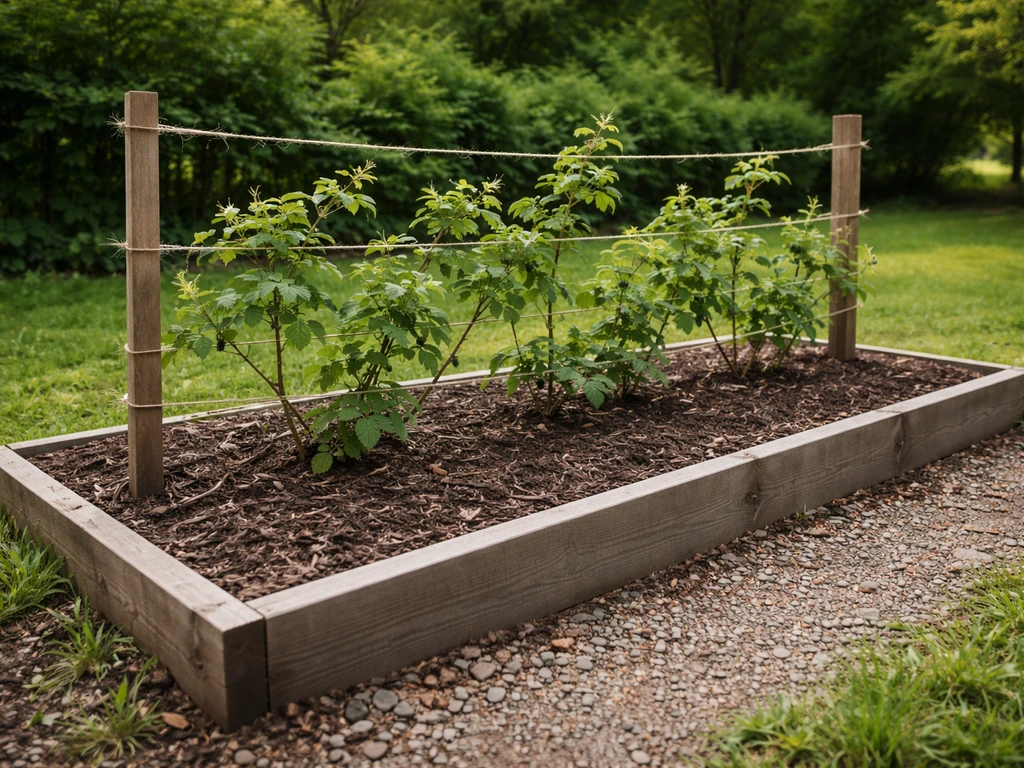
Raspberries and blackberries want what they get in the wild: full sun, deep well-drained soil, and room to spread. Avoid low spots where water pools after rain. A simple trellis or fence mimics the shrubby edge environment and keeps canes manageable. If your native soil is heavy clay, raised rows or mounded beds improve drainage significantly. There is not much mystery to growing brambles: give them light and drainage, and they will do most of the work themselves.
Water management for bog-type berries
Cranberry and cloudberry are genuinely difficult to grow outside their native range because they need consistently cold, wet, acidic conditions. Can you grow miracle berries in the US? Start by checking whether your conditions match the plant’s needs for warmth, light, and reliable moisture acidic conditions. If you are serious about cranberry, a lined bog bed filled with sphagnum peat and kept continuously moist (not just watered occasionally) is the approach most home growers use successfully.
Cloudberry is best attempted only in zones 3 to 5 where summers stay cool. For most gardeners in warmer zones, the practical alternative is bog blueberry or lingonberry, both of which handle moisture and acidity well in a contained raised bed without needing the extreme cold and saturation that cranberry demands.
A quick-start checklist for matching wild conditions at home
- Test your soil pH before doing anything else. It dictates which berries are realistic in your garden without major amendment.
- Choose your spot based on light first. Six or more hours of direct sun is the baseline for almost all fruiting berries.
- Match drainage to the berry type. Raised beds or mounded rows for brambles and blueberries; lined bog beds or consistently irrigated containers for cranberry or cloudberry.
- Use organic mulch aggressively. Pine bark, pine needles, or shredded oak leaves maintain acidity and moisture simultaneously.
- Think in terms of the wild habitat. If you are growing elderberry, give it a moist, edge-like spot near a water source or low area of the yard. If you are growing lowbush blueberry, put it in the sunniest, most open spot you have with the thinnest, most acidic soil you can create.
- Be patient with perennials. Most wild berry plants establish slowly in year one and ramp up production in years two through four. The wild plants you admire in nature are often decades old.
Whether you are trying to find wild berries on a hike, understand why a certain species grows in your local woods, or set up a backyard patch that actually produces, the habitat logic is the same in all three cases. If you are looking up where berries grow lyrics, focus on habitat clues like light, soil acidity, and drainage habitat logic. Read the light, read the soil, read the moisture. The berries follow from there.
FAQ
Where do wild berries grow if the area looks “sunny” but nothing is fruiting yet?
Look for recently disturbed patches within the sunny area (a ditch cleared of vegetation, a blown-down tree gap, or a newly eroded slope). Many berries colonize after disturbance, so the spot may be bright but still too young ecologically. Also check for acidic soil indicators nearby, like pine needles, peat, or sphagnum moss (for Vaccinium-type berries).
Can I rely on USDA hardiness zone alone to predict where wild berries grow?
Not fully. Zones help with temperature, but berry presence hinges on soil pH and drainage. Two neighborhoods in the same zone can support different berries if one has clay that stays wet or alkaline runoff. If you cannot test pH, the practical workaround is to compare to obvious habitat proxies (bog plants versus brambles on well-drained ground).
How do I tell whether a wild berry patch needs “wet” conditions or just “moist most of the year”?
Do a simple persistence check: observe whether the area has standing water after rain or stays visibly damp for weeks. Bog and wetland types generally sit on poorly drained ground, while “moist” sites dry back between storms. If you have to water to keep it alive in summer, it is usually not the true wetland type.
What mistake do people make when they transplant wild berries to a backyard?
They copy the plant without matching the soil chemistry. Blueberries, huckleberries, lingonberry, and cranberries can fail even in the “right habitat” if the soil pH is too high. Plan on raised beds or containers if your yard soil is limestone-heavy or clayey, and re-check pH after establishment (it can drift over time).
Is it safe to eat wild berries I find in the correct habitat?
Habitat clues reduce the odds of guessing wrong, but they do not guarantee correct ID. Always confirm the species using multiple traits (leaf structure, plant form, berry arrangement, and fruiting cane/shrub type), and avoid plants near roads or treated areas where residues may be present.
Why do wild blueberry and huckleberry patches sometimes look healthy but never produce berries?
Low light is a common cause even in “open” landscapes, because production often requires at least several hours of direct sun. Another frequent issue is insufficient acidic conditions, especially where the soil has been amended with compost, manure, or lime. If you are managing the site, test soil pH and correct it well before the expected fruiting period.
Do wild brambles (raspberries and blackberries) grow in the exact same spots as elderberry?
They overlap, but elderberry is more tolerant of a wider range of soil pH and can grow in wetter edges, including along stream banks and ditchlines. Brambles usually want drier, well-drained disturbed ground and can struggle in low spots where water pools after rain. If you see brambles thriving, prioritize drainage first.
How can I use habitat clues to avoid confusing blueberries with other lookalikes?
Focus on plant growth form and the site context together. Blueberry relatives tend to form low shrubs or upright shrubs depending on species, and they correlate strongly with acidic, organic, often pine-needle or peat-rich soil. Also look for the typical small blue to blue-black berries and the crown at the tip, then verify with a second feature like leaf shape.
Where would I look for cloudberry and lingonberry if I am not in a boreal region?
Your best shot is cool, wet, acidic microhabitats rather than broad geography. In many places outside their core range, that means shaded conifer understory, high rainfall areas, or a raised, consistently moist bed with acidic media. If summers are hot and soils drain quickly, expect poor fruiting even if plants survive.
What is the most efficient way to scout for wild berries in a new area on the same walk?
Split your route into microhabitats and compare them: start at the brightest openings (forest edge, abandoned field, or sunny trail margins) for brambles and open-ground berries, then drop to wetter transitions (bog edge, stream bank, ditchline) for wetland Vaccinium and elderberry types. Finally, check dry, sandy or rocky slopes for huckleberries. This reduces random searching because most berries cluster in predictable light, pH, and moisture bands.
Can I grow cranberries at home in a climate that is not consistently cold?
Often only with major infrastructure, because cranberries require continuous cold, wet, acidic conditions, not occasional winter chill. Many home attempts fail due to drying or drainage, even if the plants look established. If your winters warm up or your site cannot stay saturated, bog blueberry or lingonberry is usually the more achievable substitute.