
American beautyberry (Callicarpa americana) grows naturally across the southeastern United States, from Maryland and Virginia down through Florida and west to Texas, Arkansas, and Oklahoma. In the wild, you'll find it along forest edges, in open pine woodlands, on moist slopes, and even at swamp margins. In the garden, it thrives in USDA zones 6 to 9 (some sources extend that to zone 12), handles everything from full sun to partial shade, and tolerates a wide range of soils as long as drainage is reasonable. If you're in the South or Mid-Atlantic, chances are good this shrub will grow where you live with minimal fuss.
Where Do Beauty Berries Grow? Native Range and Habitat Guide
Marcus Holloway
18 May 2026
Beautyberry basics: which plant are we talking about?
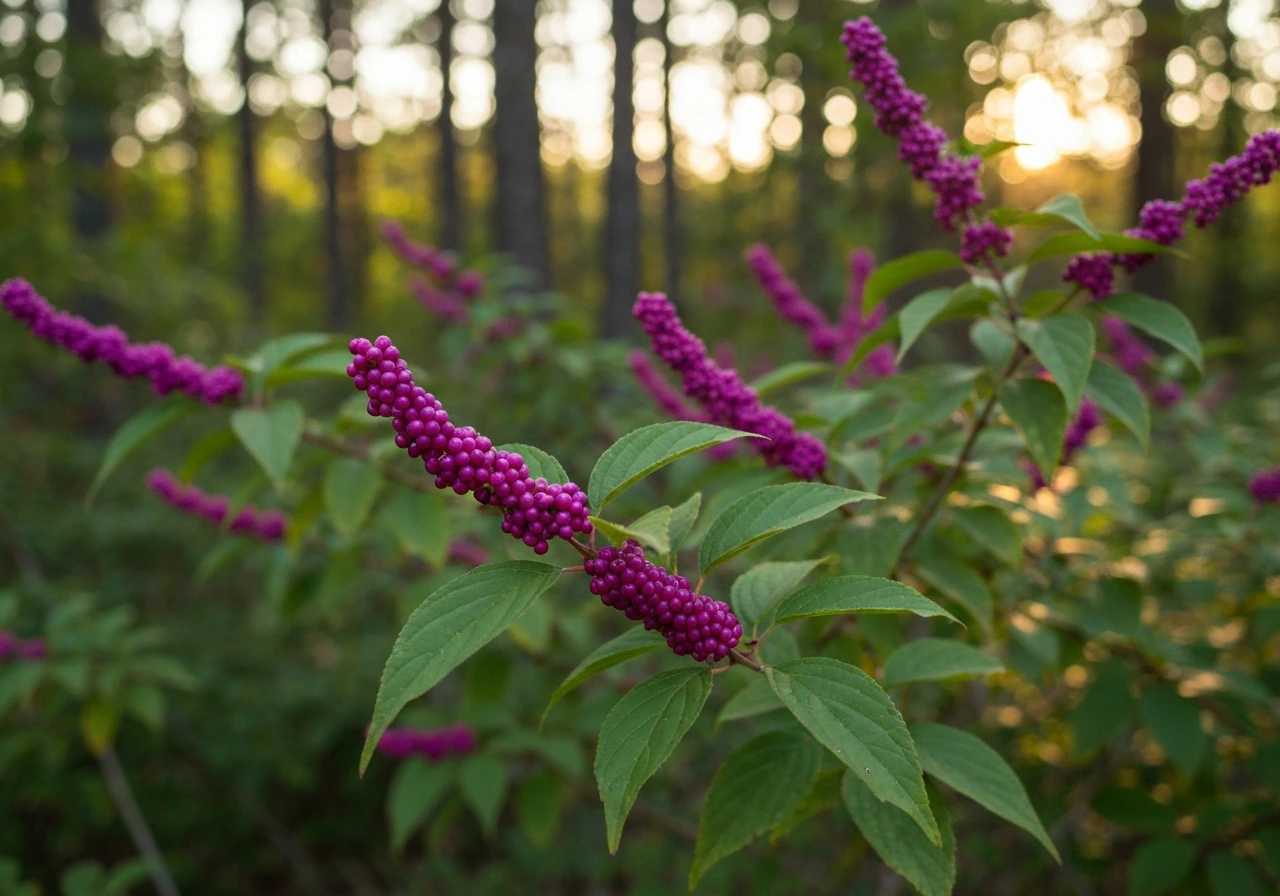
When most people search for beautyberry, they mean American beautyberry, Callicarpa americana. The US Forest Service FEIS species review documents the currently accepted scientific name for American beautyberry as Callicarpa americana L. It's the native species you'll see loaded with vivid magenta-purple berry clusters from late summer into fall, and it's the one most commonly sold at native plant nurseries across the South. That said, garden centers sometimes sell related species under the same common name, so it helps to know the main lookalikes.
- Callicarpa americana: the native American species; largest berries, coarser leaves, bold berry color
- Callicarpa dichotoma ('Purple beautyberry' or 'Early Amethyst'): smaller and more refined, popular in ornamental landscapes
- Callicarpa japonica ('Japanese beautyberry'): similar compact habit, commonly sold at big-box garden centers
- Callicarpa bodinieri ('Bodinier beautyberry'): a Chinese species, slightly different berry clustering, also in the ornamental trade
- Callicarpa americana var. lactea (sometimes sold as 'Lactea' or 'Alba'): a white-berried variant of the native American species
For this guide, the focus is on Callicarpa americana because that's the one with the clearest native range data, the most regional extension research behind it, and the best case for wildlife value in North American gardens. If you're looking at a tag that says 'beautyberry' on a shrub with very small, delicate leaves and tidy clusters, it's probably one of the Asian species, which have slightly different cold tolerance and garden requirements.
Native range and natural habitats
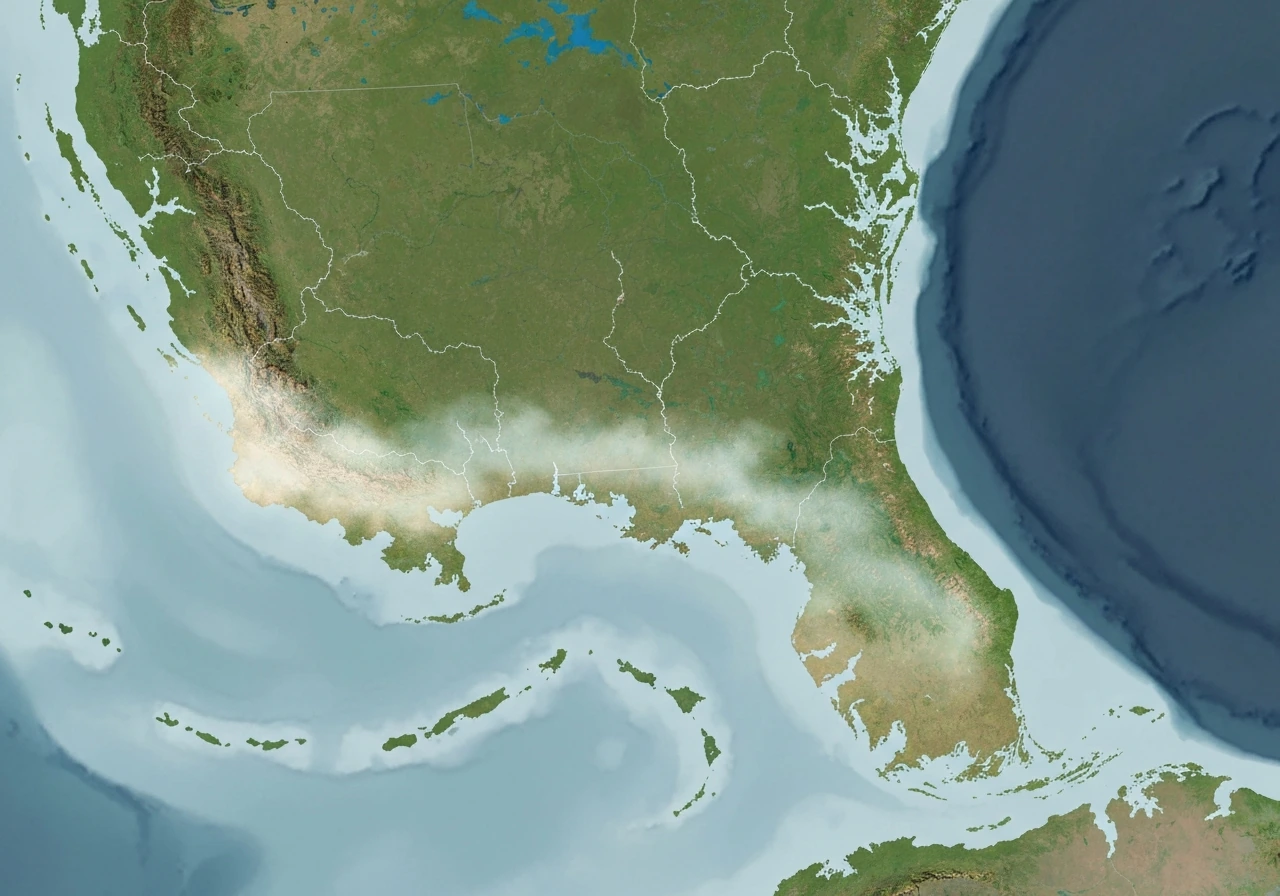
American beautyberry is native to a broad band of the southeastern U.S. stretching from Maryland south to Florida and west through Georgia, Alabama, Mississippi, Louisiana, and Texas, with populations also documented in Arkansas and Oklahoma. Its range extends into Mexico, Bermuda, the Bahamas, and Cuba, which tells you a lot about its heat tolerance. It is not native to the Midwest, the Mountain West, or the Pacific Coast, though it can be grown in some of those areas as an ornamental.
In the wild, beautyberry is not picky about one single habitat type. What it really likes is light and disturbance. Look for it in these kinds of places:
- Forest edges and woodland openings where canopy is broken
- Early-successional and open pine forests, including pine flatwoods
- Maritime forests along the Atlantic coast, especially in the northern part of its range
- Moist slopes and the margins of swamps or floodplain thickets
- Bluff tops and rocky ledges (it handles drier upland conditions too)
- Disturbed sites like old fence rows, roadsides, and recently cleared areas
That list covers a lot of ground, from seasonally wet swamp edges to dry rocky outcrops. The common thread is access to light. Beautyberry is an understory and edge plant, not a deep-shade forest dweller, and not an open-meadow plant either. It finds its sweet spot where the canopy breaks and light filters through.
Climate and USDA zone compatibility
American beautyberry is most reliably hardy in USDA zones 7 through 9, and many gardeners grow it successfully in zone 6 and 6b as well. Missouri Botanical Garden lists hardiness all the way to zone 12, and Gardenia.net cites zones 6 to 11, so it handles a lot of heat. Virginia Tech Extension puts the practical lower end at zone 7, with zone 6b being possible depending on site and microclimate. Oregon State University's landscape database rates it to zone 6.
Here's the honest truth about the cold end of the range: in zones 6 and 6b, you may see the stems die back in a particularly harsh winter. That's not fatal. Because beautyberry fruits on current-year wood, it'll resprout from the base in spring and still produce berries that season. I've seen this exact thing happen with shrubs at the northern edges of the mid-Atlantic, and they bounce back faster than you'd expect. If you're in zone 5 or colder, in-ground planting outdoors is not realistic without significant protection, and a container approach with winter shelter becomes your best option.
| USDA Zone | Expectation | Best approach |
|---|---|---|
| Zone 5 and below | Not reliably hardy outdoors | Container with indoor or sheltered winter storage |
| Zone 6 / 6b | Possible; stems may die back in hard winters but resprout | Plant in a sheltered spot; treat dieback as a feature, not a failure |
| Zone 7 to 9 | Fully reliably hardy; best natural performance | In-ground planting in most any appropriate site |
| Zone 10 to 12 | Handles heat well; may behave more as an evergreen | In-ground; monitor moisture during dry periods |
Sun, soil, and moisture: dry upland or bog-adjacent?
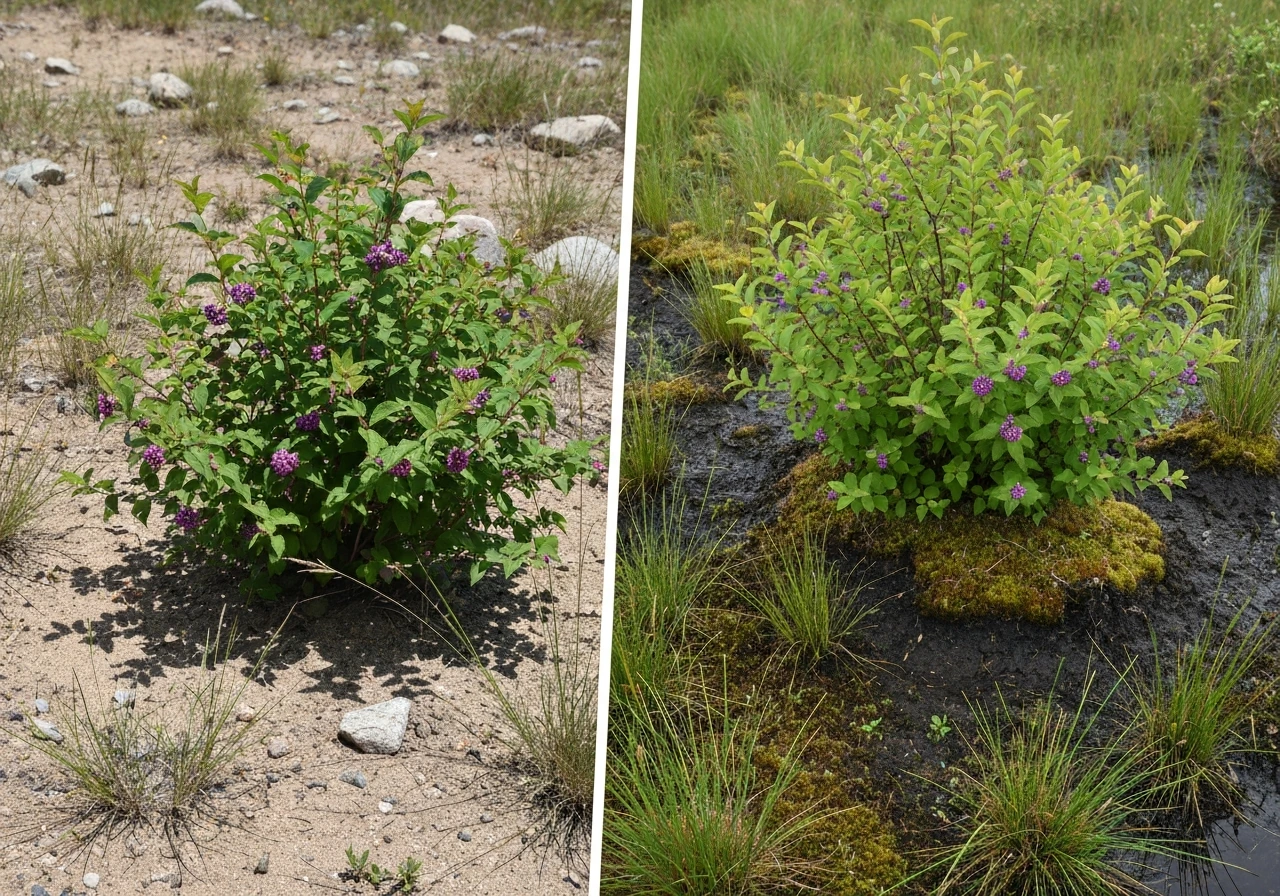
This is the part where beautyberry's flexibility really shines. It handles full sun to partial shade, though in the hottest parts of the South, afternoon shade helps prevent leaf scorch. In the Mid-Atlantic and Upper South, full sun is fine and actually encourages the best berry production.
Soil type and pH
American beautyberry is genuinely tolerant of sandy, loam, and clay soils. blank" rel="noopener noreferrer">Clemson University lists its pH range as approximately 4.8 to 7.0, from moderately acidic through slightly alkaline. That's a wide window. It will grow in the sandy soils of the Florida coastal plain and the clay-heavy soils of the Piedmont. What it dislikes is consistently waterlogged ground with no drainage at all, though it can tolerate periodic wet conditions, which is why it shows up in rain garden planting lists.
Moisture: it's more adaptable than you think
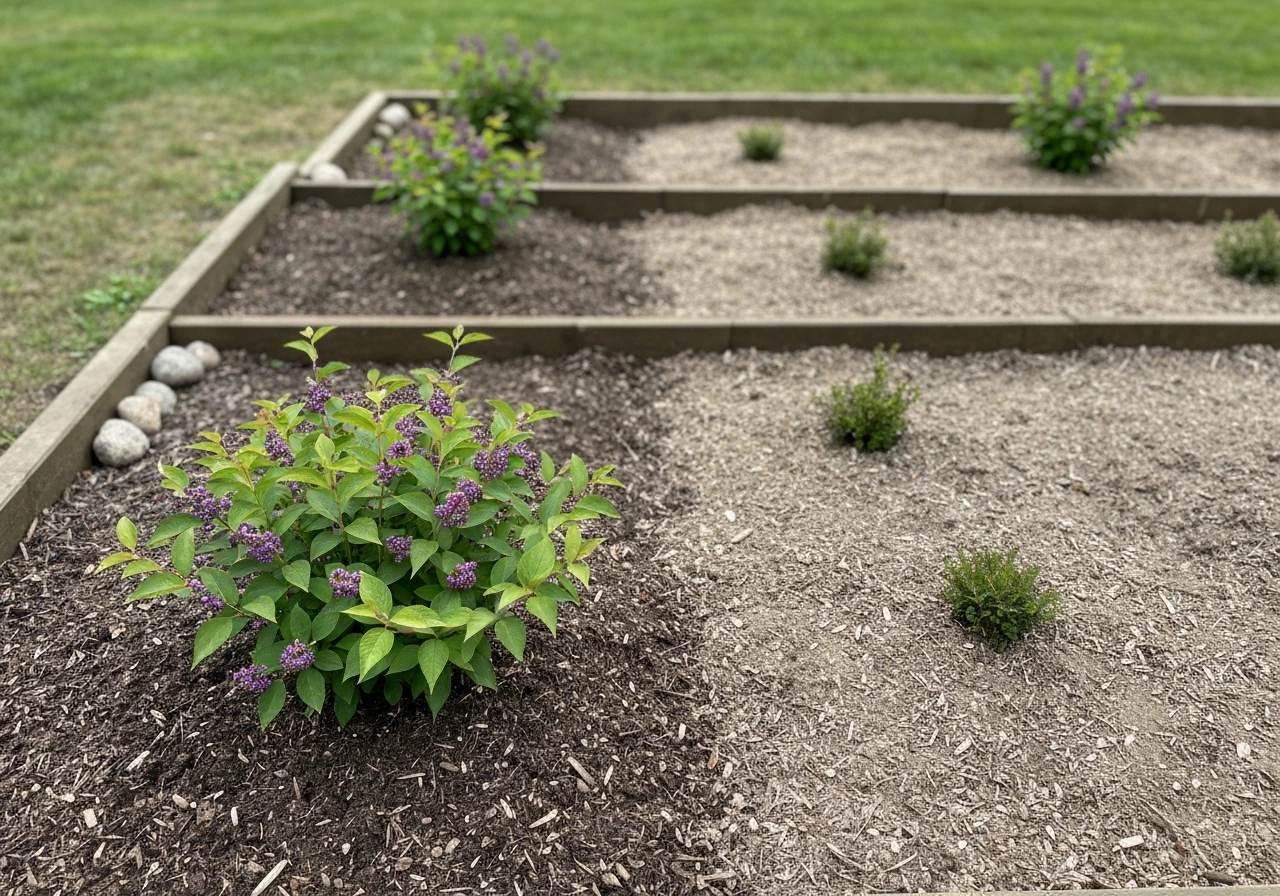
This is one place where sources genuinely differ, and both are right depending on context. Virginia Tech Extension describes it as preferring wet to moist conditions. Clemson's rain garden guidance notes low water needs once established. Missouri Botanical Garden documents it at swamp margins AND dry bluff tops. The real picture is that beautyberry can handle both wet periods and dry periods once it's established, which is exactly what you'd expect from a plant that colonizes disturbed and transitional habitats. It's not a bog plant (like some other berries that strictly need saturated conditions), but it's also not a drought-specialist. Think of it as a moderate-moisture shrub with good resilience in both directions.
Where to find it growing near you
If you want to see American beautyberry in the wild before you grow it, knowing where to look by region makes the search a lot easier. Knowing where do wild berries grow can also help you plan the best spot for American beautyberry before you plant. If you’re wondering where do poke berries grow, it helps to compare their preferred habitats with beautyberry’s edges and openings.
This is not a plant you'll find across the whole country, so geography matters. If you want a quick shortcut, focus on your local climate and soil first, then compare berries that match those conditions to find where to grow berries near you. If you are also wondering about miracle berries, they grow best in warm, humid conditions and are usually grown as a tropical fruiting plant rather than native to North American woodlands where do miracle berries grow. Miracle berries are typically grown in warm, humid tropical settings, not in the same regions as native beautyberry.
Best states and regions to spot it wild
- Florida: throughout the entire state; one of the most reliably present native shrubs in Florida's forests and roadsides
- Gulf Coast states (Alabama, Mississippi, Louisiana): extremely common in pine forest understory and woodland margins
- Georgia and the Carolinas: abundant along roadsides, forest edges, and floodplain thickets through the Piedmont and coastal plain
- Texas: present especially in the eastern and central parts of the state; Texas A&M extension covers it regularly as a landscape plant
- Arkansas and Oklahoma: found in the southeastern portions of both states
- Virginia and Maryland: present but sparser; look in maritime forests on the coastal plain and along sheltered forest edges
One practical tip: late summer to early fall (August through October) is the best time to spot beautyberry in the wild because the berry clusters are unmistakable. Those vivid magenta-purple beads clustered tightly around the stem are hard to miss, even at highway speeds. If you're looking in spring or early summer, the plant is less distinctive, with opposite, coarsely toothed leaves and a loosely arching habit. If you're outside its native range and see something labeled 'beautyberry' in someone's garden, there's a good chance it's one of the Asian Callicarpa species, which are widely planted as ornamentals across the country.
Growing it at home: matching its natural conditions
The good news is that beautyberry does not demand specialized conditions. The goal is to approximate what it gets in its native habitat: dappled to full light, reasonable drainage, moderate moisture, and room to spread. If you are wondering where to grow berries in a similar way, aim for locations with dappled to full light and soil that drains well, then manage moisture as needed approximate what it gets in its native habitat. Here's how to set it up for success.
- Choose a site with partial to full sun. Morning sun with afternoon shade works especially well in zones 8 and 9. Full sun is great in zones 6 and 7.
- Prepare soil that drains decently but holds some moisture. You don't need to amend heavily. If you have pure sand, mix in a little compost. If you have heavy clay, plant on a slight rise or mound to prevent standing water.
- Plant with the root flare visible at the soil surface. Don't bury the crown. This is standard good practice, but Clemson specifically flags it as important for beautyberry establishment.
- Water consistently through the first growing season to establish the root system. After that, established plants handle dry spells without much help.
- Cut stems back hard in late winter or early spring (to about 12 inches from the ground if you want vigorous regrowth). Beautyberry fruits on new wood, so hard pruning actually improves berry production rather than reducing it.
- Space plants 5 to 6 feet apart if you're planting a mass or informal hedge. For a single specimen, allow at least 3 feet of clearance on all sides, though the shrub typically matures at 3 to 5 feet tall and wide.
One thing that catches new growers off guard: the berries come late. Beautyberry flowers in summer and the berries develop and color up in late summer and fall. Don't expect much show in spring or early summer. That late-season color is the payoff, and it's worth the wait. Where to find American beautyberry growing wild depends a lot on region and the timing of the berry clusters where berries grow. Texas A&M extension specifically highlights this timing so gardeners don't give up on the plant too early.
Container and landscape placement tips
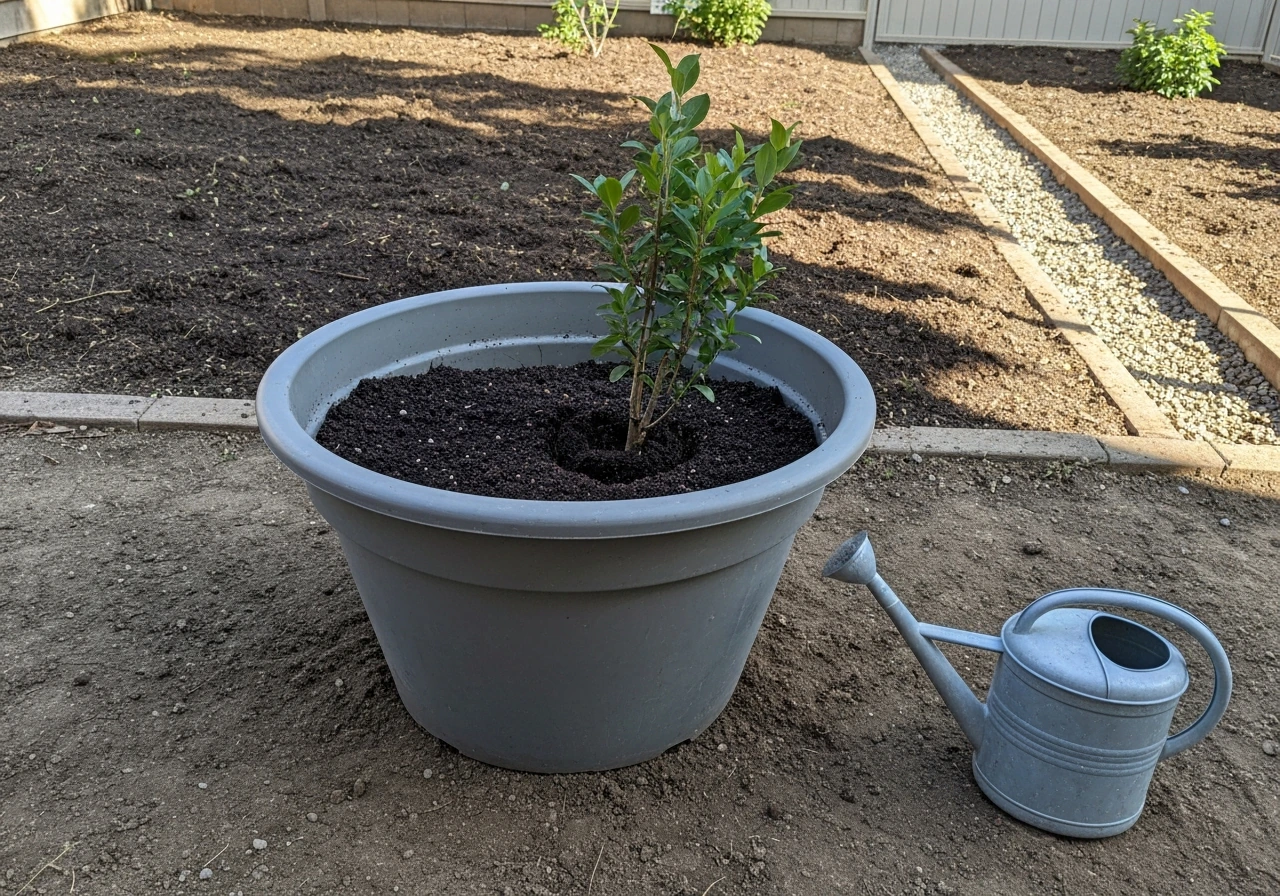
Beautyberry can be grown in a container, and this is a practical option for gardeners in zones 5 and 6 who want to bring the plant indoors or into a sheltered garage during severe winters. That said, most authoritative extension sources focus on in-ground planting, so container culture takes a bit more active management.
Container tips
- Use a large container (at least 15 to 20 gallons) to give the root system enough room; beautyberry gets sizable and will become root-bound quickly in small pots
- Use a well-draining potting mix; avoid dense mixes that stay soggy
- Water more frequently than you would in-ground, since containers dry out faster
- In zones 6 and below, move containers to an unheated but frost-protected garage or shed once temperatures drop consistently below 10 to 15 degrees F; the plant can tolerate cold but exposed container roots freeze faster than in-ground roots
- Hard prune in late winter before bringing the container back outdoors to keep the plant manageable and encourage fruiting
In-ground landscape placement
In the landscape, beautyberry works beautifully as a naturalistic shrub at the back of a mixed border, in a woodland garden edge, or as part of a rain garden. Its open, arching habit (think loosely sprawling rather than tightly mounded) means it looks better in informal settings than clipped, formal ones. Pair it with other native shrubs or ornamental grasses that share its light and moisture preferences.
Because the stems arch outward as the plant matures, allow generous room, especially toward pathways where the habit can feel intrusive if planted too close. Rain garden planting lists in both North Carolina and South Carolina include it specifically, which confirms it's a good choice for areas with periodic moisture fluctuation, exactly the kind of swale or low spot that can be tricky to plant.
If you're outside the native Southeast and trying beautyberry in a new region, the same principles from sites like this one apply to other edge-case berries: match the natural habitat as closely as you can, understand your zone limits, and use containers as a bridge when in-ground winters are too harsh. If you want the quickest answer to “where do olallieberries grow,” olallieberries are typically grown in coastal and Pacific Northwest climates, especially in parts of Oregon and California. The approach isn't that different from navigating the growing requirements of other specialty shrubs, just applied to a plant that happens to reward you with one of the most visually stunning berry displays in North American native horticulture. If you're wondering whether miracle berries can be grown in the US too, the key is climate, container options, and whether the plant can handle your winter conditions can you grow miracle berries in the US.
FAQ
If I live outside the Southeast, is it possible to find “wild” beautyberries near me?
Look for American beautyberry in disturbed, lighted areas rather than dense forests. The quickest cues are forest edge, road or trail margins, open pine understory, and stream or swamp edges where the canopy breaks.
How can I tell whether a “beautyberry” plant I see is American beautyberry or a related species?
Probably not the native American species. Many nurseries sell Asian Callicarpa under the common name “beautyberry,” and those can look similar but have different cold tolerance and may persist where American beautyberry would struggle.
Will beautyberry still make berries if it dies back in a cold winter?
In zones 6 and 6b, winter dieback is common, but it usually does not prevent fruiting. Since berries form on new growth, the plant can resprout from the base and still produce a late-summer to fall berry display.
Can I plant beautyberry in a low spot that stays wet for weeks?
No, it is not a bog plant. Avoid locations that stay saturated most of the time, instead aim for moderate moisture with reasonable drainage, such as edges of rain garden basins or swales that drain after storms.
When is the easiest time to spot where beautyberries grow in the wild?
Expect the best visible clusters in late summer through fall (roughly August to October). In spring you will mainly notice the shrub habit and coarsely toothed leaves, so searching before berries color can lead you to think it is not established.
What light pattern should I try if I want the same habitat conditions as where beautyberry grows naturally?
If you want it to look like a true understory edge plant, give it dappled light and avoid deep shade. In very hot areas, afternoon shade can reduce stress, while in cooler Mid-Atlantic conditions, more direct sun generally supports better berry production.
Does beautyberry need a specific soil, or is drainage the real issue?
Use soil drainage, not just soil type, as your main filter. Beautyberry tolerates a wide pH range and different textures, but consistently waterlogged soil without drainage is the main setup that causes poor performance.
What is the best way to grow beautyberry where winters are colder than zone 6?
If you are in zone 5 or colder, plan for extra protection or use a container. In-ground planting outdoors is often unreliable due to winter damage, while containers let you move the shrub to shelter during severe cold.
If I grow beautyberry in a container, what adjustments matter most?
Yes, container growing is often used specifically to manage cold exposure in marginal zones. Choose a container that drains well, keep watering consistent but not soggy, and prepare a sheltered winter spot where temperatures stay above extreme lows.
What should I prioritize most when recreating beautyberry habitat in my yard?
If you are trying to match habitat, prioritize light and disturbance along with moisture moderation. Beautyberry thrives where light filters in and the site experiences periodic wet and dry swings, such as transitional edges rather than uniform conditions.