
Miracle berry (Synsepalum dulcificum) is native to tropical West Africa, and that tells you almost everything you need to know about whether it will grow where you live. Outdoors, it thrives in USDA Zones 10 and 11 (and marginally in 9b in a container on a protected patio). Everywhere else, you're looking at an indoor or container plant that overwinters inside. The good news: it handles container life well, and with the right setup you can fruit it almost anywhere.
Where Do Miracle Berries Grow and How to Grow Them
Marcus Holloway
22 Apr 2026
Where miracle berry originally comes from
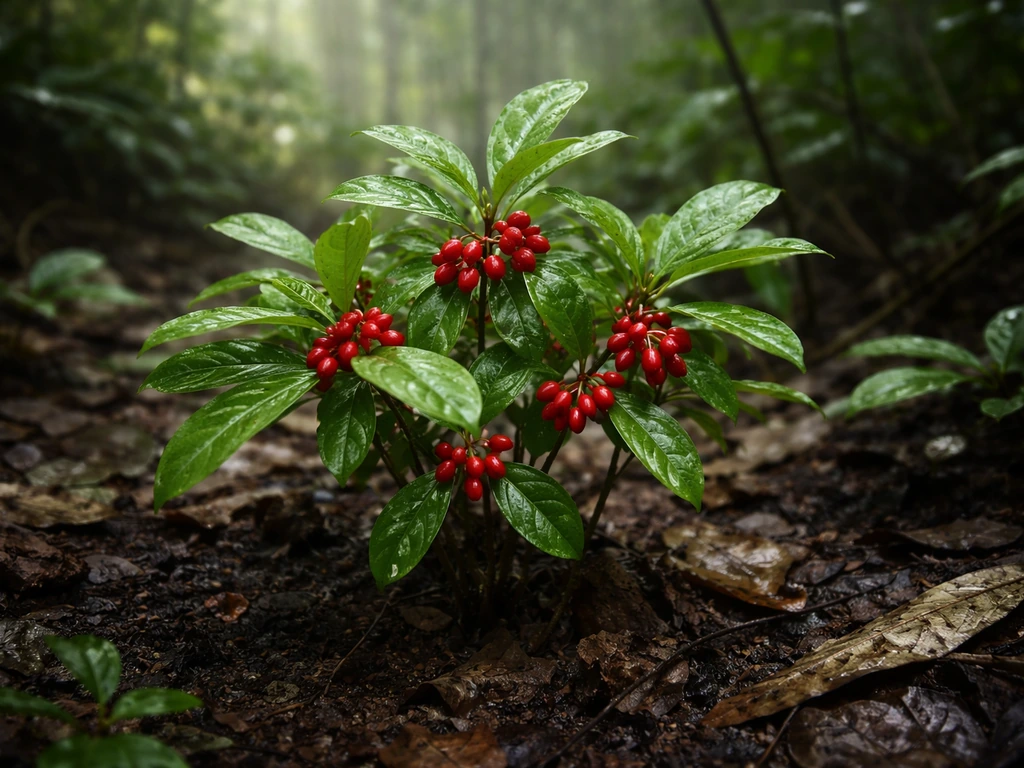
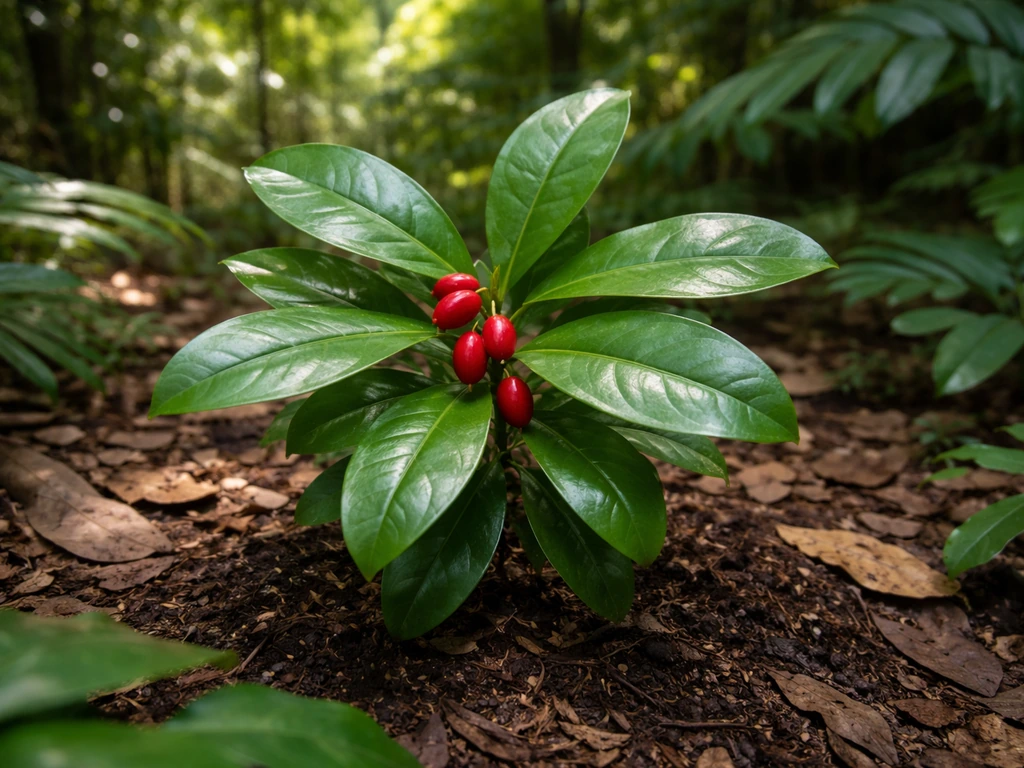
Synsepalum dulcificum is native to tropical West and Central Africa. Monaco Nature Encyclopedia notes Synsepalum dulcificum is native to central-western tropical Africa and grows in humid forests at low altitudes. Its native range includes Benin, Cameroon, the Democratic Republic of Congo, Ghana, and Nigeria. In the wild it grows as an understory shrub in humid tropical forests, which means it evolved under a broken canopy, in filtered light, with consistently warm temperatures year-round and no frost. Ever. That origin story is the key to understanding every quirk this plant has in cultivation.
It's not a vine like a berry you'd train along a trellis, and it's not a bog plant like a blueberry. It's a woody shrub that in its native habitat stays relatively compact, fruits multiple times per year in warm conditions, and never experiences a cold season. When you try to grow it somewhere that gets even a light frost, you're working against its entire evolutionary history.
Climate zones where it actually grows outside
For outdoor planting in the ground, you need USDA Hardiness Zone 10 or 11. That means parts of South Florida, Hawaii, and Southern California coastal areas in the US. For many gardeners, the most reliable answer to where do olallieberries grow is that they need a mild, coastal climate and well-drained, slightly acidic soil. One nursery notes Zone 9b as workable if you're growing in a container on a patio and can move it when temperatures dip. Frost is a hard stop for this plant. Young plants especially are cold-sensitive, and even mature plants can take serious damage or die at temperatures below about 50°F for extended periods, let alone an actual freeze.
Outside the US, this translates to humid tropical and subtropical regions: northern Australia (where Daley's Fruit and growers in Queensland cultivate it), parts of Southeast Asia, the Caribbean, and similar climates. If you're in the UK or EU, you're in container-and-indoors territory, full stop. Seeds are available from UK-based sellers with worldwide shipping, but the plant itself won't survive a European winter outside.
| Region | Outdoor Growing? | Container Option? | Notes |
|---|---|---|---|
| South Florida, Hawaii (USDA 10–11) | Yes, in ground | Yes | Ideal outdoor conditions |
| Southern California coast, Zone 9b | Marginal | Yes, patio with protection | Move inside if frost threatens |
| Rest of continental US (Zones 1–9) | No | Yes, overwinter indoors | Needs indoor setup all winter |
| UK / Northern Europe | No | Yes, indoors year-round | Seeds available locally; plants must stay inside |
| Tropical Australia / Southeast Asia | Yes | Yes | Conditions closely match native habitat |
| Caribbean / Central America | Yes | Yes | Strong match to native climate |
What the plant actually needs to thrive
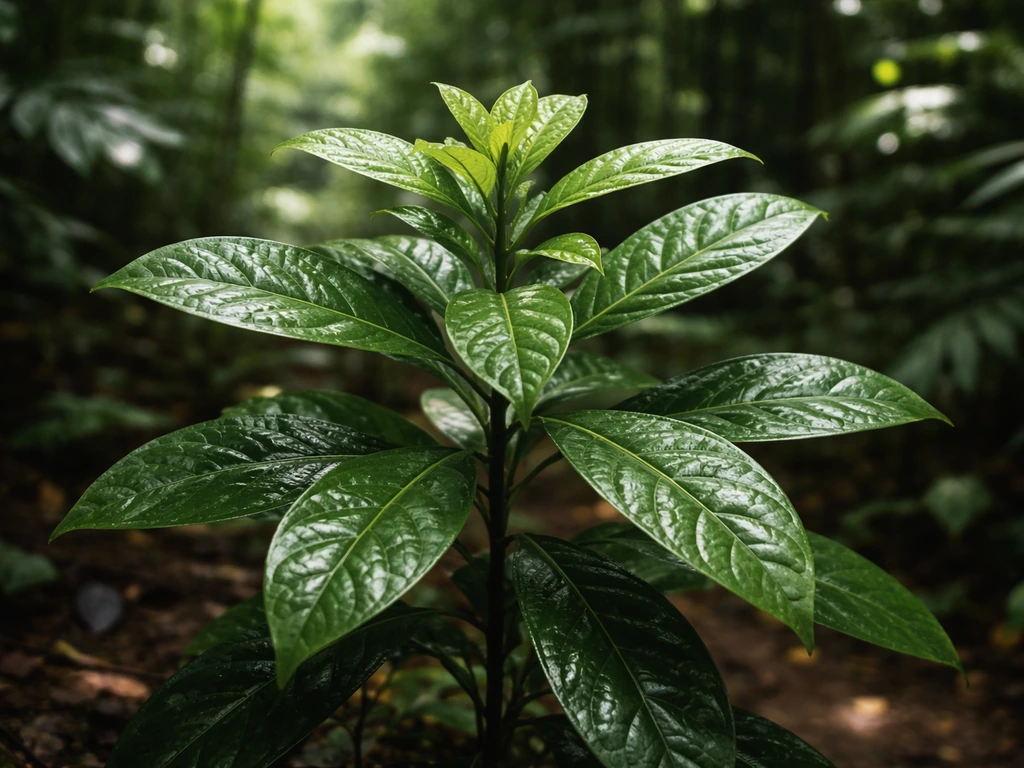
Think of miracle berry as a plant that wants to feel like it's in a West African forest understory at all times. That translates to four non-negotiable conditions: partial shade, high humidity, acidic soil, and frost-free warmth.
Light
Bright, indirect light is what you're aiming for. Direct midday sun, especially in hot climates, will stress it. Multiple growing guides describe this as "bright shade" or "filtered light." Indoors, a bright east or north-facing window works well, or a south-facing window with a sheer curtain. If natural light is limited, a grow light giving about 4 to 6 hours of bright artificial light does the job.
Humidity
This is where most indoor growers struggle. Miracle berry wants humidity in the 60 to 90% range. Some sources pin it at 60 to 70% as a workable minimum; others push for 70 to 90% for best performance. In a typical heated or air-conditioned home, indoor humidity often drops to 30 to 40%. You need to actively compensate: a small humidifier near the plant is the most reliable fix. Pebble trays with water under the pot help at the margins. If you're keeping it in an air-conditioned room, misting several times a day is recommended, and keep it well away from AC vents.
Soil and pH
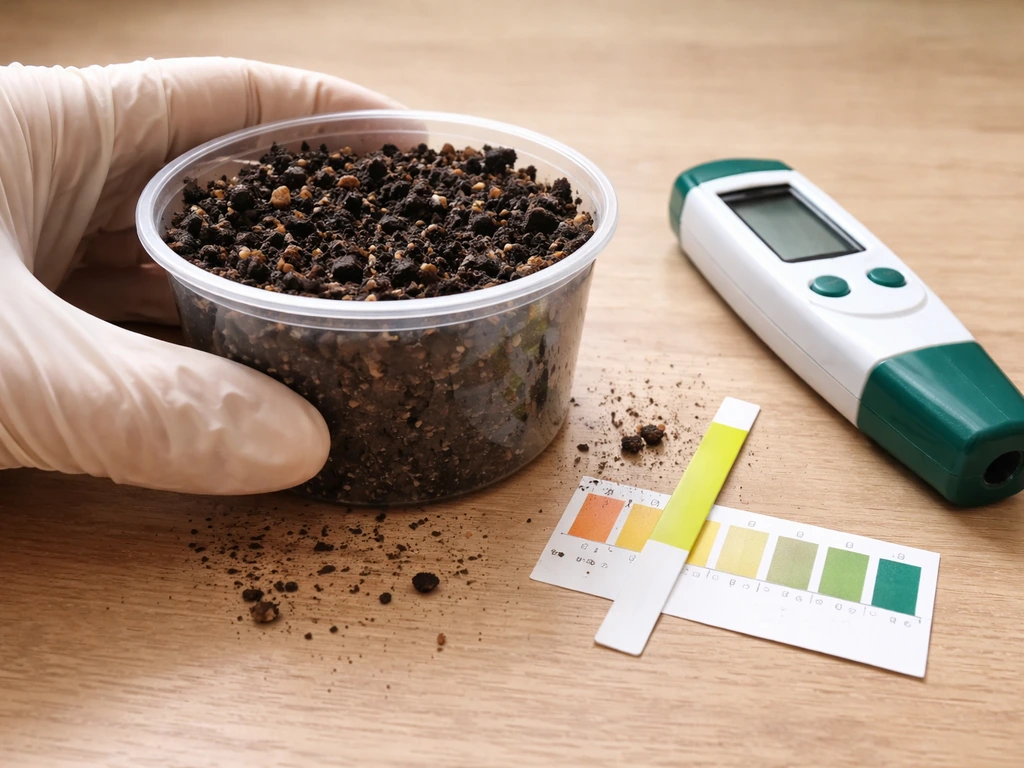
This is the detail that trips up a lot of first-time growers. Miracle berry needs genuinely acidic soil, with a pH between about 4.5 and 5.8. That's similar to blueberries but even more particular. Standard potting mix is usually too alkaline. A recommended mix from California Rare Fruit Growers is equal parts Canadian acid peat and pine bark, which gives you both the acidity and the drainage the plant needs. A simpler approach that works well is equal parts peat moss and perlite. The drainage component is critical: this plant hates sitting in waterlogged soil, and root rot is one of the most common ways it dies in cultivation.
Temperature
Consistent warmth, ideally in the 65 to 85°F range, is what this plant expects year-round. For germinating seeds, aim for 73 to 86°F (23 to 30°C) with consistent bottom heat. Avoid cold drafts, cold windowsills in winter, and any exposure to frost. Even brief cold snaps below 50°F can set the plant back significantly.
Indoor and container growing when you're not in the tropics
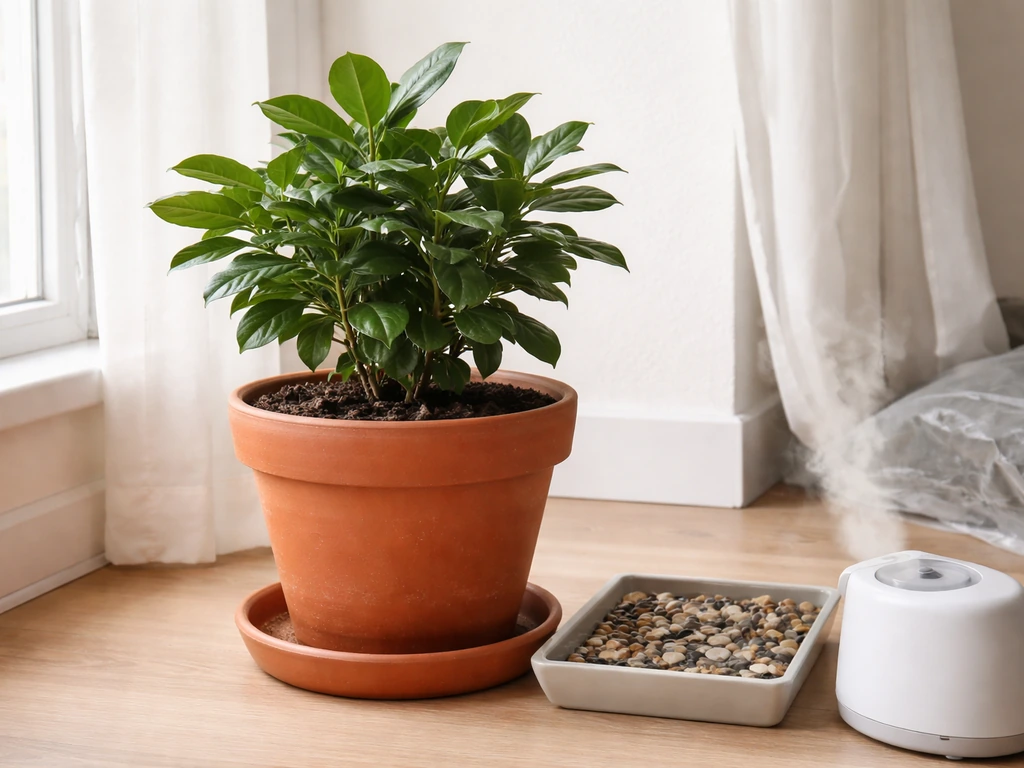
Most people reading this are outside Zones 10 and 11, and the straightforward answer is: grow it as a container plant and bring it inside for winter. Wikipedia's Synsepalum dulcificum page notes that the FDA issued a 2011 import ban on miraculin-containing products from Taiwan, which provides useful context for why regulations around these products can be strict blank" rel="noopener noreferrer">Wikipedia's note about a 2011 FDA import ban on miraculin-containing products from Taiwan. This is a well-established approach. One retailer's care notes explicitly describe it as a container plant in all zones outside 10 to 11, overwintered indoors as a standard practice. The plant actually adapts reasonably well to containers because it stays compact, and a 3-gallon pot is a practical starting size for a young plant.
For a year-round indoor setup, here's what works in practice. Use a well-draining, acidic potting mix (peat and perlite or peat and pine bark). Place it near your brightest window or under a grow light. Run a small humidifier nearby, especially in winter when indoor heating dries everything out. Keep it away from heating vents and cold drafts. Water when the top inch of soil dries out, but never let it sit in standing water. If you use fertilizer, choose one formulated for acid-loving plants (a water-soluble type like Miracid is a common recommendation in rare fruit grower circles).
If you have a patio in Zone 9b, you can move the container outside for summer and bring it back in before any frost risk. That summer outdoor period in filtered shade with natural humidity often does a lot of good for the plant's health and can encourage fruiting.
Where to actually buy miracle berry plants and seeds
Sourcing is genuinely location-dependent, so here's a practical breakdown by region.
- United States: mberry.us sells live Synsepalum dulcificum plant starts and ships nationally. A Natural Farm (Florida-based) lists live plants with clear zone guidance (Zones 10 to 11 outdoors, indoor or patio for everyone else). Henderson Garden Supply sells 3-gallon live plants. South Eden Nursery is another online option with good cultivation notes.
- Australia: Daley's Fruit lists miracle fruit plants with cultivation notes suited to Australian growers. The Rare Fruit Club WA has grower discussions and local sourcing context for Western Australia.
- UK and EU: Exotic Seeds Store (based in the EU, with UK shipping) sells Synsepalum dulcificum seeds with worldwide shipping. Live plants are harder to import due to phytosanitary regulations, so starting from seed is often the practical route in Europe.
- General: A note on importing into the US: there's a regulatory history around miraculin (the active compound in miracle berry) and the FDA, which has historically created friction around commercial imports. Buying from domestic US sellers avoids that complication entirely.
If you're starting from seed, be patient. Seeds need warm, consistently heated germination conditions (73 to 86°F) and can take several weeks to sprout. Live plants from a reputable nursery skip that waiting period entirely and are usually the better choice for most home growers.
The most common ways location gets people in trouble
Here are the pitfalls that come up repeatedly when miracle berry is grown outside its ideal conditions, and what to watch for.
- Frost kills it fast. Even a light frost can wipe out a young plant overnight. If you're in Zone 9b or below and leave it outside too late in fall, you may lose it. Watch nighttime temperatures and bring the container in when lows start dropping toward 50°F.
- Wrong soil pH causes slow decline. Alkaline tap water and standard potting mix will gradually raise the soil pH and starve the plant of nutrients even if it looks fine at first. Test your soil pH and water pH. If your tap water is alkaline, let it sit or use rainwater/filtered water for irrigation.
- Root rot from poor drainage. Soggy soil is one of the top reported causes of plant death. Make sure your pot has drainage holes and that water doesn't pool. The peat-and-perlite mix is specifically recommended because it drains while retaining enough moisture.
- Low humidity causes stress and leaf drop. Air-conditioned or heated indoor environments in most of the US and Europe are far too dry for this plant. Without active humidity management (humidifier or consistent misting), the plant will struggle and may not fruit.
- Fruiting expectations vary widely. One nursery claims fruit in the first year; an Australian seller says expect to wait about 3 years. Reality probably depends on growing conditions, plant size at purchase, and how consistently you nail the humidity and soil requirements. Once it does flower, fruit set to maturity takes roughly 3 to 4 weeks. There's also some nuance around pollination: while some sources describe the plant as self-fertile, research published in HortScience indicates the plant tends to resist self-pollination, so having multiple plants or hand-pollinating may improve fruit set.
- Scale insects and mealybugs. These are the two pests that show up most often in indoor culture. Scale is mentioned by nurseries as a minor but real issue; mealybugs are a known problem that growers encounter in practice. Inspect the undersides of leaves regularly and treat early with neem oil or insecticidal soap.
How to figure out if it will work where you live, starting today
Here's a practical checklist to run through before you buy or plant anything.
- Check your USDA hardiness zone. You can look this up with your zip code on the USDA Plant Hardiness Zone Map. If you're in Zone 10 or 11, you can plant in the ground. Zone 9b means container on a protected patio, with a plan to bring it inside. Zone 9 and below means indoor container growing is your primary setup.
- Check whether you ever get frost. Even in nominally warmer zones, local microclimates matter. If your garden gets frost even once a year, treat this plant as strictly an indoor plant.
- Test your indoor humidity level. A cheap hygrometer (under $15) will tell you your baseline. If you're under 50%, you'll need a humidifier before this plant will be happy. Aim for 60 to 70% minimum.
- Check your tap water pH. If your municipal water runs above pH 7.0, you'll want to adjust your watering approach to protect the acidic soil conditions the plant needs.
- Source a live plant from a domestic seller in your region. For US growers, mberry.us or A Natural Farm are good starting points. For Australian growers, Daley's Fruit. For UK and EU growers, starting from seed via Exotic Seeds Store is usually the most practical option.
- Set up your container before the plant arrives. A 3-gallon pot with drainage holes, filled with an acidic peat-and-perlite or peat-and-pine-bark mix, placed near your brightest indirect-light window with a humidifier running nearby, gives you a strong starting position.
If you're also exploring other less common berries for your garden, it's worth knowing that miracle berry sits in an interesting category: unlike wild berries that naturalize across a wide range of climates, or shrubs like beautyberry that tolerate a broader zone spread, miracle berry is genuinely tropical and needs consistent warm, humid conditions to perform. For an answer to where wild berries grow, use the same local-climate and cold-protection checklist and compare it to the berry’s native conditions. If you are asking where to grow berries more generally, focus on your local climate and whether you can provide the right soil and cold protection for the specific berry variety. Nightshade berries typically grow in warm, well-drained soil in sunny to partly shaded spots, often in tropical to subtropical climates where to grow berries. If you're specifically searching for where berries grow lyrics, use the same climate and protection checklist so you can tell whether your conditions match the plant where to grow berries. If you are wondering where beauty berries grow, you may find they prefer different conditions than miracle berry. That said, with the right indoor setup, it's very doable even in cold climates. If you're comparing other berries too, the question "where do poke berries grow" is mainly about warm, protected conditions rather than cold-tolerant planting. The container approach works, growers pull it off in New York apartments and UK conservatories. You just have to commit to mimicking that West African forest floor as closely as you can.
FAQ
Can miracle berries grow outdoors in a USDA Zone 9b yard if there is no real freeze, just chilly nights?
If nighttime temperatures repeatedly dip below about 50°F, it can still stall growth or damage the plant, even without a hard freeze. In Zone 9b, treat it as a container plant so you can move it indoors or under protection before cold snaps, not just when frost is forecast.
Do miracle berry plants tolerate full sun if I water more often?
They usually do better with filtered light or partial shade. Hot direct sun, especially midday, can stress the plant and reduce fruiting, even if soil stays moist. If you must expose it to brighter light, acclimate gradually and provide shade during peak heat.
What’s the quickest way to know if my soil is acidic enough for miracle berry?
Use a soil pH test kit or meter, because standard potting mixes are often too alkaline. Aim for roughly 4.5 to 5.8. If your mix does not hold that acidity, you may need an acid-based component like peat and a well-draining amendment.
My miracle berry leaves look wilted indoors, but the soil isn’t soggy. Could it still be overwatering?
Yes. The plant can wilt from root stress if it sits in poorly draining mix or in a pot without good drainage, even when the surface seems dry. Make sure water flows freely out the bottom, empty any saucer, and verify your mix includes a drainage component like perlite or pine bark.
How can I raise indoor humidity for miracle berry if I do not want to mist daily?
A small humidifier near the plant is generally more consistent than frequent misting, and it avoids soaking foliage. If you use a pebble tray, keep water below the pot base and place the humidifier close enough to affect the immediate air volume around the plant.
Will miracle berry survive a winter outdoors under row cover or frost cloth?
Row cover can help with light frost, but miracle berry is sensitive to cold below about 50°F for extended periods. In most areas outside Zone 10 to 11, the safest plan is bringing the plant indoors before temperatures approach that threshold.
What pot size should I start with, and should I repot right away?
A about 3-gallon pot is a practical starting size for a young plant. Repot when the plant is actively growing and you can maintain warm conditions, because root disturbance plus cold or low humidity can slow recovery.
Do miracle berries fruit from the same plant, or do I need another plant for pollination?
In many home setups, a single plant can produce fruit, but fruiting can be inconsistent indoors. If you are not seeing flowers or berries, it is often due to humidity, light, or temperature mismatch, not necessarily a lack of a second plant.
How do I adjust watering when I switch between summer outdoor conditions and winter indoor conditions?
During brighter, warmer outdoor periods, the soil may dry faster, so you water more often. Indoors in winter, growth slows and humidity can drop, so water less frequently but still only when the top portion of soil dries, ensuring drainage remains excellent to prevent root rot.
Is growing from seed realistic for home gardeners, and how can I avoid seedling failure?
Seed can work but needs consistently warm germination conditions, about the low to mid 70s to mid 80s°F, and it may take several weeks. The most common failure causes are cold drafts, inconsistent temperatures, and using a mix that stays too wet during the germination period.