
Virginia is one of the best states in the Mid-Atlantic for growing berries at home. If you also want the best berries to grow in NJ, look for varieties that match blank" rel="noopener noreferrer">your garden's zone and heat levels best berries to grow in Virginia. Blackberries, blueberries, strawberries, and elderberries all thrive across most of the state with minimal fuss. Raspberries, currants, and gooseberries do well in the cooler mountains and Northern Virginia. The key is matching the right berry to your specific zone and site conditions, because Virginia's climate shifts dramatically from the coastal Tidewater to the Blue Ridge foothills to the mountains in the west.
What Berries Grow in Virginia Best Varieties Guide
Marcus Holloway
17 Jun 2026
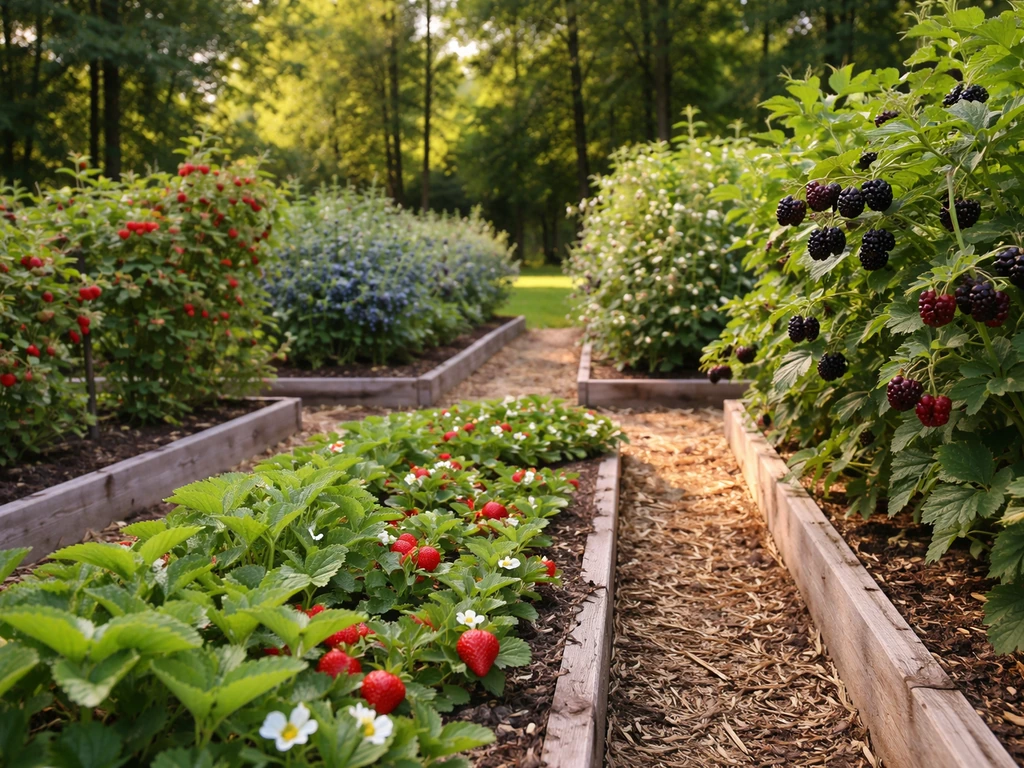
Virginia's growing conditions for berries
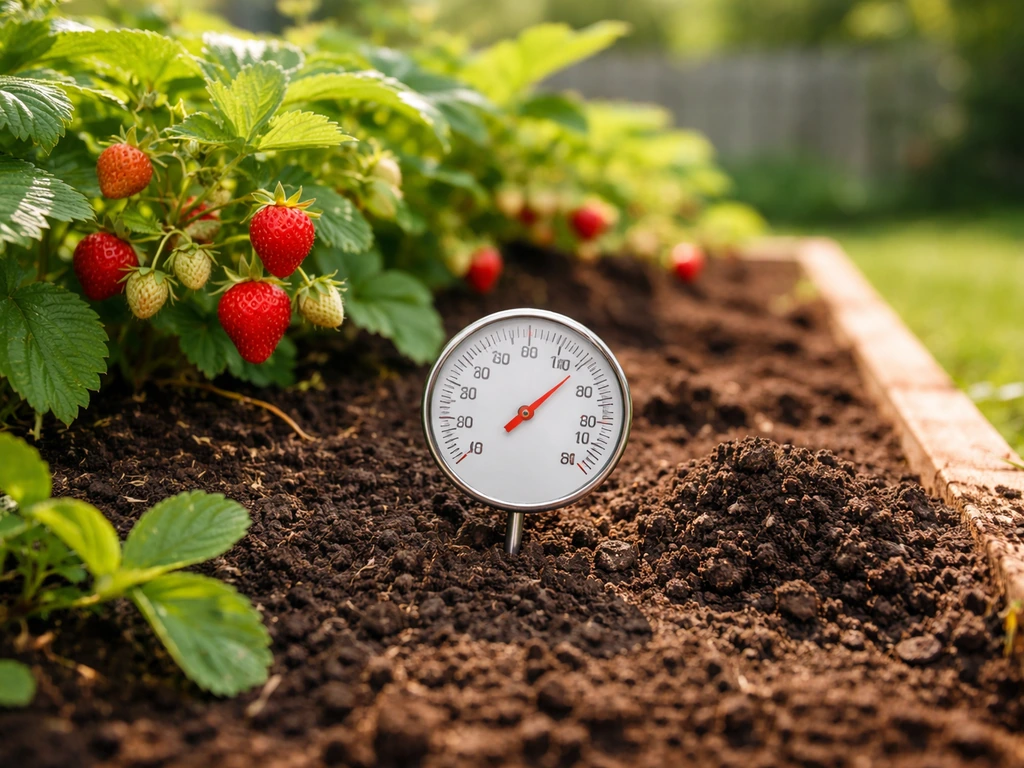
Virginia spans USDA hardiness zones 5b through 8a, which means what grows reliably in Roanoke or Charlottesville may struggle or thrive differently in Chesapeake or Winchester. The Tidewater and coastal plain sit in zones 7b to 8a, with hot humid summers and mild winters. The Piedmont runs zone 6b to 7b. The Shenandoah Valley and mountain regions drop into zones 5b to 6b, with colder winters and cooler summers. That temperature range is actually a gift for berry growers, because it covers the preferred zones for almost every commonly grown berry.
The bigger challenge in Virginia isn't winter cold, it's summer heat and humidity. Many berries, especially raspberries and currants, are naturally adapted to cooler climates. In the Piedmont and coastal plain, that means picking heat-tolerant varieties and making sure your site has good airflow to reduce fungal pressure. Virginia also gets reliable spring rainfall, which helps establishment, but clay-heavy soils in many parts of the state can cause drainage problems that will kill blueberries and strawberries fast if you don't address them.
Last frost in most of Virginia falls between mid-March (coastal) and late April (mountains). First fall frost arrives between mid-October and early November. That gives most gardeners a solid 180 to 200-day growing season, plenty of time for berry crops that ripen from May through September depending on what you plant.
The best berries to grow in Virginia
Here is a honest rundown of each major berry, how it performs in Virginia, and which varieties give you the best results.
Blackberries
Blackberries are the easiest berry to grow in Virginia, full stop. They're native to the region, they handle heat and clay soil better than almost anything else, and they produce enormous harvests even with minimal care. Thornless varieties like Ouachita, Natchez, and Triple Crown are the workhorses here. Natchez is especially worth planting if you're in central or southern Virginia because it ripens early, handles humidity well, and produces large, sweet berries. Ouachita is slightly more cold-tolerant and does well across the whole state. Avoid unnamed wild types from a bargain bin. Named thornless varieties are worth the extra few dollars.
Blueberries
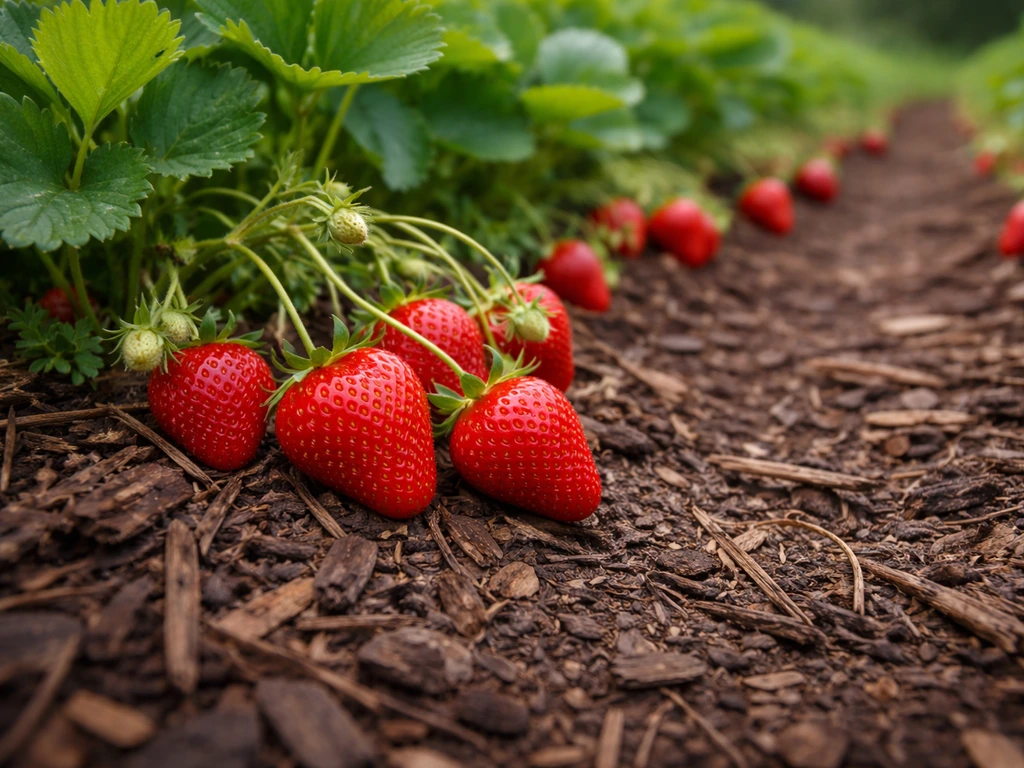
Blueberries grow all over Virginia, but the type you plant depends on where you are. In Northern Virginia and the mountains (zones 5b to 6b), northern highbush varieties like Bluecrop, Duke, and Patriot are your best fit. In Central and Southern Virginia (zones 7a to 7b), go with southern highbush varieties like Sunshine Blue, O'Neal, or Ozarkblue. In the warmest parts near the coast, rabbiteye varieties like Tifblue and Climax can handle the heat and longer growing season.
Always plant at least two different varieties for cross-pollination, or your yields will disappoint. The soil pH requirement is strict: blueberries need pH 4. 2 to 5. 2.
Most Virginia soils test higher than that, so plan on amending before you plant. Sulfur is the standard fix. For sandy soils testing above 4. 5, Virginia Cooperative Extension recommends applying 0.
75 lb of sulfur per 100 square feet for each full point your soil pH exceeds 4. 5. Get a soil test before you start.
Strawberries
Strawberries are ideal for Virginia home gardeners who want a quick harvest. June-bearing types like Chandler, Allstar, and Earliglow ripen in May and produce a big flush of fruit. Everbearing types like Seascape or Albion give you a smaller harvest through summer and fall. June-bearers tend to outperform everbearers in Virginia's heat, because by July and August it's often too hot for good fruit set on everbearing types anyway. Strawberries are short-lived perennials treated almost like annuals here. Renew your bed every three to four years to keep production strong.
Raspberries
Raspberries are doable in Virginia but honest about where they prefer to be. They perform best in the mountains and Northern Virginia, where summers stay cooler. In the Piedmont and coastal areas, summer heat stresses the canes and disease pressure goes up. If you're in zone 7a or warmer, choose heat-tolerant varieties like Anne (yellow), Caroline (red), or Heritage (red everbearing). Give them excellent drainage, morning sun, and afternoon shade if possible. Raspberries in Virginia are not a set-it-and-forget-it berry. They need consistent watering, annual cane removal, and watchful eyes for spotted wing drosophila and fungal issues in humid summers.
Currants and gooseberries
Currants and gooseberries are a good fit for western Virginia, the Shenandoah Valley, and the Northern Virginia foothills. They actually prefer cooler zones and some afternoon shade in Virginia's summers. Consort black currant and Ben Sarek are reliable in zones 5b to 6b. Red Lake is a classic red currant that does well in cooler parts of the state. For gooseberries, Invicta and Pixwell handle Virginia conditions reasonably well. Below the mountains, in the heat of the Piedmont or coastal plain, these fruits will struggle. Save yourself the frustration and plant elderberries instead in those warmer zones.
Elderberries
Elderberries are wildly underrated in Virginia. They grow natively across the state, which means they are pre-adapted to your climate. Bob Gordon and Adams are two of the most productive named varieties. Nova and York are also widely planted. Plant two different varieties for best pollination and yields. Elderberries tolerate clay soil, wet spots, and part shade better than almost any other berry, which makes them useful for the spots in your yard where other fruit plants fail. They grow fast, hitting 8 to 10 feet in two to three years, so give them space or plan to prune hard each spring.
How to match a berry to your specific spot
Before you pick a berry, look at your site honestly. The three things that matter most are sunlight hours, soil drainage, and your zone. Here's how each berry lines up against those variables.
| Berry | Sun Needed | Soil Preference | Drainage | Growth Habit | Best Virginia Zones |
|---|---|---|---|---|---|
| Blackberry | Full sun (6+ hrs) | Loamy to clay, tolerant | Well-drained to moderate | Canes (upright or trailing) | 5b to 8a |
| Blueberry | Full sun (6+ hrs) | Sandy-loam, very acidic (pH 4.2-5.2) | Well-drained, moist | Shrub/bush | 5b to 8a (variety dependent) |
| Strawberry | Full sun (6+ hrs) | Loamy, fertile | Well-drained | Low groundcover | 5b to 8a |
| Raspberry | Full sun to part shade | Loamy, fertile | Excellent drainage required | Canes (upright) | 5b to 7a (best) |
| Currant/Gooseberry | Part shade to full sun | Loamy, slightly acidic | Well-drained, consistent moisture | Shrub | 5b to 6b (best) |
| Elderberry | Full sun to part shade | Clay-tolerant, adaptable | Tolerates wet areas | Large shrub/multi-stem | 5b to 8a |
If your yard has heavy clay and you get standing water for a day or two after rain, elderberries and blackberries are your safest bets. If you have sandy, fast-draining soil and full sun, blueberries and strawberries will perform beautifully once you sort out the pH. If you have a shaded or part-shaded corner, currants and elderberries are your friends. Raspberries want the best real estate on your property: loose, fertile, well-drained soil with full sun and good airflow.
How to plant and get started today
Mid-June is actually a workable time to plant several berries in Virginia if you act quickly and are willing to water consistently through the heat. Containerized plants from the nursery can go in the ground now for blackberries, elderberries, and blueberries. Strawberries, raspberries, and bare-root plants are better planted in fall (October to November) or early spring (February to March) for the best establishment. That said, if you find healthy potted raspberry or strawberry plants at the nursery today, you can still plant them, but keep them well watered every other day until fall arrives.
Soil prep
For almost every berry, start with a soil test. Your local Virginia Cooperative Extension office can run one for a small fee. Blueberries especially need this before you plant, because correcting soil pH takes several months. For all other berries, work 3 to 4 inches of compost into the top 12 inches of soil before planting. Avoid fresh manure, which can burn roots and introduce weed seeds. Well-aged compost or bagged composted pine bark both work well.
Spacing
- Blackberries: 3 to 4 feet apart in rows 8 to 10 feet apart
- Blueberries: 4 to 6 feet apart (dwarf varieties closer, highbush wider)
- Strawberries: 12 to 18 inches apart in rows 3 to 4 feet apart
- Raspberries: 2 to 3 feet apart in rows 8 feet apart
- Currants and gooseberries: 4 to 5 feet apart
- Elderberries: 6 to 8 feet apart minimum
Fertilizing at planting
Most berries benefit from a balanced slow-release fertilizer worked in at planting. For blueberries, use an acid-forming fertilizer formulated for azaleas or blueberries specifically, not a general vegetable fertilizer. Elderberries and blackberries are light feeders and often don't need much beyond good compost. Strawberries and raspberries appreciate a higher-phosphorus starter fertilizer to encourage root establishment. Hold off on nitrogen-heavy fertilizers until plants are established, or you'll push leafy growth at the expense of roots.
Growing berries in containers in Virginia
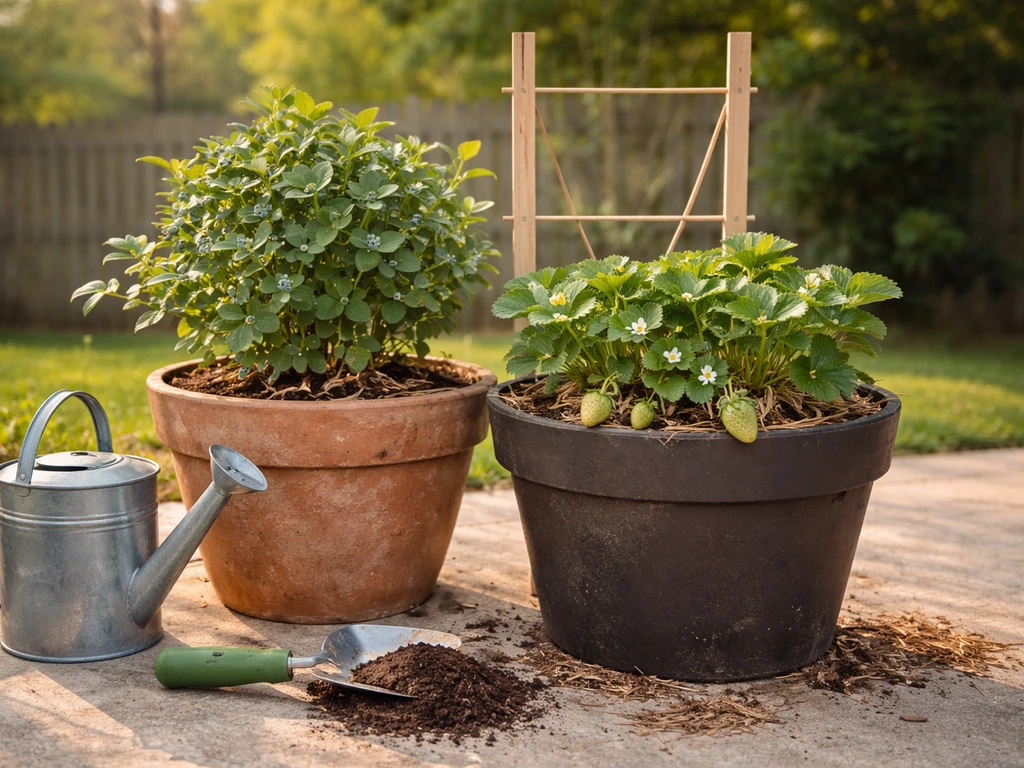
Container growing is genuinely practical for Virginia gardeners, especially for blueberries, strawberries, and compact raspberry varieties. The big advantage with blueberries is that you can fill your containers with the exact acidic mix they need without fighting your native soil. Use a blend of 50% peat moss or coir and 50% pine bark mulch, add some perlite for drainage, and you've got close to ideal blueberry conditions right out of the gate. Sunshine Blue is the top pick for container blueberries: it stays compact at 3 to 4 feet, is self-fruitful to a degree, and handles Virginia heat better than most.
For strawberries, a simple hanging basket or strawberry tower works beautifully on a sunny Virginia deck. Everbearing varieties like Albion or Seascape are better choices for containers than June-bearers because they spread production over a longer period. Just know that containers dry out fast in July and August heat. Water daily if needed, and don't let them sit completely dry even for a day during a heat wave.
Raspberries in containers are possible but demanding. Go with Raspberry Shortcake (a dwarf thornless variety bred for containers) or Joan J if you want to try it. Use a 15 to 20 gallon pot minimum, and plan to water almost every day in summer. Blackberries in containers get large fast and are better suited to small raised beds than pots. Elderberries are too large for typical container growing.
Keeping your berry plants healthy through the season
Watering
Most berry plants want about 1 to 1.5 inches of water per week during the growing season. In Virginia's July and August heat, that can mean supplemental irrigation even in normal rainfall years. Drip irrigation or soaker hoses at the base of the plant are much better than overhead sprinklers, which leave foliage wet and encourage fungal disease. Mulch heavily (3 to 4 inches of wood chips or straw) around all your berry plants to conserve soil moisture and suppress weeds.
Pruning and training
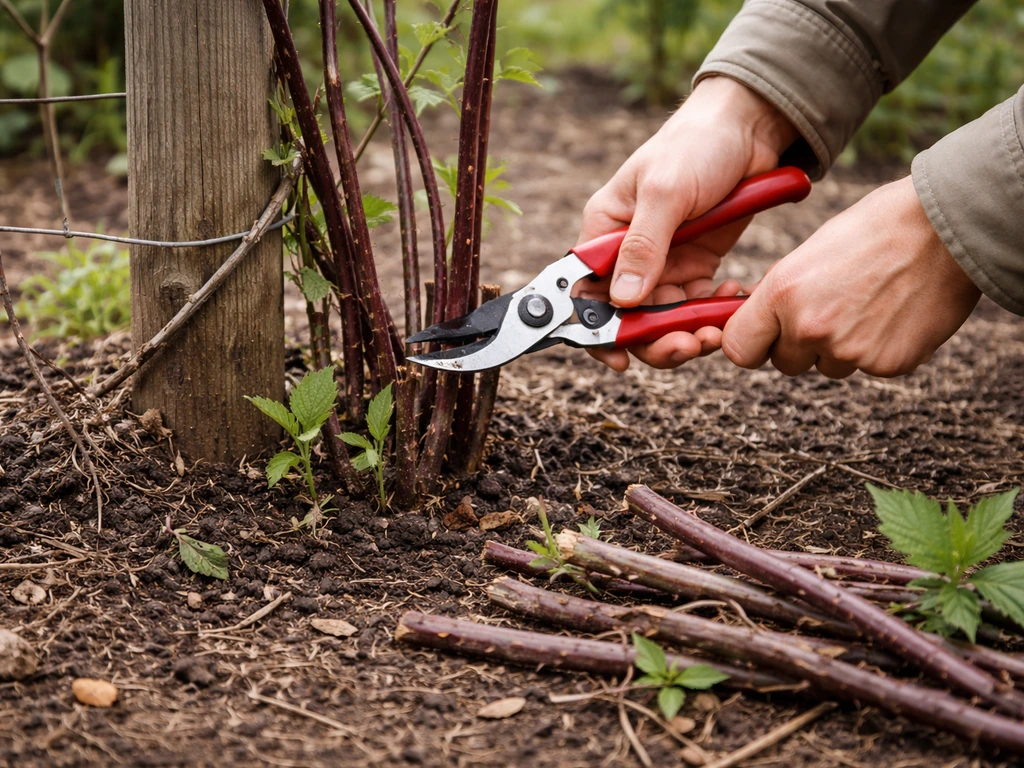
Blackberries and raspberries both fruit on second-year canes (primocanes become floricanes). Remove all canes that fruited this season right after harvest, cutting them to the ground. This keeps airflow good and redirects energy to next year's crop. Blueberry pruning is minimal for the first three years. After that, remove the oldest, thickest canes in late winter each year to encourage fresh productive wood. Elderberries benefit from hard renewal pruning every three to four years: cut the whole plant to about 12 inches and it regrows vigorously. Strawberries should have their runners managed. Let runners root to fill your bed, then renovate the whole bed by mowing or cutting back foliage right after the harvest is finished.
Pest and disease watch-outs for Virginia
- Spotted wing drosophila (SWD): A small fly that lays eggs inside ripening soft fruit. Raspberries and blueberries are the most affected. Harvest frequently and use fine mesh row covers or approved insecticides during ripening.
- Botrytis (gray mold): Hits strawberries hard in wet Virginia springs. Improve airflow, avoid overhead watering, and thin plants if they're overcrowded.
- Mummy berry: A fungal disease specific to blueberries that turns fruit into shriveled husks. Rake and remove fallen fruit and leaves each fall to break the disease cycle.
- Japanese beetles: Feed heavily on blackberry and raspberry foliage and flowers in June and July. Hand-pick in the morning or use row covers during peak beetle season.
- Root rot (Phytophthora): Kills blueberries and raspberries planted in poorly drained spots. Prevention is everything: improve drainage before planting, not after.
- Brown marmorated stink bug: A Virginia-specific pest that feeds on ripening fruit. Harvest early in the morning and monitor closely as fruit approaches ripeness.
Picking the right berry for your exact situation
Here's a quick way to land on the right choice. If you want the easiest possible win in almost any Virginia yard, plant blackberries. If you are growing in Georgia instead, the safest picks shift with warmer winters and longer summers what berries grow in Georgia. They handle poor soil, summer heat, and beginner mistakes better than anything else. If you have a full-sun spot and you're willing to do the soil prep, add two blueberry bushes of the right type for your zone alongside them. That combination gives you a long harvest window from May through August.
If you're in the mountains or Northern Virginia and you want variety, raspberries and currants are both worth adding. If you have a wet, low-lying corner, put in elderberries and forget about that problem spot. If you're on a deck or patio with no ground space, Sunshine Blue blueberries and Albion strawberries in large containers will produce real harvests.
Virginia growers have a lot in common with gardeners just across the borders in North Carolina, Tennessee, Pennsylvania, and New Jersey, but the overlap isn't perfect. Pennsylvania growers and New Jersey growers, for example, deal with cooler zone conditions across more of their state than Virginia gardeners do, so some of their cool-climate berry recommendations don't map directly to Central or Southern Virginia. If you're close to the Virginia-North Carolina border, you may find tips for North Carolina growers useful, especially for rabbiteye blueberries and heat-tolerant berry varieties. If you want to compare notes for your exact location, check out the best berries to grow in North Carolina next.
Your next steps are simple. If you want the best berries to grow in Tennessee, use the same approach: match berry types to your heat, rainfall, and USDA hardiness zone your USDA hardiness zone. First, check your USDA hardiness zone using the USDA Plant Hardiness Zone Map for your exact address.
The USDA Plant Hardiness Zone Map instructions recommend clicking your location to see the hardiness classification for that exact point click your location to see the hardiness classification for that point.
Second, do a soil test through your local Virginia Cooperative Extension office. Third, visit a local nursery this week and look for containerized plants of the varieties mentioned above. Ask specifically for regionally adapted varieties. Avoid generic unnamed varieties.
Fourth, prep your planting bed with compost and, for blueberries, start the pH amendment process now so the soil is ready for a fall or early spring planting. You can have your first significant harvest of blackberries or strawberries within twelve months of planting. Blueberries take two to three years to hit full production, but they're worth every bit of the wait.
FAQ
Can I plant berries in mid-June in Virginia, or should I wait until fall?
Yes, but choose based on temperature tolerance, not calendar timing. In mid-June, berries that tolerate heat while establishing are blackberries, elderberries, and blueberries in containers, as long as you commit to consistent watering during hot spells. Strawberries and raspberries are riskier for summer planting because they struggle with summer heat and can take longer to recover.
What’s the most common reason berries fail in Virginia gardens?
Soil pH is the biggest “gotcha” in Virginia for blueberries and, to a lesser extent, strawberries. If your soil test shows pH outside the berry’s preferred range, fix it before planting because it can take months for amendments to work. For quick progress, start sulfur (for blueberries) or plan a bed renovation rather than adding small amounts late after planting.
Do I need more than one blueberry variety to get a good harvest?
For blueberries, yes. Planting only one variety often results in low yields even when plants look healthy. The article recommends planting at least two varieties for cross-pollination, and in practice it also helps you spread harvest timing (useful if one cultivar finishes earlier).
If my yard holds water after rain, which berries should I avoid?
Yes, especially for berries that hate wet feet, like blueberries and strawberries. If water stands for a day or more after rain, amend the site or choose a better location, then consider raised beds for shallow-rooting berries. Elderberries and blackberries handle wetter, heavier ground better, but you still should avoid completely anaerobic conditions near the crown.
Which berries are easiest to manage if I want a smaller, lower-maintenance garden?
If you do not have space for a long-lived berry patch, go with strawberries or blackberries. Strawberries are treated like short-lived perennials and beds are typically renovated every three to four years, so you are not stuck managing the same planting forever. Blackberries can be vigorous, but they are relatively forgiving and can be trained on a simple trellis to control spread.
How do I choose a spot if my yard is full sun but also very hot and humid?
A helpful rule is to prioritize morning sun and airflow, then use shade only if your location is hot and humid. For raspberries, the article notes afternoon shade if possible, because it reduces heat stress and disease pressure. For currants and gooseberries, some afternoon shade in Virginia summer conditions is also beneficial.
Is mulching around berry plants always helpful, and how should I apply it?
Use mulch, but don’t bury canes or crowns. Keep wood chips or straw about 3 to 4 inches deep around the plants, and leave the base of the plant/caners uncovered so you don’t trap moisture against the stem. This is especially important for berries where fungal issues are common in humid summers.
Can I grow blueberries, strawberries, or raspberries in containers in Virginia, and what should I watch out for?
Yes, container growing can solve specific Virginia problems like blueberry soil acidity and drainage. However, containers add watering stress because pots dry faster in July and August, especially for strawberries. Use large enough pots (the article gives guidance for raspberry containers) and plan on near-daily checks during heat waves.
What should I check first if my berry plants grow well but do not fruit?
You can treat these failures as a “site mismatch” more often than a “plant choice” issue. If berries produce leaves but little fruit, the most likely causes in Virginia are heat stress (especially for raspberries and everbearing strawberries), poor airflow (fungal pressure), or incorrect pH for blueberries. Re-check sunlight, drainage, and pH with a soil test rather than changing fertilizers first.
How much water do berry plants need in Virginia summer, and what watering method is best?
Most berries need more than just occasional rainfall in Virginia summers. The article targets about 1 to 1.5 inches per week during the growing season and strongly recommends drip or soaker hoses because overhead watering keeps foliage wet and increases fungal risk. Set up irrigation early rather than waiting until plants wilt.