
Georgia is genuinely one of the best states in the country for growing berries at home. You can reliably grow blueberries, blackberries, strawberries, muscadines, raspberries (with the right variety), mulberries, and elderberries across most of the state. If you’re in New Jersey, the best berry choices depend heavily on your local chill hours and whether you can support plants like blueberries and brambles properly blueberries, blackberries, strawberries. The catch is that Georgia spans three distinct climate regions, and picking the wrong variety for your part of the state is the most common mistake beginners make. Get the variety right, prep your soil, and most of these plants will reward you faster than you'd expect.
What Berries Grow in Georgia: Best Varieties and Planting Guide
Marcus Holloway
1 Jul 2026
Georgia's berry-growing climate: zones, chill hours, and heat
Georgia runs from USDA Hardiness Zone 6b in the mountains of the north to Zone 9a along the southeast coast. Most home gardeners are somewhere in Zones 7b to 8b, which covers the Piedmont, middle Georgia, and a good chunk of south Georgia. That range matters enormously when you're picking berry varieties, especially for anything that needs a cold dormancy period to fruit properly.
Chill hours are the number of hours where temperatures sit at or below 45°F over the winter. UGA also advises growers to count every hour where temperatures reach 45°F or below when assessing whether a site has enough chill hours for blueberries count every hour where the temperature reaches 45°F or below. North Georgia mountains can accumulate 800 or more chill hours in a typical year. The Atlanta metro averages around 600. Head south toward Valdosta or Tifton and you might see fewer than 400. If you plant a variety that needs more chill hours than your location provides, you'll get erratic bud break in spring, poor fruit set, and a lot of frustration. This is why rabbiteye blueberries, which only need 300 to 600 chill hours, dominate south Georgia plantings, while southern highbush and some cane fruit varieties need more care in choosing the right cultivar.
The flip side of Georgia's mild winters is a long, hot, humid summer. That heat accelerates ripening (good), but it also drives fungal disease pressure like anthracnose and botrytis, especially on strawberries and brambles. Ventilation, spacing, and site selection matter more in Georgia than in drier climates.
Best berries for Georgia gardens: a quick breakdown by region and setup
Here's the honest quick-reference picture before we get into the details. Not every berry works equally well across all of Georgia, and some need specific soil prep or structures that will affect your planning.
| Berry | Best Georgia Region | Growth Habit | Biggest Requirement |
|---|---|---|---|
| Rabbiteye Blueberry | All of Georgia, especially south | Upright shrub, 6–15 ft | Acid soil pH 4.5–5.5 |
| Southern Highbush Blueberry | North and middle Georgia | Upright shrub, 4–6 ft | Acid soil, higher chill tolerance |
| Blackberry | All of Georgia | Erect or trailing cane | Trellis for trailing types, space |
| Raspberry (Dormanred) | All of Georgia | Trailing cane | Trellis required, summer heat |
| Strawberry | All of Georgia | Ground-level runner | Fall planting in south/middle GA |
| Mulberry | All of Georgia | Large tree, 30–60 ft | Space (lots of it) |
| Elderberry | All of Georgia | Multi-stem shrub, 6–12 ft | Cross-pollinator, site drainage |
| Muscadine Grape | All of Georgia | Vigorous vine | Strong trellis or arbor |
If you're a beginner with a typical suburban lot, start with rabbiteye blueberries (in a raised bed or amended in-ground) plus a blackberry or two. They're the most forgiving combination for Georgia conditions and will give you a real harvest in years two to three without a lot of drama.
Raspberries and blackberries in Georgia: canes, trellises, and picking varieties
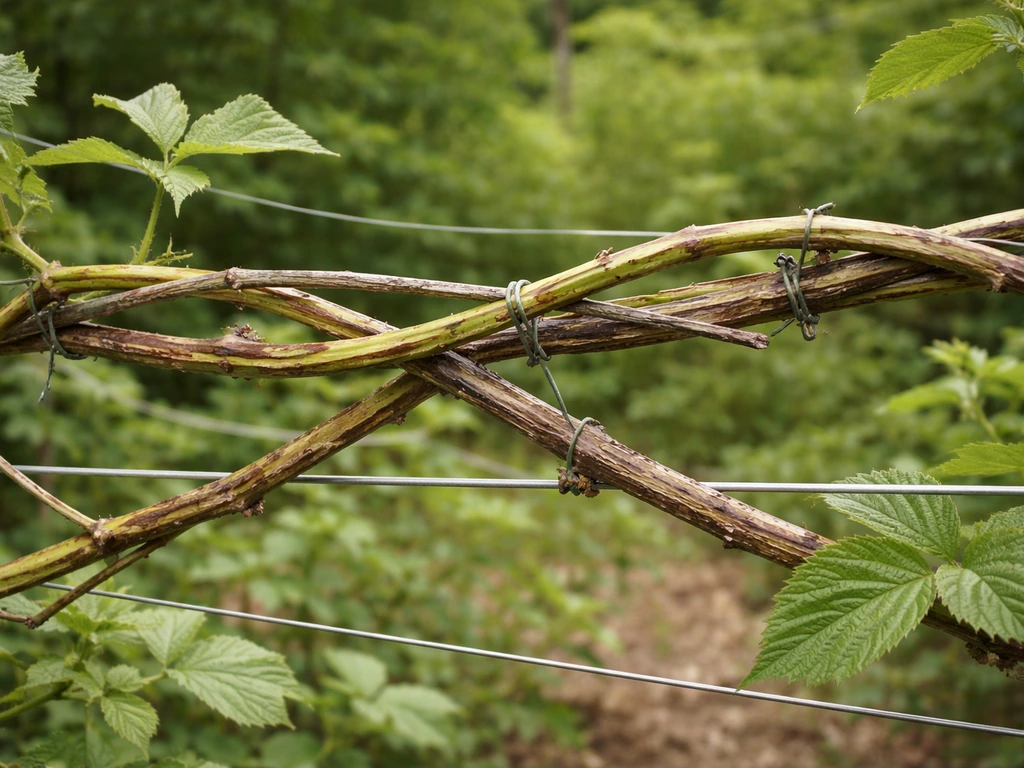
Before you plant any bramble, it helps to understand how the canes actually work. Each cane is biennial: it grows vegetatively in its first year (called a primocane) and then produces fruit in its second year (called a floricane). After that floricane fruits, it dies and you cut it out. New primocanes keep coming from the base. Once you get that rhythm in your head, managing raspberries and blackberries becomes much less confusing.
Blackberries: the reliable Georgia bramble
Blackberries are the easier starting point for most Georgia gardeners. They handle the heat better than raspberries and produce heavily once established. You have two main growth habits to choose from: erect varieties like 'Kiowa', 'Navaho', and 'Ouachita' form upright canes that can technically stand without a trellis, but a simple two-wire trellis still makes management much easier and keeps fruit cleaner. Trailing blackberries need trellis support full stop. Thornless varieties like 'Navaho' and 'Arapaho' are popular for backyard gardens for obvious reasons. Space erect types about 3 feet apart in rows, with rows 8 to 10 feet apart.
Raspberries: doable but be selective
Standard red raspberries struggle in Georgia's heat. The variety to know is 'Dormanred', a trailing red raspberry that UGA Extension specifically recommends as proven for all of Georgia. It's heat-tolerant compared to northern raspberry varieties and will fruit reliably in the state's warm spring. Because it's a trailing type, it absolutely needs a trellis. UGA guidance suggests spacing trailing brambles around 10 feet apart to give the long canes room to train along wires. Set your posts and wires before you plant so you're not scrambling later.
Disease and pests to watch for
Georgia's humidity makes fungal diseases a real concern for brambles. Anthracnose is the main one to know: it causes purple spots on canes and can defoliate plants if conditions are wet. Cane blight and spur blight are also possibilities. UMN Extension identifies cane diseases that affect raspberries and blackberries, including spur blight, anthracnose, and cane blight cane diseases including spur blight, anthracnose, and cane blight. The best prevention is good air circulation through proper spacing, removing old floricanes promptly after harvest, and avoiding overhead irrigation if you can. On the insect side, UGA specifically calls out two pests for Georgia brambles: the strawberry weevil and the red-necked cane borer. Inspect canes in spring and early summer and remove any that show borer damage at the base.
Blueberries and other acid-soil berries: getting the pH right first
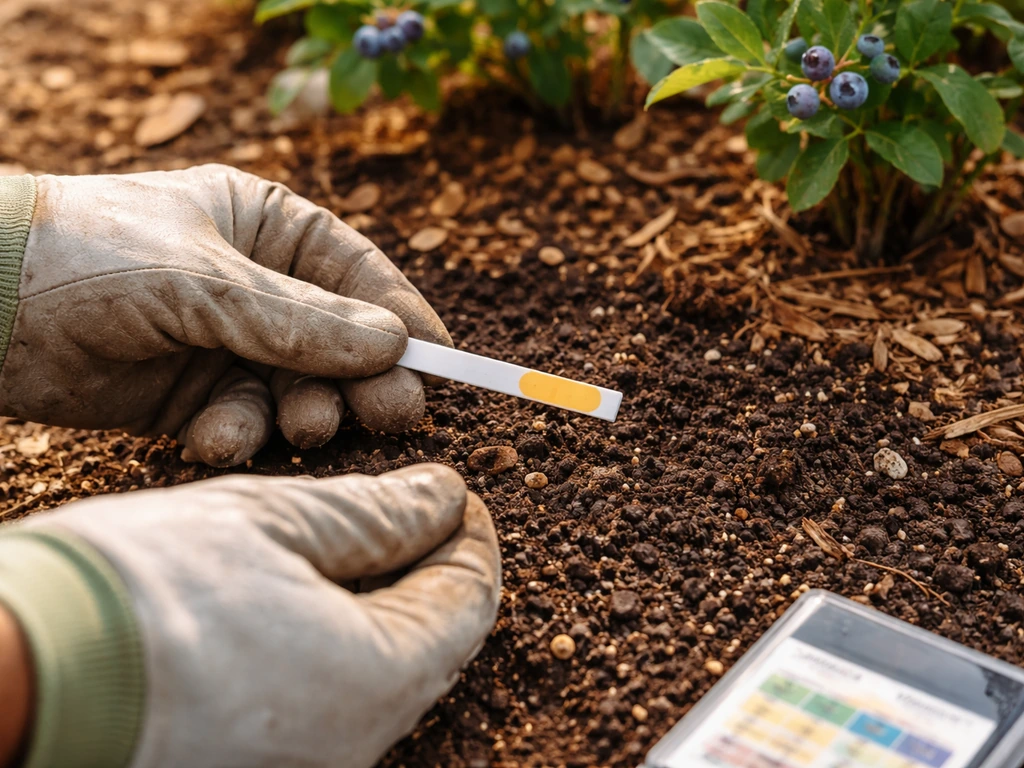
Blueberries are practically Georgia's signature home garden fruit. The state is one of the top commercial blueberry producers in the country, and that's not a coincidence. But there's one non-negotiable: soil pH. Blueberries need a pH of 4.5 to 5.5. Most Georgia garden soil sits somewhere between 5.5 and 6.5, which sounds close but is actually too alkaline for blueberries to absorb nutrients properly. You must amend before planting, and you should test first.
If you don't already know your soil pH, take a sample to your county Extension office. They'll test it cheaply and tell you exactly how much amendment to add. To lower pH, you'll add elemental sulfur (slower, longer-lasting) or aluminum sulfate (faster). Work it in several months before planting if you can. To maintain pH over time, UGA recommends adding elemental sulfur periodically and can even involve acidifying your irrigation water with sulfuric acid in commercial settings. For home gardens, sulfur applications every year or two usually do the job.
Rabbiteye vs. southern highbush: which blueberry for your region
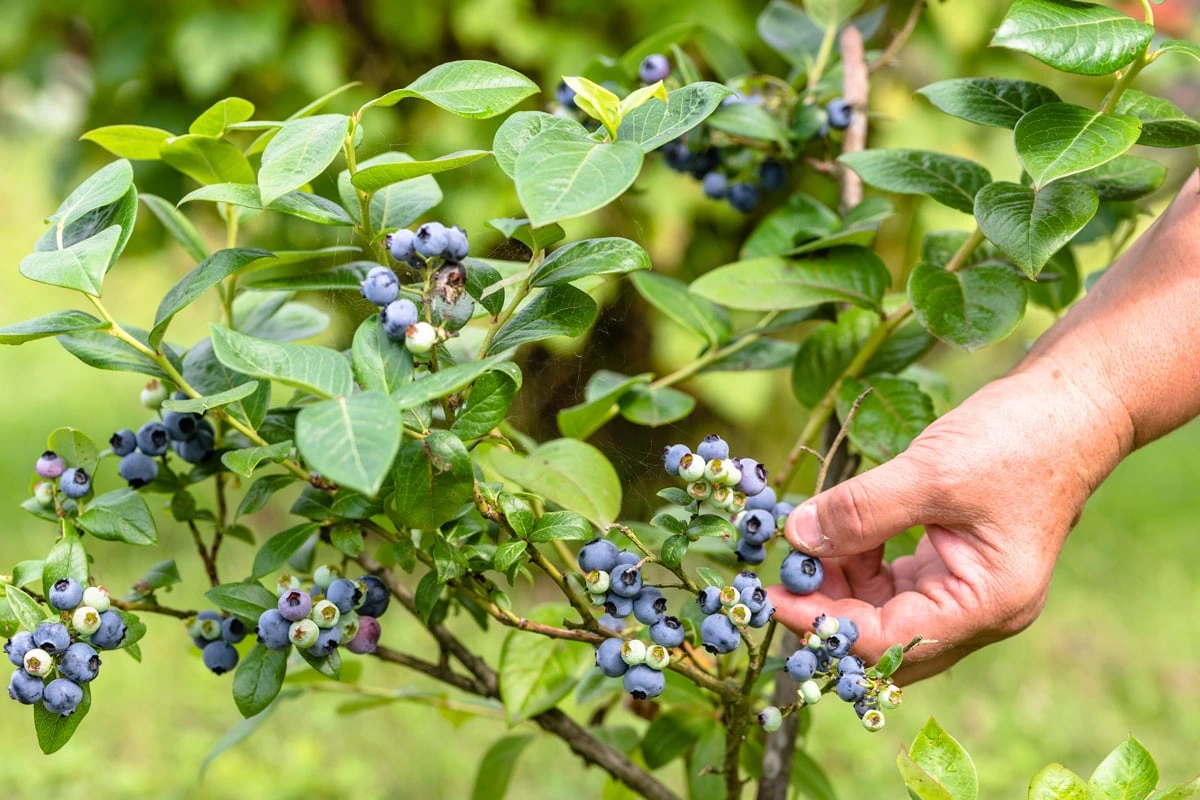
Rabbiteye blueberries (Vaccinium ashei) are the workhorses of Georgia blueberry gardens. They need only 300 to 600 chill hours, tolerate heat and drought better than other types, and can live for decades. Varieties like 'Tifblue', 'Brightwell', 'Climax', and 'Premier' are classics. Plant at least two different rabbiteye varieties for cross-pollination. Southern highbush varieties like 'O'Neal', 'Star', and 'Emerald' are better for north Georgia where chill hours are higher, and they tend to ripen earlier in the season. They're a bit more demanding about drainage.
Both types want full sun (at least 6 hours) and well-drained soil with high organic matter. If your site stays wet, raise your beds. UGA specifically recommends raised beds on wet sites to prevent root rot. Blueberries also love pine bark mulch, which breaks down slowly and helps keep soil pH acidic over time. Use a 3 to 4 inch layer and keep it away from the crown.
Containers for blueberries
Container growing is a legitimately great option for blueberries if your native soil is challenging or your garden space is tight. Use a large pot (at least 15 to 20 gallons per mature plant) filled with a mix of peat, pine bark fines, and a small amount of acidic potting soil. Water consistently because containers dry out fast, and fertilize with an acid-formulated fertilizer like those labeled for azaleas or blueberries. You can dial in the pH much more easily in a container than in the ground.
Strawberries and ground-level berries: timing is everything in Georgia
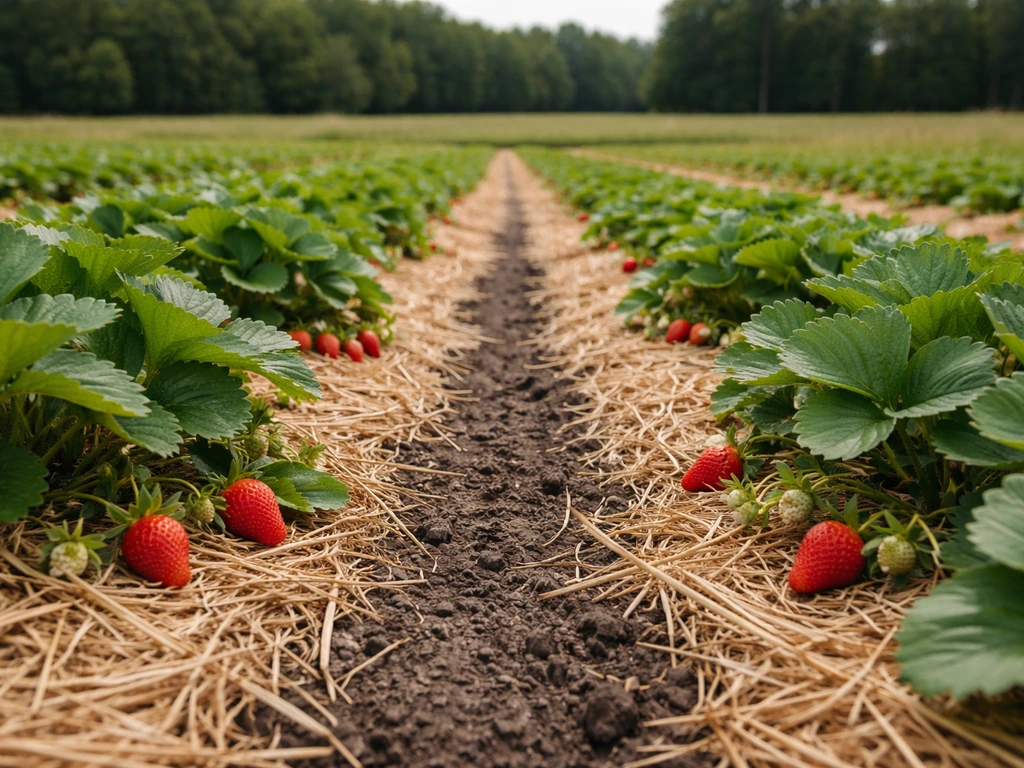
Strawberries are a bit different in Georgia than in the northern states, and knowing that difference will save you from one of the most common beginner failures. In middle and south Georgia, UGA Extension recommends the annual hill system rather than the traditional matted-row method. The reason: anthracnose is so prevalent in Georgia summers that it often wipes out a matted-row planting before those plants ever produce a crop. With the hill system, you treat strawberries more like an annual vegetable and replant fresh certified plants each year.
Planting time and spacing
In middle and south Georgia, plant in fall (typically October through November) and harvest the following spring. This takes advantage of Georgia's mild winters and long cool springs. In north Georgia, late winter to early spring planting (February to March) is more common, similar to how gardeners in neighboring states like Tennessee handle it. If you’re in Tennessee instead of Georgia, you can still use the same berry types, but choose varieties and planting timing that match Tennessee’s milder winters and growing zones. Standard spacing for the hill system is about 12 inches between plants in rows 12 to 18 inches apart, though you should follow the specific recommendations for whatever cultivar you choose. Varieties like 'Chandler', 'Sweet Charlie', and 'Camarosa' perform well in Georgia.
If you do go the matted-row route in north Georgia, during the establishment summer you let runners develop freely to fill in the row. After that establishment year, the goal is managing the density of the row to keep it from getting too crowded. Fertilize with a balanced fertilizer like 13-13-13 around mid-June and again in late September to support both plant establishment and fruit bud development for the following spring.
Disease reality check for Georgia strawberries
Anthracnose and botrytis (gray mold) are the two diseases you'll likely deal with. Anthracnose hits hardest in warm, wet conditions, which is basically every Georgia summer. Botrytis shows up during cool, humid stretches in spring. Good air circulation through proper spacing, removing old leaves and debris, and not overhead watering in the evening goes a long way. Starting with certified disease-free transplants every year (for the annual hill system) also prevents disease buildup in the soil.
Mulberries, elderberries, and the bigger "wild-type" berries
This category often gets overlooked by home gardeners, which is a shame because these plants are some of the most productive and low-maintenance options in Georgia.
Mulberries: big trees, big harvests
Mulberries grow fast and fruit heavily. UGA Extension calls them good producers for both humans and wildlife. The two cultivated species you'll see are red mulberry (Morus rubra) and black mulberry (Morus nigra). White mulberries exist too, but UGA notes some are susceptible to popcorn disease, a fungal problem that distorts the fruit. Red and black mulberries are the safer bets. The tradeoff is size: mulberry trees can reach 30 to 60 feet at maturity and produce enormous amounts of fruit, which means enormous amounts of mess underneath. Don't plant one near a patio, driveway, or anywhere you'd mind dark purple stains. They're better suited to a back corner of a larger yard, where birds and wildlife (and you) can forage freely.
Elderberries: shrubby, productive, and underused
American elderberry (Sambucus canadensis) is native to the eastern United States and grows very well in Georgia. It's a multi-stemmed shrub that typically reaches 6 to 12 feet and produces large flat clusters of small dark berries in summer. The fruit is used for syrups, wines, and preserves. One important note: raw elderberries and other parts of the plant (leaves, bark, unripe fruit) contain compounds that can cause nausea, so you always cook the fruit before eating. Also, elderberry looks somewhat similar to poison hemlock when young, so be careful if you're foraging wild plants and not sure what you've found. Growing from known nursery stock eliminates that risk entirely.
Elderberries want full sun to part shade, reasonably moist soil, and room to spread. They produce suckers that need regular removal to keep the clump from expanding indefinitely. Plant at least two plants for good cross-pollination and better berry production. They're more tolerant of heavy or wet soils than blueberries, which makes them useful in parts of the yard that other berries wouldn't like.
Muscadines: the Georgia native vine
Muscadine grapes (Vitis rotundifolia) deserve a mention because they're native to the Southeast, extremely heat and disease tolerant, and grow vigorously across all of Georgia. They're technically a grape, not a "berry" in the culinary sense, but they behave like a berry vine and fill the same garden role. They need a sturdy trellis or arbor and room to run, but they're practically bulletproof once established. Varieties like 'Carlos', 'Fry', 'Scuppernong', and 'Noble' are reliable producers. Plant both a self-fertile variety and a second variety for maximum yield.
Setting up your berry garden: site, soil, and structures
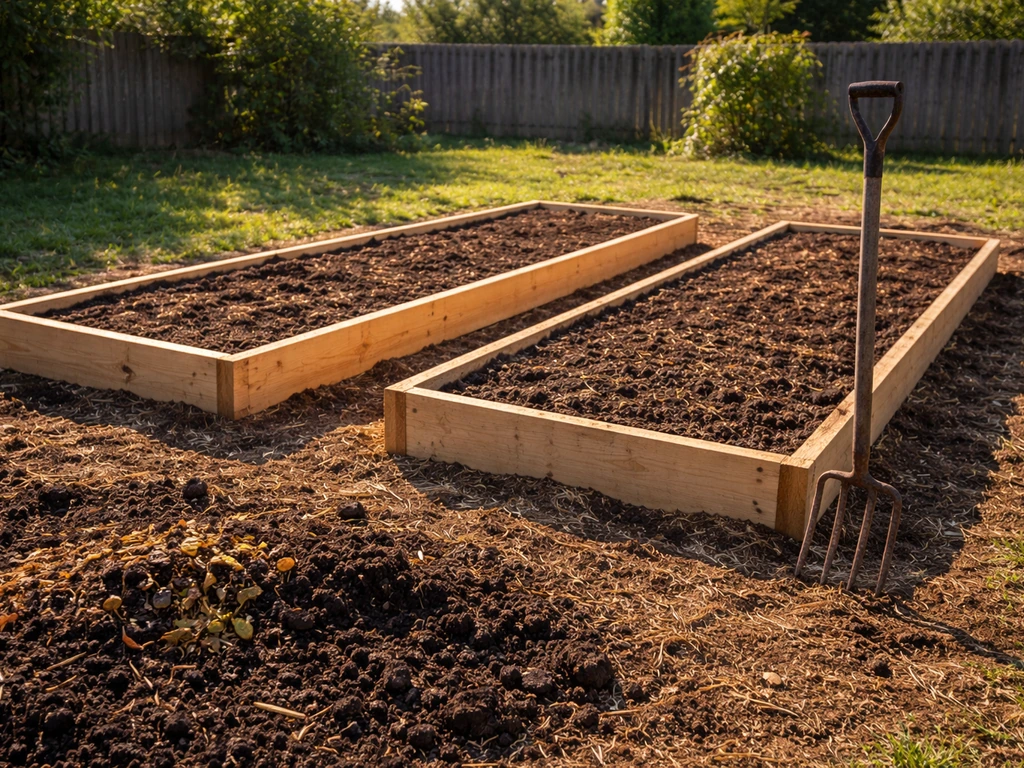
Good site selection prevents most of the problems beginners run into. Almost every berry on this list wants at least 6 to 8 hours of direct sun per day. Shade is the single most common reason for poor fruit production in home gardens. If your site is partially shaded, elderberries and raspberries are the most tolerant. Blueberries and blackberries really need full sun to perform well.
Soil prep before planting
- Test your soil pH first. Take a sample to your local county Extension office or use a reliable home test kit. This tells you what amendments you actually need.
- For blueberries, work elemental sulfur or aluminum sulfate into the top 8 to 12 inches of soil several months before planting to lower pH to the 4.5–5.5 target. Add pine bark or peat to increase organic matter.
- For blackberries, raspberries, strawberries, elderberries, and muscadines, target a pH of 5.5 to 6.5. Add lime to raise pH if your soil is too acidic, or sulfur to lower it if too alkaline.
- Work in compost (2 to 4 inches) across the planting area before any berry goes in. Georgia's red clay soils especially benefit from organic matter additions to improve drainage and root penetration.
- For wet sites, build raised beds 8 to 12 inches high. This is especially important for blueberries and strawberries.
Trellises, spacing, and mulch
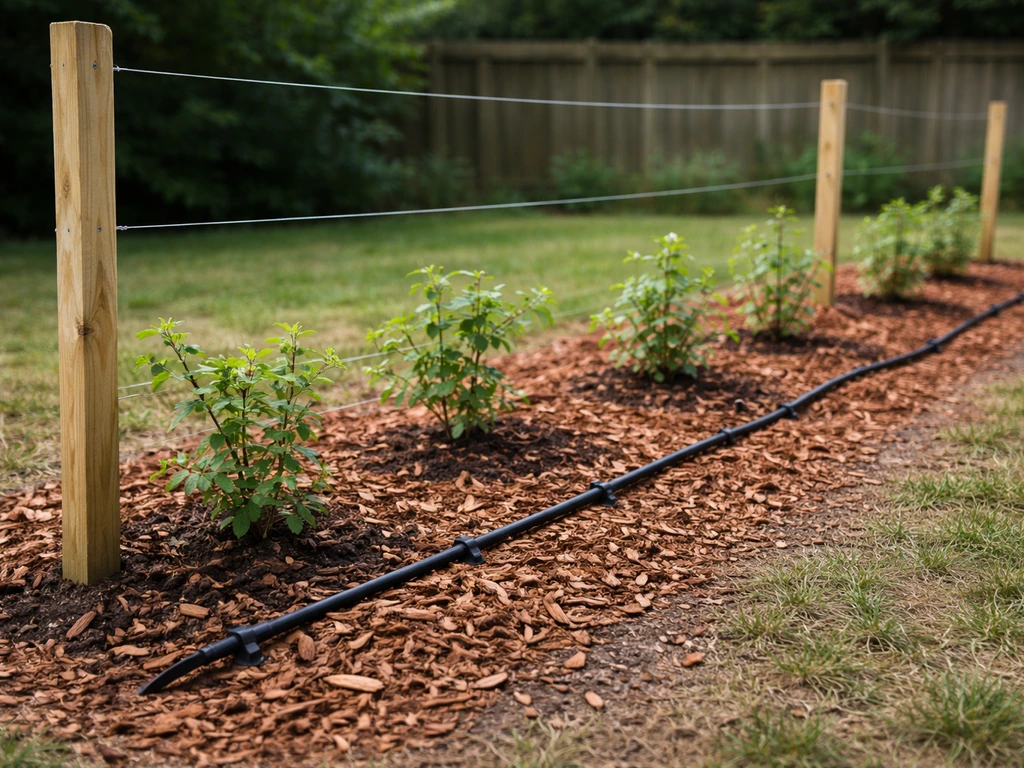
Plan your trellises before you plant brambles. For trailing types like 'Dormanred' raspberry, you need a two-wire trellis with posts set every 15 to 20 feet and wires at about 3 and 5 feet high. Even erect blackberries benefit from a trellis to keep canes from flopping during storms or under fruit load. For muscadines, you need a heavy arbor or T-bar trellis system that can handle a mature vine's weight over decades.
Mulch every berry planting generously. Pine bark mulch works double duty for blueberries (keeps pH low, retains moisture). Straw mulch works well for strawberries and brambles. Keep mulch 3 to 4 inches deep and refresh it annually. This also suppresses weeds, which compete aggressively with young berry plants.
Irrigation basics
Drip irrigation is strongly preferred over overhead watering for all Georgia berry plants, but especially for strawberries and brambles where wet foliage invites fungal disease. Newly planted berries need consistent moisture for the first season. Established blueberries and blackberries are more drought-tolerant, but they still benefit from supplemental irrigation during fruit development in Georgia's hot, dry stretches. A simple soaker hose on a timer is enough for most backyard setups.
Containers: a real option for small spaces
Blueberries are the berry most suited to container growing. As mentioned above, use large pots with acidic potting mix and water consistently. Strawberries also work well in containers, strawberry towers, or hanging baskets. Compact blackberry varieties like 'Baby Cakes' or 'BrazelBerries' have been developed specifically for container culture. Elderberries can technically be container-grown but get large and need frequent watering, so they're better in the ground if you have space.
Georgia berry planting calendar and what to do next
Georgia's long growing season means you have more planting windows than gardeners in colder states like Pennsylvania or Virginia. If you're wondering what berries grow in Pennsylvania instead, the good news is that you can match berry types to your local chill hours and growing season. Here's how the year breaks down for the most common berry types.
| Berry | Best Planting Window (Georgia) | First Significant Harvest | Start As |
|---|---|---|---|
| Rabbiteye Blueberry | Dec–Feb (dormant) | Year 3–4 | Bare root or container |
| Southern Highbush Blueberry | Dec–Feb (dormant) | Year 2–3 | Container |
| Blackberry (erect) | Dec–Mar | Year 2 | Bare root or container |
| Raspberry (Dormanred) | Dec–Feb | Year 2 | Bare root |
| Strawberry (south/middle GA) | Oct–Nov | Following spring | Certified transplants |
| Strawberry (north GA) | Feb–Mar | Same season (light) | Certified transplants |
| Mulberry | Fall or early spring | Year 3–5 from young tree | Container or bare root |
| Elderberry | Early spring or fall | Year 2–3 | Rooted cutting or container |
| Muscadine | Dec–Feb (dormant) | Year 3 | Bare root or container |
Where to buy and first-year care
For blueberries and blackberries, local nurseries and Georgia-based mail-order nurseries are your best sources because the plants will be regionally adapted. Look for rabbiteye blueberry varieties specifically labeled for the South. For strawberries, always buy certified disease-free transplants or plugs, not just whatever's cheapest at a big-box store, because starting with clean plants is your best defense against soil-borne disease buildup. Your county Extension office can point you toward local suppliers and often holds plant sales in fall and winter.
First-year care for any berry is mostly about establishment, not production. Water consistently, keep weeds down with mulch, and resist the urge to let plants fruit heavily in year one. Pinching off blossoms from blueberries and strawberries in the first season directs energy into root development and gives you much better long-term yields. For brambles, just let the primocanes grow that first season and focus on training them to the trellis. The second year is when the real harvests start.
Your practical starting point today
Since it's July, you're in the middle of Georgia's summer now. The best move right now is to get your soil tested through your county Extension office, which is free or very cheap and takes a couple of weeks to get results back. Use that time to plan your layout, order or price out your trellis materials, and source your plants. Blueberries and blackberries plant in winter (December through February) from bare root stock, which is when plants are cheapest and most available. Strawberry transplants for middle and south Georgia go in around October and November. So you're actually in a great window to plan and prepare before the fall and winter planting seasons hit. If you want to do something in the ground right now, elderberries can be planted in early fall as container-grown plants once temperatures start dropping in late September. If you’re also planning for Virginia, the best approach is to match berry types to your local climate and chill-hour needs.
One last honest note: Georgia's combination of heat, humidity, and long summers makes disease management more important here than in drier states like North Carolina or Tennessee, where some of these same berries grow with a bit less fungal pressure. If you are planning for the best berries to grow in North Carolina, you will want to focus on varieties that match your chill hours and soil conditions. That doesn't mean you should be discouraged. It just means spacing, airflow, drip irrigation, and starting with healthy plants are worth taking seriously. Set those basics up right and Georgia will produce berries better than almost anywhere in the country.
FAQ
What berries grow in Georgia if my yard gets partial shade?
Not necessarily. In Georgia, most berries need full sun for strong yields, but if you only have 4 to 5 hours of direct sun, elderberries and raspberries (with the right cultivar) are more forgiving than blueberries and blackberries. Before buying plants, track sun on your actual spot for a week (morning and afternoon), and prioritize the sunniest micro-site you have.
How do I choose what berries grow in Georgia based on my location?
Start with fruit type, then match the chill-hour requirement. If you are in north Georgia (closer to Zone 6b to 7b), you have more options like some southern highbush blueberries and certain cane fruit cultivars. If you are in south Georgia (often Zone 8b to 9a), rabbiteye blueberries and heat-tolerant blackberry types are usually the safest bets. Use your county or Extension map to confirm your zone before you decide.
What is the most common planting mistake for berry success in Georgia?
Planting depth and crown placement matter most for blueberries and strawberries. Blueberries should not be buried deeper than the nursery line, and the pine bark mulch should stay a few inches away from the crown to avoid rot. For strawberries, crowns should sit at or slightly above soil level, not covered with heavy mulch that stays wet against the crown.
Can I grow berries in Georgia containers if my soil is not suitable?
You can, but you need to handle pH differently and expect more watering. Container blueberries are easier because you can control acidity with acidic potting mixes and periodic sulfur or fertilizer designed for acid lovers. Containers also dry out faster in Georgia heat, so plan on consistent moisture and check daily during fruiting.
Do I need a trellis for blackberries and raspberries in Georgia?
For Georgia brambles, trellis setup should happen before planting because training later can break canes and stress plants. Trailing red raspberry types like Dormanred require a two-wire system, and spacing should match the long cane length you will be training. If you want lower maintenance, choose erect thornless blackberries, still trellised if possible for cleaner fruit and easier harvest.
What berries in Georgia are most affected by fungal disease, and how do I prevent it?
Yes, and it is a frequent point of failure. Georgia’s humidity makes fungal issues worse on wet foliage, so use drip irrigation or soaker hoses, water early in the day, and avoid wetting leaves at night. For strawberries, the hill system and certified disease-free plugs are especially important because anthracnose pressure can wipe out crowded, damp plantings.
If I only do one thing before planting, what should it be?
For blueberries, the best next step is to test soil pH first, then amend to a target range around 4.5 to 5.5. For strawberries, use certified disease-free transplants and follow the annual hill method in middle and south Georgia. For elderberry, focus on spacing and sucker removal rather than acidity adjustments, since it is more tolerant of heavier or wetter soils.
Do what berries grow in Georgia require multiple plants to get enough fruit?
Many berry types produce better with more than one plant, but the rules differ. Rabbiteye blueberries generally benefit from planting at least two different varieties for cross-pollination. Elderberries also produce better with at least two plants. For muscadines, since many cultivars are not strongly reliable alone, plan for a second variety unless your chosen one is specifically self-fertile.
How do I prune blackberries and raspberries correctly in Georgia?
In Georgia, pruning timing and cane removal rules are a bigger deal than most beginners expect. Blackberries and raspberries follow a primocane (first-year growth) and floricane (second-year fruiting) pattern, so you remove the fruiting canes after harvest. If you leave them, you encourage disease and reduce airflow, and you end up with a mess instead of a clean spring flush.
Are elderberries safe to eat, and what should I watch for?
Elderberries are the one category where people sometimes get tripped up by safety and identification. Raw elderberries and other plant parts can cause nausea, so cook the fruit before eating. Also, young elderberry plants can resemble some look-alikes, so if you are not confident identifying wild plants, buy nursery stock instead of foraging.
When should I plant strawberries in different parts of Georgia?
For strawberries in Georgia, timing depends on your part of the state. Middle and south Georgia typically plant in fall for spring harvest using the hill system. North Georgia more often uses late winter to early spring planting and can use a matted-row approach only if you manage crowding and density. Buying the right certified plants and using the correct system for your region matters more than just planting date alone.