
North Carolina is genuinely one of the better states for growing berries at home. Blackberries thrive here, blueberries can be grown anywhere in the state if you match the right type to your region, strawberries produce well with good variety selection, and raspberries are doable in the mountains and cooler piedmont areas. The biggest limiting factors are not really climate, they are soil pH, drainage, and picking the right variety for your elevation and chill hours. Get those right, and you can be harvesting your own berries within a season or two.
Best Berries to Grow in North Carolina: What Works
Marcus Holloway
14 Jun 2026
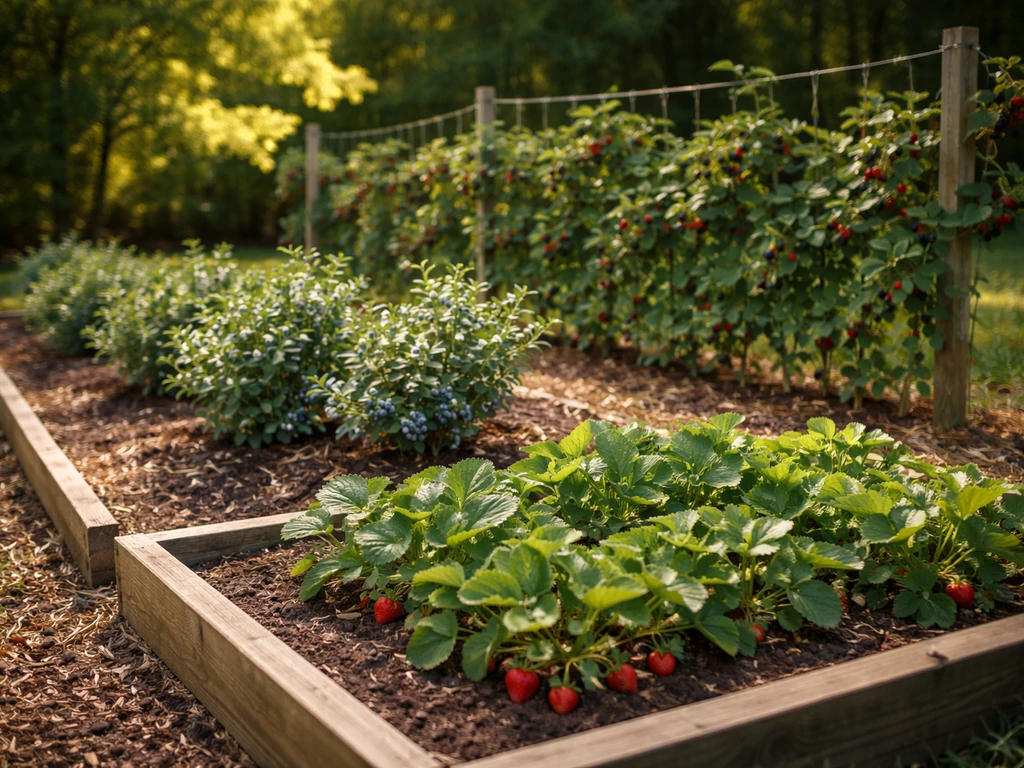
North Carolina berry-growing reality check
North Carolina covers a wide range of growing conditions, from the humid coastal plain in the east through the piedmont in the middle to the cooler Appalachian mountains in the west. USDA zones range roughly from 5b in the higher elevations of the western mountains to 8a along the coast. That range matters a lot when you are choosing berry varieties, because different berries need different amounts of winter chill to flower and fruit properly.
Chill hours, time spent below about 45°F, are the key variable for most berries. The mountains accumulate plenty of chill hours and even get hard freezes, which limits what survives but also opens the door for raspberries and northern highbush blueberries. The coastal plain has mild winters with fewer chill hours, which suits rabbiteye blueberries and most blackberries perfectly. The piedmont sits in between and is generally the most flexible zone for berry growing.
Soil is the other big reality check. Much of NC has clay-heavy or sandy soils that sit at a neutral to mildly acidic pH around 6 to 7. Blueberries need a pH of roughly 4.5 to 5.5, blackberries want 5.5 to 6.5, and strawberries like 6.0 to 6.5. If you plant blueberries in unamended NC garden soil, they will struggle and likely fail. Getting a soil test before you plant anything is genuinely worth doing, your local county extension office can run one for you cheaply.
Drainage is equally critical, especially for blueberries. Low-lying or concave spots that collect water after rain are a quick way to lose plants. Most berries want well-drained soil, and if your site stays wet, raised beds or containers are a better starting point than fighting the land.
The best berries to grow in North Carolina
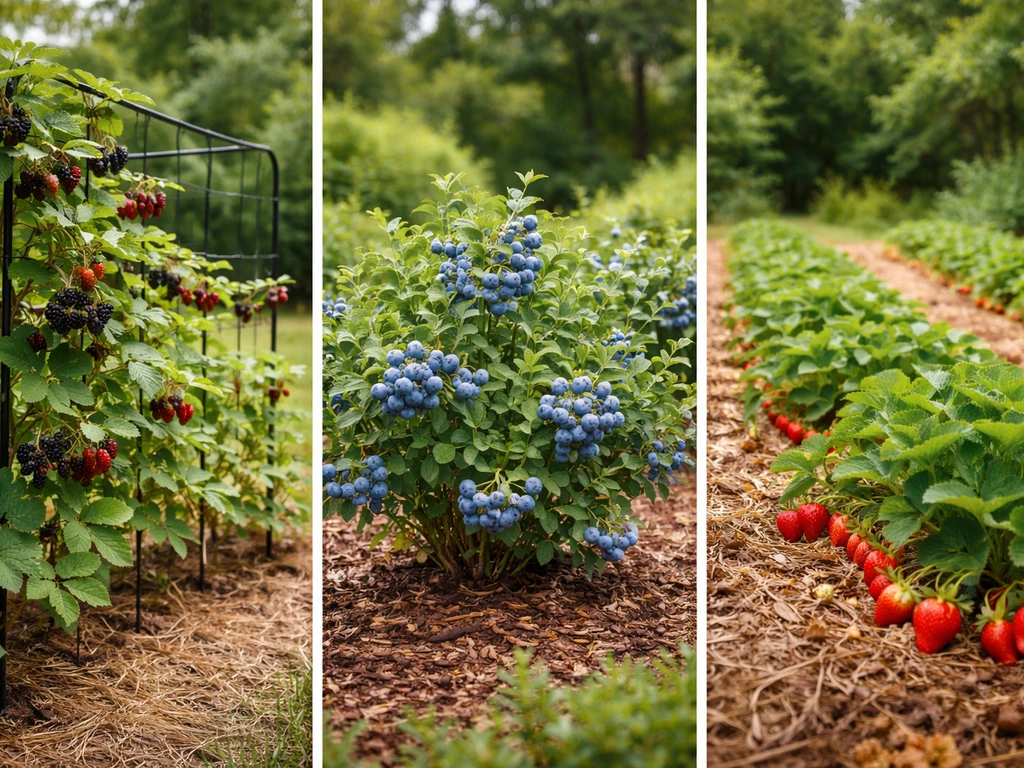
Here is an honest ranking by reliability and payoff for most NC home gardeners. This is not about what can technically survive, it is about what actually produces well with reasonable effort.
| Berry | Best NC Region | Difficulty | Payoff |
|---|---|---|---|
| Blackberries | Statewide | Easy | High — up to 10 lbs per plant annually |
| Blueberries (rabbiteye) | Piedmont, coastal plain (below ~2,500 ft) | Moderate (soil prep needed) | High — long-lived productive bushes |
| Blueberries (highbush) | Mountains, upper piedmont | Moderate | High once established |
| Strawberries | Statewide | Easy–Moderate | Fast — fruit in first season |
| Raspberries | Mountains, cooler piedmont | Moderate–Hard | Moderate — worth it in the right spot |
| Gooseberries/Currants | Not applicable | Not recommended | Regulated — sale prohibited in NC |
One important note on gooseberries and currants: NC state regulations prohibit nurseries from selling Ribes species (currants and gooseberries) because of their role in spreading White Pine Blister Rust. Wild and cultivated plants are subject to destruction. Do not try to source them, just skip these and focus on the options that are actually available to you legally.
Blackberries in North Carolina: yes, they absolutely grow here
Blackberries are probably the single easiest berry to grow in North Carolina. They are native to the region, tolerant of heat and humidity, and productive enough that one well-managed plant can yield around 10 pounds of fruit per year. If you have been wondering whether blackberries grow in NC, they do, and they do well across most of the state.
Blackberry types: trailing, semi-trailing, and erect
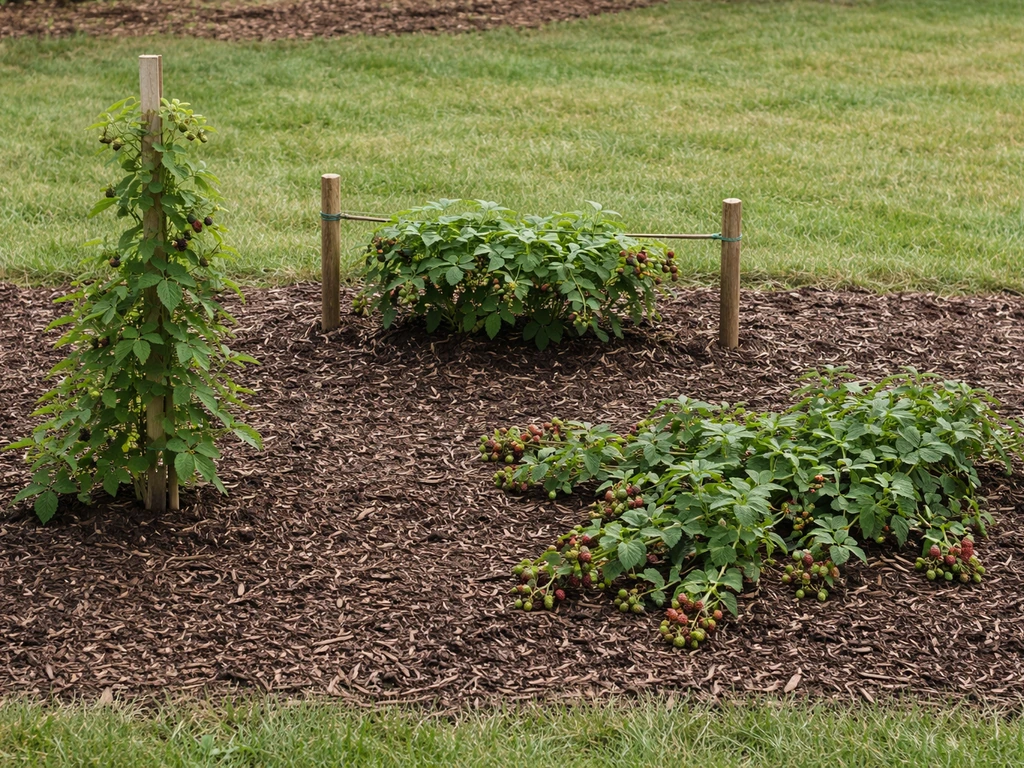
NC State Extension breaks blackberries into growth habits, trailing, semi-trailing, and erect, and by thorniness and fruiting type. For home gardens, erect varieties are usually the easiest to manage because they are more self-supporting and do not require as elaborate a trellis system. Thornless erect types make harvest much more pleasant.
Fruiting type matters too. Floricane-fruiting blackberries produce on second-year canes and ripen about a week or two after strawberry season ends, roughly the first of June in the piedmont. Primocane-fruiting types (sometimes called everbearing) can also fruit on current-season canes, extending the harvest into fall. In western NC, primocane types can produce until hard frost, which is a real advantage. In the piedmont and coastal plain, summer heat can limit that second flush of fruit, so floricane types are generally a more reliable single crop there.
Which blackberry varieties work best in NC
NC State maintains a recommended cultivar list specifically for North Carolina. Look for varieties like 'Ouachita', 'Natchez', and 'Navaho' for erect thornless types that perform well in piedmont and coastal plain conditions. 'Kiowa' is a thorny erect type with exceptionally large berries if you do not mind the thorns. For the mountains where you want to extend the season, primocane-fruiting types like 'Prime-Ark Freedom' or 'Prime-Ark Traveler' are worth considering. Always cross-reference with your county extension office for the most current cultivar recommendations, as these get updated regularly.
Blackberry soil and basic care
Blackberries want a well-drained sandy loam with a pH of about 5.5 to 6.5. Most NC soils fall in this range naturally, which is part of why blackberries do so well here with less prep than blueberries need. After harvest, prune out the old fruiting canes completely, they will not produce again, and removing them keeps the patch healthy and improves air circulation. If you are double-cropping primocane types, your first-winter pruning should follow the same approach as floricane management to keep both fruiting cycles organized.
Blueberries: match the type to your part of the state
Blueberries can be grown anywhere in North Carolina, but only if you choose the right species and do the soil work. NC State Extension is very clear about this. The failure to match blueberry type to your region's chill hours and winter temperatures is the number one reason home gardeners end up with beautiful plants that produce almost nothing.
Rabbiteye blueberries (best for most of NC)
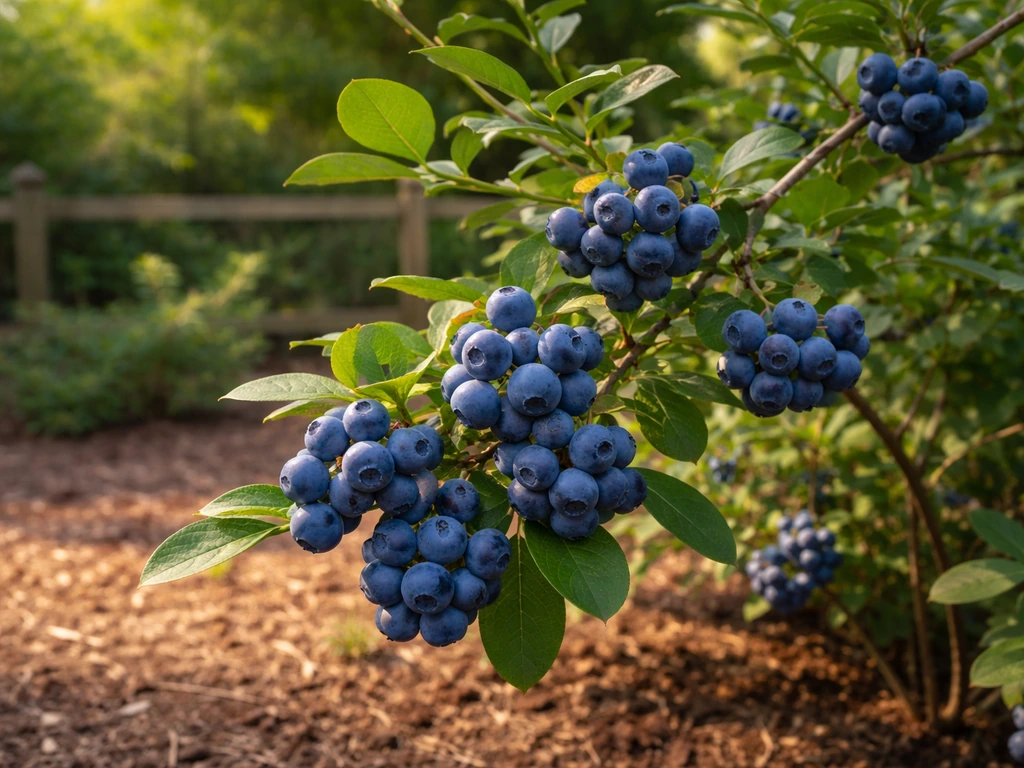
Rabbiteye blueberries (Vaccinium virgatum) are the go-to choice for most NC gardens below about 2,500 feet in elevation. They are more drought and heat resistant than highbush types and tolerate a wider range of soil conditions. Recommended cultivars include 'Climax', 'Premier', 'Powderblue', 'Onslow', and 'Tifblue'. Plant at least two different cultivars for cross-pollination, rabbiteye blueberries really do not produce well with only one variety in the ground.
Highbush blueberries (mountains and upper piedmont)
In the NC mountains where winter temperatures regularly drop below 10°F, northern highbush blueberries are the reliable choice, rabbiteye is not cold-hardy enough up there. Southern highbush types (interspecific hybrids of Vaccinium corymbosum) are bred for lower chill hours and work well in the transition zones between the piedmont and coast. The coastal plain does best with cultivars requiring between roughly 350 and 1,000 chill hours, so southern highbush or rabbiteye, not northern highbush. Lowbush blueberries are not grown in NC; the winters do not get cold enough for long enough.
The soil pH issue with blueberries
Blueberries need a soil pH of about 4.5 to 5.5, and many NC garden soils sit too high for this. Amending with elemental sulfur well ahead of planting (six months to a year before is not too early) is the standard approach. Mix organic matter into the native soil rather than planting in a pot of pure peat or compost, pure organic material causes weak growth and water management problems. Excellent drainage is non-negotiable: avoid low spots, and if your site tends to stay wet, build raised beds.
Strawberries: fastest payoff in the NC berry garden
Strawberries are the best choice if you want fruit the first season. June-bearing varieties are the most productive for NC conditions, recommended cultivars include 'Chandler', 'Galletta', and 'Jewel'. These are short-day plants, meaning they start forming flower buds when day length drops below 12 hours, so they bloom in spring and produce in late spring to early summer. Aim for a soil pH of 6.0 to 6.5. Strawberries are also the most container-friendly berry on this list, making them a great starting point for small-space gardeners.
The main pest and disease headaches with NC strawberries are Botrytis fruit rot (gray mold), anthracnose fruit rot, and common leaf spot. Good air circulation, avoiding overhead watering, and keeping mulch away from crowns help prevent most of these. If you see something you cannot identify, NC State Extension's Plant Disease and Insect Clinic can confirm it for you.
Raspberries: worth it in the right spot
Raspberries are the trickiest of the four main NC berry options. They need cooler temperatures than most of the state provides, so they are best suited to the mountains and cooler parts of the piedmont. In the coastal plain, summer heat makes consistent raspberry production genuinely difficult. If you are in the mountains, both floricane and primocane (everbearing) types work, primocane types can produce until hard frost, giving you a long fall harvest on top of the summer crop.
For pruning: floricane types produce on second-year canes, so remove spent canes after harvest. For everbearing types, if you want a second (lower cane) crop, do not prune canes after the tips have fruited in fall. In late winter before growth starts, prune remaining canes back to leave about 8 to 12 inches (roughly two to six buds per cane). It sounds fussy, but once you do it once it becomes intuitive.
How to choose the right varieties for your garden
The selection process comes down to three questions: What region of NC are you in? How many chill hours does your location accumulate in a typical winter? And how much space and infrastructure are you willing to manage?
- Identify your NC region — mountains, piedmont, or coastal plain — and look up your approximate winter chill hours. Your county extension office or local NOAA weather station data can help with this.
- Match your blueberry type to your chill hours: rabbiteye for most of the state below 2,500 ft, northern highbush for the mountains, southern highbush for low-chill coastal areas.
- For blackberries, choose erect thornless types for ease of management, and decide between floricane (one crop, reliable statewide) or primocane (extended season, better in the mountains and cooler piedmont).
- Consider your season goals: if you want fruit from late spring through fall, combine strawberries (May–June), blackberries (June–July), blueberries (June–August depending on type), and primocane raspberries (September–frost).
- Check NC State Extension's current cultivar recommendations for your county before purchasing — these are updated regularly and are the most location-relevant source available.
Site prep and planting
Sun and drainage first
All the berries covered here want full sun, at least six to eight hours per day. Partial shade significantly reduces fruit production for every species on this list. Drainage comes next: pick the highest, most well-drained spot in your yard over a lower, flatter area every time. If drainage is questionable, build raised beds 12 to 18 inches tall and fill them with an amended mix rather than fighting your native soil structure.
Soil amendments
For blueberries, test your pH six months to a year before planting and apply elemental sulfur if needed to bring it down to the 4.5 to 5.5 range. Mix organic matter (pine bark, aged compost) into the native soil rather than replacing it entirely. For blackberries and strawberries, a standard compost amendment at planting time combined with a soil pH check is usually sufficient. Do not over-amend to the point where you are planting into pure organic material, that creates more problems than it solves.
Spacing and first-year management
Blueberry bushes should be spaced roughly 4 to 6 feet apart within rows, with rows about 8 to 10 feet apart. Remove flower buds in the first year, it feels counterintuitive, but letting plants put energy into root establishment instead of fruit dramatically improves long-term productivity. Blackberries: erect types typically go 3 to 4 feet apart in rows spaced about 8 to 10 feet. Trailing and semi-trailing types need a trellis from the start, tie new primocanes to the trellis during the first growing season to keep them off the ground. If you miss the window to tip canes early (pinching the growing tip to encourage lateral branching), the canes become thick and woody where tipping should have happened, which is not ideal but not a disaster.
Ongoing care and harvest
Watering and mulch
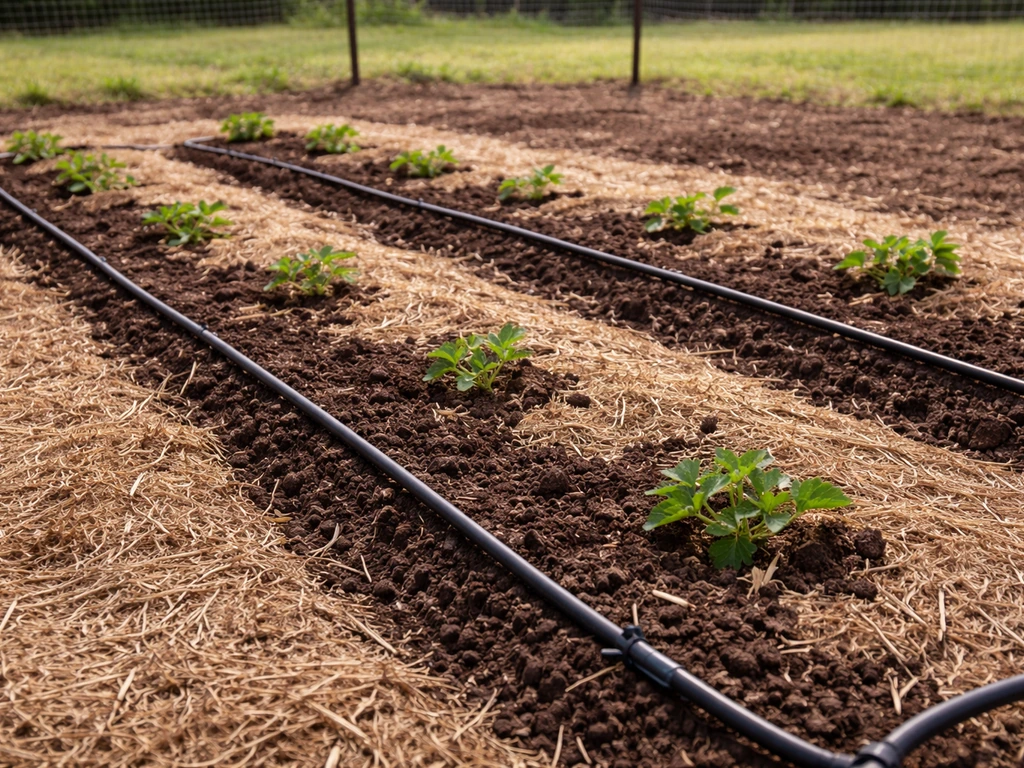
Consistent moisture is important for all berries during fruit development, but none of them want waterlogged roots. Drip irrigation is ideal, it keeps water off foliage (reducing disease pressure) and delivers moisture consistently to the root zone. Pine bark mulch or wood chip mulch applied 2 to 3 inches deep around plants conserves soil moisture, moderates temperature, and suppresses weeds. For blueberries, pine mulch also helps maintain the acidic soil pH over time.
Pruning and trellis basics
Blackberries: after all fruit is harvested from floricane canes, cut those canes out entirely at ground level. They are done producing and keeping them just invites disease and crowds the new primocanes that will fruit next year. For erect floricane types, tip the primocanes (pinch the growing tip off when they reach about 3 to 4 feet tall) to encourage lateral branching and more fruiting wood. Semi-trailing and trailing types need a wire trellis at two heights, new canes are tied in as they grow. For blueberries, pruning is minimal in the first few years; once bushes are mature (4 to 5 years old), annual late-winter pruning to remove dead wood and open up the center improves yield.
Common pests and what to watch for
- Spotted Wing Drosophila (SWD): a key pest for blueberries, blackberries, and raspberries in NC — monitor with traps and harvest fruit promptly when ripe
- Japanese beetles: heavy feeders on blackberry foliage in midsummer; hand-pick or use row covers during peak emergence
- Blueberry maggot: primarily an issue in eastern NC; protective netting over bushes at ripening is the most reliable home-garden solution
- Strawberry diseases (Botrytis, anthracnose): improve air circulation, avoid overhead watering, and remove infected fruit immediately
- Blackberry orange rust and rosette (double blossom): both are serious — remove and destroy infected canes immediately; do not compost them
Container and small-space berry growing in NC
Good news for small-space gardeners: blueberries and strawberries both adapt well to containers, and blackberries can be managed in large pots if you choose compact erect varieties. The key container challenge in NC is temperature fluctuation, outdoor pot soil temperatures can swing by as much as 30°F between day and night, which stresses roots. Use large containers (at least 15 to 20 gallons for blueberries), choose lighter-colored pots to reflect heat, and move containers to a sheltered location during hard freezes in winter.
For container blueberries, use an acidic potting mix (look for mixes designed for azaleas or camellias, or blend pine bark-based compost with peat), and top-dress with pine bark mulch to help hold moisture and acidity. Repot in late summer or early fall when roots outgrow the container, this gives roots time to settle before winter. You will need to water containers more frequently than in-ground plants, especially during NC summers.
Strawberries are the single most container-friendly berry and the easiest starting point if you are new to berry growing. A basic hanging basket, a window box, or a dedicated strawberry planter pot all work. They fruit quickly, stay compact, and give you a feel for berry care without a major garden commitment. If you are in the piedmont or coastal plain and want to try raspberries but lack the cool conditions they prefer, growing them in containers that can be moved to a shadier or cooler spot in summer is a reasonable workaround, though results will vary.
What to plant first and how to start today
If you are a beginner, start with blackberries or strawberries. In Pennsylvania, the best berry choices depend heavily on winter chill, summer heat, and whether you can match the right soil pH and drainage for each type what berries grow in pennsylvania. Both give you results quickly, are forgiving of minor soil issues, and do not require years of establishment before producing fruit. Blackberries especially reward NC gardeners, they are native, productive, and genuinely low-maintenance once established. Pick an erect thornless cultivar like 'Ouachita' or 'Natchez', get your soil pH in the 5.5 to 6.5 range, plant in full sun with good drainage, and you are most of the way there.
If you are ready to commit to a longer-term project, add blueberries in the same season or the following spring. Order bare-root plants from a reputable NC or Southeast-focused nursery, amend your soil pH well ahead of time, plant two or more cultivars for cross-pollination, and be patient for the first year or two while the plants establish. The payoff, a productive blueberry planting that can live and produce for 20 to 30 years, is well worth the setup work.
If you are gardening in the NC mountains or cooler piedmont areas and want to experiment with raspberries, go ahead, just choose primocane types for the longest harvest window and be prepared to provide consistent moisture. And if you are growing berries in neighboring states like Tennessee, Virginia, or Georgia, many of these same variety selections and soil management principles carry over, though chill-hour requirements and regional heat tolerance shift enough that local extension guidance always matters. For what berries grow in Georgia, you can use the same berry categories, but pick varieties based on Georgia chill hours and the typical heat in your area berries in neighboring states like Tennessee, Virginia, or Georgia. In Virginia, the best choices depend on your region, since winter chill and temperature swings determine which berry species will actually thrive. If you are gardening in New Jersey instead, the best berries to grow in NJ will depend on your local chill hours and soil setup. If you are specifically choosing the best berries to grow in Tennessee, start by matching chill hours and soil pH to the region you live in.
FAQ
If I only have room for one berry patch, which is most likely to succeed across most of North Carolina?
Start with a site check, then match the berry to it. If your soil is neutral to slightly acidic and drains well, blackberries and strawberries are usually easiest. If you can change pH and you have high confidence your planting area drains fast, blueberries become realistic. If your area is often hot in summer and winters are mild, skip raspberries outdoors and consider containers you can move to shade or a cooler microclimate.
Can I fix soil problems after I plant the berries, or do I have to get everything right first?
If you plant in ground and the pH is wrong, adding sulfur or compost at planting time is usually too late. For blueberries, plan on testing 6 to 12 months ahead, then incorporate elemental sulfur early enough to reach the target range. For blackberries and strawberries, a simple soil test plus moderate compost at planting is typically enough, but you still need drainage and sunlight to get consistent yields.
Will using peat or lots of compost solve blueberry soil pH problems in North Carolina?
Not for blueberries. Standard garden soil pH in North Carolina is often too high for blueberries, so planting into peat or compost-filled holes can still fail if the surrounding native soil influences moisture and pH over time. Instead, keep organic matter as an amendment, and if you need lower pH, do it with elemental sulfur well ahead of planting and pair it with raised beds or drainage improvements if the site stays wet.
What’s the biggest mistake people make when growing blueberries or other berries in containers in North Carolina?
Container temperature swings are one of the biggest reasons blueberry containers struggle in NC, especially during summer heat and winter freeze-thaw. Use at least 15 to 20 gallon pots, choose lighter colored containers, water more frequently in hot spells, and move the pots to a sheltered spot during hard freezes rather than leaving them exposed on the coldest porch or in an open corner.
Do blueberries and strawberries need multiple plants to produce well at a backyard scale?
Yes, but you have to plan for pollination timing. Rabbiteye blueberries require cross-pollination, so having two or more different cultivars in the same area generally improves set. For strawberries, many cultivars are fine for fruiting at home, but if you have poor pollinator activity, netting or heavy shade can reduce yields, so manage for open access to bees.
Should I prune blackberries immediately after harvest, and does it differ for primocane versus floricane types?
For blackberries, yes, but it should be done for the right canes and for the right reason. Floricane types do not fruit on the same canes again, so cutting spent canes to the ground right after harvest reduces disease pressure and opens light and airflow for new growth. For primocane types, the pruning approach can differ because you may be targeting a longer harvest window, so confirm whether you are managing for a fall crop, a single summer crop, or both.
How can I tell if drainage will be a problem before I plant?
If the berry patch floods after rains, you will usually see stunting and dieback first, especially with blueberries. Drainage affects oxygen availability to roots. Pick the highest spot on the property, and if water sits for more than a short period, build raised beds or use a container approach rather than relying on surface amendments to “soak it up.”
What practical steps reduce berry diseases in North Carolina without changing my whole garden setup?
For most NC home gardeners, long-term disease control starts with spacing and watering habits. Full sun matters, but even more important is avoiding overhead watering, keeping mulch a couple inches away from crowns, and providing enough airflow by spacing plants as recommended. If you grow strawberries near each other year after year without rotating or refreshing the planting, disease pressure can build up even with good watering.
My strawberry plants look healthy but barely fruit. What should I check first?
Strawberries are short-day plants, so if you set them up correctly, they tend to fruit predictably in late spring to early summer for June-bearing types. If you see lots of leaves but weak fruit, common causes are low light, crowns buried too deep, irregular watering during flowering, and over-fertilizing with nitrogen (which pushes leaf growth). Mulch and crown placement usually fix more than people expect.
Why do my blueberry choices fail even when I planted “the right type” for my region?
Chill hours are the hidden limiter for many failures. Rabbiteye and southern types can handle warmer winters, while northern highbush usually needs colder winter conditions to set reliably. If you are near the mountains, choose types bred for colder winters for consistency, and if you are in coastal areas, pick varieties that match the lower chill environment. The best step is to match your location by elevation and typical winter lows, then confirm cultivar recommendations with your county extension office.