
Dewberries grow wild across a wide swath of eastern and central North America, from the Atlantic coast through the Great Plains, and they especially love disturbed ground: roadsides, field edges, old pastures, and the sunny margins where woods meet open space. Some berry-eating species, like a bird whose diet includes berries that grow on lava, can also be drawn to similar edge habitats. If you're trying to spot them or grow them yourself, the quick version is this: they trail low along the ground like a vine (unlike upright blackberries), they tolerate poor soil surprisingly well, and they thrive in USDA zones 5 through 9 depending on the species. Read on for the full picture of where they show up and whether your yard qualifies.
Where Do Dewberries Grow? Habitat and Planting Guide
Marcus Holloway
1 May 2026
What dewberries are and why everyone calls them something different
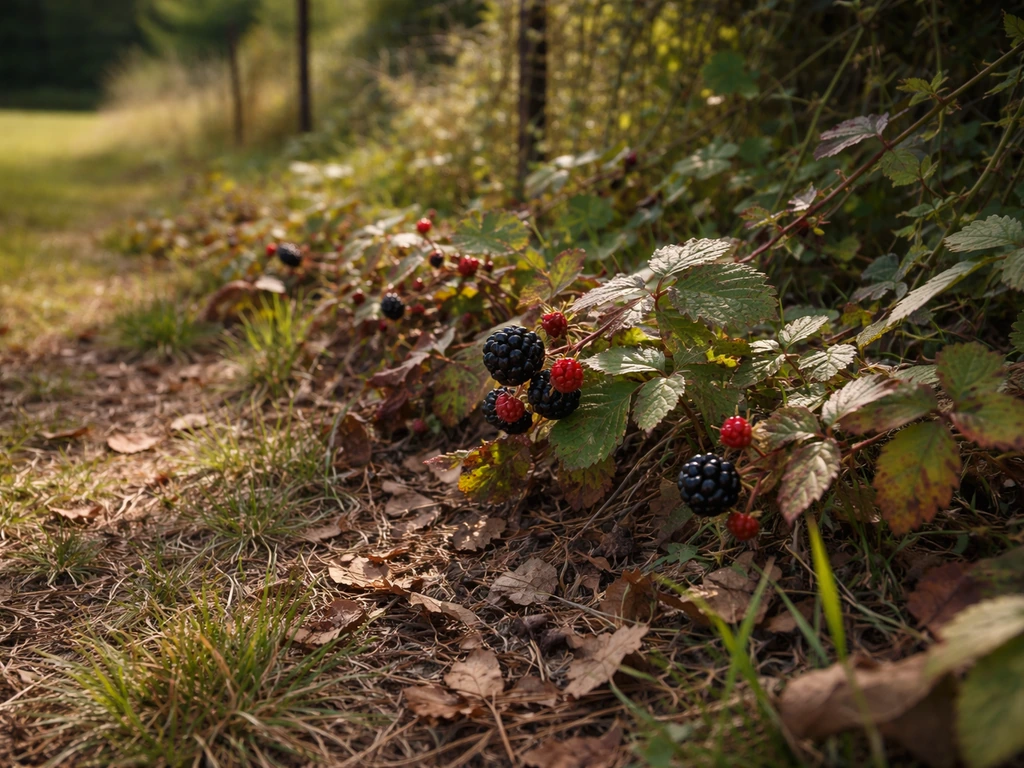
Dewberries are brambles in the genus Rubus, closely related to blackberries, and the name gets used loosely depending on where you live. The two main species in North America are Rubus flagellaris, the northern dewberry, and Rubus trivialis, the southern dewberry. The U.S. Fish and Wildlife Service formally recognizes Rubus trivialis as the Southern Dewberry, and Flora of North America treats both as distinct species with their own ranges. You'll also hear regional names like "bottomland dewberry" (sometimes linked to Rubus flagellaris and its synonyms) and plenty of local names that blur the line between dewberry and wild blackberry entirely.
The confusion is real and worth acknowledging. In Texas and much of the South, people say "dewberry" and mean Rubus trivialis almost exclusively. In Ohio or Pennsylvania, someone pointing to a low-trailing bramble might call the same growth habit a dewberry and be talking about Rubus flagellaris. In some parts of the country, "dewberry" is just what locals call any wild blackberry-type fruit that ripens early and grows close to the ground. For growing purposes, knowing the rough species helps because the two have slightly different climate tolerances, but both follow the same general habitat rules.
Where dewberries grow naturally across North America
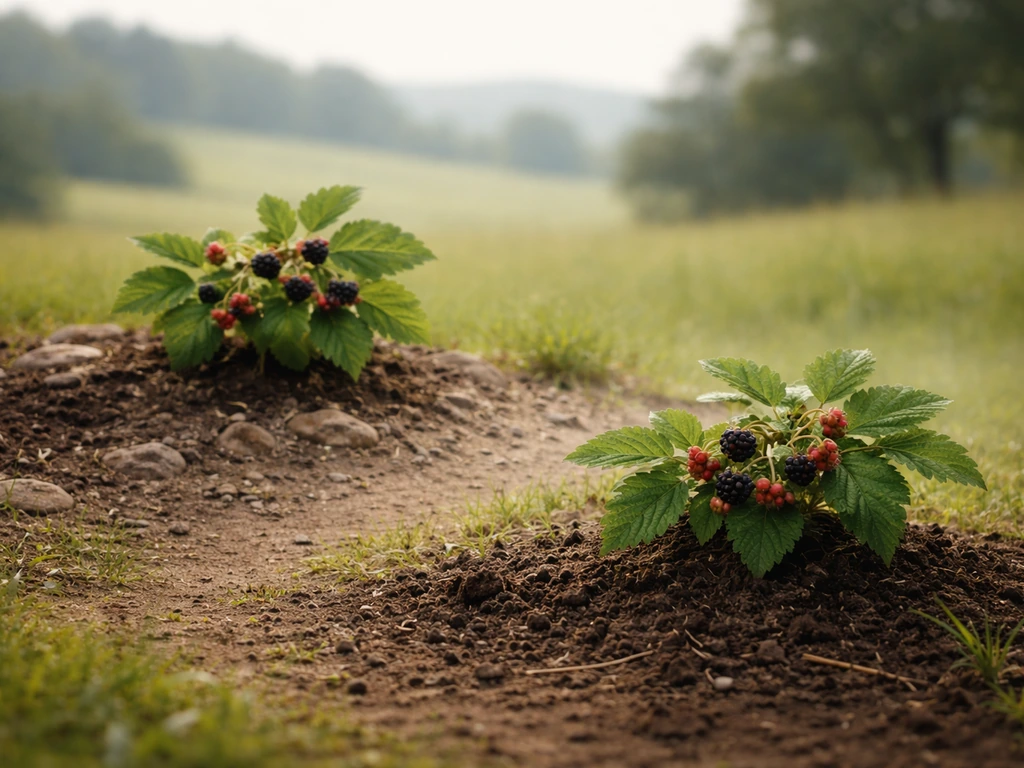
blank" rel="noopener noreferrer">Rubus flagellaris, the northern dewberry, ranges across most of the eastern United States and into the lower Midwest, from Maine and the Mid-Atlantic states west through Illinois, Missouri, and Kansas, and south into the upper Gulf Coast states. It tends to peak in states like Virginia, North Carolina, Kentucky, and Tennessee where the climate sits comfortably in the middle range.
Rubus trivialis, the southern dewberry, is the one you'll encounter across the Deep South and Gulf states: Texas, Louisiana, Mississippi, Alabama, Georgia, Florida, and into the Carolinas. It handles heat and mild winters better than its northern counterpart, and in some parts of the South it's the first berry of spring, ripening well before summer gets going.
Both species are native, meaning you're not dealing with an invasive plant. You'll find them naturally wherever conditions suit them, but they're especially common in transition zones between habitats rather than deep forest or wide-open cultivated fields.
The habitat clues that tell you dewberries are nearby
Dewberries are edge plants in every sense. They don't live in dense shade, and they don't do well in the middle of a mowed lawn either. What they love is the in-between: the sunny strip at the edge of a tree line, the shoulder of a dirt road, an old overgrown fence row, or a pasture that hasn't been grazed or mowed recently. Disturbed ground is a strong signal. If soil has been turned, graded, or left fallow, dewberries often move in within a season or two.
Soil-wise, they're not picky about fertility but they do need reasonable drainage. Sandy, loamy, or even rocky soils suit them fine. Heavy clay that stays waterlogged will push them out. They tolerate low-pH acidic soils well, which fits right in with the pine forests and sandy coastal plains of the Southeast. In terms of moisture, they can handle dry spells once established but they fruit much better with consistent moisture during bloom and fruit set, usually late winter through spring in the South and late spring in the North.
Sun exposure is non-negotiable: full sun to very light partial shade is where they thrive. If a spot gets fewer than six hours of direct sun daily, you'll get weak plants and almost no fruit. Keep that in mind when scouting or choosing a planting site.
Climate fit: the zones and temperatures where dewberries thrive (and where they won't)
| Species | Best USDA Zones | Cold Limit | Heat Limit | Notes |
|---|---|---|---|---|
| Rubus flagellaris (northern dewberry) | 5 to 8 | Around -20°F (zone 5) | Hot zone 8 summers | Best in mid-Atlantic, Midwest, upper South |
| Rubus trivialis (southern dewberry) | 7 to 9 | Around 0°F (zone 7) | Tolerates high heat and humidity | Dominant species in Deep South and Gulf states |
If you're in zones 5 through 9, there's a good chance one of these species will work for you. Zone 6 and 7 growers in the Mid-South have the most flexibility and can try either. North of zone 5, winters get cold enough that dewberries struggle to establish, and the short growing season limits fruiting. In that case, a cold-hardy blackberry or raspberry variety is a more practical choice. South of zone 9 into the humid subtropics and tropics, dewberries can grow year-round but often fail to fruit well because they need some winter chilling hours (a period of temperatures below 45°F) to break dormancy and set blooms properly.
One thing I've noticed personally: Rubus trivialis is tougher about summer heat than most people expect. I've seen it growing on sand in full Texas sun where temperatures push 100°F for weeks, and as long as there's any soil moisture at all, it bounces back. Don't underestimate it in hot climates.
How dewberries actually grow and what that tells you about placement
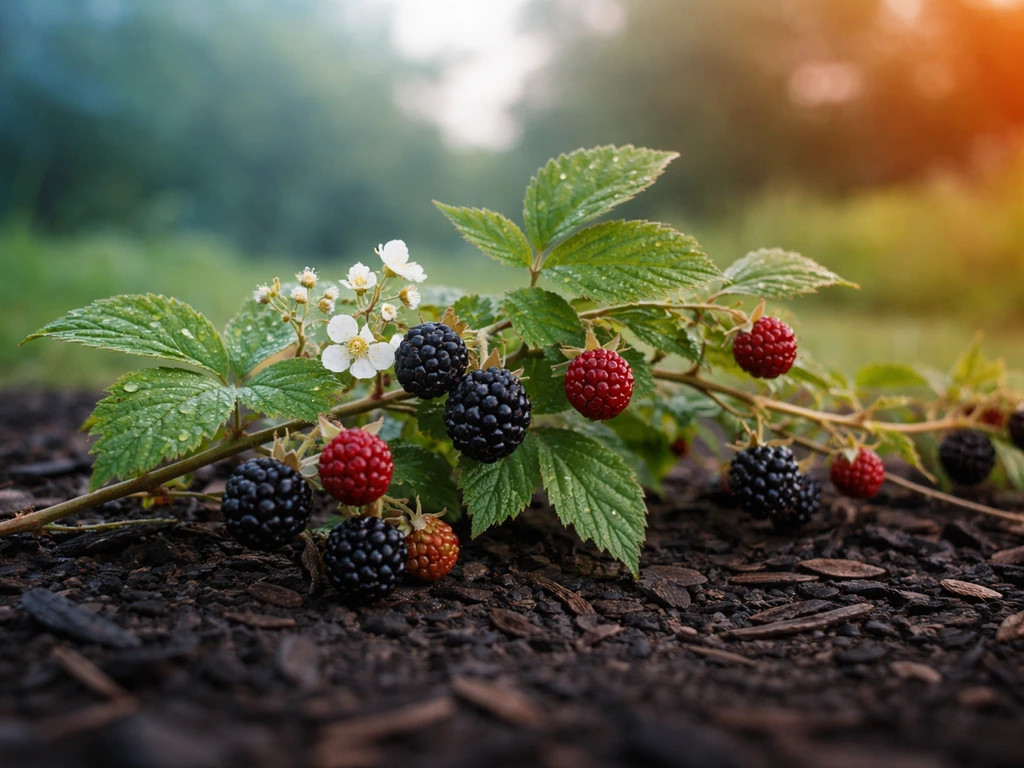
Dewberries are trailing brambles, not upright canes. Do dewberries grow on trees? They do not grow like tree fruit, because dewberries are trailing brambles that stay low to the ground. This is the key difference from most blackberry varieties and it directly affects where and how you plant them. Their canes sprawl along the ground, rooting at the tips when they touch soil, which is how they naturally spread into new territory. In the wild this creates dense, low mats that can cover a surprising amount of ground in a couple of seasons.
Because dewberries grow on trailing vines rather than upright canes, they're worth contrasting with what you might picture when thinking about berries that grow on vines in a more vertical sense. Dewberry vines stay low and outward, not climbing a fence or trellis the way a grape or thornless blackberry might. Berries that grow on trees are a different story, since their habitat and fruiting habits depend on the specific tree species. That trailing habit is what makes them well suited for bank stabilization, wild corners, and slopes where you want ground cover that also produces fruit.
For garden placement, this means you need horizontal space more than vertical space. A single plant can spread 6 to 10 feet in all directions over two to three years. They can be trained along a low wire trellis to keep the canes off the ground and make harvesting easier, but they'll never stand up on their own the way a blackberry bush does. Yes, you can eat berries from trees, but make sure they are the edible type and not a toxic look-alike before tasting. Think of them as a productive ground cover with thorns, and plan your space accordingly.
How to replicate dewberry habitat in your own yard
In-ground beds and open spots
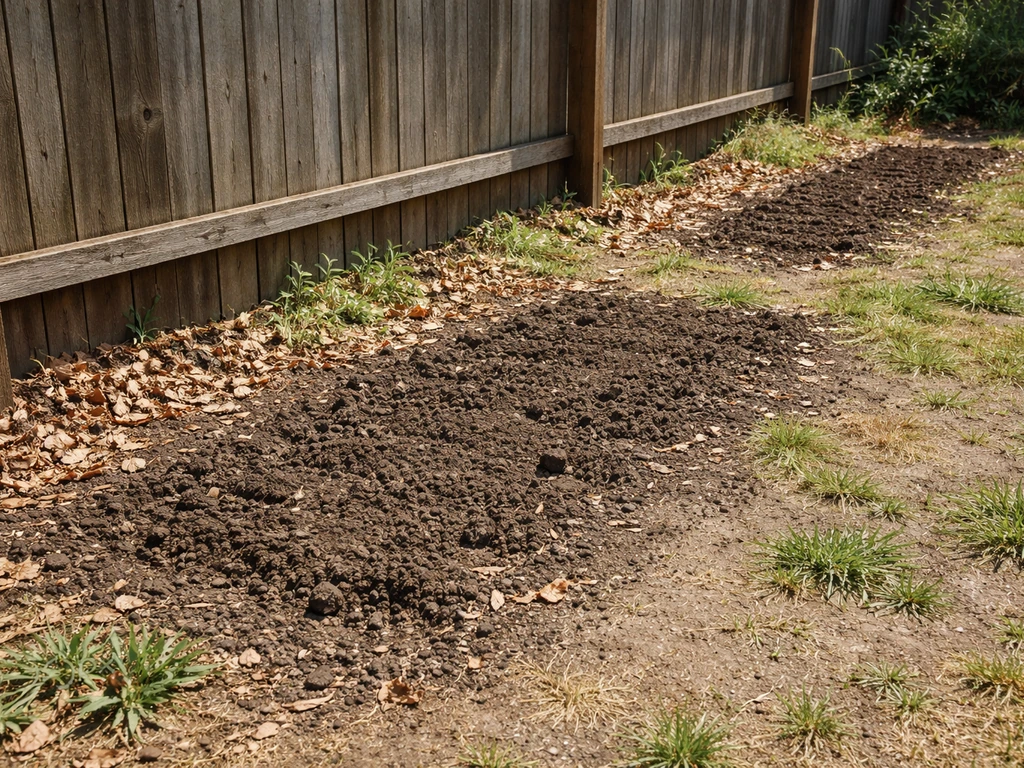
The easiest win is a sunny, slightly neglected corner: a slope, a fencerow, or the edge of your property where grass thins out and gets full sun. Prepare the soil by loosening it 8 to 10 inches deep, mixing in some compost if the soil is very poor, and ensuring water drains away rather than pooling. Plant dewberry transplants or tip-rooted cuttings in late winter or very early spring. Space plants about 4 to 6 feet apart and let them spread. Mulch heavily with wood chips or straw to hold moisture and suppress competing weeds, especially in the first year before they establish.
Raised beds
Raised beds work well if your native soil is heavy clay or stays wet. Build the bed at least 12 inches deep and fill it with a mix of topsoil, compost, and coarse sand for drainage. The trailing habit means the canes will spill over the sides, which is actually fine. Let them trail and keep them trimmed back from pathways. Raised beds also warm up faster in spring, which can push fruiting earlier by a week or two.
Container growing
Containers are doable but require more management. You'll need a large pot, at least 15 to 20 gallons, to give the root system enough room. Use a well-draining potting mix with some added perlite or coarse sand. Container dewberries dry out fast, so consistent watering is non-negotiable, especially during fruiting. They'll trail over the pot edges and can be trained along a low bracket or trellis. One honest caveat: container dewberries rarely produce as abundantly as in-ground plants because the roots get restricted and heat up more in summer. If you have even a small patch of ground, that's the better bet.
Irrigation and mulch strategy
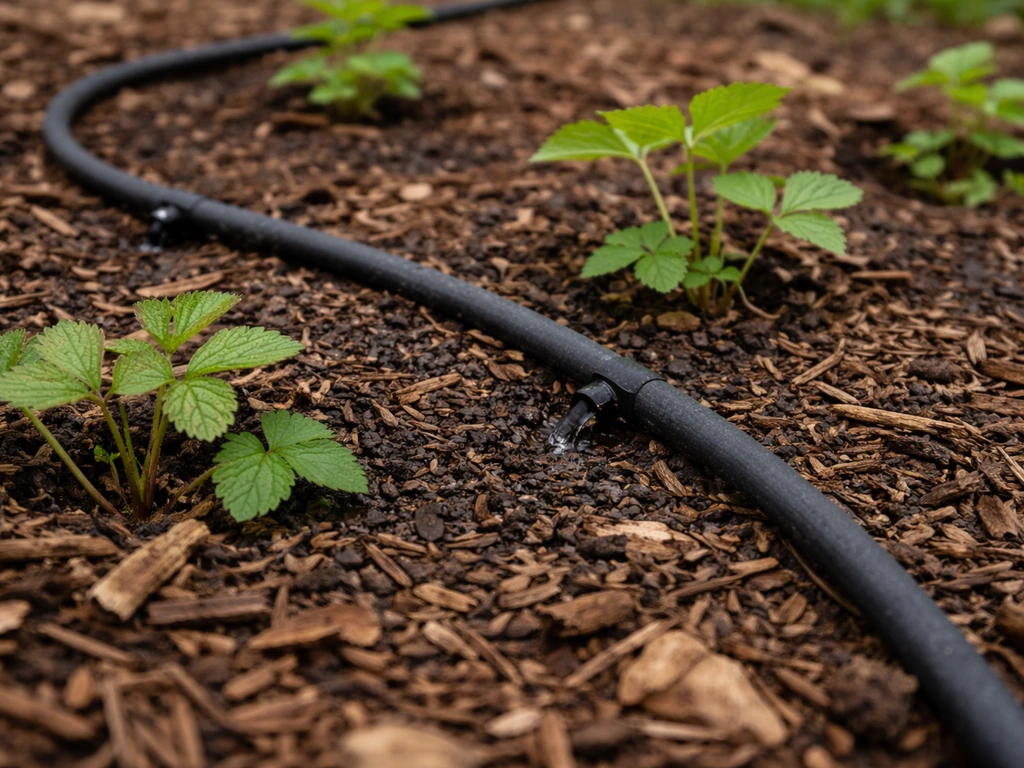
Dewberries don't need irrigation once they're truly established, but the first two years are critical. A soaker hose or drip line set to run deeply once or twice a week during dry stretches makes a real difference in fruit set. A 3 to 4 inch layer of organic mulch (straw, wood chips, or shredded leaves) does double duty: it keeps roots cool, holds moisture, and adds organic matter as it breaks down. In the South, mulch is especially important through summer when the canes go semi-dormant.
How to quickly find dewberries near you and decide if you should grow them
- Check your USDA hardiness zone first. If you're in zones 5 through 9, you're in range for at least one dewberry species. Zone 6 to 8 is the sweet spot.
- Look at your state or region. Texas, Louisiana, Georgia, Florida, the Carolinas, Virginia, and surrounding states have wild populations of Rubus trivialis or Rubus flagellaris. Check your local cooperative extension service website for state-specific info, many Southern extension offices have dewberry cultivation guides.
- Scout local roadsides and field edges in late winter to early spring. In the South, dewberries often bloom in February and March. Look for low-trailing, thorny canes with white five-petaled flowers close to the ground in sunny disturbed spots.
- Take a photo and use a plant ID app like iNaturalist or Seek to confirm the species. Wild dewberries and wild blackberries look very similar; the trailing habit is your best visual clue.
- If you find wild dewberries nearby, that's the best confirmation your climate suits them. Take a tip cutting in late summer or early fall, let it root in a pot of moist potting mix, and transplant it in winter.
- If you can't find wild plants and aren't sure about your conditions, look for nurseries or online suppliers offering Rubus trivialis or Rubus flagellaris transplants. Buying locally sourced plants gives you the best chance of success because they'll already be adapted to your regional climate.
One last practical note: if your climate is genuinely too cold (zone 4 or colder) or you're in a very hot, low-chill zone 10 situation, dewberries will frustrate you. In those cases, look at cold-hardy blackberry cultivars like 'Illini Hardy' for northern zones, or consider thornless trailing blackberries for warmer areas. They're close relatives and will scratch the same itch in climates where dewberries just won't cooperate. If you are wondering whether these tree berries are poisonous, it's best to confirm the exact plant before eating anything you find in the wild are berries that grow on trees poisonous.
FAQ
If I live near woods, how can I tell whether dewberries will grow on my land?
Yes, but they are typically easier to find along property edges and disturbed corridors than in intact, deep shade. Look for sunny openings where mowing stops or ground was recently disturbed, for example road shoulders, ditch banks, abandoned fence lines, and the first strip of sunlight where trees thin out.
How do dewberries spread, and can they take over a yard?
They spread mainly by rooting at the tips of trailing canes, so you can see new patches appear where vines touch bare soil. That means a yard with weeds or bare ground at the edges is more likely to get dewberries than a fully managed lawn, even if the main bed is elsewhere.
Why do “dewberry” plants I find locally look different from what I see online?
The term “dewberry” can be used for different Rubus species regionally, and even “early blackberry” types. If you are planting for fruit, verify local species or at least match your zone, sun requirements, and chill expectations rather than relying only on the common name.
Is partial shade okay if I want the plant, not necessarily maximum berries?
For best fruiting, prioritize at least six hours of direct sun and avoid low spots where cold air pools. Even if dewberries grow in partial shade, they usually form weak canes and set far fewer berries.
What should I do if my soil is fertile but stays wet after rain?
Yes, poor drainage is a bigger problem than low nutrients. If your soil stays wet after rain, raised beds or drainage amendments like coarse sand in a deeper bed setup will help more than adding fertilizer.
Can I grow dewberries in a pot on a patio?
They can be grown, but you must accept that container size affects success. Use a large 15 to 20 gallon pot, plan for frequent watering during heat, and expect less yield than in-ground because root restriction and summer heating are common limiting factors.
How do I control dewberries if I only want them in one area?
If you want to prevent unwanted spread, you will need physical containment and regular trimming. Because canes can root where they touch soil, keep them off bare ground (mulch or edging), and prune trailing ends before they establish new tips.
When should I water dewberries, and how much in the first years?
Water needs drop after establishment, but the first two growing seasons are critical for getting strong cane growth and reliable fruiting. A deep, infrequent soak (drip or soaker) during dry stretches is usually better than light daily watering.
What’s the easiest way to harvest dewberries without damaging the plant?
Yes, because they are brambles with thorns and they fruit on the growth cycle that depends on the species and season. Harvest frequently when berries ripen, and wear gloves, since thorns and wet, ripe fruit can make handling tricky.