
The answer to the crossword clue "bird whose diet includes berries that grow on lava" is NENE, a 4-letter word. That's the nēnē, Hawaiʻi's state bird and one of the rarest geese in the world (Branta sandvicensis). The clue is a favorite in NYT-style crosswords precisely because it sounds almost mythological, but it points to a very real bird eating a very real berry on very real volcanic rock in Hawaiʻi. If you're here to solve the puzzle, there's your answer. If you also want to understand why the clue works and how you might grow the relevant berries yourself, keep reading.
Bird That Eats Lava Berries: Identify and Grow Them
Marcus Holloway
12 Apr 2026
The specific bird: nēnē vs. the crossword clue
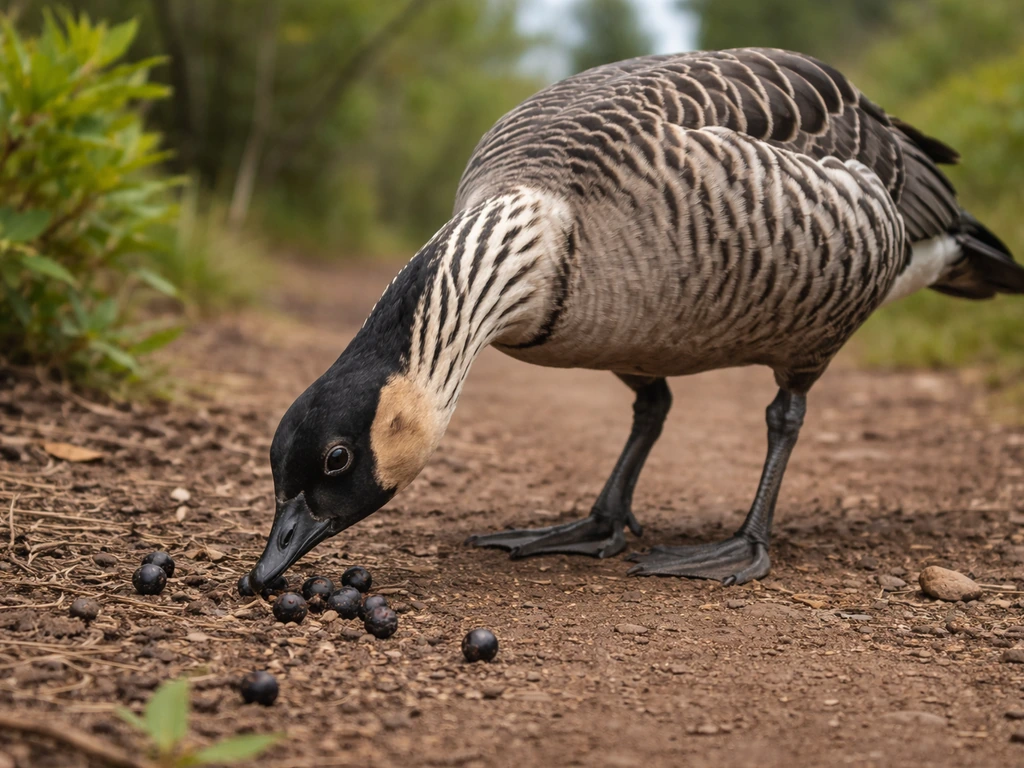
The NYT crossword clue and its variants across other puzzle databases consistently return NENE as the 4-letter answer. You can verify this immediately by checking the entry length: the clue is designed to fit a 4-letter slot, and NENE is the only Hawaiian goose with a diet explicitly tied to berries growing on lava flows. Branta sandvicensis is listed as endangered and lives primarily on the volcanic slopes and hardened lava fields of Hawaiʻi Island and Maui. The Hawaii Division of Forestry and Wildlife documents its diet as broad and vegetarian, covering leaves, seeds, flowers, and fruits, but the berry connection that drives the clue is the ʻōhelo (also written ohelo or oʻhelo), a native Hawaiian shrub that colonizes fresh lava.
What makes NENE such a satisfying crossword answer is that it isn't a trick. Travel writers and birders observing nēnē in the field at Hawaiʻi Volcanoes National Park describe the birds actively feeding on ohelo berries right in barren lava fields, which is exactly what the clue says. Scholars publishing in ornithology journals have listed ohelo (Vaccinium/oʻhelo) among the documented foods of the Hawaiian goose. The clue is accurate, not poetic license.
What "lava" actually means for berry plants
When a crossword clue says berries "grow on lava," it's describing a real habitat type: freshly hardened basaltic lava flows and volcanic ash fields at mid-to-high elevations in Hawaiʻi. The ʻōhelo shrub (Vaccinium reticulatum) is what ecologists call a pioneer species, meaning it's one of the first plants to establish itself on new lava flows and disturbed volcanic ash. On Maui and Hawaiʻi Island, it has been specifically documented colonizing lava flows and cinder beds at altitude, which is about as literal a "growing on lava" scenario as you'll find anywhere. CTAHR notes that Vaccinium reticulatum (’ōhelo) is part of the initial plant community on lava flows, ash dunes, and cinder beds.
The soils that form from this volcanic parent material are cindery, fast-draining, low in organic matter, and strongly acidic. USDA/NRCS soil series descriptions for volcanic-ash and pumice-derived soils in Hawaiian environments show well-drained profiles with minimal water retention. That combination of sharp drainage, low fertility, and high acidity is the microclimate that ʻōhelo thrives in, and it's what the nēnē has adapted to foraging across. For a gardener, that's actually a useful set of parameters to replicate, because these conditions aren't as exotic as "lava" sounds.
The berries behind the clue: what grows on volcanic terrain
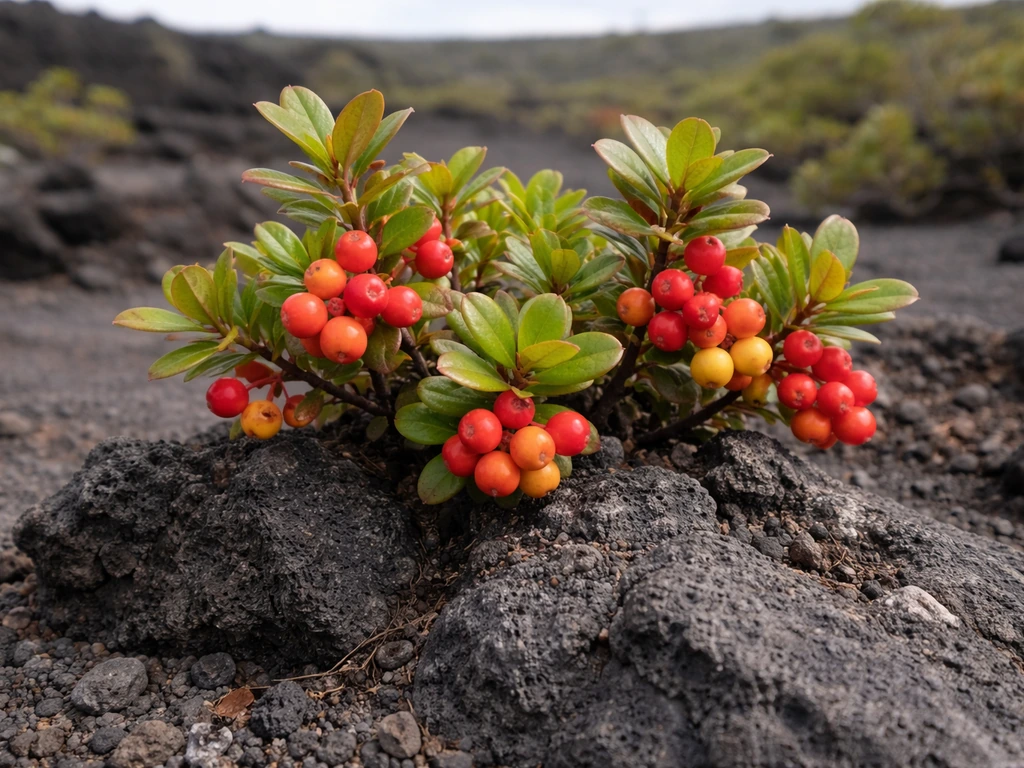
The primary berry in this clue is ʻōhelo (Vaccinium reticulatum), a member of the same plant family as blueberries and huckleberries (Ericaceae). It produces small, red-to-yellow berries that ripen on exposed volcanic slopes and lava fields in alpine and subalpine zones. Beyond ʻōhelo, the nēnē also eats other native fruits and berries in its range, but ohelo is the one specifically tied to lava environments and most frequently cited in its diet. Think of it as the Hawaiian equivalent of a wild blueberry growing on a granitic rocky ridge in New England, same family, same soil preferences, just a more dramatic address.
To understand where berries like this fit in the broader berry world, it helps to know your plant habits. If you've ever looked into what berries grow on trees, you already know the berry world is more varied than most people expect. Ohelo grows as a low shrub, not a tree or vine, which puts it in a different structural category from cherries or mulberries but shares the volcanic-slope niche with some surprising company.
| Berry | Plant family | Soil type | Drainage needs | Grows on lava/volcanic terrain? |
|---|---|---|---|---|
| ʻŌhelo (Vaccinium reticulatum) | Ericaceae | Strongly acidic, pH 4.0–5.2 | Excellent, fast-draining cinder/ash | Yes, primary lava colonizer |
| Wild blueberry (Vaccinium angustifolium) | Ericaceae | Acidic, pH 4.5–5.5 | Well-drained, tolerates rocky | Occasionally on rocky acidic outcrops |
| Huckleberry (Vaccinium spp.) | Ericaceae | Acidic, infertile soils | Well-drained, low fertility OK | Rocky/infertile sites, not true lava |
| Dewberry (Rubus spp.) | Rosaceae | Adaptable, mildly acidic | Moderate drainage | No |
| Elderberry (Sambucus spp.) | Adoxaceae | Adaptable, pH 5.5–6.5 | Moderate | No |
The Ericaceae family is the throughline here. Every berry that comfortably grows in harsh, acidic, rocky conditions traces back to this family. If you're curious about which berries in that family grow in wilder, less manicured spots, check out what those red berries are that grow in the grass, because some low-growing Vaccinium relatives pop up in unexpected places.
What the nēnē actually eats vs. what you can grow
The nēnē is a generalist herbivore. Its documented diet includes grasses, herbs, leaves, seeds, and multiple fruits depending on season and elevation. Ohelo berries are the most famous component because they're so visually associated with the volcanic landscape, but the bird also eats other native Hawaiian fruits. The crossword clue zeroes in on ohelo specifically because it's the one that literally grows on hardened lava flows, making it the most vivid and puzzle-worthy detail.
For gardeners, this distinction matters. You're unlikely to source or grow true Vaccinium reticulatum outside of Hawaiʻi without serious effort, but you can grow its close relatives, specifically standard blueberries, huckleberries, and lingonberries, under conditions that closely replicate the lava-field environment. The US Forest Service documents that Vaccinium species as a group require acidic soils (pH 4.0 to 5.2), moist but well-drained conditions, and tolerate low-fertility substrates, which is the closest functional analog to a volcanic cinder field that most home gardeners can achieve.
One thing worth noting: some berry-on-rock scenarios involve plants you might assume are safe to eat. If you're ever foraging and uncertain, a practical resource on whether berries that grow on trees are poisonous can help you think through that question systematically. For ohelo specifically, the berries are edible for humans and were historically eaten by Native Hawaiians. NPS notes that ohelo is likely among the indigenous edible plants used by early Hawaiians blank" rel="noopener noreferrer">berries are edible for humans.
Growing "lava-like" berries in your own garden
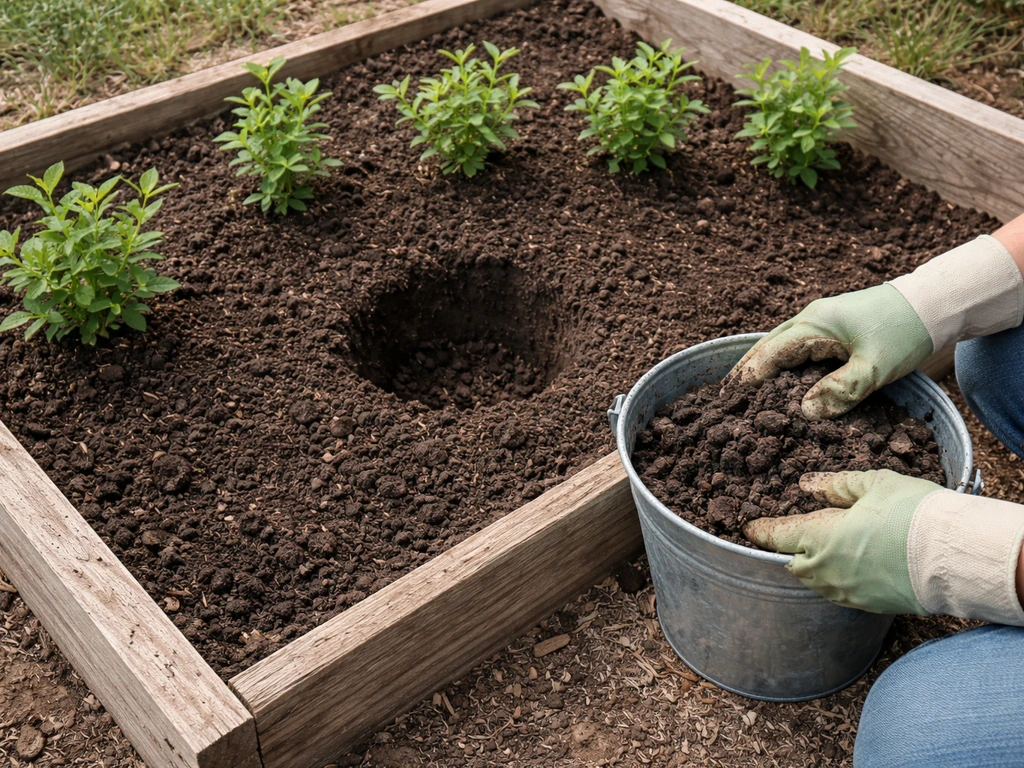
Replicating a volcanic lava field in your backyard sounds dramatic, but the actual soil requirements are achievable almost anywhere. The core parameters are: strongly acidic pH (target 4.5 to 5.2), excellent drainage with minimal compaction, low nutrient load (especially low nitrogen), and a coarse, gritty texture. Here's how to get there.
Soil preparation and amendments
- Test your existing soil pH first. Most garden centers carry inexpensive test kits. If your pH is above 6.0, you're starting too alkaline for any Vaccinium to be happy.
- Lower pH using elemental sulfur worked into the top 6 to 8 inches of soil. Apply in fall if possible, since it takes time to convert. Sphagnum peat moss (pH 3.5 to 4.5) worked into the bed also lowers pH while improving texture.
- Add perlite or coarse horticultural grit at 30 to 40 percent by volume to replicate the fast drainage of cinder and ash soils. This is the step most gardeners skip, and it's why their blueberries sulk.
- Skip heavy compost additions. Volcanic lava soils are nutrient-poor by nature, and Vaccinium plants are adapted to this. Rich compost can push pH up and oversupply nitrogen, which favors foliage over fruit.
- Mulch with pine bark or pine needles to maintain soil acidity and moisture between waterings, while keeping the root zone aerated.
Container options for non-ideal climates
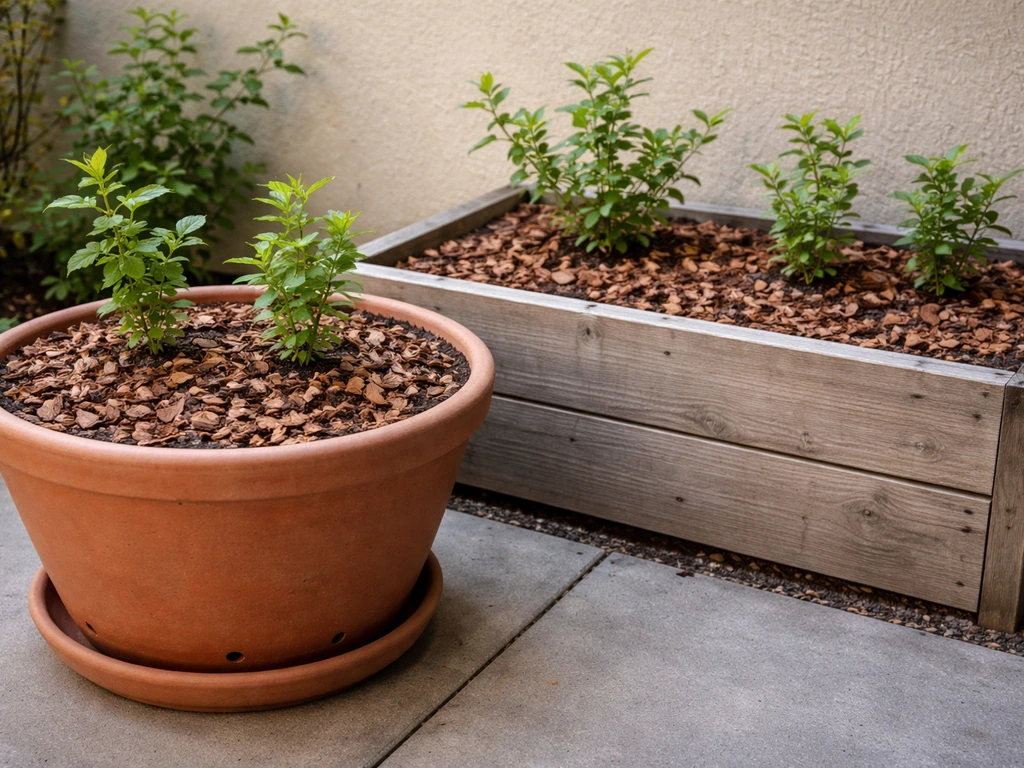
If your native soil is alkaline (common in the Southwest, Midwest, and much of the Southeast), containers are your best path to growing Vaccinium-family berries without a years-long soil remediation project. Use a mix of 50 percent sphagnum peat, 30 percent perlite, and 20 percent pine bark fines. This mimics the acidic, fast-draining, low-fertility profile of volcanic ash soils closely enough for blueberries, lingonberries, and huckleberries to thrive. A 15- to 25-gallon container is the minimum for a productive blueberry plant. Water with collected rainwater or filtered water if your tap water is alkaline, since even good soil mixes get gradually pushed alkaline by alkaline irrigation water.
Climate compatibility and USDA zone fit
True ʻōhelo (Vaccinium reticulatum) grows in the Hawaiian alpine and subalpine zone, which means cool temperatures, high UV exposure, and seasonal dry periods broken by mist and rain. Outside of Hawaiʻi, the closest climate analogs in the continental US are high-elevation sites in the Pacific Northwest, parts of the Appalachians, and the northern Rockies. If you're in USDA zones 3 to 7, standard highbush or lowbush blueberries and wild huckleberries will perform well under lava-like conditions.
In zones 8 to 10, look at rabbiteye blueberries (Vaccinium ashei) or southern highbush varieties, which tolerate less winter chill. For something even more unusual and closer to the native Hawaiian Vaccinium habit, wild huckleberries are worth exploring, and you can learn more about where dewberries grow to understand how native Rubus-family berries occupy similar rough, uncultivated terrain in the Southeast.
Which Vaccinium relatives are realistic substitutes
If you want to grow something close to what the nēnē eats but on a mainland property, lowbush blueberry (Vaccinium angustifolium) is the most comparable option. It grows on rocky, acidic, infertile soils in zones 3 to 6, spreads by rhizome the way some volcanic-slope plants do, and produces small, intensely flavored berries. Blue Ridge blueberry (Vaccinium pallidum) is another documented performer on rocky acidic sites in the Appalachians, growing in conditions that closely parallel low-fertility volcanic substrates. Huckleberries (various Vaccinium species) also tolerate infertile, acidic, and rocky sites well. None of these are ʻōhelo, but they're in the same genus and respond well to the same growing strategy.
It's also worth knowing that not all tough-site berries grow as shrubs. Some berry-producing plants native to rough terrain are climbers. If you've ever wondered about what berries grow on vines, some Rubus family members do surprisingly well on rocky slopes and disturbed ground, though they need very different soil management than Vaccinium.
Honestly, how hard is this to pull off?
Growing blueberries or huckleberries under lava-analog conditions is doable but not forgiving if you rush the soil prep. I've killed two blueberry plants by planting directly into garden soil that I thought was acidic enough without testing it first. It wasn't. The plants lingered for a season and then gave up. When I switched to a dedicated raised bed with a peat-perlite mix and dropped the pH to 4.8, the same variety took off. The honest difficulty assessment: soil prep is 80 percent of the battle. The plants themselves are not fussy once the chemistry is right. Budget one full season to get your bed or container conditions stable before expecting fruit.
Also be realistic about which Vaccinium species you can source. True Hawaiian ʻōhelo is not commercially available in the continental US in any meaningful way. You're working with blueberry and huckleberry cultivars as functional analogs. That's not a compromise in terms of gardening satisfaction. It just means you won't be recreating the exact plant the nēnē prefers, only the conditions it prefers. There's also an interesting parallel to look at with whether dewberries grow on trees, because understanding plant habit (shrub vs. vine vs. tree) matters a lot when you're planning what to plant in rough, low-fertility terrain.
Quick steps to confirm the crossword answer today
If you landed here purely to solve the puzzle and want to double-check before filling in the boxes, here's the fastest verification path.
- Confirm the answer length is 4 letters. NENE fits exactly. If your grid shows a different letter count, check whether you've entered crossing answers correctly first.
- Search the phrase "ohelo berries grow on lava nene" to pull up birding and conservation sources that explicitly connect the Hawaiian goose to this specific berry on volcanic terrain.
- Check a crossword clue database (like XWordInfo or CrosswordTracker) for the exact clue wording you have. Slight wording variants like "Hawaiian bird" or "state bird of Hawaiʻi" also point to NENE.
- If you want the botanical confirmation: look up Vaccinium reticulatum and verify it's documented on lava flows in Hawaiʻi. This confirms the "berries that grow on lava" half of the clue.
- Cross-check the bird's diet: the nēnē's diet page on the Hawaii DLNR Wildlife Program site lists fruits including ohelo as part of its documented food sources.
- If crossing letters don't match NENE, your other answers may have an error. NENE is the established, indexed answer for this specific clue.
One thing crossword clues do well is compress real ecological relationships into a single phrase. The "berries that grow on lava" construction is accurate: ʻōhelo genuinely colonizes lava flows, and the nēnē genuinely eats them there. If you want to explore the full range of unusual berry-growing habits, it's worth reading about whether you can eat berries that grow on trees, since so many berry-growing environments overlap with questions about edibility and habitat.
The short version if you need it fast
The answer is NENE. It's the Hawaiian goose (nēnē), which eats ʻōhelo berries that grow on actual lava flows in Hawaiʻi. The berry is Vaccinium reticulatum, a member of the blueberry family that colonizes volcanic ash and cinder on Maui and Hawaiʻi Island. If you want to grow the closest mainland equivalent, set up a raised bed or large container with a peat-perlite mix, target a soil pH of 4.5 to 5.0, use pine bark mulch, and plant lowbush blueberry or a huckleberry variety suited to your USDA zone. That's the practical takeaway from a clue that sounds like a riddle but is really just a very specific piece of Hawaiian natural history compressed into four letters.
FAQ
Does the nēnē eat only ohelo berries on lava, or is the crossword oversimplifying its diet?
Nēnē can eat ohelo berries, but the bird’s diet is broader than the crossword clue. If you are trying to confirm the “lava berries” idea for yourself, look for nēnē feeding in barren volcanic slopes where ohelo shrubs are present, rather than assuming the presence of lava alone guarantees berries.
Can I grow true ʻōhelo (Vaccinium reticulatum) outside Hawaiʻi in my yard?
No. Ohelo is a Vaccinium shrub that colonizes volcanic ash and cinder, but it is not a plant you can reliably grow as “true ohelo” in the continental US. The article’s practical advice is to use close Vaccinium relatives (lowbush blueberry, huckleberries) that tolerate similar acidic, well-drained, low-fertility conditions.
How often should I test pH, and does irrigation water matter for keeping the mix acidic?
Alkaline water can undo your soil work over time by raising pH. If your tap water is likely alkaline, use collected rainwater or filtered water, and re-test pH periodically, because blueberries and huckleberries need consistently acidic conditions to stay productive.
Why do gardeners often fail when they plant blueberries or huckleberries directly in garden soil?
In-ground planting is where most failures happen, even with added amendments. If your native soil is not naturally acidic and gritty, raised beds or large containers with a peat-perlite and pine bark style mix are the lowest-risk method.
What watering approach works best for “lava-conditions” beds, moist but draining, or almost dry?
For the “lava-like” growing strategy, moisture should be moist enough for roots, but never soggy. Aim for excellent drainage (no compaction, no heavy clay), water to maintain even moisture, and then allow the mix to aerate between waterings, because oxygen-starved roots cause decline even in acidic media.
If I live in a warm USDA zone, what changes should I make to the plan?
You can’t reliably match the Hawaiian “alpine and subalpine” climate everywhere, so temperature and sunlight become the limiting factors. If you are in warm zones, choose heat-tolerant blueberry types (like certain southern highbush or rabbiteye cultivars) and accept that the result is an analog, not a replica of ohelo’s exact habitat.
Will lowbush blueberry or huckleberries spread fast enough to mimic how pioneer plants cover new lava?
Not necessarily. Some Vaccinium shrubs spread slowly by rhizomes, but their spread is still different from many vine or Rubus systems. If you want rapid ground coverage in rough terrain, you may need a different plant strategy, because blueberry and huckleberry spacing affects airflow and long-term productivity.
Is the best “mainland equivalent” more about the bird, the berry type, or the soil and habitat conditions?
Yes, but only by changing the puzzle logic. If your goal is “bird plus berry on lava,” that points to ohelo and nēnē. If your goal is “berry like the one on lava,” focus on the Vaccinium-family soil and drainage requirements, because the plant structure (shrub) is part of the ecological match.
Can I forage similar-looking berries on local volcanic or rocky sites instead of growing Vaccinium plants?
For beginners, the safest way to avoid mistakes is to treat this as a horticulture question, not a foraging question. Even if some shrubs produce edible berries, correct ID matters, and the article’s edible note is specific to ohelo, not to every “red berry on rocky ground” you might encounter.