
Yes, lingonberries grow in Canada, and in many parts of the country they grow wild without any help from a gardener. Vaccinium vitis-idaea is native to northern North America, and across Canada's boreal forests, Arctic tundra edges, and rocky northeastern coastlines you'll find it thriving on its own. If you're a home gardener in Canada, the conditions you need to replicate are already built into the country's climate profile: cold winters, acidic soil, and decent moisture. Getting them to produce in your backyard is very doable, but it takes some patience with soil prep and a realistic two-to-three year wait for a reliable harvest.
Do Lingonberries Grow in Canada? How to Grow Them
Marcus Holloway
22 Jun 2026
Where lingonberries naturally grow in Canada
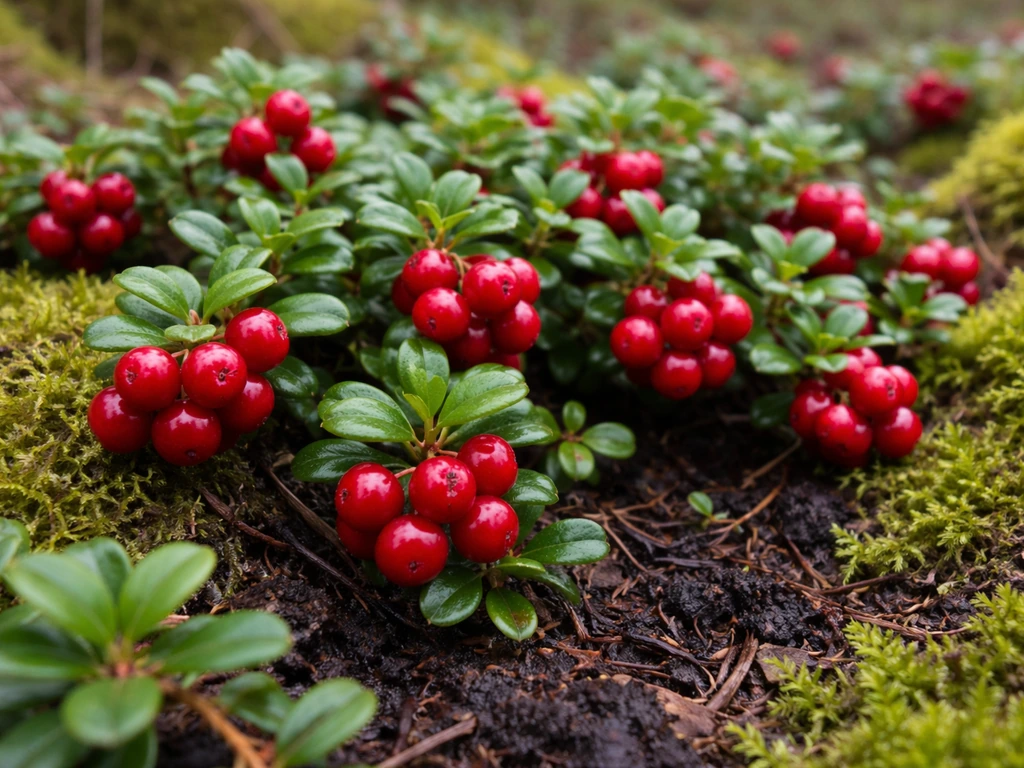
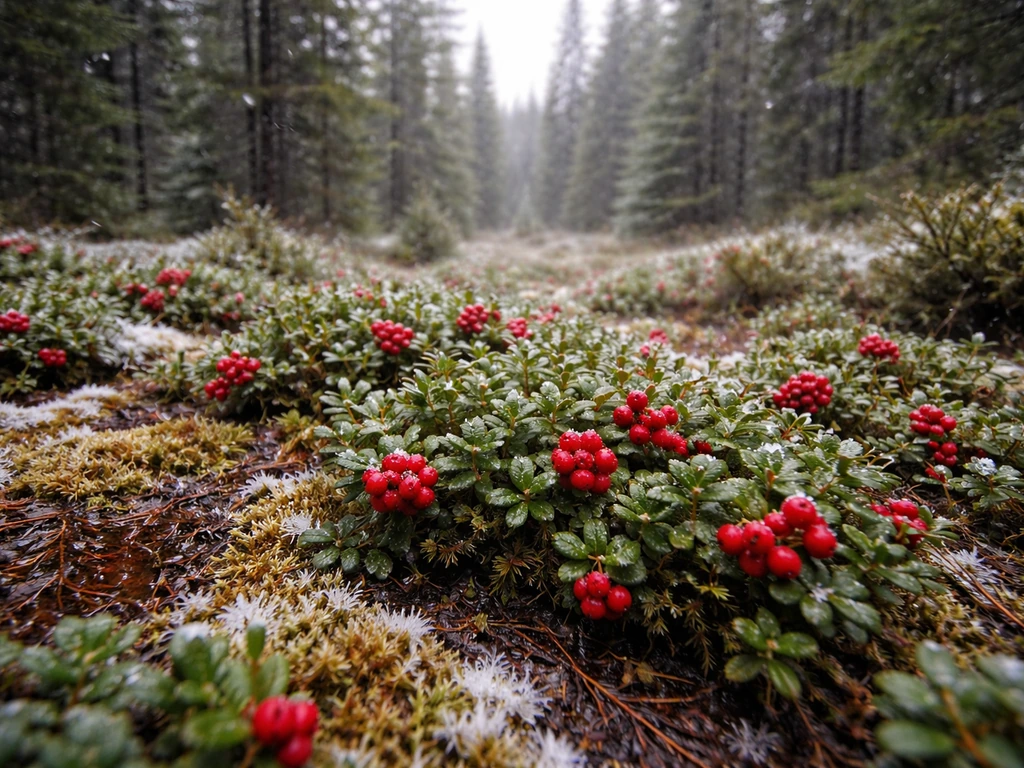
Wild lingonberry is widespread across the country. In Newfoundland and Labrador it's so common it goes by the local name 'partridgeberry,' and the provincial government has published its own production guides around it. You'll find it in the Northwest Territories, across the boreal forest belt that runs through northern Ontario, Quebec, Manitoba, Saskatchewan, Alberta, and British Columbia, and into the sub-Arctic tundra zones where very few other fruit plants survive. If you're wondering where to find them on the map, the boreal forest belt is one of the main regions where lingonberries grow in the wild.
In the wild, lingonberry settles into two main habitat types. The first is the boreal forest understory, where it grows on dry, acidic, low-nutrient soils beneath conifers, often colonizing decaying tree stumps and mossy ground. The second is open Arctic or sub-Arctic tundra, where it handles exposure and extreme cold. In both cases, the common threads are consistently acidic soil, reasonable but not waterlogged moisture, and cold winters that give it a proper dormancy. It spreads underground by rhizomes, forming low mats that rarely exceed 15 to 20 cm in height.
Does your Canadian climate actually suit lingonberries?
If you're gardening in Canada, the cold side of the equation is almost certainly covered. The variety most commonly sold for cultivation, Vaccinium vitis-idaea var. minus, is rated to USDA Zone 2, which maps to the coldest permanently inhabited parts of Canada. Even southern Canadian gardeners in Zone 5 or 6 are well within the plant's cold tolerance. What the plant actually needs from the cold is a proper chilling period at around 4°C, which research has confirmed is necessary for normal flowering. A Canadian winter delivers that without any effort on your part.
For sun, full sun gives the best fruiting performance, but lingonberry genuinely tolerates partial shade, which makes sense given its understory origins. In northern Canada where summers are short and intense, full sun is ideal. In warmer southern zones, a spot that gets afternoon shade won't hurt. The growing season timing works well too: flowers typically open in early June, and fruit matures at the end of August through early September, which fits most Canadian growing windows. In areas with long enough seasons, a second flush of flowers can produce a second crop ripening around October.
Setting up your lingonberry bed in a Canadian garden
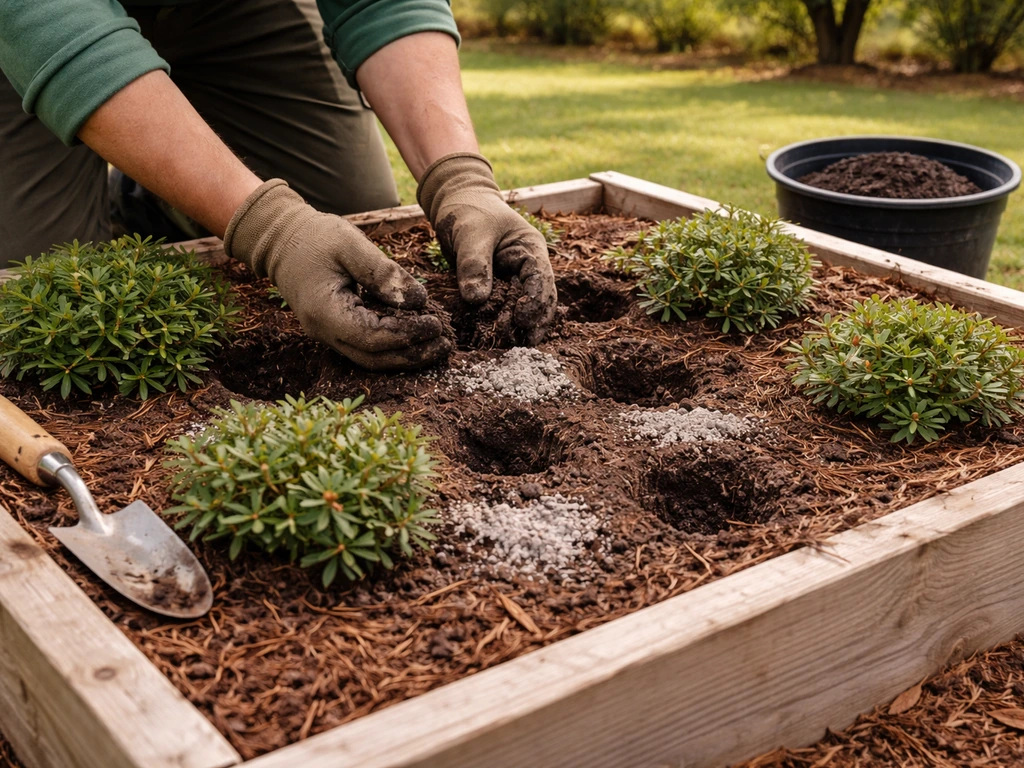
The most important decision you'll make is where to put them and how to build the soil. Lingonberries are Ericaceae, the same family as blueberries and cranberries, and they share the same strong preference for acidic, low-nutrient, well-drained soil. Don't just drop them into average garden soil and hope for the best; I've seen that fail every time. The goal is to create a raised or slightly mounded bed that mimics the open forest floor.
- Choose a site with full sun or light afternoon shade. Avoid spots that pool water after rain.
- Build a dedicated bed at least 20 to 30 cm deep using a mix of coarse peat, sand, and a small amount of existing native soil. The peat is non-negotiable for both acidity and moisture retention.
- Test your soil pH before planting. You're targeting pH 4.5 to 5.5, with 5.0 being a reliable sweet spot. If your pH reads higher, amend with sulfur and give it several weeks to adjust before planting.
- Source plants from a Canadian nursery. Look for named cultivars like 'Koralle' or 'Red Candy,' both of which are available through Canadian retailers and carry zone labeling appropriate for Canadian climates.
- Plant in early spring or fall. Fall planting gives roots time to settle before the dormancy period and can improve establishment. Space plants about 30 to 45 cm apart; they'll spread by rhizomes and fill in over time.
- Mulch immediately after planting with 5 to 7 cm of peat moss or acidic sawdust. This holds moisture, suppresses weeds, and slowly acidifies the surface layer as it breaks down.
For propagation beyond buying starts, lingonberries can be grown from stem cuttings or by seed. Seed requires cold stratification before germination, which aligns naturally with a Canadian winter if you want to direct-sow. Cuttings are faster and more reliable for home growers. That said, buying potted nursery plants gets you to fruit production a year or two sooner, so unless you enjoy the propagation process, it's the smarter practical choice.
The soil and water rules you can't skip
Soil pH is the single biggest variable between success and failure with lingonberries. At pH 6.0 or above, the plants will grow slowly, show yellowing leaves, and produce almost no fruit. Don't try to correct an overly alkaline soil with a one-time treatment and expect instant results; pH changes gradually. Check it each spring with a simple test kit and make incremental adjustments rather than dumping large amounts of acidifier at once.
Moisture is a bit counterintuitive. Lingonberry is often associated with boggy, wet habitats because of its cranberry relatives, but in the wild it actually favors drier, well-drained acidic sites under forest canopy. The key is consistent moisture without waterlogging. You want soil that feels damp but never sits in standing water. In Canada's wetter regions like the Atlantic provinces or coastal BC, drainage is actually something to watch carefully. In drier interior climates, drip irrigation or regular watering during dry spells keeps the plants from stressing.
Fertilization should be light. These are low-nutrient plants by nature, and heavy feeding does more harm than good. Use an acid-formulated organic fertilizer (the kind sold for blueberries works well) once in early spring, and avoid anything with a high nitrogen concentration. Slow and steady is the right approach here.
Growing in containers or raised beds
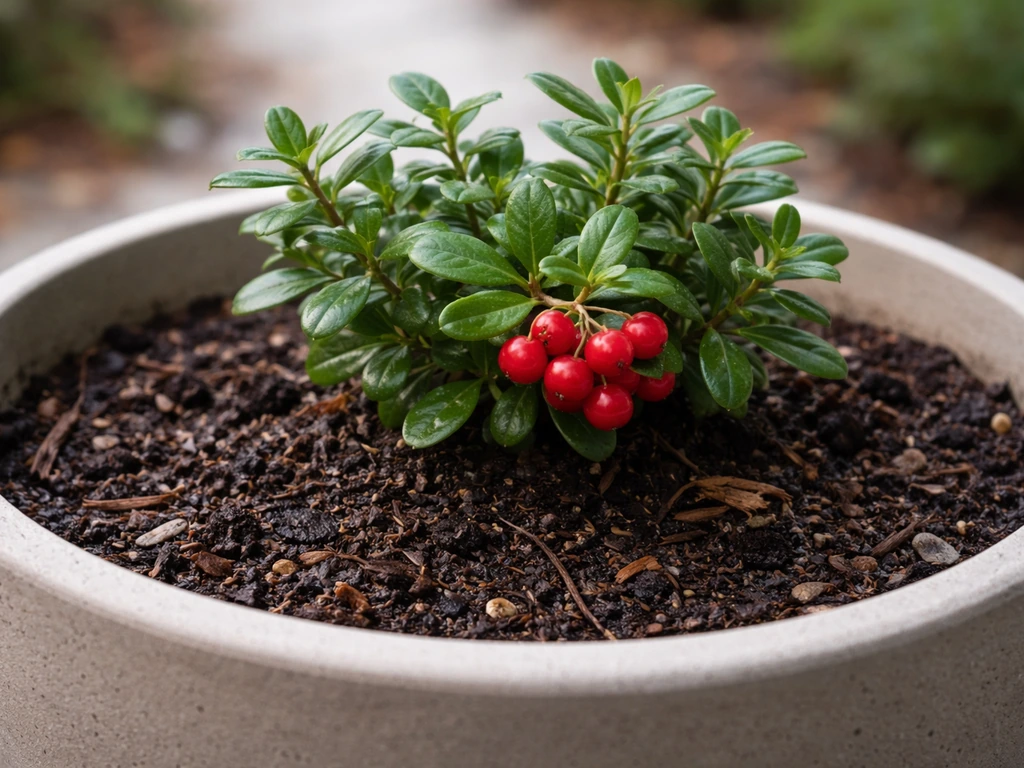
Container growing is genuinely one of the best options for Canadian gardeners, especially those in urban areas or with alkaline native soil. A large container (at least 30 to 40 cm diameter and depth) gives you complete control over the growing medium, which is the whole game with acid-loving berries. I'd recommend filling it with a high-peat mix, roughly 60 to 70 percent coarse peat, with sand for drainage and a small amount of perlite to prevent compaction. An Alaska Fairbanks research PDF on lingonberry cultivation notes substrate approaches that use components like sand and peat with pH around 5.0 to support vegetative growth high-peat mix.
Raised beds work on the same principle. Build a frame at least 25 to 30 cm deep, line the bottom with landscape fabric to prevent soil mixing with whatever is below, and fill it entirely with your prepared acidic mix. This lets you grow lingonberries even if your native soil is clay or has a pH of 7.0 or higher. In the container and raised-bed context, you're not trying to replicate a bog; you're replicating the dry, acidic forest floor, so drainage matters more than keeping things saturated.
One practical note for container growers in Canada: pots will experience more extreme temperature swings than in-ground plants, and in zones 3 or 4 a container left exposed above ground can freeze solid through winter. Move containers to an unheated but frost-protected garage or shed over winter, or insulate them with straw bales. The plants need cold to break dormancy, so you don't want them warm, just protected from the brutal freeze-thaw cycles that crack roots in pots.
What to expect year by year
Lingonberries are a long-game plant. Set your expectations accordingly and you'll be happy with them; go in expecting a full harvest in year one and you'll be disappointed.
| Year | What's happening | What to do |
|---|---|---|
| Year 1 | Roots establishing, minimal top growth, possibly a few flowers but unlikely any meaningful fruit | Water consistently, mulch well, do not over-fertilize, let the plant settle |
| Year 2 | Stronger vegetative growth, first real flowering, possibly a small first crop in late summer | Light spring fertilization, watch soil pH, ensure pollinators can access flowers |
| Year 3 and beyond | Established mat producing regular crops; first July crop plus possible October crop in longer-season areas | Annual spring pH check, top up mulch, light pruning if plants become woody and unproductive |
Pollination matters more than many growers realize. Fruit set is directly influenced by pollinator access, and lingonberry benefits from buzz pollination by bumblebees. If you're growing in a container on a high-rise balcony or in an area with low bee activity, expect lower fruit set. Planting two or more cultivars improves cross-pollination and bumps yields. Pruning is minimal; a light trim in late winter to remove dead wood and any overly dense growth is all that's needed. Avoid heavy pruning that removes the current season's flower buds.
Winter protection for in-ground plants in most of Canada is straightforward: a thick layer of mulch, about 7 to 10 cm, applied after the ground starts to freeze in fall helps moderate temperature swings and prevents desiccation from winter wind. In zones 2 and 3, this step is worth doing every year without fail.
Troubleshooting the most common problems
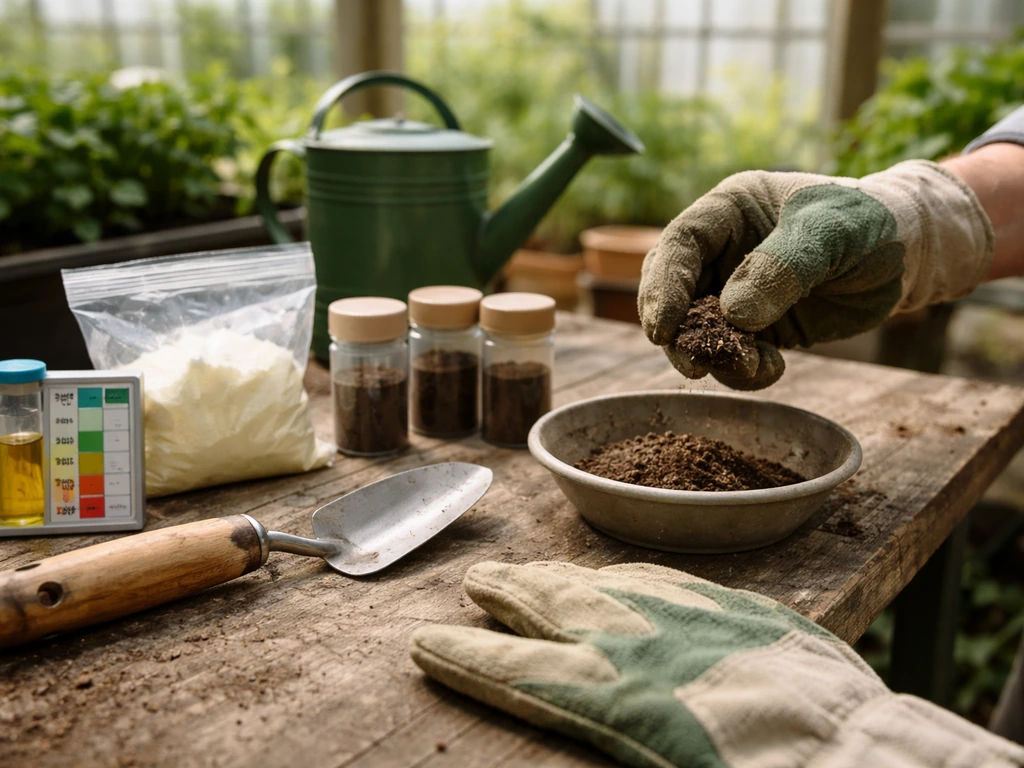
Most lingonberry failures in Canadian gardens come down to a handful of fixable issues. Here's what to look for and what to do about it. The USDA Forest Service FEIS for Vaccinium vitis-idaea also summarizes ecological associations and site stresses, which can help troubleshoot poor performance caused by growing-site moisture and soil conditions rather than only pests.
- Yellow leaves: Almost always a soil pH problem. Test immediately. If pH is above 5.5, add sulfur and retest in four to six weeks. Don't overcorrect in one shot.
- No flowers or very poor fruit set: Could be insufficient chilling (unlikely in Canada), but more often is a pollination issue. Add a second cultivar nearby, and check that the site has bumblebee activity in early June when flowers open.
- Root rot or wilting despite regular watering: Drainage failure. Waterlogged roots are fatal. Check that your bed or container drains freely. Raising the bed higher or adding more sand to the mix usually solves this.
- Twig dieback: A fungal disease called Phomopsis twig dieback (Phomopsis columnaris) can affect lingonberry. Prune out affected stems back to healthy wood, improve air circulation, and avoid overhead watering.
- Leaf rust (orange or rust-colored spots): Caused by the fungus Naohidemyces vaccinii, which affects several Vaccinium species. Remove and dispose of affected leaves, keep mulch fresh and away from the crown, and avoid wetting foliage.
- Stunted growth with no obvious yellowing: Check for nutrient imbalance from over-fertilization, or compaction in the container mix. Refresh peat mulch and skip fertilizing for a season.
- Plants not spreading or filling in: In-ground plants may spread slowly in the first two years. This is normal. Rhizome spread picks up once roots are well established, usually in year three.
Your next-step checklist
If you've read this far and want to actually get lingonberries growing, here's a practical checklist to get started this season. Canada's climate is genuinely well-suited to this plant, and if you get the soil chemistry right, the rest is relatively low maintenance. In fact, lingonberries do grow in Minnesota when you recreate the cold-tolerant, acidic, well-drained conditions they prefer do lingonberries grow in Minnesota.
- Test your soil or container mix pH now. Target 4.5 to 5.5. If you don't own a test kit, pick one up before buying any plants.
- Order or source plants from a Canadian nursery. Look for 'Koralle' or 'Red Candy' varieties with Canadian zone labeling. Buy at least two plants for cross-pollination.
- Prepare your bed or container with a peat-dominant acidic mix before the plants arrive. Don't plant into unamended garden soil.
- Plant in early spring or fall. If planting now (late June), water diligently through the first summer and mulch immediately.
- Add a 5 to 7 cm layer of peat moss or acidic sawdust mulch over the root zone after planting.
- Apply a blueberry-formulated organic fertilizer lightly in early spring each year. Skip fertilizing in the planting year if you planted in fall.
- Plan for a first real harvest in year two or three. Meanwhile, note when flowers open (watch for early June) and when fruit ripens to dial in your local timing.
- If growing in containers in zones 3 or 4, arrange frost-protected winter storage before temperatures consistently drop below -20°C.
Lingonberries are genuinely one of the best fruit plants for Canadian gardens because they're already here, already adapted, and already used to what the climate throws at them. The work is almost entirely in the soil setup. Get the pH right, nail the drainage, and give them a couple of seasons to settle in, and you'll have a low-maintenance, long-lived planting that produces reliably for decades. Whether you're in Newfoundland where they grow wild underfoot, or in southern Ontario working with a container on a patio, the plant is within reach. If you’re wondering whether lingonberries also grow in the US, the answer is yes in some northern and cold-climate regions.
FAQ
Can I grow lingonberries in southern Ontario, where winters are milder than the north?
Yes. Southern Canada is usually cold enough for dormancy, but you still need the right soil setup. If your winters are short, confirm you can reliably keep plants outdoors through winter (especially in containers), because warmth plus repeated freeze-thaw is worse than mild cold.
What soil pH is “low enough” for lingonberries, and how do I fix soil that tests high?
Aim for about pH 5.0 to 5.5 for best fruiting. If your native soil is closer to pH 7, avoid trying to correct it with a one-time acid amendment, instead use a fully replaced raised bed or container mix so the roots stay in consistently acidic media.
Do lingonberries need a bog or constantly wet ground to thrive in Canada?
No. They prefer damp but well-drained conditions, not standing water. In wetter regions or areas with heavy clay, prioritize drainage (raised beds, container mix, or improving site drainage) because waterlogged roots often cause poor growth and leaf yellowing.
How much sun do lingonberries need if I have partial shade?
Partial shade can work, but fruiting is best with more direct sun. If your site is shaded most of the day, expect slower development and fewer berries, so choose the brightest available spot, ideally with afternoon shade in warmer zones.
Why did my lingonberries grow leaves but not many flowers or berries?
Common causes are pH too high, overly rich fertilization, or weak pollinator access. If pH tests are near neutral, correct the growing mix first, then avoid high-nitrogen feeds. Also consider adding a second cultivar nearby to increase cross-pollination.
Do lingonberries self-pollinate, or do I need more than one plant?
They often set better with cross-pollination. Planting two or more cultivars typically improves fruit set, which matters most if you are growing on a balcony, in a sheltered yard with low bee activity, or in cooler periods when pollinators are less active.
When is the best time to plant lingonberries in Canada?
For most home growers, spring planting is simplest so the roots can establish before the next winter chill. Planting in fall can work in mild climates, but in colder areas it increases the risk that plants enter winter before they establish in the new acidic medium.
How do I prevent container lingonberries from freezing solid in winter?
Move containers to an unheated but frost-protected space like a garage or shed in colder zones, or insulate pots so the root ball does not experience repeated freeze-thaw. The goal is cold dormancy without the pot cracking and root damage that happens when exposed above ground.
How long should I expect before I get a meaningful harvest?
Plan on a long start. Even with good care, many gardeners do not see a reliable full harvest until after the first year or two, with a two-to-three year timeline for consistent yields from newly established plants.
Is mulching enough for winter, or do I need additional protection in colder zones?
In many cases, 7 to 10 cm of mulch applied after the ground starts to freeze helps moderate wind desiccation and temperature swings. In colder zones or windy exposed sites, check the plants again in late winter and refresh mulch if it has thinned or blown away.
What’s the safest way to propagate lingonberries if I want to do it myself?
If you want the most practical results, use potted nursery plants to skip the slow ramp-up. For DIY propagation, stem cuttings are generally more reliable than seed for home growers. If you try seed, you will need cold stratification before germination.