
Lingonberries grow naturally in cool, northern climates with acidic, peaty or mossy soils, typically across the boreal forests and arctic tundra of Scandinavia, Russia, Canada, and Alaska. In the wild, they hug the ground in spruce and pine forests, peatlands, and bog edges. In a home garden, you can grow them successfully if you can replicate those core conditions: soil pH between 4.3 and 5.5, consistent moisture without waterlogging, good drainage, and a cool climate. If that sounds like where you live, or something you can engineer in a raised bed or container, you're in a strong position to grow lingonberries.
Where Do Lingonberries Grow and How to Grow Them
Marcus Holloway
8 Apr 2026
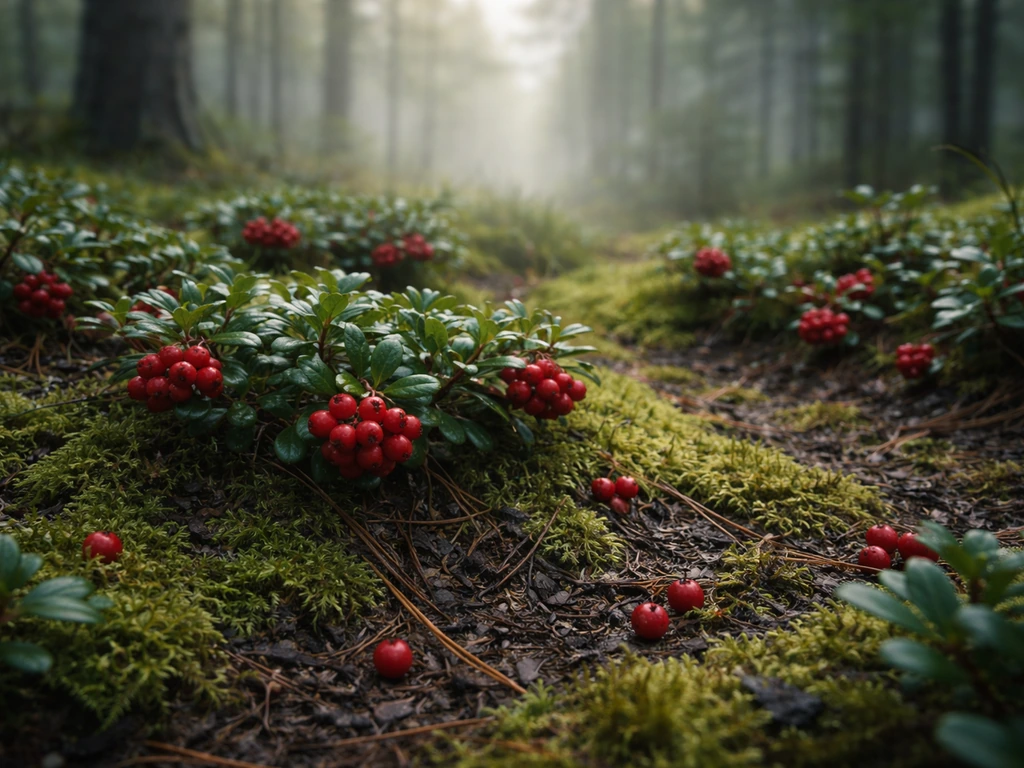
Where lingonberries naturally live
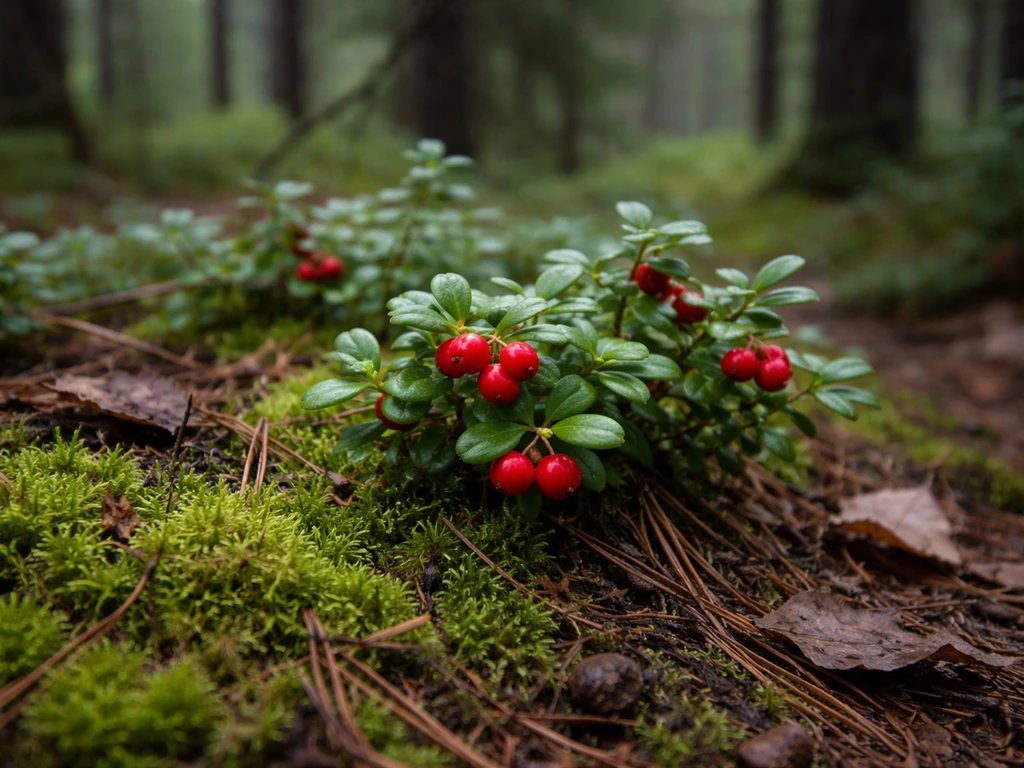
In the wild, lingonberry is a plant of harsh, low-nutrient, acidic environments. It's a dominant species in white spruce, black spruce, and jack pine communities, where it grows alongside cloudberry, sedges, feather mosses, and bog blueberry. These are not lush, fertile places. They're cool, often waterlogged, and acidic down to the mineral layer. Lingonberry doesn't just survive in these conditions, it thrives in them because most competing plants can't.
Its range is circumpolar, meaning it wraps around the northern hemisphere in a band that tracks arctic and subarctic latitudes. A large portion of its natural range sits north of the tree line entirely, which tells you a lot about how cold-tolerant it is. The plant can survive temperatures well below -40°F (-40°C) when protected by snow cover, and it's rated as hardy to USDA Zone 2. That's cold-climate territory by any standard.
In North America specifically, lingonberry is native to Alaska and Canada, and its southern range limit in the lower 48 dips into northern Minnesota, Wisconsin, Michigan, and parts of New England. If you're curious about whether lingonberries grow in Minnesota, the answer is yes, but only in the northern reaches where native bog and forest habitats still exist.
The global picture: regions where lingonberries grow wild
Lingonberry is one of the most geographically widespread small fruits in the northern hemisphere. Here's where you'll find it growing naturally:
- Scandinavia (Norway, Sweden, Finland): dense wild populations in boreal forests; commercially harvested at scale
- Russia and Siberia: enormous wild range across boreal taiga and tundra zones
- Alaska and northwestern Canada: native habitat in spruce forests, peatlands, and forest swamps
- Eastern Canada (especially Quebec and the Maritime provinces): peat bogs and boreal forest edges
- Northern Minnesota, Wisconsin, Michigan, and New England: southern limits of the wild North American range
- Scotland, northern England, and mountainous parts of central Europe: alpine and sub-alpine habitats
The pattern is consistent everywhere: cool temperatures, short growing seasons, acidic soils, and often a moss or peat layer at the surface. The plant is adapted to nutrient-poor environments where it doesn't have to compete with aggressive, fast-growing species. If your region doesn't naturally match this profile, that's useful information because it tells you what you'll need to engineer.
If you're wondering more specifically about whether lingonberries grow in the US beyond those northern pockets, the short answer is: not in the wild, but in cultivation it's possible across a wider range if you manage soil and moisture carefully.
What the plant actually looks like and how it spreads
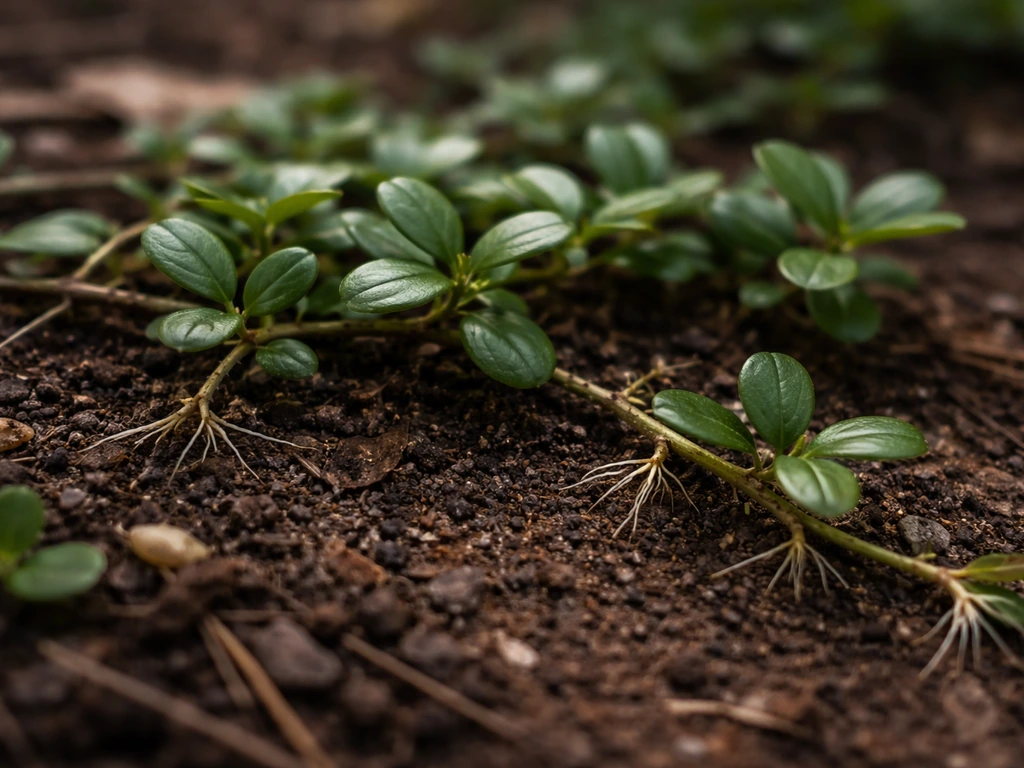
Lingonberry is a low, creeping, mat-forming evergreen shrub. It typically grows just 2 to 6 inches (5 to 15 cm) tall, with many trailing stems that root at their nodes wherever they touch moist, acidic substrate. That node-rooting behavior is how plants form dense mats over time, slowly colonizing suitable ground. It's not a fast spreader, but under ideal conditions, a single plant will gradually knit together into a ground-covering colony.
The leaves are small, oval, leathery, and dark green on top with pale undersides, and they persist through winter. Flowers are small, bell-shaped, and white to pale pink, blooming in two separate windows each year: March to April and again July to August. Mountain Cranberry (lingonberry) in Wisconsin typically blooms early May through late June, then fruits from late July through early September, according to the Wisconsin DNR Biodiversity database blooms in two separate windows each year: March to April and again July to August. Importantly, lingonberry flowers on the previous year's growth (1-year-old wood), so pruning timing matters if you want fruit. Berries are small, bright red, and tart, ripening in late summer to fall. Frost during flowering or fruiting can wipe out up to 50% of your berry crop, which is worth keeping in mind for site selection.
What lingonberries need to grow well
Getting the soil right is non-negotiable. Lingonberries have a strong affinity for peat-based or organic-rich, acidic soils. In production trials, plants grown on peat yielded 82 kg per 100 square meters, versus just 14 kg per 100 square meters on mineral soil. That's a massive difference, and it explains why matching the soil chemistry matters more than almost any other factor.
Soil pH and organic matter
Target a soil pH of 4.3 to 5.5. The Oregon State University Extension recommends keeping organic matter at 2% to 6% in the top 3 to 6 inches of soil. If your soil is above pH 5.5 (which most garden soils are), you'll need to amend it. UMass Extension suggests incorporating 7 to 10 pounds of peat moss per 100 square feet and lowering pH with elemental sulfur. Test your soil before planting so you know how much correction you need. Adding peat doesn't just lower pH; it also enhances rhizome development and spread, which is exactly what you want.
Drainage and moisture
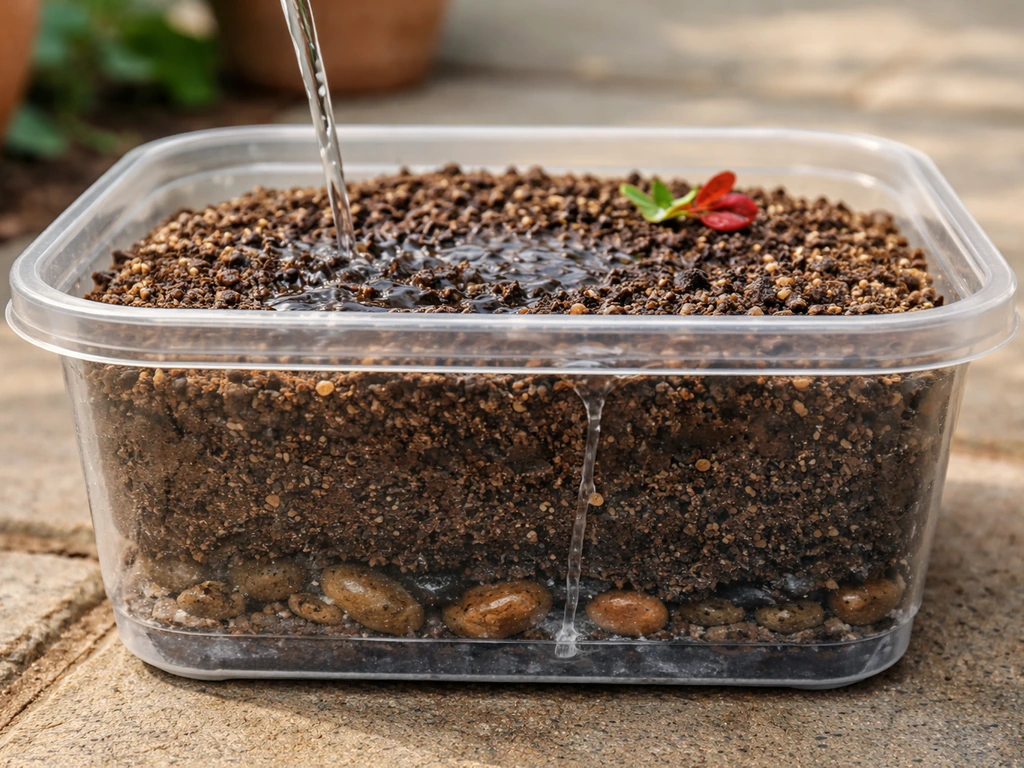
This is where people get tripped up. Lingonberries like moisture, but they don't want to sit in standing water. OSU Extension recommends light, well-drained soils: sandy loam, well-drained loam, or silty loam. In production settings, both overhead sprinklers and drip (trickle) irrigation are used to maintain consistent moisture. The goal is to keep the root zone evenly moist without creating anaerobic conditions. Think of the spongy surface layer of a bog, damp but not saturated.
Light and temperature
Full sun to partial shade works, and in hotter climates, afternoon shade is genuinely helpful. Lingonberries are built for cold winters and cool summers. The species tolerates extreme cold (Zone 2 and colder with snow cover), but the tricky end is heat: prolonged hot, dry summers stress the plants and reduce fruiting. Plants with ripe fruit have survived down to 28°F (-2°C), and plants with green fruit survived 27°F (-3°C), which tells you the fruiting window is somewhat frost-tolerant but not immune.
Fertilizer and nitrogen
Less is more with fertilizer. There are reports from Europe that lingonberries do not perform well under high nitrogen, which makes sense given they're adapted to nutrient-poor soils. Use acidifying fertilizers sparingly, and avoid heavy nitrogen applications that push leafy growth at the expense of fruit.
Does your location work? Matching your climate
Before you plant, it's worth being honest about your climate. Lingonberry is best suited to USDA Zones 2 through 6. If you're in Zone 7 or warmer, you can still try, but you'll be fighting summer heat, and the plant may fruit poorly or stress out entirely. The Pacific Northwest (Zones 6 to 8 depending on location) is actually one of the better non-native cultivation regions in North America because summers are mild and cool. Parts of the upper Midwest, New England, and the northern Rockies are also well-suited.
If you're gardening in Canada, the climate match is often excellent. Whether lingonberries grow in Canada is less a question of if and more a question of which province and what microclimate you're working with. Most of Canada's forested and prairie zones are within the plant's natural or compatible range.
To figure out your specific fit, work through these steps:
- Check your USDA Hardiness Zone (or Canadian equivalent). Zone 2–6 is the sweet spot; Zone 7 requires extra attention to shade and moisture.
- Test your soil pH. Most garden soils run pH 6.0–7.0, which is too alkaline. You'll need to amend.
- Assess your drainage. Lingonberries need moisture but not waterlogging. If your site pools water after rain, either raise the bed or choose a container.
- Think about your summer highs. If you regularly see weeks above 90°F (32°C), plan for afternoon shade and extra irrigation.
- Consider your frost timing. Late spring frosts hitting the March–April bloom window can destroy a significant portion of your fruit crop.
Container and raised bed options for non-ideal climates
Containers and raised beds are genuinely good options for lingonberries, not just a fallback for people in difficult climates. They let you control pH precisely, ensure drainage, and move plants to shade during heat waves. I've had good results using a mix that's roughly 50% sphagnum peat moss and 50% perlite or coarse sand. That blend drains well but holds enough moisture to keep the roots happy.
For raised beds, build them at least 8 to 12 inches deep and fill with a peat-heavy mix. Test the pH of your fill mix before planting and adjust with elemental sulfur if it's above 5.5. Keep the bed mulched with pine bark, pine needles, or wood chips to conserve moisture and continue acidifying the soil surface over time. Lingonberries spread by rooting at nodes, so give them room: plant about 12 to 18 inches apart and let them fill in over two to three seasons.
For containers, use large pots (at least 12 to 16 inches wide and deep) with drainage holes. Avoid terracotta in dry climates because it dries out too fast. Glazed ceramic or plastic containers hold moisture better. Water consistently, aiming to keep the peat mix damp but not sitting in water. Drip irrigation on a timer is a practical solution for container-grown lingonberries in drier regions.
| Setup | Best For | pH Control | Moisture Control | Spread Potential |
|---|---|---|---|---|
| In-ground planting | Zones 3–6, naturally acidic soils | Requires amendment | Moderate (depends on site) | Excellent over time |
| Raised bed | Any zone; best for poor native soil | Excellent (fill mix) | Good with mulch | Good within bed |
| Container | Zone 7+, small spaces, patios | Precise and easy | Requires attention | Limited but manageable |
Why lingonberries fail and how to fix it
Most lingonberry failures come down to the same handful of problems. Here's what to watch for and how to troubleshoot each one.
pH is too high
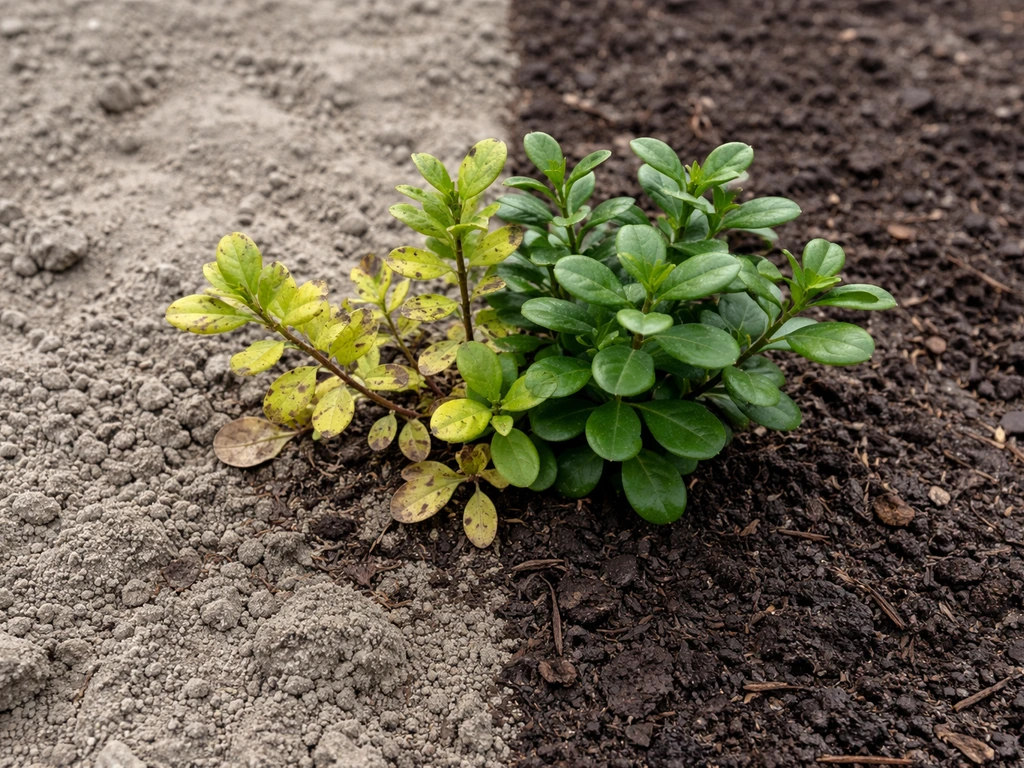
This is the number-one killer of lingonberries in home gardens. If your soil pH is above 5.5, the plants will struggle to absorb nutrients even if you're fertilizing. Symptoms include yellowing leaves (iron chlorosis) and stunted growth. Fix it by testing, then applying elemental sulfur according to your test results. Results take months, so amend the bed well before planting, ideally the previous fall.
Inconsistent moisture
Letting the soil dry out, then flooding it, stresses the roots and can trigger Phytophthora root rot, which has been documented on lingonberry and is made worse by poor drainage. The fix is consistent, moderate moisture and good drainage. If you're growing in containers, check the soil every day during summer. In beds, a 2-inch layer of pine bark mulch goes a long way toward evening out moisture swings.
Not enough cold
Lingonberries need a proper cold dormancy period. In Zones 7 and warmer, they may not get enough chilling hours to fruit reliably. If you're in a marginal zone and your plant leafs out fine but never fruits well, insufficient cold is a likely culprit. There's not a simple fix for this in-ground, but container plants can be moved to a cold garage or unheated shed for a few months in winter to simulate dormancy.
Late frost killing the flowers
Because lingonberries bloom twice (March to April and July to August), the early bloom is vulnerable to late spring frosts. If you lose the spring flowering, you'll still get a chance from the summer bloom, but your overall fruit load will be lighter. Protect plants during frost events with row cover fabric. Choosing a sheltered planting spot with good cold air drainage also helps.
Wrong site: too hot, too sunny, too dry
Full sun works in cool climates, but in warmer zones a south-facing, full-sun spot in summer will cook a lingonberry. Choose a site with morning sun and afternoon shade in Zone 6 and warmer. East-facing beds are often ideal. If your current planting is struggling through summer, adding shade cloth at 30 to 40% can make a noticeable difference while the plants adjust.
A quick note for gamers who ended up here
If you were searching for where lingonberries grow in Grounded 2, that's a very different kind of foraging question and we've got you covered in a separate guide. This article is for the real-world growers.
Where to go from here
If you're in Zones 2 through 6 with acidic or amendable soil, lingonberries are a genuinely achievable garden project. They're slow to establish (expect minimal fruiting in year one, better production by year three), but once they're settled into the right conditions, they're remarkably low-maintenance and long-lived. The key decisions are getting the pH right before you plant, choosing a site with appropriate light and drainage, and being patient through the establishment phase. Start with a soil test, source your peat moss and elemental sulfur, pick your variety (V. vitis-idaea var. minus is the hardiest for North American growers), and give the plants at least a full season to settle in before you judge how they're doing.
FAQ
If lingonberries are native to Alaska and Canada, will they grow fruit reliably in my warmer state?
In the wild, lingonberries are mainly in cool, northern habitats, but in gardens they can work beyond their natural latitude if you solve two constraints: strong acid control (keep pH in the 4.3 to 5.5 range) and heat stress (provide afternoon shade and consistent root-zone moisture). Without those, you may get leaf growth but weak or no fruit.
Can lingonberries grow in the southern US if I grow them in a raised bed?
Yes, but mainly in cold pockets where winter chilling and summer heat are both manageable. A simple check is whether your site regularly stays cool during summer (morning sun, afternoon shade, and good airflow) and gets enough winter cold for dormancy, usually best in Zones 2 through 6.
What planting location helps most with spring frost damage to lingonberries?
Plant them in a sheltered spot where cold air can drain, such as a slightly lower area than surrounding ground or a location protected from harsh wind, but not in a frost trap that stays wet. Good site airflow helps reduce late-bloom frost losses that can cut your crop substantially.
When should I prune lingonberries so I do not remove the wood that produces fruit?
Lingonberries bloom on one-year-old growth, so avoid pruning hard right before the spring flowering window. If you need to shape or remove weak stems, do it after the main harvest period, then do any light cleanup later in the season.
My lingonberries have yellow leaves, but the soil isn’t newly alkaline. What should I test first?
A pH above 5.5 is a common reason plants look green but stop growing or develop yellow leaves (iron chlorosis). Fix it by retesting after you amend, and expect the benefit to take months, not days. Also re-check periodically, because soil amendments and water can shift pH over time.
How often should I test and adjust soil pH for container-grown lingonberries?
Do not rely on “acidic” peat alone every year. Over time, your peat-heavy mix can gradually change, and runoff or your irrigation water can influence pH. Re-test your bed or container mix at least once per season during the first couple of years, then every year after it stabilizes.
How fast should lingonberries fill in, and what affects how quickly they form a dense ground cover?
Yes, they can spread slowly by rooting stems, but the pace depends on how constantly moist and acidic the surface stays. If your mulch layer dries out, or the top layer is too firm or too alkaline, you may see poor node rooting and slower mat formation.
Is it better to let lingonberries dry out between waterings or keep them constantly moist?
Lingonberries do best with steady, moderate moisture. Watering to “fix” a dry period can be risky if you swing from drought to standing wet conditions, which increases root-rot risk. Aim for evenly damp peat, and improve drainage rather than overwatering when growth stalls.
What fertilizer should I use, and what feeding mistake most commonly reduces lingonberry fruit?
Avoid high-nitrogen feeding, especially if leaves are the only thing improving. If you fertilize, use an acidifying fertilizer lightly and sparingly, and stop at the recommended rate for the product, because excess nitrogen can reduce fruiting in nutrient-poor-adapted plants.
My lingonberries leaf out but do not fruit. How can I troubleshoot whether it is cold-chilling or frost?
If you have no fruit but the plant looks alive, the cause is often insufficient cold dormancy in Zones 7 and warmer, or late frost wiping out the spring flowers. In a borderline climate, container plants can be moved to an unheated, protected space for a few months to ensure chilling.
What signs tell me my lingonberries are failing because of summer heat, not soil issues?
Plants can survive cold, but heat is the limiting factor in warmer summers. Watch for stressed symptoms such as reduced flowering and browning or dull leaves during hot spells. The most effective non-injury response is afternoon shade plus drip irrigation to keep the peat mix evenly damp.