
Yes, lingonberries do grow in the US, but their natural range is mostly confined to the northern tier of the country: northern Minnesota, Michigan's Upper Peninsula, northern New England, and parts of Alaska. If you're outside those zones, you can still grow them as a cultivated plant in Zones 3 through 7, and the Pacific Northwest is arguably the best non-native spot in the country for doing it successfully. The trick is replicating their native habitat conditions, which means acidic soil, consistent moisture, and cool temperatures.
Do Lingonberries Grow in the US? Where and How
Marcus Holloway
3 May 2026
Where lingonberries naturally come from
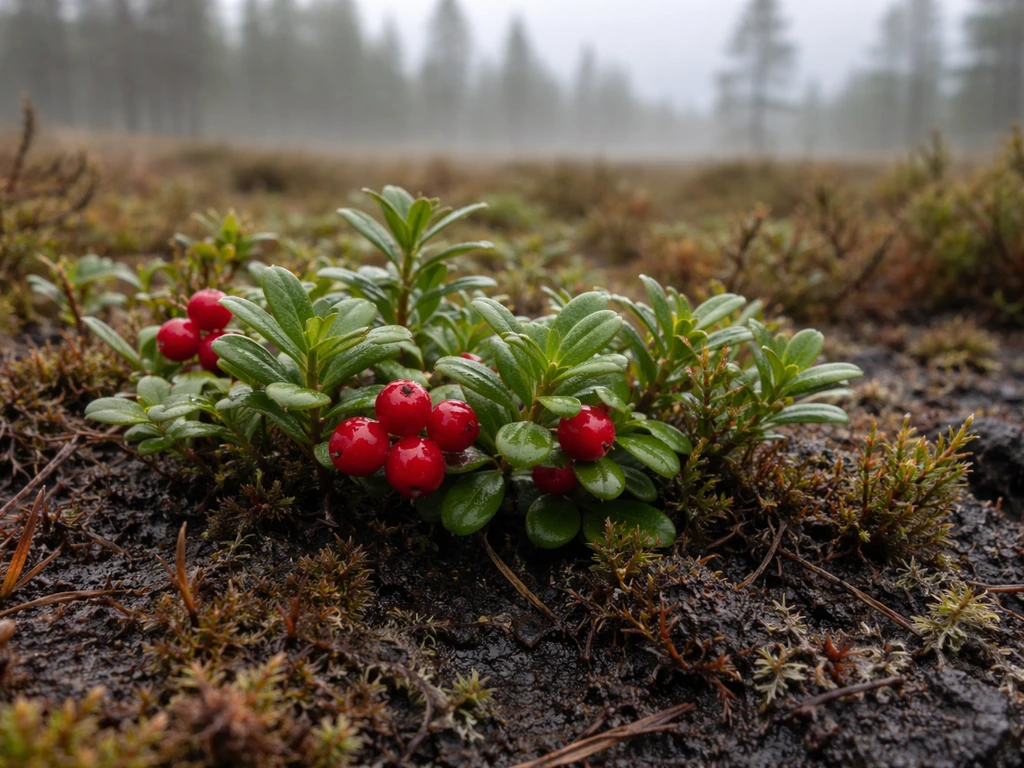
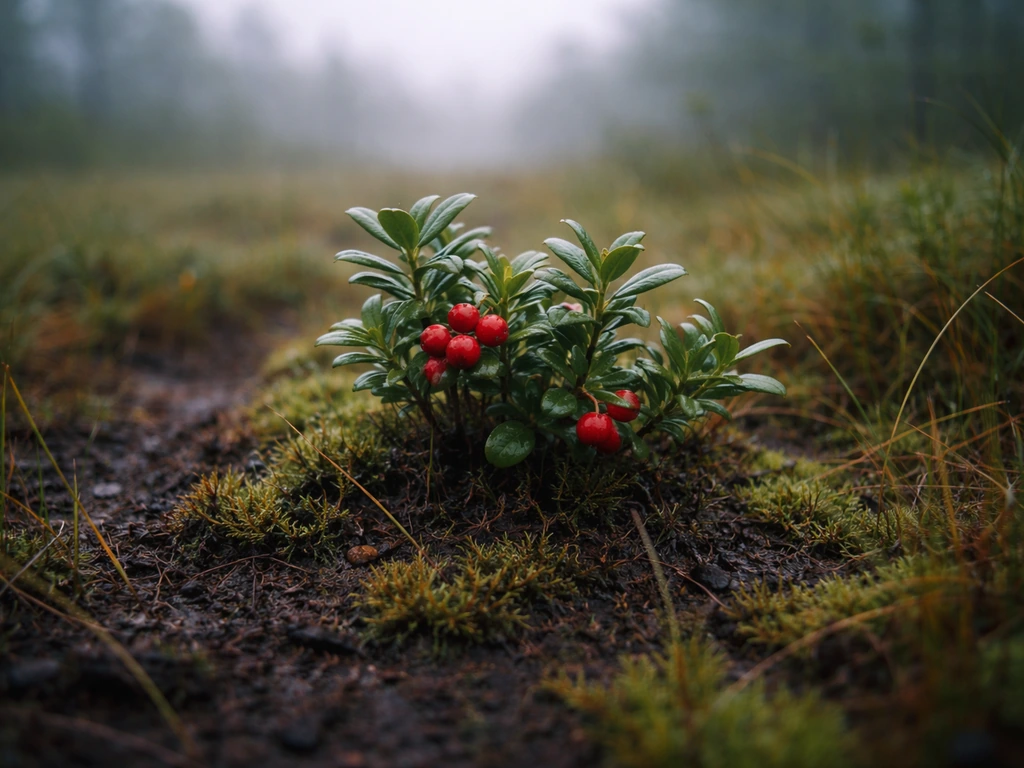
Lingonberry (Vaccinium vitis-idaea) is a low-growing evergreen shrub native to circumpolar boreal regions across Eurasia and North America. In the wild, it shows up in muskegs, raised bogs, dry rocky barrens, lichen woodlands, heaths, and high moors. That's a wider range of microsites than most people expect. It grows on everything from shallow, poorly developed mineral soils to drained peat, and in the wild, measured soil pH has been recorded from as low as 2.7 all the way to 8.2. So it's not as fussy about pH in the wild as it is in cultivation, but what it does consistently need is a cool climate, consistent moisture, and the kind of spongy, organic, heath-like ground layer that most US garden soils don't naturally provide.
Its plant community associates tell you a lot: it grows alongside bog Labrador tea, feather moss, bog blueberry, and similar species. Think cold, damp, northern forests and open bogs rather than sunny vegetable gardens. The variety most commonly grown and sold commercially is Vaccinium vitis-idaea var. minus, which is actually the hardier of the two subspecies and the one you'll find at most US nurseries.
Where lingonberries grow wild in the US
In the continental US, wild lingonberry populations are concentrated in the upper Midwest and northern New England. Yes, lingonberries can grow in Canada, especially in cooler, bog-like habitats do lingonberries grow in canada. Minnesota and Michigan's Upper Peninsula both have naturally occurring populations. In New England, the species has been recorded as far south as Connecticut, though those records are considered rare and the most recent collections there date back to the late 1800s, so don't count on finding them growing in your Connecticut backyard. Alaska is where US wild populations really thrive, with the plant showing up across large swaths of interior and coastal boreal habitat.
The Pacific Northwest doesn't have the same wild native populations, but it has the climate that suits lingonberries extremely well. Washington State University Extension specifically notes that lingonberry is well suited to sites west of the Cascades, and Oregon State University lists it as native or naturalized in Oregon. The cool, maritime climate with mild summers and consistent moisture closely mirrors the conditions lingonberries evolved in, which is why the PNW has become the main production region for cultivated lingonberries in the US.
Can you grow lingonberries where you live?
Here's the honest zone-by-zone picture. The commercial variety (var. minus) is rated as hardy to Zone 2, so cold hardiness is rarely the limiting factor for most US gardeners. What limits success is usually summer heat and soil conditions, not winter cold.
| USDA Zone / Region | Feasibility | Main Challenges |
|---|---|---|
| Zones 2–4 (northern MN, MI UP, northern New England, Alaska) | Excellent | Mostly a matter of soil prep; climate is a natural fit |
| Zone 5–6 (upper Midwest, mid-Atlantic, Pacific Northwest coast) | Very good to excellent | Soil pH and drainage management needed; PNW is ideal |
| Zone 7 (parts of Pacific NW, mid-South, lower mid-Atlantic) | Possible with effort | Summer heat stress is a real risk; partial shade essential; WSU notes hardiness only to about 2°F in some cultivars |
| Zones 8 and above (Deep South, Southwest, hot inland areas) | Not recommended in-ground | Heat and dry summers are prohibitive; container growing with careful management is the only realistic option |
If you're in Minnesota, the Upper Midwest, or the Pacific Northwest, lingonberries should be squarely on your planting list. If you're in Zone 6 in, say, the mid-Atlantic, you can do it but you'll need to pick a shaded spot and be diligent about soil prep. Zones 8 and above are genuinely difficult and I'd only recommend going container if you're committed to the extra management.
Recreating their habitat at home
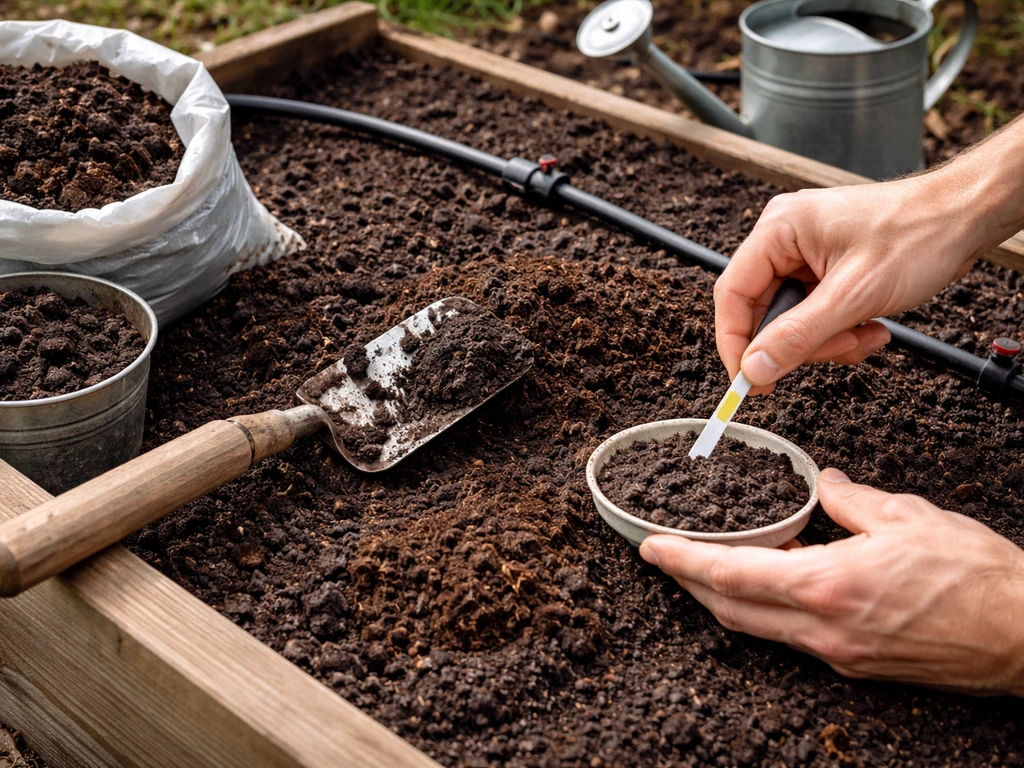
Getting the soil right is the single most important thing you can do. For production-level success, OSU Extension recommends a soil pH of 4.3 to 5.5, with organic matter in the top 3 to 6 inches at 2 to 6 percent. That's significantly more acidic than most garden soil, which tends to sit at 6.0 to 7.0. USDA ARS trial plots adjusted soil to a pH of 4.5 before planting, often using sawdust as an amendment. Sulfur, peat moss, and composted pine bark are the most practical ways to bring pH down at home. Test your soil before you plant, not after.
Moisture is the next variable. Lingonberries need consistently moist soil, but their roots are shallow and they don't tolerate waterlogged, stagnant conditions. Think of it as always-damp rather than wet. OSU Extension growers use either drip irrigation or overhead sprinklers to maintain that steady moisture without causing root rot. Mulching with pine bark or wood chips helps a lot by holding moisture and slowly acidifying the soil as it breaks down.
For sun, lingonberries tolerate a range: full sun to part shade. OSU Landscape Plants notes they do well in moist, peaty soil in full sun, but part shade is worth choosing if you're in a warmer zone or your summers run hot. In Zone 7 and above, I'd default to a site that gets morning sun and afternoon shade.
- Target soil pH: 4.3–5.5 (test with a meter, not just strips)
- Amend with peat moss, sulfur, or composted pine bark to hit that range
- Keep soil consistently moist but well-drained: raised beds or slopes help
- Mulch with 2–3 inches of pine bark or wood chips
- Sun to part shade: choose shadier spots in warmer zones
- Avoid deep cultivation near established plants: roots are very shallow and easy to damage
In-ground vs containers: which setup works for you
Growing in the ground
For gardeners in Zones 3 through 6 with naturally acidic soil (or the willingness to build it), in-ground is the better long-term play. OSU Extension PNW growers plant into raised beds specifically to improve drainage and reduce root rot risk, and that's a practice worth copying even in home gardens. Build a raised bed 8 to 12 inches high, fill it with a mix of existing topsoil, peat moss, and composted bark, amend the pH down to that 4.3–5.5 target, and you've replicated most of what the plant gets in its native bog-edge or heath habitat.
Growing in containers
If your native soil pH is stubbornly high (common in the Southwest, Southeast, and parts of the Midwest), containers are a smart workaround. You mix your own potting medium to the right acidity from the start, and you can move plants to shelter during heat waves. Use a mix of peat moss, acidic potting soil, and perlite for drainage. A container at least 12 to 16 inches wide gives roots room to spread. The downside is that containers dry out faster, so you'll need to water more frequently and check moisture every couple of days in summer.
What to expect after planting
Patience is non-negotiable with lingonberries. They're slow to establish and slow to produce meaningful fruit. In the first year, focus entirely on getting the plant settled and roots growing. You may see a small early flowering, and a few berries might ripen by July, but those first-year yields are negligible. By the second year you can expect your first small real harvest, typically in late September through October. A major productive flush, where the plants are actually worth harvesting in quantity, generally doesn't happen until year three or four.
Lingonberries can actually fruit twice in a season in good conditions: a smaller early crop that starts ripening in July and a main fall harvest in September or October. The fall harvest is consistently the larger and more reliable of the two. Plants spread slowly by rhizomes to form a low ground-cover mat, typically staying under 6 to 8 inches tall. They're a long-term investment: once established in the right conditions, they'll produce for decades with minimal input beyond consistent moisture and occasional mulching.
- Test soil pH and amend to 4.3–5.5 before planting anything
- Build a raised bed or choose a container if your native soil is difficult to acidify
- Plant in spring after the last frost, or in early fall in mild climates
- Mulch immediately with 2–3 inches of pine bark to hold moisture and suppress weeds
- Water consistently: drip irrigation or a regular hand-watering schedule works well for home gardens
- Skip the deep cultivation: hand-pull weeds to protect shallow roots
- Expect a small second-year harvest and plan for a real crop starting in year three or four
If you're in Minnesota or the Pacific Northwest, you're already working with a climate that naturally suits this plant, and the main effort is just soil preparation. If you're further south or east, you can still pull it off with raised beds and careful moisture management, but be honest about the commitment involved. Lingonberries reward patience and good habitat setup with decades of harvests, which makes them genuinely worth the upfront work.
FAQ
If I’m in the US but not in the northern states or Pacific Northwest, can I still get reliable lingonberry fruit?
Yes, but you’ll usually need to “engineer” the habitat. Expect the biggest risk to be summer heat plus soil that is too neutral, not winter cold. Plan on a raised bed or a large container, use consistent moisture (not waterlogging), and re-test soil pH after amendments because it can drift upward over time.
What’s the easiest way to choose the right spot in my yard?
Look for a spot that stays evenly moist without puddling, and that gets cool-season sun (morning light) or part shade in warmer zones. Avoid areas near downspouts or where irrigation creates standing water, because shallow roots still hate stagnant wet conditions even if the surface feels damp.
How do I maintain lingonberry soil acidity long-term?
After you reach the target pH, you still need to protect it. Use mulch like pine bark or wood chips and consider annual spot checks with a soil test kit or lab test. If you irrigate with hard water or your site naturally raises pH, you may need periodic amendments to keep pH in the 4.3 to 5.5 band.
Can I use compost or manure to feed lingonberries?
You can add organic matter, but be cautious with compost-heavy mixes because they can raise pH and push too much fertility. Keep amendments acidic-leaning (peat moss, composted bark) and use light feeding only if plant growth is weak. Over-fertilizing often produces lots of leaves but fewer, poorer-quality berries.
What’s a common mistake with watering lingonberries?
Assuming “always wet” is the goal. Lingonberries want consistently moist soil with good aeration. In practice, this means drip irrigation or controlled sprinkling schedules, plus fast-draining raised beds when your native soil holds water.
Do lingonberries need full sun to produce well?
Not always. In cooler regions they handle full sun, but in Zones 7 and above, part shade and protection from harsh afternoon heat usually improves fruit set. A practical approach is morning sun with afternoon shade, and adjust only if your plants look pale or the mulch layer stays too wet.
How much space do lingonberries need, and how soon will they fill in?
They spread slowly by rhizomes into a low mat, so give them room rather than crowding. For production, plan on multiple plants and expect meaningful ground-cover over several seasons, not months. In containers, spreading can be slower and you may need repotting or medium refresh every few years.
Can I grow lingonberries from seed, or should I buy plants?
Buy established nursery plants if you want fruit sooner. Seed-grown plants can be slow to establish and may not match the hardier commercial type you’re aiming for. If you do start from seed, expect a longer wait and plan for more trial-and-error in soil acidity.
Are lingonberries self-pollinating, or do I need more than one plant?
They can fruit without a lot of extra effort, but using more than one plant often improves reliability, especially if conditions are marginal. If you’re planting in a container or a small bed, adding an additional plant gives you better odds of consistent flowering and a fuller fall harvest.
Why are my lingonberries flowering but not producing (or producing very few berries)?
Common causes are inadequate summer coolness, soil that is not acidic enough, or inconsistent moisture timing. First-year plants can also flower early and still yield almost nothing. If you’re past year one, re-check pH, confirm the bed drains well, and ensure watering is steady through the period when developing berries need moisture.
What about pests and diseases, do I need to spray?
In well-prepared acidic, moist-but-not-soggy conditions, major disease pressure is usually manageable. The bigger issue is often root stress from poor drainage and overly wet soil. Focus on habitat setup first, then remove any weak, chronically wet growth, rather than jumping to frequent treatments.
Should I plant in-ground or use containers if I’m borderline for my zone?
If you can create the pH and drainage, in-ground (raised bed) is often the lower maintenance option long-term because the soil moisture and acidity stay more stable. Choose containers if your site has stubbornly high pH, drainage issues you cannot fix, or you want the ability to shelter plants during heat waves. Containers dry faster, so plan on more frequent checks.