
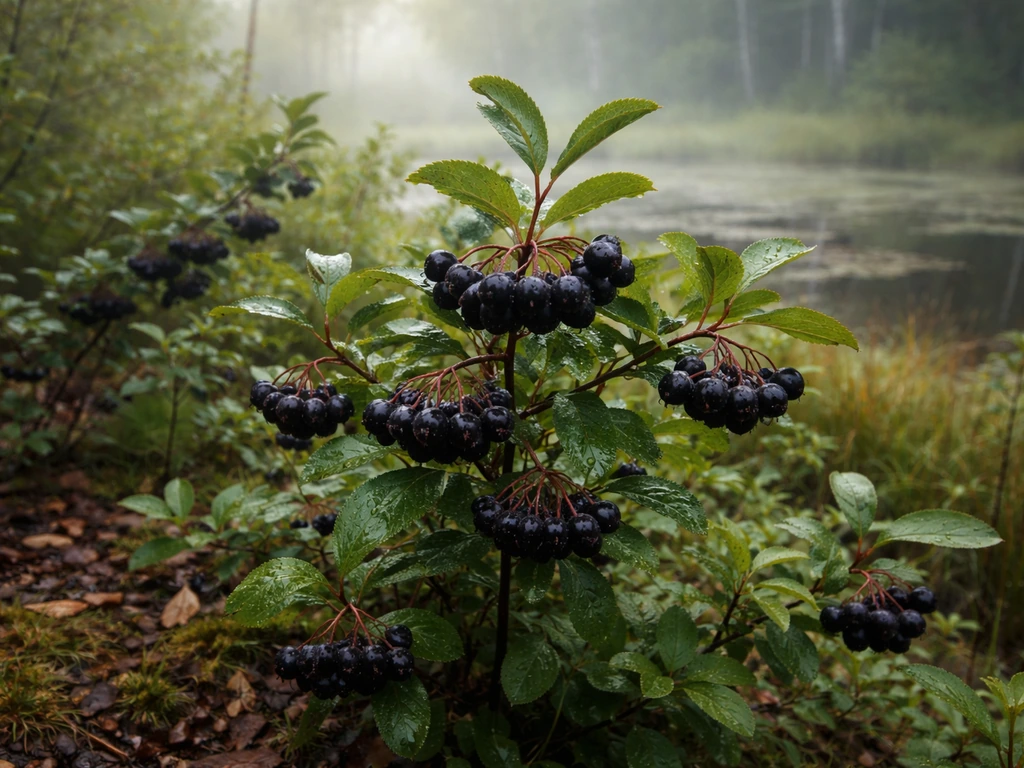
Aronia berries (most commonly black chokeberry, Aronia melanocarpa) are native to eastern North America, particularly the Great Lakes region and the higher elevations of the Appalachian Mountains. In the wild they show up in bogs, forest edges, wet woods, and dry barrens alike, which tells you something important: this is one of the most adaptable native shrubs you can plant. Hardy to USDA Zone 3 (down to -40°F), aronia grows well across a huge swath of the country, from the northern Midwest to the mid-Atlantic, and even into parts of the Plains. The short version is that if you live in Zones 3 through 8 and can give it a reasonably moist, slightly acidic spot with decent sun, aronia will almost certainly grow for you.
Where Do Aronia Berries Grow and How to Match the Habitat
Marcus Holloway
21 Apr 2026
Native range and natural habitats
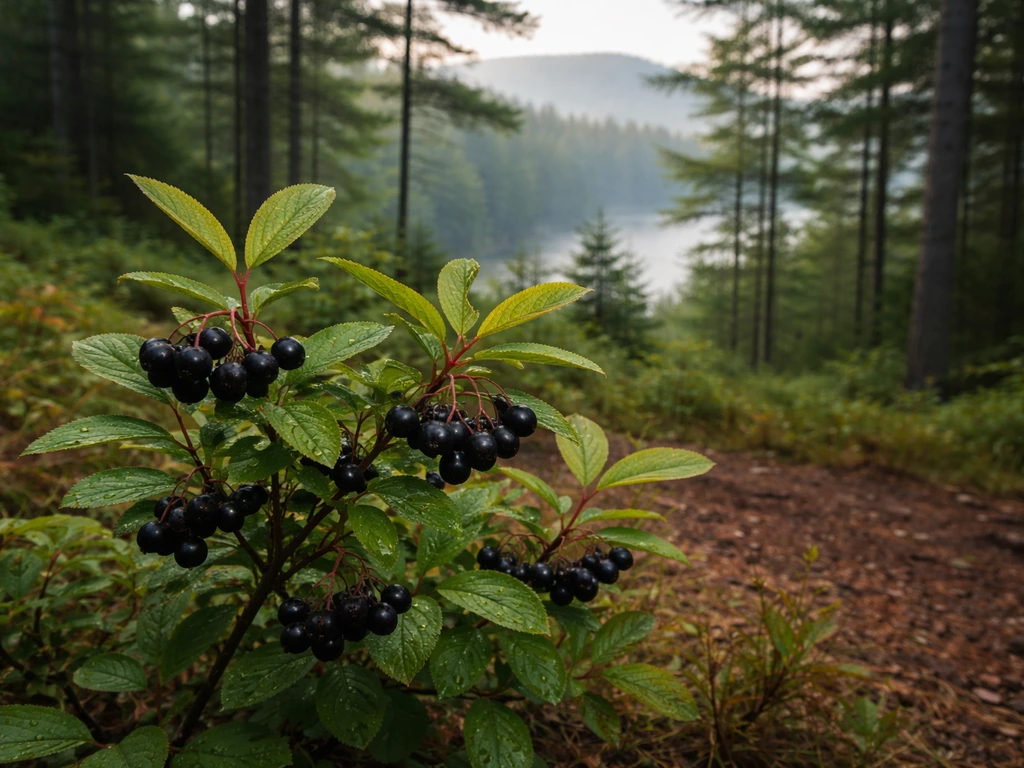
In the wild, black chokeberry is most at home in the Great Lakes states and extends southward through the Appalachian Mountains at higher elevations. Its documented native habitats include bogs, pine barrens, wet woods, and dry open woods, which is a broader ecological comfort zone than most shrubs can claim. That range from boggy to dry-but-wooded helps explain why it adapts so well to average garden conditions: it evolved to handle both ends of the moisture spectrum.
States like Minnesota, Michigan, Wisconsin, Pennsylvania, and Maine all have strong wild populations. University of Maine Extension and University of Minnesota Extension both frame aronia as a foundational shrub in eastern North American shrub communities, not a specialty plant. Think of it the way you might think of highbush blueberry or native viburnums: deeply rooted in the Northeast and upper Midwest, spreading into the mid-Atlantic, and increasingly cultivated well beyond that natural range because growers discovered how tough it actually is.
One thing worth noting for context: aronia's adaptability is part of what distinguishes it from more climate-sensitive superfruits like acai, which requires true tropical conditions, or maqui berry, which is native to southern Chile and Argentina. Maqui berries grow in the wild in southern Chile and Argentina, where they are adapted to that cooler, temperate region maqui berry. Acai berries, by contrast, come from tropical regions, which is why their growing conditions are so different from aronia where do acai berry grow. Aronia is built for cold temperate climates, which means a much wider pool of North American gardeners can grow it without replicating exotic conditions.
Climate requirements: zones, cold tolerance, and chilling hours
Aronia is cold-hardy to USDA Zone 3, meaning it can handle winter lows of -40°F to -30°F without flinching. On the warm end, it's generally grown successfully through Zone 8, though fruiting performance starts to slip as you move into consistently warm winters. The reason comes down to chilling hours: aronia needs roughly 1,000 chilling hours (hours below a certain threshold temperature during dormancy) to break dormancy properly and set fruit. In most of Zone 8 and all of Zone 9 and warmer, you likely won't accumulate enough chilling hours, and the plant may survive but produce poorly or not at all.
If you're in Zones 3 through 7, you're in the sweet spot. Zone 8 growers in the Upper South or Pacific Northwest (where winters are cooler and wetter) may have enough chill hours depending on their specific location and elevation, so it's worth checking your local average annual chill hours before writing it off. If you're in coastal Southern California, the Gulf Coast, or South Florida, aronia is not the right fit. Something like mayhaw berry, which is native to the Gulf South and adapted to mild winters, would be a better direction. Mayhaw berries are native to the Gulf South and are most at home in mild, swampy, or river-bottom conditions there where do mayhaw berries grow.
On the cold end, there's essentially no concern for most of the northern US and Canada. Aronia shrugs off Zone 3 winters, and gardeners in North Dakota and Minnesota grow it commercially with minimal winter protection. That kind of cold hardiness is part of what makes it such a practical choice for growers in the upper Plains and Midwest who struggle to find cold-hardy fruiting shrubs.
Soil and moisture: what aronia actually needs underfoot
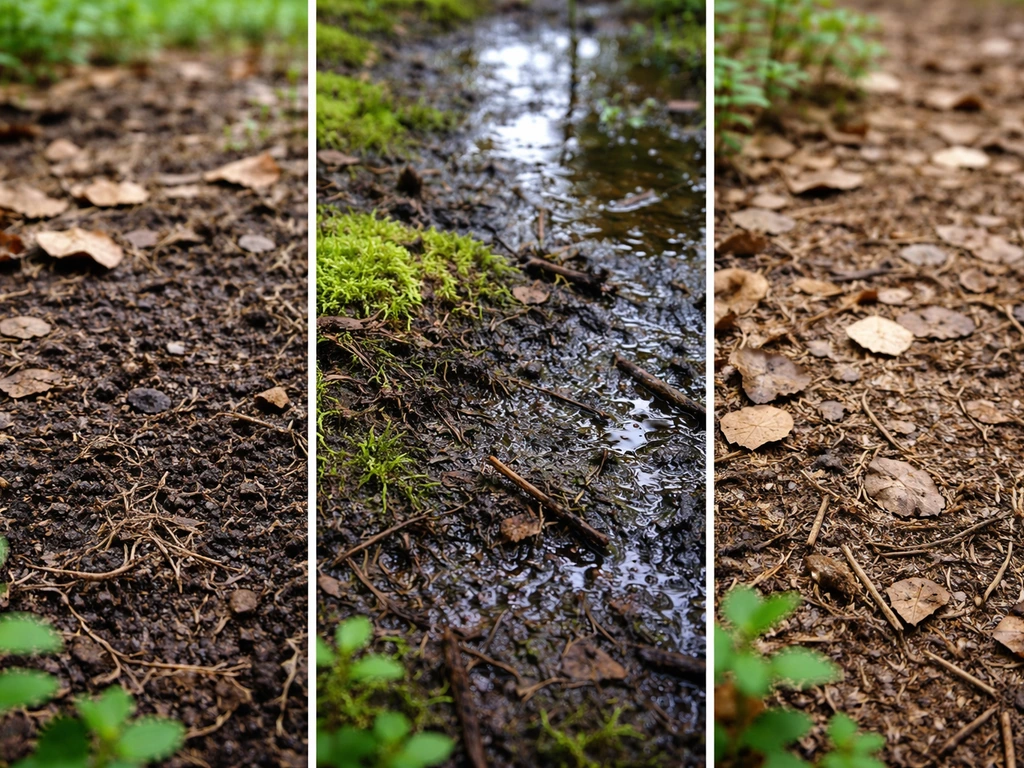
Aronia's wild habitat range (from bogs to dry woods) gives it a wide soil tolerance, but there's still a clear preference worth knowing. It performs best in moist, well-drained, slightly acidic soil. UMaine Extension’s aronia growing guidance also notes that black chokeberry does well in [slightly acidic soil](https://extension. umaine.
edu/agriculture/aronia/culture/) and cites reported pH targets from multiple sources, including a Minnesota DOT, recommended range of 5. 0 to 6. 5. The pH sweet spot is roughly 5.
0 to 6. 5 for optimal growth, though research from Iowa DNR and OSU Extension both document that aronia can tolerate a surprisingly wide range, up to pH 8. 5 in some cases, without dying. That said, if your soil is quite alkaline, you may see reduced vigor and nutrient uptake, so targeting that 5.
0 to 6. 5 range is worth the effort.
On drainage: aronia can handle occasional flooding and occasional drought, but the operative word is occasional. If water sits on your site for more than about 24 hours after a heavy spring rain, that's a drainage problem that will cause root issues over time. Conversely, if your site dries out completely and stays that way through summer, you'll get a stressed plant and a poor harvest. Consistent moisture with good drainage is the target. Think: the edge of a woodland, a rain garden that drains within a day, or a slightly low spot in the yard that doesn't puddle for days.
Soil texture is flexible. University of Minnesota Extension specifically notes that black chokeberry adapts to a range of soil textures, from sandy to clay-heavy. The University of Minnesota Extension describes black chokeberry as an adaptable shrub that tolerates a wide range of soil textures, along with differing soil pH and moisture conditions black chokeberry adapts to a range of soil textures, from sandy to clay-heavy. If your soil is compacted clay, amending the planting hole and the surrounding area with organic matter will help, but aronia is more forgiving than most fruiting shrubs in this regard.
Sun and shade: where to put it in your yard
Full sun is the recommendation for best fruiting. OSU Extension and UMN Extension both specify full sun for optimal flower and fruit production, and spacing plants 4 to 6 feet apart to allow adequate light penetration and air movement through the canopy. Iowa State Extension agrees and adds that aronia is relatively easy to grow even for beginning gardeners in these conditions.
That said, aronia tolerates partial shade, and tolerates it genuinely, not just technically. In a spot that gets 4 to 5 hours of direct sun a day, the plant will grow well and still produce fruit, just less of it. I've seen aronia planted on north-facing slopes and at the edge of tree lines where it gets morning sun only, and while production was down compared to full-sun plants, the shrubs were healthy and still fruited. If full sun isn't possible on your site, partial shade is a workable compromise. Deep shade (under a dense canopy, less than 3 hours of direct sun) will result in a leggy, low-fruiting plant, and it's not worth the effort in that location.
Wind tolerance is a real asset. Unlike some fruiting shrubs that need a sheltered microclimate, aronia handles exposed sites without much trouble. It's been used as a windbreak and hedgerow plant in the Plains states precisely because of this toughness.
Replicating aronia habitat in your garden
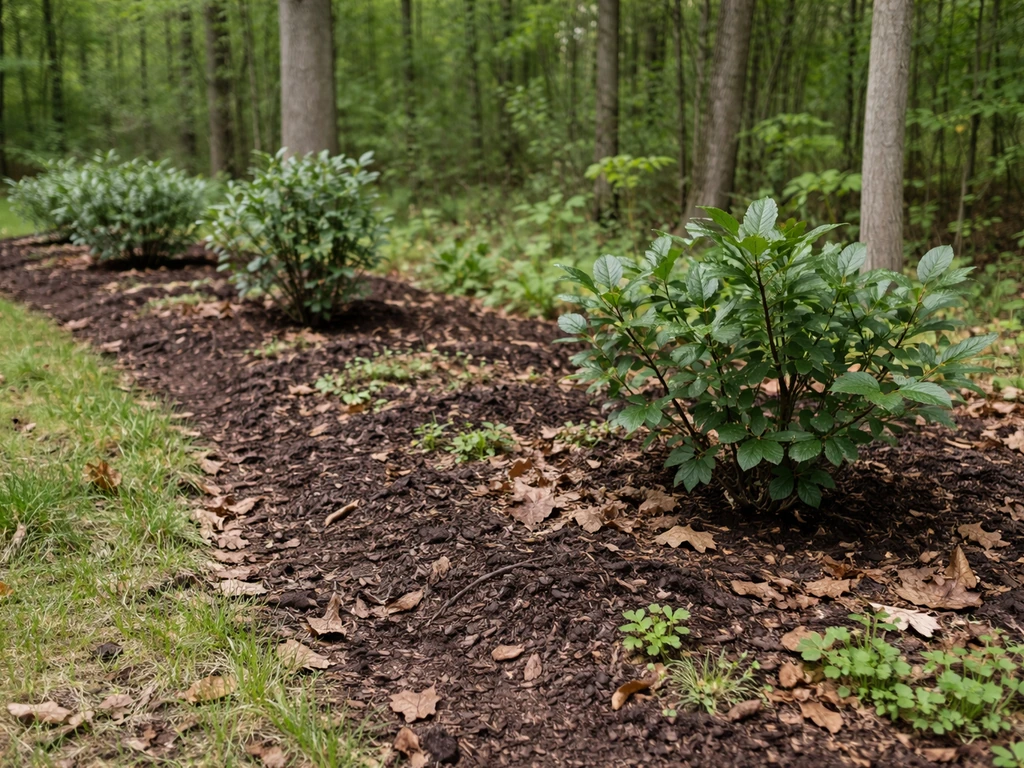
The goal when you're setting up an aronia planting is to mirror the conditions of its native edge-of-woodland or open-bog habitat as closely as your yard allows. In practice, that means finding a spot with good sun, reasonable moisture, slightly acidic soil, and room to spread. Here's how to approach each growing scenario:
In-ground planting
In-ground is the best long-term option for aronia because the shrub wants to spread and sucker, and it will reach its full size and fruit potential more reliably in native soil. Test your soil pH before planting. If you're above 6. 5, work in elemental sulfur to bring it down.
If you're on the alkaline end (7. 0 or above), plan for ongoing acidification and choose a site away from concrete foundations, which leach lime into surrounding soil over time. Dig the planting hole two to three times wider than the root ball and mix in compost to improve drainage and organic matter.
Space plants 4 to 6 feet apart for fruiting hedgerows, or up to 6 to 8 feet if you want individual shrubs with room to develop their natural rounded form.
Raised bed planting
A raised bed works well if your native soil has drainage problems or very high pH. Fill the bed with a mix of quality topsoil, compost, and a small amount of peat moss or pine bark fines to keep pH in the 5.5 to 6.5 range. The limitation is size: a mature aronia shrub can reach 4 to 6 feet tall and equally wide, so a raised bed needs to be at least 4 feet wide and have enough depth (12 to 18 inches minimum) to accommodate the root system. Suckering will be naturally contained by the bed walls, which is a bonus if you want to keep spread managed.
Container growing
You can grow aronia in a large container, especially compact cultivars like 'Low Scape Hedger,' which tops out at 2 to 3 feet wide. For fruiting varieties, you'll need a container that's at least 15 to 20 gallons to give the root system enough room. Use an acidic potting mix and plan to water more frequently than you would an in-ground plant since containers dry out faster. The tradeoff: container-grown aronia will likely need replacement or root pruning every few years, and fruiting production will be lower than in-ground. But if you're in a marginal zone or have limited space, it's a legitimate option.
Regional fit and troubleshooting by climate
Aronia is adaptable, but it's not magic. Here's how to think about fit and what to do when your local conditions push against its preferences:
| Climate situation | Will aronia work? | What to do |
|---|---|---|
| Cold northern US/Canada (Zones 3–5) | Yes, ideal | Plant in full sun; minimal winter prep needed; full fruiting expected |
| Upper Midwest and Northeast (Zones 5–6) | Yes, excellent | Standard planting; focus on soil pH and drainage; all cultivars suitable |
| Mid-Atlantic and Midwest (Zones 6–7) | Yes, very good | Ensure adequate moisture in summer; mulch heavily to retain soil moisture |
| Upper South and Pacific NW (Zone 8) | Maybe, depends on chill hours | Check local chill-hour averages; try on cooler north-facing slope or higher elevation |
| Gulf Coast, Southwest, Southern CA (Zone 9+) | No, insufficient chilling | Consider mayhaw or other heat-adapted natives instead |
| Hot, humid summers anywhere in range | Yes, with management | Full sun + good spacing (4–6 ft) for airflow; avoid crowding to reduce fungal pressure |
| Very dry/drought-prone (Zones 4–7) | Yes, with irrigation | Mulch 3–4 inches deep; drip irrigate; aronia tolerates some drought but fruits better with consistent moisture |
| Soggy/poorly drained soil | Marginal | Improve drainage before planting; raised bed is best option; avoid sites that pond for more than 24 hrs |
Hot and dry is the condition aronia handles least gracefully within its zone range. NDSU research confirms it tolerates wet-to-dry swings, but prolonged summer drought will stress the plant and reduce fruit set. If you're in the western Plains or a similar dry climate within Zones 4 through 7, deep mulching (3 to 4 inches of wood chips or straw around the root zone) and supplemental irrigation during fruit development in summer are your main management tools. The plant will survive; with water, it will actually thrive.
Hot and humid summers (think the Ohio Valley or Piedmont) can increase fungal disease pressure, especially if plants are crowded. The fix is simple: stick to the 4 to 6 foot spacing recommendation, prune out the center of the shrub every few years to keep airflow moving through the canopy, and plant in full sun rather than a shadier spot where leaves stay wet longer. Aronia is not inherently disease-prone, but poor siting and crowding can make it look that way.
Borderline winters in Zone 8 are honestly the trickiest situation. The plant may survive fine and even leaf out, but without enough chilling hours, buds don't develop properly, flowering is erratic, and fruit set is poor. If you're in Zone 8 and want to try, plant on the coolest microclimate on your property (north-facing slope, higher ground) and set expectations accordingly: you may get fruit in cooler years and very little in mild winters.
What to expect: growth, size, and managing spread
A standard aronia shrub planted in a good site will reach 4 to 6 feet tall and wide at maturity, forming a dense, rounded mound. Michigan State University Extension puts the mature size at 4 to 6 feet in both directions, which matches what most growers see in practice. Left completely unmanaged, Iowa State Extension notes that aronia can push toward 8 feet tall and nearly as wide over many years, particularly in good soil.
Expect the first two years to be about establishment rather than harvest. Year three is typically when you'll see your first meaningful fruit set, and by years five or six the plant is in full production. That timeline is worth knowing upfront so you don't pull a plant that's actually perfectly healthy just because it didn't fruit heavily in year two.
Suckering (sending up new shoots from the roots) is a natural behavior. In a home garden, this can mean the plant gradually expands its footprint beyond where you planted it. If that's a problem for your layout, you have a few options: mow or cut suckers back to the ground annually, install a physical root barrier, or choose a cultivar specifically selected for reduced suckering.
University of Minnesota Extension highlights that modern cultivars have been selected for less suckering and more compact growth without sacrificing fruit yield. Proven Winners' 'Low Scape Hedger' is a compact, low-suckering option that maxes out around 2 to 3 feet wide, though it's bred for ornamental use and doesn't set fruit. For fruiting with manageability, look at named cultivars like 'Viking,' 'Nero,' or 'McKenzie,' which have been selected for improved fruit and reduced spread.
Pruning is straightforward. UMaine Extension recommends keeping the center of the shrub open by removing a few of the oldest canes each year (cutting them to the ground). This improves light penetration and airflow, which directly improves fruit quality. Iowa State Extension notes that with regular annual pruning you can keep a plant to roughly 3 feet in diameter, which is very manageable for a home garden bed. Without any pruning, you're looking at that 6 to 8 foot spread over time. Either approach works, you just need to decide which fits your space and commit to it.
One final note on comparison: hawthorn berries and aronia share some overlapping native habitat in the eastern US, and both are tough, cold-hardy shrubs. But hawthorn tends to grow larger and thornier, while aronia is more predictable in size and easier to manage in a garden setting. If you're choosing between the two for a productive, manageable home planting, aronia is the lower-maintenance pick.
FAQ
If aronia can survive in my Zone, will it still fruit reliably? (Zone 8 concern)
Aronia does best where winter cold is consistent enough to satisfy dormancy. If you are near the Zone 8 edge, check your local average annual chilling hours and aim for a site that stays cooler (higher elevation or north-facing slope). In mild winters, the shrub may leaf out but buds can fail to develop, leading to little or no fruit.
What happens if my soil pH is too high for aronia? Do I need to re-adjust later?
Yes, soil pH can be a deal-breaker for performance, even if the plant survives. If your soil reads above 6.5, you may need ongoing correction, not a one-time amendment. Also keep aronia away from areas influenced by concrete or masonry runoff, since lime can slowly push pH upward.
My yard floods briefly after rain, is that okay for aronia?
Avoid waterlogged conditions that persist. If your site puddles for more than about a day after heavy rain, roots can suffocate over time and plants may decline even if they look fine at first. The fix is improving drainage with raised beds, grading, or amending with compost and creating a planting area that dries within 24 hours.
What’s the most common reason aronia leaves look diseased but the plants are otherwise hardy?
Spacing affects more than airflow. Crowded shrubs create a humid canopy that can increase leaf disease and reduce flowering, which then reduces fruiting. If your plants are near each other or near a fence line, prune to open the center and keep the canopy from staying damp.
Why did my aronia not fruit in the first couple of years?
Aronia is usually fruiting from established growth, so a delay can be normal. Expect the first meaningful berries around year three, with heavier production by years five to six. If you planted recently and got few berries, don’t assume the location is wrong until you have given the shrub enough time to establish.
Will birds wipe out my aronia crop, and how do I prevent that?
Birds often find aronia berries quickly. If you want harvestable fruit, plan for protection during ripening, such as netting supported by a frame so birds cannot get tangled. Harvest promptly once berries color up, since ripe fruit can disappear in a matter of days.
How much shade can aronia tolerate before fruiting becomes a problem?
Aronia can handle partial shade, but deep shade reduces both flowering and fruit set. A practical rule is to ensure at least a few hours of direct sun daily. If your plant is under a dense canopy and is leggy with sparse fruit, relocating or trimming surrounding trees may be necessary.
How can I control aronia spread in a small garden without hurting fruiting?
The plant’s suckering is a natural spread mechanism from roots. If you need to keep it contained, use a physical root barrier installed vertically (around the planting area) and maintain regular sucker removal. Choosing compact cultivars can reduce spread, but some low-suckering forms may trade off or not focus on heavy fruiting.
What should I do if my summers are hot and dry but temperatures are still within the recommended range?
In hot, dry summers, the limiting factor is usually moisture during flowering and fruit development. Deep mulching helps moderate temperature and slows evaporation, but prolonged drought still reduces fruit set. If you are in a dry climate within the aronia range, plan on supplemental watering during the summer weeks when berries are forming and sizing up.
Can I grow aronia in a container and actually get berries?
Container aronia is possible, but it has two practical constraints: limited root volume and faster drying. Use an acidic potting mix, keep the container large (often 15 to 20 gallons for fruiting), and water more frequently than in-ground. Even with good care, container plants often produce less and may need root pruning or eventual replacement every few years.