
Acai berries grow on a tropical palm tree called Euterpe oleracea, native to the Amazon basin of South America. If you pictured a low shrub or a berry vine when you typed that search, you're not alone, but acai is genuinely a palm, and that changes everything about where it can grow and how you'd try to replicate its conditions at home.
Where Do Acai Berry Grow Best Locations and Conditions
Marcus Holloway
5 Apr 2026
Native habitat and geographic growing range
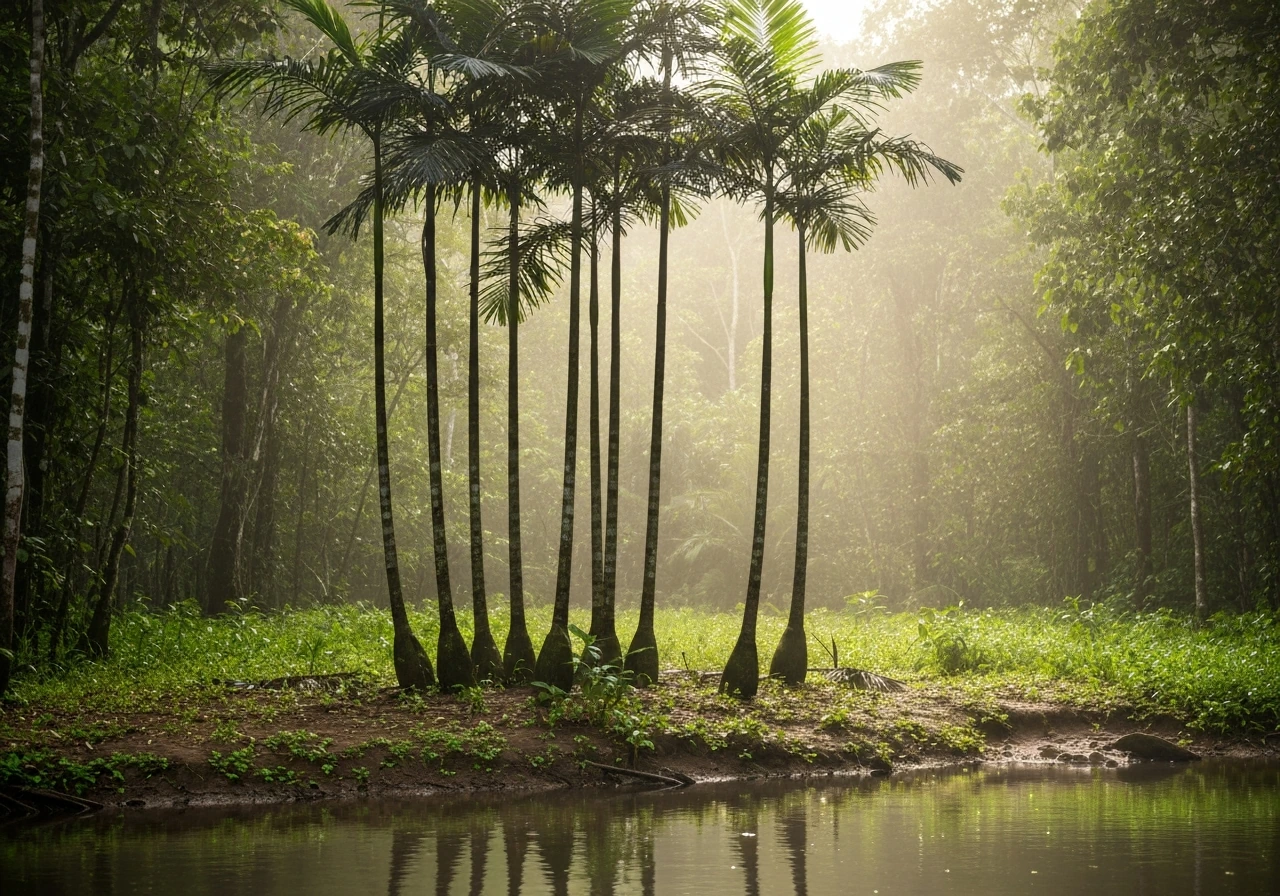
In the wild, acai palm is concentrated in the humid, warm lowlands of the Amazon region, with its densest native populations in eastern Brazil. Beyond Brazil, the species occurs naturally across a wide sweep of northern South America: French Guiana, Suriname, Guyana, Peru, Bolivia, Ecuador, Venezuela, eastern Panama, and parts of Colombia's Magdalena Medio and Pacific and Amazon regions. That's a big footprint, but what ties all those locations together is the same core set of conditions: year-round warmth, very high humidity, and access to water-rich, organically rich lowland soils.
Commercially, Brazil completely dominates acai production. blank" rel="noopener noreferrer">The state of Pará alone accounts for about 58.4% of Brazil's acai fruit output, followed by Amazonas at around 31% and Maranhão at roughly 7.blank" rel="noopener noreferrer">1% (IBGE 2019 figures). So when you hear about acai as a superfood crop, it's almost entirely coming from a narrow band of humid, tropical river-basin territory in northeastern Brazil.
Acai growth habit: what kind of plant it is
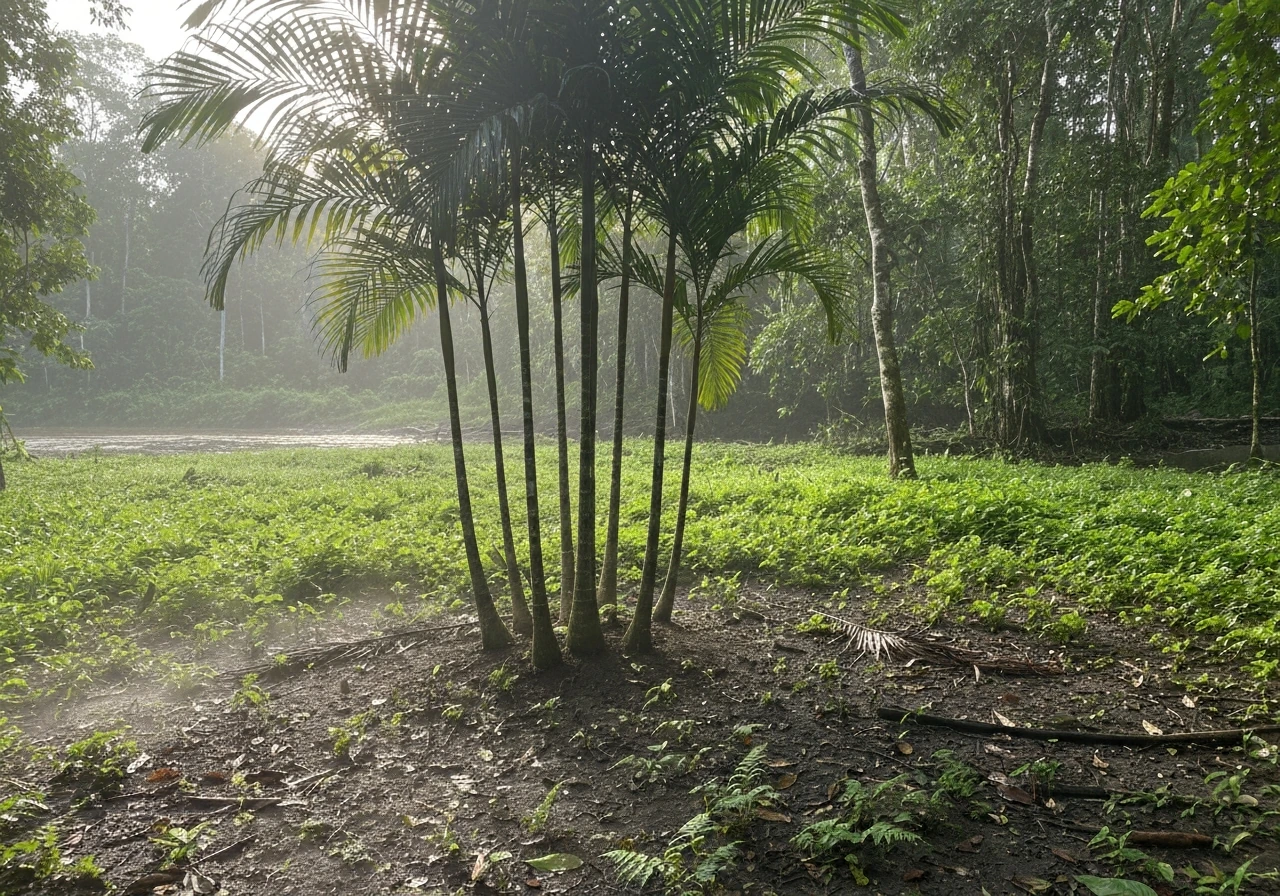
This is the part that surprises most home gardeners. Acai is not a bush, a bramble, or a vine. It's a clumping, multi-stemmed palm tree. Euterpe oleracea grows in groups of stems that emerge from a shared root base, which means a single planted specimen eventually looks like a cluster of tall, slender palms standing close together. Individual stems can reach 15 to 25 meters in their native habitat, though cultivated plants tend to stay shorter.
The clumping form actually matters for cultivation because it affects spacing, container sizing, and long-term management. In commercial plantings, a 4-meter square spacing is commonly used for fruit production layouts. In a home garden context, you're really growing this as a tropical specimen tree, not a berry patch in any traditional sense. The small, dark purple fruits grow in large hanging clusters near the crown, and you'll need the plant to mature significantly before any of that happens.
One more thing worth knowing: Euterpe oleracea is the main species sold and cultivated for fruit and pulp under the acai name. There's a closely related species, Euterpe precatoria, which is sometimes cultivated under the same common name, but E. oleracea is more widely grown commercially because it produces larger fruits and has the clumping habit that allows more stems per planting area.
Climatic and environmental requirements
Temperature
Acai wants warmth and lots of it. The optimal growing temperature sits between 25°C and 30°C (77°F to 86°F), with an ideal around 28°C for good development. Growth slows noticeably below 18°C (64°F) and the plant is frost-intolerant with zero exceptions: any temperature below roughly 10°C (50°F) causes damage, and a hard frost will kill it. There is no cold-hardy acai variety to fall back on. If your winters drop below freezing, outdoor cultivation is off the table entirely.
Humidity and rainfall
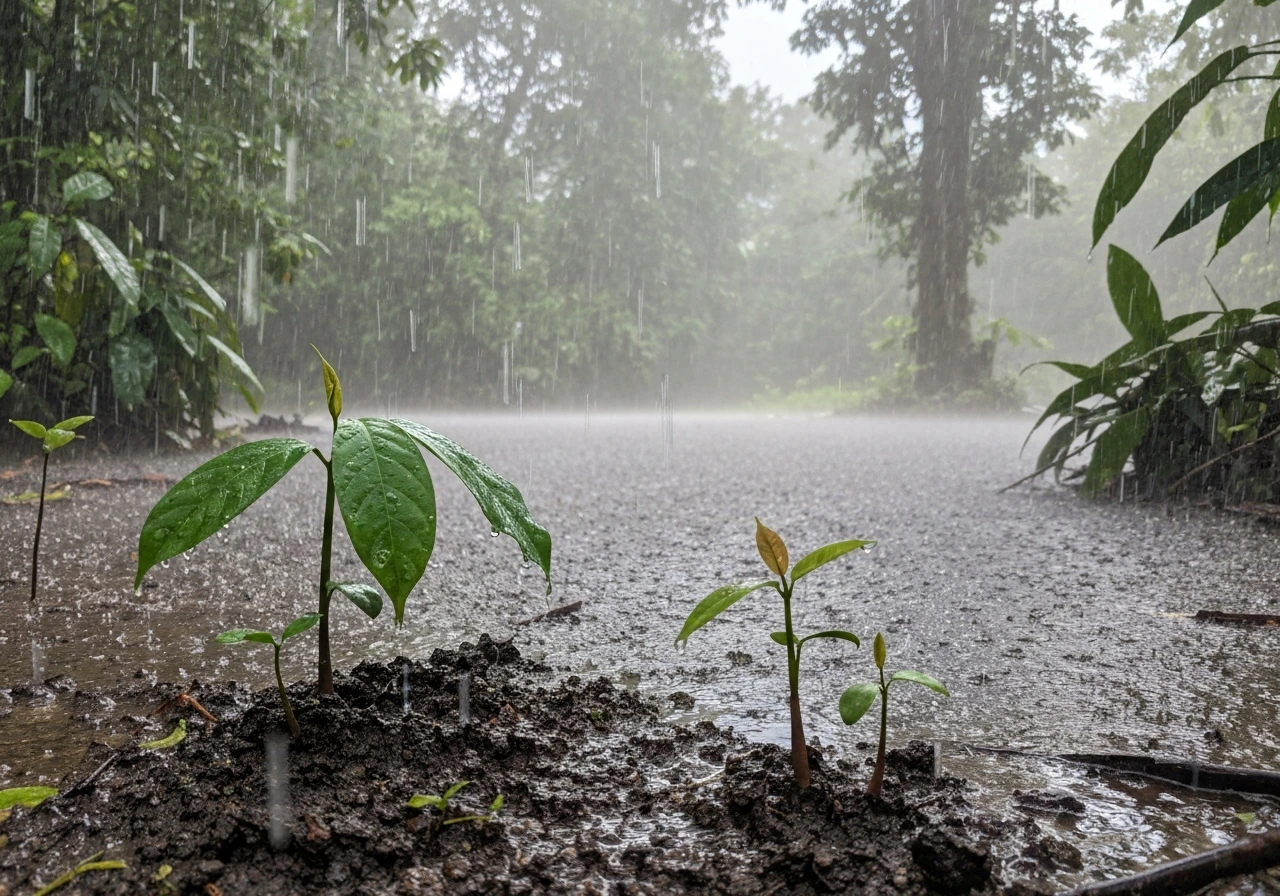
Acai evolved in humid to very humid tropical forest environments. Annual rainfall in its native range spans roughly 1,500 to 5,000 mm, and the plant genuinely thrives at the wetter end of that spectrum. Annual low temperatures in its native range hover between 18°C and 25°C, and annual highs between 27°C and 35°C. If you're in a dry climate, you're not just fighting the cold, you're fighting low atmospheric humidity too, which stresses the foliage and slows growth significantly.
Light
Young acai plants and seedlings actually prefer shade rather than direct sun. During germination and early seedling stages, 50% to 70% shade cloth is recommended, reflecting how the species naturally germinates under the forest canopy. As the plant matures and gets taller, it tolerates and eventually needs more light, but starting seedlings in bright direct sun is a common mistake.
Soil
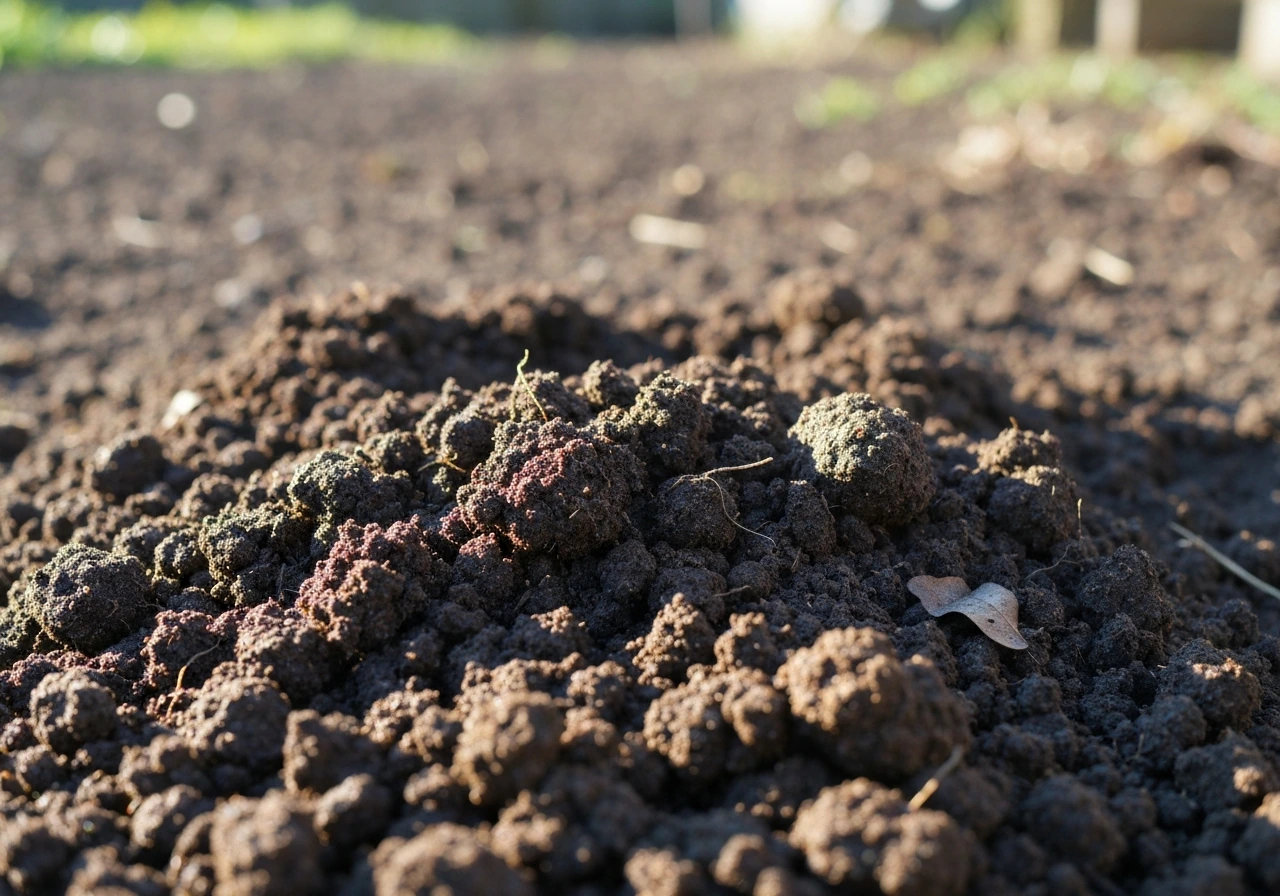
Acai prefers acidic to slightly acidic soil with a pH between 4.5 and 6.5, and it needs high organic content. In its native floodplain habitat, the soil is constantly enriched by seasonal flooding that deposits organic material. The plant has developed flood-adaptation traits including pneumatophores, aerenchyma tissue, and lenticels that help it manage waterlogged conditions. That said, it does not want to sit in permanently waterlogged soil: it tolerates seasonal flooding but needs oxygenated roots the rest of the time. That's an important nuance to get right if you're trying to replicate its natural environment.
Where acai grows best in the real world
Outside of its native Amazon habitat, acai is successfully cultivated outdoors only in regions that match USDA Hardiness Zones 10 through 12. A Reddit discussion also notes that hardiness-zone ideas are typically based on average annual extreme minimum temperatures, and that they can be less meaningful for context-specific tropical situations outside the US framework. That covers places like southern Florida, Hawaii, Puerto Rico, coastal areas of tropical Queensland in Australia, parts of Southeast Asia, and similar frost-free, high-humidity tropical and subtropical zones. Anywhere with a frost risk, even an occasional light one, makes outdoor planting a gamble you'll probably lose.
In terms of soil and landscape, acai does best near water sources in lowland settings. River margins, moist bottomlands, and areas with high water tables in warm climates are the most natural analogs. It's a different situation than other berry-producing trees with wide climate tolerance. For comparison, hawthorn berries grow across a much wider temperate range, tolerating conditions that would kill an acai palm outright.
How acai grows over time
Patience is genuinely required here. Acai is propagated from seeds or by separating the side-shoots (suckers/offshoots) that emerge from the clumping base. Seed propagation starts in nursery conditions, with seedlings moved to growing containers (polibags are the traditional nursery method) once they reach about 5 cm in height. Getting a plant to fruit from seed takes several years, and you should go into this expecting to wait.
Once the plant is mature and conditions are right, flowering can occur year-round under favorable tropical conditions. Flowering is more frequent during the rainy period from roughly January through July, with fruiting extending approximately August through December. Principal harvest months are April through October, with the peak of the season around June through August. Individual fruit clusters take roughly 6 months from flower to mature fruit. In a good year under ideal conditions, you can get multiple harvests from the same plant.
This year-round potential is one reason acai is commercially valuable, but it's also a reminder that the plant's productivity depends entirely on staying warm and humid through what would otherwise be a dry or cool season. This kind of fruiting calendar is notably different from temperate berry crops. Plants like mayhaw berries follow a tight spring window, while acai can, in theory, produce through much of the year once established.
Can you grow acai where you live? Climate-fit checklist
Before you order seeds or seedlings, run through this checklist honestly. Acai is not a forgiving plant when its requirements aren't met, and unlike some other exotic berries, there's no cold-tolerant cultivar to save you.
- Winter lows: Do your coldest nights stay consistently above 10°C (50°F)? If not, you cannot grow acai outdoors year-round without protection.
- Frost history: Has your location recorded any frost or freezing temperatures in the last 10 years? Any "yes" here means outdoor acai is a serious risk.
- USDA zone: Are you in Zone 10, 11, or 12? Those are the only zones where outdoor acai is realistically viable.
- Humidity: Do you get consistently high humidity, especially in summer? Acai struggles in dry climates even if the temperature is warm enough.
- Rainfall or irrigation: Can you provide 1,500 mm or more of water annually, either from rainfall or irrigation? You'll also need to ensure drainage so roots don't stay permanently saturated.
- Soil pH: Can you maintain an acidic soil pH between 4.5 and 6.5 with good organic content? A basic soil test before planting will tell you where you stand.
- Space: Do you have room for a clumping palm specimen that will eventually spread across several meters? This isn't a container-sized plant indefinitely.
If you checked yes to most of these, you're a genuine candidate for outdoor acai cultivation. If you're in Zone 9 or below, you're looking at greenhouse or indoor options, which are covered next. It's worth comparing your situation to other heat-loving berries. Maqui berries, for instance, come from a completely different climate zone in Patagonia and can tolerate much cooler conditions than acai, which might be a more realistic goal for gardeners in moderate climates.
Container, indoor, and greenhouse growing for non-tropical climates
If you're outside Zones 10 to 12, a heated greenhouse or a very large indoor space is your only realistic path to growing acai. I've seen gardeners in Zone 8 attempt outdoor acai with frost cloth and heat lamps, and it's an exhausting losing battle. A proper setup is much simpler.
Greenhouse setup basics
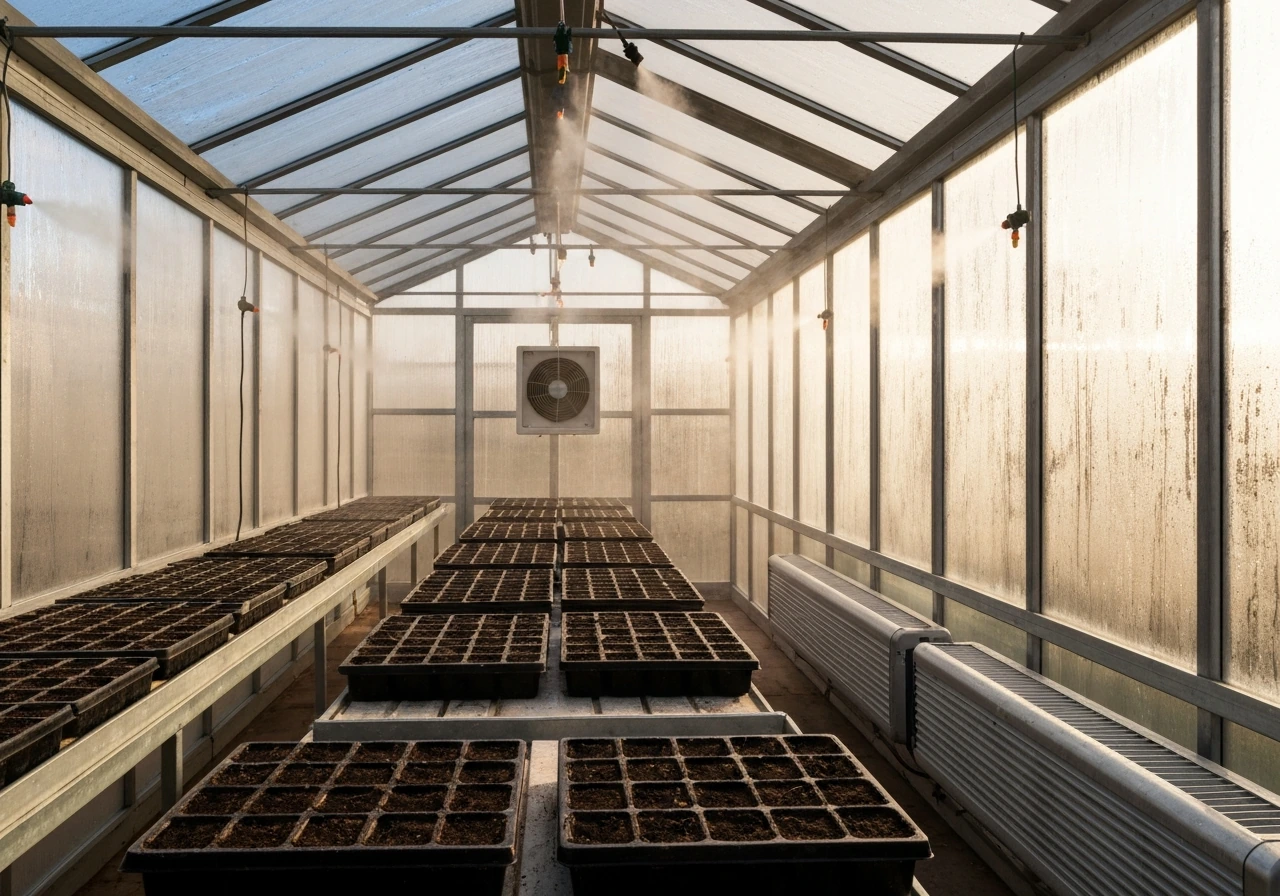
A frost-free, heated greenhouse that maintains temperatures above 15°C at all times (ideally above 18°C through winter) is the minimum threshold. Humidity should be kept high, so misting systems or a humidifier are worth the investment. Use large containers with acidic, organically rich potting mix (target that 4.5 to 6.5 pH range), and make sure pots have excellent drainage. The goal is to simulate the wet/dry cycle of the Amazon floodplain: water generously, then allow drainage, rather than keeping the roots sitting in standing water permanently.
Container and water management
Research into acai seedling cultivation has tested systems including Nutrient Film Technique (NFT), Deep-Water Culture (DWC), and media-based grow beds in aquaponic setups. What those approaches confirm is that root oxygenation is just as important as moisture. An acai root system that's always submerged without oxygen exchange will fail just as quickly as one that dries out completely. If you're growing in containers, using a well-aerated mix (perlite, coir, and compost work well together) and never leaving the plant sitting in a water-filled saucer is the key practical takeaway.
Light indoors
Young plants under greenhouse or indoor conditions need shade protection initially (50 to 70% shade cloth or equivalent), then a gradual increase in light as they mature. High-output LED grow lights can work for supplementing in low-light seasons, but you won't replicate the growth rate of a plant in its native Amazon habitat. Be patient with indoor-grown specimens: they will grow more slowly, and fruiting may be delayed or irregular compared to open-ground tropical cultivation.
How acai compares to other exotic berry options
If you're weighing acai against other unusual berry plants for your garden, here's an honest comparison of the main growing factors.
| Plant | Climate zone (outdoor) | Frost tolerance | Growth form | Difficulty for non-native growers |
|---|---|---|---|---|
| Acai palm (Euterpe oleracea) | USDA Zones 10–12 | None (damage below 10°C) | Clumping multi-stem palm, 15–25 m | Very high |
| Maqui berry (Aristotelia chilensis) | USDA Zones 8–11 | Moderate (to about -10°C) | Shrub/small tree | Moderate |
| Aronia berry (Aronia melanocarpa) | USDA Zones 3–9 | High (very cold-hardy) | Dense deciduous shrub | Low |
| Mayhaw (Crataegus aestivalis) | USDA Zones 6–9 | Moderate | Small tree | Moderate |
If you're in a cool temperate climate and the acai checklist left you with mostly "no" answers, consider starting with something like aronia berries, which are cold-hardy to Zone 3, low-maintenance, and produce antioxidant-rich dark berries that share some of the superfood profile people associate with acai. You'll get fruit much sooner, with far less infrastructure.
The practical bottom line
Acai berries grow on a tall, clumping tropical palm that is native to the Amazon basin and commercially cultivated almost entirely in Brazil's warm, humid river lowlands. To grow it successfully, you need frost-free conditions year-round, consistently high humidity, acidic and organically rich soil, and enough space for a palm-scale specimen. USDA Zones 10 to 12 are the only outdoor options. Outside those zones, a heated greenhouse with careful humidity and drainage management is the only path that actually works.
Acai is a rewarding plant to grow if you're in the right climate, but it demands more infrastructure than almost any other berry you might attempt. Go in with realistic expectations about the timeline to fruit, the space required, and the climate control needed, and you'll have a much better experience than the gardeners who plant it outdoors in Zone 8 and wonder what went wrong.
FAQ
Where do acai berry trees grow naturally, and what locations can I actually visit in real life?
In the wild, Euterpe oleracea is concentrated in the warm, humid Amazon lowlands, with the densest populations in eastern Brazil (especially Pará and Amazonas). If you’re looking for the most representative natural habitat, focus on humid, river-basin areas in northern South America rather than highland or drier regions.
Can acai grow outside if my area only gets a rare light freeze (like a night or two)?
It’s still risky, because even short cold snaps can cause damage once temperatures approach the plant’s sensitive range. The article notes growth slows below 18°C and that anything near about 10°C can damage the plant, with frost being lethal, so a “usually mild” winter is not the same as frost-free.
What’s the single biggest reason acai fails in dry climates?
Low humidity usually compounds the problem. The plant evolved under very humid forest conditions, so in addition to heat, it often struggles to keep foliage healthy, which reduces growth and can delay flowering. Humidifying and protecting from drying winds are as important as warming.
Is it better to plant acai in a wet area with standing water, or near a stream where it floods sometimes?
Aim for seasonal flooding with oxygenated roots, not permanent pooling. Acai tolerates waterlogged-adjacent conditions tied to floodplain cycles, but it needs aeration the rest of the time, so you must drain well between watering or between flood events.
What soil pH should I use for container-grown acai, and how strict is it?
Target acidic to slightly acidic soil, pH 4.5 to 6.5, and try to stay within that band consistently. Even if the plant survives slightly outside the range, nutrients become less available, which can stall growth and make deficiencies more likely in containers.
Do acai seedlings need full sun to grow faster?
No, starting seedlings in bright direct sun is a common mistake. For early stages, the article recommends about 50% to 70% shade, then gradually increasing light as the palm matures.
How much space does acai need long-term, and can I grow it in a small yard?
Because it becomes a palm-scale clumping tree, you need room for both height and root base expansion. The article mentions a commercial layout using about 4-meter square spacing, so in a small yard you should expect crowding unless you use a very large container or have a dedicated tropical specimen spot.
Can I grow fruit from acai seeds the same way as from suckers, and how long will it take?
Seed-grown plants usually take several years before fruiting, so expect a long timeline. The article also mentions propagation by separating side-shoots from the clumping base, which can shorten the wait in some setups, but you still need stable warmth and humidity.
If I’m in USDA Zone 9, is there any practical way to keep acai outdoors year-round?
The article’s position is that Zone 9 or below generally means greenhouse or indoor cultivation, because outdoor attempts with frost protection tend to become a losing, high-effort battle. If you try anyway, you’ll need consistent winter temperatures above the damaging range and strong humidity control, not just frost cloth.
What greenhouse setup matters most besides keeping it warm?
Humidity and root oxygenation. The article highlights keeping temperatures above about 15°C in winter (ideally 18°C), using humidity support, and, crucially, using well-drained, well-aerated media so roots are not constantly submerged without oxygen exchange.
When does acai typically flower and fruit in the right tropical conditions?
Under favorable conditions, it can flower year-round, with more frequent flowering during the rainy period roughly January through July. Fruit maturation can take about six months from flowering, so the timing of flowering is what drives when harvest starts.
Is acai really the same as any other “acai berry” palm I might see sold online?
Most fruit and pulp production uses Euterpe oleracea, which is more widely cultivated. A related species, Euterpe precatoria, is sometimes sold under the same common name, so if you’re buying plants, confirm which species you’re getting to better match expected growth and fruit characteristics.