
Hawthorn berries grow naturally across temperate Europe, northern Africa, and western Asia, and they thrive in the wild edges of woodlands, hedgerows, and open scrubland. In gardens, they do best in USDA Zones 4 through 7, in full sun or part shade, in almost any well-drained soil. That is the short answer. But if you want to actually grow hawthorn for berries, the details matter, and that is what this guide covers.
Where Do Hawthorn Berries Grow and How to Grow Them
Marcus Holloway
10 Apr 2026
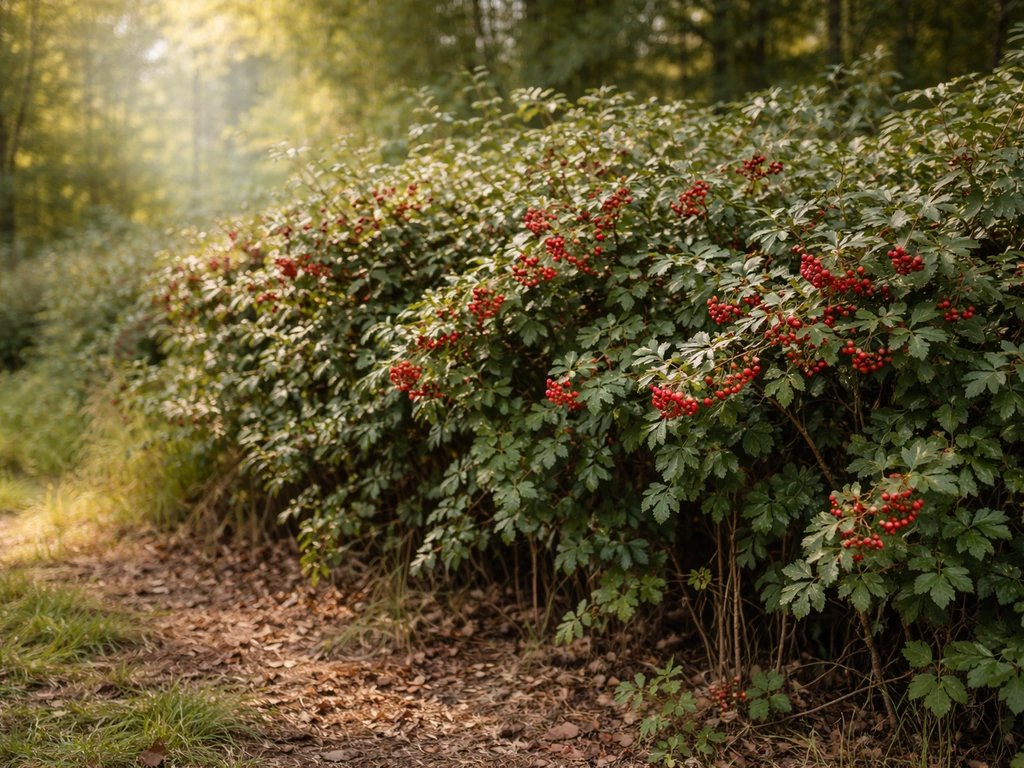
Where hawthorn grows naturally
The genus Crataegus is wide, with hundreds of species spread across the temperate Northern Hemisphere. The most commonly grown species for berries, Crataegus monogyna (common hawthorn), is native to Europe, northern Africa including northern Algeria, Morocco, and Tunisia, and western Asia stretching into parts of Russia and Afghanistan. A closely related species, Crataegus laevigata (midland hawthorn), has a native range limited to Europe. North American species like Crataegus crus-galli (cockspur hawthorn) are native to eastern North America and are also productive berry producers.
What ties all of these together is climate type, not geography. Hawthorn is a temperate plant. It needs distinct seasons with a proper cold dormancy period, moderate rainfall, and enough sun to flower and fruit. It does not suit the tropics, and it struggles where winters are too mild to trigger reliable flowering. That is the single most important fact about hawthorn's natural range: it belongs to regions where winter actually means something.
Where hawthorn grows by country and US region
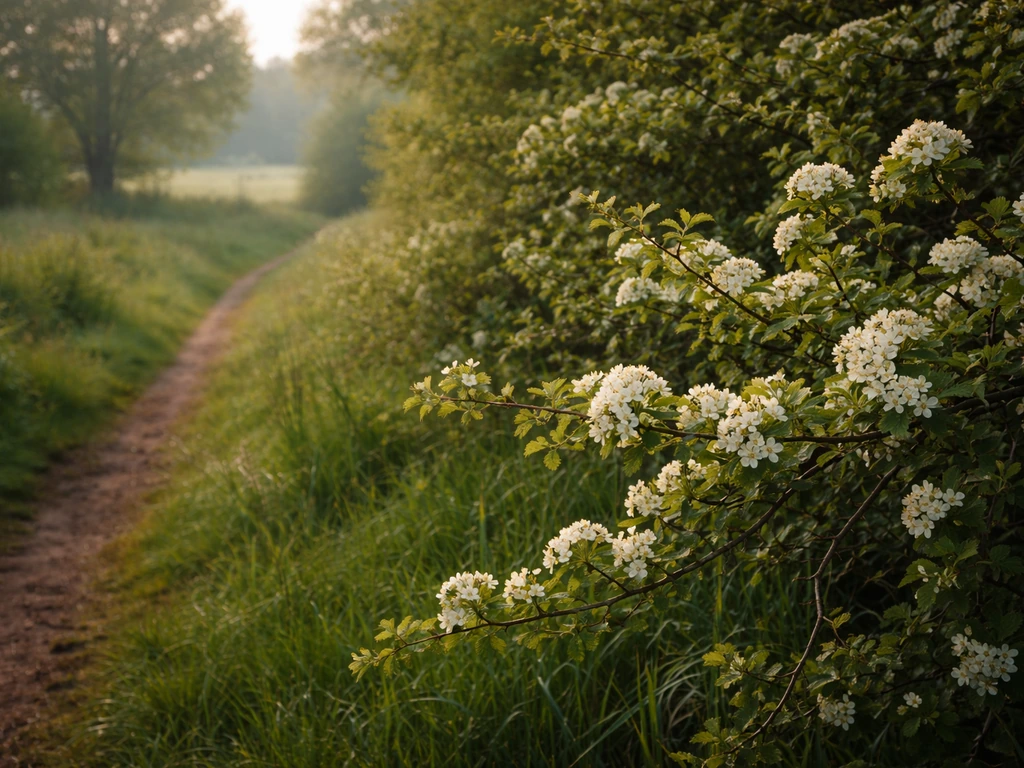
In Europe, hawthorn is essentially everywhere. It grows wild in the UK and Ireland, Denmark, Germany, France, Spain, and across most of the continent. In the UK specifically, it is one of the dominant hedgerow plants, so common it is practically synonymous with the word hedge. If you are growing in the UK, Ireland, or most of continental Europe, hawthorn will grow for you without much argument.
In North America, Crataegus monogyna was introduced early for agricultural hedging and is now naturalized across many parts of the continent, though it is considered invasive in some western states. Native North American hawthorn species fill similar ecological roles and are generally better choices for US and Canadian growers. In terms of USDA hardiness, Crataegus monogyna is rated hardy to Zone 4, and the Morton Arboretum lists it across Zones 4, 5, 6, and 7, which covers a huge swathe of the country: the upper Midwest, the Mid-Atlantic, the Pacific Northwest, and most of the Southeast except the Deep South and Florida.
In the southern US, hawthorn gets more complicated. Oklahoma State University Extension covers native hawthorn species in regional plant profiles, which tells you something useful: native hawthorns are a better fit for the southern Plains than European species. If you are in Texas, Oklahoma, or the lower South, look for native species adapted to your local conditions rather than defaulting to Crataegus monogyna. Conversely, growers in the Pacific Northwest, New England, and the upper Midwest are working right in the sweet spot of hawthorn's preferred climate.
Australia and New Zealand growers should know that Crataegus monogyna is listed as an environmental weed in parts of both countries, so check local regulations before planting. In many temperate parts of South America and South Africa, hawthorn has also naturalized, which at least confirms it can grow there, even if planting it is discouraged.
What kind of habitat hawthorn actually wants
Hawthorn's natural habitat is the edge: the border between woodland and open field, the roadside hedgerow, the scrubby hillside. These are not pristine forest-floor conditions and they are not open prairie. They are transitional zones with moderate disturbance, decent light, and variable but well-drained soil. Understanding that tells you almost everything you need to know about site selection.
Sun and shade
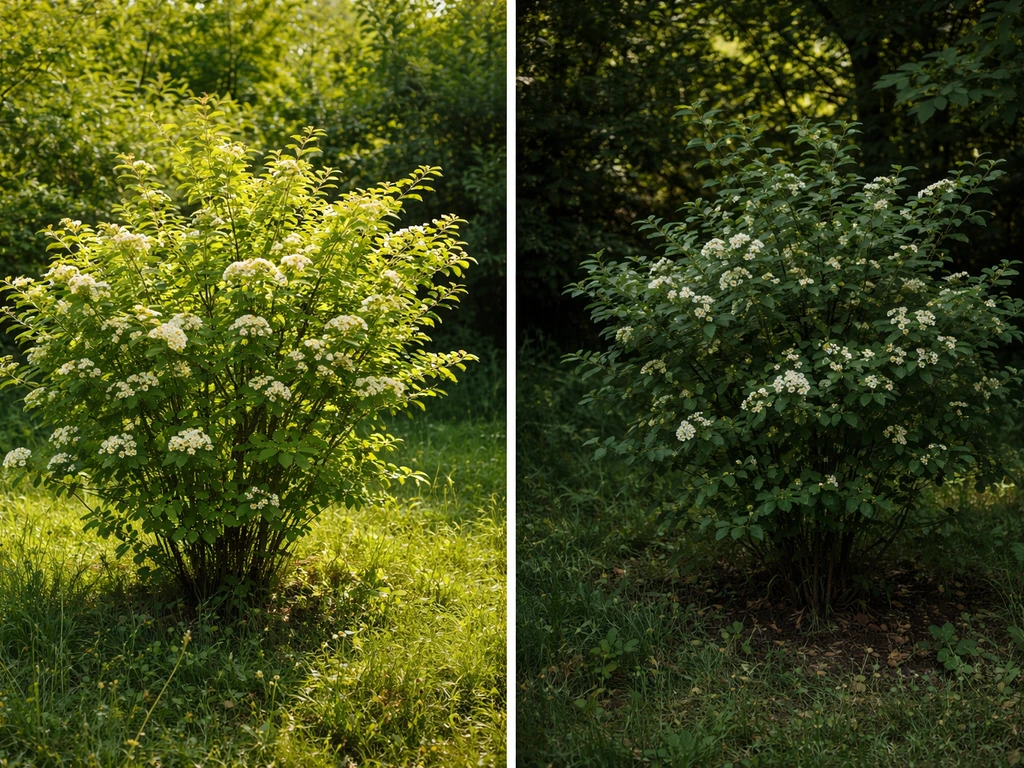
The Royal Horticultural Society states that hawthorn will grow in full sun or part shade, but it will not flower in deep shade. No flowers means no berries. In practice, I have seen hawthorn planted against a north-facing fence produce almost nothing, while the same species a few meters away in open ground was loaded with haws every autumn. Aim for at least four to six hours of direct sun per day if berries are the goal. Full sun is better.
Soil type and pH
Hawthorn is genuinely tolerant of a wide range of soils, which is part of why it colonizes roadsides and hedgerows so effectively. Clay, loam, chalk, sandy soil: it handles all of them reasonably well. The RHS cultivation notes for Crataegus monogyna simply say to grow it in any soil that is not waterlogged. pH-wise, hawthorn tolerates mildly acidic to moderately alkaline conditions, roughly 6.0 to 8.0. It is not a fussy plant in this regard. Where it does fail is in permanently waterlogged or boggy ground. Roots sitting in standing water through winter will rot. Good drainage is the one non-negotiable soil requirement.
Moisture
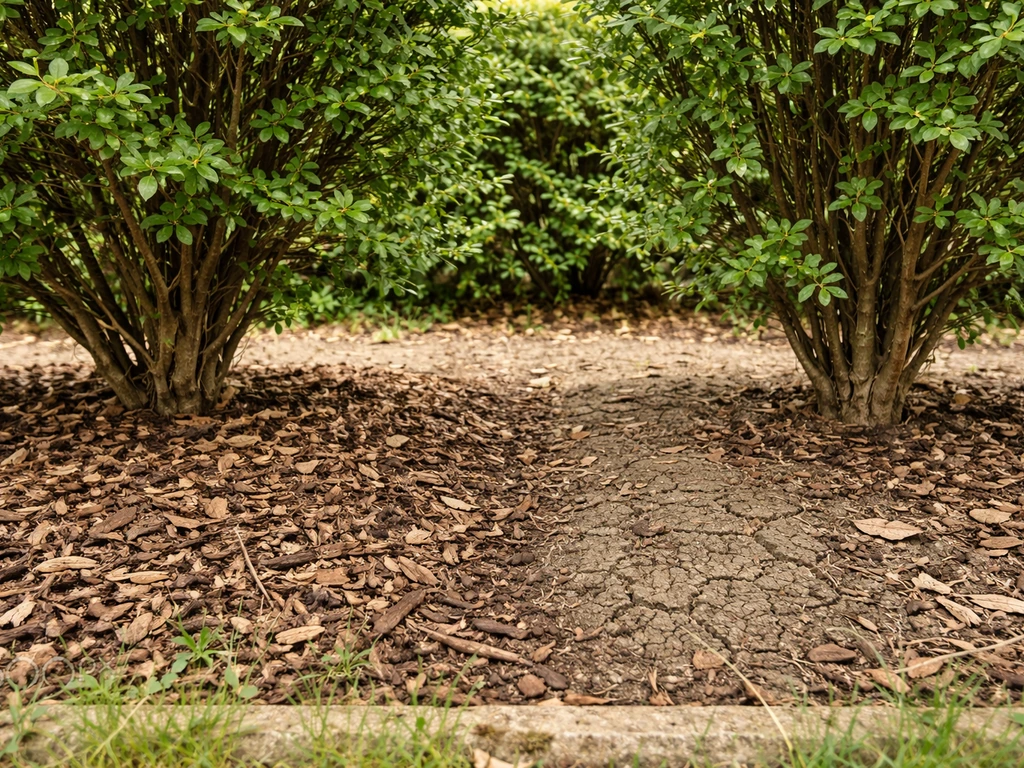
Hawthorn is drought-tolerant once established, which fits its hedgerow habitat perfectly. It handles dry summers in the UK and continental Europe without much trouble. It will appreciate consistent moisture during its first two to three years while roots establish, but after that it is largely self-sufficient in climates with average annual rainfall. Avoid sites where water pools after rain. That drainage point really does come up every time with hawthorn.
Tree, shrub, or hedge: what you are actually growing
One thing that surprises people is that hawthorn can be managed in very different forms depending on how you treat it, and that affects how and when you get berries. Left to grow freely, Crataegus monogyna can reach 10 meters in height as a rounded deciduous tree, according to the RHS. The Morton Arboretum gives a size range of 15 to 25 feet (about 4.5 to 7.5 meters) for a small tree form, or 25 to 40 feet for a medium tree. In practice, most garden-grown hawthorns stay much smaller, especially if pruned.
As a hedge, hawthorn is clipped regularly and will not produce many berries because the flowering wood gets removed. If berries are the primary goal, you need to let hawthorn grow as a tree or large shrub with minimal pruning in summer. The thorns are a real harvesting consideration too: dense, sharp, and present on almost all productive varieties. Gloves and long sleeves are not optional.
| Growth form | Typical height | Berry production | Best use |
|---|---|---|---|
| Free-standing tree | 15–40 ft (4.5–12 m) | High — flowers and fruits freely | Berry harvest, wildlife garden, specimen planting |
| Large shrub / multi-stem | 8–15 ft (2.5–4.5 m) | Good — manageable with light pruning | Smaller gardens, berry harvest |
| Clipped hedge | 2–8 ft (0.6–2.4 m) | Low — regular clipping removes flower buds | Boundary hedge, wildlife habitat (limited fruit) |
Quick checks to see if hawthorn will work in your yard
Before you buy a plant, run through these checks. They take about ten minutes and will save you from a lot of disappointment.
- Check your USDA hardiness zone or climate zone equivalent. Hawthorn for berries works best in Zones 4 through 7 in the US. If you are in Zone 8 or warmer, look for low-chill native hawthorn species or be prepared for inconsistent fruiting.
- Do the jar drainage test: dig a hole about 30 cm (12 inches) deep, fill it with water, and check how quickly it drains. If water is still sitting there after several hours, you have a drainage problem that needs addressing before planting.
- Look at how much direct sun your intended spot gets. Count actual sun hours on a clear day. Less than four hours and you will get foliage but few flowers and almost no berries.
- Check whether you have room. A free-standing hawthorn tree can reach 15 feet or more. If your site is tight, plan to manage it as a large shrub, but accept that pruning will reduce some berry yield.
- See if wild hawthorn grows in your region or nearby semi-natural areas. If it does, you are in the right climate. If you have never seen it growing locally, find out why before committing to planting.
Setting up your site to match hawthorn's natural habitat
Hawthorn does not need fancy soil preparation. The goal is to replicate a hedgerow edge, not a raised bed. That means well-draining, moderately fertile ground with good sun exposure and enough space for roots to spread.
Soil amendments
If your soil is heavy clay that holds water, dig in coarse grit or horticultural sand to improve drainage. Work it into the planting zone, not just the planting hole, or you just create a sump. If soil is very poor and sandy, a single incorporation of garden compost at planting time is enough. Hawthorn does not want or need rich, heavily fertilized soil. Overly fertile ground tends to push leafy growth at the expense of flowers and berries. Do not add high-nitrogen fertilizers.
Spacing
For individual trees or large shrubs grown for berries, space plants at least 4 to 5 meters (13 to 16 feet) apart. For a mixed hedgerow with berry production in mind, three plants per meter is a common UK recommendation, but expect less fruiting than a free-standing specimen. Plant in autumn when the soil is still warm but the plant is dormant. The RHS warns against planting into frozen or waterlogged ground.
Mulching and establishment
Lay a mulch of wood chips or composted bark around the base to hold moisture and suppress competing weeds during the first two or three seasons. Keep the mulch away from the trunk to avoid collar rot. Water during dry spells in the first year. After that, established hawthorn handles drought well on its own.
What to expect: timeline to berries, pollination, and harvest
Here is where patience comes in. Hawthorn grown from bare-root whips typically takes three to five years to produce its first meaningful crop of berries. Pot-grown specimens that are already a few years old will fruit sooner. I planted bare-root hawthorn alongside some other berry-producing hedgerow species and the hawthorn was definitely the slowest to get going, but once established, it produced more reliably than almost anything else on the plot.
Crataegus monogyna, as the species name suggests, is self-fertile (monogyna means one-seeded), so you do not strictly need multiple plants for berry production. However, planting two or more specimens nearby generally improves fruit set and yield, as cross-pollination between individuals helps even in self-fertile species. If you are growing North American species, check the specific variety, as pollination requirements vary.
Berries ripen in autumn. For Crataegus monogyna in the UK, that typically means September through October. University of Kentucky research on Crataegus crus-galli notes fruit ripening in late September as a reference point for temperate North American growing conditions, which aligns well with this general window. In warmer zones, ripening can be a couple of weeks earlier.
The haws (berries) turn deep red when ripe and will hang on the plant for weeks, which is handy if you miss the initial window. The RFS Woodland Plant ID Guide for Crataegus monogyna (hawthorn) notes that the fruits, or haws, ripen to red in late summer and early autumn [The haws (berries) turn deep red when ripe](https://www. rfs. org.
uk/wp-content/uploads/2026/01/Crataegus-monogyna-Hawthorn-RFS-Woodland-Plant-ID-Guide. pdf). Pick when fully red and slightly soft.
If you are exploring other berries that produce from woody plants in similar climates, it is worth looking at how aronia berries grow in temperate gardens, since they share some of hawthorn's adaptability to cold zones and poor soils. And if you are interested in berries from shrub-form plants with medicinal or culinary uses, where mayhaw berries grow is a useful comparison, especially for southeastern US growers looking for native alternatives to hawthorn.
Hawthorn vs. similar berrying plants: a quick comparison
People sometimes ask how hawthorn compares to other small-fruited berrying trees and shrubs for garden use. Here is how it stacks up against a few common alternatives on the factors that matter most for berry production.
| Plant | Hardiness (USDA zones) | Sun needs | Soil drainage | Time to fruit | Self-fertile |
|---|---|---|---|---|---|
| Hawthorn (Crataegus monogyna) | 4–7 | Full sun to part shade | Well-drained, no waterlogging | 3–5 years from whip | Yes |
| Aronia (chokeberry) | 3–8 | Full sun to part shade | Wide range, tolerates wet | 2–4 years | Yes |
| Mayhaw (Crataegus aestivalis) | 6–9 | Full sun | Moist, tolerates wet | 3–5 years | Cross-pollination helps |
| Elder (Sambucus nigra) | 3–7 | Full sun to part shade | Moist, well-drained | 2–3 years | Yes |
The recommendation here is straightforward: if you are in Zones 4 through 7 with decent drainage, hawthorn is one of the most reliable berry producers you can plant. If your soil stays wet or you are in the Deep South, aronia or mayhaw will serve you better. For those curious about tropical and subtropical berry options that grow in completely different conditions, the contrast with something like where acai berries grow shows just how different the requirements can be across the berry world. Similarly, if you are drawn to less common options for warmer or drier climates, reading about where maqui berries grow is a useful detour, since maqui thrives in a Mediterranean climate that overlaps only partially with hawthorn's range.
The bottom line for your garden
Hawthorn berries grow naturally in temperate Europe, northern Africa, and western Asia, in hedgerows and woodland edges with well-drained soil and plenty of light. In garden terms, that translates to Zones 4 through 7, full sun preferred, any decent soil that drains, and enough patience to wait three to five years for a proper crop. The plant is tough, largely self-sufficient once established, and productive for decades. If your climate fits that description and you have a spot with at least half a day of sun, hawthorn is one of the most rewarding berry plants you can add to a garden.
FAQ
If hawthorn can grow outside its native range, why do some areas get berries and others do not?
Hawthorn can sprout in many temperate spots outside its “native” range, but reliable berry production usually still needs a winter cold period. If your winters are mild enough that growth never truly pauses, you can end up with lots of leaves and few flowers, even when the plant survives.
Can I grow hawthorn for berries in partial shade or a north-facing garden spot?
Yes, but berries are tied to light. North-facing slopes and areas under tall trees often fail because they reduce flowering, and without flowers there are no haws. A practical test is to observe how much direct sun the plant gets during spring, then ensure it reaches roughly four to six hours of sun before expecting a strong autumn crop.
What are the drainage problems that most commonly stop hawthorn from producing berries?
Avoid planting where water pools after rain, especially during winter. Even well-drained soils can become effectively waterlogged if the site sits in a low spot, a depression, or near downspouts. If water sits for more than a day or two after heavy rain, choose a higher or better-drained location.
Why might my hawthorn be healthy but still not produce berries?
Deep shade is the biggest light failure, but another common issue is cutting or shearing. Regular hedge trimming removes the flowering wood, so you may get a neat plant with minimal or no berries. If fruit is the goal, switch to minimal pruning and let it grow as a shrub or tree-like form.
Do I really need more than one hawthorn plant to get a good berry harvest?
Hawthorn can be self-fertile, but cross-pollination still helps yield. If you want more consistent fruit, plant two different individuals (or a second species nearby when suitable) and avoid having all shrubs too far apart for pollinators to move between them.
How long should it take for hawthorn to start producing usable berries?
Bare-root plants usually take longer than older container plants to fruit. Expect a first meaningful crop around three to five years for bare-root stock, while multi-year container specimens can fruit sooner. Planning for the timeline reduces the most common “it’s not working” disappointment.
What should I troubleshoot first if berries are missing, bloom is low, or fruit drop happens?
For birds and wildlife, hawthorn leaves and flowers are a draw, but the fruit set still depends on flowering. If you notice very little bloom in spring, focus on sun and winter dormancy first, then check pruning habits and spacing. If you have a good bloom but low fruit, it can be a pollinator and weather issue during flowering.
When is the best time to pick hawthorn berries, and how do I know they are ripe?
In many regions, hawthorn berries ripen in autumn, but the exact weeks shift by climate. A better harvesting rule is color and texture, pick when the haws turn deep red and feel slightly soft. If they stay firm or partly red, give them more time on the plant.
I have heavy clay soil, what is the right way to amend it for berry production?
If you planted in heavy clay, improving drainage locally is important, not just in the planting hole. Work grit or sand into the whole planting zone, otherwise you can create a “sump” that holds water around the roots. This is also why raised, well-drained spots or slopes often perform better.
Should I fertilize hawthorn to increase berry yield?
If you are planting for fruit, fertilizing strategy matters. High nitrogen boosts leaves and can reduce flowering and berry set. Use little to no extra fertilizer, and only consider small amounts of balanced composted material, then stop well before flowering to avoid flushy growth.